 BPC-157 Missed Dose for Dogs — What to Do NextA missed dose of BPC-157 for a dog is not an emergency. Owners generally skip the missed administration rather than doubling up, resume at the next scheduled one, and mention the gap to their veterinarian. Consistency across the whole recovery window matters far more than any single missed day.Read the guide →
 K9-REPAIR Maintenance Dose — What It Actually MeansA K9-REPAIR maintenance dose is the lower, ongoing weight-based amount owners continue after the intensive recovery phase ends, once a veterinarian has cleared the dog to return to normal activity. The exact amount depends on your dog's weight and history, so set it with your vet rather than copying a number.Read the guide →
 K9-REPAIR Reconstitution Guide — Mixing and StorageReconstituting K9-REPAIR means adding a sterile diluent to freeze-dried peptide powder using clean technique, gentle mixing and cold storage afterward. The quantities come from the instructions supplied with your kit and from your veterinarian — never from a blog. This guide covers the handling principles that keep a vial stable and sterile.Read the guide →
 BPC-157: How to Read a COA for DogsA certificate of analysis for a canine BPC-157 product should name the exact peptide sequence, show purity by HPLC with a readable chromatogram, confirm identity by mass spectrometry, and carry a batch number matching the bottle in your hand. Anything missing those four elements is marketing, not verification.Read the guide →
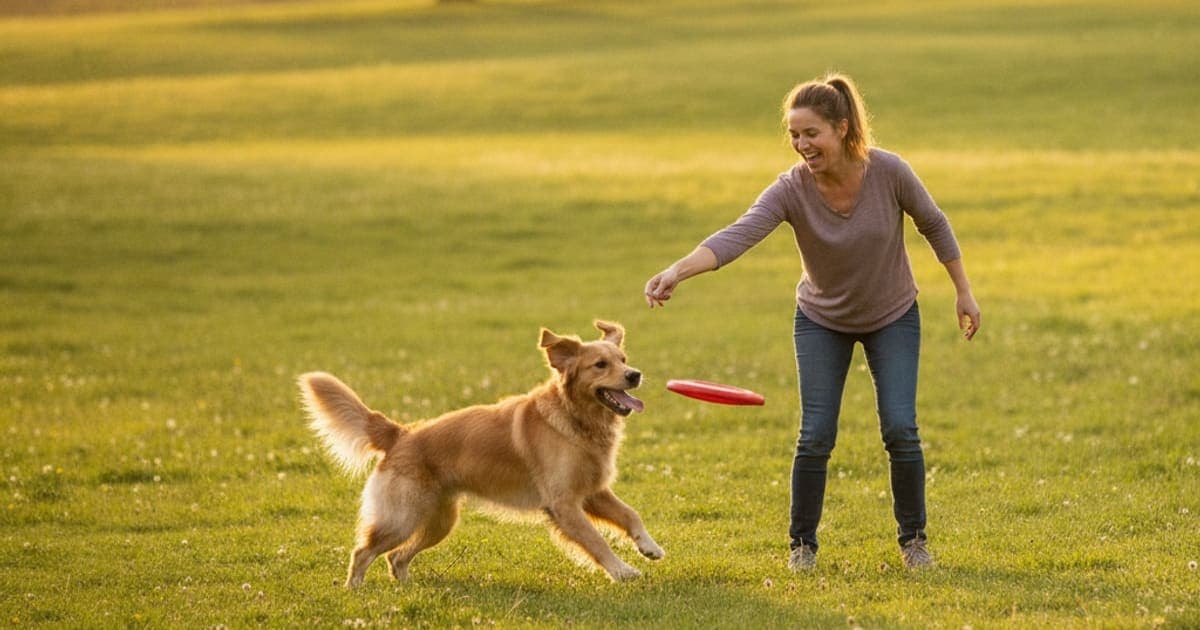 K9-REPAIR: How Long to Use It (Duration Explained)How long to use K9-REPAIR is set by the tissue and the recovery plan your veterinarian builds, not by a fixed number of weeks on a label. Owners typically use it across the active repair window for a soft-tissue or post-surgical case, then reassess mobility with their vet.Read the guide →
 K9-REPAIR Needle Size: What Determines the ChoiceThere is no single needle size for K9-REPAIR that applies to every dog. Gauge and length depend on the route, the dog's size and body condition, and the product's own directions — which is why the number should come from those directions and your veterinarian, not a forum thread.Read the guide →
 TB-500 Double Dose for Dogs — Why More Isn't BetterDoubling a dog's TB-500 dose does not speed recovery: research suggests these peptides act as signals to a repair process that runs at the tissue's own pace. Dosing is weight-based and set with your veterinarian, and an accidental double dose calls for an accurate log and a phone call, not a guess.Read the guide →
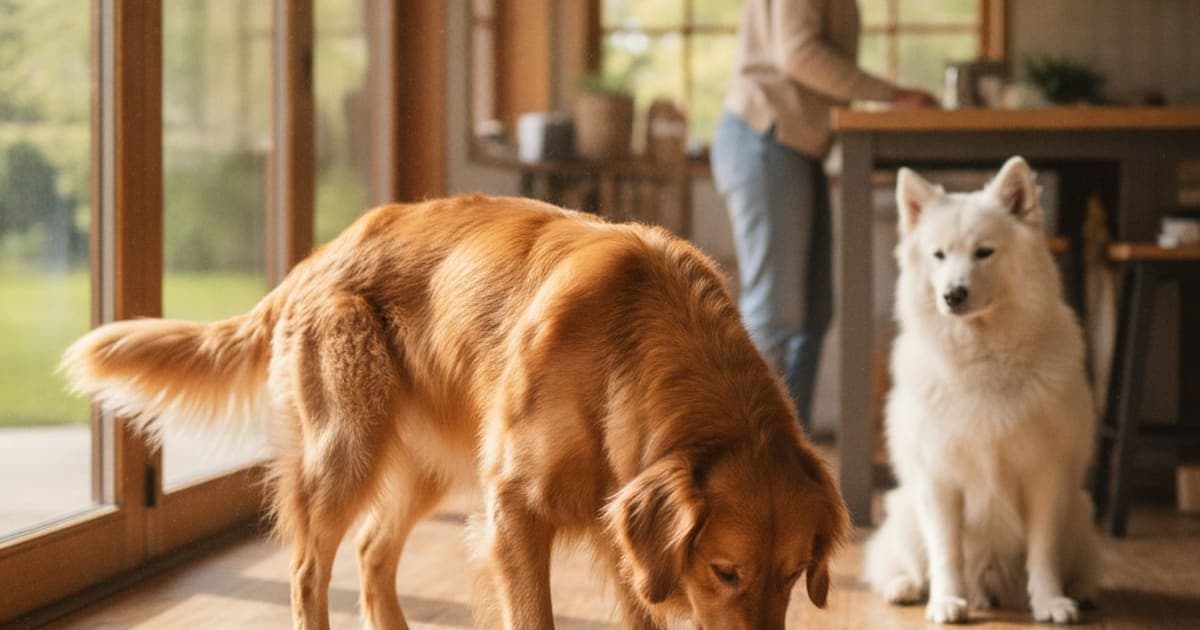 BPC-157 Timing With Meals for Dogs: What to KnowFor dogs, BPC-157 timing with meals depends on the format your veterinarian approves and the routine you can keep every day, not on a fixed clock. Food changes stomach chemistry and gastric emptying, which matters for anything swallowed. Consistency helps you observe changes clearly — your vet sets the specifics.Read the guide →
 TB-500 Oral vs Injection for Dogs — How They CompareInjection delivers TB-500 into subcutaneous tissue and bypasses digestion, while an oral formulation carries the peptide through the gut using protective carriers. For long canine recoveries, most owners choose oral because the dose actually gets given daily. K9-REPAIR pairs BPC-157 and TB-500 in a weight-based oral format.Read the guide →
 TB-500: How Many Weeks for Dogs? (Timeline Explained)There is no universal number of weeks for TB-500 in dogs. The length of a course is set with your veterinarian, based on the tissue that is healing and how your dog responds — because a tendon remodels on a months-long biological schedule, not a calendar you pick in advance.Read the guide →
 TB-500 Dose for Small Dogs — What Owners Should KnowThere is no validated public dose chart for TB-500 in dogs, and pawgen does not publish dosing numbers. For a small dog, the amount is a weight-based decision made with your veterinarian, who accounts for lean mass, the injury, and any prescribed medication your dog is already taking.Read the guide →
 K9-REPAIR Overdose Risk: What Owners Should KnowK9-REPAIR is dosed by body weight, and there is no mechanistic reason a larger serving would do more — signaling peptides like BPC-157 and TB-500 act through pathways that saturate rather than scale. Follow the supplied weight-based guidance, never improvise upward, and call your veterinarian if your dog gets extra.Read the guide →
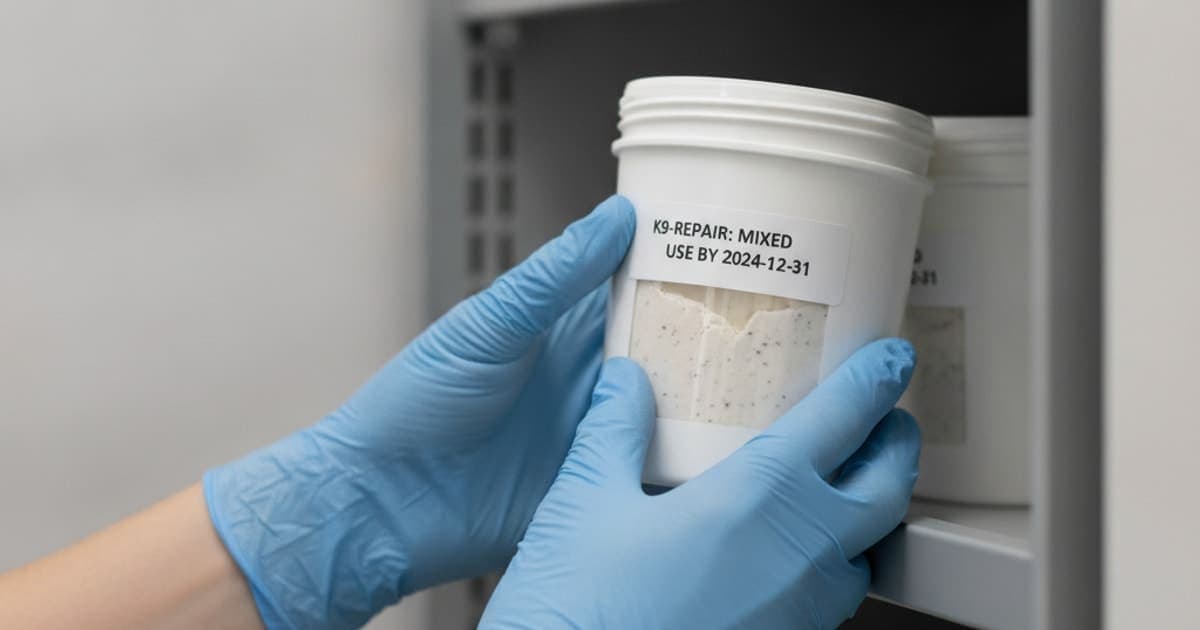 K9-REPAIR Storage After Mixing — Keeping Peptides StableAfter mixing, K9-REPAIR should be kept refrigerated, upright, out of light, and never frozen, with the reconstitution date written on the vial and the stopper wiped clean before every draw. Follow the storage window printed on your product instructions, and discard any vial that turns cloudy or shows particles.Read the guide →
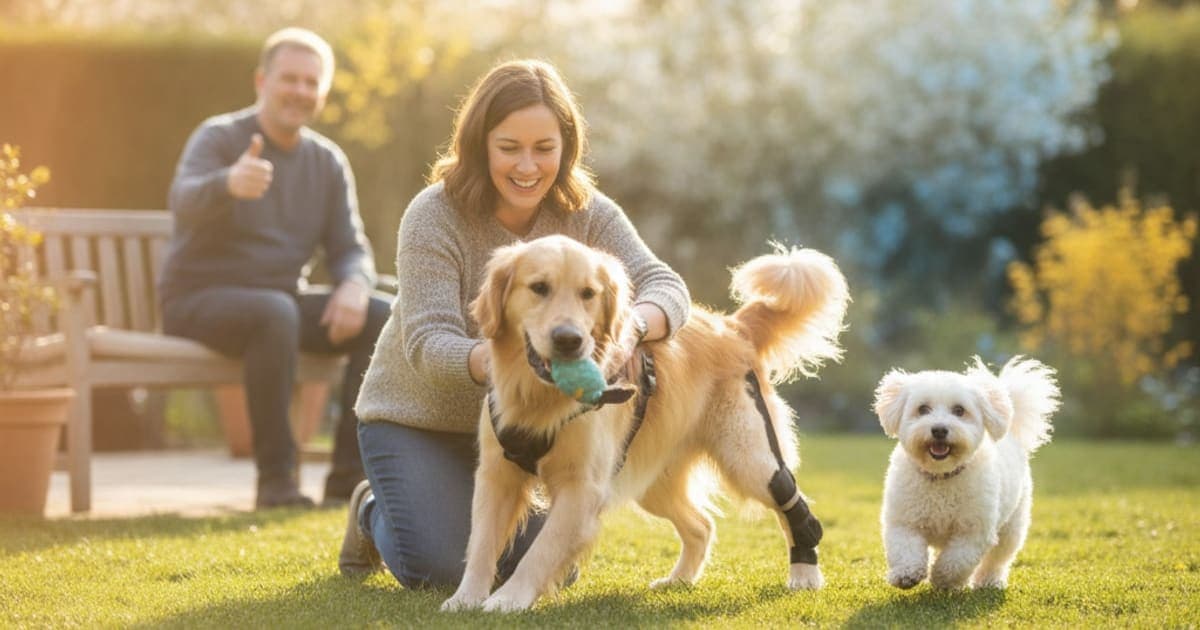 K9-REPAIR: How Many Weeks? (What Sets the Timeline)There is no fixed number of weeks for K9-REPAIR. How long owners run BPC-157 and TB-500 depends on the tissue involved, the stage of healing, and the recovery plan your veterinarian sets. Ligament and tendon remodeling takes months, so support windows are reviewed at rechecks rather than counted out in advance.Read the guide →
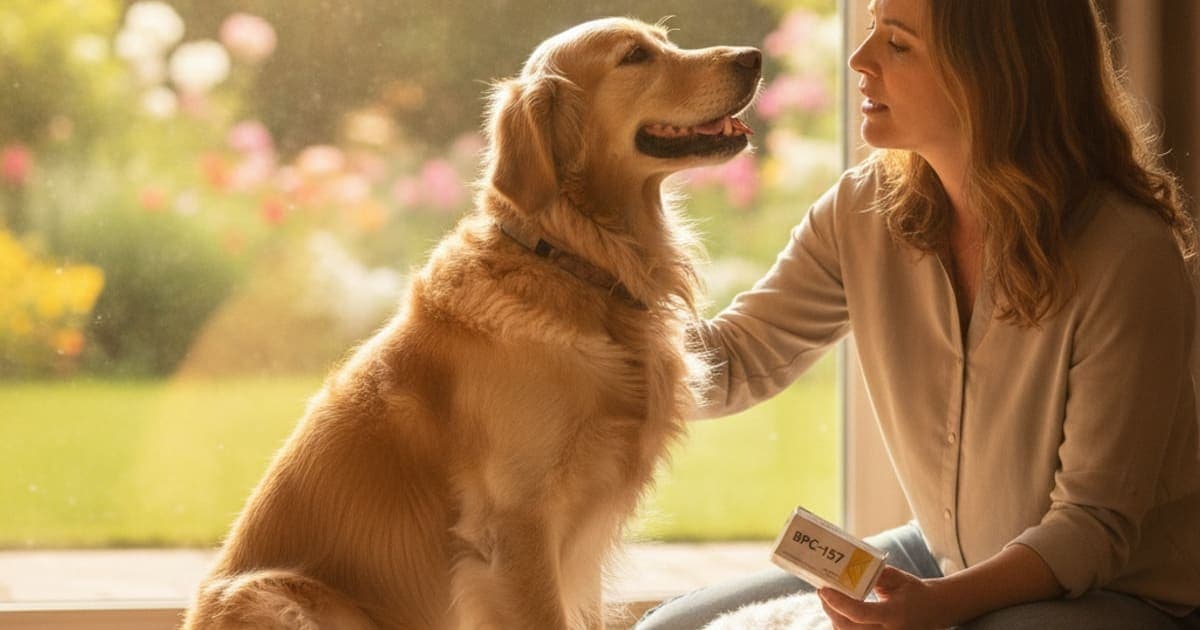 BPC-157: What To Do If Your Dog ReactsIf your dog reacts after starting BPC-157 — unusual lethargy, an upset stomach, or a tender administration site — stop giving it, write down what changed and when, and call your veterinarian. Signs like facial swelling, laboured breathing, repeated vomiting or collapse are emergencies and need a clinic immediately.Read the guide →
 K9-REPAIR Cycle Length — How Owners Time a CycleA K9-REPAIR cycle is a continuous stretch of daily, weight-based use that follows your dog's recovery window rather than a fixed number of days. Length depends on the injury, the surgery or rehab plan, and your dog's age and size — which is why it is set with your veterinarian, not from a chart.Read the guide →
 BPC-157 Dose for Giant Breeds: What Sets the NumberThere is no universal BPC-157 dose for giant breeds — the number belongs to your veterinarian, who weighs body mass, age, growth status and the injury being managed. What owners can control is formulation quality: a weight-based, third-party-tested peptide product rather than an underdosed kitchen-sink chew.Read the guide →
 TB-500: Injecting a Nervous Dog — Low-Stress HandlingInjecting a nervous dog with TB-500 is mostly a handling problem, not a needle problem. Have your veterinarian demonstrate the technique on your dog, then build a short, predictable, food-paired routine your dog can anticipate calmly. Sessions that end early beat sessions that end badly.Read the guide →
 TB-500 Handling and Hygiene for Dogs — Safe PracticesTB-500 handling and hygiene for dogs comes down to four habits: refrigerate the vial and keep it out of light, disinfect the stopper before every draw, use a new sterile needle and syringe each time, and dispose of sharps in a proper container. Your veterinarian should guide the plan.Read the guide →
 TB-500 Morning vs Evening for Dogs: Timing ExplainedTB-500 timing matters far less for dogs than consistency: no veterinary evidence shows morning or evening administration changes the outcome, and the peptide's proposed mechanism works across days of tissue remodelling rather than a daily peak. Pick the slot you will never miss, and confirm the schedule with your veterinarian.Read the guide →
 TB-500 Not Working? 7 Reasons WhyTB-500 usually looks like it isn't working for one of seven reasons: too little elapsed time, a dose mismatched to your dog's weight, an untested product, poor handling, a different diagnosis, or uncontrolled activity. The seventh is expectation — it is not a painkiller. Ask your vet.Read the guide →
 BPC-157 Second Cycle for Dogs: When to RepeatA second cycle of BPC-157 for dogs is common through a long recovery, but it should follow a veterinary reassessment of the tissue rather than a date on the calendar. Owners typically repeat a round when progress plateaus, workload steps up, or a rehab milestone changes what the tissue is being asked to do.Read the guide →
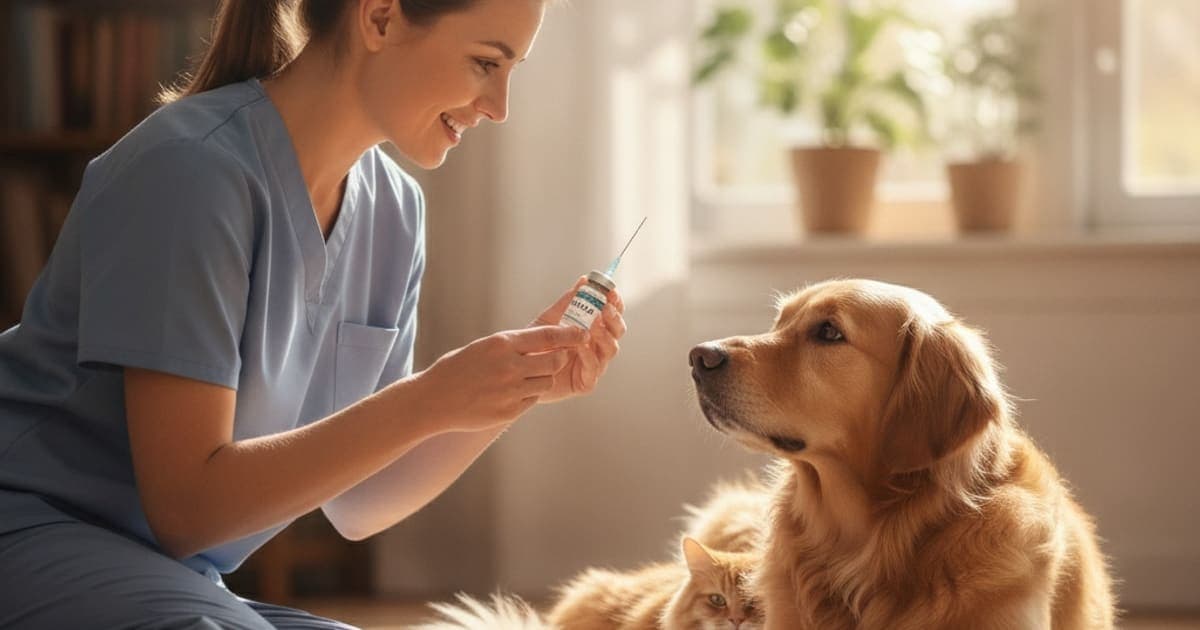 BPC-157 Needle Size for Dogs — Why Your Vet DecidesThere is no universal BPC-157 needle size for dogs. Gauge and length depend on the injection route, the volume and viscosity of the solution, your dog's size and skin, and who is administering it — which makes it a decision for the veterinarian supervising your dog, not a number from a forum.Read the guide →
 TB-500: Injecting a Large Dog Alone — Handling GuideMost owners can administer TB-500 to a large dog alone, and success depends more on setup than strength: a position your dog holds comfortably, a fully prepped tray within arm's reach, and a veterinarian who has demonstrated the technique on your own dog first. Amount and frequency stay with your vet.Read the guide →

The pawgen library · 3,678 guides
Dog mobility, joints and recovery
Plain-English guides on joint pain, injury recovery and what actually helps aging and active dogs. Written to answer the question, not to pad a word count.