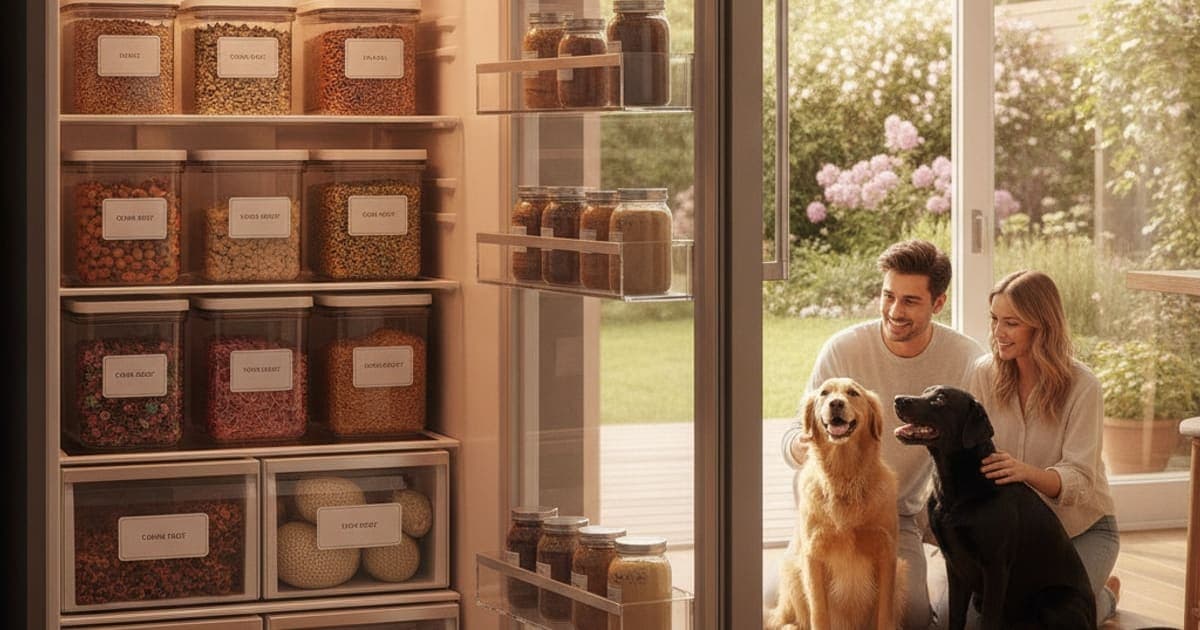
 Wolverine Stack Refrigeration for Dogs: Storage RulesYes — the Wolverine Stack (BPC-157 plus TB-500) needs cold storage once it is mixed. Sealed freeze-dried vials keep cool, dark and dry; reconstituted solution belongs on a steady refrigerator shelf, never the freezer and never the door. Heat, light and temperature swings are what degrade peptides fastest.Read the guide →
 BPC-157 Long Term Safety for Dogs — What to KnowBPC-157 has no long-term controlled trials in dogs, and it is not an FDA-approved veterinary drug; what exists is a broad preclinical literature reporting good tolerance plus owner experience. Long-run safety depends mostly on purity, weight-matched dosing and veterinary oversight — the three things an owner can actually verify.Read the guide →
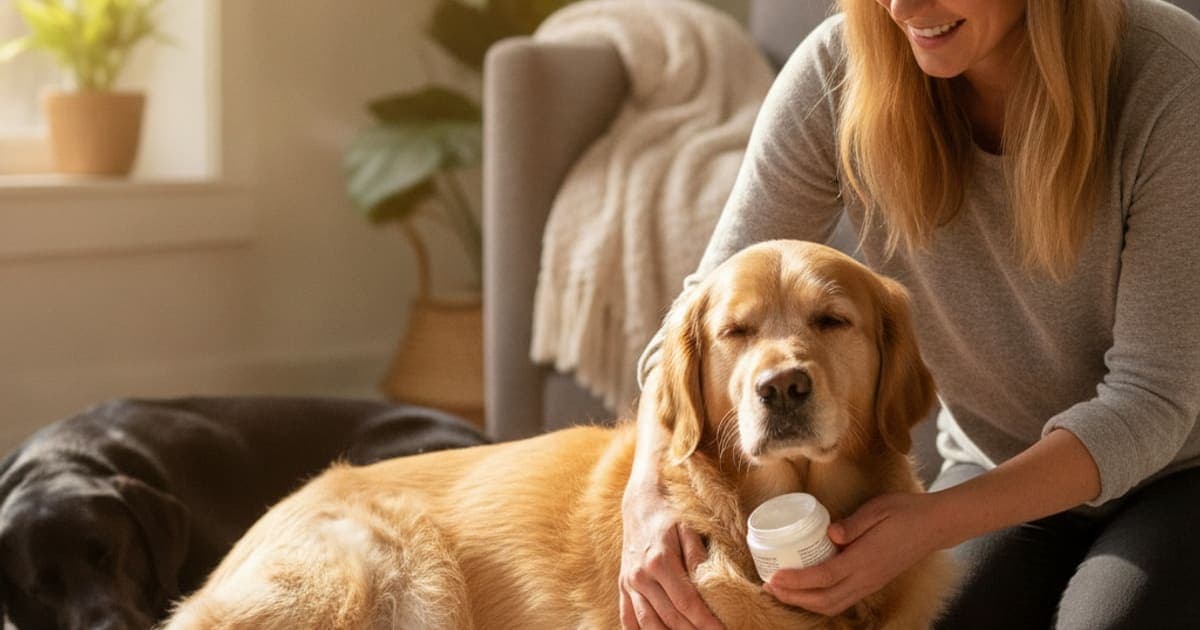 K9-REPAIR and Pregnant Dogs: What Owners Need to KnowPregnancy and nursing are life stages where every supplement decision, including K9-REPAIR, belongs to your veterinarian. pawgen's BPC-157 and TB-500 formulation is built for joint, tendon and mobility recovery in dogs, and no dosing guidance exists for pregnant or nursing dams — that conversation happens with your vet.Read the guide →
 The Wolverine Stack and Dogs With Epilepsy: SafetyThe Wolverine Stack — BPC-157 plus TB-500 — is a soft-tissue and mobility support pairing, not a seizure intervention, so for a dog with epilepsy it never replaces anticonvulsant medication. Research suggests these peptides act on tissue repair pathways, and the decision to add anything belongs with your veterinarian.Read the guide →
 TB-500 and Steroids for Dogs: What Owners Should KnowThere is no published interaction data on TB-500 given alongside corticosteroids in dogs, so the decision belongs to your veterinarian. Steroids like prednisone deliberately damp inflammation, which touches the same repair processes TB-500 is studied for. Never stop a prescribed steroid to start a peptide — raise the timing question instead.Read the guide →
 BPC-157: How Much BAC Water for Dogs? (Explained)There is no single correct amount. The bacteriostatic water volume used to reconstitute BPC-157 sets concentration, not the total peptide in the vial, so it has to be matched to that vial, the syringe and your dog's weight by your veterinarian. Ready-dosed canine formulations remove the mixing math entirely.Read the guide →
 K9-REPAIR Morning vs Evening: Which Timing Fits BestNeither is inherently better. Research has not established a best clock time for giving K9-REPAIR to dogs, so the deciding factor is consistency: the same time each day, anchored to a routine you will not miss. Morning suits stiff seniors and rehab days; evening suits busy households.Read the guide →
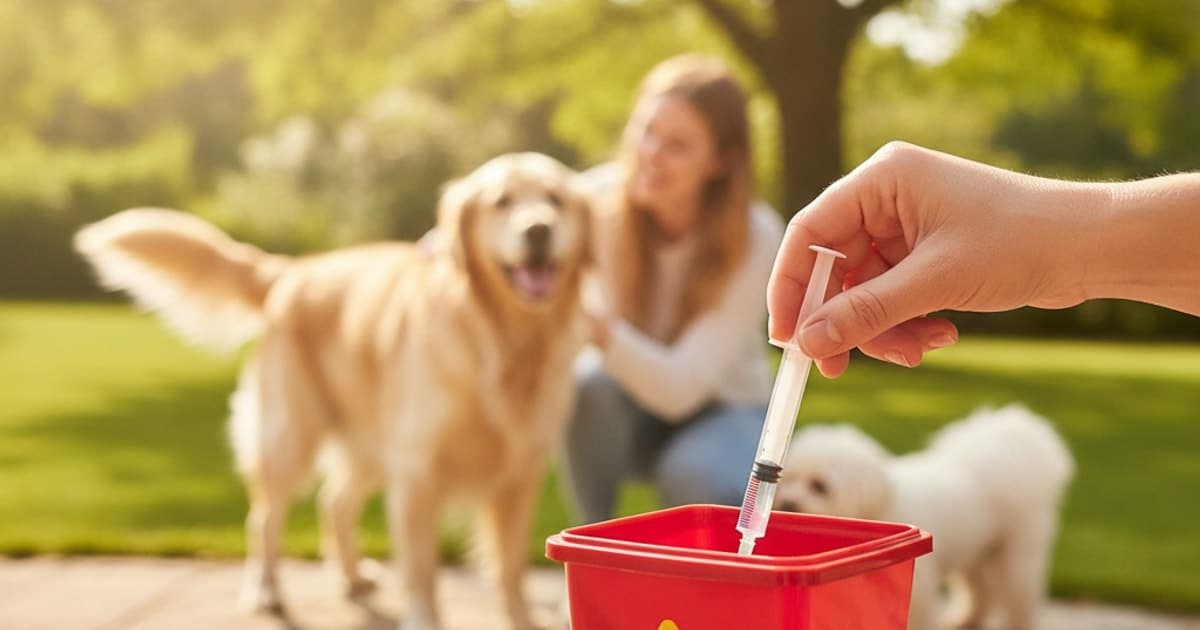 BPC-157 Needle Disposal for Dogs: Safe Sharps StepsUsed BPC-157 needles belong in a rigid, puncture-resistant, lidded sharps container the moment they leave your dog's skin - never recapped, never dropped loose in household trash or recycling. When the container is about three-quarters full, seal it and take it to an approved local sharps collection route.Read the guide →
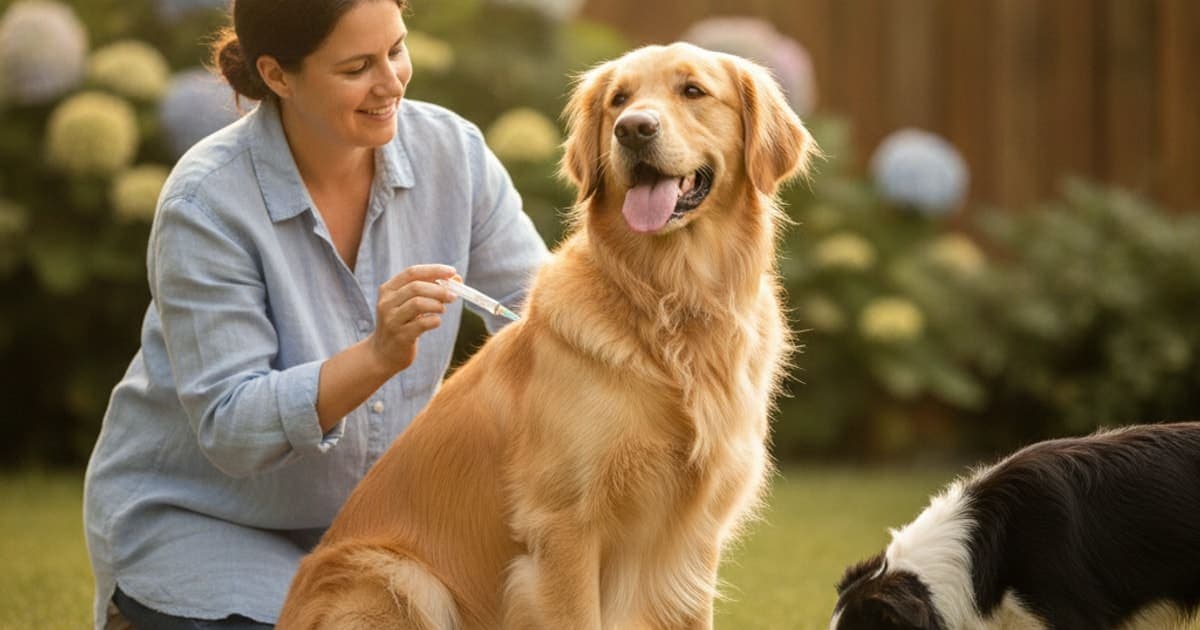 K9-REPAIR Subcutaneous Injection — How It WorksA K9-REPAIR subcutaneous injection places the BPC-157 and TB-500 solution in the loose tissue just under your dog's skin — usually over the shoulders or flank — so the peptides bypass digestion. Technique is learnable at home; the amount and schedule are decisions for your veterinarian, not a web page.Read the guide →
 TB-500 Dose for Large Dogs — What Owners Should KnowTB-500 dosing for large dogs is calculated by body weight, and the specific amount belongs to your veterinarian rather than a blog post. This article explains how weight-based peptide dosing works, why size changes the calculation, and what to confirm about formulation, third-party testing and reconstitution before starting.Read the guide →
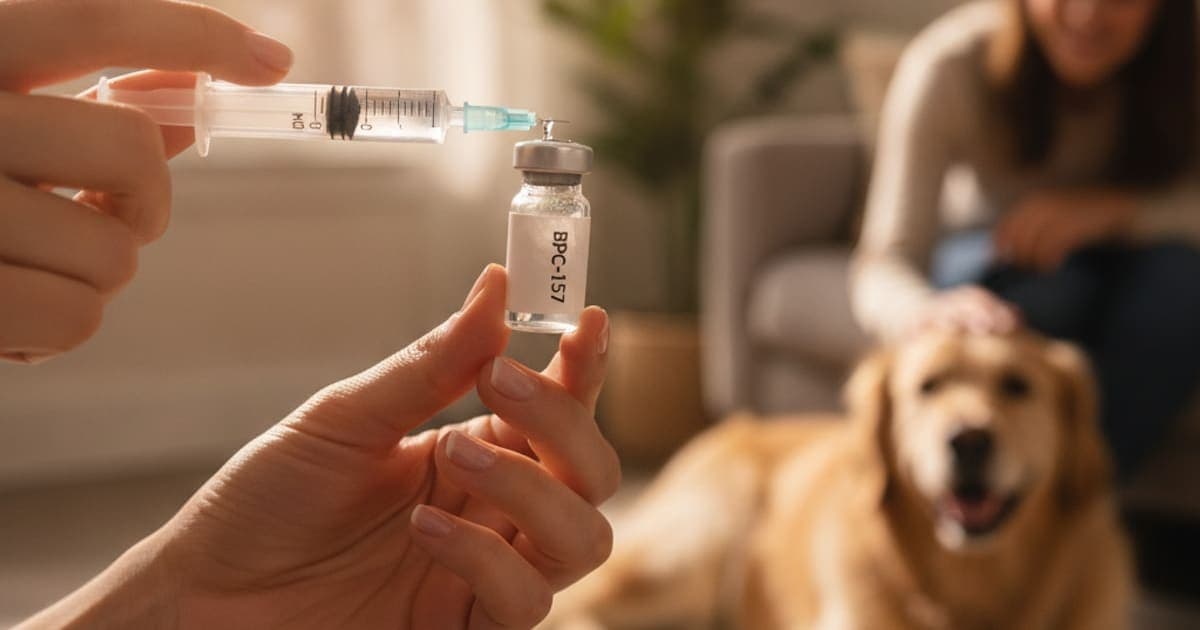 BPC-157 Reconstituting Step by Step for DogsReconstituting BPC-157 for a dog means adding a sterile diluent to a sealed vial of freeze-dried peptide so it becomes a measurable liquid: warm the vial, sanitise the stopper, add diluent slowly down the glass wall, swirl gently, then label and refrigerate. Volumes and amounts stay with your veterinarian.Read the guide →
 BPC-157 Shelf Life for Dogs — Storage That Protects ItBPC-157 shelf life for dogs is set by the form the peptide is in and how cold, dark and sealed it is kept. Sealed freeze-dried powder is the most stable; anything already in liquid runs on a shorter clock and is normally refrigerated. Follow the date and storage instructions on your product.Read the guide →
 BPC-157 Dose Calculator for Dogs — What It Can't Tell YouNo online BPC-157 dose calculator can safely set a dose for your dog, because dosing depends on formulation concentration, body weight band, injury type and your veterinarian's judgement. What a calculator can't replace is a canine-specific formulation with weight-based guidance and a vet who knows your dog's case.Read the guide →
 K9-REPAIR Second Cycle — When Owners Run Another RoundA K9-REPAIR second cycle is a second full run of the BPC-157 and TB-500 stack, started after the first cycle and any interval your veterinarian advises. Owners typically consider one when recovery is still progressing, when a dog moves into a harder rehab phase, or when an older dog's baseline shifts.Read the guide →
 K9-REPAIR Dose for Small Dogs — How Weight Dosing WorksK9-REPAIR is dosed by body weight, so a small dog takes a proportionally smaller amount than a large one, using the weight-based instructions supplied with the product and confirmed with your veterinarian. This guide explains how weight-based dosing is structured, why small dogs need extra measuring care, and what to ask at your appointment.Read the guide →
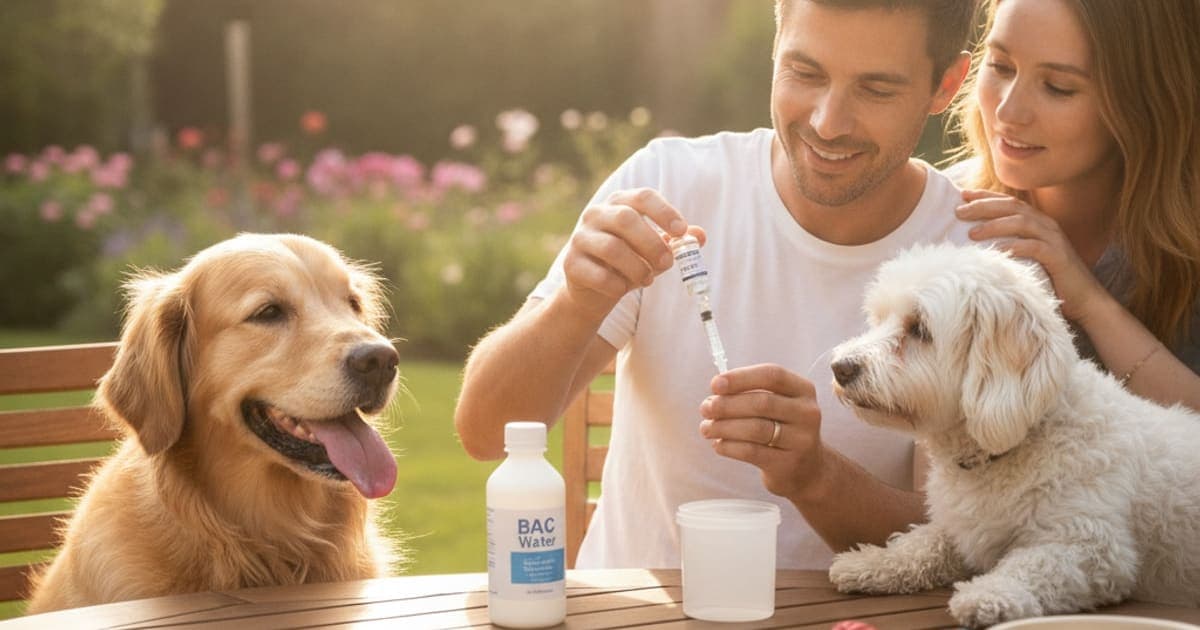 K9-REPAIR: How Much BAC Water? (Reconstitution Basics)The correct amount of bacteriostatic water for K9-REPAIR is the volume printed in the reconstitution instructions that ship with your vial, because that number sets the concentration your dosing guidance assumes. pawgen does not publish reconstitution figures in educational content; confirm the volume with your veterinarian before you mix anything.Read the guide →
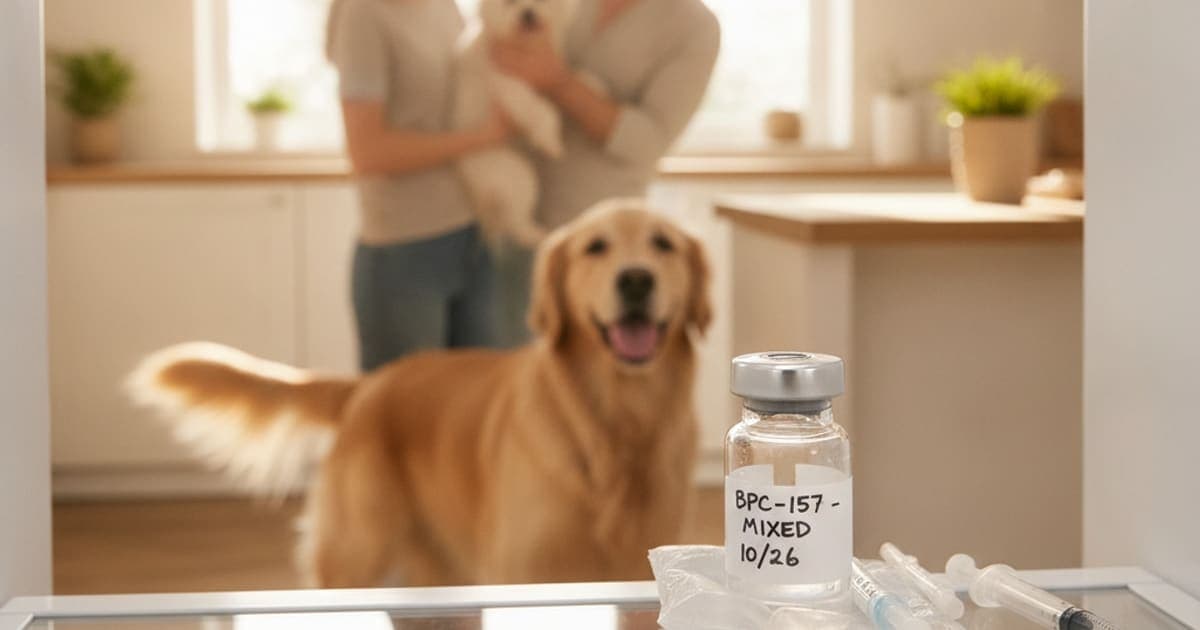 BPC-157 Storage After Mixing for Dogs — What to KnowReconstituted BPC-157 for dogs should be kept refrigerated in its original sealed vial, protected from light, and handled gently rather than shaken. How long a mixed vial stays usable depends on the diluent and the manufacturer's stability data, so follow the label that shipped with your product and confirm handling with your veterinarian.Read the guide →
 BPC-157 Starting Dose for Dogs — How It's DeterminedThere is no universal BPC-157 starting dose for dogs. The starting point is built from your dog's body weight, the concentration of the specific formulation, the delivery route, and your veterinarian's read on the case. This guide explains each variable and what to bring to that veterinary conversation.Read the guide →
 BPC-157 Cycle Length for Dogs — What Sets the TimelineThere is no universal BPC-157 cycle length for dogs. Duration is a decision you make with your veterinarian, anchored to the tissue that is recovering and the phase it is in — connective tissue remodels on a much longer arc than soft-tissue swelling settles.Read the guide →
 How Many Weeks for BPC-157 in Dogs? (Cycle Length)There is no single correct number of weeks — the length of a BPC-157 cycle for a dog tracks the tissue involved and the veterinary rehab plan around it. Ligament and tendon repair runs on a slower clock than skin or muscle, and duration is a decision to make with your vet.Read the guide →
 K9-REPAIR: Reading a COA — What Each Line MeansReading a COA for K9-REPAIR means confirming six things: the peptides identified, the batch or lot number, purity by HPLC, identity by mass spectrometry, a contamination panel, and the independent lab plus test date. If the lot matches your vial and every field is filled, the document is real.Read the guide →
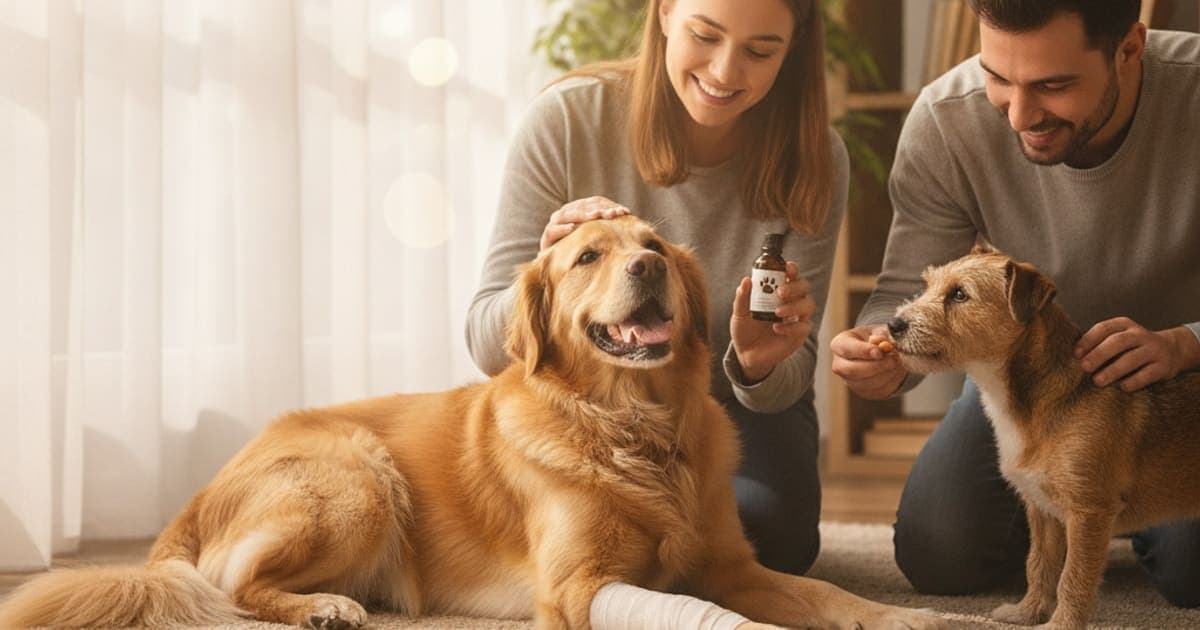 Wolverine Stack for Wound Healing in Dogs: What It IsThe Wolverine Stack is the owner nickname for BPC-157 combined with TB-500, and research suggests both peptides act on the tissue-repair processes a wound goes through rather than on the wound itself. It is not an FDA-approved veterinary drug. Wound care and diagnosis belong with your veterinarian first.Read the guide →
 BPC-157 Dosage Chart for Dogs — What Sets the DoseThere is no universal BPC-157 dosage chart for dogs, and any page publishing one is filling in blanks it cannot see. Dosing depends on body weight, the product's concentration, the route, the injury and veterinary oversight. This guide explains the variables that actually determine dosing and how owners approach peptide support with their vet.Read the guide →
 K9-REPAIR: What To Do If Your Dog ReactsIf your dog reacts to K9-REPAIR, pause the next dose, write down exactly what you saw and when it began, and contact your veterinarian before changing anything else. Mild, short-lived signs such as site tenderness or one soft stool differ from urgent ones like facial swelling, hives or laboured breathing, which need emergency care.Read the guide →

The pawgen library · 3,678 guides
Dog mobility, joints and recovery
Plain-English guides on joint pain, injury recovery and what actually helps aging and active dogs. Written to answer the question, not to pad a word count.