 TB-500 Dose for Giant Breeds — How Dosing Is ScaledTB-500 dosing for giant breeds is scaled to body weight and settled with your veterinarian — there is no single published number for a Great Dane, Mastiff or Wolfhound. Size changes joint loading, recovery time and how a dose is calculated, which is why the conversation belongs in the exam room.Read the guide →
 Flying With TB-500 for Dogs: Travel and Handling TipsFlying with TB-500 for dogs is mostly a handling problem: keep the peptide in your carry-on, protect it from heat and light, carry the original labelled packaging, and confirm airline and screening rules before you book. Talk to your veterinarian about timing the routine around travel days.Read the guide →
 TB-500 Dosage Chart for Dogs: What Owners Should KnowNo validated TB-500 dosage chart for dogs exists, because TB-500 is not an FDA-approved veterinary drug and no regulator has reviewed a canine label. Dosing depends on bodyweight, formulation concentration and recovery phase, so it belongs with your veterinarian — alongside the weight-based instructions supplied with formulated products like K9-REPAIR.Read the guide →
 Wolverine Stack for TPLO Recovery in Dogs: Does It Work?The Wolverine Stack is BPC-157 paired with TB-500, and it is the pairing many owners run alongside a TPLO recovery plan. Research suggests both peptides act on repair processes such as blood vessel formation and cell migration. Neither is FDA-approved for dogs, and neither replaces surgery or vet-directed rehab.Read the guide →
 K9-REPAIR Loading Dose — What It Means and Why It ExistsA loading dose is a heavier front-end phase used at the start of a peptide protocol, followed by a lighter maintenance phase. With K9-REPAIR, the specific amounts belong to your dog's weight and your veterinarian's input — pawgen publishes weight-based guidance, and no article should hand you a number.Read the guide →
 K9-REPAIR Dose for Giant Breeds — How Weight Scaling WorksGiant breeds do not use a separate K9-REPAIR protocol. Dosing is scaled to body weight, so a giant-breed dog sits at the top of the same weight-band scale a small dog sits at the bottom of. Confirm the right band for your dog with your veterinarian before starting.Read the guide →
 The Wolverine Stack for Toe Injury in Dogs: Does It Work?The Wolverine Stack is the owner nickname for BPC-157 and TB-500 used together, and research in animal models suggests these peptides may support the soft-tissue repair processes involved in tendon and ligament recovery. They are not FDA-approved veterinary drugs. A vet exam and imaging still come first for any painful toe.Read the guide →
 K9-REPAIR: Tapering Off — How Owners Wind Down a CycleTapering off K9-REPAIR means reducing frequency gradually at the end of a planned block rather than stopping abruptly, timed to where the tissue is in its healing arc rather than to how the limp looks. There is no universal schedule — frequency and weight-based amounts belong with your veterinarian.Read the guide →
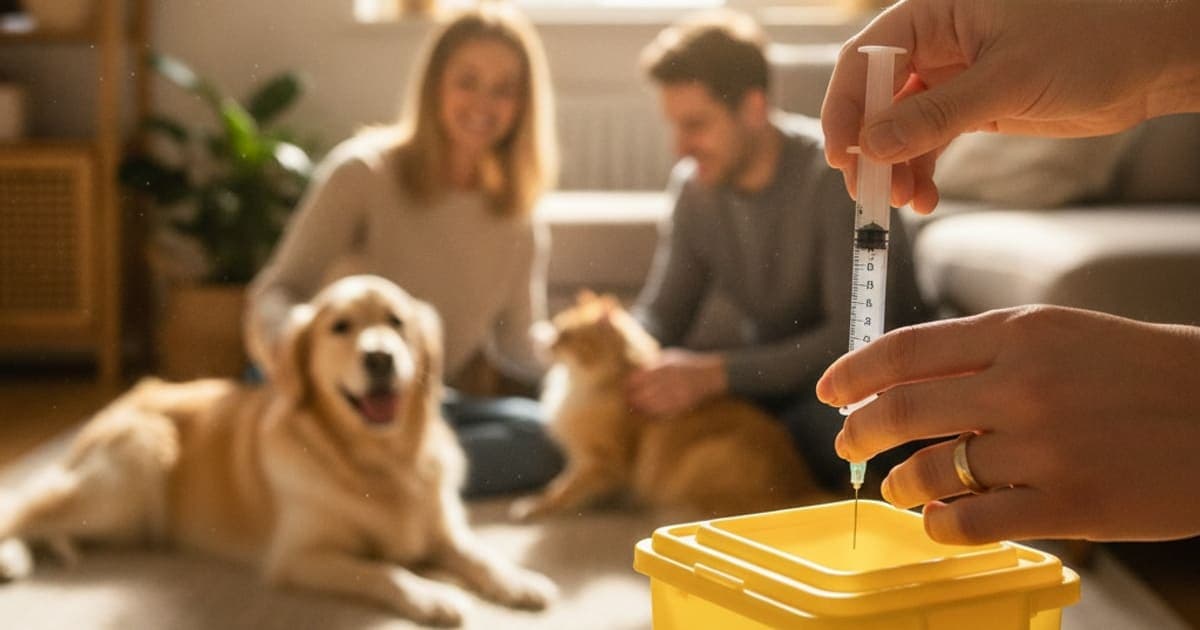 TB-500 for Dogs — How to Dispose of Needles SafelyUsed needles from TB-500 administration belong in a rigid, puncture-resistant sharps container immediately after the injection — never a trash bag, recycling bin or loose jar. Seal the container before it is completely full, then use a designated drop-off such as a veterinary clinic, pharmacy, hazardous waste site or mail-back program.Read the guide →
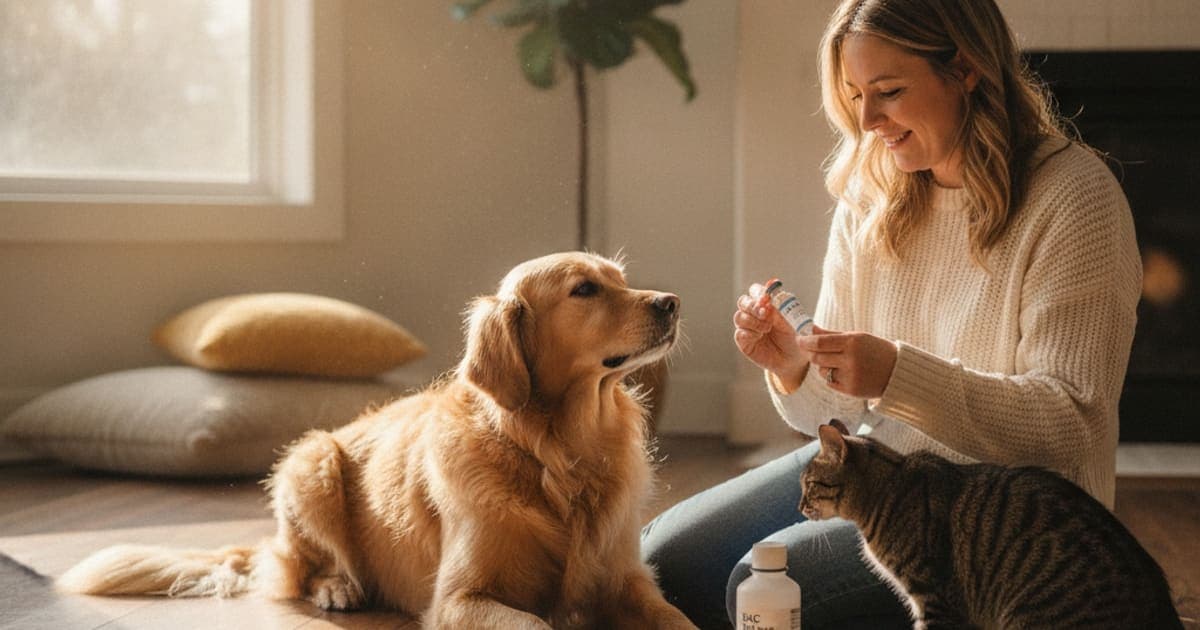 TB-500: How Much BAC Water for Dogs? (Dilution Basics)The right amount of bacteriostatic water for TB-500 depends on the vial's peptide content and the plan your veterinarian sets — the volume controls concentration, not dose, so no universal figure exists. pawgen's K9-REPAIR is formulated for dogs with weight-based dosing guidance rather than kitchen-table math.Read the guide →
 BPC-157 Splitting Doses for Dogs — What Owners AskSplitting doses means dividing the total daily amount into two or more smaller administrations instead of giving it all at once — it changes delivery rhythm, not the total. Whether that suits your dog belongs to your veterinarian, and pawgen publishes no numbers for it. Here is the reasoning behind the question.Read the guide →
 TB-500 Cycle Length for Dogs — What Sets the TimelineThere is no fixed TB-500 cycle length for dogs. Duration is set by your veterinarian around the tissue involved, the stage of repair, and how the dog is moving on recheck — not by a protocol copied from a human forum. Function, not the calendar, guides the decision.Read the guide →
 BPC-157 Dose for Small Dogs — How Weight Dosing WorksThere is no universal BPC-157 dose for small dogs — the amount is derived from body weight and confirmed by the veterinarian who knows your dog. Formulations made for dogs, like K9-REPAIR from pawgen, build weight-based dosing in so owners of small breeds are not shrinking a human protocol by guesswork.Read the guide →
 BPC-157 Oral vs Injection for Dogs — What DiffersOral BPC-157 passes through a dog's digestive tract, so the gut and gut–liver axis see it first, while injected BPC-157 bypasses digestion and enters circulation directly. Research has explored both routes. Owners typically choose based on the dog's temperament, handling comfort, product quality and their veterinarian's guidance.Read the guide →
 K9-REPAIR Syringe Size — Choosing the Right SyringeThe right syringe for K9-REPAIR is the smallest one that comfortably holds the volume your veterinarian sets, because fine gradations make small measurements accurate. Syringe choice follows the dose, not the other way round. Your vet confirms both the volume and the appropriate syringe for your dog's size.Read the guide →
 K9-REPAIR Refrigeration — Storage Before and After MixingK9-REPAIR is supplied as a lyophilised (freeze-dried) peptide vial, which is stable without refrigeration in a cool, dark place; once it is reconstituted, the solution belongs in the refrigerator. Follow the storage instructions that came with your vial, keep it away from light and heat, and bring handling questions to your veterinarian.Read the guide →
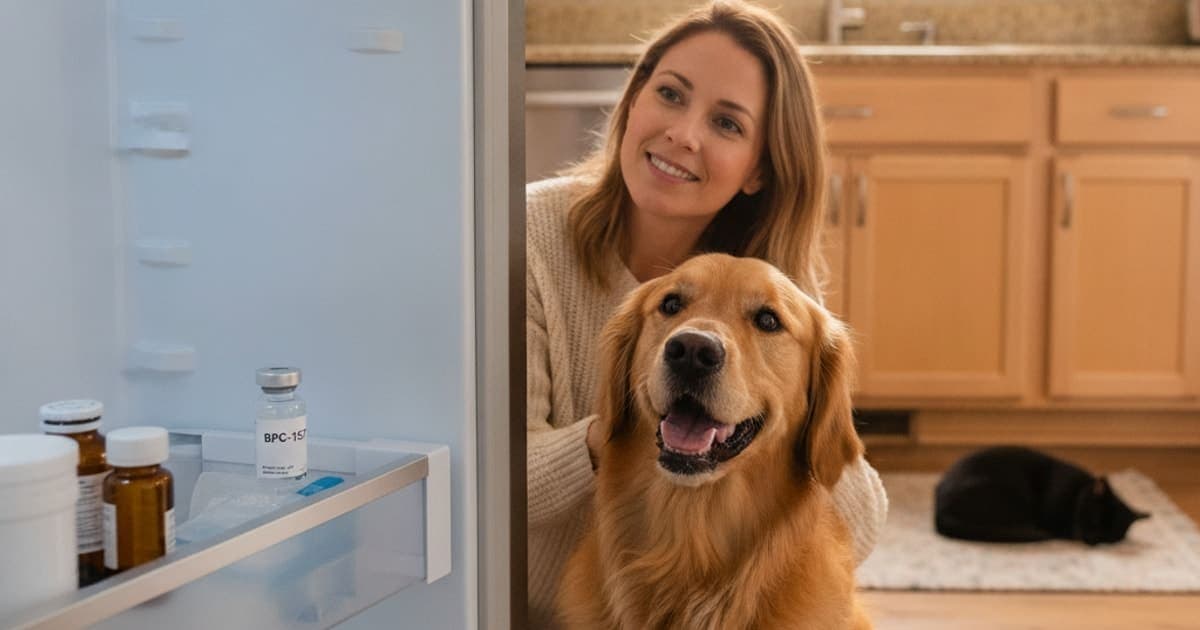 BPC-157 Refrigeration for Dogs — Storage ExplainedMost BPC-157 formulations for dogs are intended to be kept refrigerated, and the storage line on your own bottle is the authority. Cold storage slows the chemistry that pulls peptide chains apart, and liquid forms depend on it far more than dry, unopened material does.Read the guide →
 BPC-157: Injecting a Large Dog Alone — Handling GuideMost owners can give a large dog a subcutaneous injection alone once they set the space up first and use position instead of force. Have your veterinarian demonstrate the technique in person, work at your dog's pace, and stop the session before restraint turns into a struggle.Read the guide →
 K9-REPAIR Missed Dose: What to Do If You Skip a DayA missed dose of K9-REPAIR is not an emergency: give it when you remember if you are still within your dog's normal routine for that day, otherwise skip it and resume at the next scheduled dose. Never double up to compensate. Log the gap and mention it to your veterinarian.Read the guide →
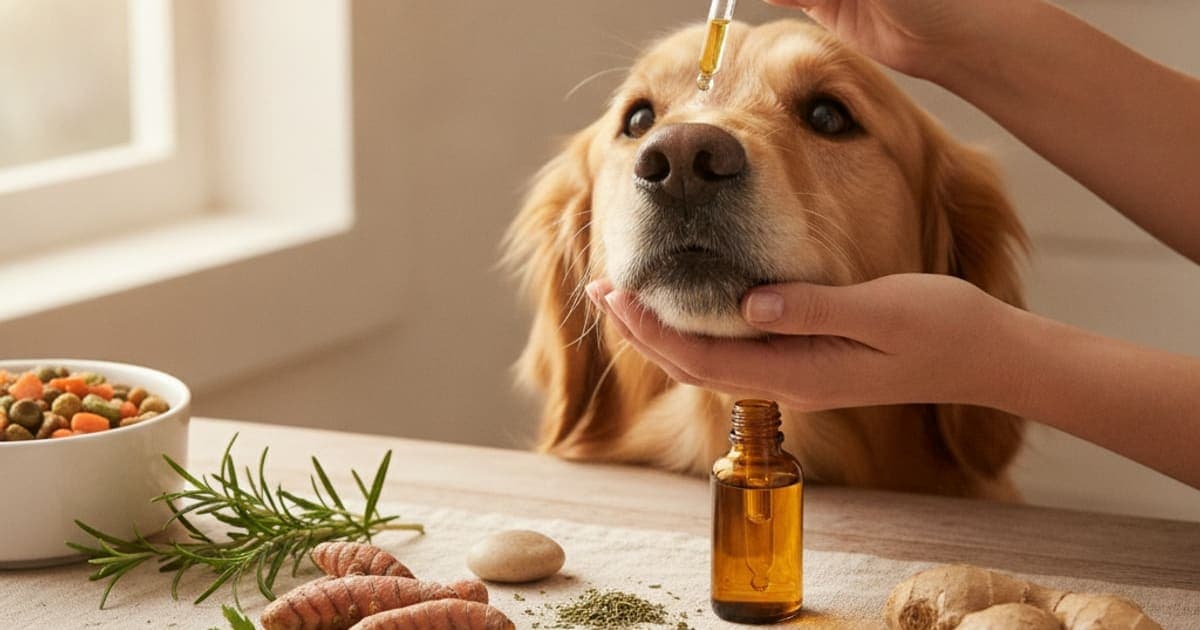 K9-REPAIR Starting Dose: How It's DeterminedK9-REPAIR dosing is weight-based, and the right starting dose for your dog is a conversation with your veterinarian, not a number pulled from a blog. This article explains how weight-based dosing works, what the peptides in the formulation do, and what to bring to that veterinary appointment.Read the guide →
 Flying With K9-REPAIR: Travel Tips for Dog OwnersYes, you can fly with K9-REPAIR. Keep it with you in your carry-on rather than checked baggage, protect it from heat and freezing, declare it if asked at screening, and check the import rules of your destination. Timing around travel days is something to plan with your veterinarian.Read the guide →
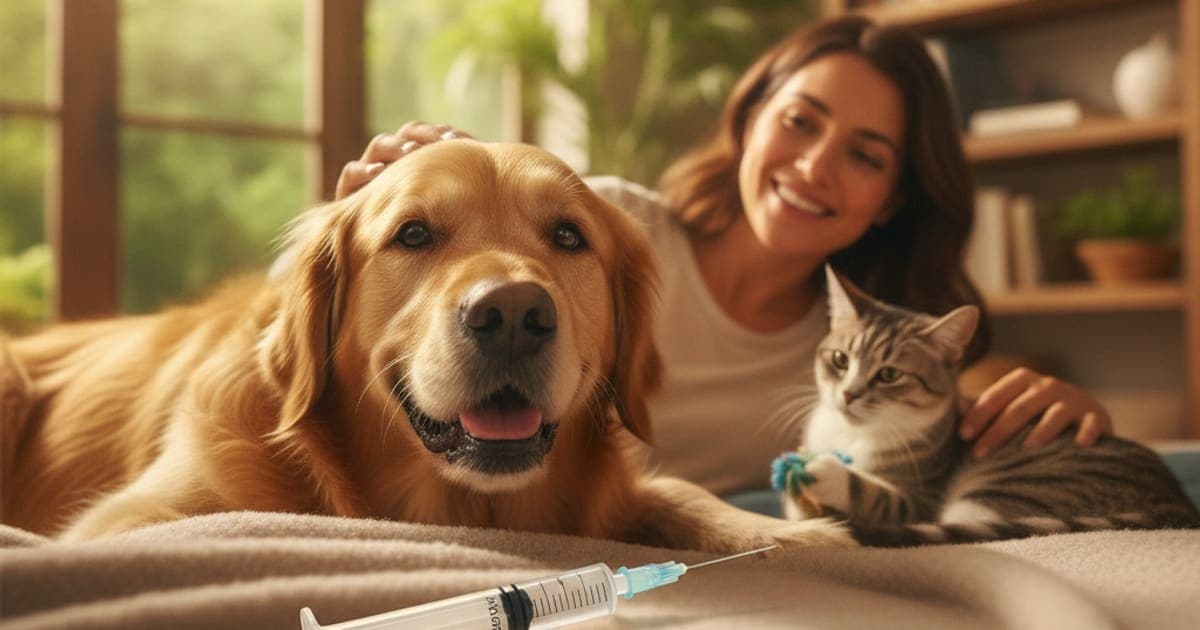 TB-500 Needle Size for Dogs — Why Your Vet DecidesThere is no single correct TB-500 needle size for dogs — gauge, length and route depend on your dog's size, the preparation's volume and viscosity, and your veterinarian's judgement. Published numbers from human peptide forums do not transfer to dogs, which is why administration belongs in your vet's hands.Read the guide →
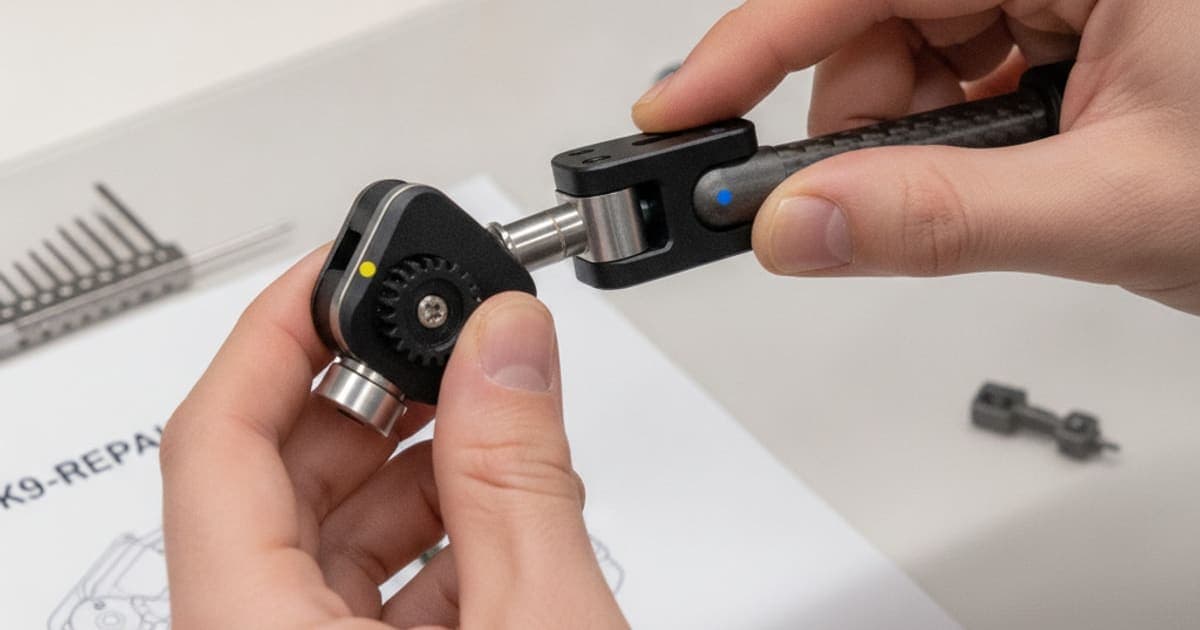 K9-REPAIR: Reconstituting Step by Step at HomeReconstituting K9-REPAIR means gently adding the diluent specified in your kit's documentation to the freeze-dried peptide, letting it dissolve without shaking, then labeling and refrigerating the vial. Work on a clean surface, swab both stoppers, run the liquid down the inner glass wall, and keep every quantity question with your veterinarian.Read the guide →
 BPC-157 Morning vs Evening for Dogs — Timing ExplainedNeither morning nor evening is established as superior for BPC-157 in dogs; no canine study compares them directly. What matters is a consistent daily anchor your household can keep, coordinated with meals, medication and rehab. Owners choose the slot they will not miss, and confirm the plan with their veterinarian.Read the guide →

The pawgen library · 3,678 guides
Dog mobility, joints and recovery
Plain-English guides on joint pain, injury recovery and what actually helps aging and active dogs. Written to answer the question, not to pad a word count.