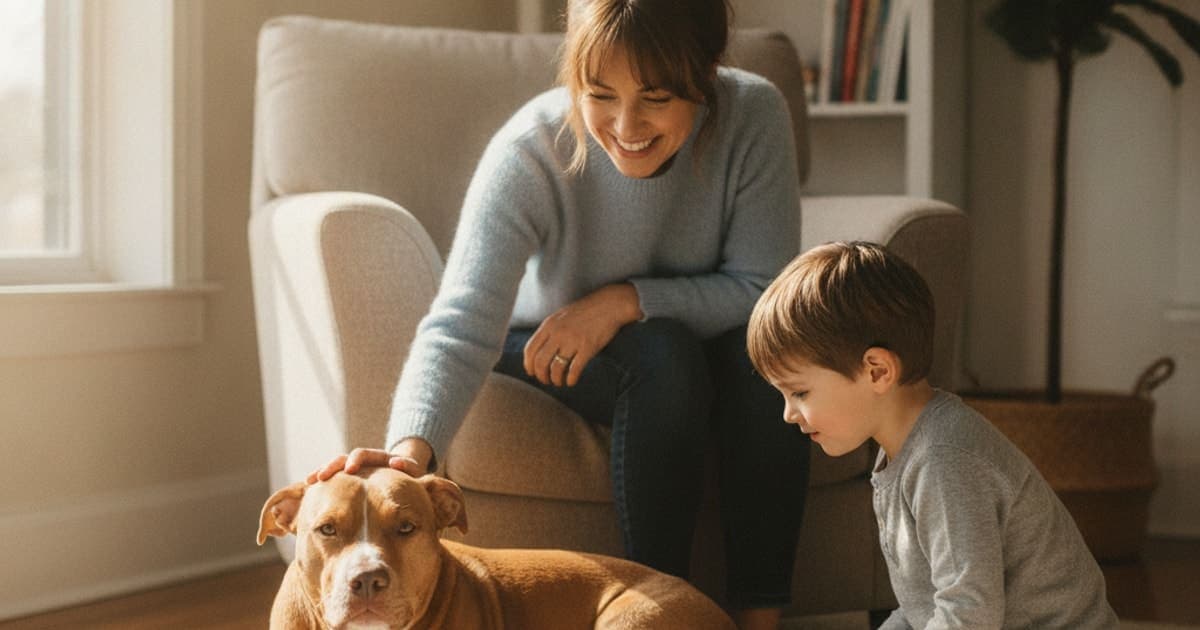
 Why Pit Bulls Are Prone to Joint ProblemsPit bulls are prone to joint problems because dense muscle and a short, wide frame push heavy load through the hips, elbows and knees, and the breed group carries inherited hip and elbow dysplasia risk. Explosive activity and extra body weight accelerate the wear that follows.Read the guide →
 Dog Shoulder Instability Recovery Time: What to ExpectMost dogs with shoulder instability need weeks to months, not days: conservative plans commonly run a period of strict restriction followed by a graded return to activity across several months, and surgical repair adds its own staged rehab. The exact timeline belongs to your veterinarian, based on imaging and severity.Read the guide →
 Why Vizslas Are Prone to Joint Problems (Breed Risks)Vizslas are prone to joint problems because they combine an inherited risk of hip and elbow dysplasia with an extreme working drive in a light, fast frame. That mix loads cartilage, tendons and ligaments hard, and the damage often shows up as soft-tissue strain long before arthritis appears.Read the guide →
 What Makes Pressure Sores Worse in Dogs? (Key Factors)Pressure sores in dogs get worse when the same bony point keeps bearing weight on a hard surface, and when moisture, friction, poor circulation, low body condition and reduced mobility stack on top of it. Infection and repeated trauma to a healing edge are the fastest accelerators.Read the guide →
 Why Is My Dog Lagging Behind on Walks? (Causes Explained)A dog lagging behind on walks is usually signalling a physical change rather than stubbornness. Orthopedic pain from arthritis, ligament or tendon injury is the most common driver, but heart, lung, thyroid, blood or nerve problems reduce stamina too. New or worsening lagging warrants a veterinary exam.Read the guide →
 Dog Crying Out In Pain: What It Usually MeansA dog crying out in pain is usually signalling sharp pain from the spine or neck, a joint or ligament, the abdomen, or a tooth or ear. Dogs suppress pain by instinct, so a genuine cry means a threshold was crossed. Repeated crying, or crying when touched or lifted, warrants prompt veterinary examination.Read the guide →
 When Should I Take a Dog to the Vet for a Clicking Joint?Take your dog to the vet if the clicking or popping comes with limping, yelping, swelling, reluctance to jump, or a sudden change in gait — or if it appears in a puppy or a large-breed dog. Painless, occasional noise with normal movement can be monitored and mentioned at the next check-up.Read the guide →
 Havanese Joint Problems — Why This Breed Is at RiskHavanese are prone to joint problems because the breed pairs a light-boned, long-backed frame with low-set legs, shallow kneecap grooves and a long, active lifespan. That combination concentrates load on the knees, hips and mid-spine, which is why patellar luxation, hip laxity and disc disease appear more often in this breed than its size suggests.Read the guide →
 Why Is My Dog Sleeping More Than Usual? (Causes Explained)A dog sleeping more than usual is usually responding to age, pain, an underlying medical problem, or a change in routine and stimulation. Extra rest on its own is often harmless. Extra rest alongside stiffness, appetite change, weight loss or reluctance to move deserves a veterinary exam rather than watchful waiting.Read the guide →
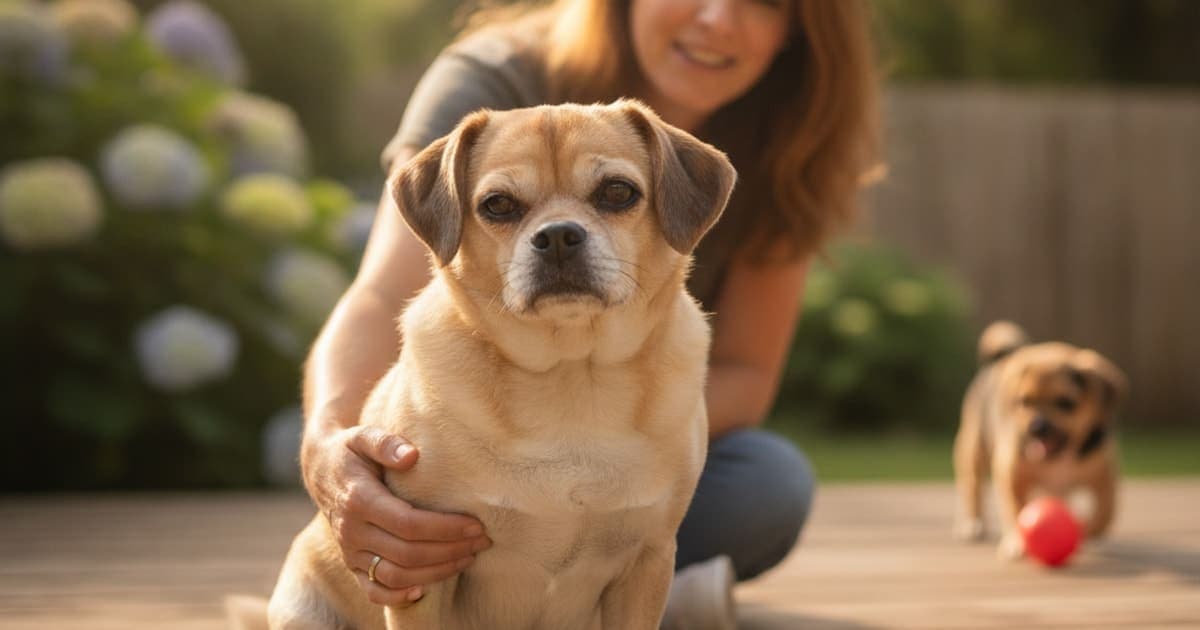 Why Puggles Are Prone to Joint ProblemsPuggles inherit joint risk from both parent breeds: beagle-type long-backed, short-legged conformation and pug-derived compact structure, a combination linked to patellar luxation, hip dysplasia, intervertebral disc disease and early arthritis. Weight control, low-impact conditioning and early veterinary imaging matter most, and owners increasingly add peptide support through recovery.Read the guide →
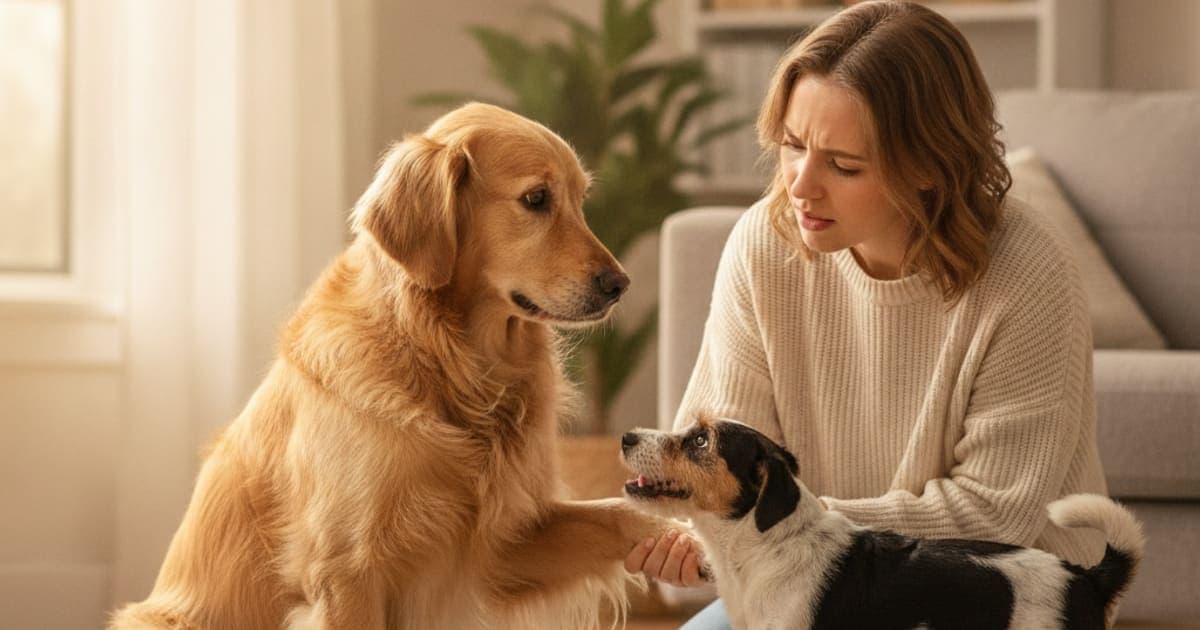 Dog Limping On A Front Leg: When to See a VetA dog limping on a front leg should be seen the same day if the limb bears no weight, is swollen, hot or misshapen, or the limp followed trauma. A mild limp that lasts beyond a day, recurs, or worsens deserves an appointment within 24 to 48 hours.Read the guide →
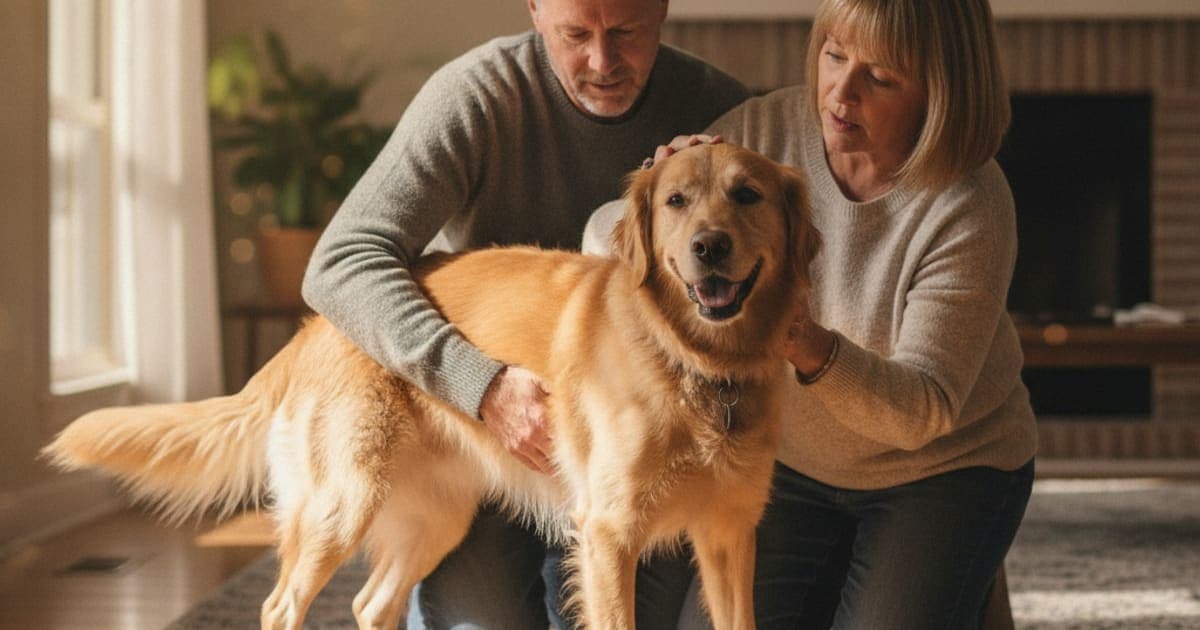 Dog Back Legs Giving Out: When to See a VetSee a veterinarian the same day your dog's back legs start giving out, and go to an emergency clinic immediately if the weakness came on suddenly, if your dog cannot stand, if they are dragging their paws, if they have lost bladder control, or if their back is painful to touch.Read the guide →
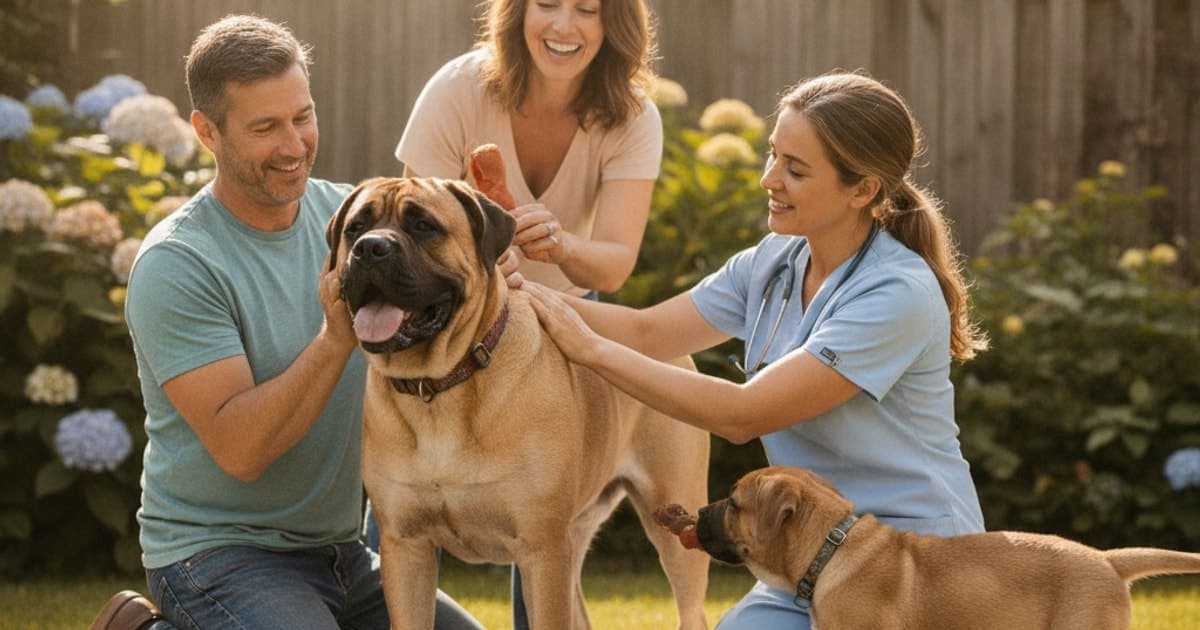 Why Are Bullmastiffs Prone to Joint Problems? (Breed Risks)Bullmastiffs are prone to joint problems because extreme body mass, rapid skeletal growth and a broad, heavy-boned frame load the hip and elbow joints long before those joints finish maturing. Genetics, growth rate, body condition and activity choices all shape how much wear the joints accumulate over a lifetime.Read the guide →
 Can a Dog Recover From Growth Plate Injury Without Surgery?Some growth plate injuries in dogs do heal without surgery. Whether yours can depends on the Salter-Harris type, how far the fragment has displaced, which bone is involved, how much growth your dog has left, and how strictly confinement is enforced — all decided from radiographs by your veterinarian.Read the guide →
 Dog Wobbly Back End: When to See a VetTake a dog to the vet the same day if a wobbly back end appears suddenly, worsens over hours, or comes with knuckling, dragging paws, loss of bladder control, or pain. Gradual wobbliness in an older dog still needs an appointment — it rarely improves on its own.Read the guide →
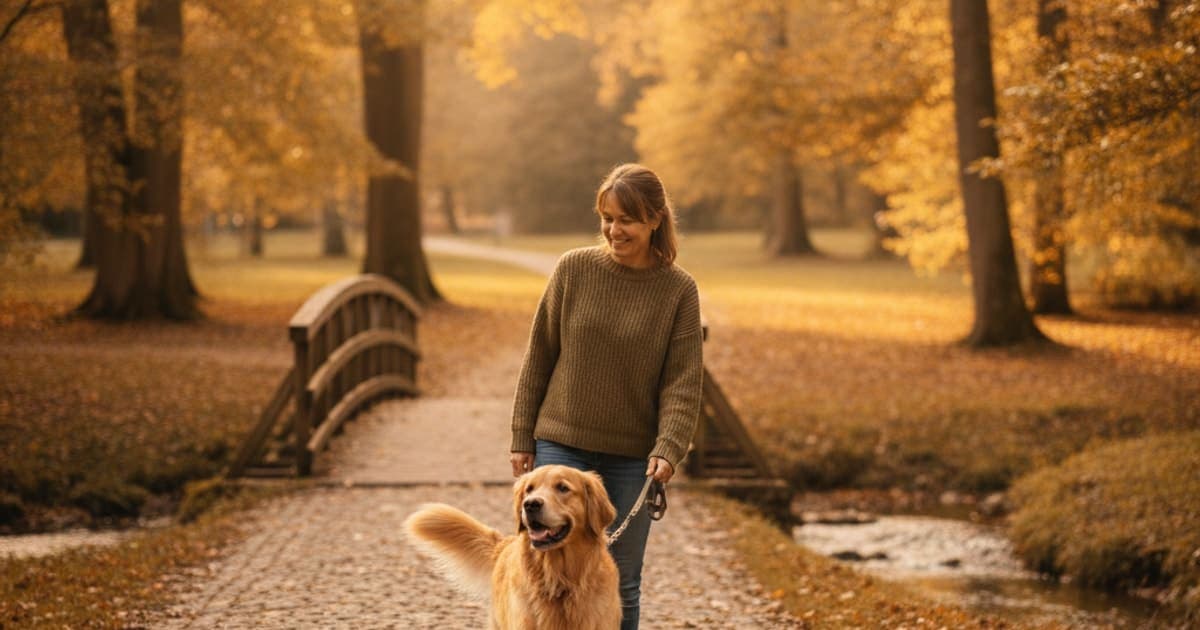 Dog Lagging Behind On Walks: What It Usually MeansA dog lagging behind on walks usually means movement has started to cost him something — most often joint, tendon or spinal pain, sometimes reduced heart or lung capacity, an endocrine issue, or age-related muscle loss. It is a physical signal rather than a behaviour change, and it deserves a veterinary exam.Read the guide →
 Dog Not Putting Weight on a Leg? When to See the VetTake your dog to a veterinarian within hours if they will not bear any weight on a leg at all. Complete non-weight-bearing lameness can signal a fracture, a ruptured ligament, a joint infection or a deep wound. Partial limping that persists beyond 24 hours also deserves a same-week exam.Read the guide →
 When Should I Take a Dog to the Vet for Limping? (No Pain)Book a veterinary exam if a painless limp lasts longer than a day or two, keeps returning, or changes how your dog stands, sits and builds muscle. Go the same day if the leg won't bear weight, the paw knuckles over, or the limp followed a fall or collision.Read the guide →
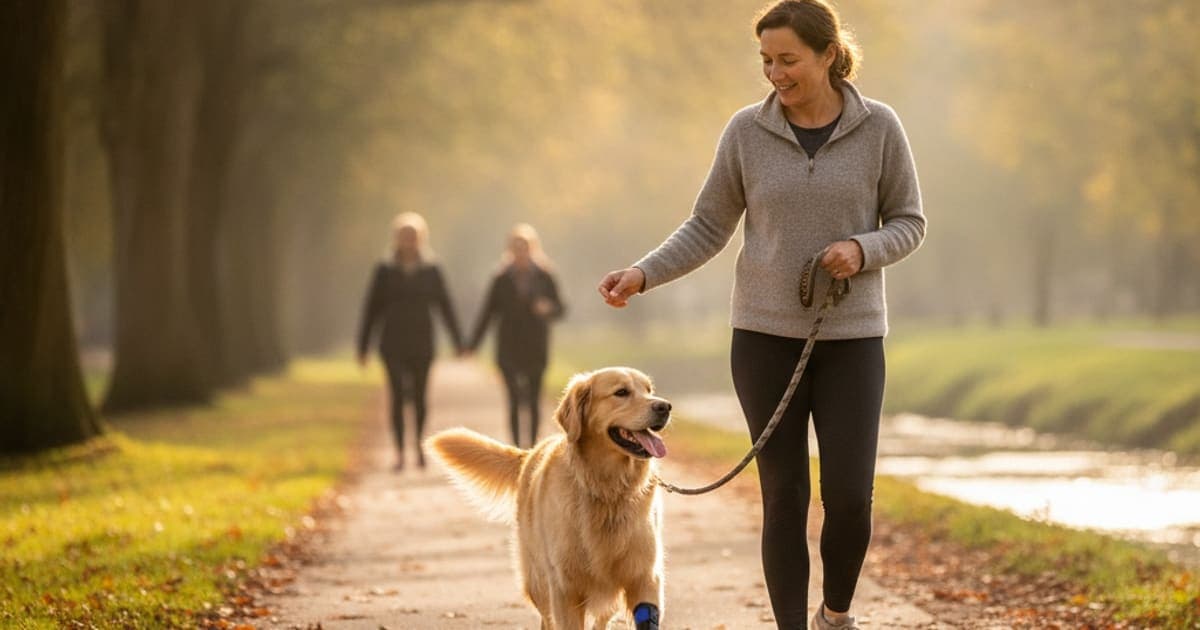 Dog Partial CCL Tear Recovery Time: What to ExpectMost dogs with a partial CCL tear need several months, not several weeks: roughly eight to twelve weeks of strictly restricted activity, then a gradual return to normal function over about four to six months. Body weight, joint stability, meniscus health and how tightly rest is enforced all shift that window.Read the guide →
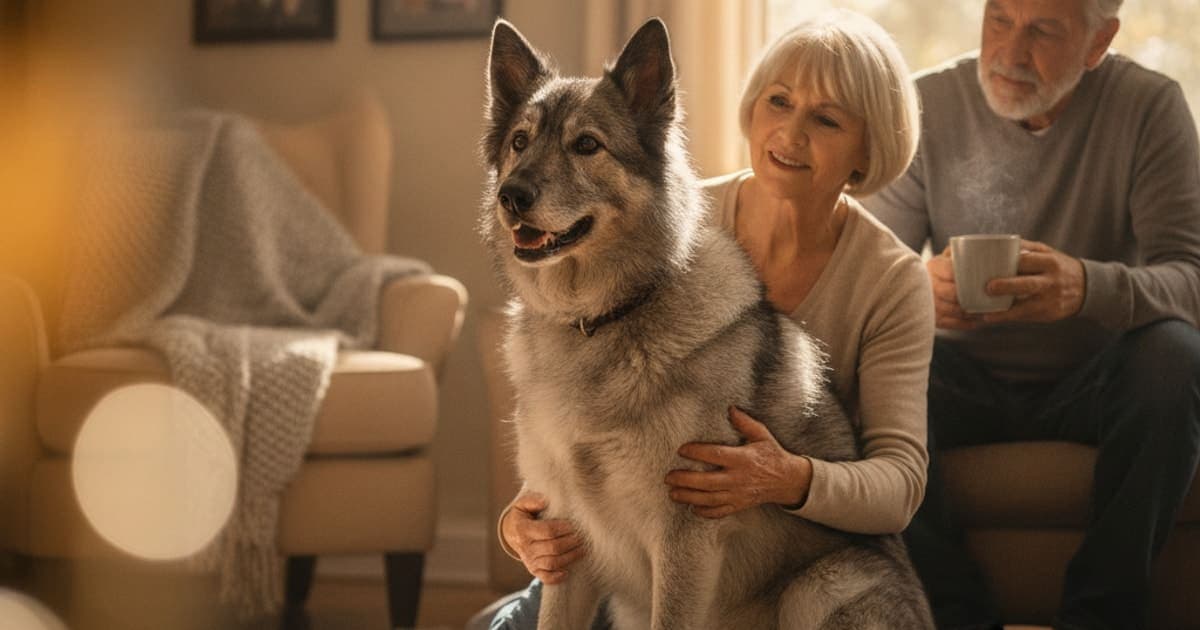 Why Norwegian Elkhounds Are Prone to Joint ProblemsNorwegian Elkhounds are prone to joint problems because a dense, heavily muscled body sits on comparatively short legs, concentrating load through the hips and stifles, and because hip dysplasia runs in the breed's lines. Add a coat that hides weight gain, and mobility issues often appear before owners notice.Read the guide →
 Dog Panting At Night: When to See a VetTake your dog to the vet for night panting when it happens without heat, exercise or excitement, especially if it comes with restlessness, pale or blue gums, coughing, a distended belly, collapse or laboured breathing. Sudden-onset panting with any of those signs warrants same-day or emergency assessment.Read the guide →
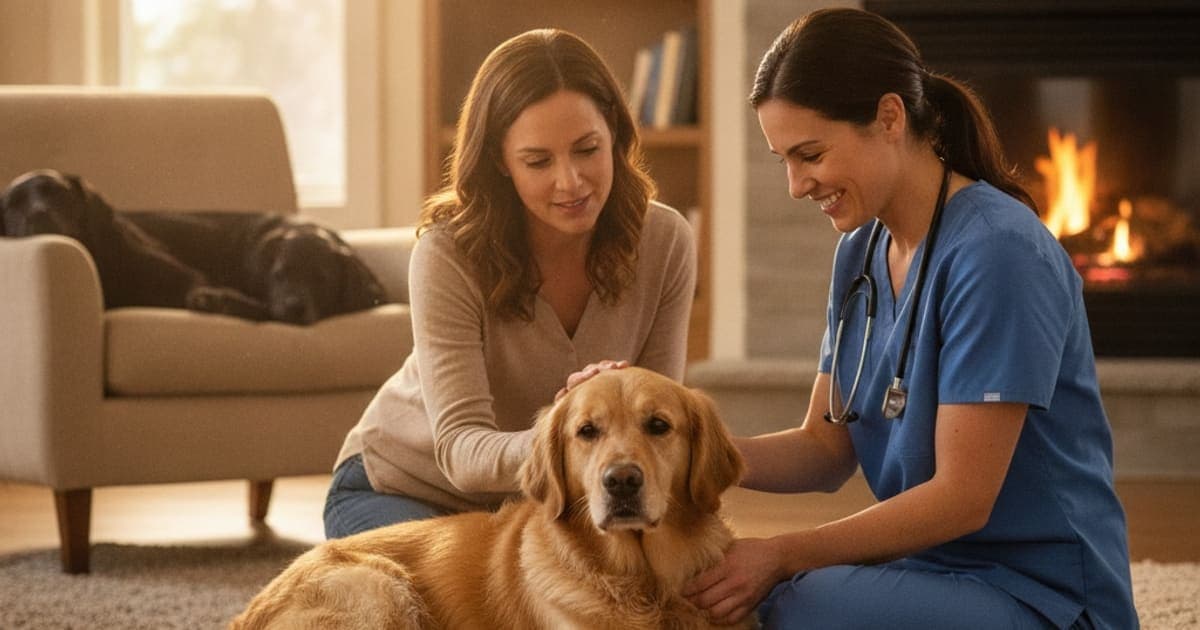 Dog Swollen Joint: When to See a Vet (Red Flags)Take your dog to the vet the same day if a swollen joint is hot to the touch, if your dog will not bear weight, or if the swelling comes with fever, lethargy or a poor appetite. Multiple swollen joints also need same-day care. Mild swelling in a comfortable dog can wait 24 hours.Read the guide →
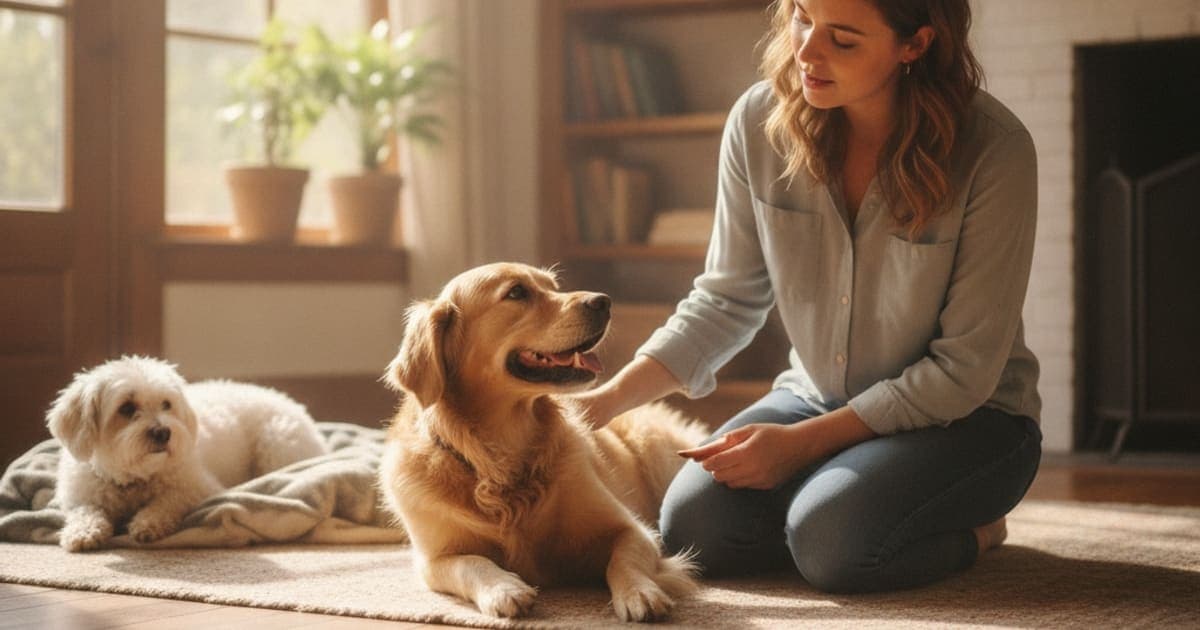 Why Is My Dog Shaking in the Back Legs? (Causes)Dogs shake in the back legs because of muscle fatigue, pain in the hips, stifles or lower spine, nerve signalling problems, anxiety, cold or a metabolic issue such as low blood sugar. Sudden, severe or worsening tremors — especially with weakness, dragging paws or collapse — need a same-day veterinary exam.Read the guide →
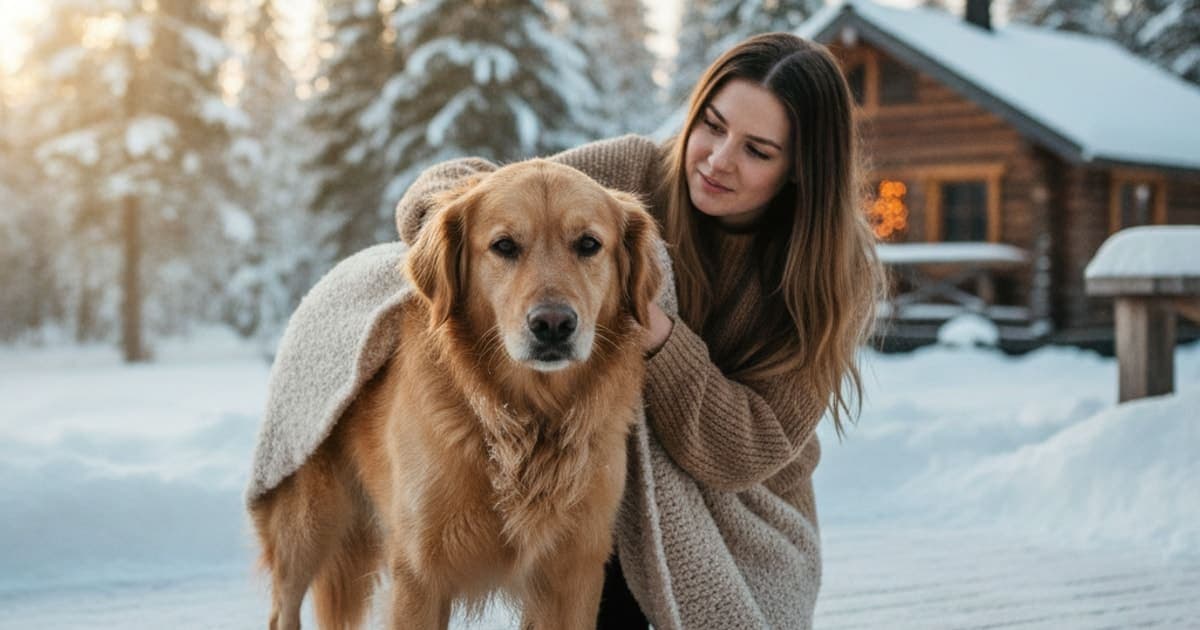 Why Is My Dog Stiff in Cold Weather? (Causes Explained)Dogs get stiff in cold weather because low temperatures thicken joint fluid, reduce blood flow to working muscles and increase protective muscle tension. Arthritis, old injuries and healed surgical sites feel it first, and shorter winter walks allow soft tissue to tighten further. Most dogs loosen up once they start moving.Read the guide →

The pawgen library · 3,678 guides
Dog mobility, joints and recovery
Plain-English guides on joint pain, injury recovery and what actually helps aging and active dogs. Written to answer the question, not to pad a word count.