 What Makes Stomach Ulcers Worse in Dogs? (Key Triggers)Stomach ulcers in dogs get worse when the stomach lining keeps taking hits it cannot repair: NSAIDs and steroids given together, human pain relievers, untreated shock or organ disease, extreme exertion, dietary indiscretion, and dehydration. Removing the aggravating factor matters as much as any medication your veterinarian prescribes.Read the guide →
 TPLO Recovery in Dogs: Signs, Causes and What HelpsTPLO recovery in dogs is the structured healing period after tibial plateau leveling osteotomy, during which cut bone knits around a plate and the stifle's soft tissue adapts to new mechanics. It runs in phases — strict confinement, controlled loading, then gradual return to function — on your surgeon's timeline.Read the guide →
 Dog Wobbly Back End: What It Usually MeansA wobbly back end in a dog usually reflects a problem in the spine, hips, knees or nerves — most often degenerative joint disease, a spinal disc issue, a cruciate ligament injury or age-related nerve degeneration. Sudden wobbliness can also signal vestibular disease or toxicity, which needs same-day veterinary assessment.Read the guide →
 Dog Reluctant To Jump On The Couch: What It Usually MeansA dog reluctant to jump on the couch is usually avoiding discomfort, not being stubborn. Hesitation before a jump points to pain, weakness or instability somewhere in the hips, knees, spine, shoulders or paws — or to poor footing on slick floors. It is an early mobility signal worth investigating with your veterinarian.Read the guide →
 Why Is My Dog Loss of Appetite With Pain? (Causes Explained)Dogs in pain often stop eating because pain triggers a stress response that suppresses hunger, slows the stomach and can cause nausea. Painful chewing, swallowing or standing at the bowl adds a physical barrier. Appetite loss alongside pain is a symptom that needs a veterinary exam, not a feeding problem to solve at home.Read the guide →
 Dog Holding Up A Back Leg: When to See a VetTake your dog to the vet the same day if a back leg is held completely off the ground, looks swollen or deformed, or follows an obvious injury. Go immediately for dangling limbs, open wounds, dragging back legs, or severe pain. Mild limps that ease with rest still deserve a call.Read the guide →
 Can a Dog Recover From Elbow Dysplasia Without Surgery?Elbow dysplasia does not heal or reverse without surgery, because the malformation itself is structural. Many dogs still stay comfortable and mobile without an operation. The outcome depends on which lesion is present, how much arthritis has developed, the dog's weight and workload, and how consistently the joint is managed.Read the guide →
 Dog IVDD Recovery Time: Realistic ExpectationsMost dogs with IVDD spend four to six weeks in strict confinement, with meaningful functional recovery often continuing for three to six months afterward. Grade of injury, whether surgery is performed, and how quickly treatment starts all shift that window. Severe cases with lost deep pain sensation carry a far more guarded outlook.Read the guide →
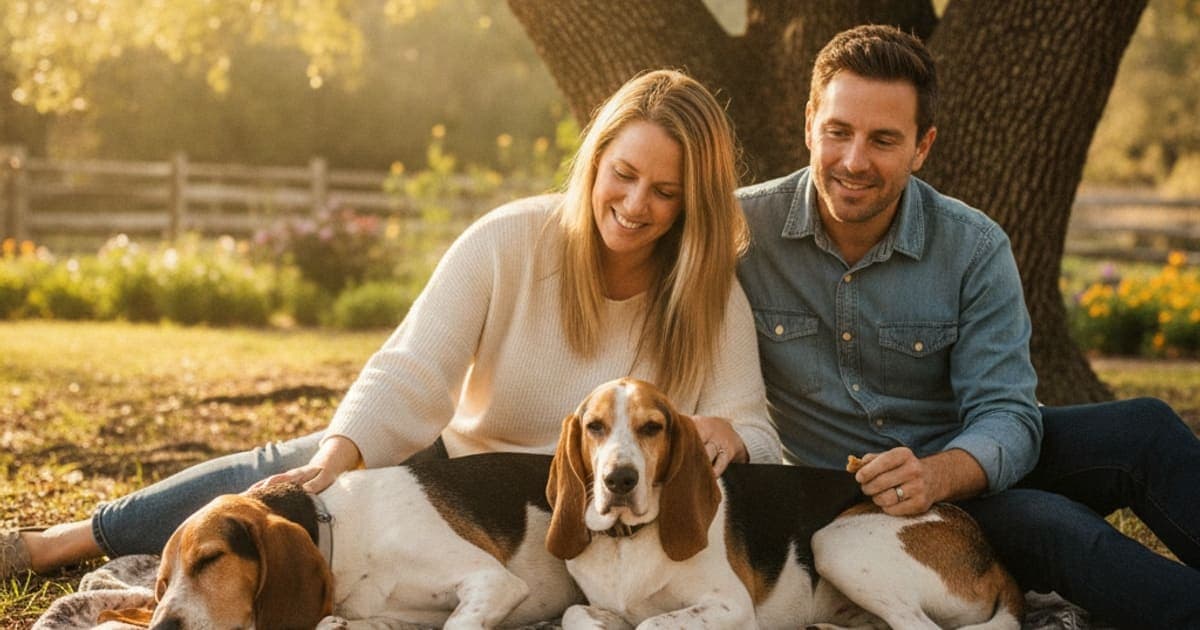 Why Treeing Walker Coonhounds Get Joint ProblemsTreeing Walker Coonhounds are prone to joint problems because a lean, deep-chested athletic frame is asked to do repeated high-impact work — sprinting, jumping, landing off banks and trees — often over rough ground and for hours at a time. Inherited hip laxity and soft-tissue strain compound that load over years.Read the guide →
 When Should I Take a Dog to the Vet for Loss of Balance?Take a dog to the vet the same day any new loss of balance appears, and go to an emergency clinic immediately if it started suddenly or comes with vomiting, head tilt, flicking eyes, collapse, seizures or disorientation. Balance loss is a neurological sign, and new neurological signs are time-sensitive.Read the guide →
 Why Can't My Dog Walk As Far? (Causes Explained)A dog that can't walk as far as it used to is usually signalling pain, joint or spinal change, lost muscle and conditioning, or a stamina limit from the heart, lungs or metabolism. Shrinking range is a measurable symptom, not laziness, and it deserves a veterinary exam rather than a wait-and-see month.Read the guide →
 Dog Loss of Muscle in Back Legs: What It Usually MeansLoss of muscle in a dog's back legs is almost always secondary to something else — pain that stops the dog loading the limb, a nerve signal not reaching the muscle, or age-related wasting. Arthritis, cruciate injury, hip dysplasia and spinal disease are the most common drivers, and each needs a veterinary diagnosis.Read the guide →
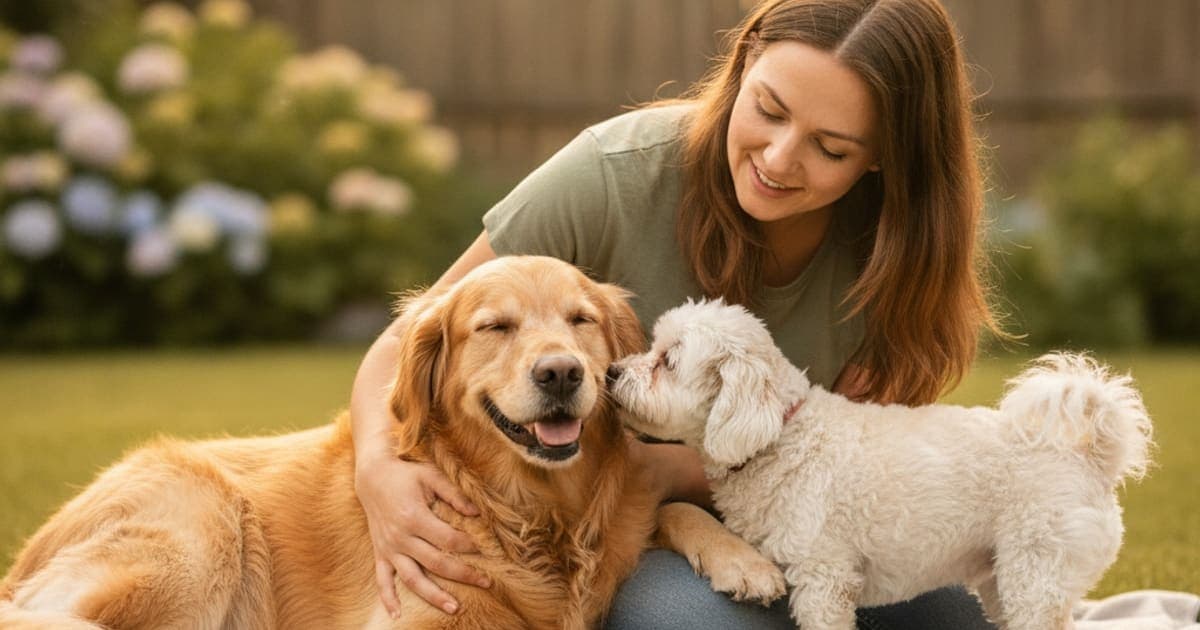 Reduced Stamina in Dogs: Signs, Causes and What HelpsReduced stamina in dogs is a drop in exercise tolerance — tiring faster, quitting earlier, or taking longer to recover than the same dog did months ago. It is a symptom rather than a diagnosis, and the cause usually sits in the heart, airway, joints, nerves, blood or thyroid.Read the guide →
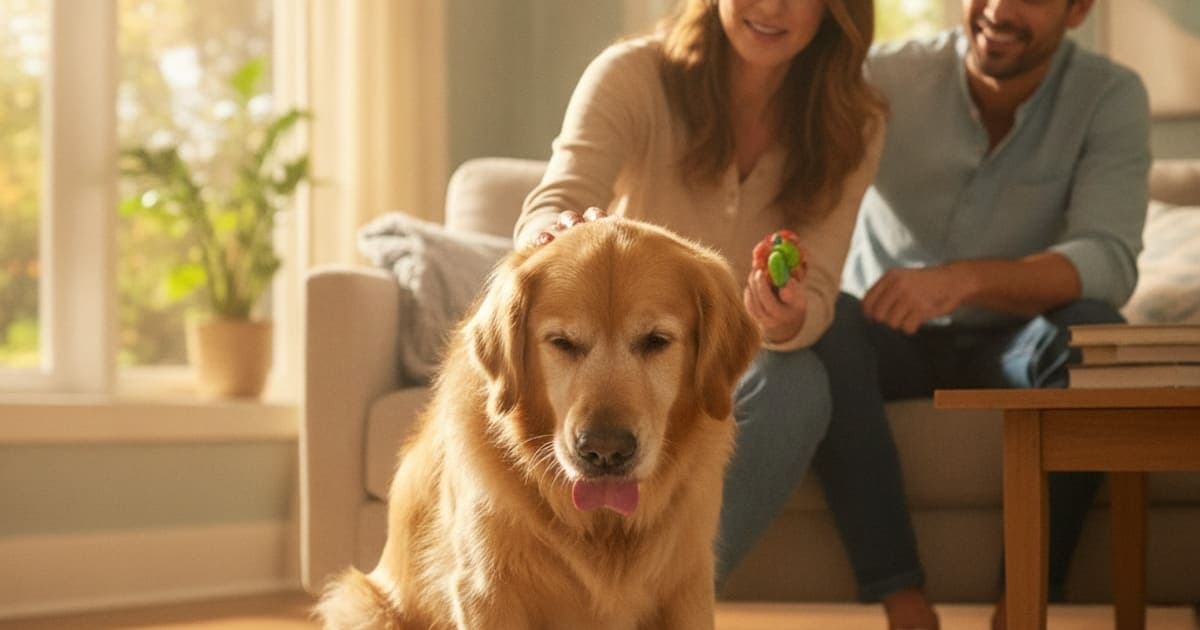 Dog Licking A Paw Constantly: When to See a VetTake your dog to the vet if constant paw licking lasts more than a day or two, targets a single paw, or comes with limping, swelling, odor, or broken skin. Same-day care is warranted for a non-weight-bearing leg, rapid swelling, or a wound your dog keeps reopening.Read the guide →
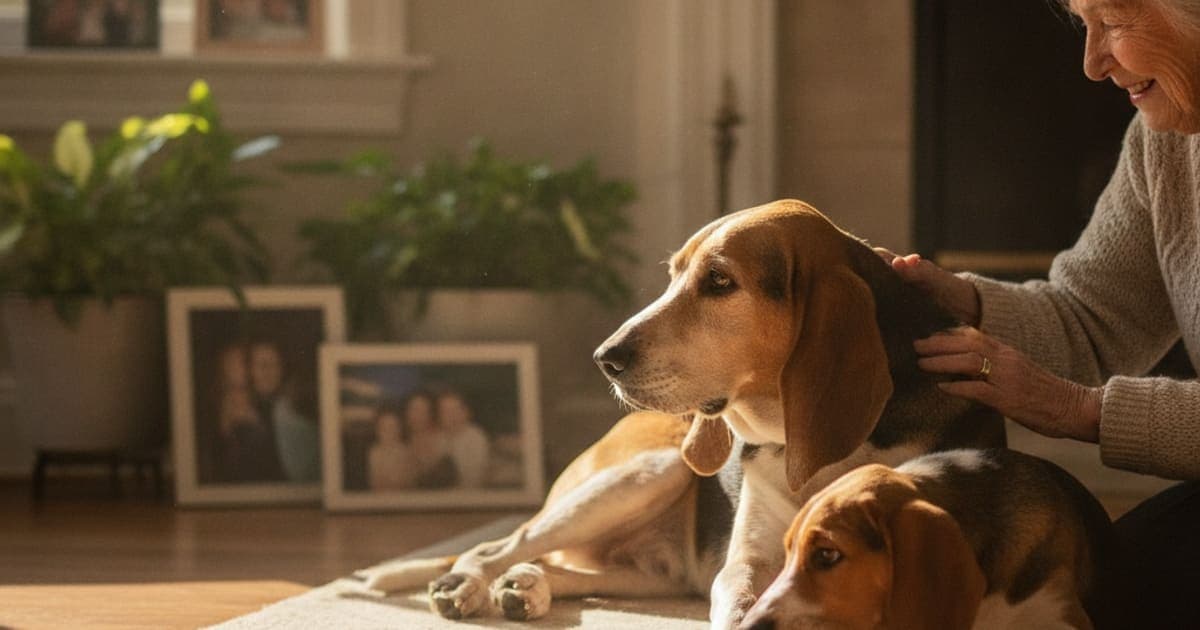 Why Foxhounds Are Prone to Joint ProblemsFoxhounds are prone to joint problems because a tall, long-limbed frame covers hard miles over rough ground in a dog bred to hide discomfort. Hip laxity, elbow wear, cruciate strain and slow-building osteoarthritis are the usual culprits, and the earliest signs are easy for owners to miss.Read the guide →
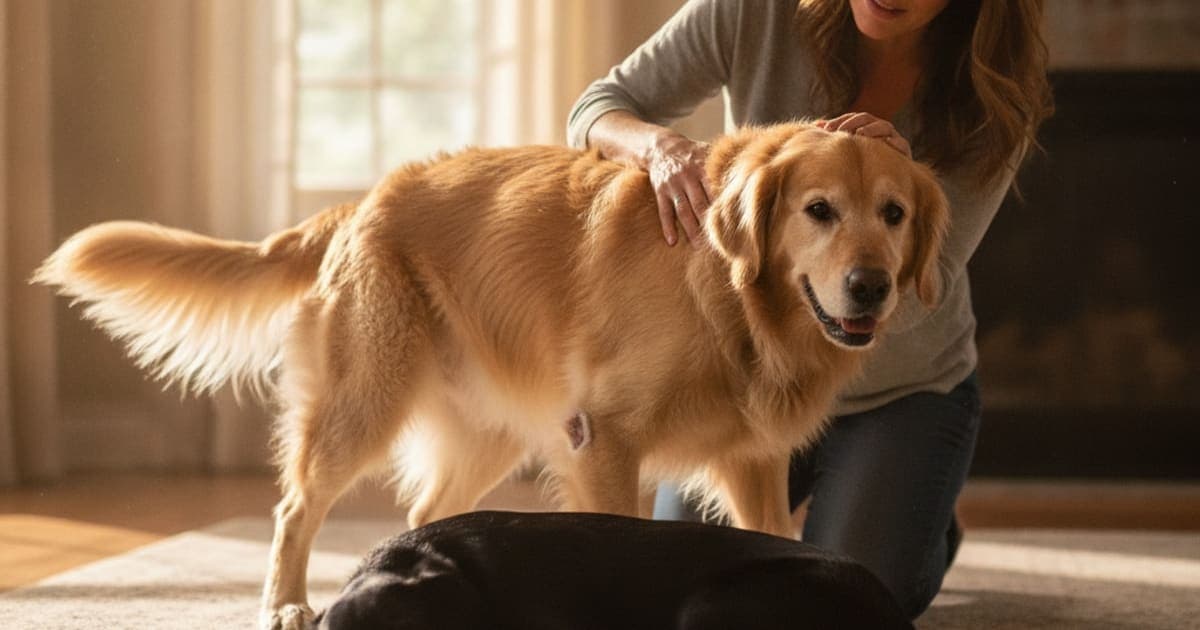 What Makes Elbow Arthritis Worse in Dogs? (Key Triggers)Elbow arthritis in dogs gets worse with excess body weight, high-impact or weekend-warrior exercise, long periods of inactivity, poor footing on slick floors, untreated pain that changes gait, and any underlying elbow dysplasia left unmanaged. Cold, damp weather and skipped rehab also amplify stiffness and joint loading over time.Read the guide →
 Dog Falling Over: When to See a VetA dog falling over should be seen by a veterinarian the same day, and immediately if the episode involves collapse, seizure activity, laboured breathing, pale gums, a head tilt, or repeated falls. Sudden loss of balance points toward neurological, cardiac, inner-ear or metabolic causes that need hands-on examination.Read the guide →
 Can a Dog Recover From Cruciate Rupture Without Surgery?A torn cruciate ligament does not knit back together on its own, but many dogs — especially smaller, leaner ones — can regain comfortable function as the knee stabilizes with scar tissue and muscle. Size, tear severity, meniscal damage and rehab discipline determine whether non-surgical management works.Read the guide →
 Nerve Damage in Dogs: Signs, Causes and What HelpsNerve damage in dogs is any injury or disease that interrupts signalling between the brain, spinal cord and the body, producing weakness, knuckling, dragged paws, loss of sensation or incontinence. Causes range from disc disease and trauma to metabolic illness. A neurological exam localises the problem and drives the treatment plan.Read the guide →
 Can a Dog Recover From Stress Fracture Without Surgery?Yes — many stress fractures in dogs resolve with strict rest and veterinary-guided conservative care, because the bone is damaged but not displaced. The outcome depends on the fracture's location and stability, how early it is diagnosed, and how completely the load is removed. Your veterinarian decides from imaging, not from how your dog walks.Read the guide →
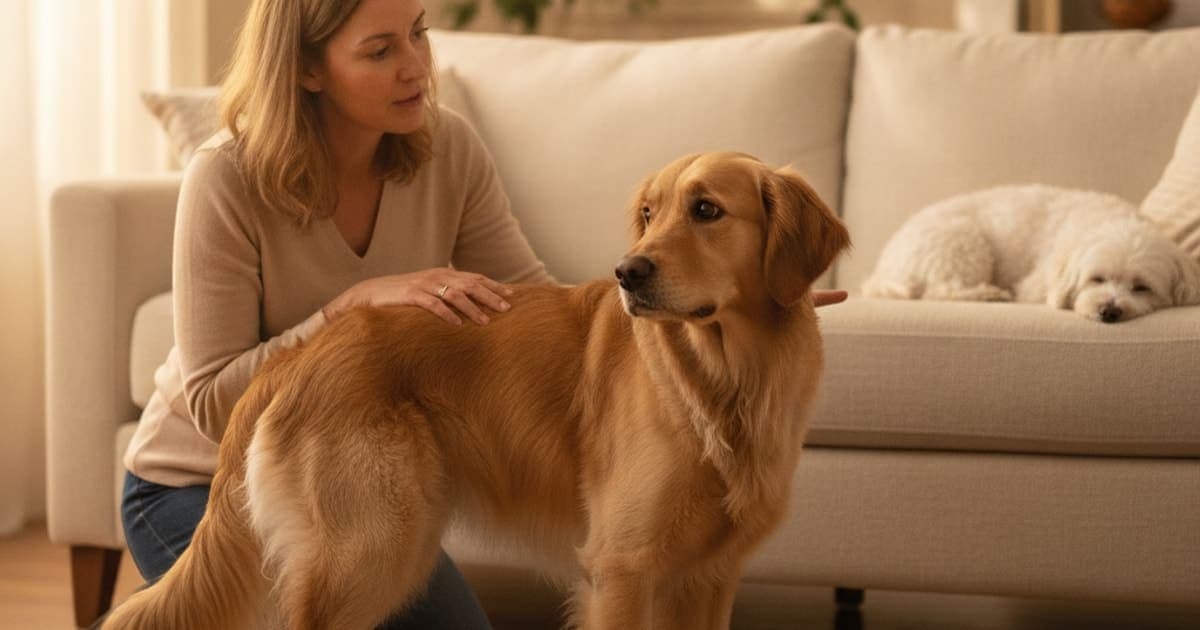 Dog Reluctant To Jump On The Couch: When to See a VetTake your dog to the vet if the reluctance to jump on the couch persists beyond two or three days, gets worse, or appears alongside limping, yelping, swelling or a sudden refusal to use one leg. Sudden onset after a fall warrants a same-day call.Read the guide →
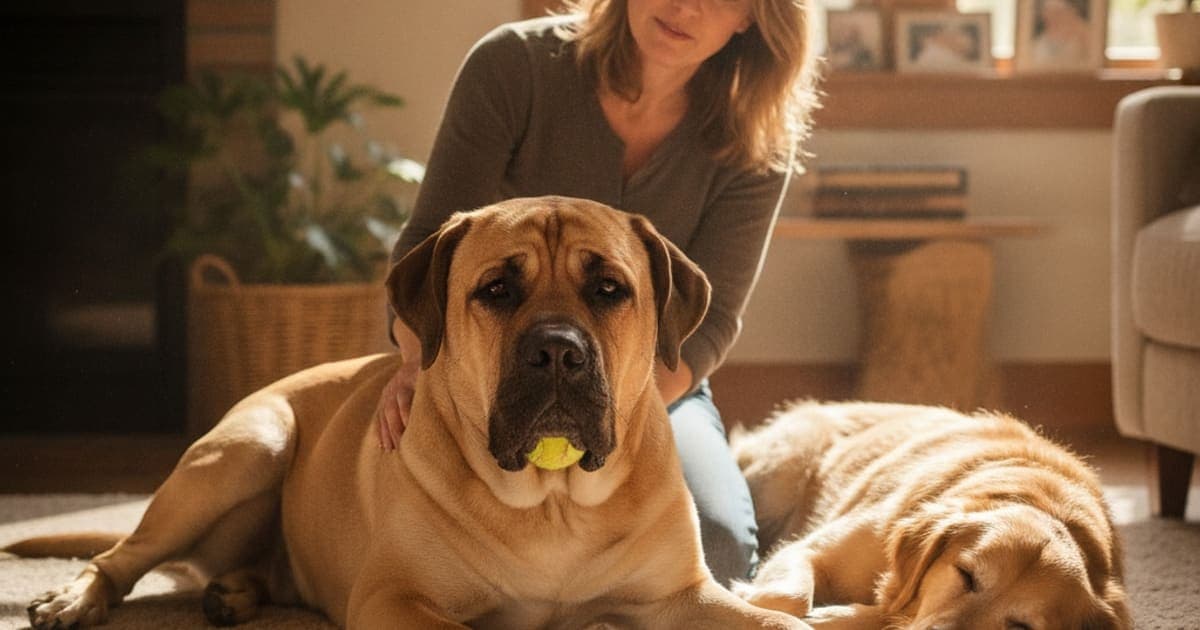 Why Boerboels Are Prone to Joint ProblemsBoerboels develop joint problems because enormous adult mass loads a skeleton that matures slowly, on a frame already carrying breed-associated hip and elbow dysplasia risk. Growth rate, body condition and cruciate ligament wear decide how much that risk is felt. Screening, lean body condition and soft-tissue support shape the long-term outcome.Read the guide →
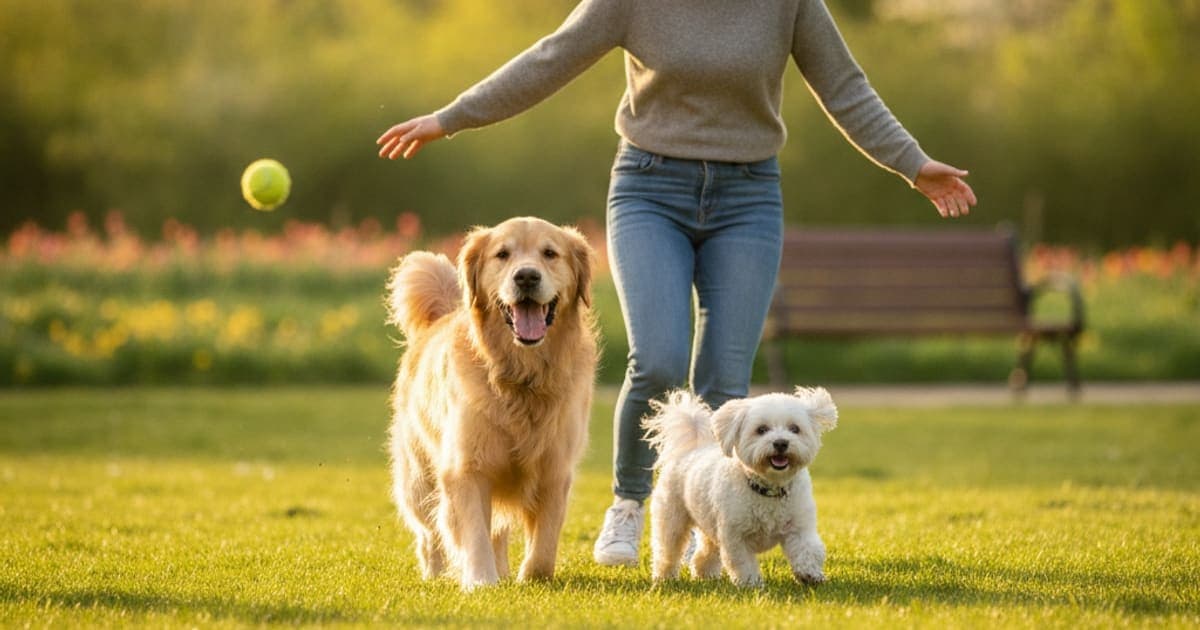 Can a Dog Recover From Luxating Patella Without Surgery?No. A luxating patella is a problem of bone shape and alignment, so it does not heal on its own. Many dogs with lower-grade luxation stay comfortable and active for years with conservative management, while higher grades and progressive pain usually push the conversation toward surgical correction.Read the guide →
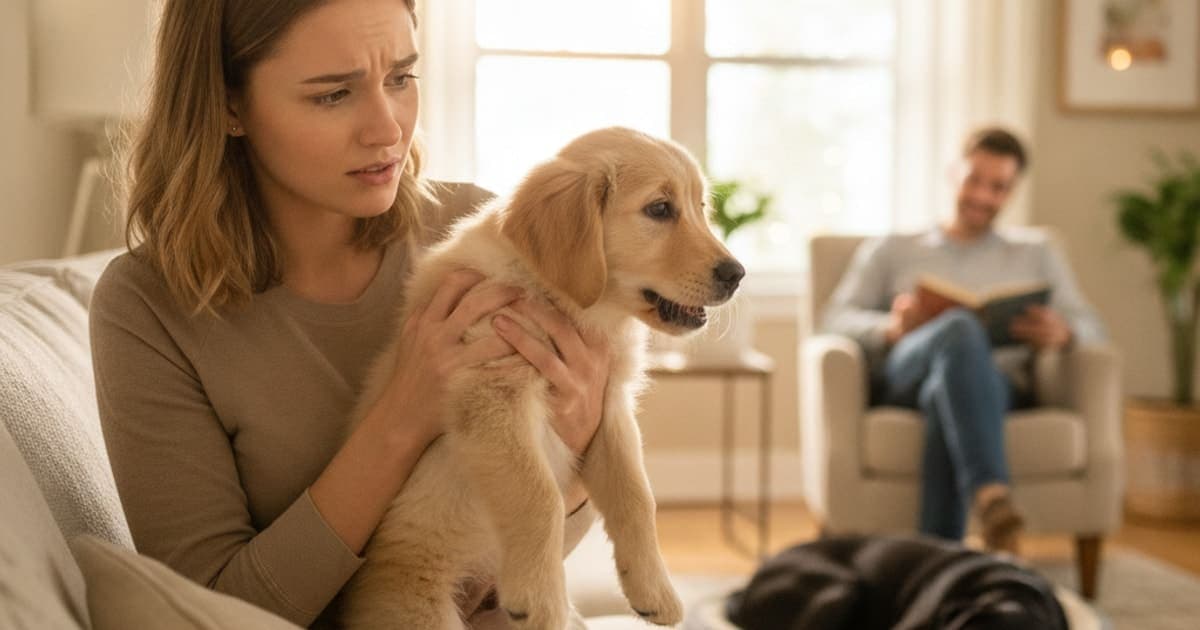 Why Is My Dog Yelping When Picked Up? (Causes Explained)A dog that yelps when picked up is signalling pain, not stubbornness. The usual sources are the neck, the spine, an inflamed joint, a soft-tissue strain, or the abdomen. Lifting compresses the chest, rotates the spine and loads the limbs at once, exposing pain that walking can hide.Read the guide →

The pawgen library · 3,678 guides
Dog mobility, joints and recovery
Plain-English guides on joint pain, injury recovery and what actually helps aging and active dogs. Written to answer the question, not to pad a word count.