 Why Is My Dog Licking a Paw Constantly? (Common Causes)A dog licking a paw constantly is usually responding to itch, a contact irritant, a skin infection, something lodged between the toes, or pain — either in the paw itself or in a joint, tendon or nerve higher up the leg. Licking is a symptom, not a diagnosis, and persistent licking warrants a veterinary exam.Read the guide →
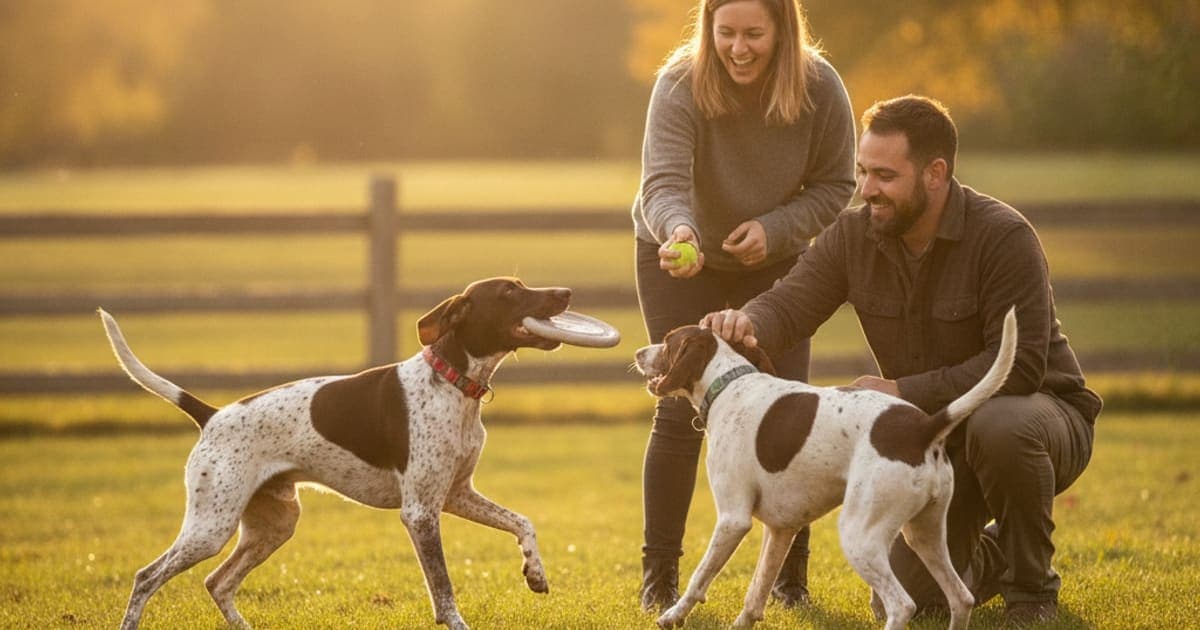 Why Pointers Are Prone to Joint ProblemsPointers are prone to joint problems because they pair a long-strided, deep-chested sporting build with an extreme drive to run, plus inherited hip and elbow dysplasia risk. That combination loads hips, shoulders, stifles and hip flexors hard across a working lifetime, so early gait changes deserve a veterinary exam.Read the guide →
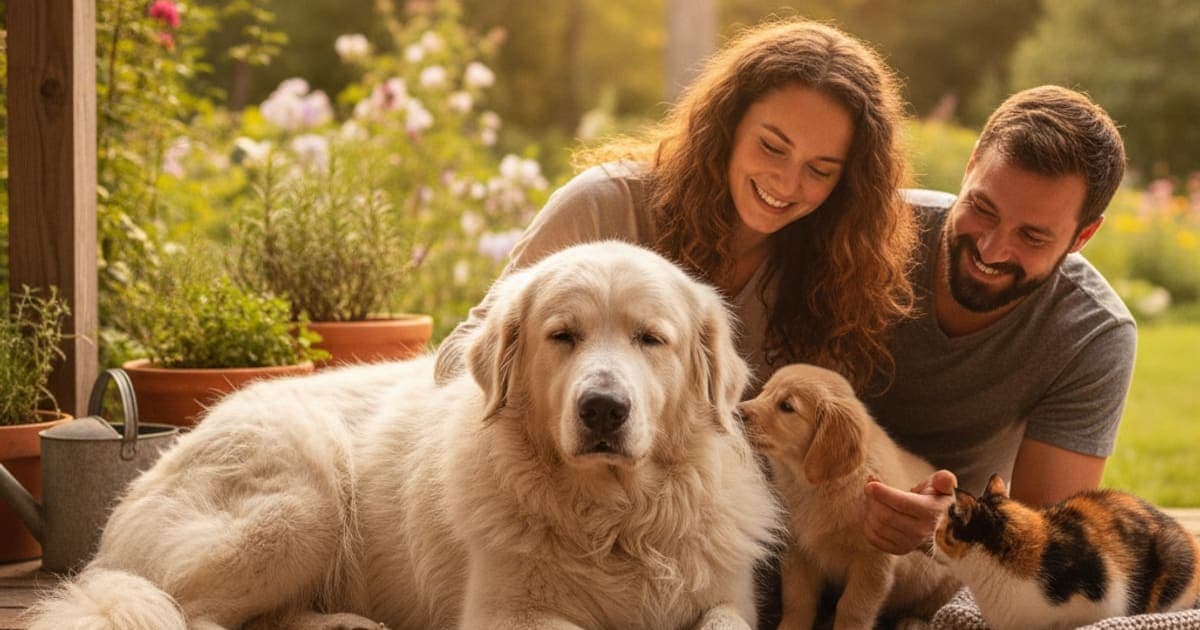 Why Are Great Pyrenees Prone to Joint Problems?Great Pyrenees are prone to joint problems because a giant adult frame loads a skeleton that grows slowly and finishes late, layered on a breed-wide predisposition to hip and elbow dysplasia. Weight, growth rate, surfaces and conditioning all shift that risk, and most of them are manageable.Read the guide →
 Dog Toe Injury Recovery Time: Realistic ExpectationsMost dog toe injuries recover in roughly two to eight weeks: a bruised nail bed or mild sprain often settles within one to three weeks, while a digit fracture or tendon injury commonly needs six to twelve. The structure involved, your dog's size and activity, and rest compliance set the pace.Read the guide →
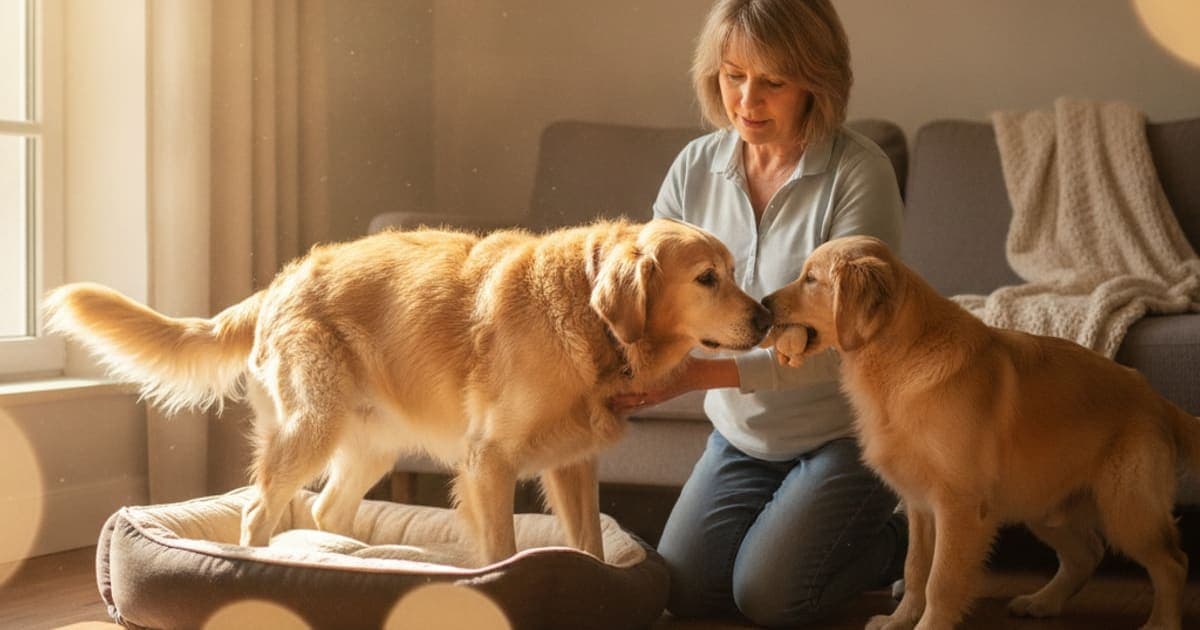 What Makes Senior Dog Stiffness Worse in Dogs? (Causes)Senior dog stiffness gets worse from extra body weight, cold and damp conditions, hard slippery flooring, long periods of rest followed by bursts of activity, poor sleep surfaces, and untreated pain or secondary injuries. Most of these are modifiable. A veterinary exam identifies which factors are driving your dog's decline.Read the guide →
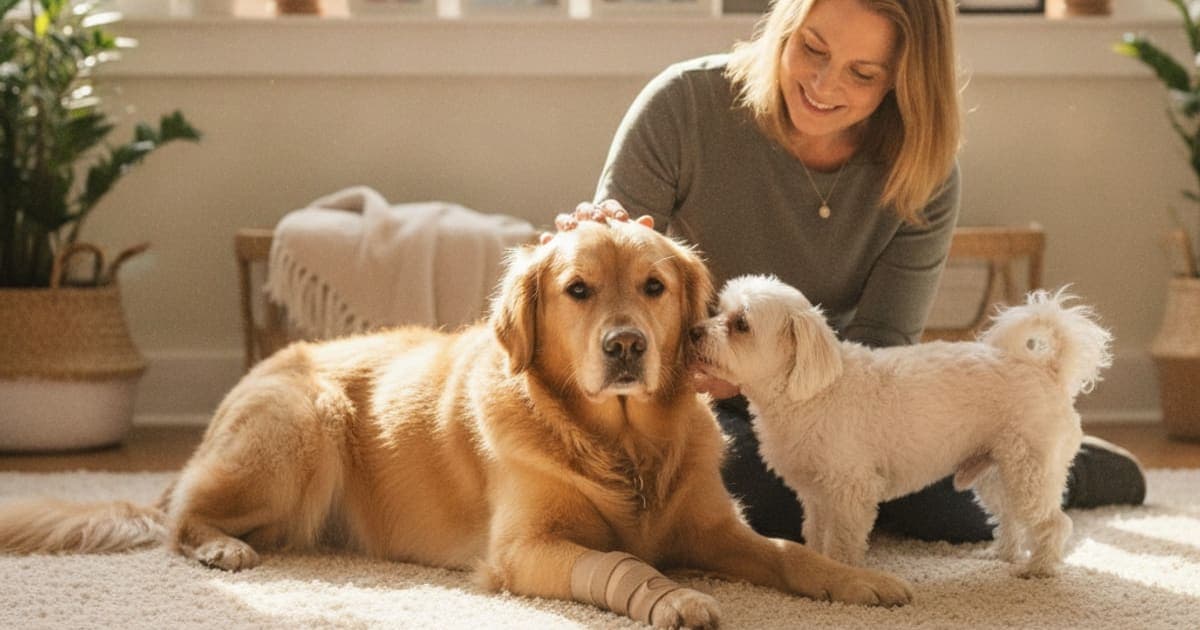 Dog Soft Tissue Injury Recovery Time: What to ExpectMost canine soft tissue injuries need weeks to months, not days: mild strains often settle within a few weeks, while significant ligament or tendon damage commonly takes several months of controlled activity. Recovery time depends on the tissue involved, the dog's age, and how strictly rest is enforced.Read the guide →
 Stomach Ulcers in Dogs: Signs, Causes and What HelpsA stomach ulcer in a dog is a break in the protective lining of the stomach, where acid and digestive enzymes have eroded through the mucosa into deeper tissue. Most are secondary to medication, illness or injury. Common signs include vomiting, black tarry stool, appetite loss and abdominal pain.Read the guide →
 Bicipital Tenosynovitis in Dogs: Recovery Without SurgeryYes — many dogs with bicipital tenosynovitis improve without surgery, and conservative management is usually the first approach veterinarians take. The outcome depends on how long the lameness has been present, whether the tendon has mineralized or partially torn, whether another shoulder problem is driving it, and how strictly rest is enforced.Read the guide →
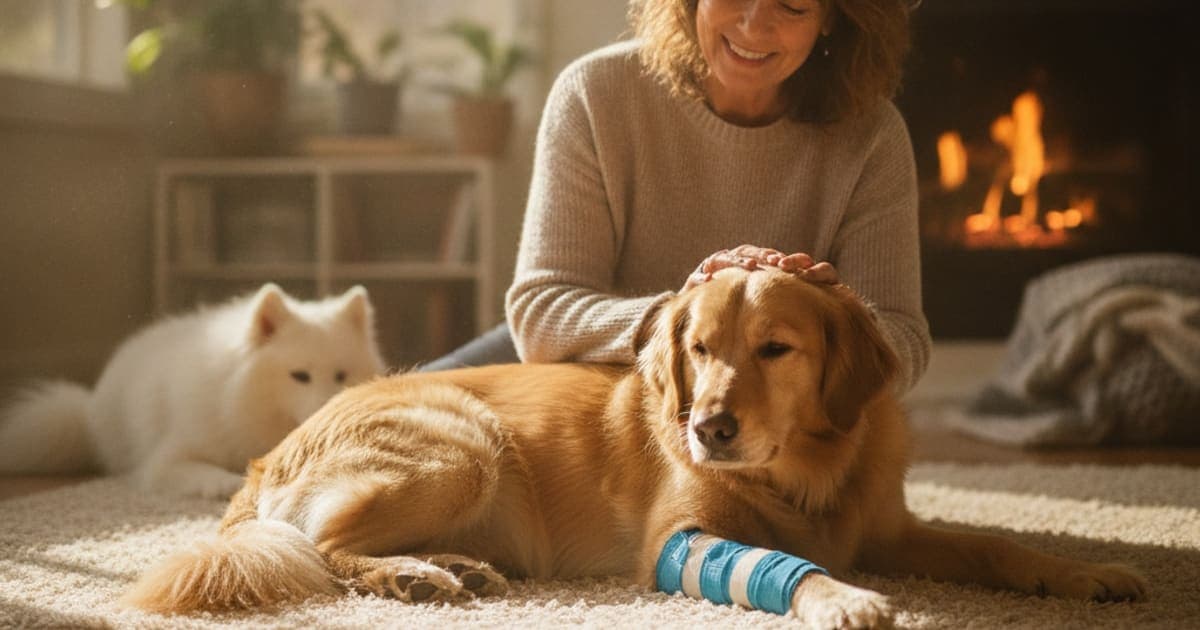 Dog Tendon Injury Recovery Time: Realistic ExpectationsDog tendon injury recovery time commonly runs from a few weeks for a mild strain to six months or longer after a tear or surgical repair, with collagen remodelling continuing well past the point your dog looks sound. Injury site, dog size and restriction compliance drive most of the variation.Read the guide →
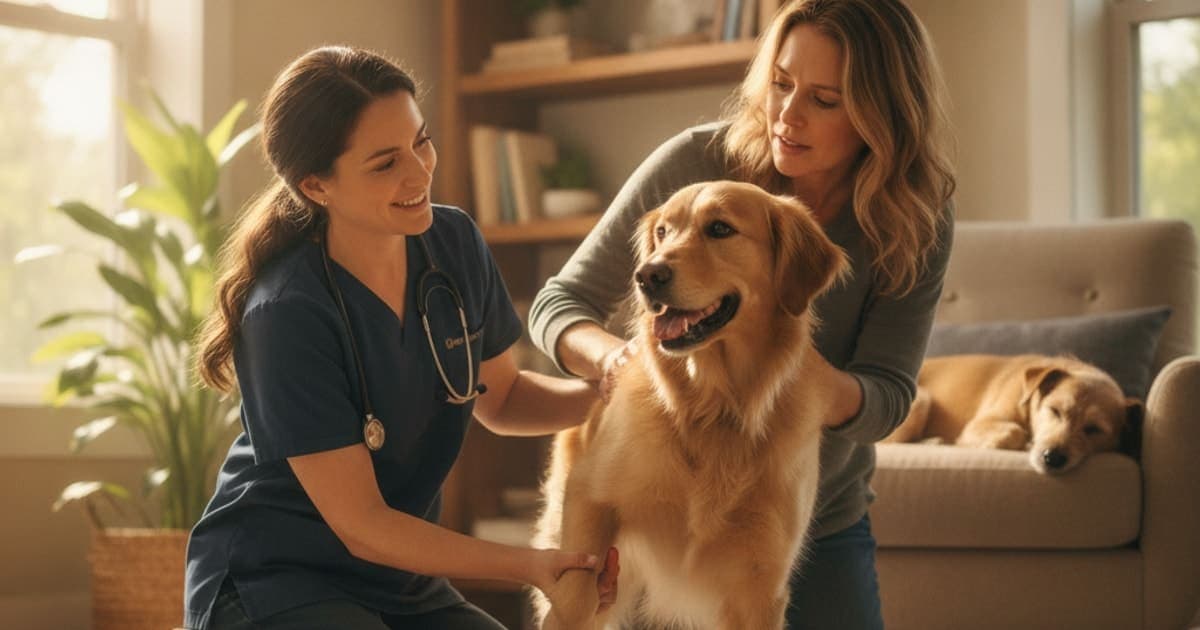 Dog Clicking Or Popping Joint: When to See a VetTake your dog to the vet if a clicking or popping joint comes with limping, pain, swelling, heat, a changed gait, or reluctance to jump or use stairs. Also book an exam if the noise is new in a growing puppy or a senior dog.Read the guide →
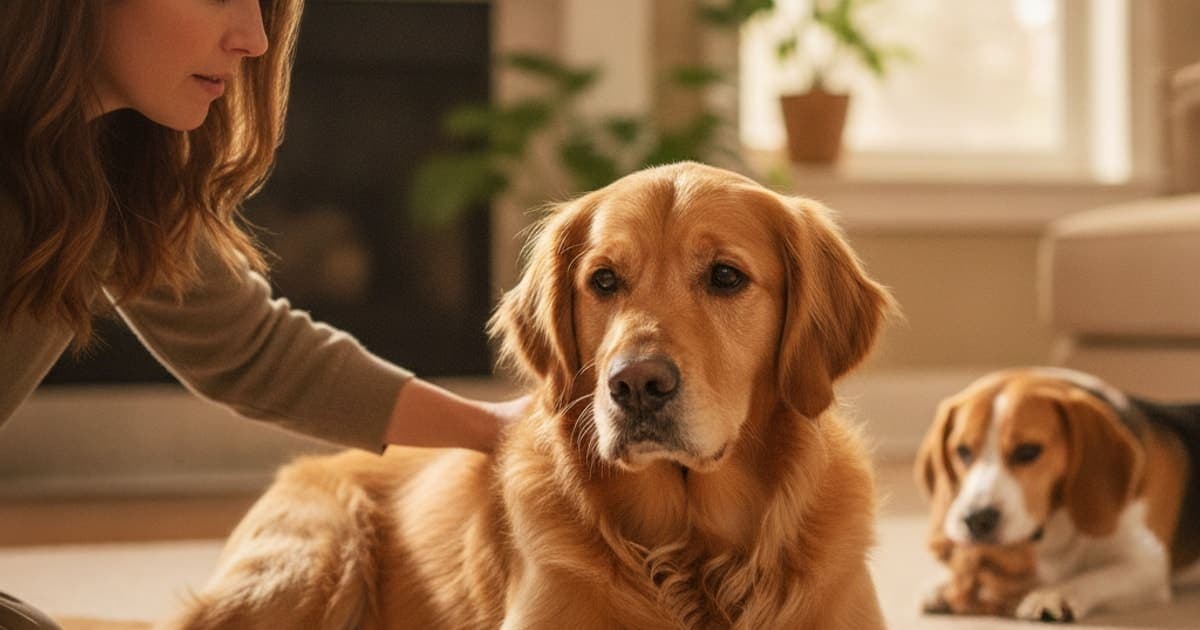 Dog Pain Meds Stopped Working: What It Usually MeansA dog's pain medication rarely stops working because the drug wore out. The usual explanations are a progressing condition, a second injury from compensating, a shift toward nerve-driven pain, or a dosing and administration problem. A veterinary re-examination identifies which one applies before anything changes.Read the guide →
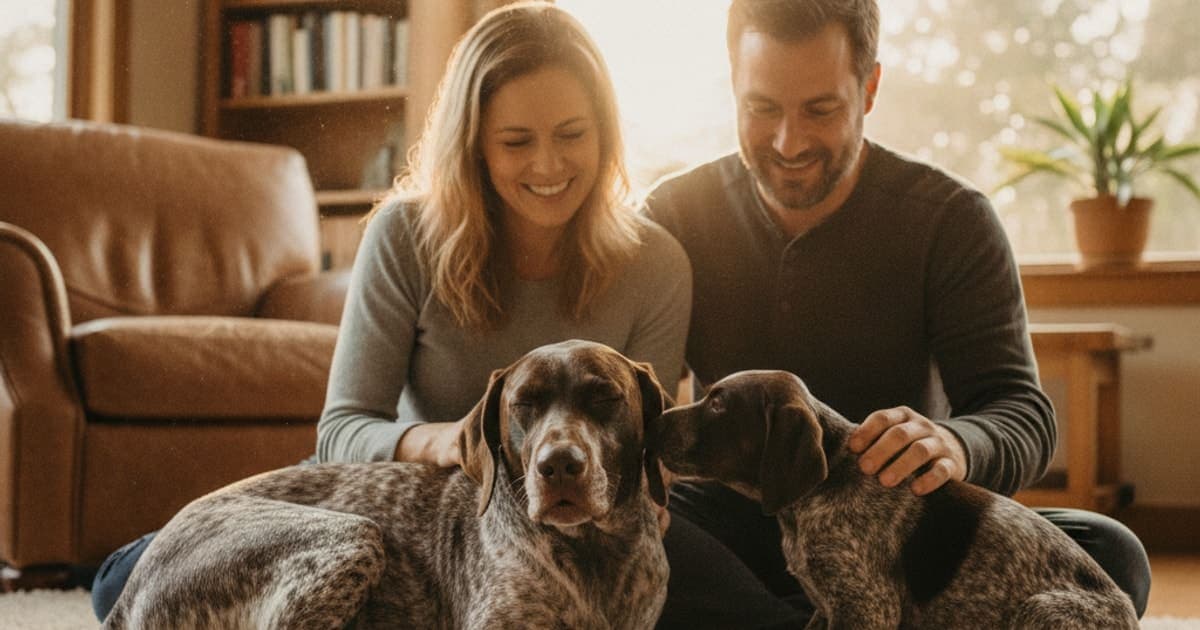 Why German Shorthaired Pointers Are Prone to Joint ProblemsGerman Shorthaired Pointers are prone to joint problems because inherited hip and elbow risk sits inside a dog built and driven to run flat out. Dysplasia, cartilage defects, cruciate injuries and iliopsoas strains all show up in the breed, and a GSP's stoicism hides them until they are advanced.Read the guide →
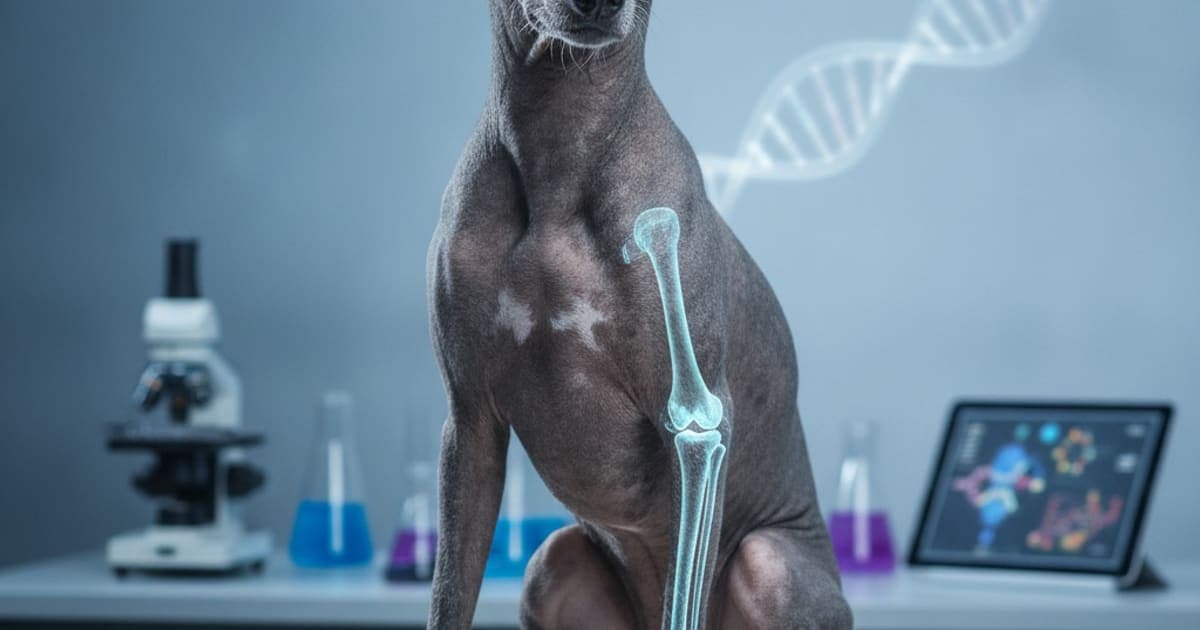 Peruvian Inca Orchids Joint Problems — Why They HappenPeruvian Inca Orchids are prone to joint problems because a sighthound's long limbs, fine bone and low body fat sit on top of an explosive running style, leaving knees, hips and soft tissue with little natural padding. Age, cold-driven stiffness and growth-stage loading all compound that baseline risk.Read the guide →
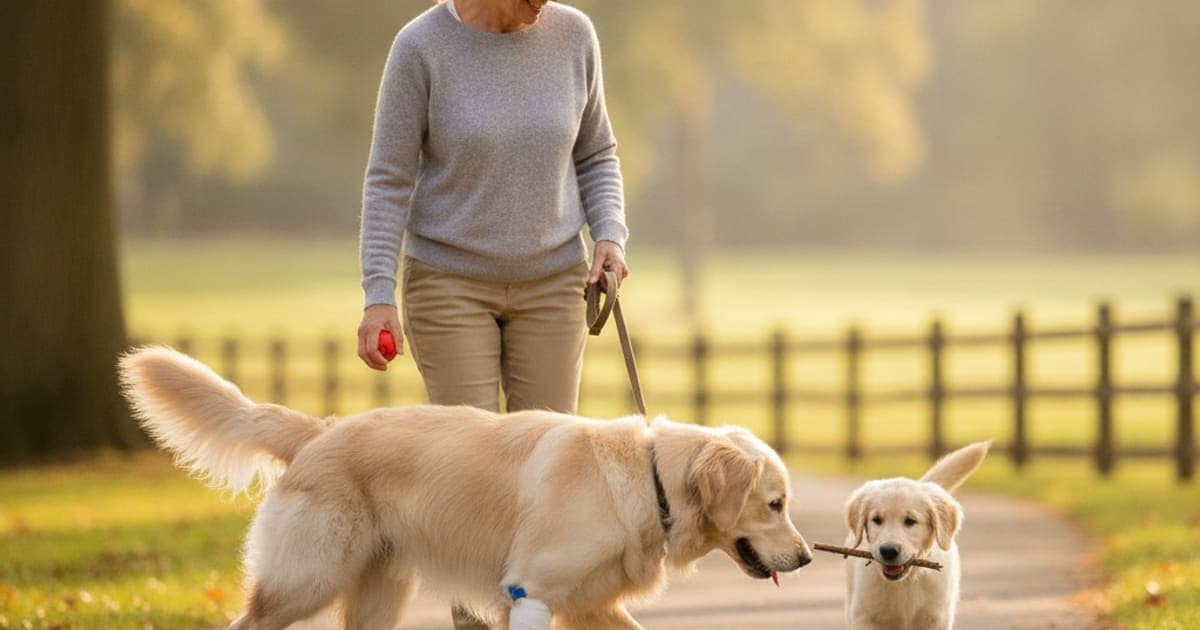 Dog Limping After Surgery — When to See a VetTake your dog to the vet if a post-surgical limp suddenly worsens, if the leg stops bearing any weight, or if you see swelling, heat, discharge, a gaping incision, or new pain. A gradually improving limp during the expected recovery window is usually normal and worth reporting at the next recheck.Read the guide →
 Dog Lick Granuloma Recovery Time: What to ExpectLick granuloma recovery in dogs is usually measured in weeks to months rather than days, because the lesion involves thickened skin, deep follicular infection and an entrenched licking habit that all have to settle. Long-standing lesions take longer, and relapse is common without treating the underlying cause.Read the guide →
 Dog Spinal Injury Recovery Time: Realistic ExpectationsDog spinal injury recovery usually runs from a few weeks to several months. Mild disc flare-ups often improve during the first weeks of strict confinement, while dogs with significant nerve damage may need three to six months or longer of rehabilitation before their final level of function becomes clear.Read the guide →
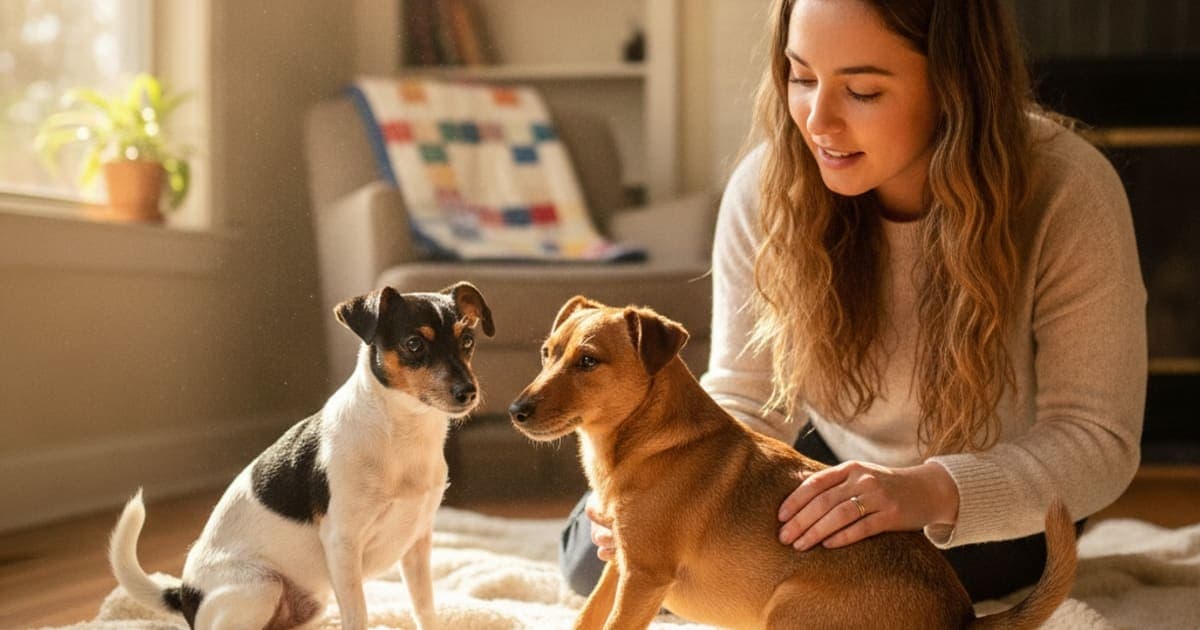 Why Rat Terriers Are Prone to Joint ProblemsRat terriers are prone to joint problems because a small, lightly built skeleton carries an unusually powerful athletic drive. Breed-linked predispositions like patellar luxation and hip joint disease set the baseline risk, while jumping, sprinting, hard flooring and extra body weight decide how early and how visibly that risk turns into a limp.Read the guide →
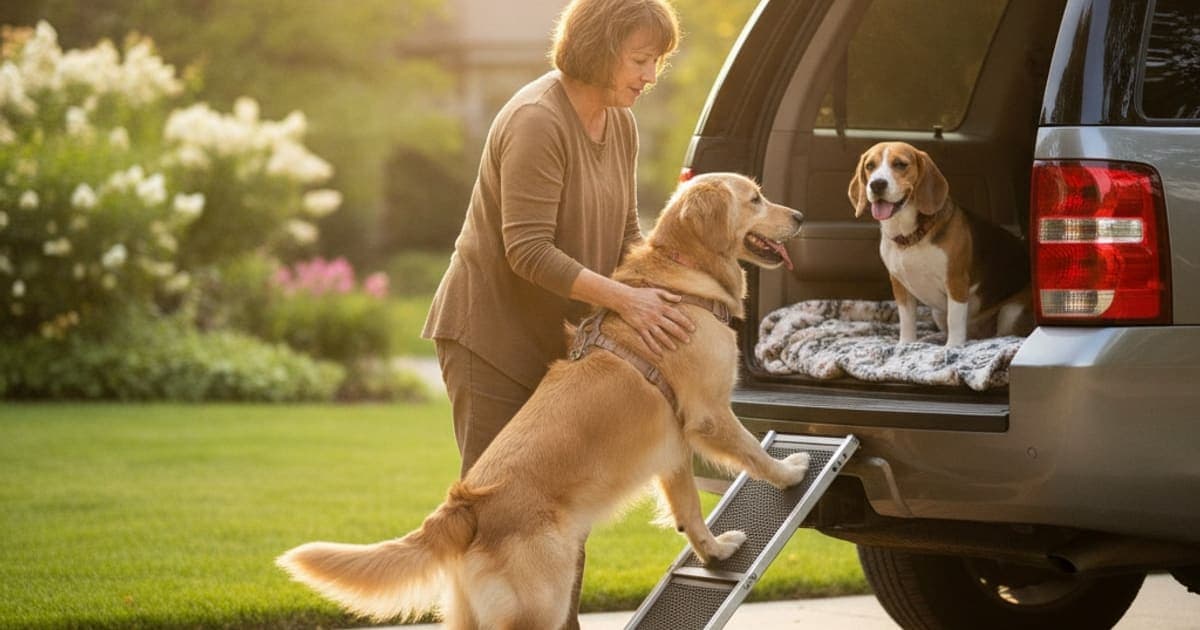 When Should I Take a Dog to the Vet for Trouble Jumping?Take your dog to the vet if trouble jumping into the car lasts beyond two or three days, worsens, or arrives suddenly with limping, yelping or flinching at touch. Dragging a paw, refusing to bear weight or collapse means same-day care. Hesitation at the car often precedes visible lameness.Read the guide →
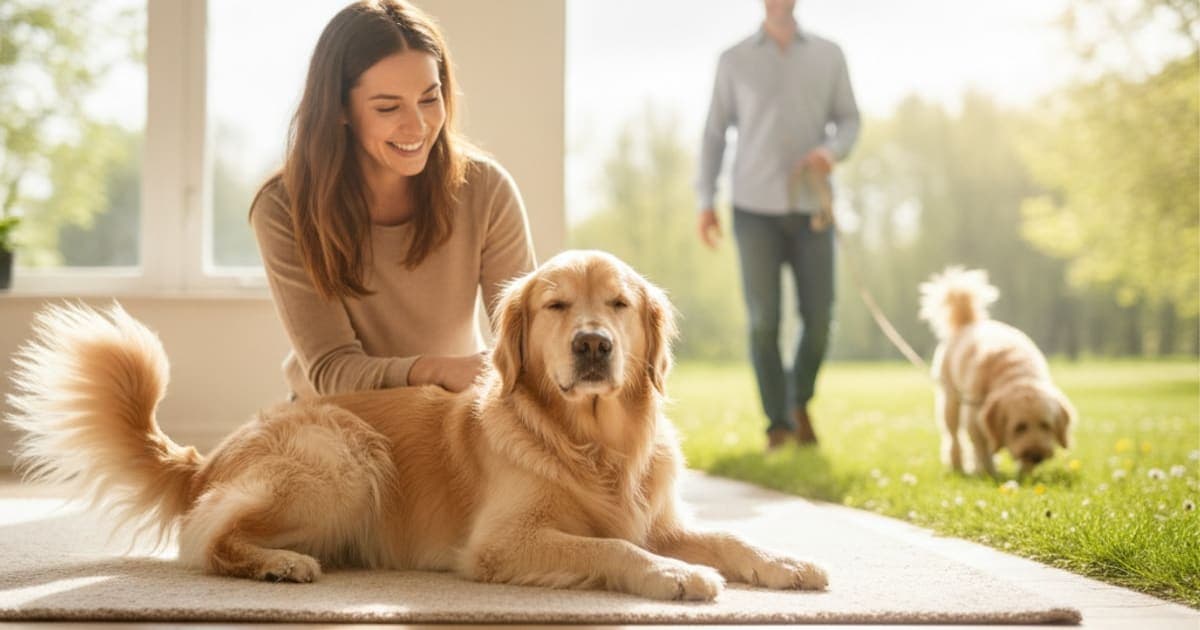 Dog Elbow Arthritis Without Surgery: What WorksNo — the cartilage damage behind elbow arthritis does not reverse, and no surgery erases it either. But elbow arthritis is commonly managed without an operation, and many dogs stay comfortable and active for years. The outcome depends on the underlying cause, body weight, muscle support and how consistent the daily plan is.Read the guide →
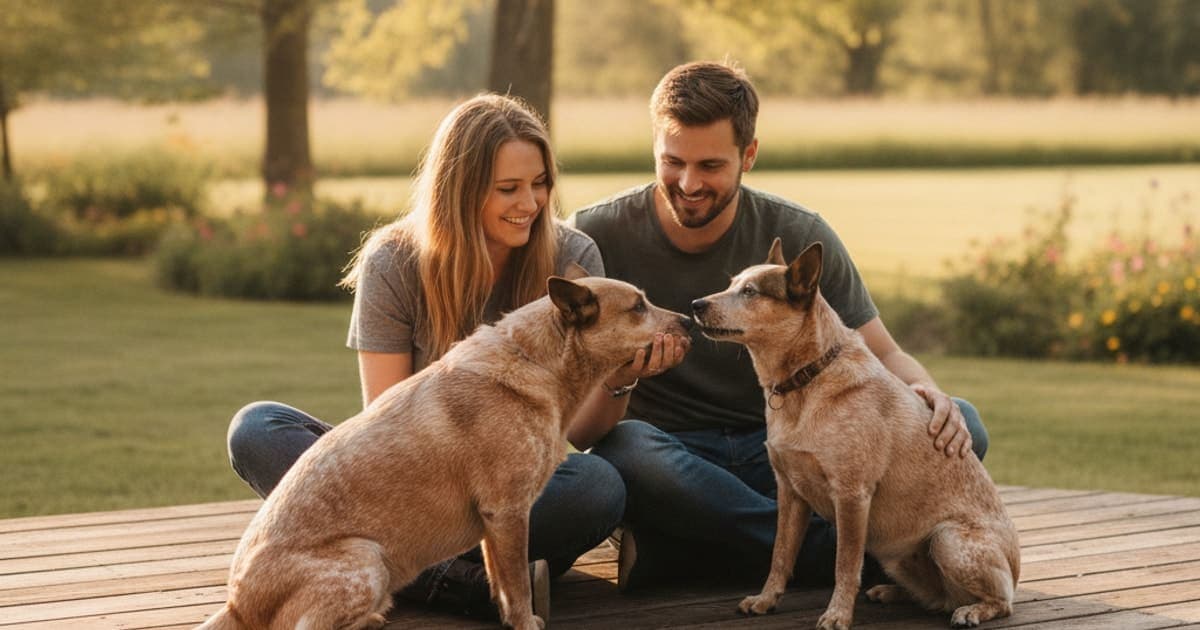 Why Red Heelers Are Prone to Joint ProblemsRed Heelers are prone to joint problems because they combine a compact, heavily muscled frame with relentless herding drive, inherited hip and elbow dysplasia risk, and a working temperament that hides pain. High-impact turning, jumping and stopping loads the same joints repeatedly, and stoic dogs rarely show early stiffness.Read the guide →
 What Makes Spondylosis Worse in Dogs? (Key Triggers)Spondylosis in dogs gets worse when the spine is loaded badly and repeatedly — excess body weight, jumping off furniture and out of cars, slick floors, hard skidding play, and long stretches of inactivity that let core muscle waste away. Undertreated pain and stacked joint problems accelerate the decline.Read the guide →
 Dog Tendonitis Recovery Time: Realistic ExpectationsMost dogs with tendonitis recover over weeks to months rather than days, depending on which tendon is involved and how long it has been irritated. Mild, freshly inflamed tendons often quiet down in a few weeks, while chronic or heavily loaded tendons commonly need several months of controlled activity.Read the guide →
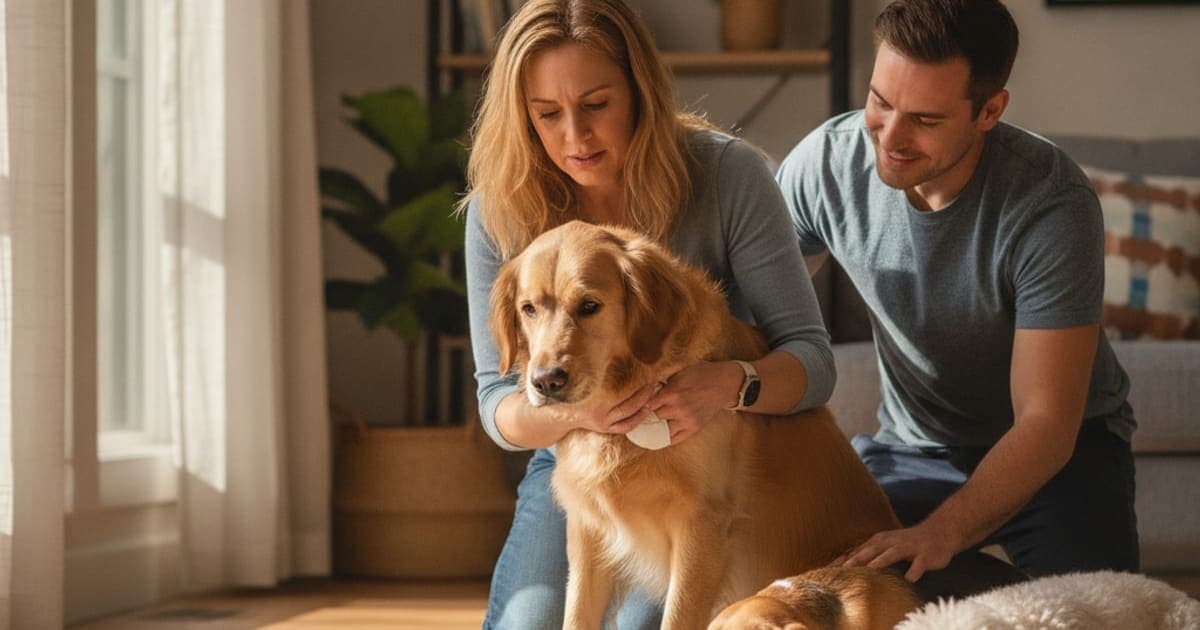 Dog Crying Out In Pain: When to See a VetTake your dog to a vet the same day it cries out in pain. Go immediately if the cry comes with collapse, a swollen belly, unproductive retching, dragging hind legs, breathing trouble or loss of bladder control. Dogs mask discomfort, so an audible cry usually means pain has crossed a threshold.Read the guide →
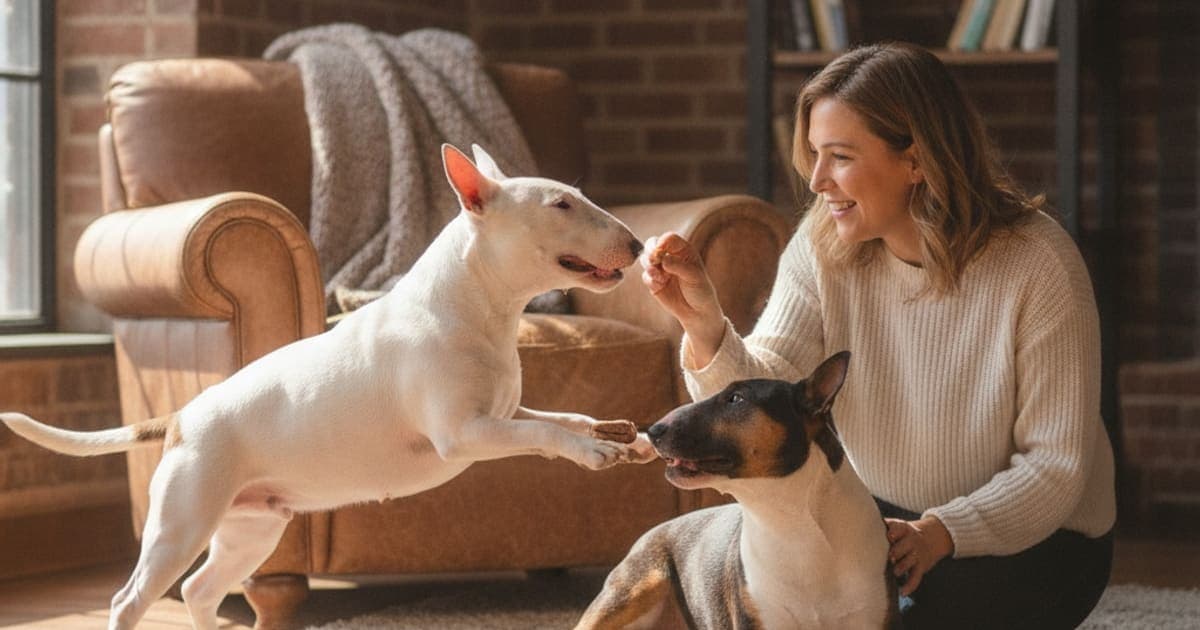 Why Bull Terriers Are Prone to Joint ProblemsBull terriers are prone to joint problems because a dense, heavily muscled body sits on short, straight legs, concentrating force through the hips, knees, elbows and lower spine. Breed-linked risks like hip dysplasia and patellar luxation, plus a high pain threshold that hides early discomfort, make the pattern predictable.Read the guide →

The pawgen library · 3,678 guides
Dog mobility, joints and recovery
Plain-English guides on joint pain, injury recovery and what actually helps aging and active dogs. Written to answer the question, not to pad a word count.