 What Makes Inflammation Worse in Dogs? (Key Triggers)Inflammation in dogs gets worse when the body keeps receiving reasons to stay switched on: excess body fat, an omega-6-heavy diet, untreated dental or skin disease, stop-start exercise, poor sleep, chronic stress, and old injuries that never fully rehabilitated. These triggers stack, and the total load is what matters most.Read the guide →
 Dog Meniscus Tear Recovery Time: Realistic ExpectationsMost dogs recovering from a surgically treated meniscus tear spend roughly the first eight to twelve weeks in restricted activity and reach near-normal function around four to six months. Meniscal tissue has limited blood supply, so the timeline is driven mostly by knee stabilization and rehab compliance.Read the guide →
 Dog Carpal Hyperextension Without Surgery — Can It Recover?Some dogs with carpal hyperextension can be managed without surgery, particularly when the injury is partial, the dog is light, and the joint responds to rigid external support. Severity, which level of the carpus failed, body weight and how early it was addressed largely decide the outcome, alongside your veterinarian's assessment.Read the guide →
 Why Border Collies Are Prone to Joint ProblemsBorder Collies are prone to joint problems because inherited hip and elbow dysplasia risk lands on a body that repeats hard, low-crouch, high-torque movement for years. Genetics set the ceiling; body weight, conditioning, footing and workload decide how early stiffness and mobility issues actually show up.Read the guide →
 Why Samoyeds Are Prone to Joint ProblemsSamoyeds are prone to joint problems because they carry an inherited risk of hip and elbow dysplasia on a powerful sled-dog frame, grow quickly as puppies, and work through discomfort without complaint. A dense double coat hides muscle loss, so early mobility changes are often missed until a limp appears.Read the guide →
 Dog Inflammation Recovery Time: Realistic ExpectationsAcute inflammation in a dog usually settles within days to a couple of weeks, while soft-tissue injuries such as tendon, ligament or post-surgical sites often need several weeks to months to remodel fully. Chronic inflammation is managed rather than finished. Your veterinarian's diagnosis sets the realistic timeline.Read the guide →
 Hot Spots in Dogs: Signs, Causes and What HelpsA hot spot in dogs is acute moist dermatitis: a fast-spreading patch of inflamed, oozing, painful skin that forms when a dog licks or scratches one area until the barrier breaks down and surface bacteria multiply. They can appear within hours, and they always point to an underlying trigger.Read the guide →
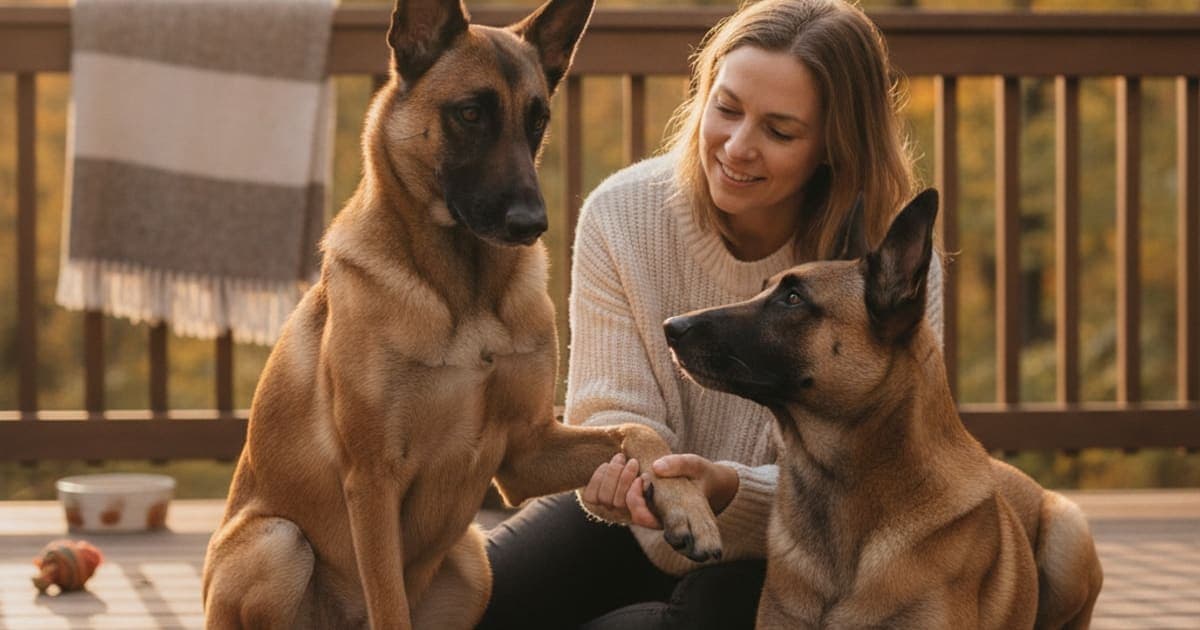 Why Belgian Malinois Are Prone to Joint ProblemsBelgian Malinois are prone to joint problems because a lean, high-drive working build repeatedly loads hips, elbows, stifles and the lower spine, on top of inherited hip and elbow dysplasia risk. Because the breed hides discomfort well, owners often notice a change in movement style long before an obvious limp.Read the guide →
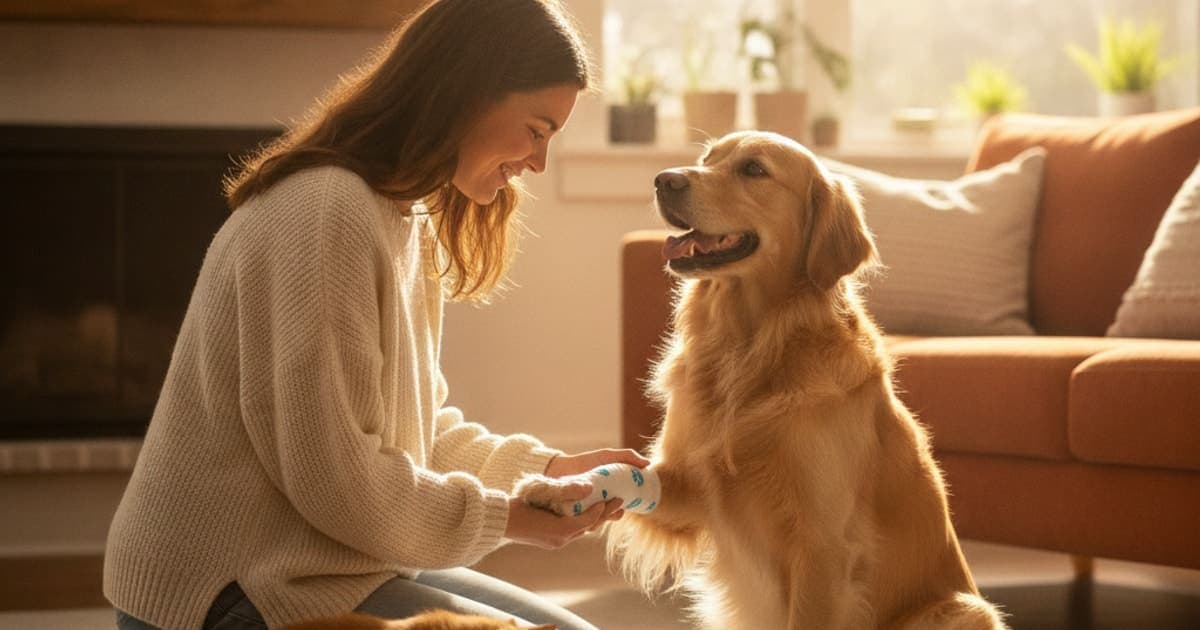 Can a Dog Recover From Toe Injury Without Surgery?Many dog toe injuries recover without surgery. Sprains, strained tendons, damaged nails and stable, well-aligned fractures of the small toe bones often respond to bandaging or splinting, pain control from your veterinarian, and weeks of strict activity restriction. Which structure is damaged, and whether the toe stays stable, decides the rest.Read the guide →
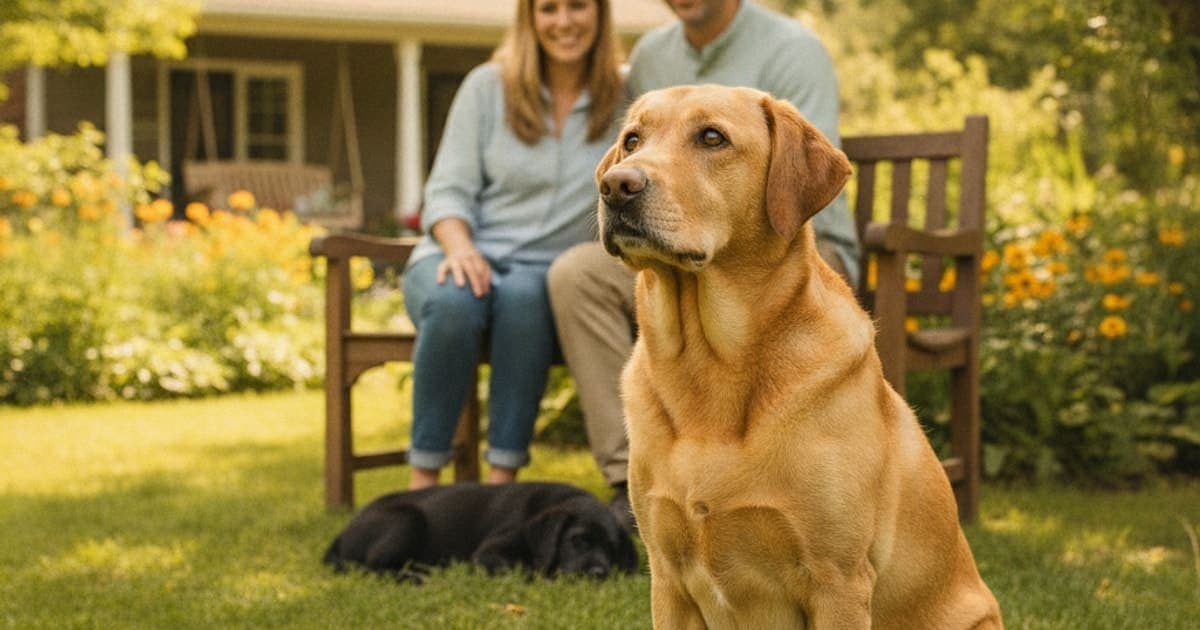 Why Labrador Retrievers Are Prone to Joint ProblemsLabrador Retrievers are prone to joint problems because they combine an inherited tendency toward hip and elbow laxity with a heavy, muscular frame, rapid puppy growth and a working drive that keeps them moving hard. Weight, growth rate and early screening shape how much that genetic risk shows up.Read the guide →
 Why Is My Dog Having Difficulty Posturing to Poop?Most dogs that struggle to posture to poop are dealing with pain or weakness in the hind end — hips, knees, lumbar spine or paws — rather than a problem in the bowel itself. Constipation, anal gland disease and neurological conditions also cause it, and unproductive straining warrants same-day veterinary attention.Read the guide →
 When to Take a Dog to the Vet for Appetite Loss + PainTake a dog to the vet the same day when appetite loss appears alongside any sign of pain — hunching, panting at rest, guarding the belly, reluctance to move. Go immediately for a distended abdomen, unproductive retching, collapse, pale gums, or refusal to drink. Do not wait past 24 hours.Read the guide →
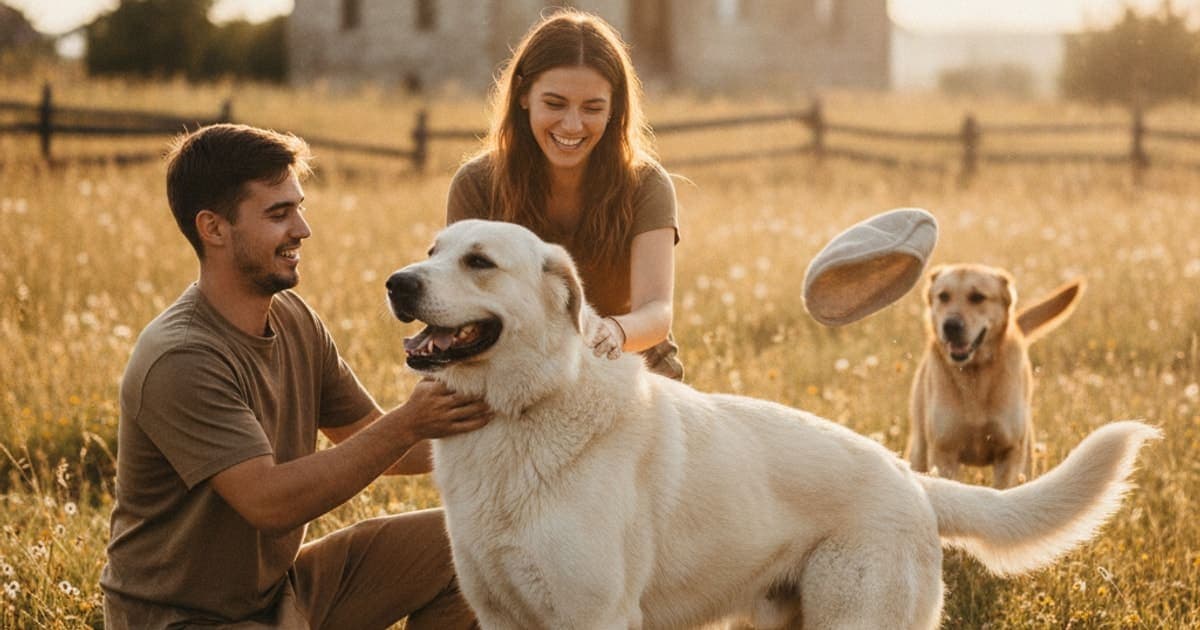 Why Anatolian Shepherds Are Prone to Joint ProblemsAnatolian Shepherds are prone to joint problems because giant-breed growth plates close late, a heavy frame loads hips, elbows and stifles for years, and a stoic guardian temperament masks early pain. Hip and elbow dysplasia, cruciate injury and osteoarthritis are the common results. Early screening and lean body condition matter most.Read the guide →
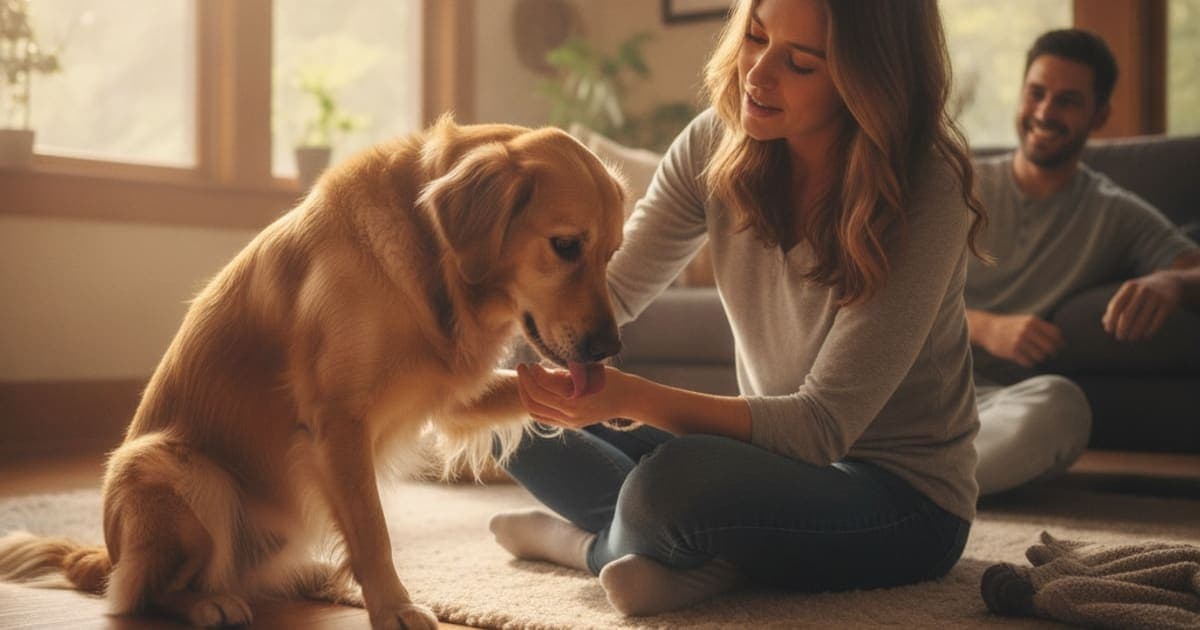 Why Is My Dog Licking a Joint? (What the Licking Means)A dog licks a joint because something underneath it feels wrong. Focused, repetitive licking over a wrist, elbow, knee or hock most often reflects joint pain or inflammation, with skin allergy, wounds, nerve irritation and anxiety as the other common causes. Licking that keeps returning to the same joint deserves a veterinary exam.Read the guide →
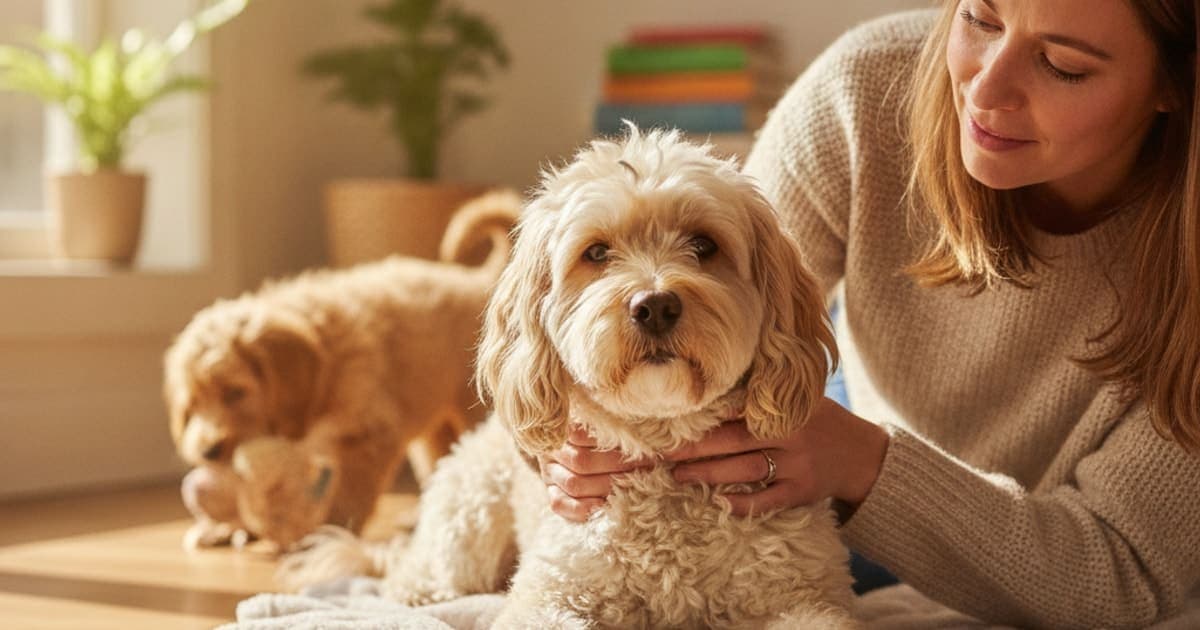 Why Cockapoos Are Prone to Joint ProblemsCockapoos are prone to joint problems because they inherit risk from both parent breeds: cocker spaniels contribute hip and elbow dysplasia, while miniature poodles pass down patellar luxation. Add a coat that hides muscle loss and a temperament that pushes through discomfort, and mobility changes are often noticed late.Read the guide →
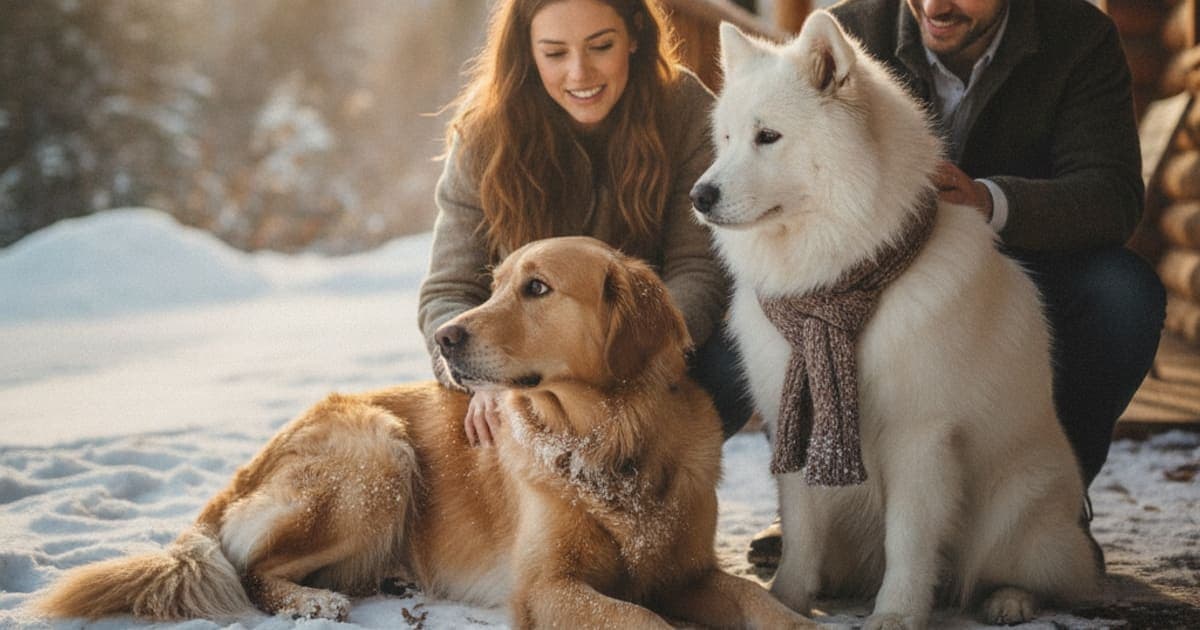 Dog Stiff In Cold Weather: When to See a VetTake your dog to the vet if cold-weather stiffness lasts beyond a few minutes of warming up, returns most mornings, worsens over weeks, or appears alongside limping, yelping, swelling or reluctance to use stairs. Sudden non-weight-bearing lameness, dragging paws or collapse warrant same-day veterinary care.Read the guide →
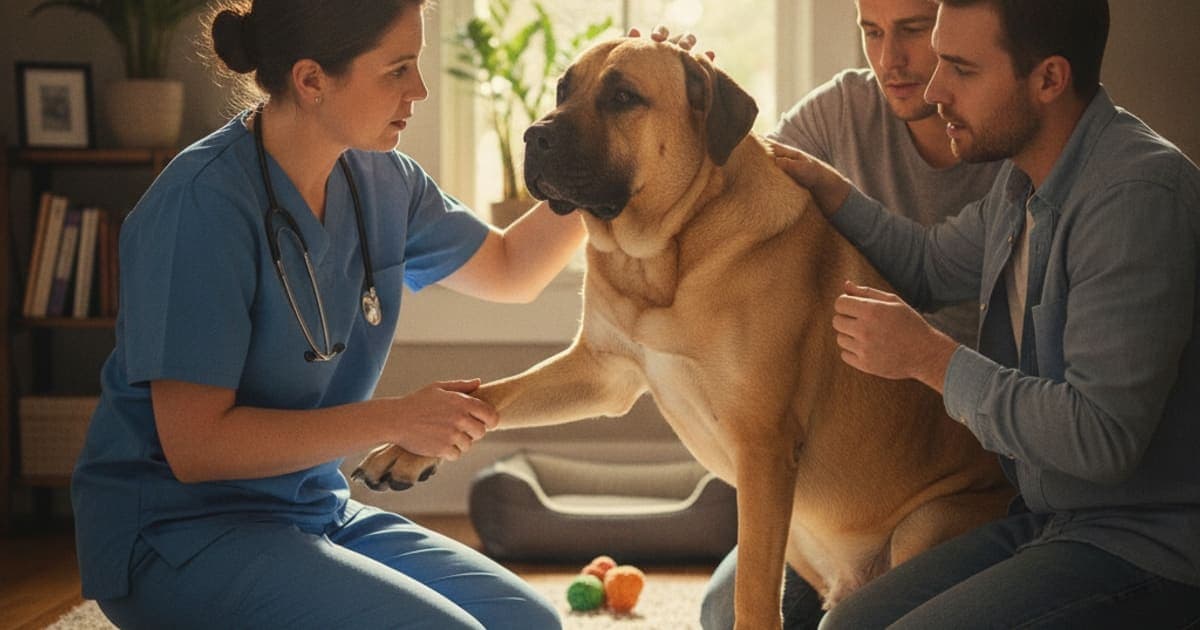 Why Presa Canarios Are Prone to Joint ProblemsPresa Canarios are prone to joint problems because a heavy, muscular frame grows onto a skeleton that matures slowly, concentrating load on the hips, elbows and stifles. Hip and elbow dysplasia, cruciate injury and early osteoarthritis are the most common results. Early screening and load management matter more than any single supplement.Read the guide →
 Can a Dog Recover From Hip Dysplasia Without Surgery?A dysplastic hip does not remodel back into a normal joint, so hip dysplasia does not heal in the anatomical sense. Many dogs, however, stay comfortable and active for years without an operation. Severity, body weight, muscle mass, pain control and day-to-day consistency decide which dogs do well.Read the guide →
 Dog Slowing Down on Walks: When to See a VetTake a dog to the vet for slowing down on walks if the change came on over days rather than months, if it lasts more than a week, or if it comes with limping, panting, coughing or reluctance to rise. Collapse or laboured breathing means go immediately.Read the guide →
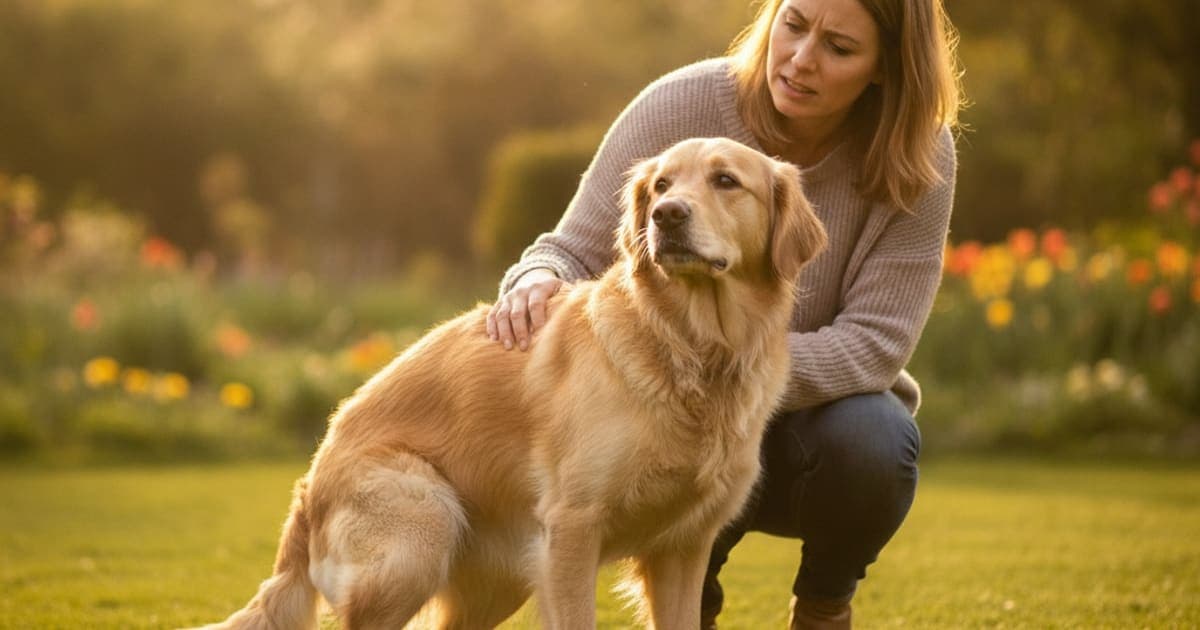 When to See a Vet for Difficulty Posturing to PoopTake your dog to the vet the same day if they strain to defecate without producing stool, yelp when squatting, or repeatedly abandon the posture. Seek emergency care within hours if straining comes with vomiting, a tense painful abdomen, blood, or any chance the effort is urinary rather than fecal.Read the guide →
 Why Irish Setters Are Prone to Joint ProblemsIrish Setters are prone to joint problems because a tall, fast-growing sporting frame loads immature joints hard, the breed carries inherited hip dysplasia risk, and setters rarely pace themselves. Hips, stifles and soft tissue take the brunt. Early weight control, smart conditioning and veterinary screening shape long-term mobility.Read the guide →
 When Should I Take a Dog to the Vet for Weight Shifting?Book a veterinary exam within 24 to 48 hours if your dog is still shifting weight off one leg after a day of rest. Go the same day if the limb bears no weight at all, or if there is swelling, heat, a wound, or crying out when touched.Read the guide →
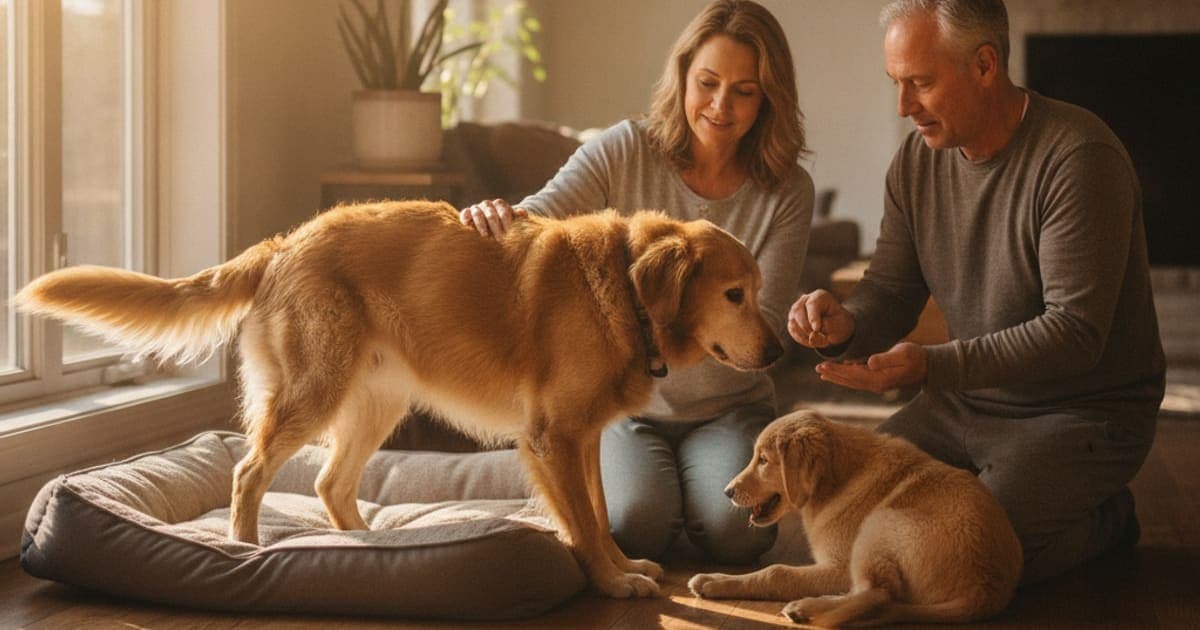 When Should I Take a Dog to the Vet for Morning Stiffness?Take your dog to the vet if morning stiffness has lasted more than about a week, fails to ease within a few minutes of gentle movement, is getting worse, or arrives with limping, swelling or reluctance to jump. Sudden severe stiffness or inability to stand is an emergency.Read the guide →
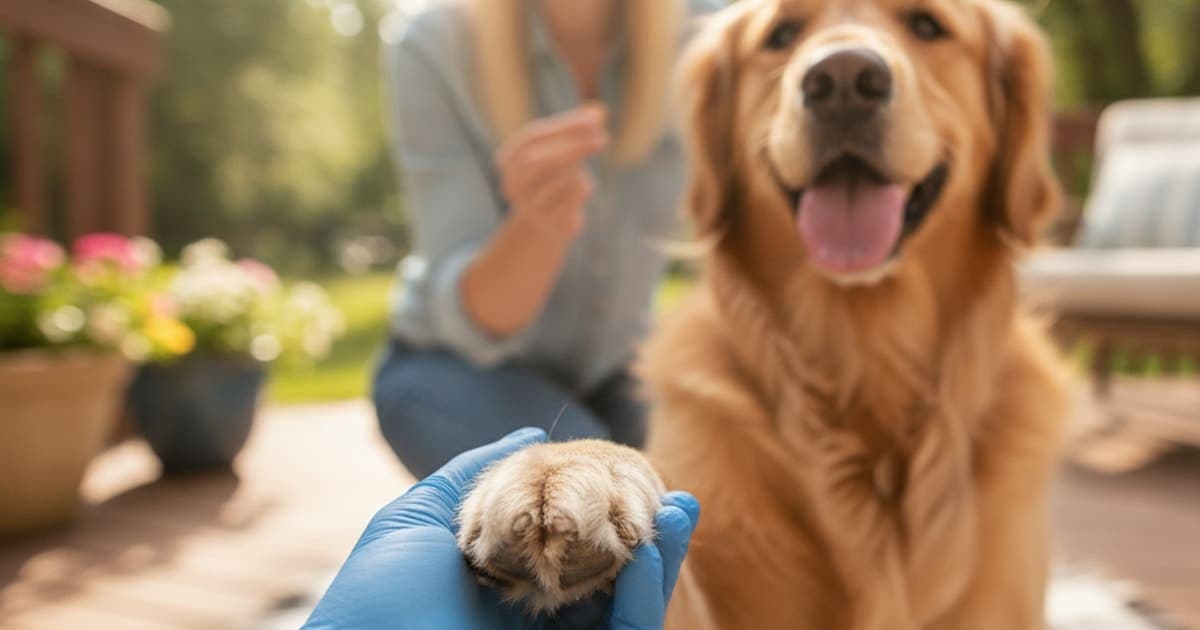 When Should a Dog See a Vet for Scuffing Back Nails?Book a veterinary exam within a few days of noticing scuffed back nails, and go the same day if the dragging appeared suddenly, affects both hind legs, or comes with weakness, back pain or toileting changes. Worn hind nails usually reflect a gait or nerve-signalling problem, not grooming.Read the guide →

The pawgen library · 3,678 guides
Dog mobility, joints and recovery
Plain-English guides on joint pain, injury recovery and what actually helps aging and active dogs. Written to answer the question, not to pad a word count.