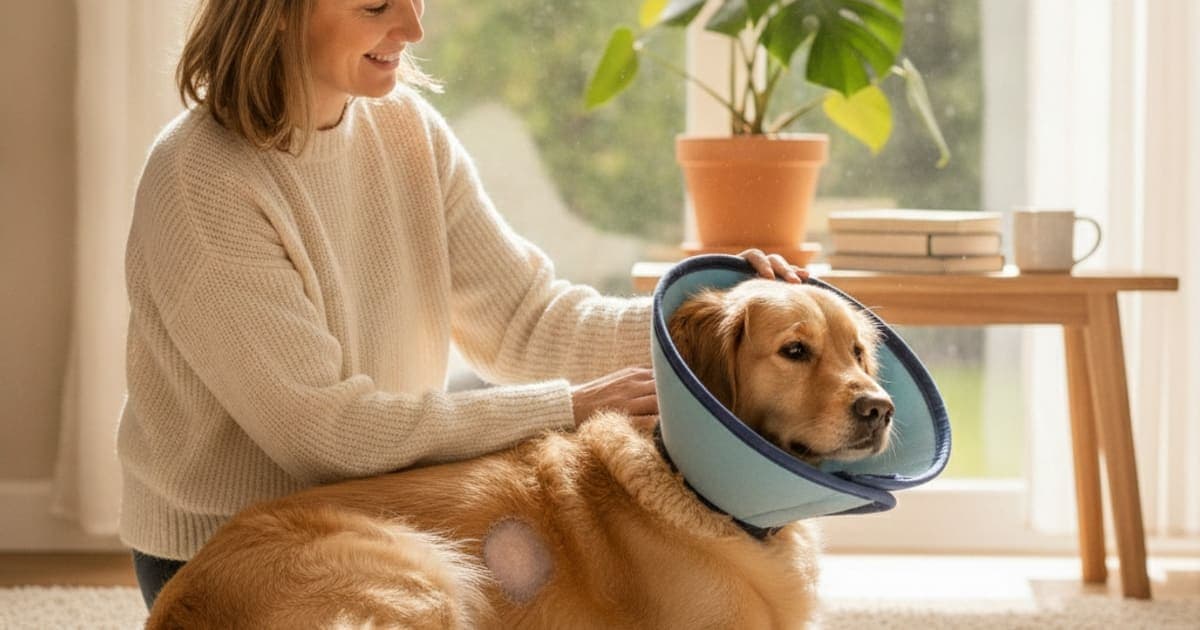
 Dog Hot Spots Recovery Time: Realistic ExpectationsMost uncomplicated hot spots start improving within 24 to 72 hours of proper care, and the skin surface commonly closes within one to two weeks, with hair regrowth taking several weeks more. Deeper, infected, or allergy-driven lesions run longer and often recur until the underlying trigger is found.Read the guide →
 Dog Spondylosis Without Surgery: What Actually HelpsMost dogs with spondylosis are managed without surgery. The bony bridges themselves do not dissolve, but the pain and stiffness they cause often settle with weight control, structured exercise, veterinary pain management and targeted soft-tissue support. Surgery is reserved for the smaller group with nerve compression that does not respond.Read the guide →
 What Makes Hip Arthritis Worse in Dogs? (Key Triggers)Hip arthritis in dogs is made worse by excess body weight, sudden high-impact activity after long rest, muscle loss around the joint, slippery floors, cold damp bedding and inconsistent pain control. Untreated hip dysplasia and old injuries speed progression. Nearly all of these are modifiable with your veterinarian's guidance.Read the guide →
 Dog Hock Injury Recovery Time: Realistic ExpectationsMost canine hock injuries take three weeks to six months to heal: a mild sprain often settles in three to six weeks, while surgical repairs of ligament tears, fractures or joint fusion need eight to twelve weeks of tissue healing plus several more months before full activity returns.Read the guide →
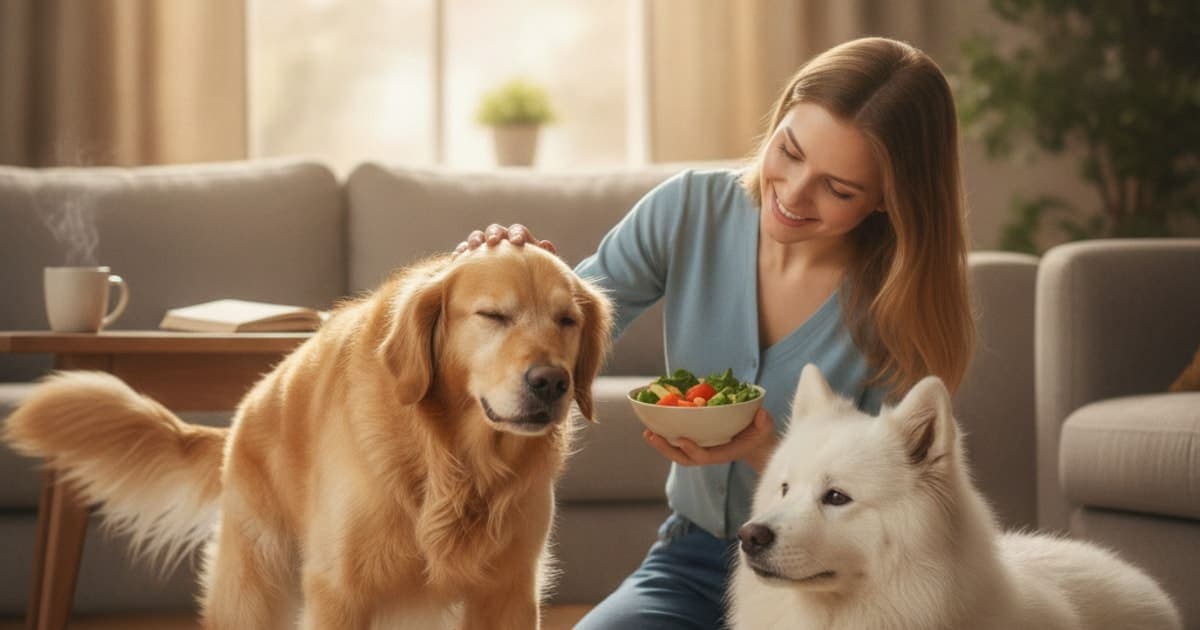 What Makes Food Sensitivity Worse in Dogs? (Triggers)Food sensitivity in dogs gets worse when the trigger protein keeps returning through treats, chews, flavoured medications or shared bowls, and when fleas, pollen and secondary skin or ear infections stack on top of it. Self-trauma from scratching and an unsettled gut lining keep the cycle running.Read the guide →
 Can a Dog Recover From Shoulder OCD Without Surgery?Sometimes. Shoulder OCD can improve without surgery when the cartilage flap is small and still attached, and when the dog is kept on strict rest with veterinary-directed pain control and rehab. A fully detached flap or a free fragment inside the joint usually needs arthroscopic removal to stop ongoing irritation.Read the guide →
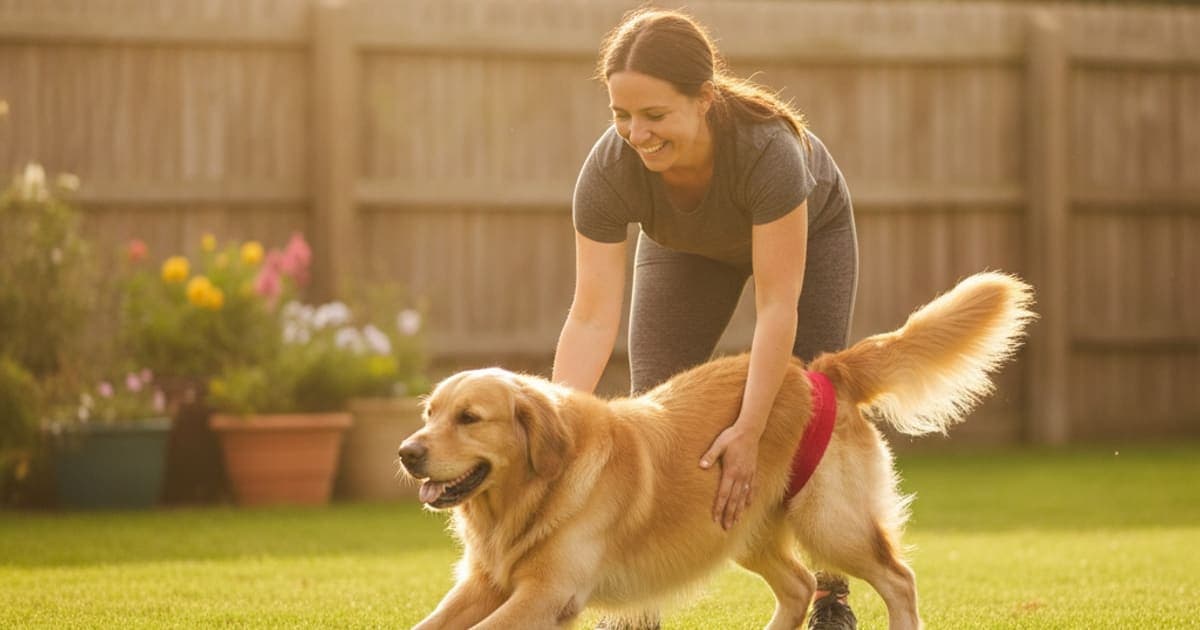 Can a Dog Recover From Partial CCL Tear Without Surgery?Some dogs do stabilise a partial CCL tear without surgery, but a torn cruciate ligament does not knit back together — the knee compensates instead. The outcome depends on body weight, how much of the ligament is torn, meniscal damage, joint stability and how strictly the rest period is followed.Read the guide →
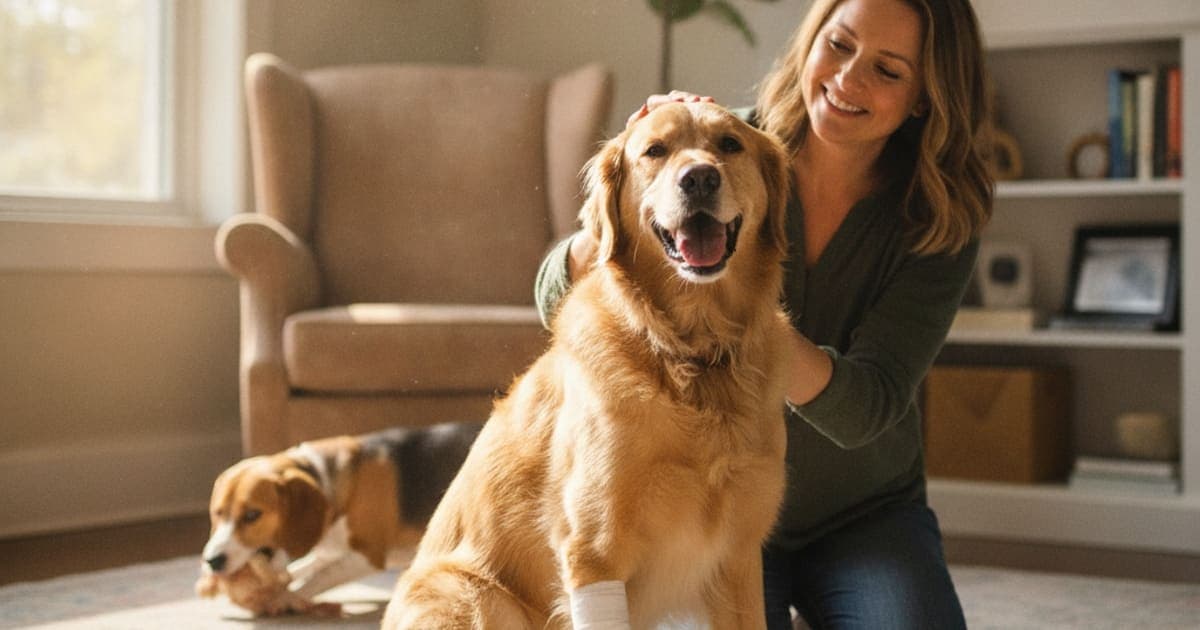 Carpal Hyperextension in Dogs: Signs, Causes and HelpCarpal hyperextension in dogs is a failure of the ligaments and fibrocartilage supporting the back of the wrist, letting the joint sink so the paw flattens toward the ground. It follows trauma or gradual degeneration, is usually visible when the dog stands, and needs veterinary diagnosis before any plan is made.Read the guide →
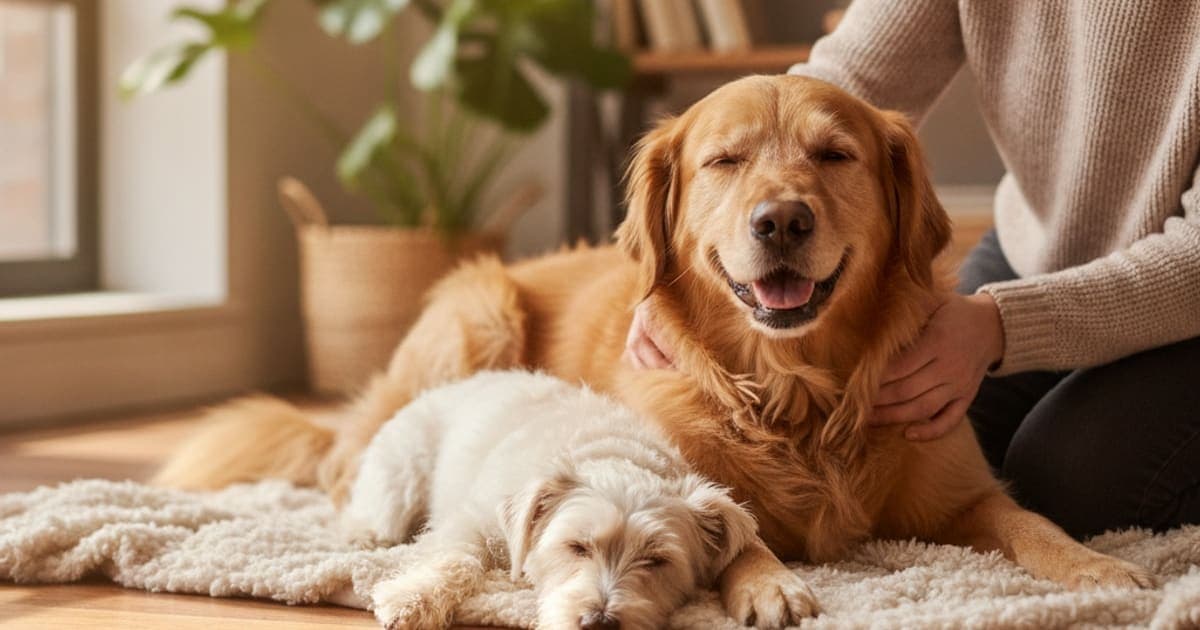 Bicipital Tenosynovitis in Dogs: Signs, Causes, HelpBicipital tenosynovitis in dogs is inflammation of the biceps tendon and the synovial sheath that surrounds it as it passes through the shoulder groove. It usually causes a slow-onset, weight-bearing front-leg lameness that worsens with exercise. Diagnosis rests with your veterinarian, and recovery is built on rest, rehab and time.Read the guide →
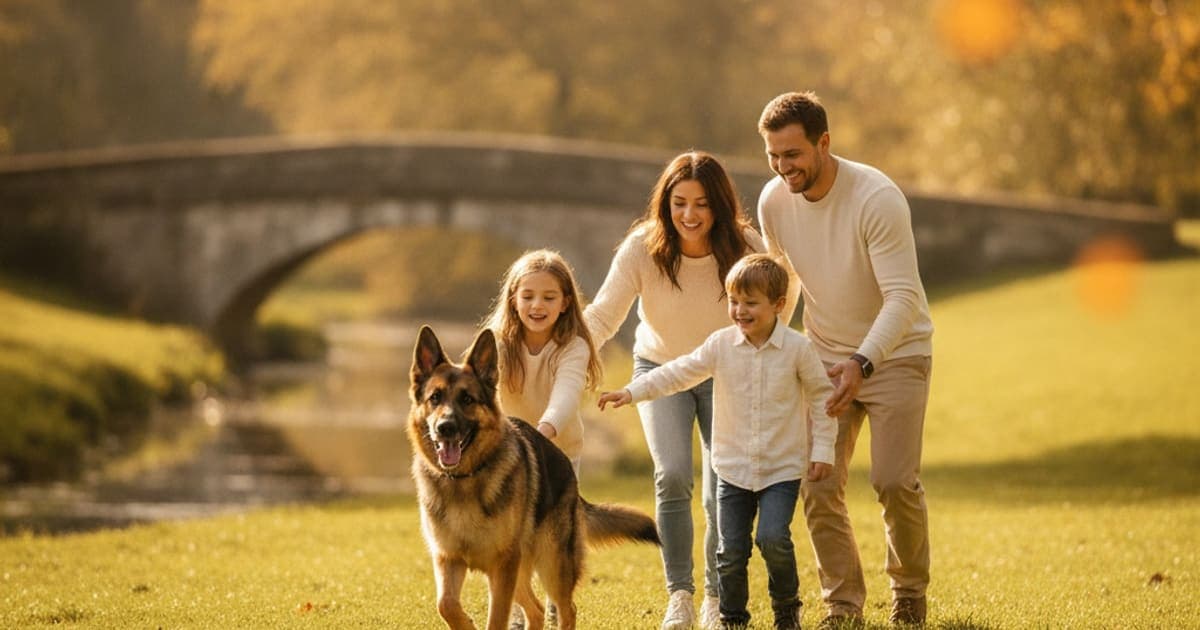 Why German Shepherds Are Prone to Joint ProblemsGerman Shepherds are prone to joint problems because of a combination of breed genetics, a sloped hindquarter conformation, rapid large-breed growth and high working drive — factors that concentrate load on the hips, elbows and stifles. Understanding the mechanics helps owners plan early, work with their veterinarian and support mobility long-term.Read the guide →
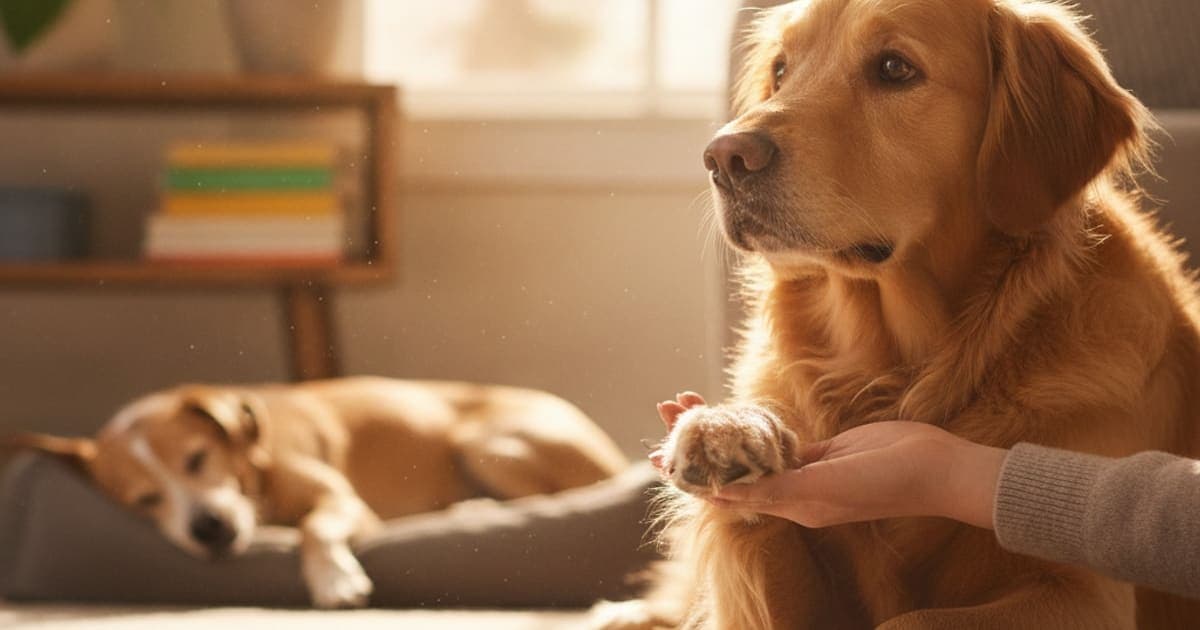 Joint Effusion in Dogs: Signs, Causes and What HelpsJoint effusion in dogs is an abnormal buildup of fluid inside a joint capsule, most commonly the knee. It shows up as puffiness, warmth and limping, and it signals inflammation, injury, infection or degeneration inside the joint. The fluid is a sign, not a diagnosis — the cause determines everything that follows.Read the guide →
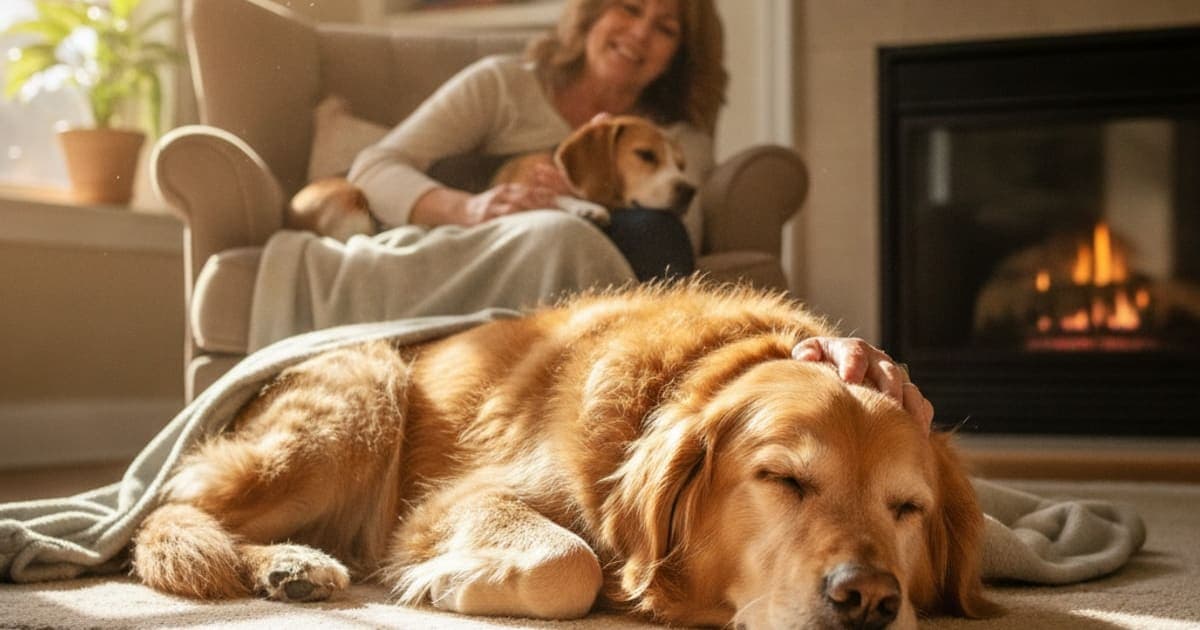 Spondylosis in Dogs: Signs, Causes and What HelpsSpondylosis in dogs is a degenerative spinal change in which bony spurs form along the edges of the vertebrae and can bridge the gaps between them. It develops slowly as discs age and the spine stiffens. Many dogs show it on X-ray with mild signs; others become stiff and sore.Read the guide →
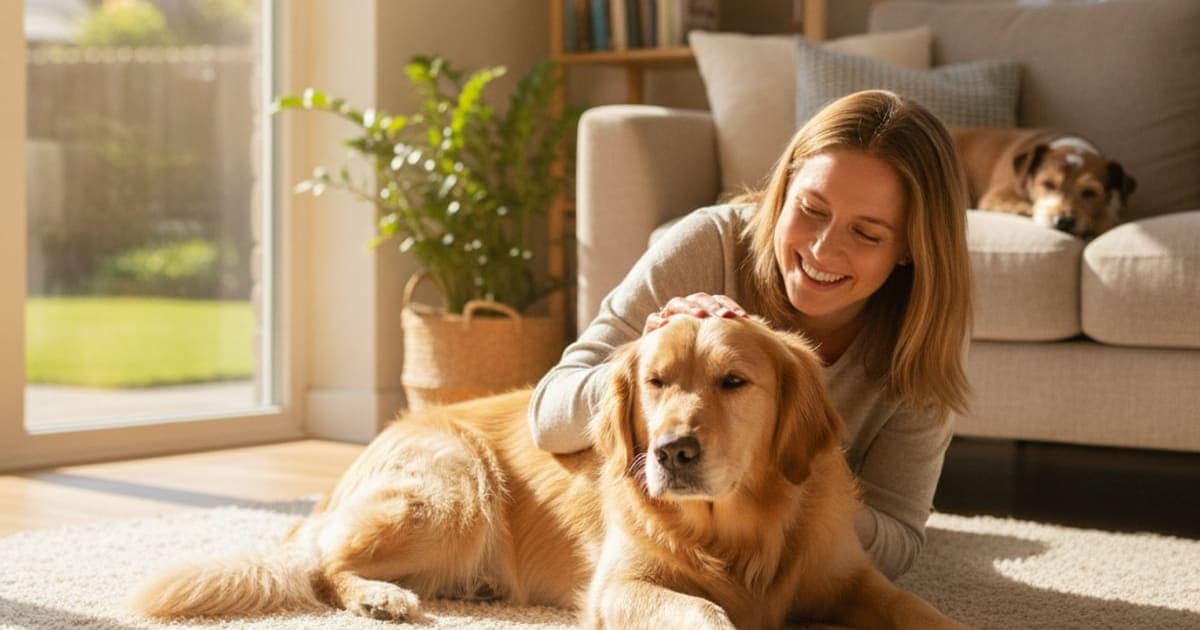 Fibrocartilaginous Embolism in Dogs: Signs and CausesFibrocartilaginous embolism in dogs is a spinal cord stroke: a fragment of disc material blocks a vessel feeding the cord, cutting off oxygen to that segment. Signs appear suddenly, are usually not painful, and stop progressing. Diagnosis relies on MRI, and recovery hinges on nursing and rehabilitation.Read the guide →
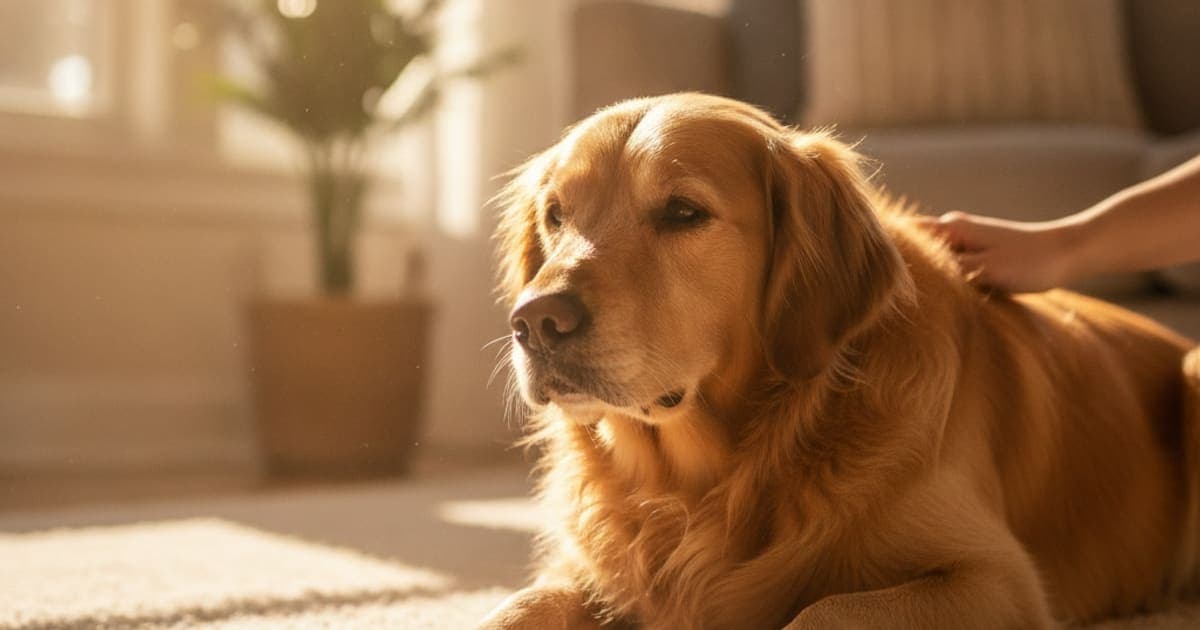 Dog Vestibular Disease Recovery Time: What to ExpectMost dogs with idiopathic vestibular disease begin to steady within the first few days and show the bulk of their improvement across two to three weeks, though a residual head tilt can persist for months or permanently. Cases driven by ear infection, thyroid disease or a central lesion follow different timelines.Read the guide →
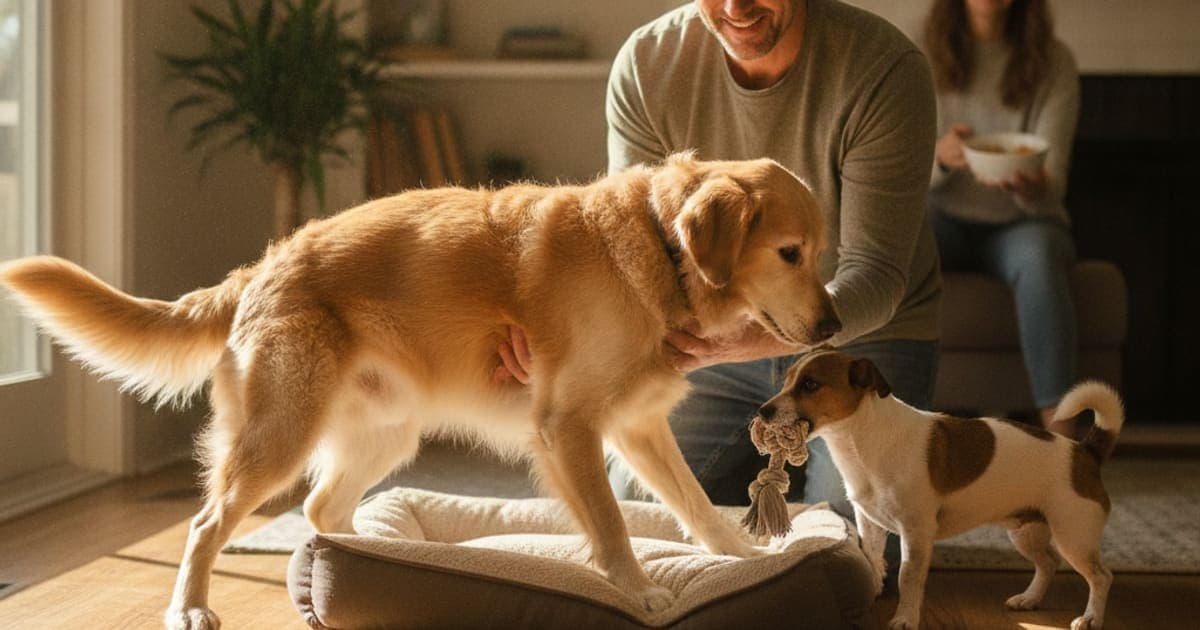 What Makes Sarcopenia Worse in Dogs? (Key Accelerators)Sarcopenia in dogs gets worse with prolonged inactivity, inadequate protein intake, untreated pain that limits movement, chronic inflammatory disease, obesity, and long periods of crate rest after injury or surgery. Each of these accelerates the loss of lean muscle that already happens with age, and several often stack together.Read the guide →
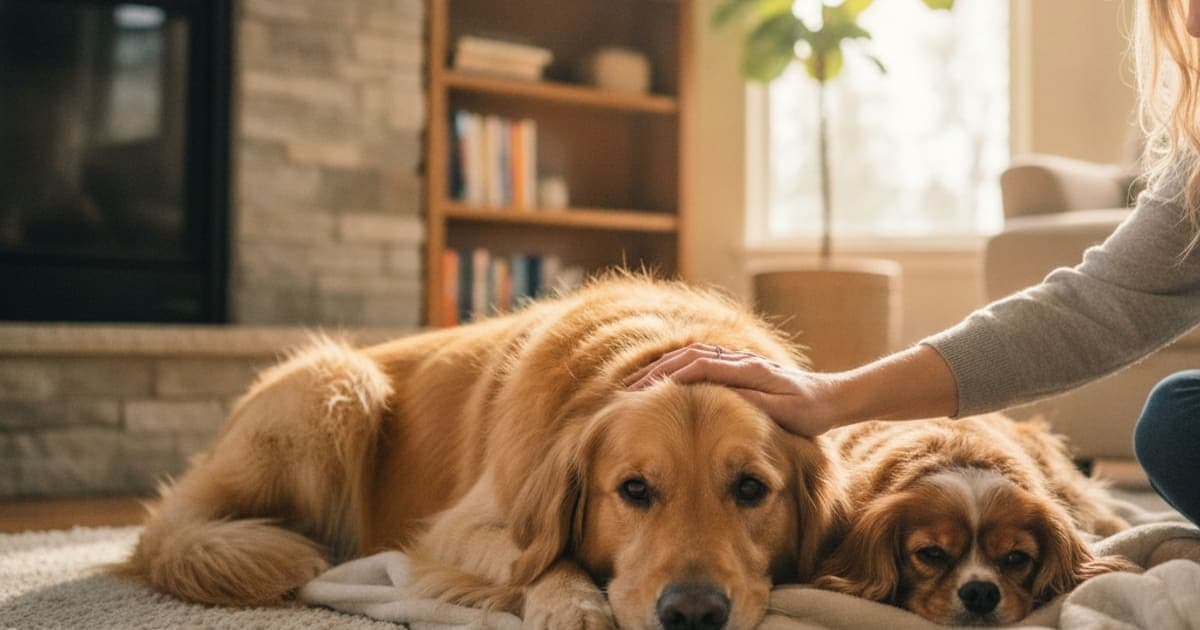 What Makes Elbow Dysplasia Worse in Dogs? (Key Triggers)Elbow dysplasia gets worse fastest under four pressures: excess body weight, high-impact or uncontrolled exercise, pain and inflammation left unmanaged, and delayed diagnosis. Because the joint surfaces already fit imperfectly, every hard landing and every extra pound speeds the cartilage wear underneath. Controlling load is the part owners actually influence day to day.Read the guide →
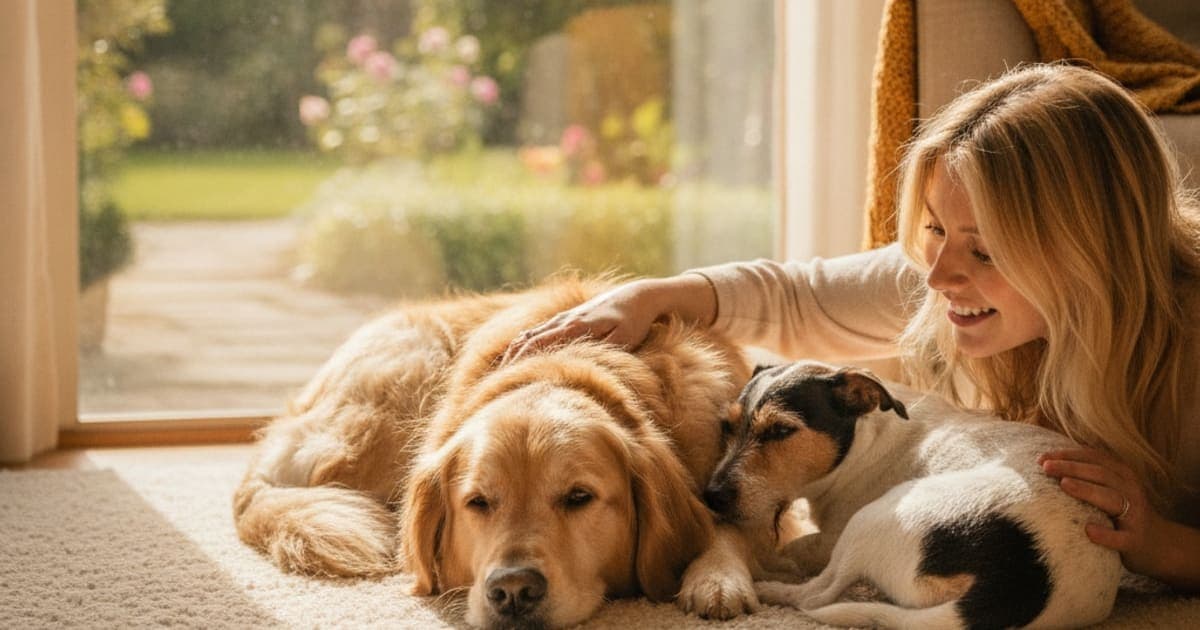 Dog Stomach Ulcers Recovery Time: What to ExpectMost dogs with an uncomplicated stomach ulcer start feeling better within a few days to two weeks of starting veterinary treatment, while the stomach lining usually needs several more weeks to finish healing. Deep, bleeding, or repeatedly irritated ulcers can take a month or longer under veterinary supervision.Read the guide →
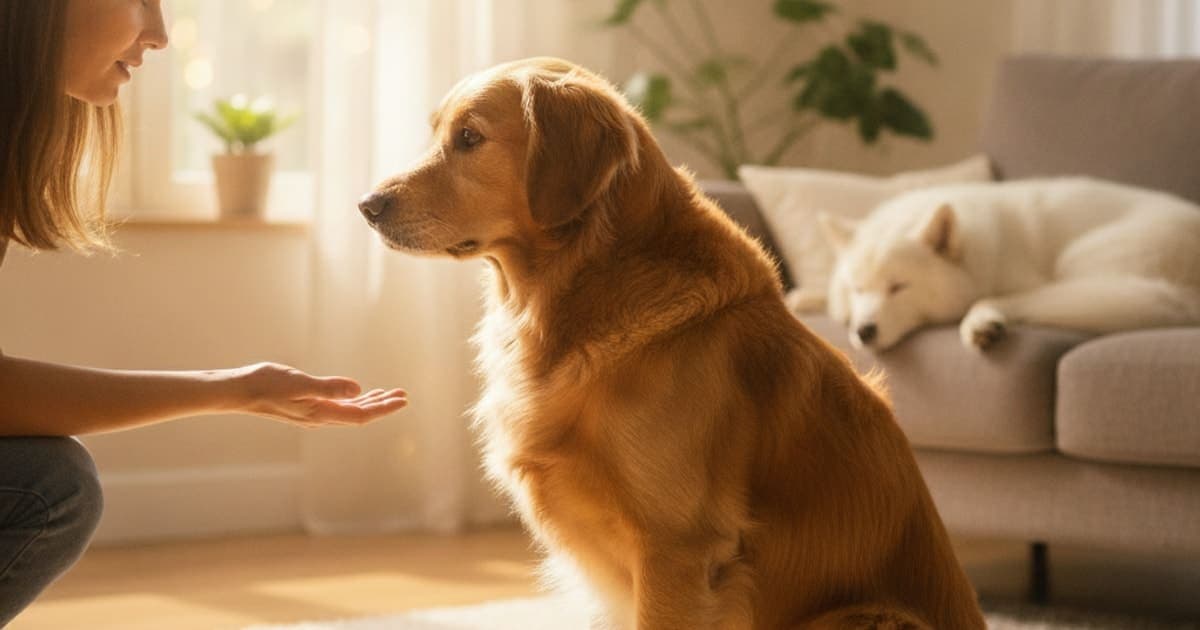 Dog Reluctant To Be Touched: What It Usually MeansA dog reluctant to be touched is most often guarding pain somewhere — a joint, a disc, an ear, a muscle or a healing soft-tissue injury. Fear, sensory decline, nausea and neurological change can produce the same flinch. A veterinary exam is what separates them, especially when the change is sudden.Read the guide →
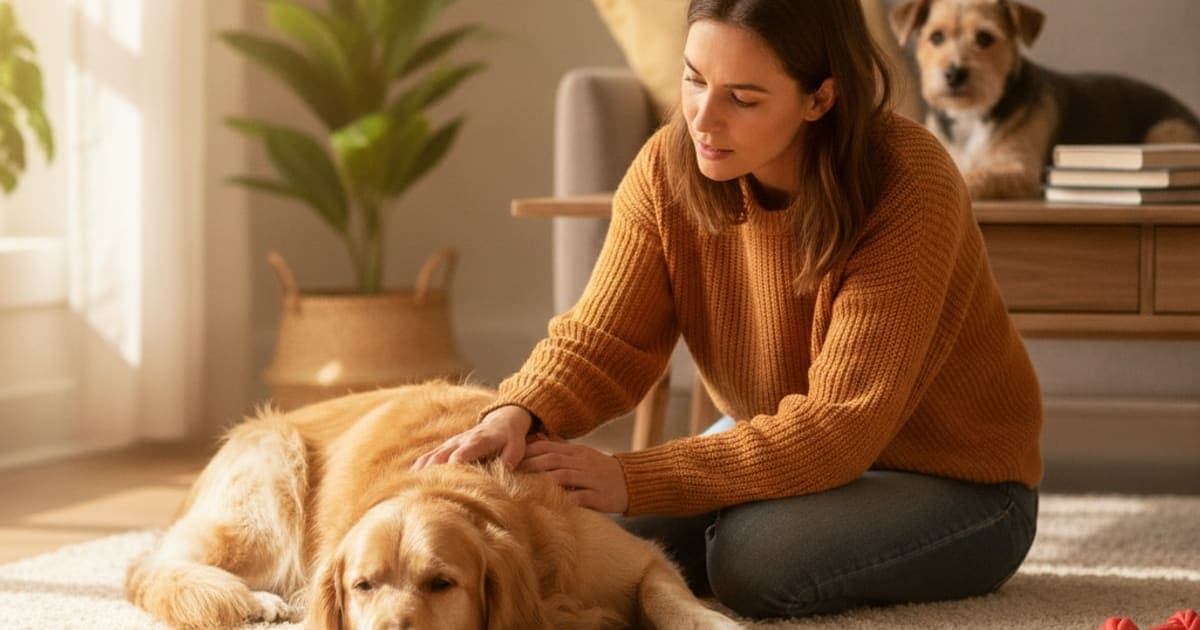 Dog Not Wanting To Play: When to See a VetSee a veterinarian the same day if your dog stops wanting to play alongside limping, laboured breathing, pale gums, a tense abdomen, vomiting or collapse. If reluctance to play is the only change and lasts more than a day or two, book a routine exam rather than waiting.Read the guide →
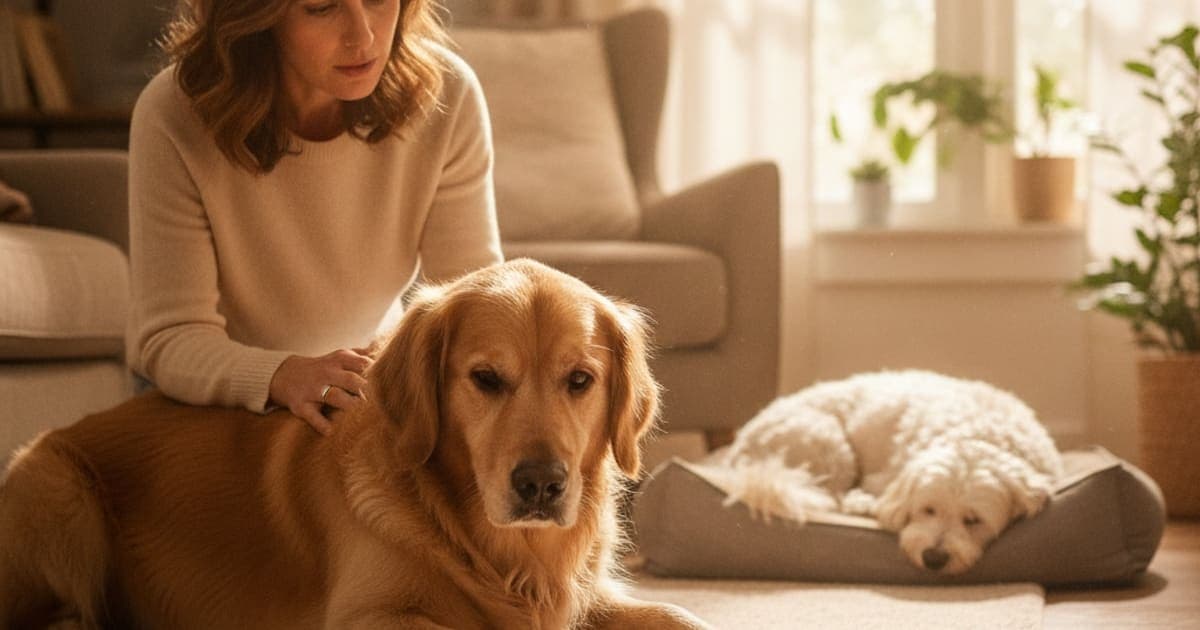 Dog Pain Meds Stopped Working: When to See a VetBook a veterinary appointment within a few days of noticing that your dog's pain medication has stopped working, and the same day if the limp appeared suddenly, the leg won't bear weight, or a joint is hot and swollen. Losing pain control usually means the underlying problem has changed.Read the guide →
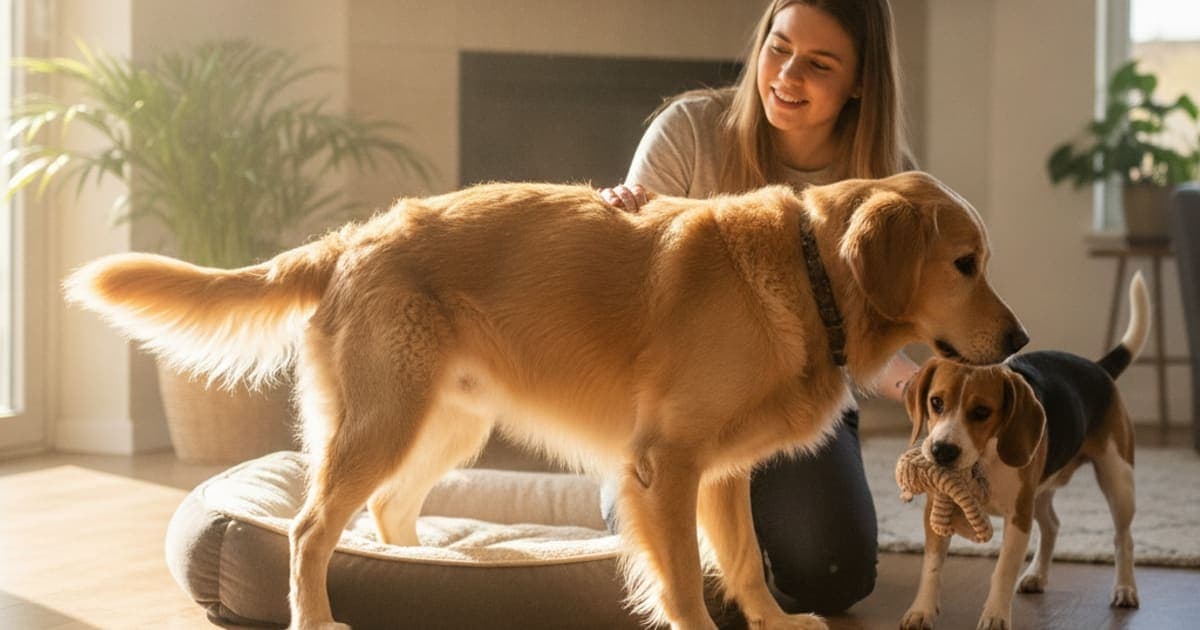 Dog Stiff After Resting: When to See a VetSee a veterinarian if stiffness after resting does not loosen within the first few minutes of movement, worsens week to week, or comes with limping, yelping, swelling or reluctance to rise. Sudden severe stiffness, a dragged limb, or collapse needs same-day care. Even mild, steady gelling deserves a documented exam.Read the guide →
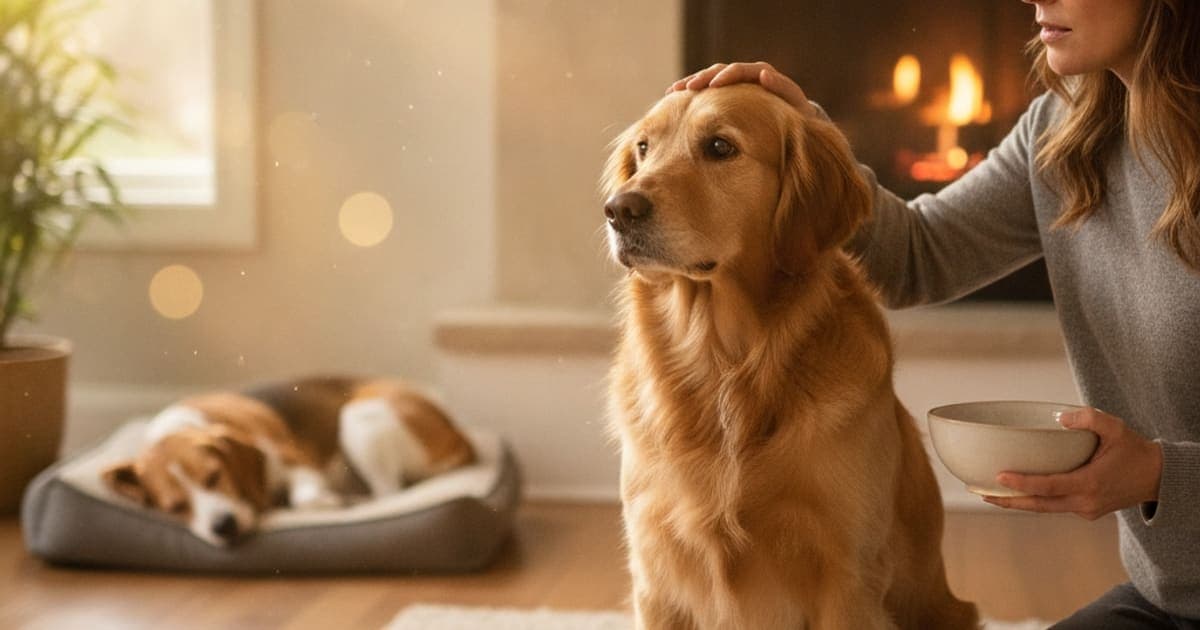 What Makes Gastritis Worse in Dogs? (Common Triggers)Gastritis in dogs gets worse when the irritant stays in the picture: table scraps and fatty food, scavenging, abrupt diet changes, NSAIDs or steroids on an empty stomach, long gaps between meals, dehydration, stress, and untreated conditions like parasites or pancreatitis. Removing the trigger and calling your vet early matters most.Read the guide →
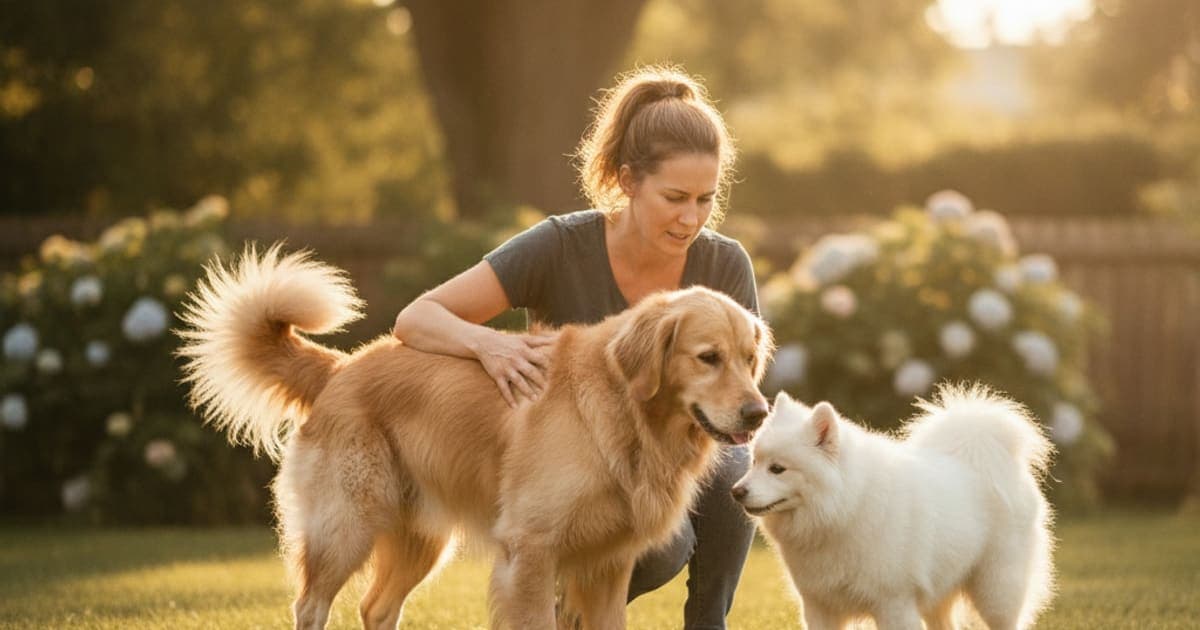 What Makes Partial CCL Tear Worse in Dogs? (Key Causes)A partial CCL tear in dogs worsens when a weakened ligament keeps taking full load — off-leash sprints, jumping off furniture, hard turns, stairs, slick floors, excess body weight, and returning to normal activity too soon. Because canine cruciate disease is usually degenerative, remaining fibres continue to fail unless loading is controlled with your veterinarian.Read the guide →
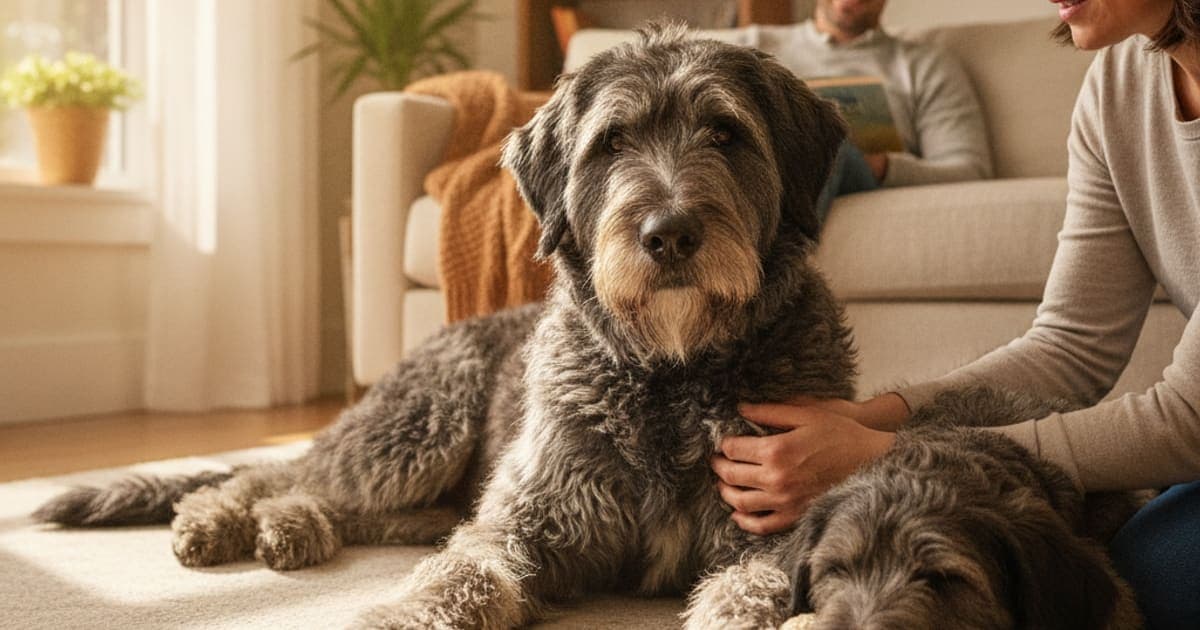 Why Bouvier des Flandres Are Prone to Joint ProblemsBouvier des Flandres are prone to joint problems because they pair a heavy, densely boned working frame with a long adolescent growth window and a high-drive herding temperament. That combination loads hips, elbows, stifles and the soft tissue around them harder and for longer than most breeds, raising dysplasia and arthritis risk.Read the guide →

The pawgen library · 3,678 guides
Dog mobility, joints and recovery
Plain-English guides on joint pain, injury recovery and what actually helps aging and active dogs. Written to answer the question, not to pad a word count.