 Vestibular Disease in Dogs: Signs, Causes and What HelpsVestibular disease in dogs is a sudden disruption of the balance system in the inner ear or brainstem, producing head tilt, flicking eyes, circling, falling and nausea. Most cases in older dogs are idiopathic and supportive care carries them through, but a veterinary exam is essential to rule out serious causes.Read the guide →
 Dog Sitting With a Leg Out to the Side: When to See a VetSee a veterinarian if your dog sits with a leg out to the side alongside limping, stiffness after rest, reluctance to jump, or if the posture is new and persistent. An occasional lazy sit is normal; a consistent one-sided sit often signals hip, knee or cruciate discomfort worth examining.Read the guide →
 Can a Dog Recover From Torn ACL Without Surgery?Sometimes. The torn ligament itself does not grow back, but many dogs — especially smaller, lighter ones — regain comfortable function through conservative management: strict activity restriction, weight control, pain relief prescribed by a veterinarian, and structured rehab. Size, tear type, meniscal damage and joint stability decide whether that path works.Read the guide →
 Dog Disc Herniation Recovery Time: What to ExpectMost dogs recover from disc herniation over weeks to months rather than days. Conservative management usually centres on several weeks of strict confinement plus a graded return to activity, while surgical cases follow a similar rehabilitation window. Neurological grade at diagnosis — especially intact deep pain sensation — drives the timeline more than anything else.Read the guide →
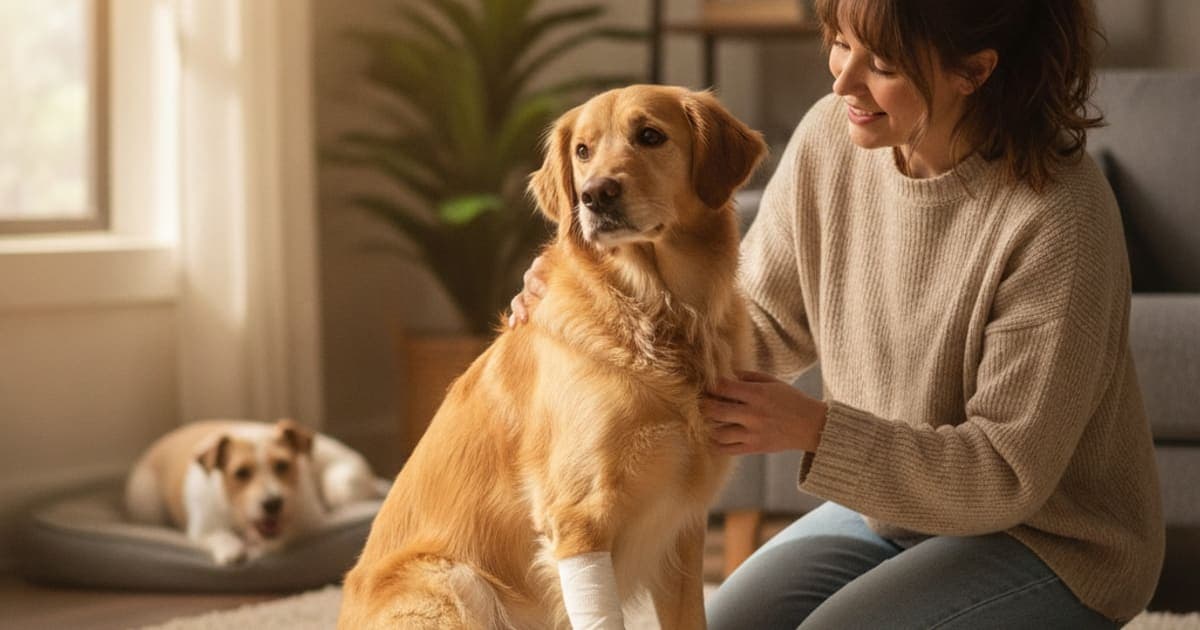 When Should a Limping Dog See the Vet After Surgery?Call your veterinary team the same day if your dog stops bearing weight, if the limp suddenly worsens instead of easing, or if the incision is swollen, hot, open or discharging. A mild limp that improves week over week is usually part of normal post-surgical recovery.Read the guide →
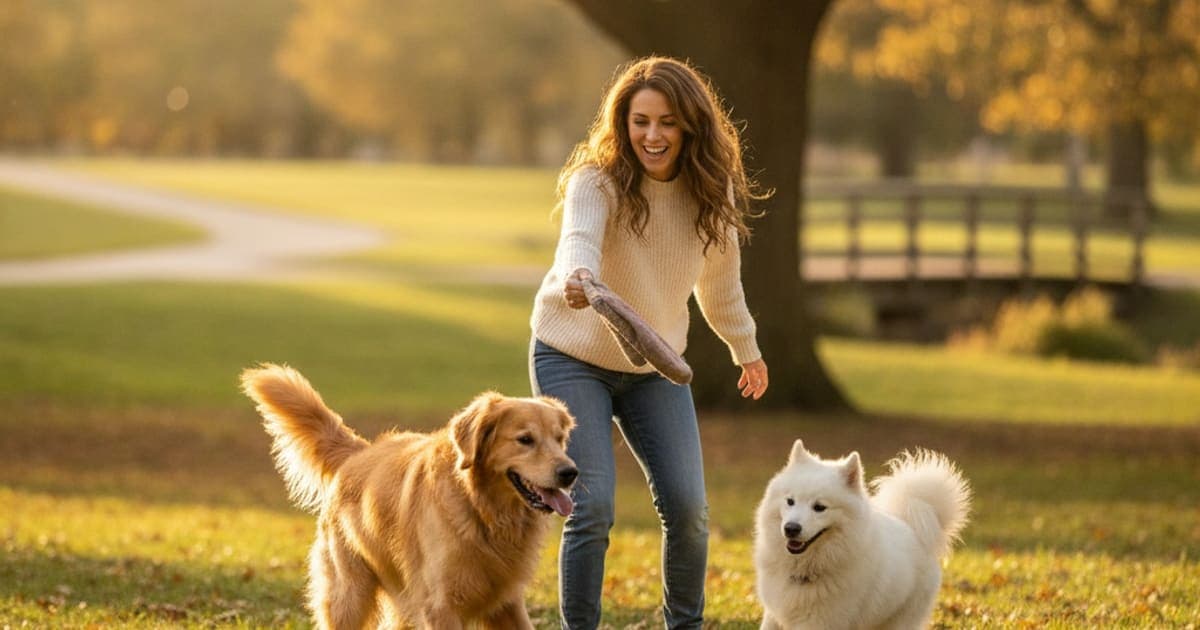 Dog Food Sensitivity Recovery Time: What to ExpectGastrointestinal signs often begin easing within the first one to two weeks of a strict elimination diet, while skin, coat and ear signs generally need eight to twelve weeks. Recovery time depends on how long the sensitivity ran unchecked and whether secondary infections are still active.Read the guide →
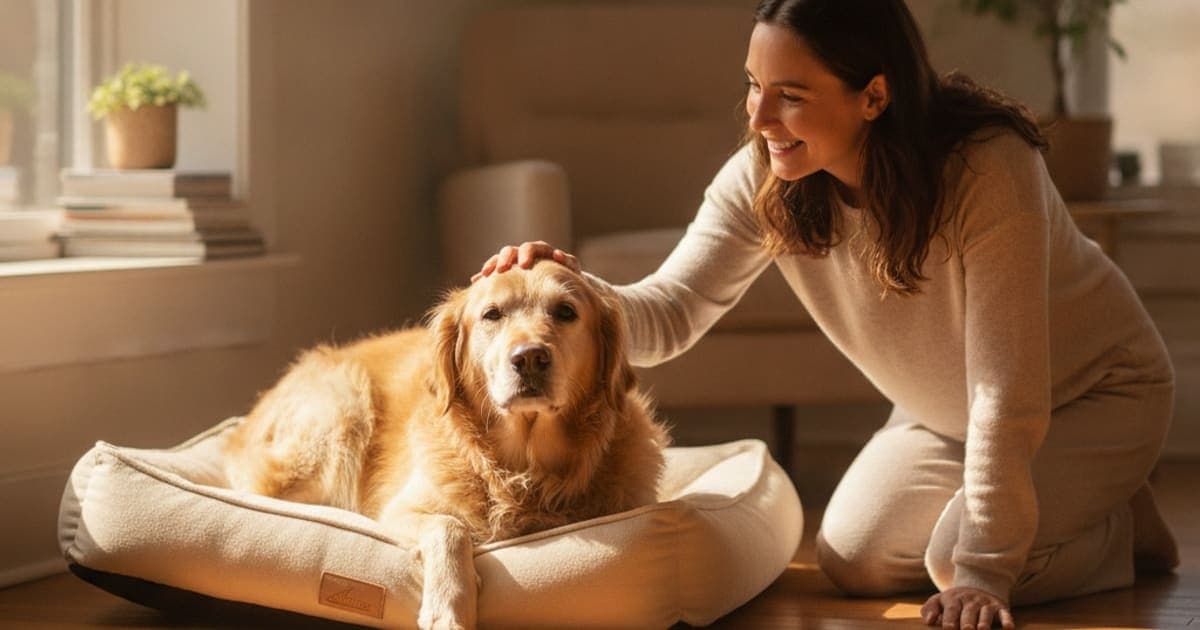 Dog Hip Arthritis Recovery Time: Realistic ExpectationsHip arthritis is a lifelong joint condition, so there is no date on which it is finished. Most owners see an acute flare settle over a few weeks of vet-directed care, with meaningful gains in comfort, muscle and mobility building across roughly two to three months of consistent daily work.Read the guide →
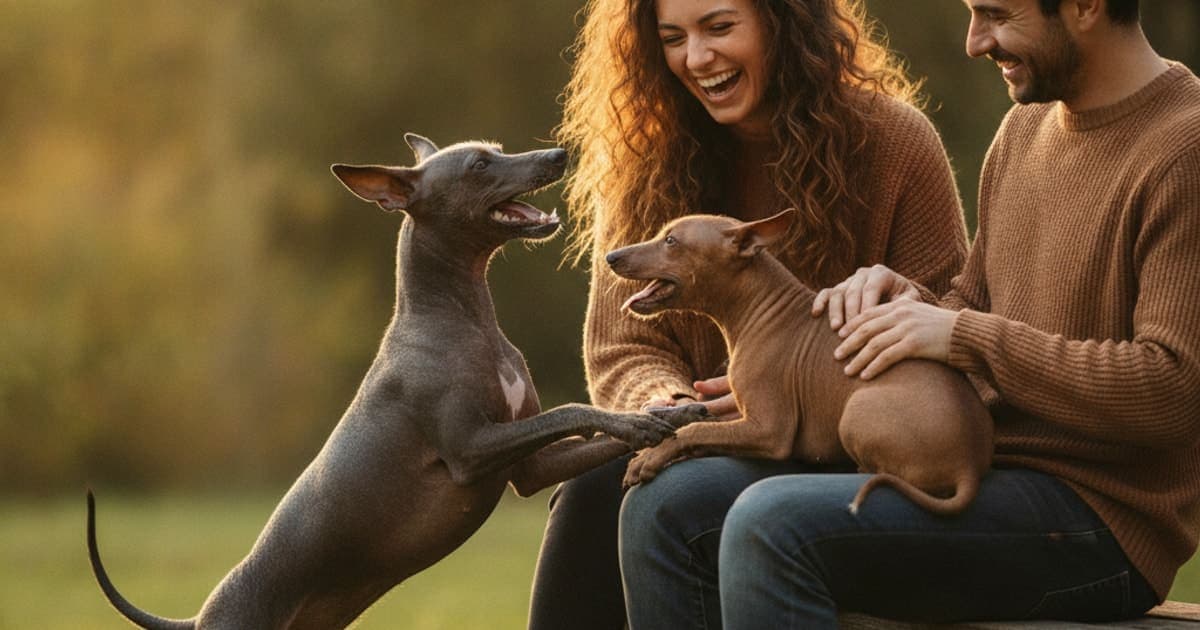 Why Xoloitzcuintli Are Prone to Joint ProblemsXoloitzcuintli joint problems come from a lean, spring-loaded frame that drives force through small joints, size-variety differences in knee and hip loading, and a long lifespan that lets cartilage and ligament wear accumulate. Patellar luxation, cruciate injury and osteoarthritis are the patterns owners most often encounter as these dogs age.Read the guide →
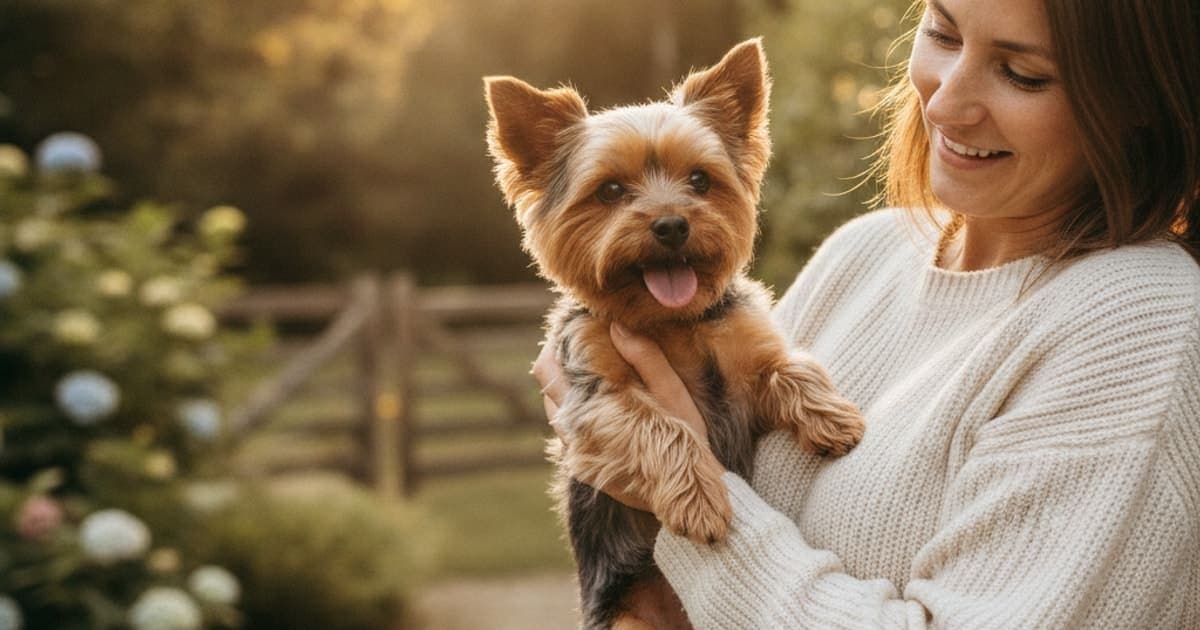 Why Yorkshire Terriers Are Prone to Joint ProblemsYorkshire Terriers are prone to joint problems because a toy-breed skeleton carries fine bones, loose-fitting joints and a shallow knee groove, which makes medial patellar luxation, Legg-Calvé-Perthes disease and secondary arthritis more likely. Weight control, traction, controlled exercise and early veterinary assessment matter more in small dogs than most owners expect.Read the guide →
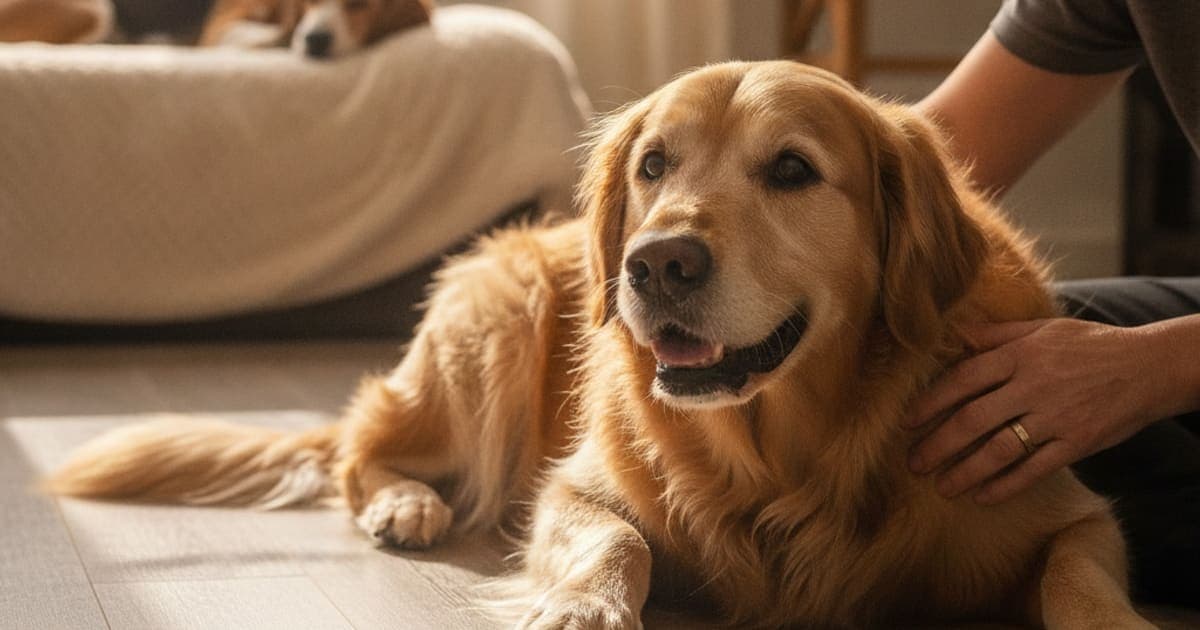 What Is Chronic Pain in Dogs? (Signs, Causes, Relief)Chronic pain in dogs is pain that persists beyond the normal healing window — typically longer than three months — or recurs as an ongoing pattern. It changes behaviour before it changes gait, and it usually stems from osteoarthritis, joint disease, spinal conditions or old soft-tissue injury.Read the guide →
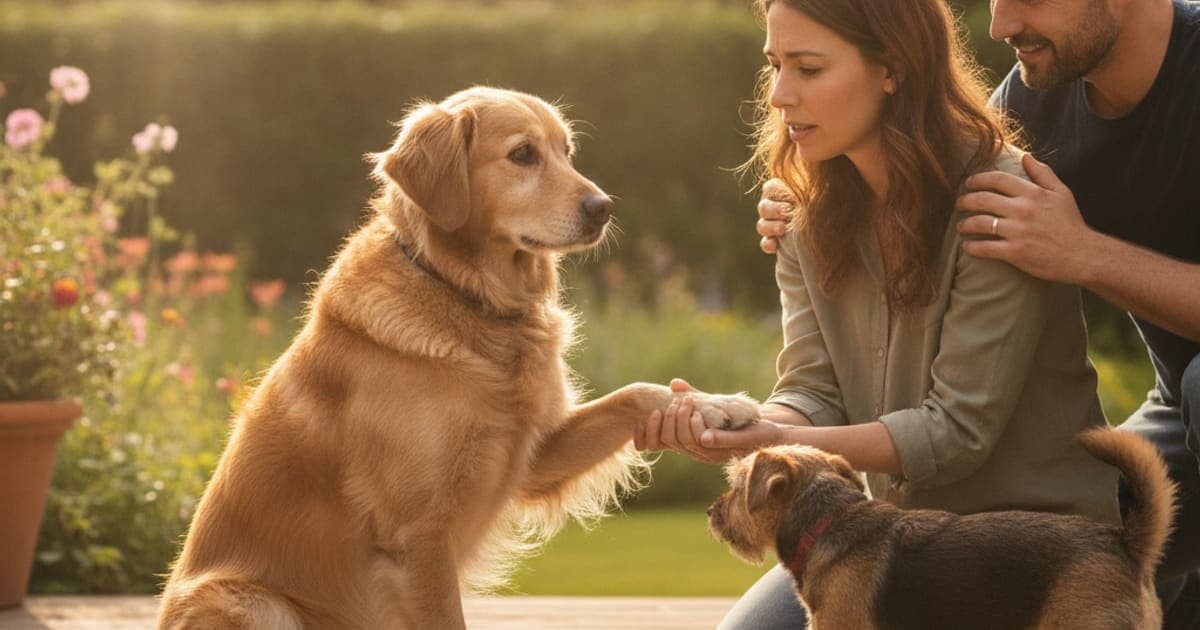 Dog Shifting Weight Off One Leg: When to See a VetBook a veterinary exam within a day or two if your dog consistently shifts weight off one leg. Go the same day if the leg bears no weight, looks swollen or hot, hangs oddly, or comes with yelping, knuckling, panting at rest, or lost appetite. Weight shifting is a pain signal.Read the guide →
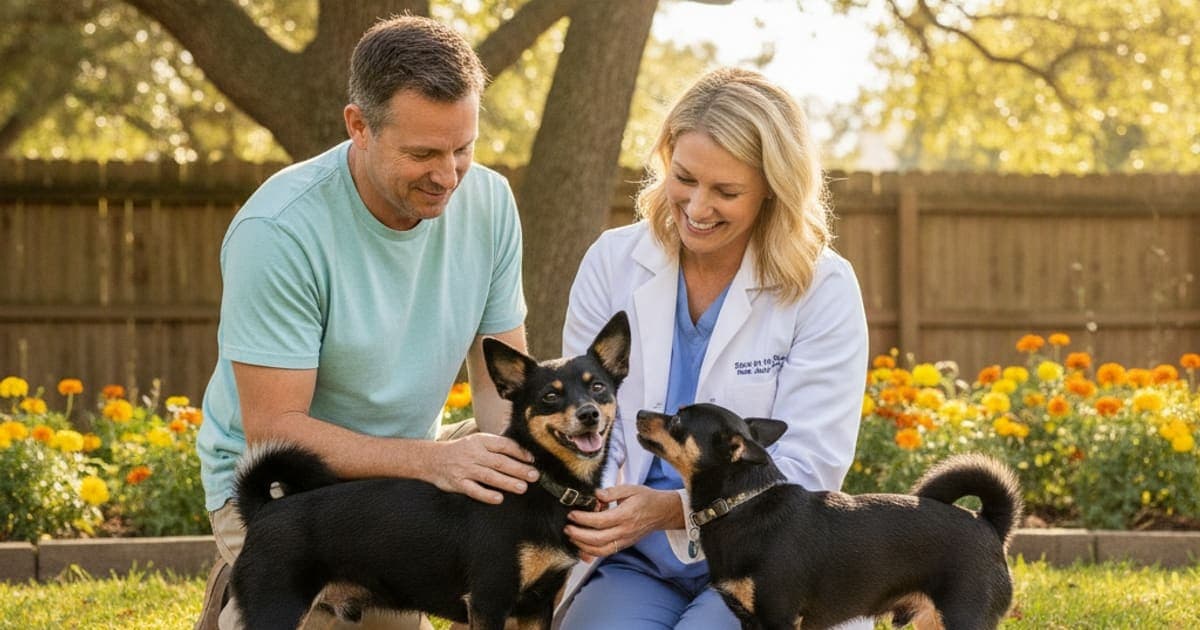 Why Schipperkes Are Prone to Joint ProblemsSchipperkes are prone to joint problems because a dense, heavily muscled body sits on short legs, concentrating load through the stifles, hips and spine. The breed also carries small-dog risk for patellar luxation, Legg-Calvé-Perthes disease and hip dysplasia, and a thick double coat that hides early weight gain and muscle loss.Read the guide →
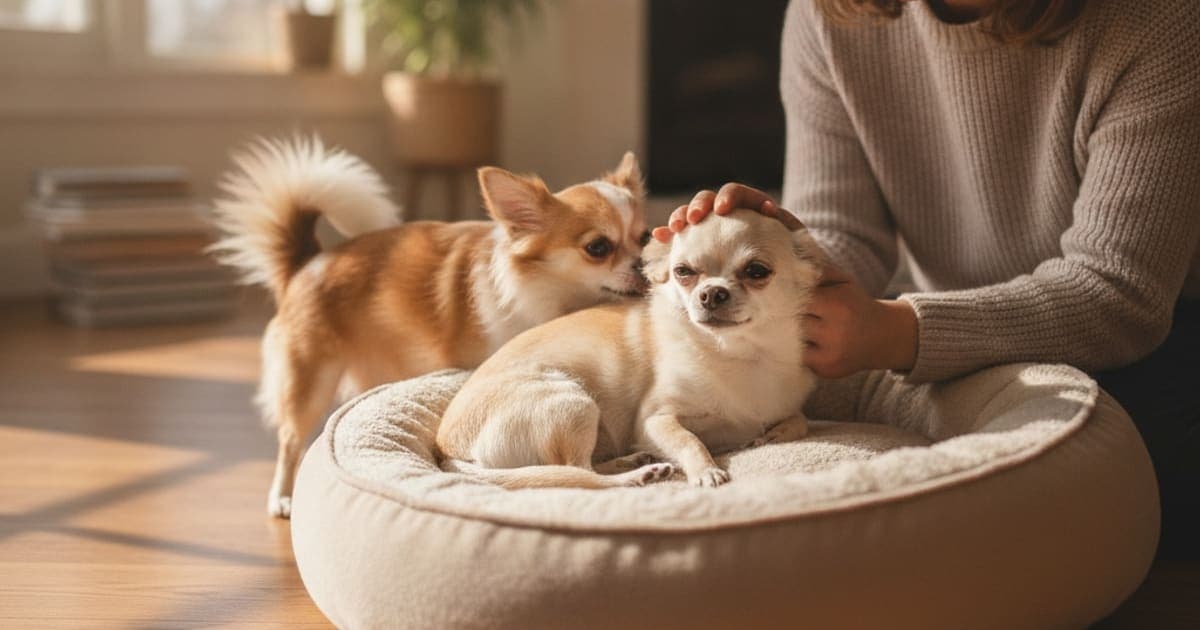 Why Chihuahuas Are Prone to Joint ProblemsChihuahuas are prone to joint problems mainly because of toy-breed structure: a shallow kneecap groove that allows patellar luxation, a small femoral head vulnerable to blood-supply disease, and neck instability seen in tiny breeds. Repeated jumping from furniture adds load. Most issues are structural rather than simple wear and tear.Read the guide →
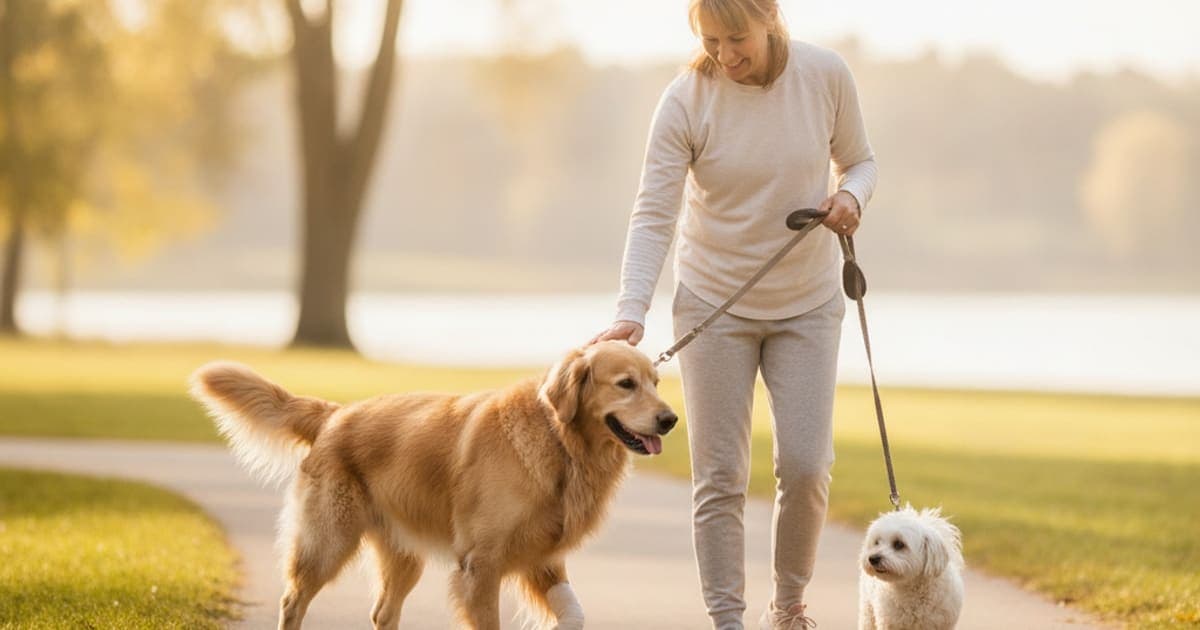 Dog Walking With A Limp After Surgery: What It Usually MeansA limp after surgery is usually part of normal healing: surgical inflammation, muscle loss from rest, and tissue that is still remodeling all change how a dog loads the leg. A limp that improves week to week is expected; one that suddenly worsens needs a same-day veterinary call.Read the guide →
 Tendonitis in Dogs: Signs, Causes and What HelpsTendonitis in dogs is inflammation or degeneration of a tendon — the fibrous cord that anchors muscle to bone — usually caused by repetitive load, overuse or a single overstretch. It shows up as a limp that is worse after rest or hard exercise, plus heat, swelling and pain on touch.Read the guide →
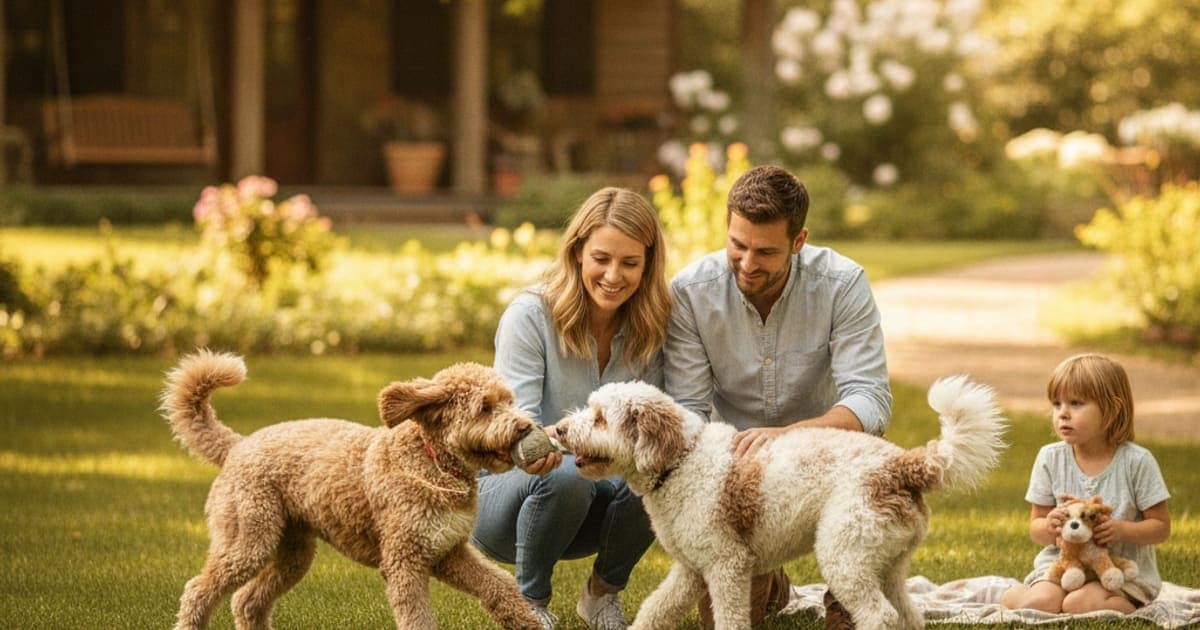 Why Lagotto Romagnolos Are Prone to Joint ProblemsLagotto Romagnolos are prone to joint problems because inherited hip and elbow dysplasia meet a compact, densely muscled frame and a working job that demands slow, twisting movement over rough ground. Their thick curly coat also hides weight gain and early muscle loss, so problems are often noticed late.Read the guide →
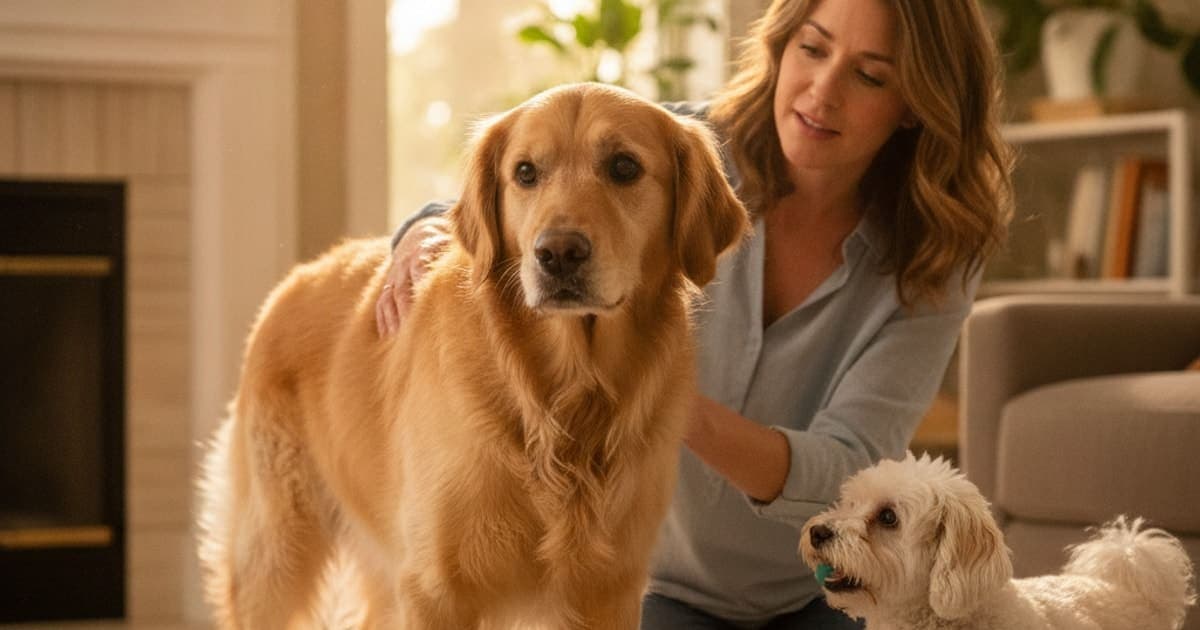 What Makes Meniscus Tear Worse in Dogs? (Key Triggers)A dog's meniscus tear gets worse when the knee stays unstable — the thigh bone shears across the cartilage with every step. Jumping, stairs, slick floors, off-leash sprinting, extra body weight and delayed diagnosis all deepen the damage. Restricting activity and getting a veterinary diagnosis early matter most.Read the guide →
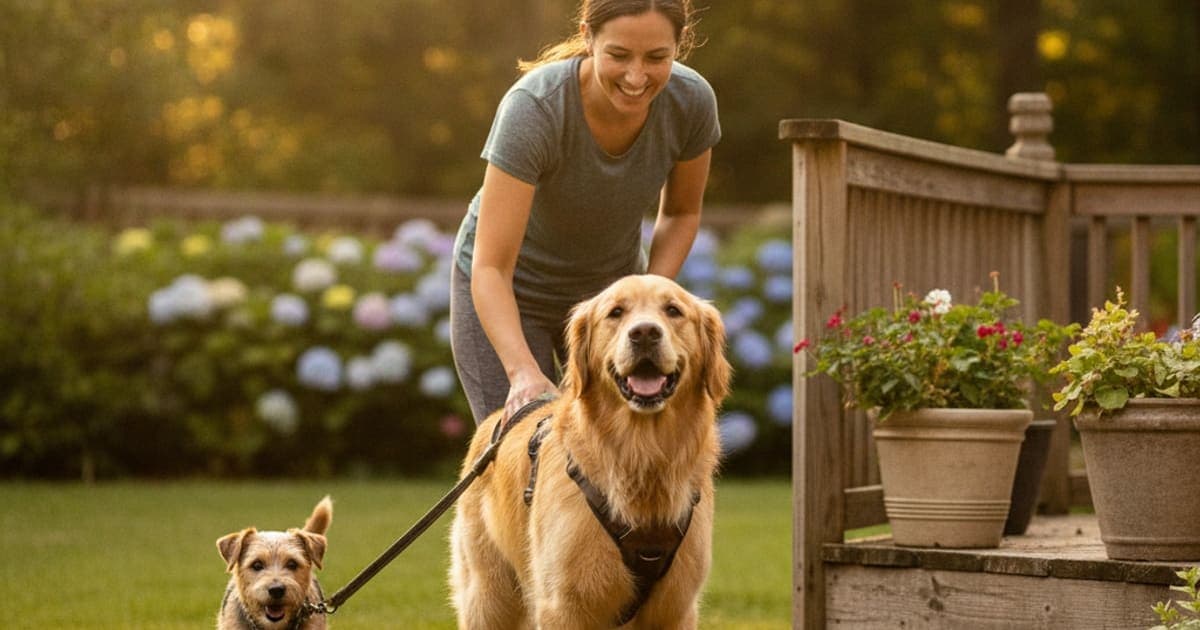 Dog Hip Dysplasia Recovery Time: Realistic ExpectationsHip dysplasia is a lifelong structural condition, so it doesn't fully heal — but recovery timelines exist. Most surgical protocols describe roughly eight to sixteen weeks of restricted activity, with return to comfortable function often taking four to six months. Conservative management is usually judged over several months of consistent work.Read the guide →
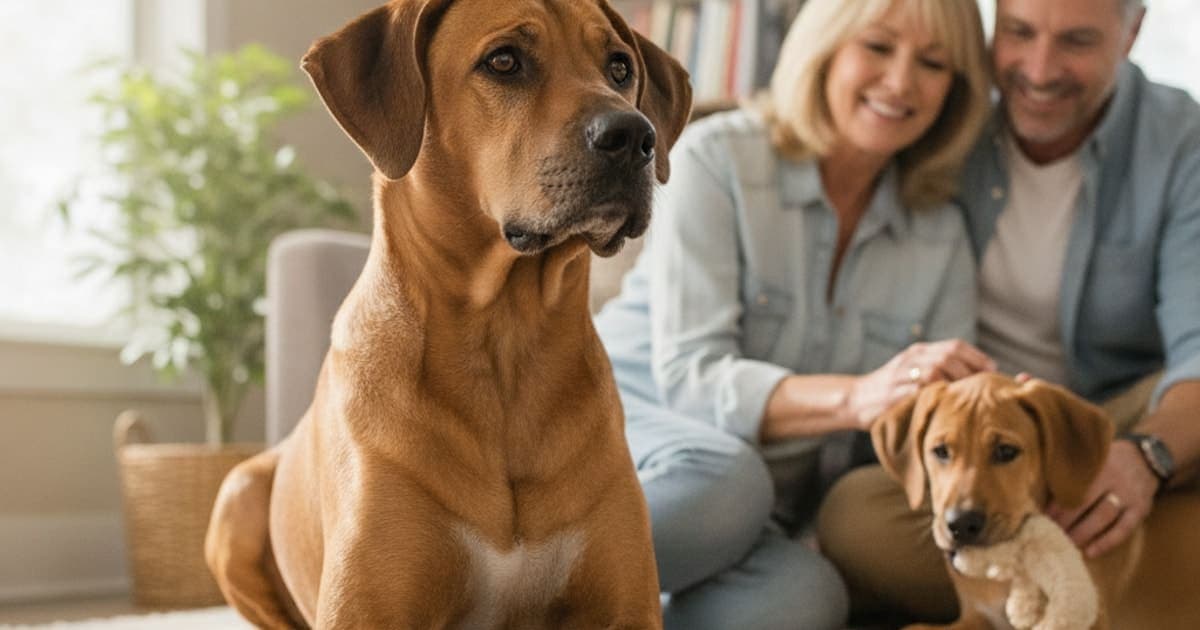 Why Rhodesian Ridgebacks Are Prone to Joint ProblemsRhodesian Ridgebacks are prone to joint problems because a heavy, fast-growing frame loads hips, elbows and knees hard through a long adolescence. Hip and elbow dysplasia, cruciate ligament injury and osteoarthritis are the common patterns. Growth-rate management, lean body weight and early veterinary screening matter more than almost anything else an owner can do.Read the guide →
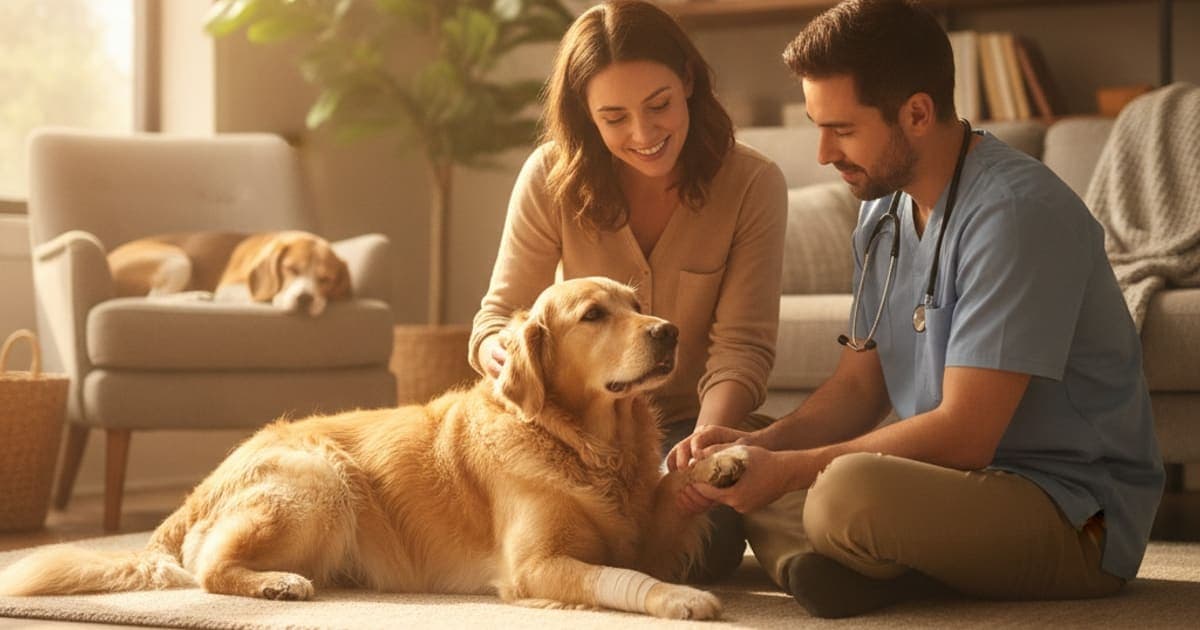 Soft Tissue Injury in Dogs: Signs, Causes and What HelpsA soft tissue injury in dogs is damage to muscle, tendon, ligament or fascia rather than bone. It usually shows as limping, stiffness, swelling or reluctance to jump, and ranges from a mild strain to a complete tear. Diagnosis and severity determine what recovery looks like.Read the guide →
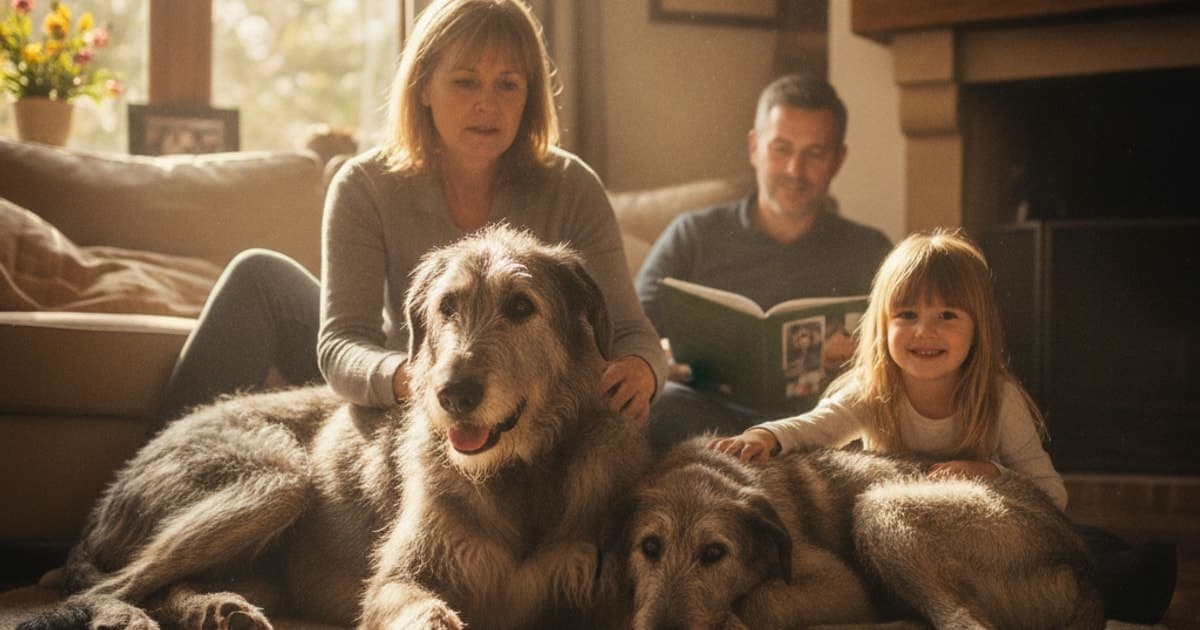 Why Irish Wolfhounds Are Prone to Joint ProblemsIrish Wolfhounds are prone to joint problems because extreme skeletal size, rapid puppy growth and heavy limb loading stress hips, elbows and soft tissue earlier than in smaller dogs. Genetics, growth rate and body condition all shape the risk, and much of it is manageable with veterinary guidance.Read the guide →
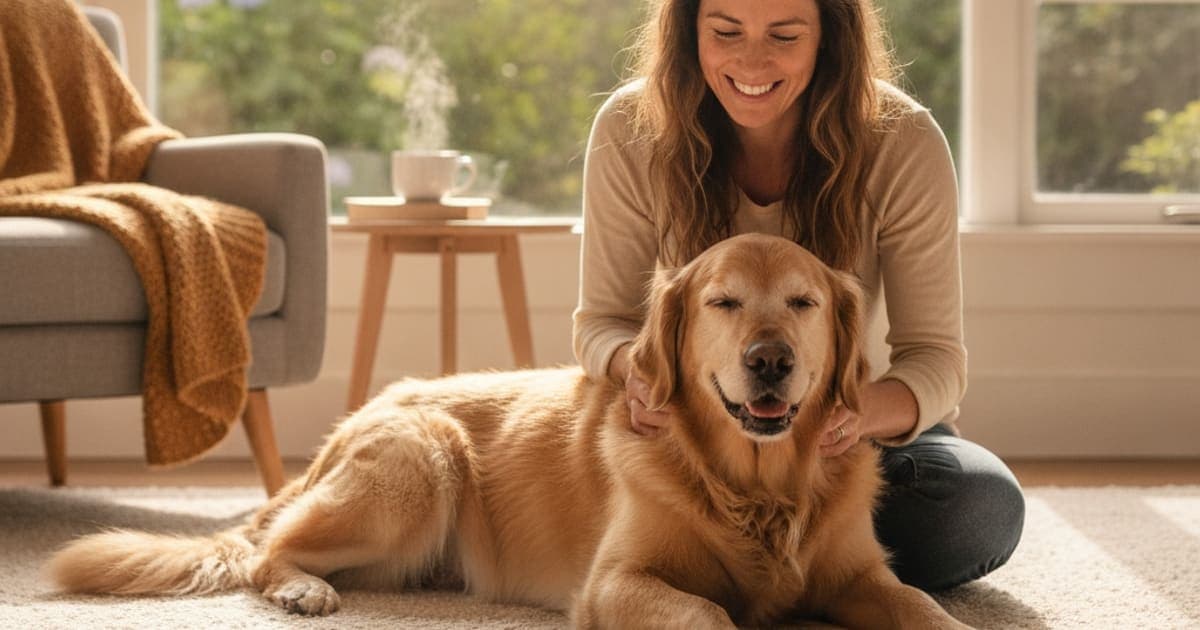 What Is Elbow Arthritis in Dogs? (Signs and Causes)Elbow arthritis in dogs is the progressive breakdown of cartilage inside the elbow joint, followed by bone remodelling, bone spurs and inflammation of the joint lining. Most cases trace back to elbow dysplasia, and the earliest signs are stiffness after rest, a shortened front-leg stride and lameness that eases with gentle movement.Read the guide →
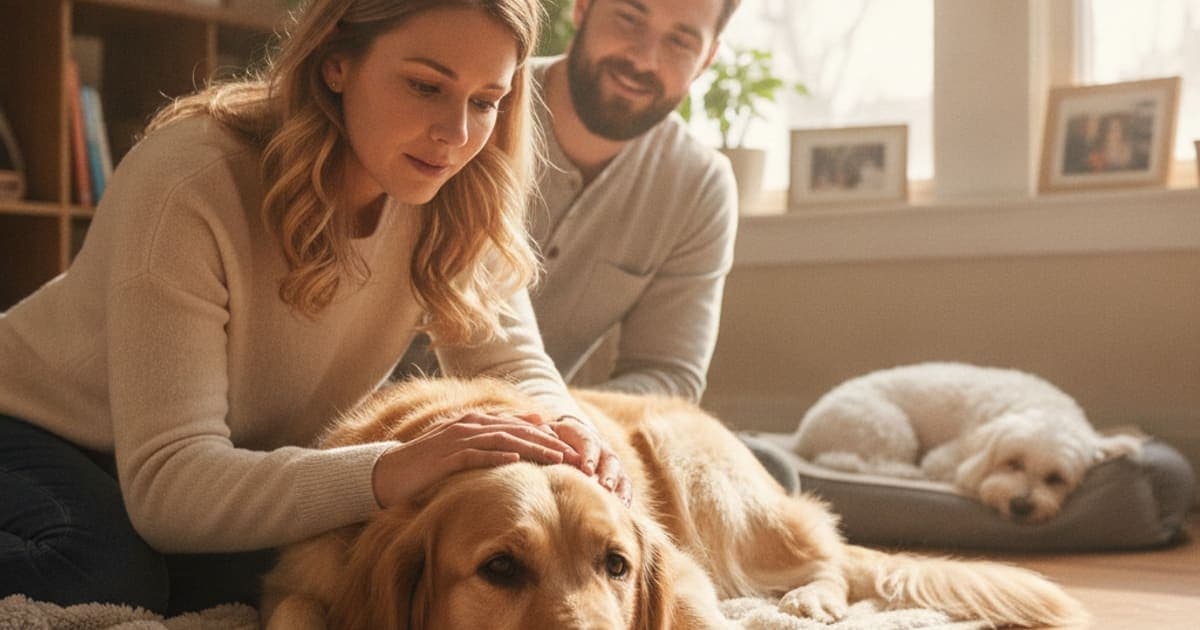 When Dog Pain Meds Stop Working: When to See the VetCall your veterinarian within a day of noticing your dog's pain medication is no longer holding, and immediately if there is non-weight-bearing lameness, collapse, crying out, vomiting or dark stools. Medication that worked and now doesn't usually means the underlying problem has changed rather than the dose simply being too low.Read the guide →
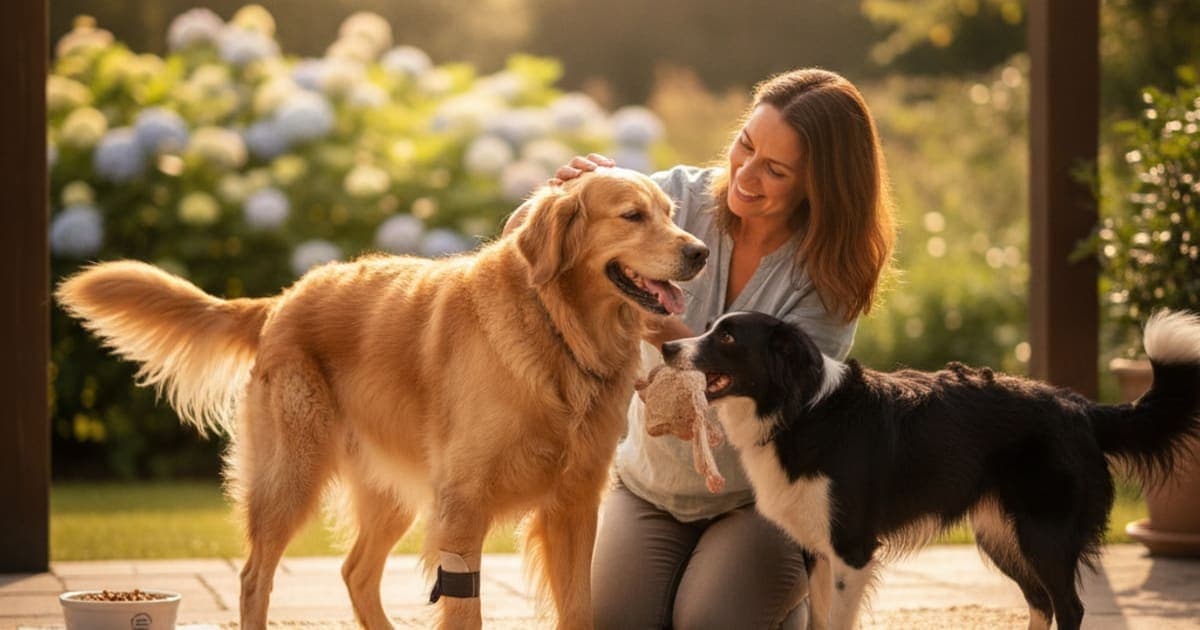 Dog Joint Effusion Recovery Time: Realistic ExpectationsJoint effusion resolves on the timeline of its cause, not the swelling itself. Mild sprain-related fluid often settles within one to two weeks of strict rest; effusion driven by a cruciate tear, cartilage injury or immune-mediated arthritis can persist for months until a veterinarian addresses the underlying problem.Read the guide →

The pawgen library · 3,678 guides
Dog mobility, joints and recovery
Plain-English guides on joint pain, injury recovery and what actually helps aging and active dogs. Written to answer the question, not to pad a word count.