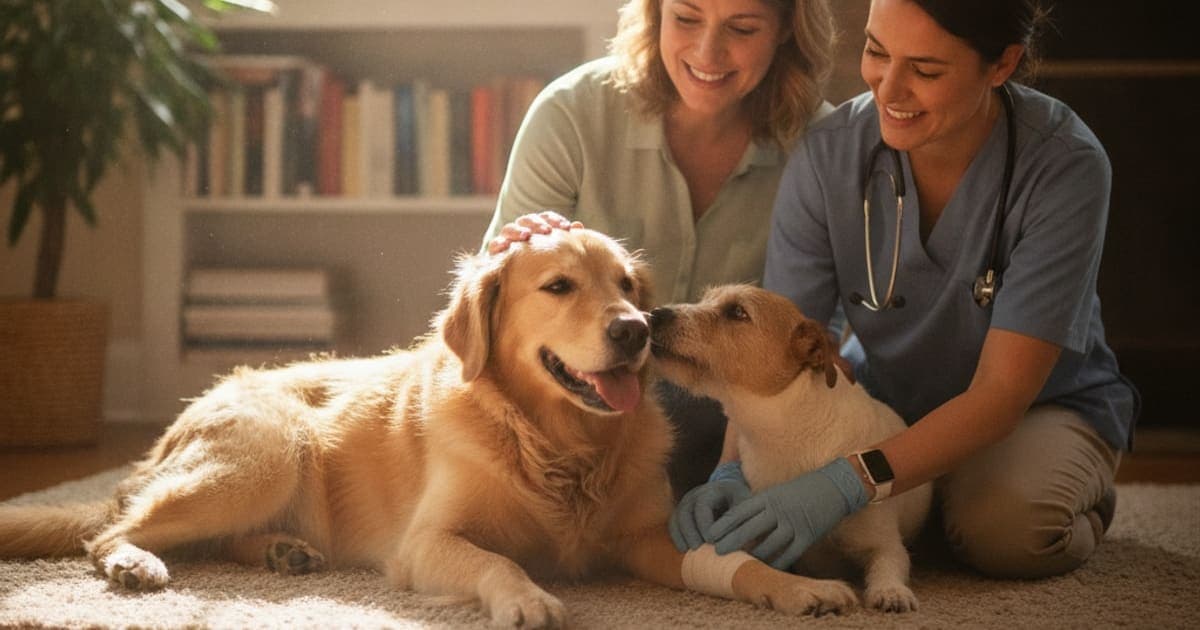
 Cruciate Ligament Rupture in Dogs: Signs and CausesCruciate ligament rupture in dogs is a tear of the cranial cruciate ligament, the band inside the knee that stops the shin bone sliding forward. It usually develops through gradual degeneration rather than a single injury, and produces limping, stiffness after rest, and reluctance to bear weight on one hind leg.Read the guide →
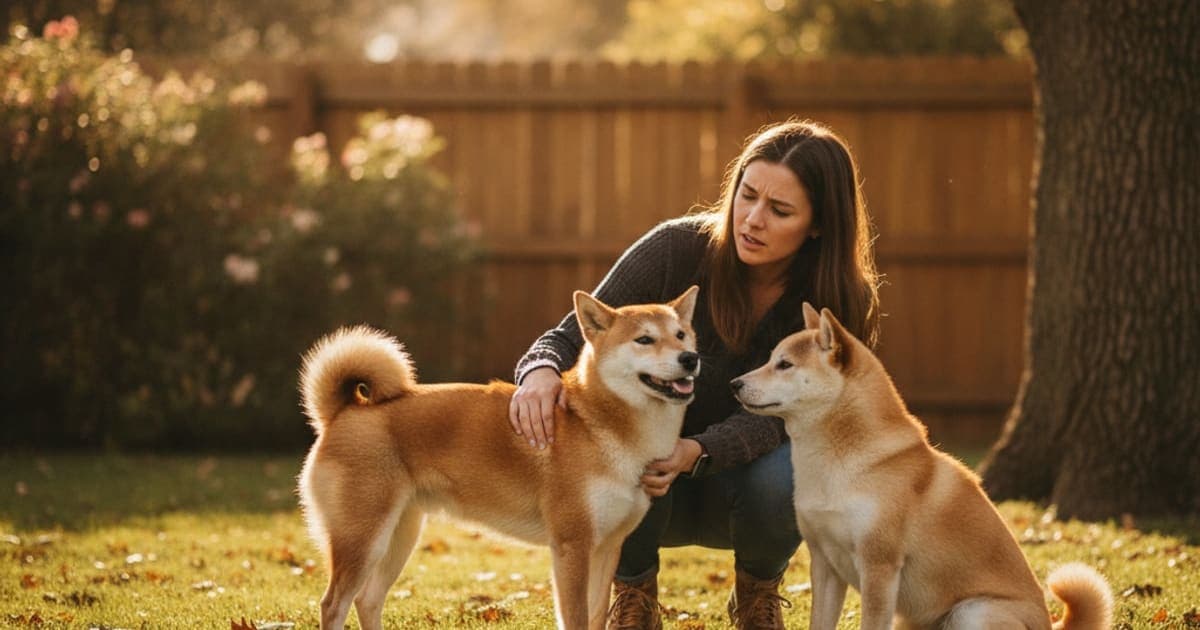 Shiba Inus Joint Problems — Why the Breed Is at RiskShiba Inus are prone to joint problems because a compact, heavily muscled body loads relatively short, angulated limbs, and the breed carries inherited risk for hip dysplasia and patellar luxation. A stoic temperament hides early discomfort, so subtle gait changes often appear long before an owner notices an obvious limp.Read the guide →
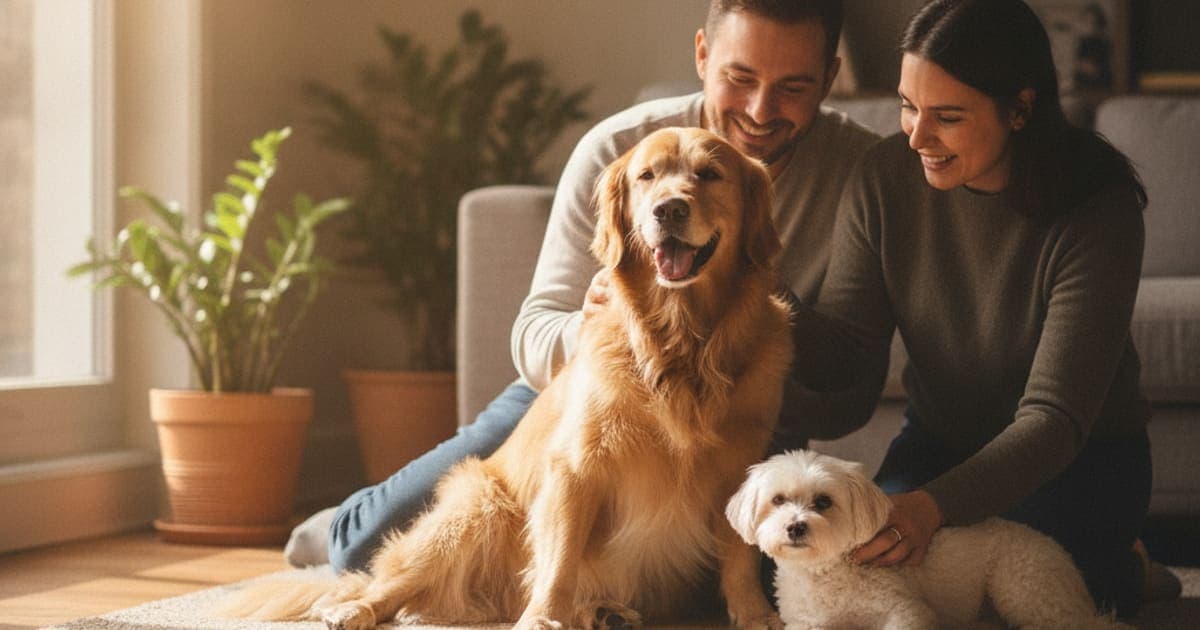 Dog Sitting With A Leg Out To The Side: What It MeansA dog sitting with a leg out to the side usually means a square, symmetrical sit is uncomfortable — most often because of hip, knee or lower-back discomfort. In puppies it can be normal joint looseness. When it becomes an adult dog's default position, it deserves a veterinary exam.Read the guide →
 Dog Sleeping More Than Usual: When to See a VetTake your dog in the same day if extra sleep comes with pale gums, collapse, labored breathing, or a distended belly. Book an appointment within a few days if the sleepiness has lasted longer than two or three days or pairs with appetite loss, stiffness, or reluctance to move.Read the guide →
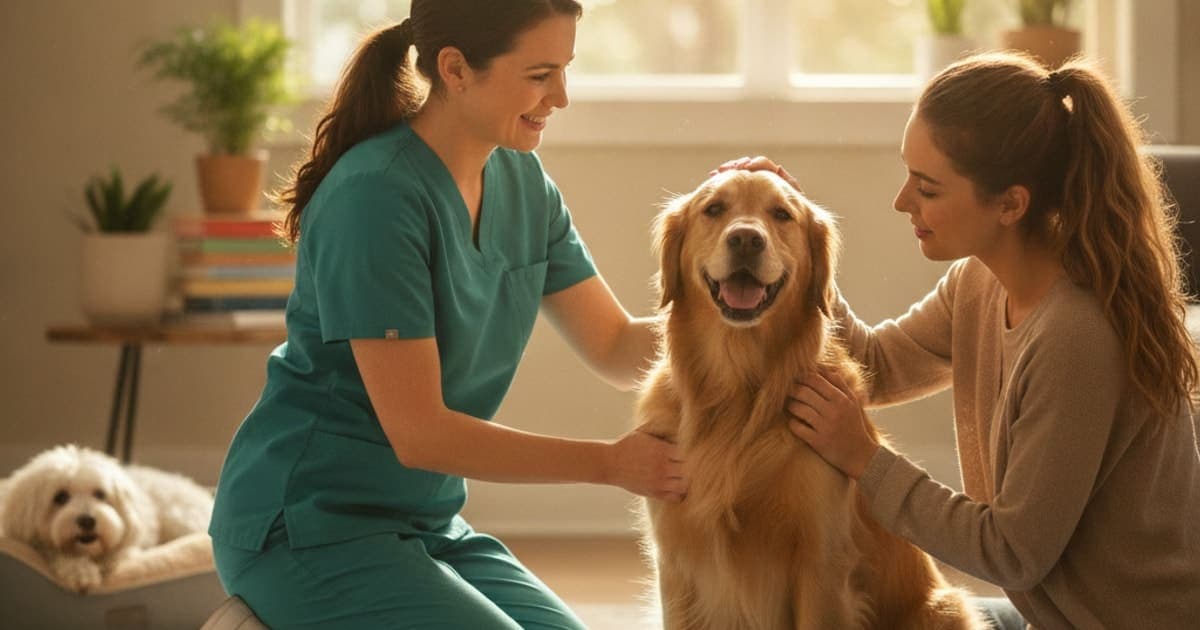 Torn Ligament in Dogs: Signs, Causes and What HelpsA torn ligament in dogs is damage to one of the fibrous bands stabilising a joint — most commonly the cranial cruciate ligament in the knee. It usually reflects gradual degeneration rather than one bad landing, and it shows up as limping, sitting sideways or reluctance to jump.Read the guide →
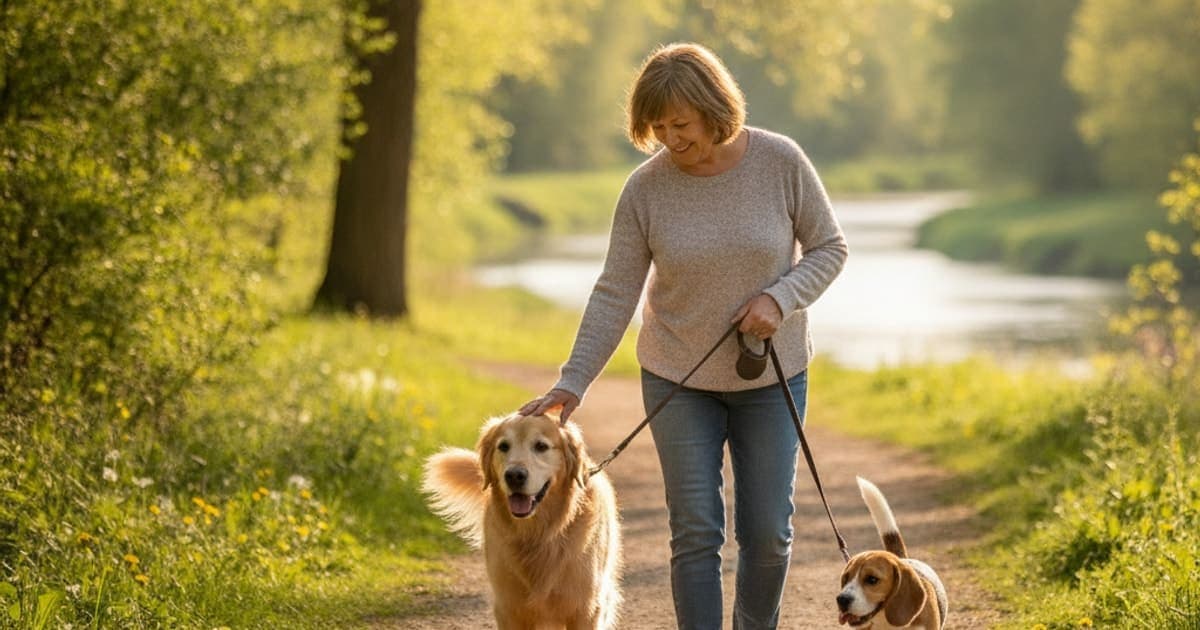 Dog Slowing Down On Walks: What It Usually MeansA dog slowing down on walks is usually signalling that movement has become uncomfortable or effortful. Joint and soft-tissue pain, gradual muscle loss, and reduced heart or airway reserve are the most common explanations, often layered together. Age by itself is not a diagnosis, so a slower pace deserves a veterinary exam.Read the guide →
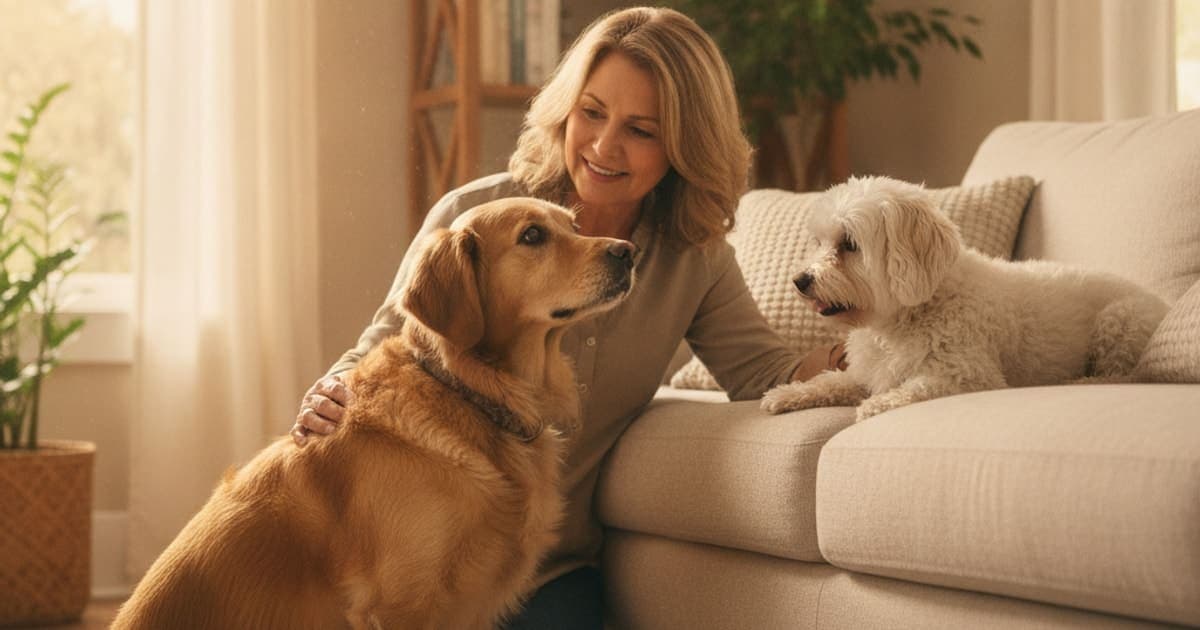 When to See a Vet: Dog Reluctant to Jump on the CouchTake your dog to the vet if reluctance to jump on the couch lasts more than a day or two, keeps returning, or comes with limping, yelping, a hunched back, trembling, or appetite changes. Go the same day for dragging limbs, crying when handled, or sudden inability to rise.Read the guide →
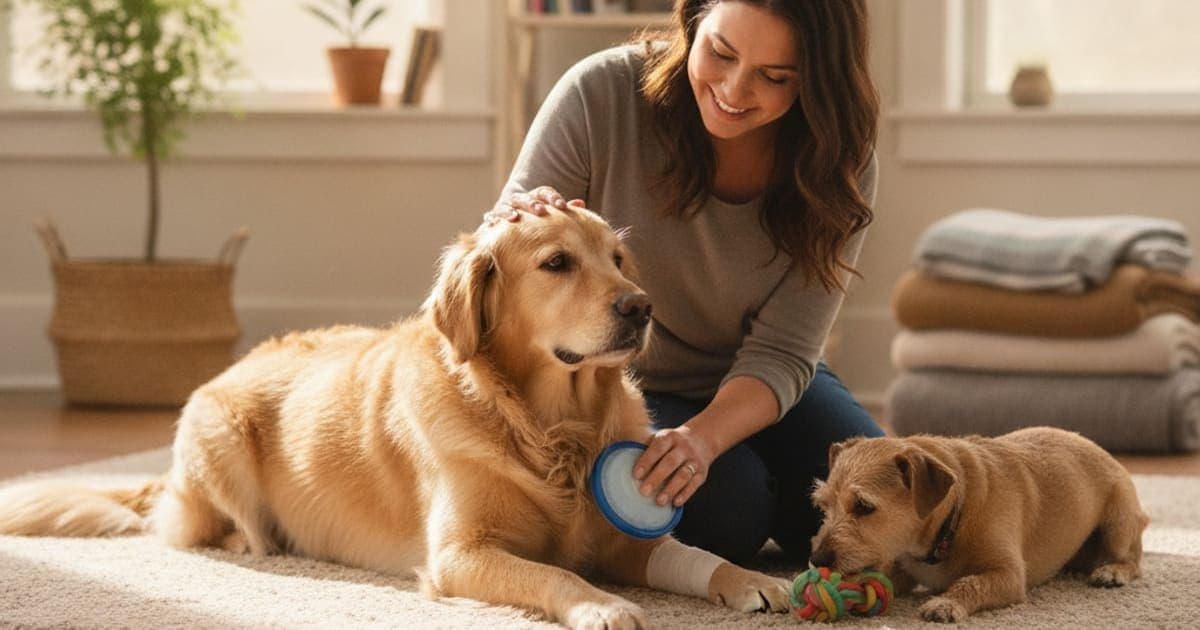 Dog Bursitis Without Surgery — What Actually WorksYes — most dogs with bursitis are managed without surgery, and conservative care is what vets usually try first. The outcome depends on how long the swelling has been present, whether infection or skin ulceration is involved, and whether the pressure or gait problem that caused it is genuinely removed.Read the guide →
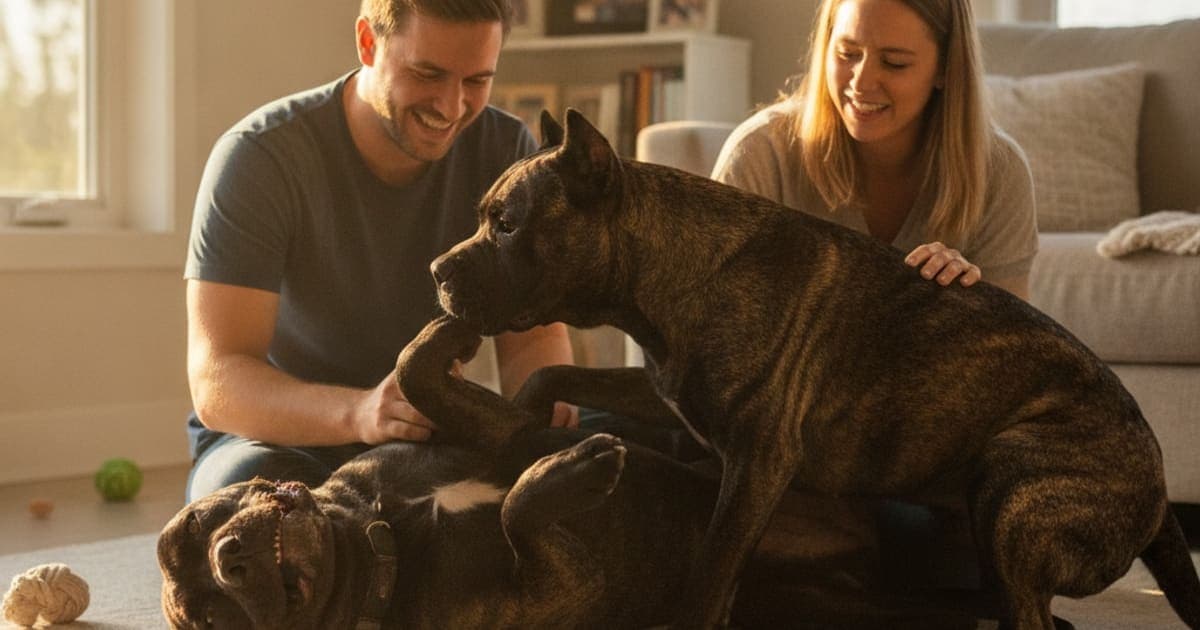 Why Cane Corsos Are Prone to Joint ProblemsCane Corsos are prone to joint problems because a giant-breed skeleton grows fast, carries dense muscle, and loads the hips, elbows and knees hard for a decade or more. That combination raises the risk of hip dysplasia, elbow dysplasia, cruciate injury and early arthritis. Screening and weight control matter most.Read the guide →
 When Should I Take a Dog to the Vet for Paw Licking?Take your dog to the vet if constant paw licking lasts more than a day or two, or if you see redness, swelling, an open sore, odour, a broken nail, or limping. Sudden frantic licking after a walk suggests a foreign body and deserves same-day attention.Read the guide →
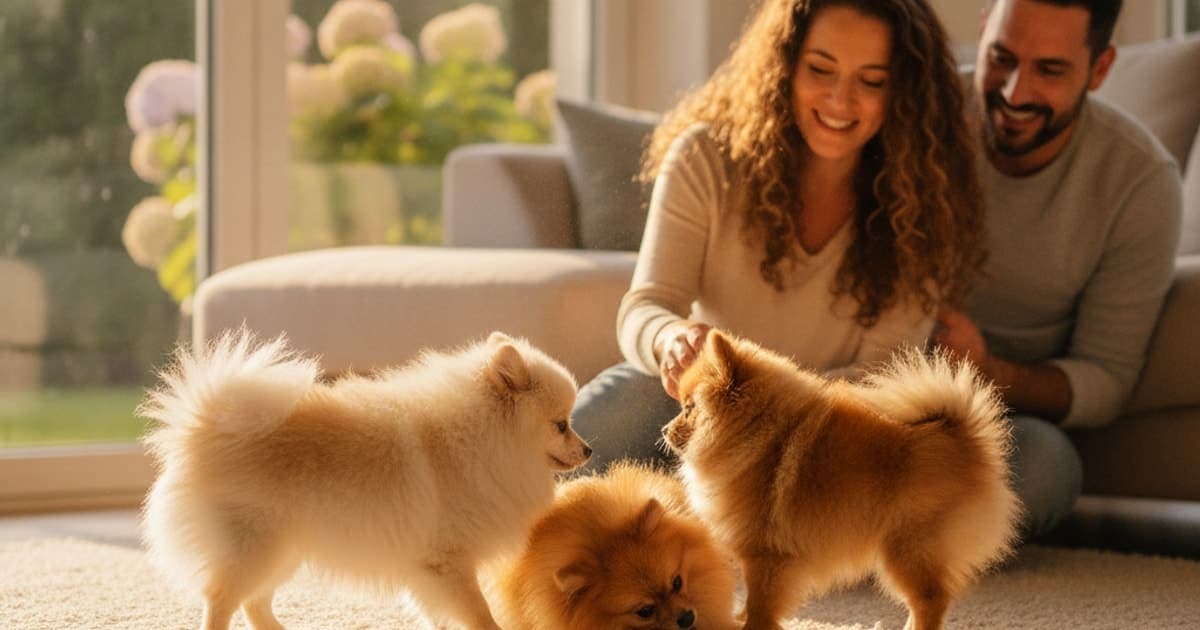 Why Pomeranians Are Prone to Joint ProblemsPomeranians are prone to joint problems because a toy-breed skeleton — shallow knee grooves, fine bones and a delicate femoral head blood supply — absorbs the same jumping and landing forces as a much larger dog. Medial patellar luxation is the most common issue, and the early signs are easy to miss.Read the guide →
 Why Nova Scotia Duck Tollers Are Prone to Joint ProblemsNova Scotia Duck Tollers face elevated joint risk from three directions: inherited hip dysplasia in a small founding gene pool, a compact heavily muscled frame that loads joints hard, and an obsessive retrieving drive that repeats high-impact landings. Breed-associated immune-mediated joint inflammation adds a fourth. Early screening and lean body condition matter most.Read the guide →
 Why Staffordshire Terriers Are Prone to Joint ProblemsStaffordshire terriers are prone to joint problems because dense muscle and bone sit on a short, compact frame, and hip laxity is heritable in the breed group. Explosive stop-start movement loads knees and hips hard, and small conformation faults compound over years into osteoarthritis and cruciate ligament failure.Read the guide →
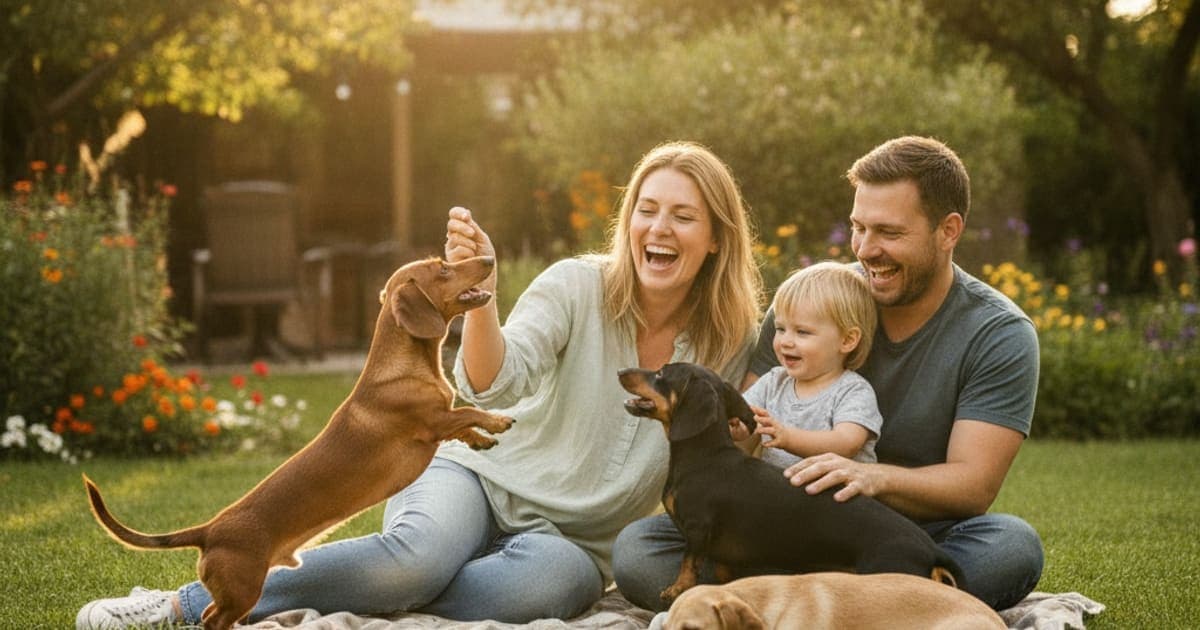 Why Dachshunds Are Prone to Joint ProblemsDachshunds are prone to joint problems because they are a chondrodystrophic breed — the inherited change that shortens their legs also alters cartilage and disc development throughout the body. That combination of a long spine, short supporting limbs and early-degenerating discs puts unusual load on the back, hips, knees and wrists.Read the guide →
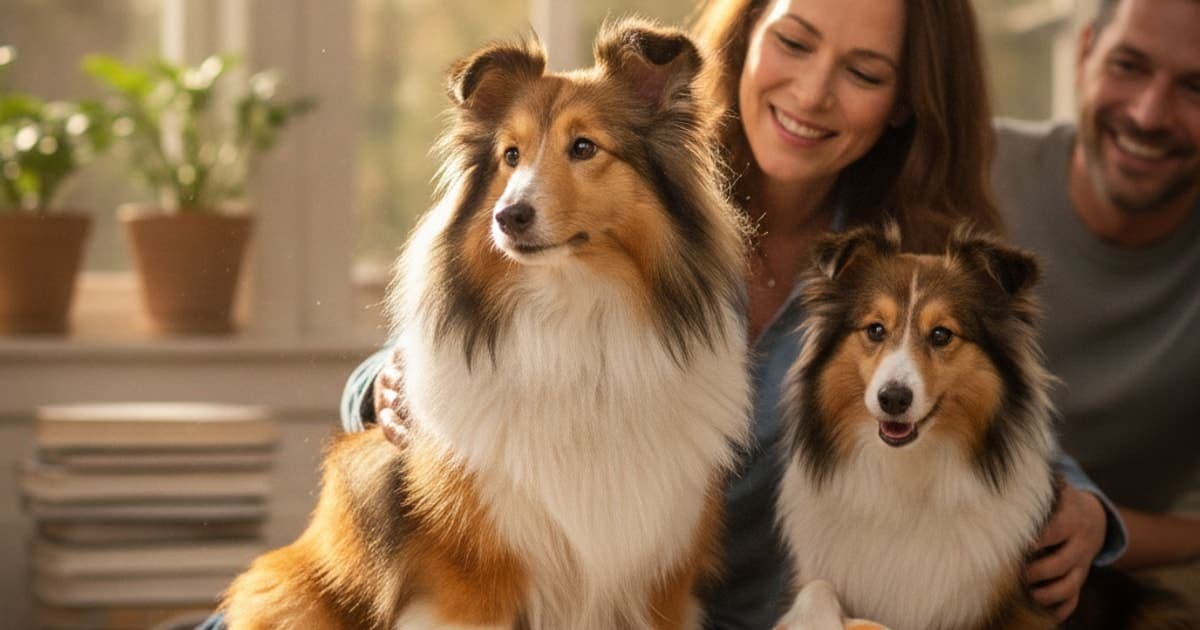 Why Shetland Sheepdogs Are Prone to Joint ProblemsShetland Sheepdogs are prone to joint problems because a light, fast-moving herding frame sits on relatively fine limb structure, and the breed carries inherited risk for patellar luxation and hip dysplasia. Add a long working stride, weight gain and age, and small joint faults become visible lameness.Read the guide →
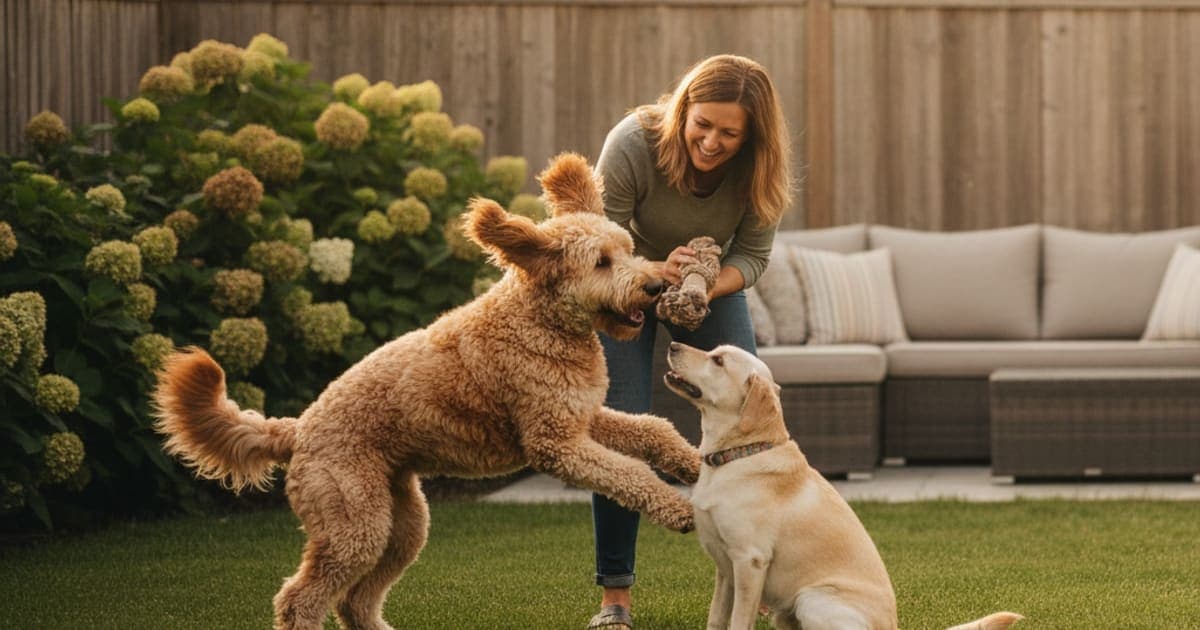 Why Labradoodles Are Prone to Joint ProblemsLabradoodles are prone to joint problems because both parent breeds carry inherited orthopedic risk: Labrador Retriever lines contribute hip and elbow dysplasia and cruciate ligament disease, while Poodle lines add hip dysplasia and patellar luxation. Crossbreeding does not cancel risk that both sides share, and rapid growth compounds it.Read the guide →
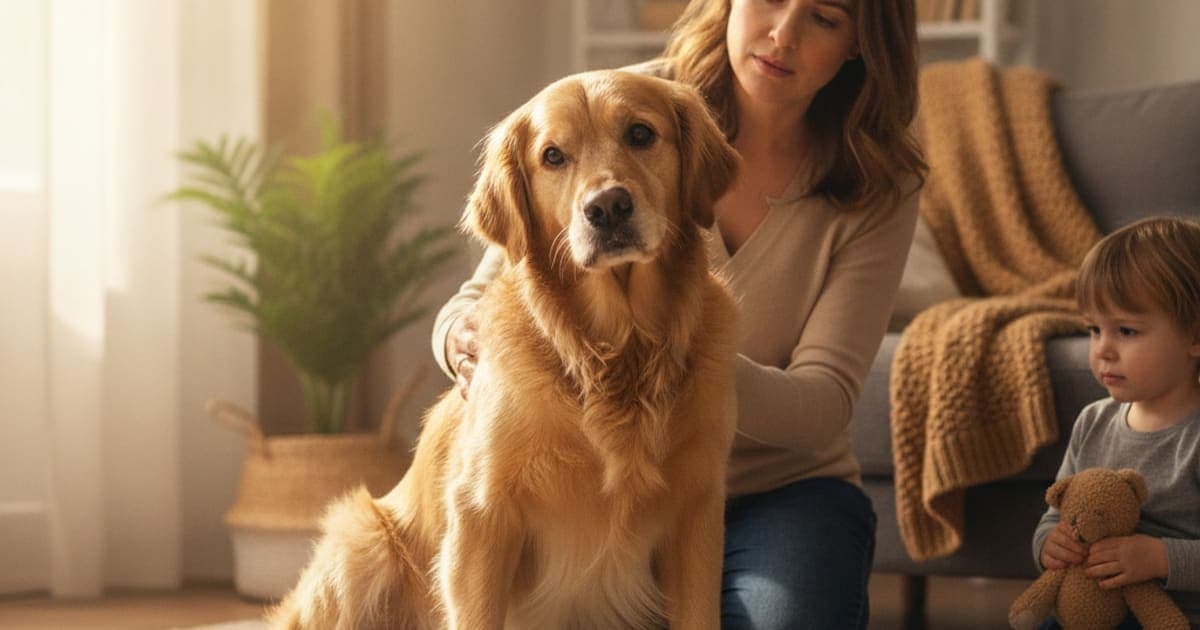 When Should a Dog Sitting With a Leg Out See a Vet?Take your dog to the vet if the sideways sit is new, always on the same side, or comes with limping, stiffness after rest, yelping, or reluctance to jump. A leg held out after a fall, or any dog that won't bear weight, needs same-day attention.Read the guide →
 Why Leonbergers Are Prone to Joint ProblemsLeonbergers are prone to joint problems because giant-breed genetics, rapid skeletal growth and heavy body mass concentrate load on developing hips and elbows. Hip and elbow dysplasia, cruciate injury and osteoarthritis are the common patterns. Careful growth management, lean body condition and early veterinary screening shape long-term mobility outcomes.Read the guide →
 What Makes Sprained Leg Worse in Dogs? (Setback Triggers)A sprained leg in dogs gets worse when injured tissue is loaded before it is ready: early return to running and jumping, stairs, slick floors, off-leash bursts on good days, untreated pain that changes gait, excess body weight, and a missed diagnosis where the injury was never a simple sprain.Read the guide →
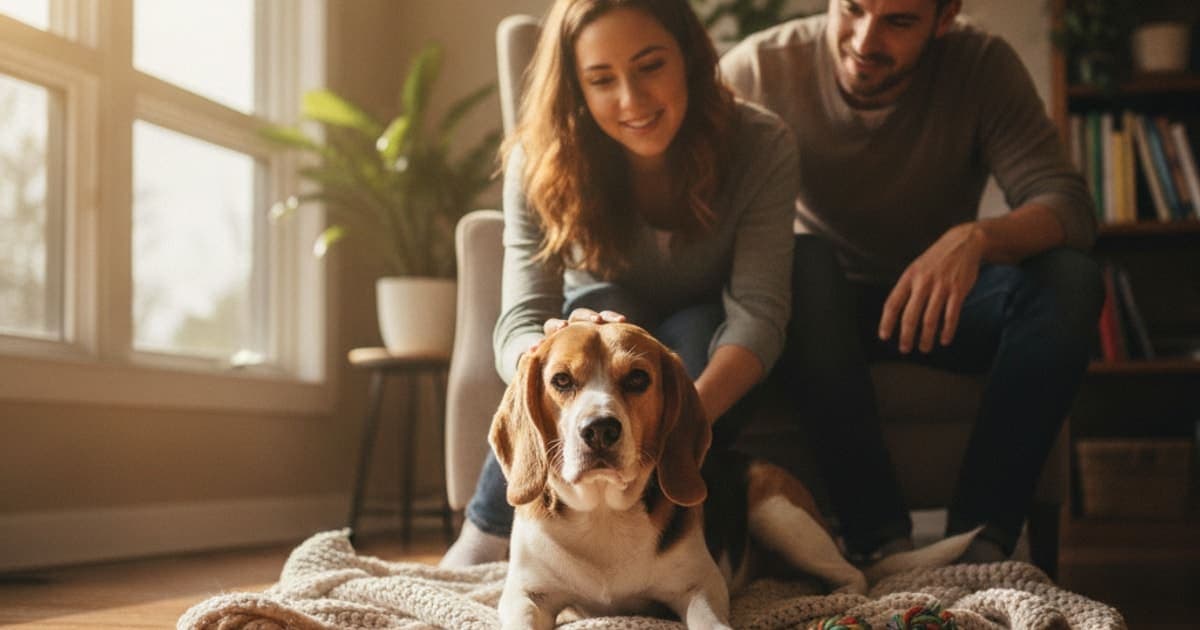 Why Beagles Are Prone to Joint ProblemsBeagles are prone to joint problems because their short, heavy-boned legs and long spine concentrate load in ways their size disguises, while a famously strong appetite makes extra weight easy to carry. Hips, elbows, stifles and discs absorb that combination, which is why mobility changes often appear early.Read the guide →
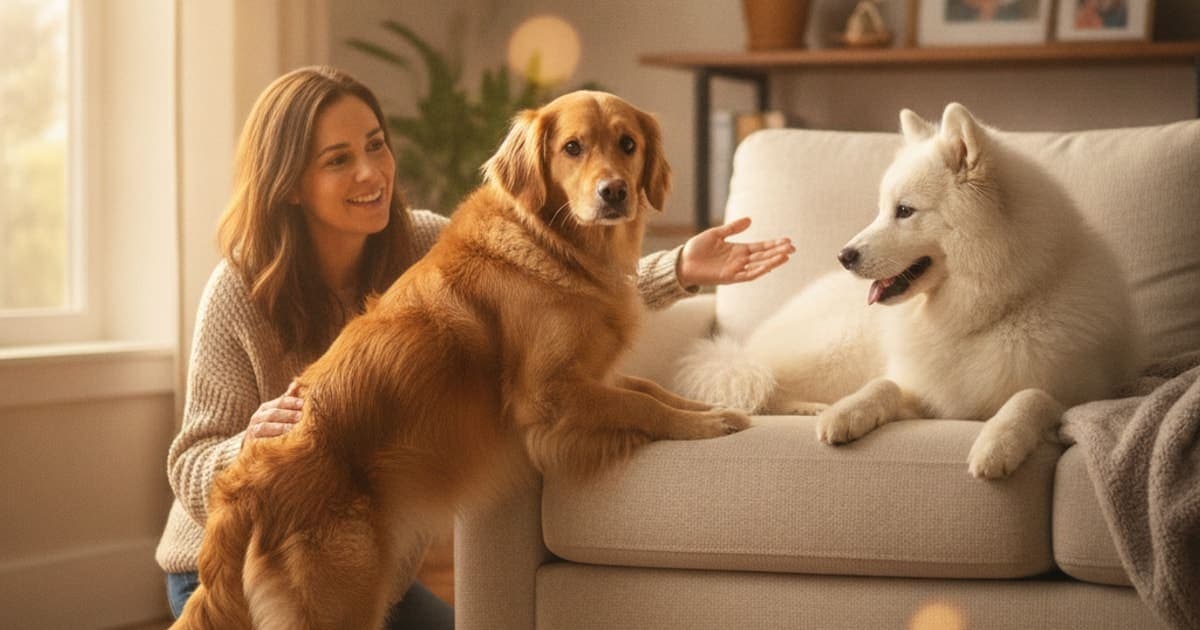 Why Is My Dog Reluctant to Jump on the Couch? (Causes)A dog who stops jumping on the couch is almost always avoiding pain or instability, not being stubborn. The common causes are hip or knee arthritis, a partial cruciate ligament tear, spinal or disc discomfort, and soft tissue strain. A sudden refusal in a confident jumper deserves a veterinary exam.Read the guide →
 What Makes Hock Injury Worse in Dogs? (Common Causes)Hock injuries in dogs get worse when the joint is loaded before healing tissue is ready — early returns to running and stairs, slick floors, jumping in and out of vehicles, excess body weight, unmanaged pain that alters gait, and improvised home bandaging that slips and rubs.Read the guide →
 What Makes Osteochondritis Dissecans Worse in Dogs?Osteochondritis dissecans gets worse in dogs when a joint with damaged cartilage keeps absorbing high-impact load — jumping, hard running, slick floors — and when excess body weight, overfeeding during growth, unmanaged pain and delayed diagnosis stack on top. Each factor grinds the lesion and accelerates secondary arthritis in that joint.Read the guide →
 What Makes Leaky Gut Worse in Dogs? (Key Triggers)Leaky gut in dogs gets worse when the intestinal lining is irritated repeatedly without time to recover — abrupt diet changes, rich table food, untreated parasites, chronic stress, gut-disrupting medication courses, and undiagnosed disease are the usual drivers. Your veterinarian can identify which one applies to your dog.Read the guide →

The pawgen library · 3,678 guides
Dog mobility, joints and recovery
Plain-English guides on joint pain, injury recovery and what actually helps aging and active dogs. Written to answer the question, not to pad a word count.