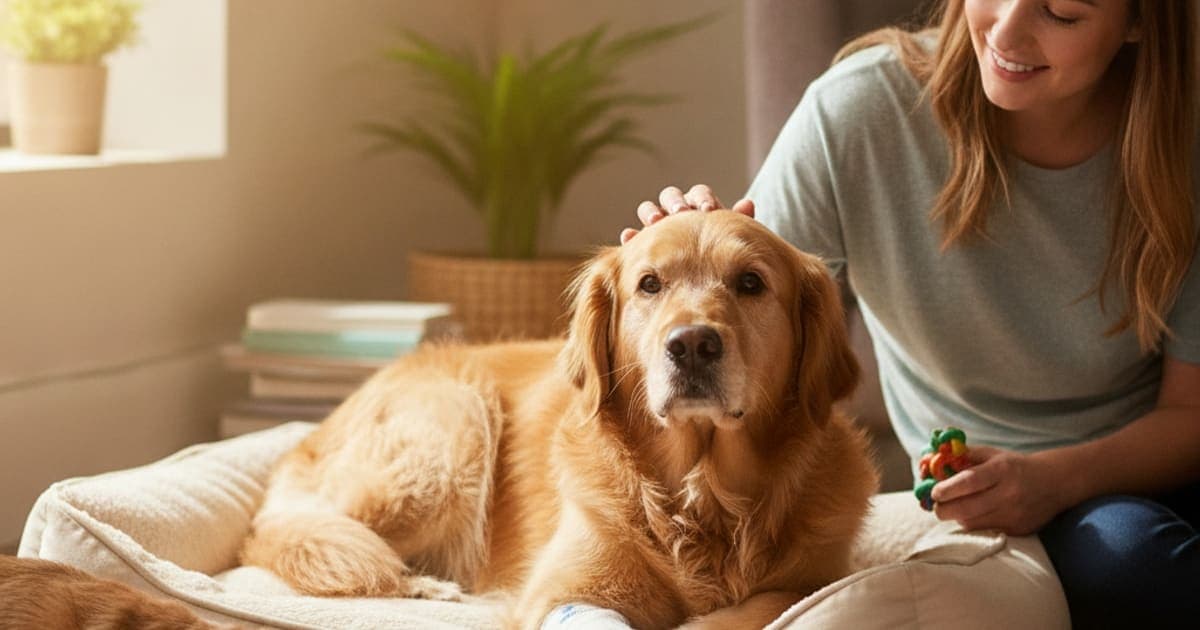
 Dog Hygroma Recovery Time: Realistic ExpectationsA soft, early hygroma with intact skin often shrinks over a few weeks once pressure is taken off the joint, while thickened, ulcerated or infected ones usually take months. Surgical cases add wound-healing time on top. The timeline is driven by how completely pressure is removed.Read the guide →
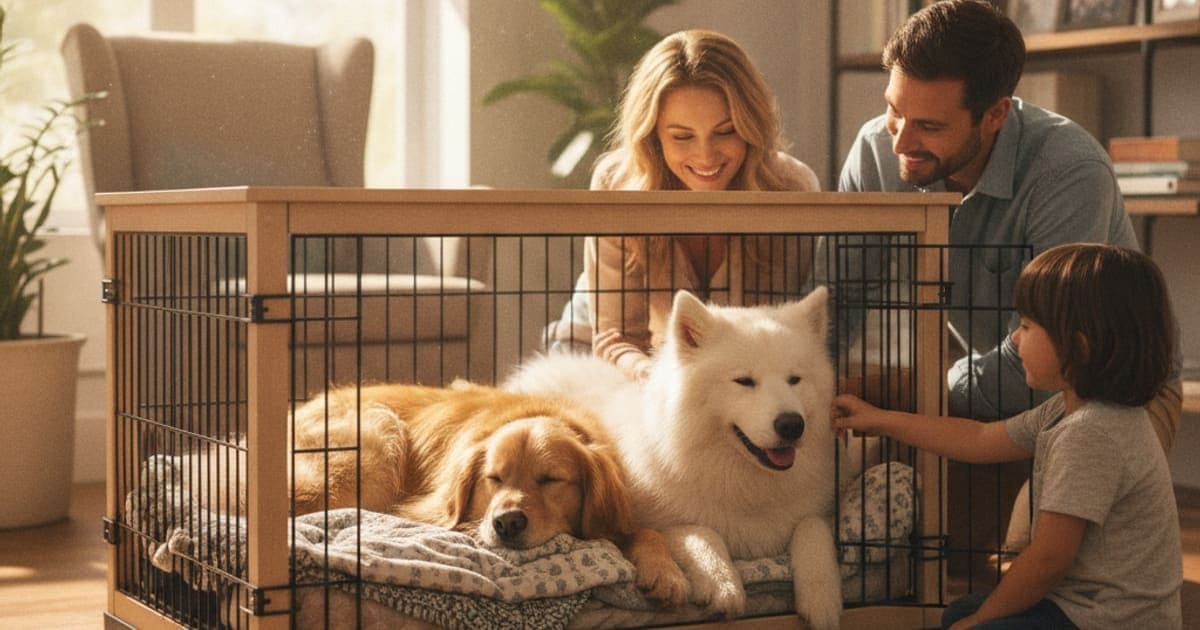 Crate Rest in Dogs: Signs, Causes and What HelpsCrate rest in dogs is veterinarian-prescribed confinement — a crate, pen or small room — that strictly limits movement while an injury, surgical repair or spinal problem stabilises. It removes running, jumping, stairs and twisting so healing tissue is not reloaded too early. Your veterinarian sets the level of restriction and how long it lasts.Read the guide →
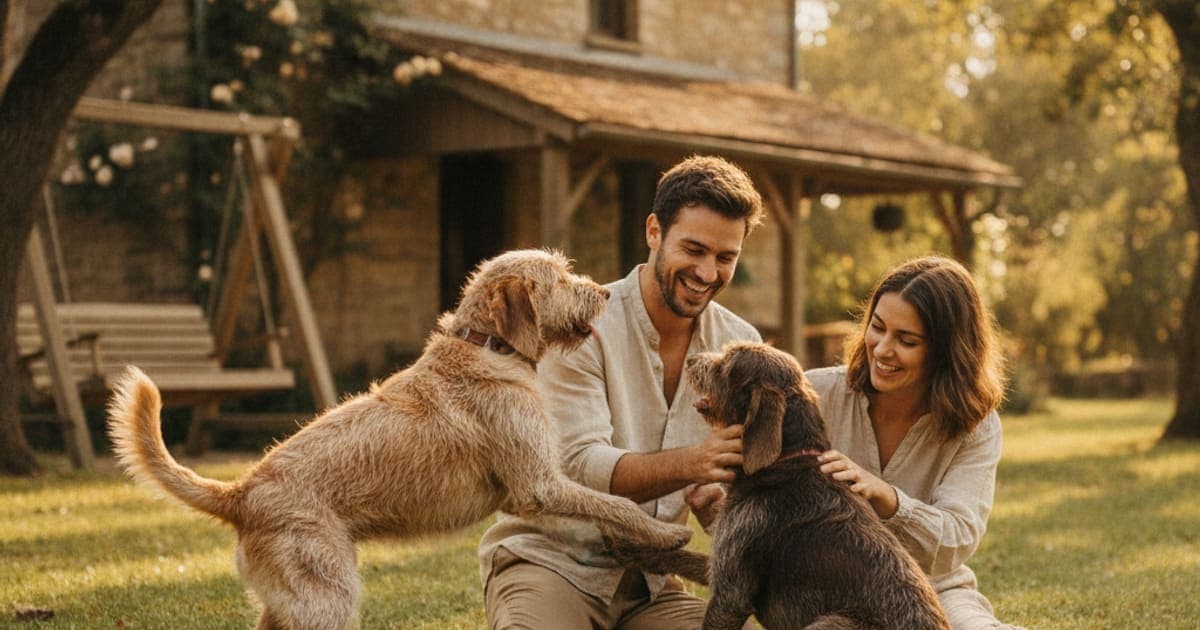 Why Spinone Italiano Are Prone to Joint ProblemsSpinone Italiano are prone to joint problems because they are a large, slow-maturing breed carrying heavy bone and muscle on a frame that finishes growing late. Hip and elbow dysplasia, cruciate ligament injury and osteoarthritis are the most common issues, and screening plus weight control matter most.Read the guide →
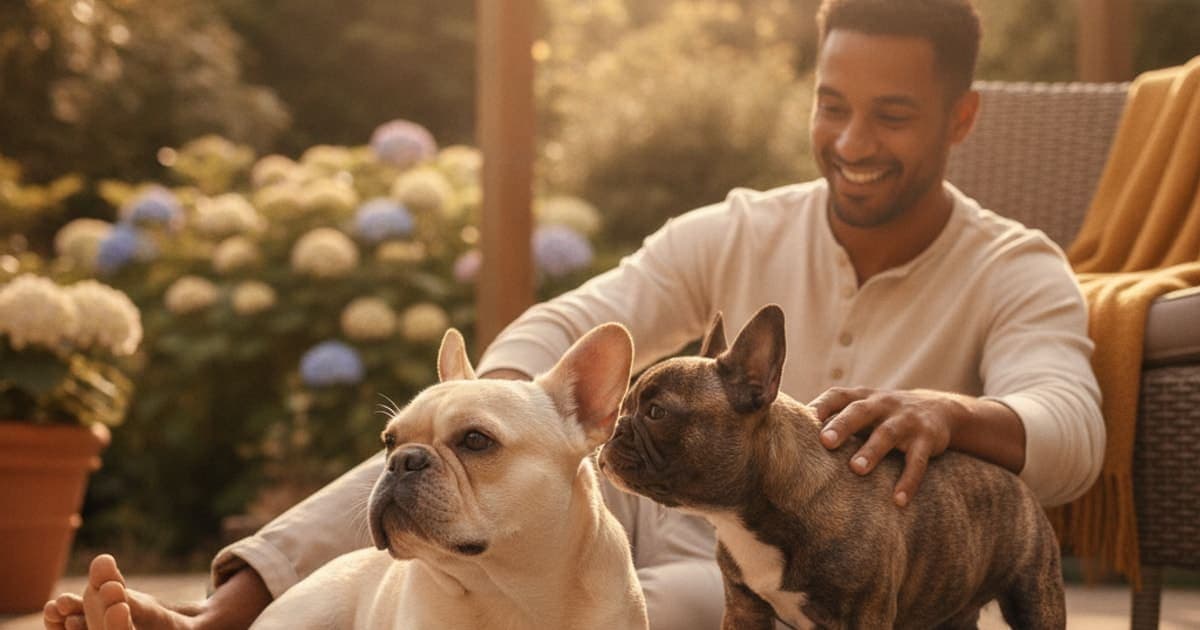 Why French Bulldogs Are Prone to Joint ProblemsFrench Bulldogs are prone to joint problems because the breed's chondrodystrophic build — a heavy front end, short curved limbs, shallow hip sockets and a compressed spine — concentrates load where canine joints tolerate it worst. Hips, kneecaps, elbows and spinal discs are the usual sites, and signs often appear young.Read the guide →
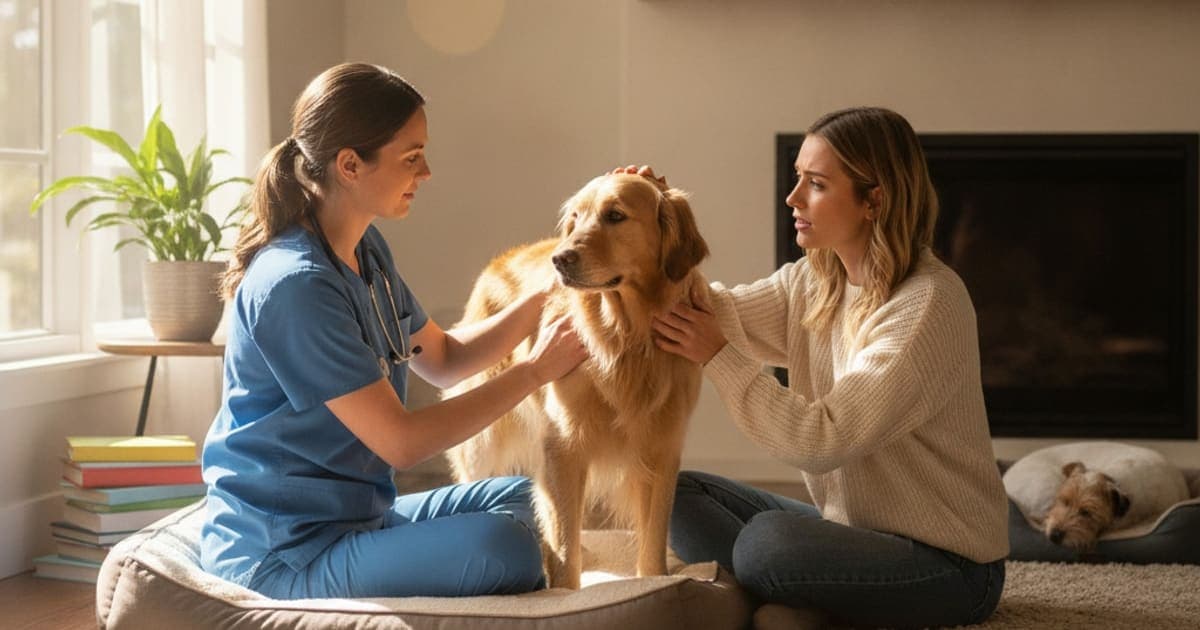 Dog Uneven Gait: When to See a VetTake your dog to the vet for uneven gait the same day if it appeared suddenly, follows trauma, involves a non-weight-bearing leg, or comes with pain, swelling, or neurological signs. Mild, intermittent unevenness that persists beyond a few days still deserves an exam rather than watchful waiting.Read the guide →
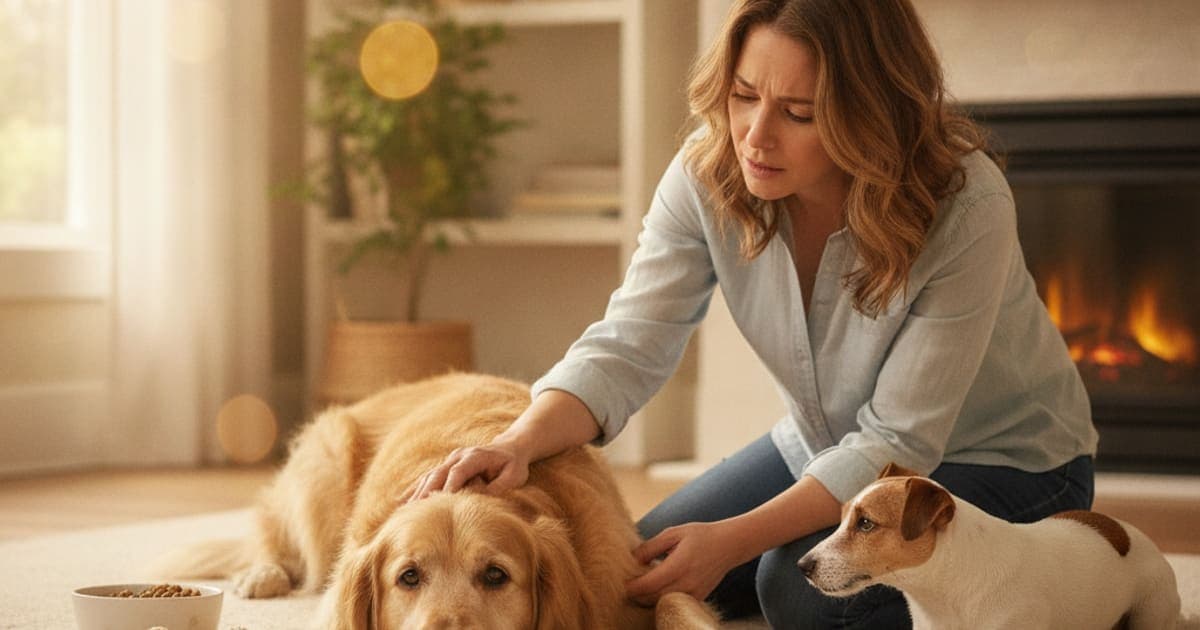 Dog Loss Of Appetite With Pain: What It Usually MeansPain suppresses appetite through nausea, stress hormones and the simple fact that lowering the head or chewing can hurt. A dog that stops eating while sore is often dealing with dental, abdominal, spinal or orthopaedic pain, and the combination deserves a veterinary exam rather than a wait-and-see week.Read the guide →
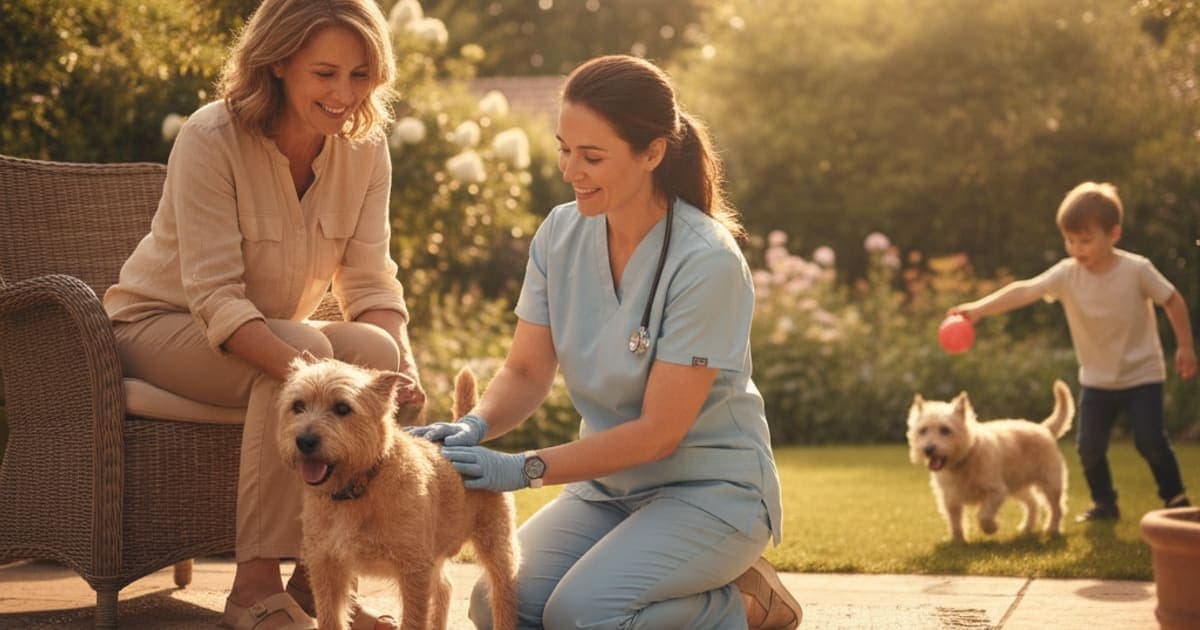 Why Cairn Terriers Are Prone to Joint ProblemsCairn Terriers are prone to joint problems because their short-legged, disproportionate skeleton loads the knees, hips and spine unevenly, small-breed genetics add patellar luxation and Legg-Calvé-Perthes risk, and terrier drive keeps a compact body jumping and digging. Early, intermittent limping is the signal worth acting on.Read the guide →
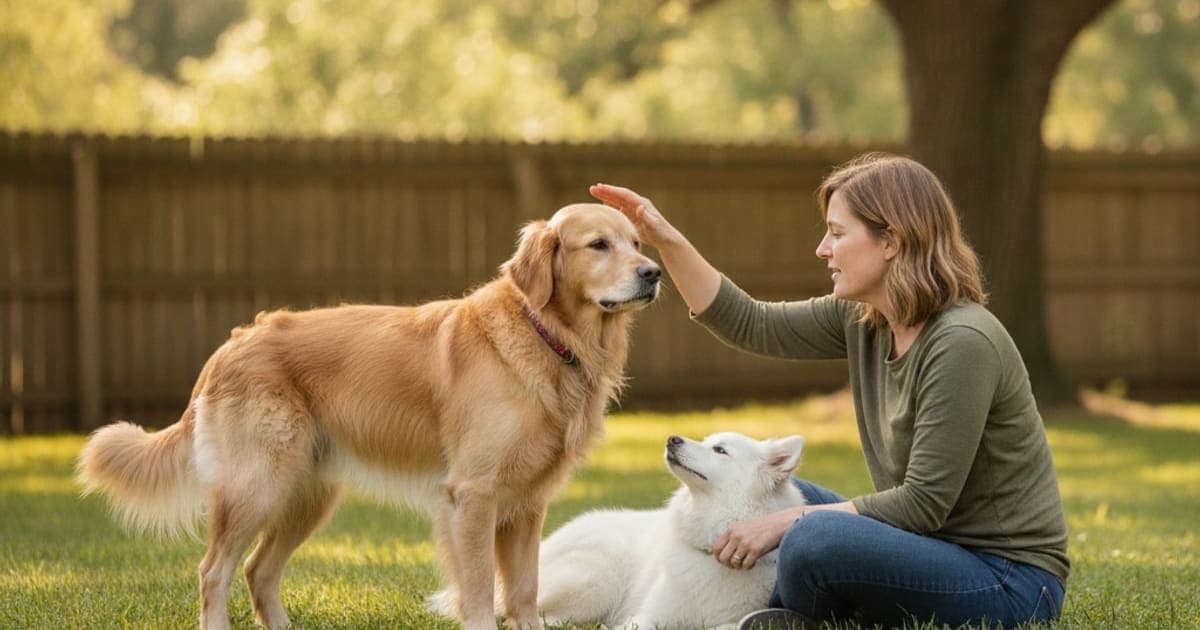 Dog Irritable When Handled: What It Usually MeansA dog who becomes irritable when handled is usually in pain. Sudden sensitivity to touch, lifting, grooming or petting most often traces to joint and soft-tissue discomfort, spinal pain, ear or dental disease, or abdominal pain. Because behaviour change is often the earliest signal, a veterinary exam comes before any training assumption.Read the guide →
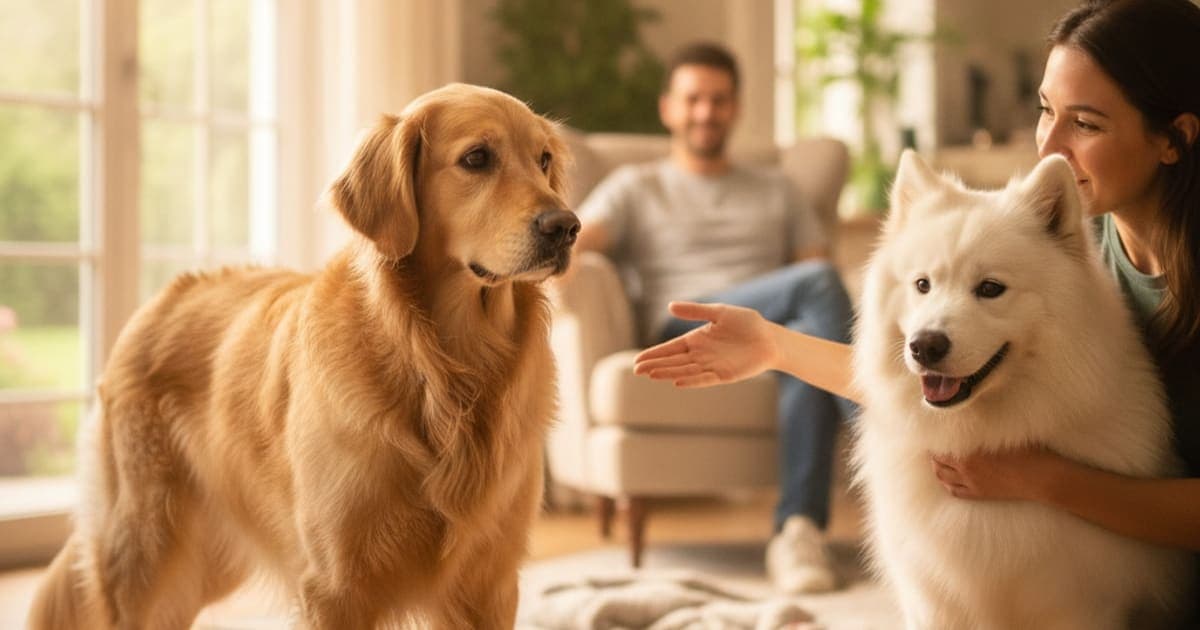 Why Is My Dog Reluctant to Be Touched? (Pain Signals)A dog reluctant to be touched is almost always guarding discomfort. Sore joints, a strained muscle, dental or ear pain, a skin problem, or an aging spine can all make handling unpleasant. Fear, poor sleep and fading senses matter too. Any sudden change in touch tolerance deserves a veterinary exam.Read the guide →
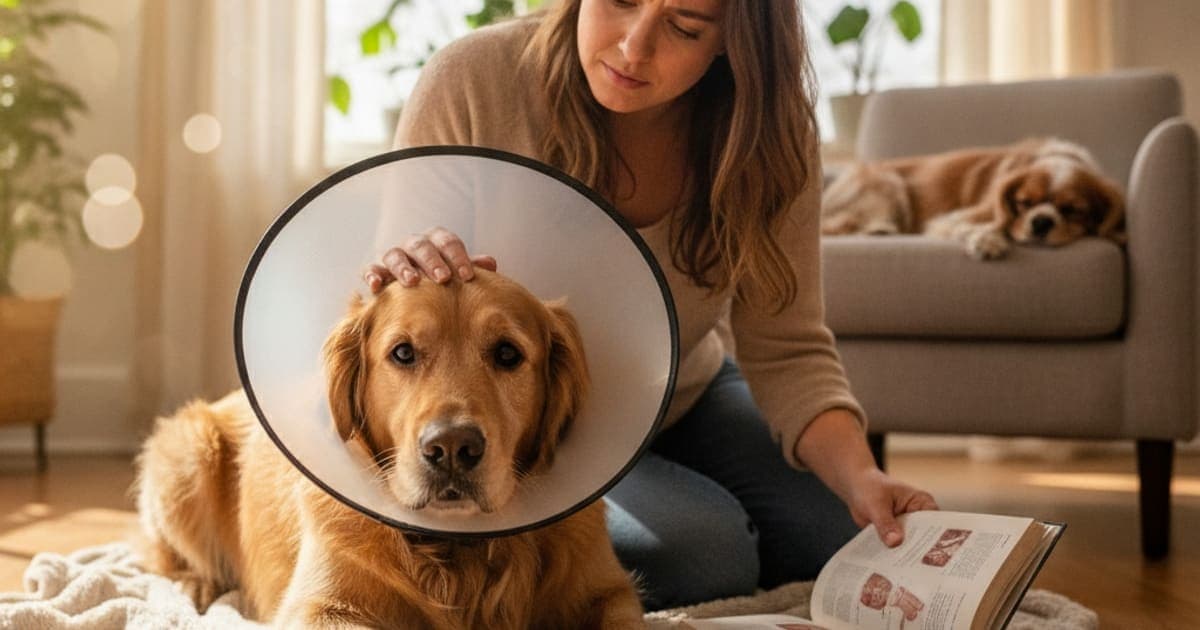 What Makes Spay Recovery Worse in Dogs? (Common Setbacks)Spay recovery gets worse when a dog is allowed too much activity too soon, licks or chews the incision, or has pain control cut short. Weight, age, being in heat at surgery, and delayed reporting of swelling or discharge also extend healing time.Read the guide →
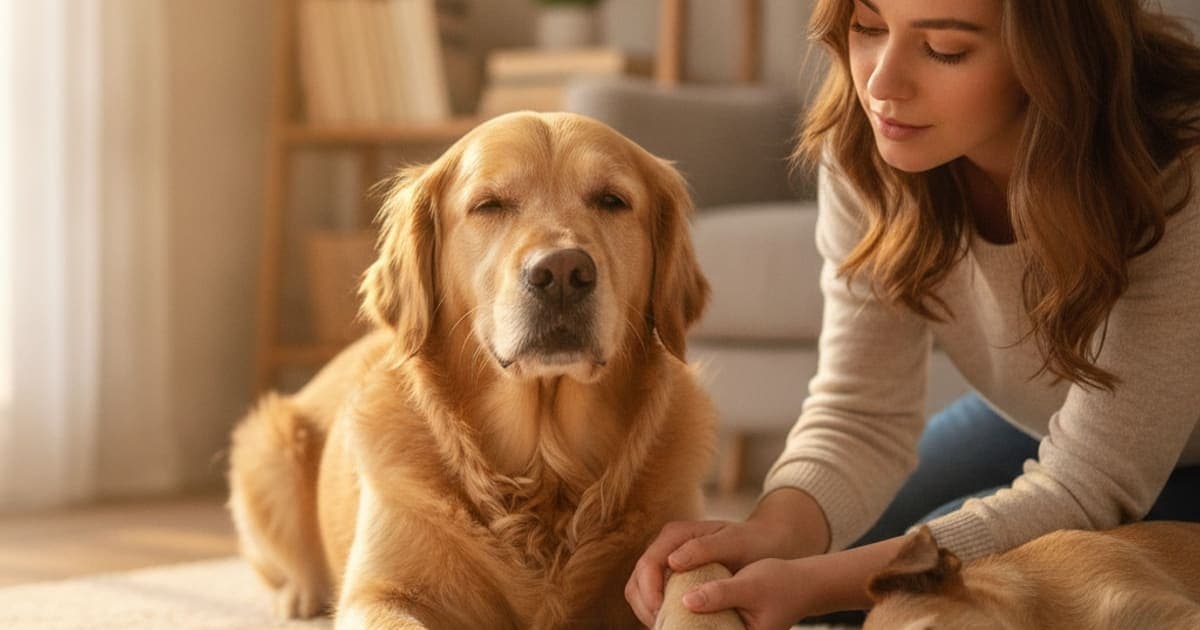 Why Is My Dog Sore After the Dog Park? (Causes Explained)A dog is usually sore after the dog park because sprinting, braking, twisting and wrestling load muscle and tendon far harder than a daily walk does, producing delayed soreness that eases within a day or two. Soreness that worsens, favours one leg, or becomes a limp needs a veterinary exam.Read the guide →
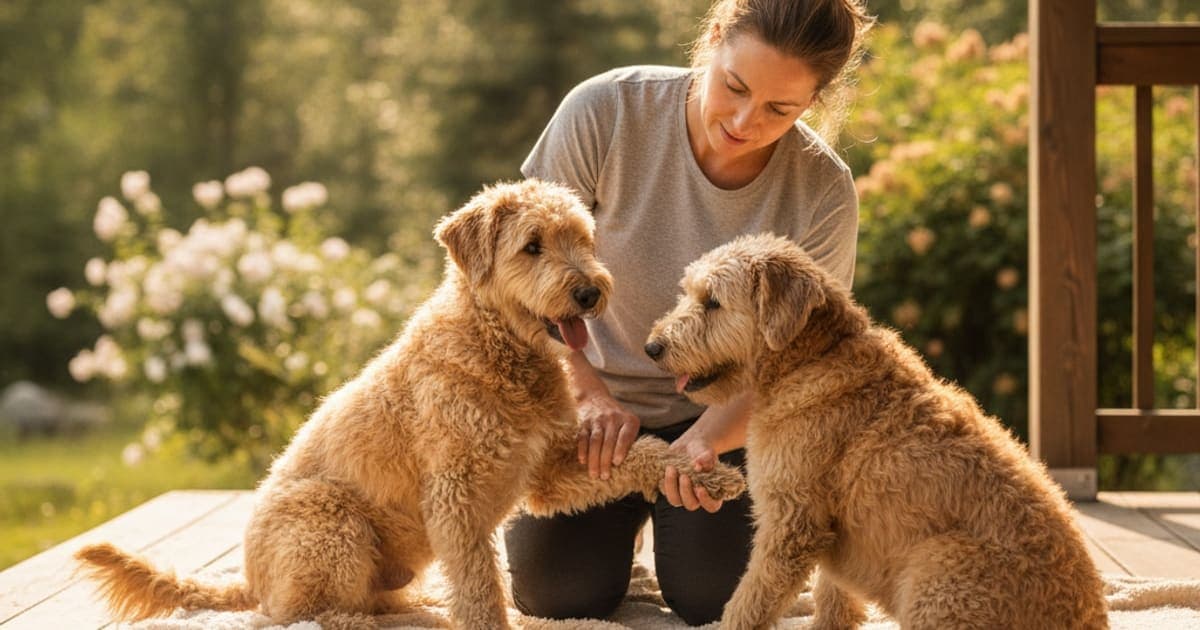 Why Soft Coated Wheaten Terriers Get Joint ProblemsSoft coated wheaten terriers develop joint problems because a compact, spring-loaded terrier frame loads the stifle, hip and elbow hard, while a dense coat hides early muscle loss and subtle limping. Cruciate ligament disease, hip dysplasia and patellar luxation are the usual findings. Early veterinary assessment keeps the most options open.Read the guide →
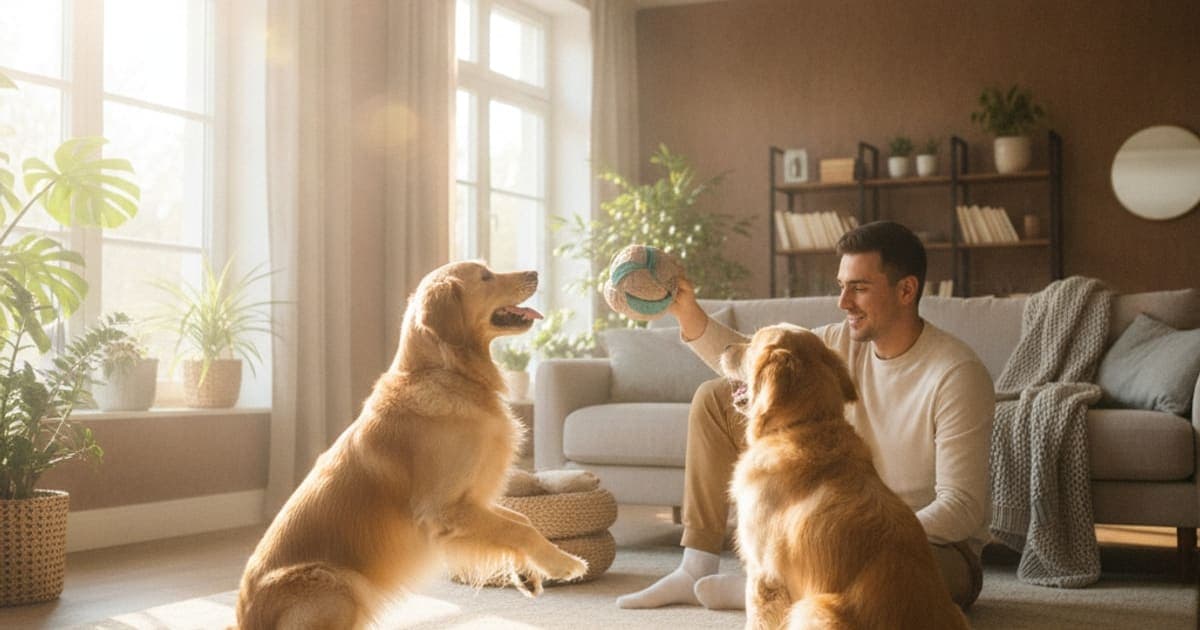 What Makes Hygroma Worse in Dogs? (Pressure and Friction)Repeated pressure makes hygroma worse in dogs: hard floors, thin or flattened bedding, dropping heavily into a down, and resting on the same elbow all day. Licking, moisture, infection and home draining attempts escalate it further, and each cycle of trauma thickens the fibrous capsule around the swelling.Read the guide →
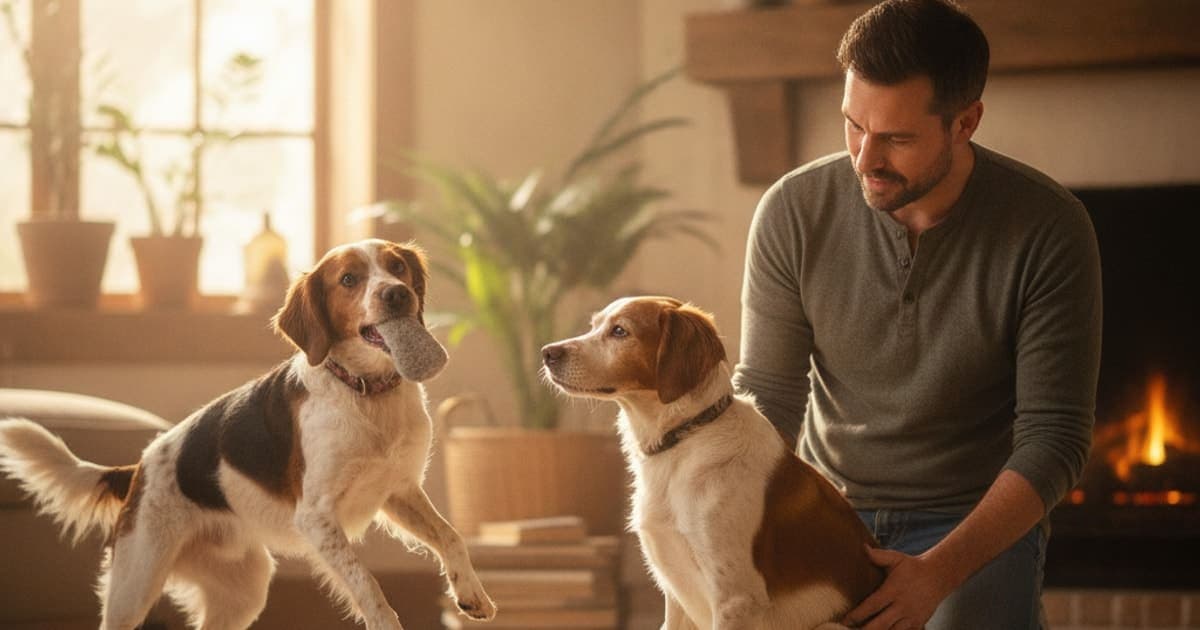 Why Brittany Spaniels Are Prone to Joint ProblemsBrittany spaniels are prone to joint problems because inherited hip and elbow dysplasia meets an extreme work rate and a stoic temperament that masks pain. Cartilage and ligament repair slowly under repeated high-speed loading, so damage accumulates quietly. Early screening, lean body condition and veterinary assessment at the first sign of change matter most.Read the guide →
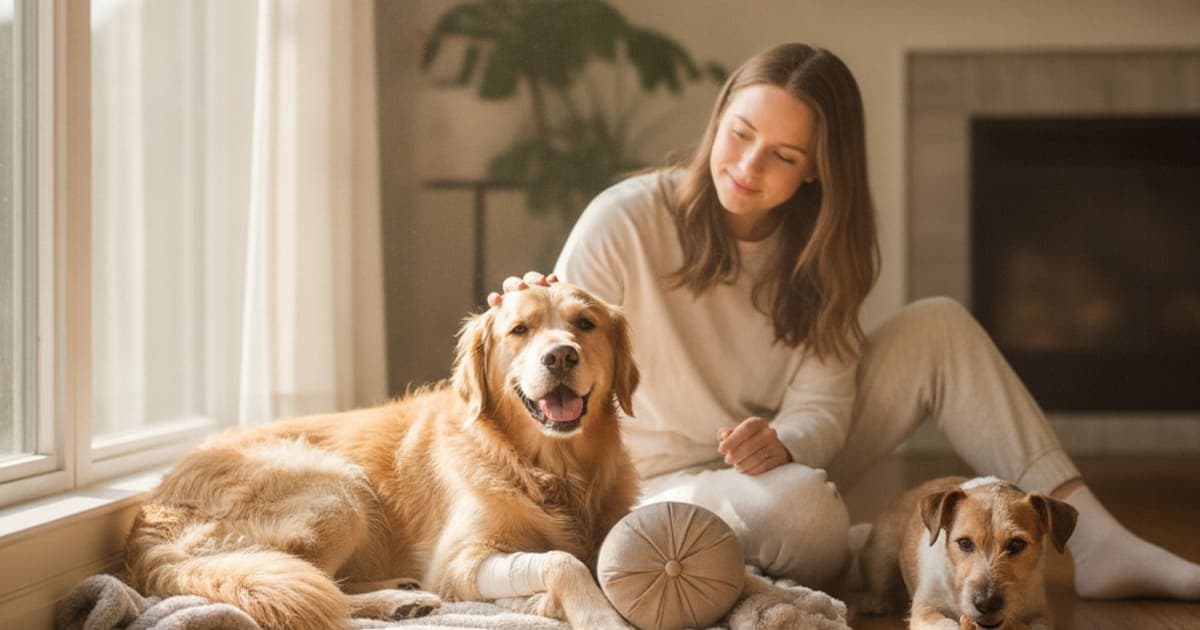 TPLO Surgery Recovery in Dogs: Signs, Causes, What HelpsTPLO surgery recovery in dogs is the staged healing process after a tibial plateau leveling osteotomy — the shin bone cut, rotated and plated to stabilise a knee with a torn cruciate ligament. It runs through strict confinement, controlled leash walking and progressive rehab, with the timeline set by your surgeon.Read the guide →
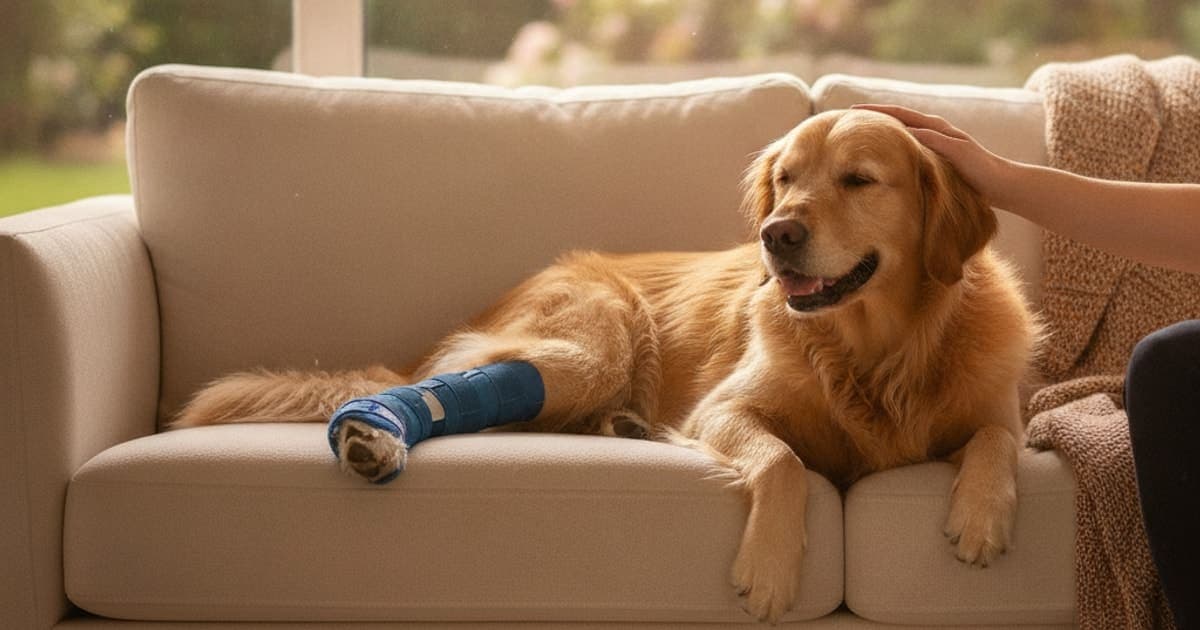 Dog Torn ACL Recovery Time: Realistic ExpectationsMost dogs recover from a torn cruciate ligament over four to six months, with the first eight to twelve weeks spent under strict activity restriction after surgery. Size, weight, age, meniscal damage and rehab consistency all shift that window, and your veterinarian sets the actual schedule.Read the guide →
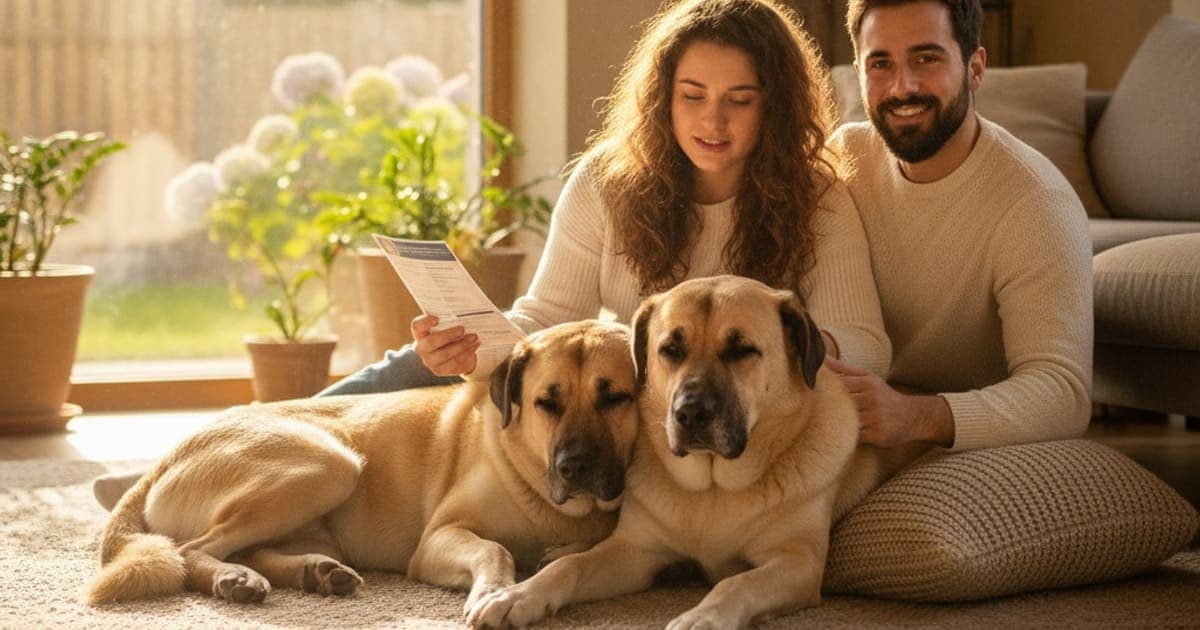 Why Kangals Are Prone to Joint ProblemsKangals develop joint problems mainly because of giant-breed mechanics: heavy body mass, rapid adolescent growth, deep working drive and long leverage through the hips and stifles. Hip dysplasia, elbow dysplasia and cruciate ligament injury are the most common patterns, and early weight control plus veterinary screening matter most.Read the guide →
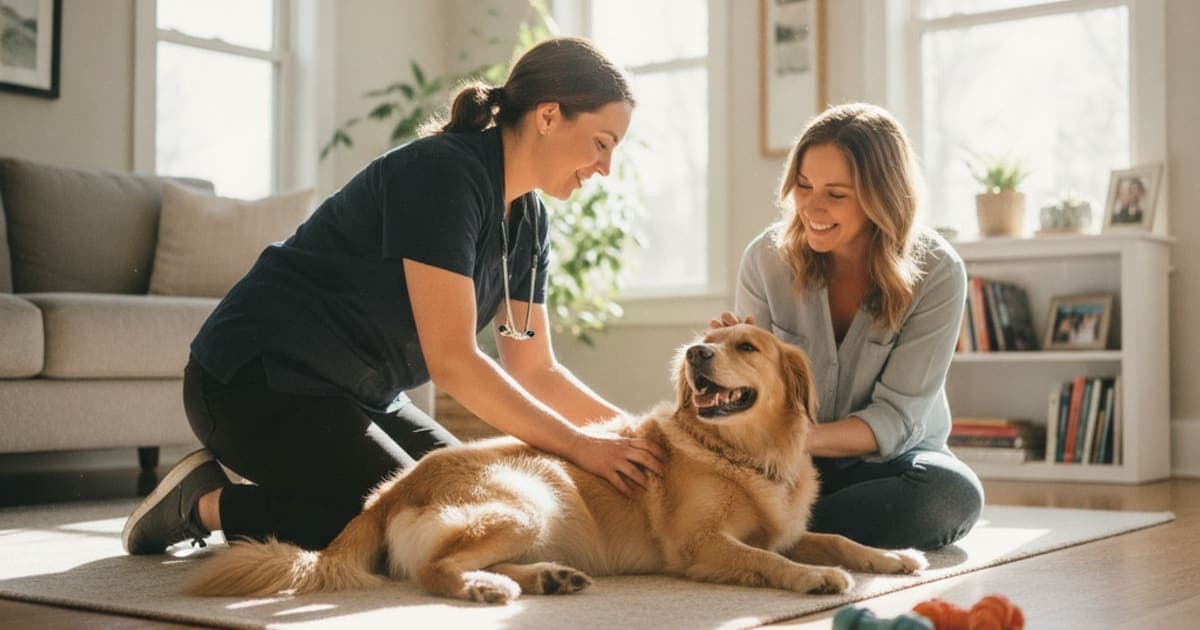 Dog Shaking In The Back Legs: When to See a VetTake your dog to the vet the same day if hind-leg shaking comes with weakness, dragging paws, collapse, crying out, vomiting or trouble standing. Mild trembling after exercise in a bright, comfortable dog can wait for a routine appointment — but any tremor that persists past a day or two deserves a professional exam.Read the guide →
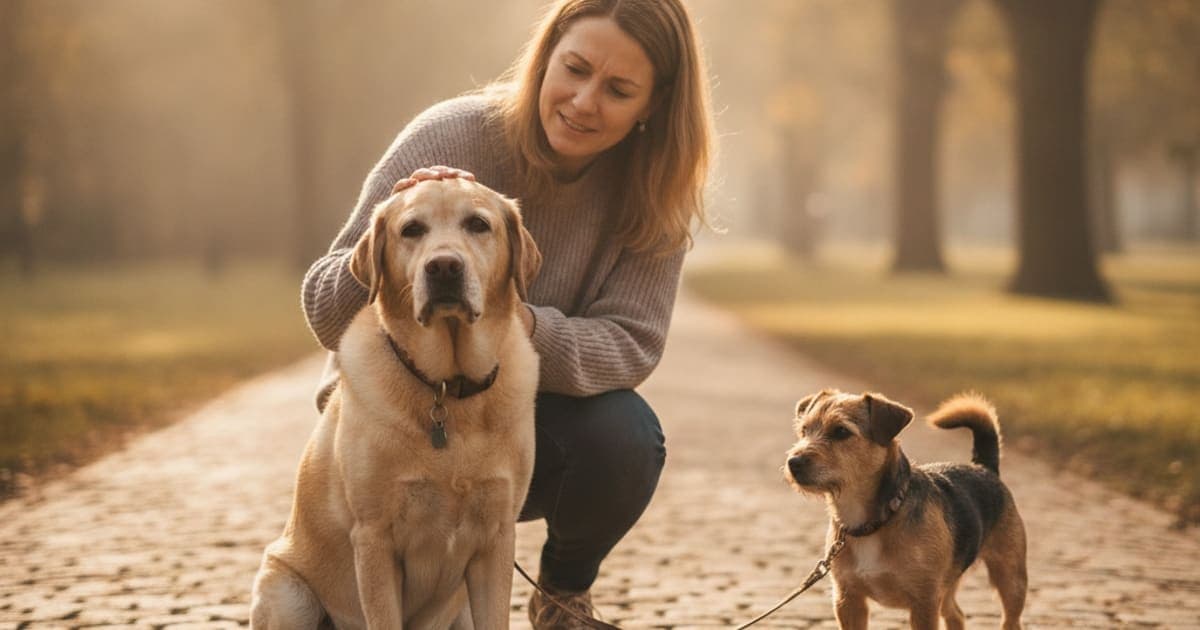 Dog Can't Walk as Far: When to See a VetSee a veterinarian within a week if your dog is consistently walking shorter distances than they managed a month or two ago. Go the same day for collapse, laboured breathing, pale or blue-tinged gums, a dragged limb, a hot swollen joint, or a sudden refusal to bear weight.Read the guide →
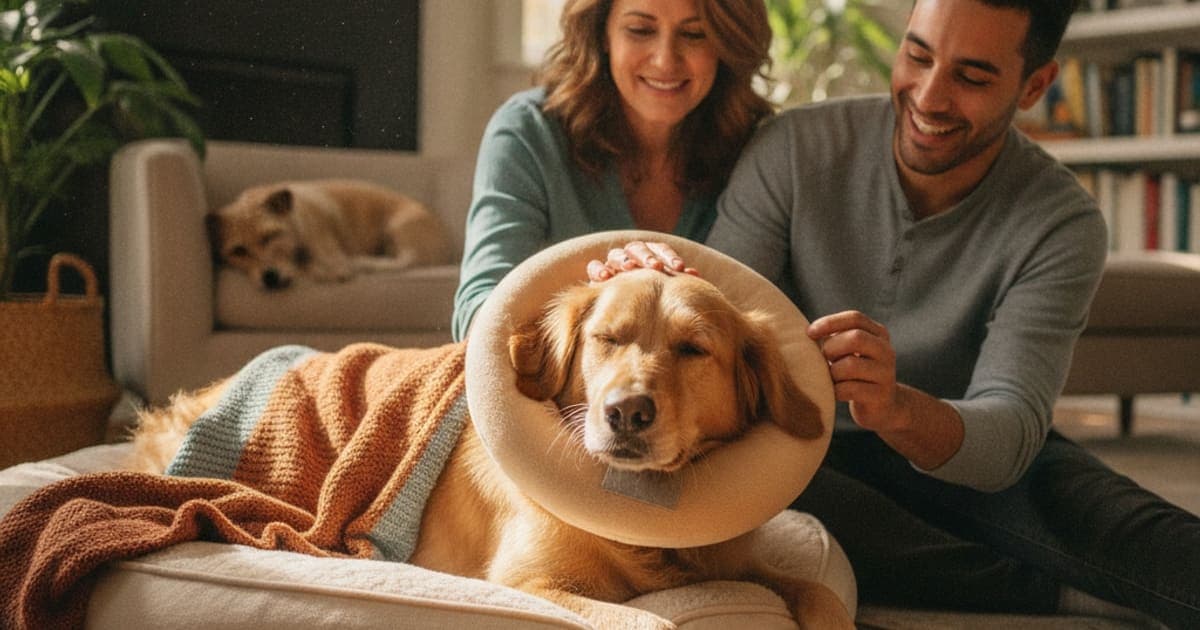 Neuter Recovery in Dogs: Signs, Causes and What HelpsNeuter recovery in dogs is the healing period after castration surgery, when the incision seals and the deeper tissue layers rebuild. Most dogs seem bright within a day or two, but connective tissue keeps remodelling for weeks, which is why restricted activity and an intact e-collar matter more than how your dog acts.Read the guide →
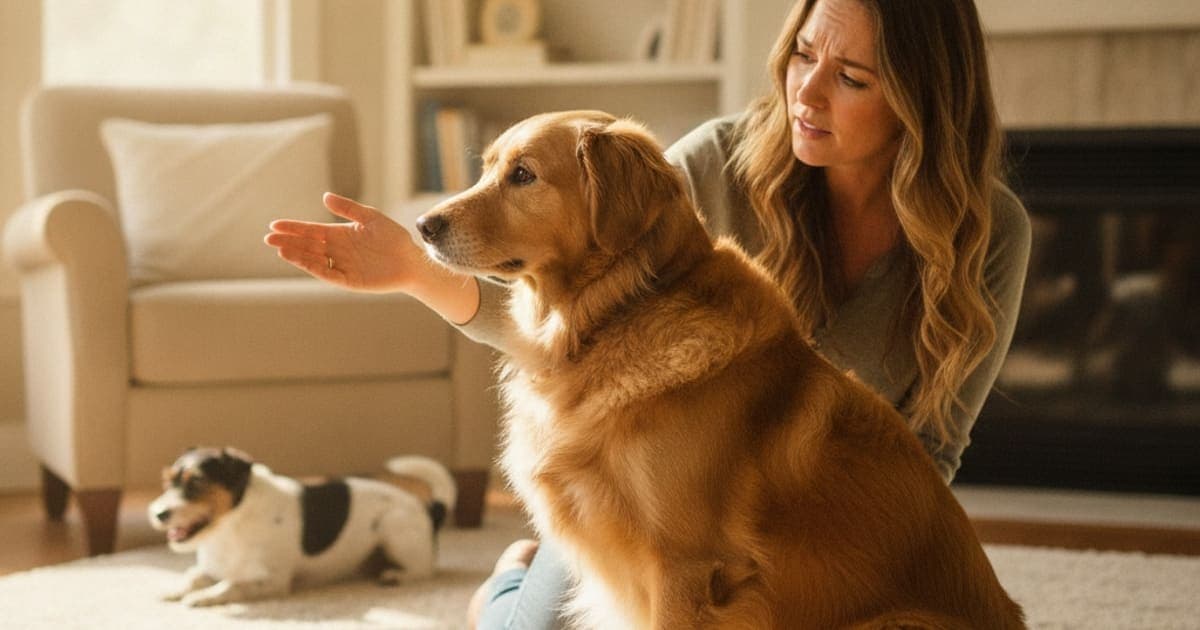 Dog Reluctant To Be Touched: When to See a VetTake your dog to the vet the same day if reluctance to be touched appeared suddenly, if your dog yelps, growls or snaps when handled, or if it comes with limping, dragging paws, a hunched back, fever or a tense abdomen. Milder, gradual sensitivity still warrants an exam within a few days.Read the guide →
 When Should I Take a Dog to the Vet for Restless Nights?Take your dog to an emergency vet the same night if restlessness comes with unproductive retching, a tight abdomen, laboured breathing, pale gums or collapse. Book a regular appointment within a week if pacing, panting or constant repositioning happens most nights, is new, or is steadily getting worse in an older dog.Read the guide →
 Why Is My Dog Holding Up a Back Leg? (Causes Explained)A dog holds up a back leg because bearing weight on it hurts or feels unstable. The most common causes are knee problems — a torn cruciate ligament or a slipping kneecap — plus hip pain, muscle and tendon strains, and paw injuries. Sudden, complete refusal to bear weight is a same-day veterinary call.Read the guide →
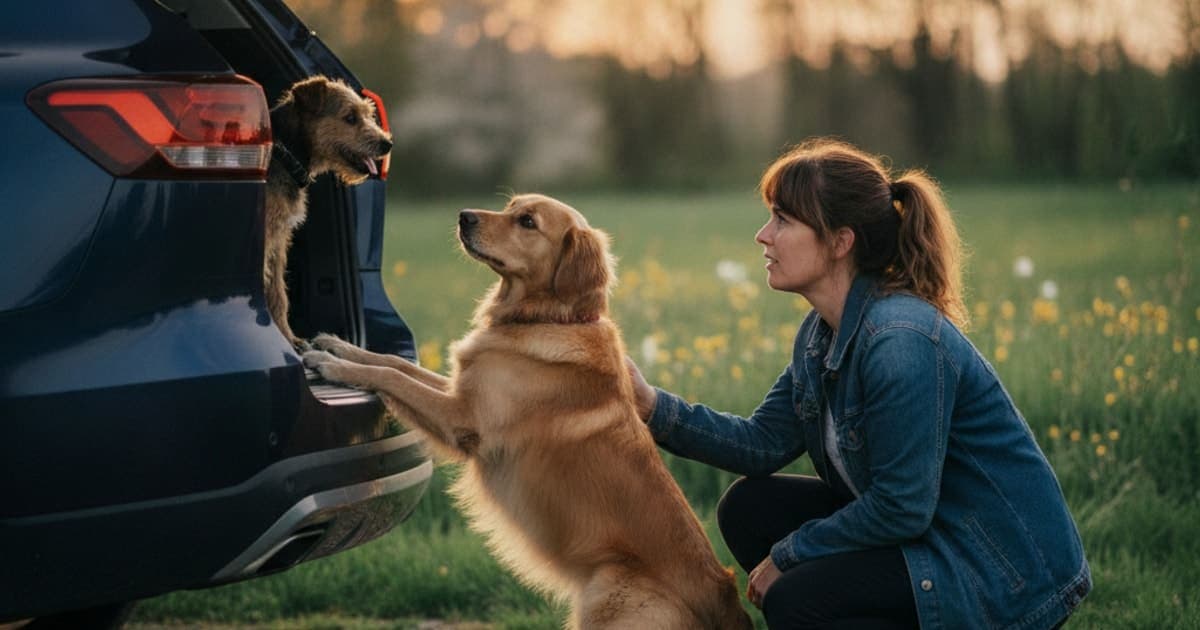 Dog Trouble Jumping In The Car: When to See a VetSee a vet if your dog's hesitation to jump into the car lasts more than a few days, appears suddenly, or comes with yelping, limping, or a change in gait. Same-day care is warranted for dragging paws, hind-limb weakness, or an inability to stand. Hesitation is a pain signal, not stubbornness.Read the guide →

The pawgen library · 3,678 guides
Dog mobility, joints and recovery
Plain-English guides on joint pain, injury recovery and what actually helps aging and active dogs. Written to answer the question, not to pad a word count.