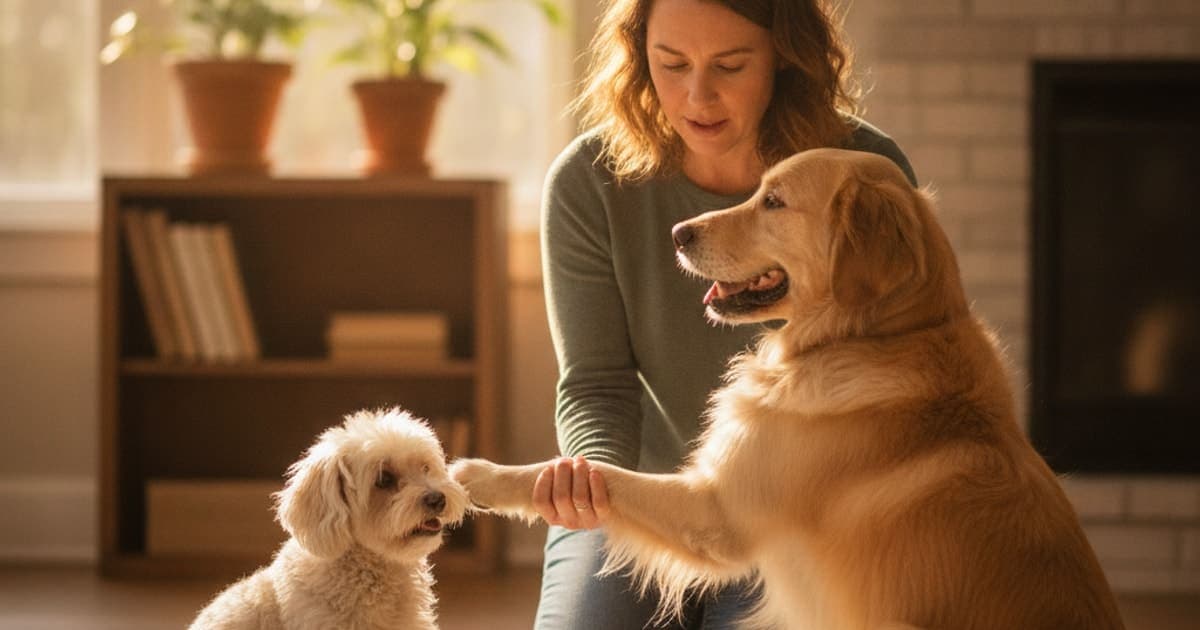
 Should I Worry If My Dog Is Warm Joint? (Heat Explained)A warm joint deserves attention, not panic. Mild warmth right after hard exercise that fades with rest is usually normal blood flow. Heat that lingers at rest, or comes with swelling, limping, reluctance to bear weight or a dog who seems generally unwell, should be examined by a veterinarian.Read the guide →
 Is a Dog Sore After Agility an Emergency? (Red Flags)Soreness after agility is usually not an emergency — mild stiffness that eases within a day or two is common after high-impact work. It becomes urgent when your dog will not bear weight, yelps sharply, swells, or shows breathing or heat distress. Those signs need a veterinarian the same day.Read the guide →
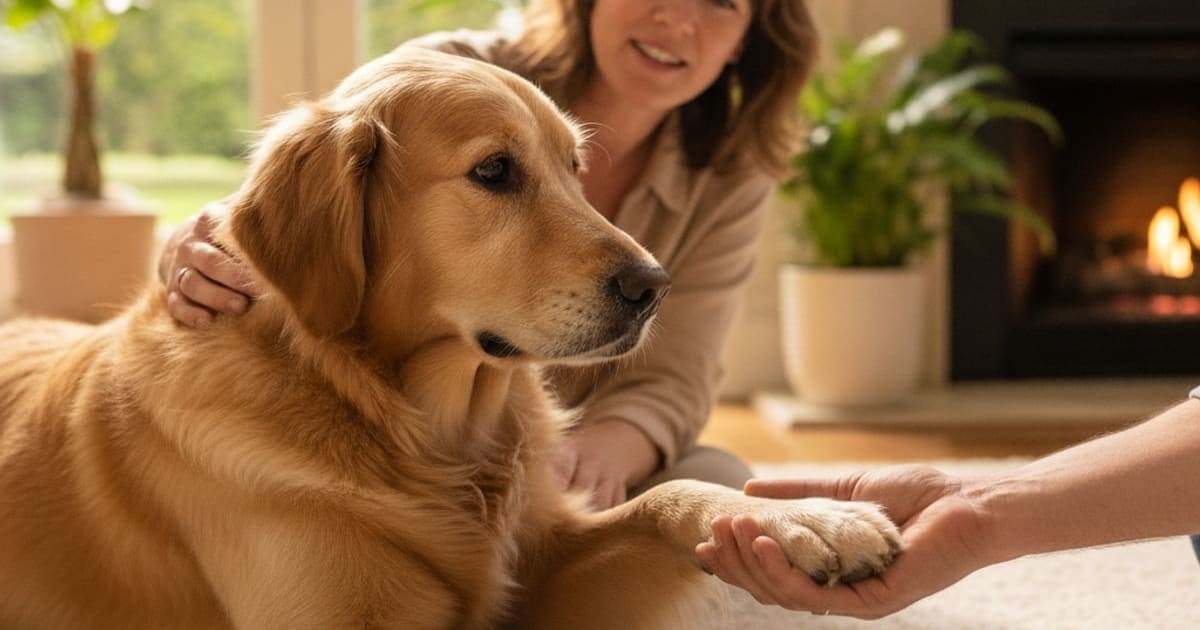 Is Carpal Hyperextension in Dogs Painful? (What to Know)Yes — carpal hyperextension in dogs is typically painful, particularly in the early stage when the ligaments and fibrocartilage supporting the wrist are damaged. Dogs often show a dropped wrist, limping, and reluctance to bear weight. Pain can lessen as the joint stiffens, but abnormal loading commonly causes ongoing discomfort and arthritis.Read the guide →
 Is a Dog Panting at Night an Emergency? (Red Flags)Sometimes. Panting at night is an emergency when it appears with pale, blue or brick-red gums, visible effort to breathe, collapse, restlessness with a swollen abdomen, or after possible toxin exposure. Panting from heat, excitement, aging or pain is less urgent but still deserves a veterinary conversation.Read the guide →
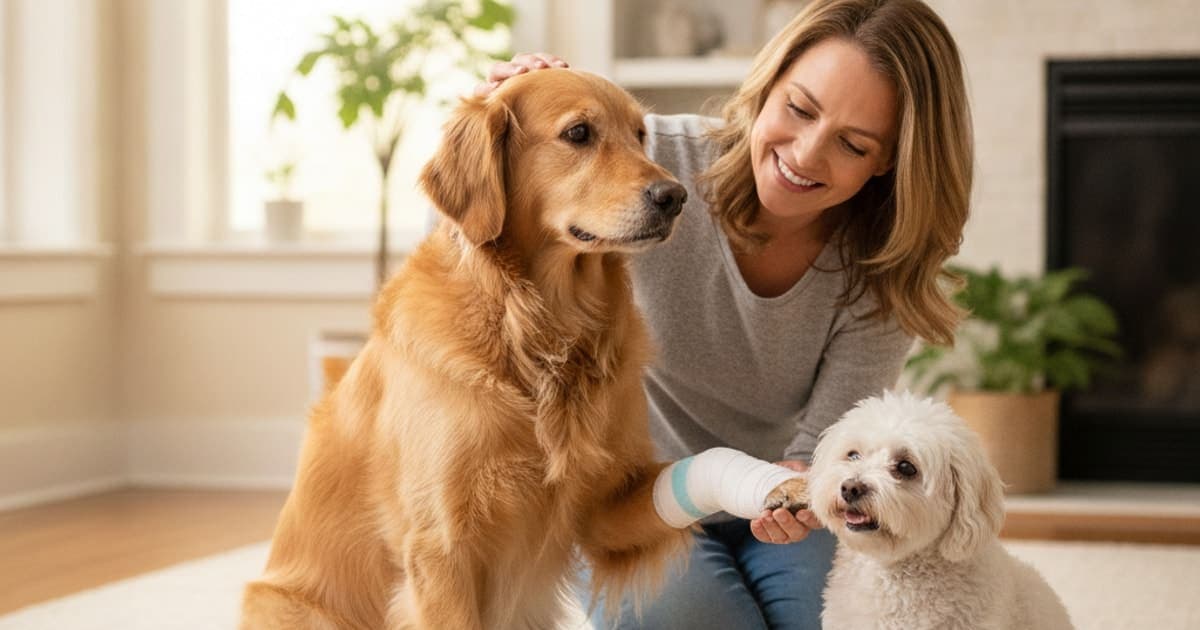 Is Toe Injury in Dogs Painful? (What Owners Should Know)Yes. A toe injury in dogs is painful. Each digit carries weight with every step, and the toes are densely supplied with nerves, so fractures, nail-bed injuries, sprains and torn ligaments hurt continuously. Dogs mask pain well, so limping, licking and reluctance to walk often understate it.Read the guide →
 Should I Worry if My Dog Is Restless at Night? (Signs)Usually not after a single unsettled night — dogs wake, reposition and resettle. Worry when the restlessness is new, repeats for several nights, or comes with panting, pacing, whining, limping, increased thirst or trouble lying down. Those patterns point toward pain, illness or age-related change and deserve a veterinary exam.Read the guide →
 Is a Dog Slipping on Hard Floors an Emergency? (Red Flags)Slipping on hard floors is not usually an emergency on its own, but it becomes one when a fall leaves your dog non-weight-bearing, yelping, dragging a limb, or unable to stand. Occasional skidding on a healthy dog is a traction problem; frequent slipping often signals weakness worth investigating.Read the guide →
 Should I Worry if My Dog Is Sleeping More Than Usual?Sometimes, yes. Gradually increasing sleep as a dog ages, or a quiet day after a hard hike, is usually normal. Worry when the change is sudden, lasts more than a day or two, or arrives alongside appetite loss, stiffness, panting or reluctance to move — that combination deserves a veterinary exam.Read the guide →
 Should I Worry If My Dog Is Panting at Night? (Causes)Sometimes. Panting at night is usually harmless if the room is warm, your dog was recently active, or they are settling after excitement. It deserves a veterinary call when it is new, happens in a cool quiet room, or comes with restlessness, coughing, pale gums or a dog who cannot get comfortable.Read the guide →
 Is Osteochondritis Dissecans in Dogs Painful? (Pain Signs)Yes. Osteochondritis dissecans is painful for dogs because a flap of joint cartilage separates and exposes nerve-rich bone underneath, while loose fragments irritate the joint lining. Pain usually shows as limping after rest, reluctance to jump, or a shortened stride in a young, fast-growing large-breed dog.Read the guide →
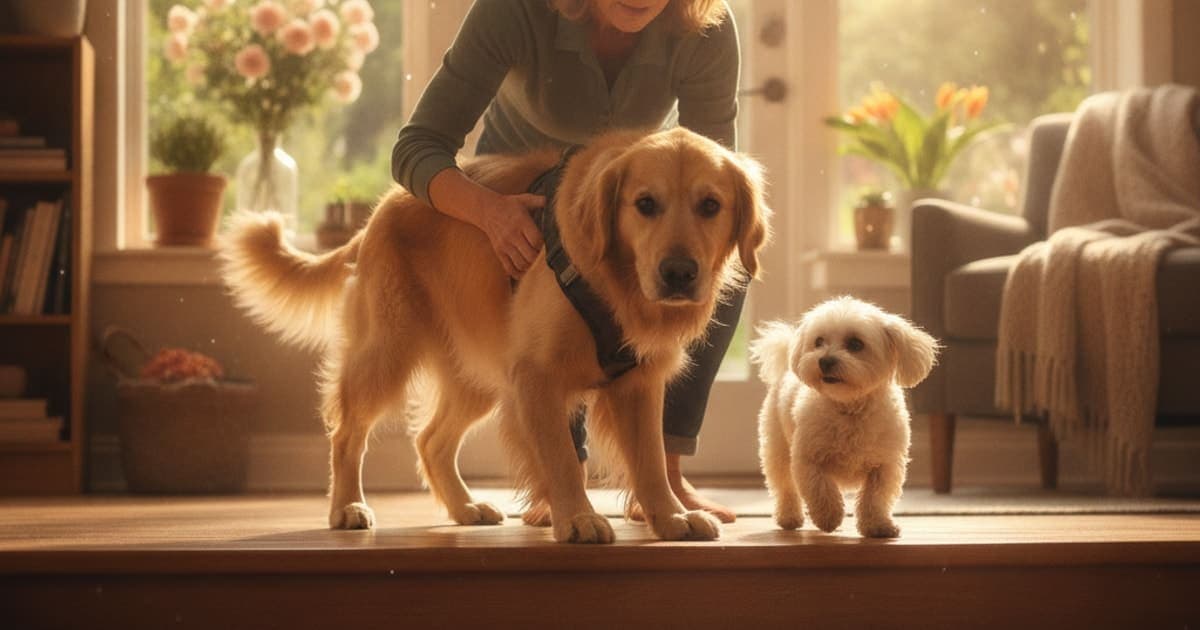 Should I Worry if My Dog Is Having Trouble With Stairs?Yes, trouble with stairs is worth taking seriously. Stairs load a dog's hips, stifles, shoulders and spine far harder than flat ground, so hesitating, skipping steps or refusing them usually signals pain, weakness or a neurological change rather than simple aging. Book a veterinary exam and describe exactly when the difficulty appears.Read the guide →
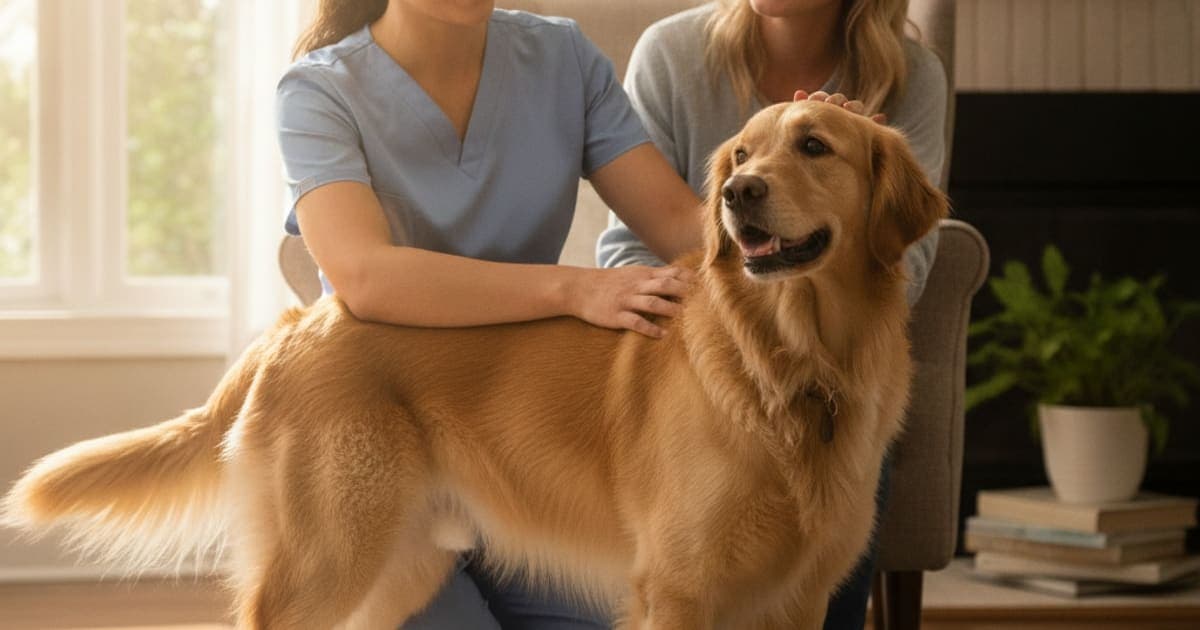 Is Bicipital Tenosynovitis in Dogs Painful? (Signs & Care)Yes — bicipital tenosynovitis in dogs is genuinely painful. The biceps tendon and its synovial sheath sit in a bony groove at the front of the shoulder, and inflammation there is compressed and irritated with every stride, producing a lameness that typically worsens after exercise and stiffens after rest.Read the guide →
 Should I Worry If My Dog Is Wobbly in the Back End?Yes — a wobbly back end deserves a veterinary exam, though not always an emergency one. Hind-end instability can come from arthritis, a cruciate injury, spinal disc disease, degenerative myelopathy or simple muscle loss with age. Sudden wobbliness with pain, dragging paws or collapse is urgent. Gradual change still needs a diagnosis.Read the guide →
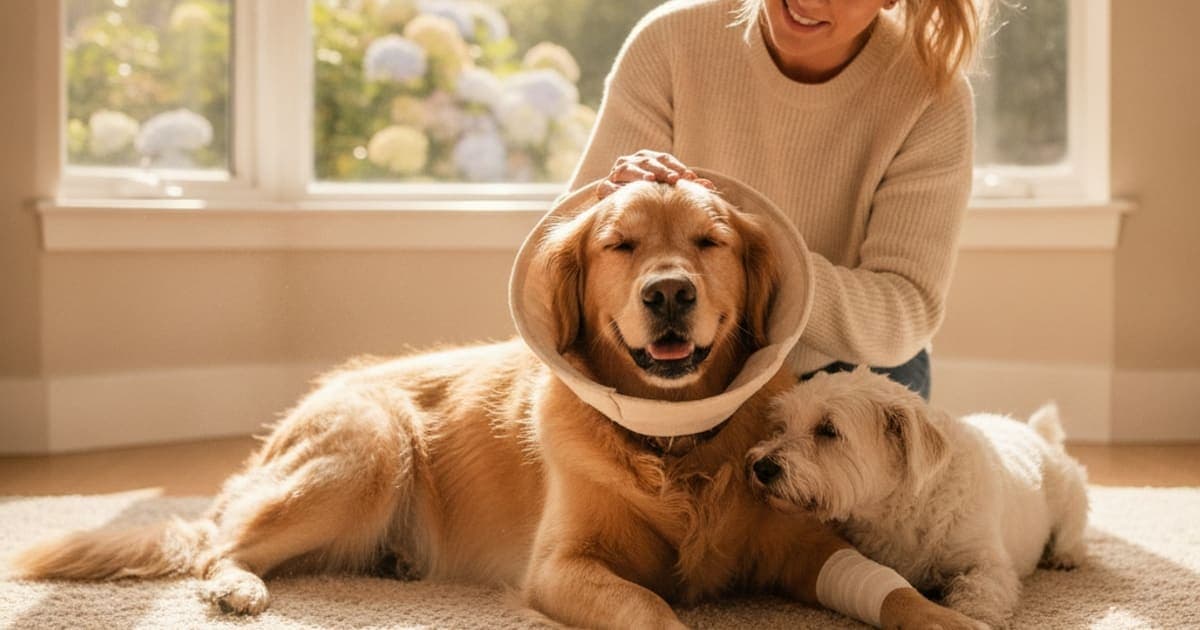 Is Cruciate Surgery Recovery in Dogs Painful?Yes — cruciate surgery recovery in dogs is painful, most sharply in the first two to three days, then easing steadily week by week under a multimodal veterinary pain plan. Discomfort that worsens instead of fading is always a reason to call your veterinarian rather than wait it out.Read the guide →
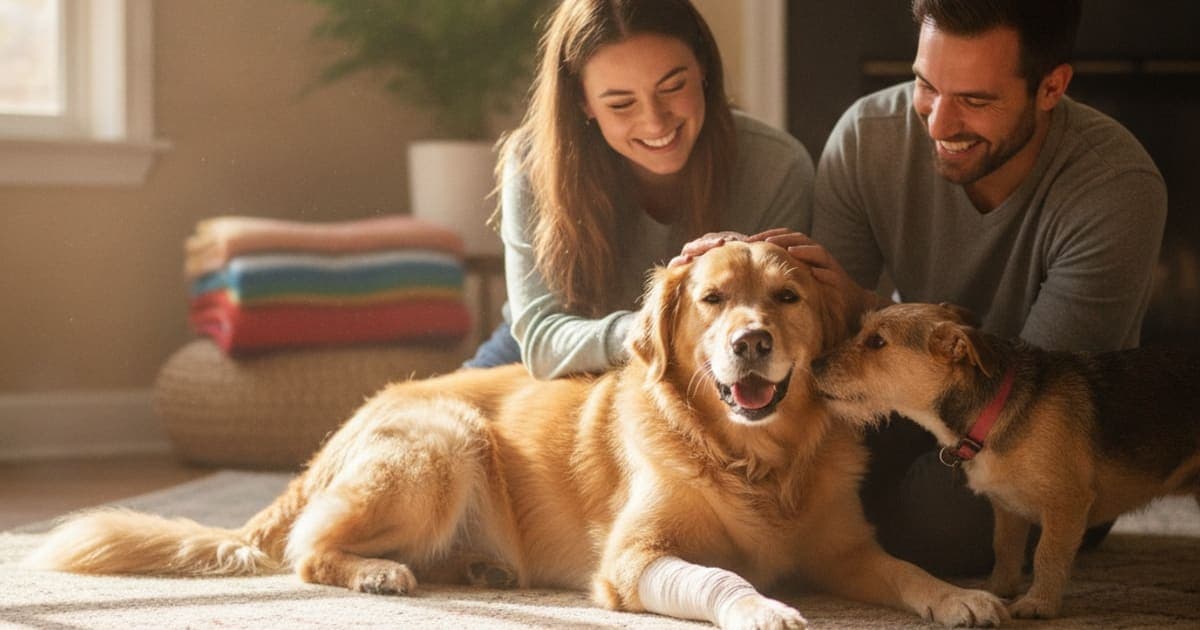 Is Wound Healing in Dogs Painful? (What Owners Should Know)Yes. Wound healing in dogs is painful, most sharply during the inflammatory phase in the first days after injury or surgery, then tapering as new tissue forms. Dogs mask discomfort well, so licking, restlessness, guarding and appetite changes matter more than vocalising. Pain control belongs to your veterinarian.Read the guide →
 Is the Wolverine Stack Legal for Dogs? (What the Law Says)The Wolverine Stack — BPC-157 with TB-500 — is legal to buy and give to a dog in most jurisdictions, because neither peptide is a controlled substance. Neither is an FDA-approved veterinary drug, and competitive sporting bodies generally prohibit them. Legality and suitability are separate questions your veterinarian should help you answer.Read the guide →
 Is a Dog Tiring Quickly an Emergency? (Red Flags to Know)Sometimes yes. A dog tiring quickly is an emergency when it appears suddenly or comes with collapse, pale or blue gums, labored breathing, a distended abdomen, or a dog who cannot settle — go to an emergency vet now. Gradual decline over weeks still needs a veterinary exam, just not a midnight one.Read the guide →
 What Are the First Signs of Disc Herniation in Dogs? (IVDD)The first signs of disc herniation in dogs are usually subtle: reluctance to jump or use stairs, a hunched or tense back, yelping when picked up, shivering, and a slow or wobbly gait. Signs can progress within hours, so a same-day veterinary exam matters. Loss of coordination or dragging paws is an emergency.Read the guide →
 Is a Dog Shifting Weight Off One Leg an Emergency?A dog shifting weight off one leg is not usually a same-minute emergency, but it always means that limb hurts and earns a veterinary exam within a day or two. Go immediately if the leg takes no weight at all, if there was trauma, or if you see swelling or deformity.Read the guide →
 Should I Worry if My Dog Is Whining at Night? (Causes)Sometimes, yes. Occasional night whining is often a full bladder, boredom or a shifted routine. But whining that is new, escalating, or paired with pacing, panting, stiffness on rising or difficulty settling usually points to pain, cognitive change or illness — a pattern that deserves a veterinary exam rather than another night of waiting.Read the guide →
 What Are the First Signs of Hip Dysplasia in Dogs?The first signs of hip dysplasia in dogs are usually movement changes rather than obvious pain: a bunny-hop gait, stiffness after rest that eases with walking, hesitation before jumping, a narrow swaying back end, and weight shifted onto the front legs. Limping often appears much later, once arthritis sets in.Read the guide →
 Should I Worry If My Dog Is Intermittent Limping?Yes — intermittent limping deserves attention. A limp that comes and goes usually means a low-grade problem that flares with activity, such as a partial cruciate tear, early arthritis, or a soft-tissue strain. It rarely resolves on its own, so book a veterinary exam rather than waiting it out.Read the guide →
 Is Shoulder OCD in Dogs Painful? (What Owners Notice)Yes — shoulder OCD in dogs is painful. A flap of cartilage separates from the head of the humerus and exposes richly innervated bone inside the joint, which produces lameness, stiffness after rest, and pain when the shoulder is flexed or extended. Severity ranges from subtle to obvious.Read the guide →
 Is Chronic Diarrhea in Dogs Painful? (What to Watch For)Chronic diarrhea in dogs is usually uncomfortable and frequently painful, because inflamed intestine cramps, distends with gas and triggers urgent straining. Most dogs show it through posture and behaviour rather than vocalising — a hunched back, restlessness, a stretched praying position or a sudden reluctance to be touched around the belly.Read the guide →

The pawgen library · 3,704 guides
Dog mobility, joints and recovery
Plain-English guides on joint pain, injury recovery and what actually helps aging and active dogs. Written to answer the question, not to pad a word count.