How long healing actually takes, what each week looks like, and which setbacks are normal versus worth a call to the vet.
 Dog Colitis Recovery Time: Realistic ExpectationsMost acute colitis in dogs improves within two to four days and settles inside a week once the trigger is removed and a vet-guided plan is in place. Chronic or food-responsive colitis runs longer — weeks of dietary work, sometimes months of management. Persistent blood or weight loss warrants prompt veterinary reassessment.Read the guide →
 Dog Torn Ligament Recovery Time: Realistic ExpectationsMost dogs with a surgically repaired torn ligament move through recovery in phases across several months, with a longer tail before full athletic function returns. Conservative management usually takes longer and depends heavily on the dog's size and activity. Your surgeon's protocol, not a calendar average, sets the real schedule.Read the guide →
 Dog Luxating Patella Recovery Time: What to ExpectSurgically corrected luxating patella usually means roughly eight to twelve weeks of restricted activity, with a full return to running and jumping often taking four to six months. Dogs managed without surgery follow an ongoing management timeline instead. Grade, body weight, age and confinement discipline shift those windows considerably.Read the guide →
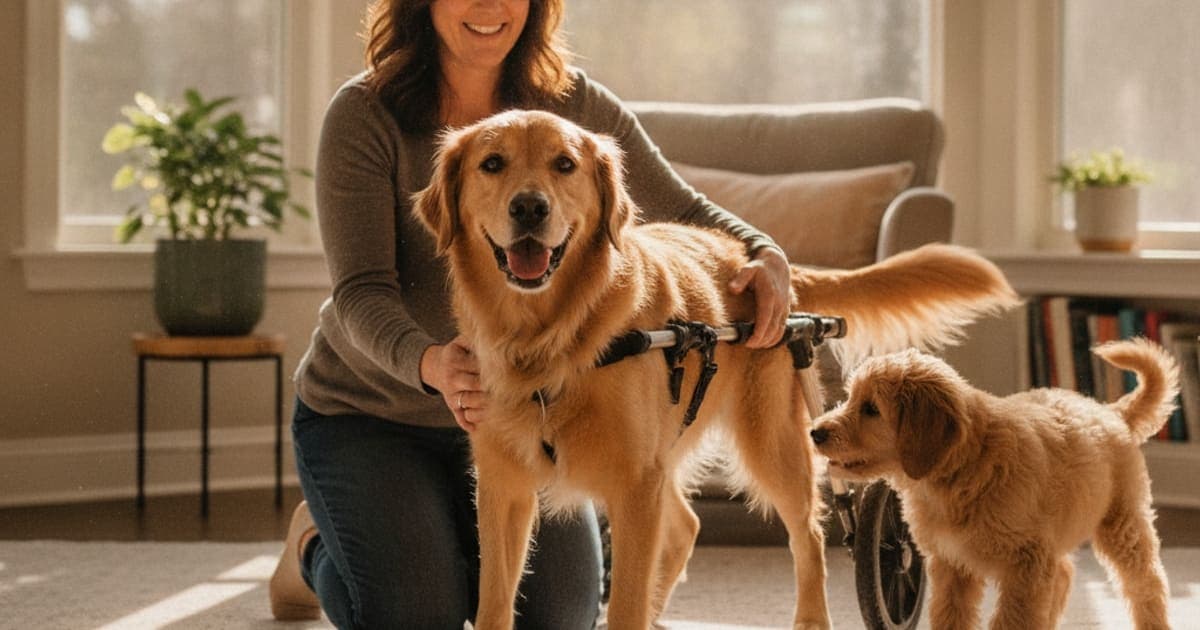 Dog Degenerative Myelopathy Recovery Time: What to ExpectDegenerative myelopathy is progressive and does not heal, so there is no recovery window — veterinary literature generally describes roughly six to twelve months from the first dragging paw to loss of hind-limb walking, though individual dogs vary widely. Rehab and consistent daily management shape how long mobility lasts.Read the guide →
 Dog Wobbler Syndrome Recovery Time: Realistic ExpectationsWobbler syndrome recovery time depends on the treatment path. Dogs on medical management often show gait changes within weeks of strict rest and prescribed anti-inflammatories. After surgical decompression, most dogs make their largest neurological gains in the first one to two months and keep improving for three to six months or longer.Read the guide →
 Dog Hip Weakness Recovery Time: Realistic ExpectationsMost dogs with hip weakness show meaningful change within two to six weeks when the cause is a soft-tissue strain or early arthritic change, while recovery after hip surgery is commonly staged across three to six months of rehab. The underlying diagnosis, your dog's age and body weight set the clock.Read the guide →
 Wound Healing in Dogs: Signs, Causes and What HelpsWound healing in dogs is the body's staged repair process — bleeding stops, inflammation clears debris, new tissue fills the gap, and the scar remodels over weeks to months. How fast it moves depends on the wound type, the dog's age, nutrition, blood supply and whether infection or licking interrupts it.Read the guide →
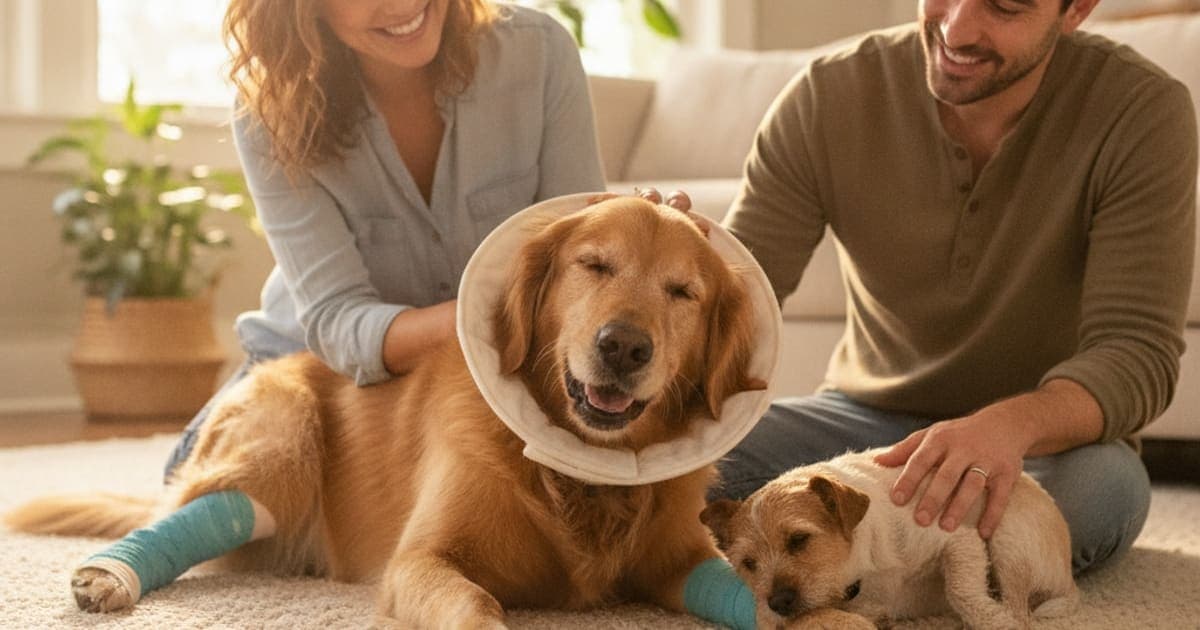 Why Is My Dog Walking With a Limp After Surgery? (Explained)A limp after surgery is usually part of normal recovery: swelling, incision discomfort, muscle atrophy from disuse and a gait your dog rebuilt while protecting the leg. It should trend better week over week. A limp that suddenly worsens, appears after improvement, or comes with heat or swelling needs your veterinarian's attention.Read the guide →
 Dog Elbow Dysplasia Recovery Time: What to ExpectElbow dysplasia recovery in dogs is staged, not a single date. After surgery, most protocols involve several weeks of strict activity restriction, a couple of months of controlled rebuilding, and up to six months or longer before muscle and joint function settle. Managed conservatively, it becomes lifelong care.Read the guide →
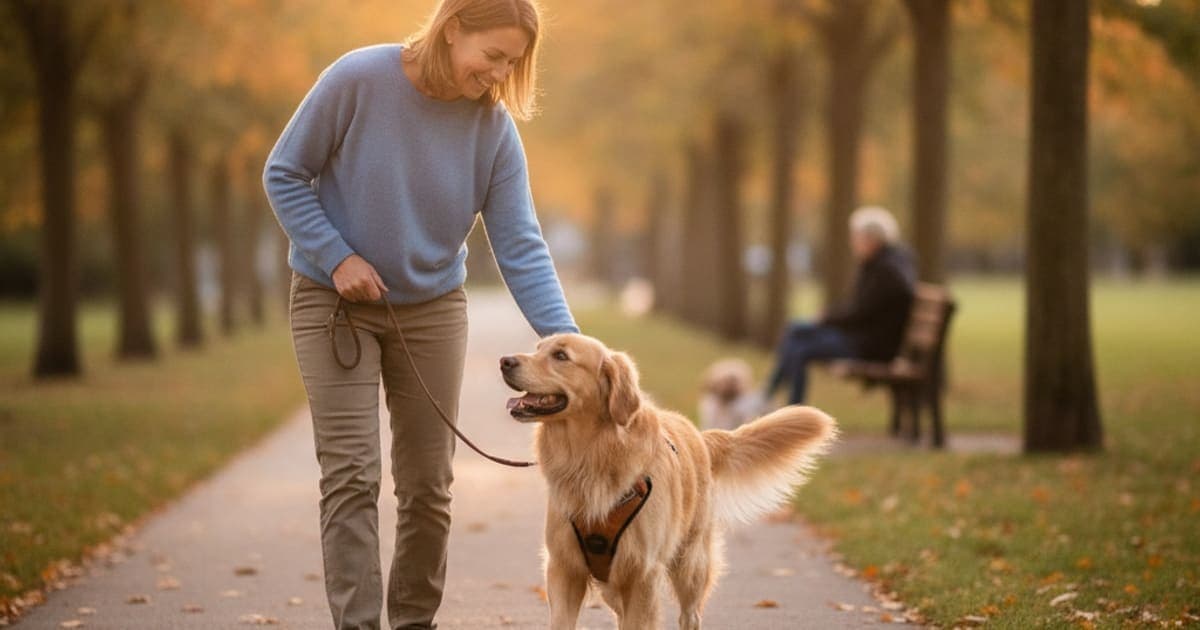 Dog FHO Surgery Recovery Time: A Realistic TimelineMost dogs begin touching the operated leg down within days to a couple of weeks after FHO surgery, reach functional walking comfort over roughly two to three months, and continue rebuilding hip muscle for up to six months. Body condition, age and rehab consistency shift that timeline considerably.Read the guide →
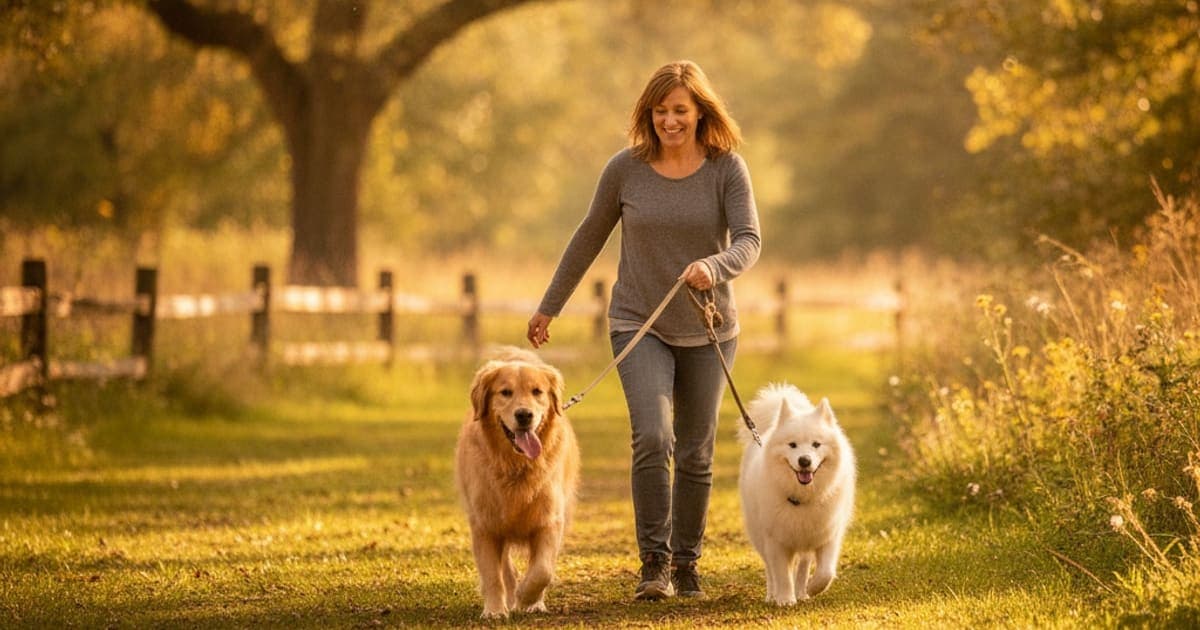 Dog Amputation Recovery Time: A Realistic TimelineMost dogs are through the acute surgical phase within roughly two weeks, moving comfortably on three legs within four to eight weeks, and fully adapted somewhere in the three-to-six-month range. Age, size, which limb was removed and the underlying diagnosis all shift that timeline. Your surgical team sets the recheck schedule.Read the guide →
 Dog Shoulder Instability Recovery Time: What to ExpectMost dogs with shoulder instability need weeks to months, not days: conservative plans commonly run a period of strict restriction followed by a graded return to activity across several months, and surgical repair adds its own staged rehab. The exact timeline belongs to your veterinarian, based on imaging and severity.Read the guide →
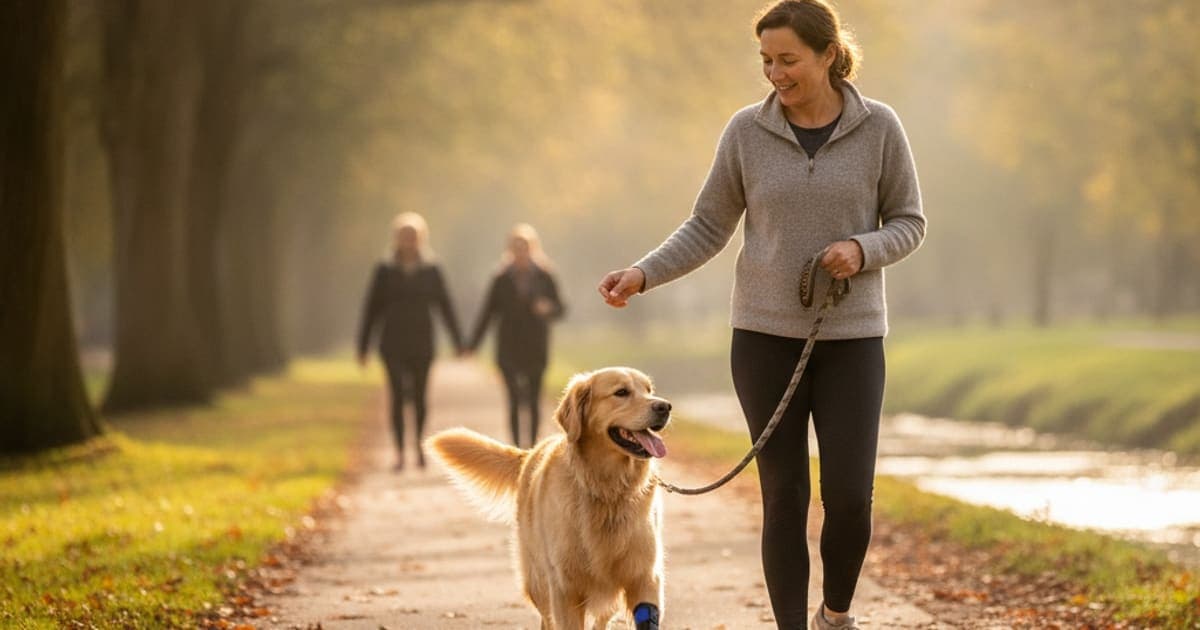 Dog Partial CCL Tear Recovery Time: What to ExpectMost dogs with a partial CCL tear need several months, not several weeks: roughly eight to twelve weeks of strictly restricted activity, then a gradual return to normal function over about four to six months. Body weight, joint stability, meniscus health and how tightly rest is enforced all shift that window.Read the guide →
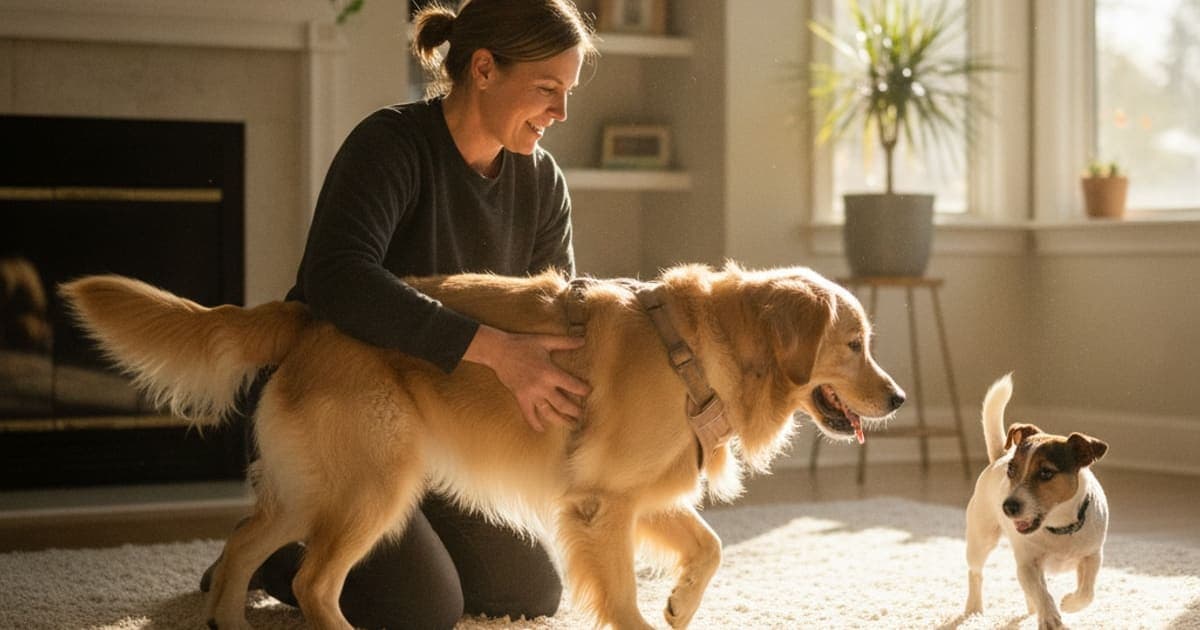 Dog IVDD Recovery Time: Realistic ExpectationsMost dogs with IVDD spend four to six weeks in strict confinement, with meaningful functional recovery often continuing for three to six months afterward. Grade of injury, whether surgery is performed, and how quickly treatment starts all shift that window. Severe cases with lost deep pain sensation carry a far more guarded outlook.Read the guide →
 Dog Toe Injury Recovery Time: Realistic ExpectationsMost dog toe injuries recover in roughly two to eight weeks: a bruised nail bed or mild sprain often settles within one to three weeks, while a digit fracture or tendon injury commonly needs six to twelve. The structure involved, your dog's size and activity, and rest compliance set the pace.Read the guide →
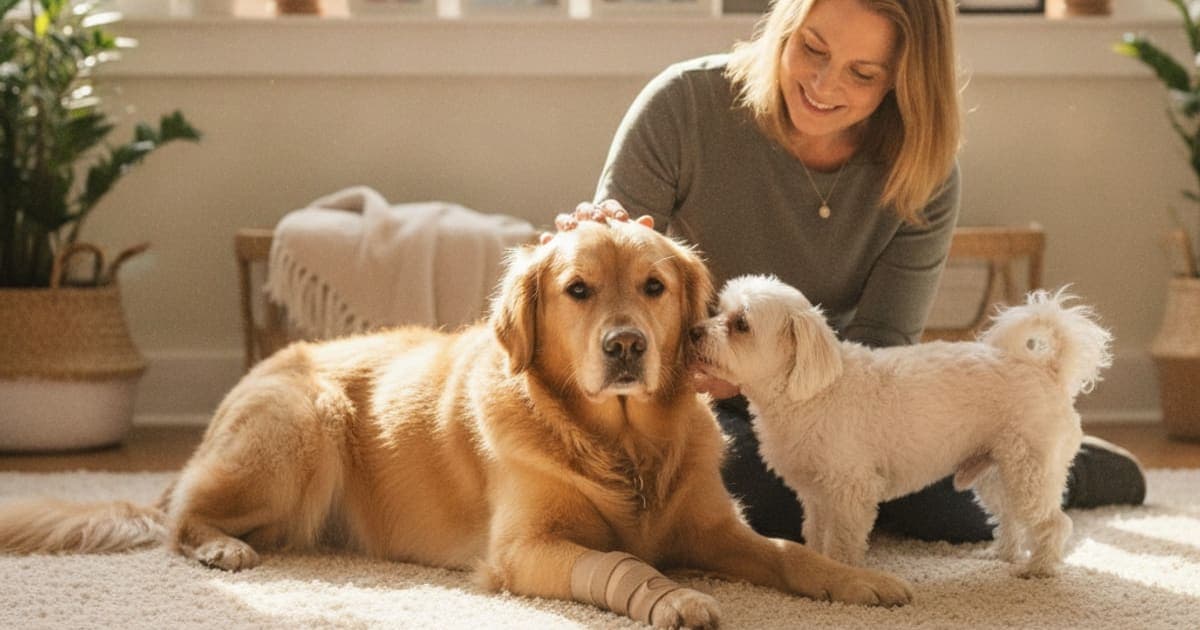 Dog Soft Tissue Injury Recovery Time: What to ExpectMost canine soft tissue injuries need weeks to months, not days: mild strains often settle within a few weeks, while significant ligament or tendon damage commonly takes several months of controlled activity. Recovery time depends on the tissue involved, the dog's age, and how strictly rest is enforced.Read the guide →
 Dog Tendon Injury Recovery Time: Realistic ExpectationsDog tendon injury recovery time commonly runs from a few weeks for a mild strain to six months or longer after a tear or surgical repair, with collagen remodelling continuing well past the point your dog looks sound. Injury site, dog size and restriction compliance drive most of the variation.Read the guide →
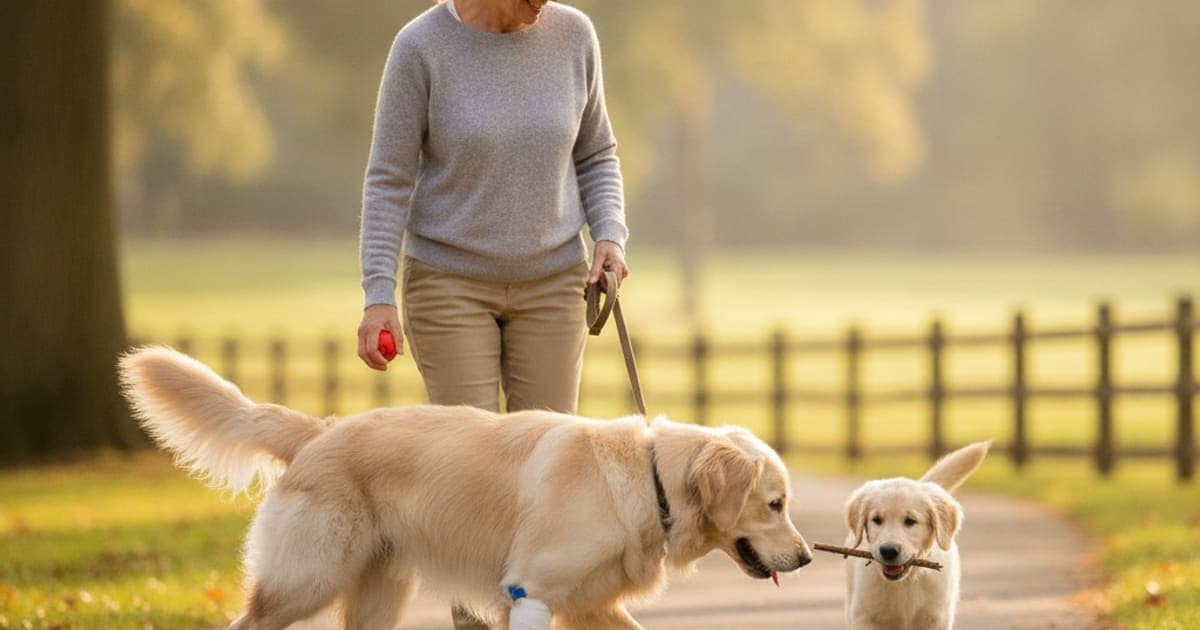 Dog Limping After Surgery — When to See a VetTake your dog to the vet if a post-surgical limp suddenly worsens, if the leg stops bearing any weight, or if you see swelling, heat, discharge, a gaping incision, or new pain. A gradually improving limp during the expected recovery window is usually normal and worth reporting at the next recheck.Read the guide →
 Dog Lick Granuloma Recovery Time: What to ExpectLick granuloma recovery in dogs is usually measured in weeks to months rather than days, because the lesion involves thickened skin, deep follicular infection and an entrenched licking habit that all have to settle. Long-standing lesions take longer, and relapse is common without treating the underlying cause.Read the guide →
 Dog Spinal Injury Recovery Time: Realistic ExpectationsDog spinal injury recovery usually runs from a few weeks to several months. Mild disc flare-ups often improve during the first weeks of strict confinement, while dogs with significant nerve damage may need three to six months or longer of rehabilitation before their final level of function becomes clear.Read the guide →
 Dog Tendonitis Recovery Time: Realistic ExpectationsMost dogs with tendonitis recover over weeks to months rather than days, depending on which tendon is involved and how long it has been irritated. Mild, freshly inflamed tendons often quiet down in a few weeks, while chronic or heavily loaded tendons commonly need several months of controlled activity.Read the guide →
 Dog Disc Herniation Recovery Time: What to ExpectMost dogs recover from disc herniation over weeks to months rather than days. Conservative management usually centres on several weeks of strict confinement plus a graded return to activity, while surgical cases follow a similar rehabilitation window. Neurological grade at diagnosis — especially intact deep pain sensation — drives the timeline more than anything else.Read the guide →
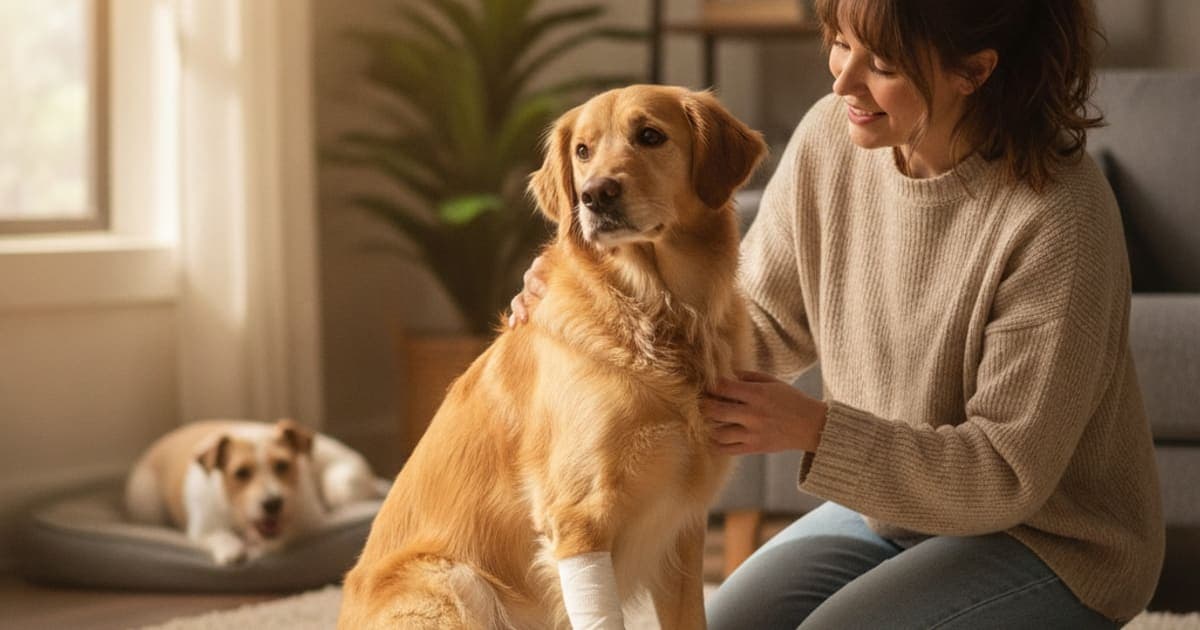 When Should a Limping Dog See the Vet After Surgery?Call your veterinary team the same day if your dog stops bearing weight, if the limp suddenly worsens instead of easing, or if the incision is swollen, hot, open or discharging. A mild limp that improves week over week is usually part of normal post-surgical recovery.Read the guide →
 Dog Food Sensitivity Recovery Time: What to ExpectGastrointestinal signs often begin easing within the first one to two weeks of a strict elimination diet, while skin, coat and ear signs generally need eight to twelve weeks. Recovery time depends on how long the sensitivity ran unchecked and whether secondary infections are still active.Read the guide →