How long healing actually takes, what each week looks like, and which setbacks are normal versus worth a call to the vet.
 How Long Does Cruciate Surgery Recovery Take in Dogs?Most dogs follow a staged cruciate surgery recovery lasting several months, not weeks: strict confinement and controlled leash walks first, then gradual loading, then a return to normal activity your surgeon signs off on. Bone healing after TPLO or TTA is confirmed by follow-up radiographs, not by calendar dates.Read the guide →
 What Helps a Dog With Stress Fracture? (Recovery Basics)A dog with a stress fracture is helped most by strict activity restriction, veterinary-directed pain control, and a controlled return to load as the bone remodels. Imaging guides the plan, body-weight management reduces strain, and many owners add recovery support alongside — never instead of — what their veterinarian prescribes.Read the guide →
 How Long Does Wound Healing Take in Dogs? (Timeline)Most surgically closed wounds in dogs look sealed within roughly two weeks, but the tissue underneath keeps gaining strength for weeks to months. Healing moves through inflammation, debridement, repair and maturation, and the timeline shifts with wound type, location, contamination, age and any medication or illness slowing repair.Read the guide →
 How Long Does a Dog Toe Injury Take to Recover? (Timeline)It depends on which tissue is damaged. Split nails, cut pads and bruised soft tissue are usually described in weeks of protected rest, while fractured toe bones, dislocated joints and torn ligaments take considerably longer. The endpoint is your veterinarian's recheck exam and repeat imaging, not a date on the calendar.Read the guide →
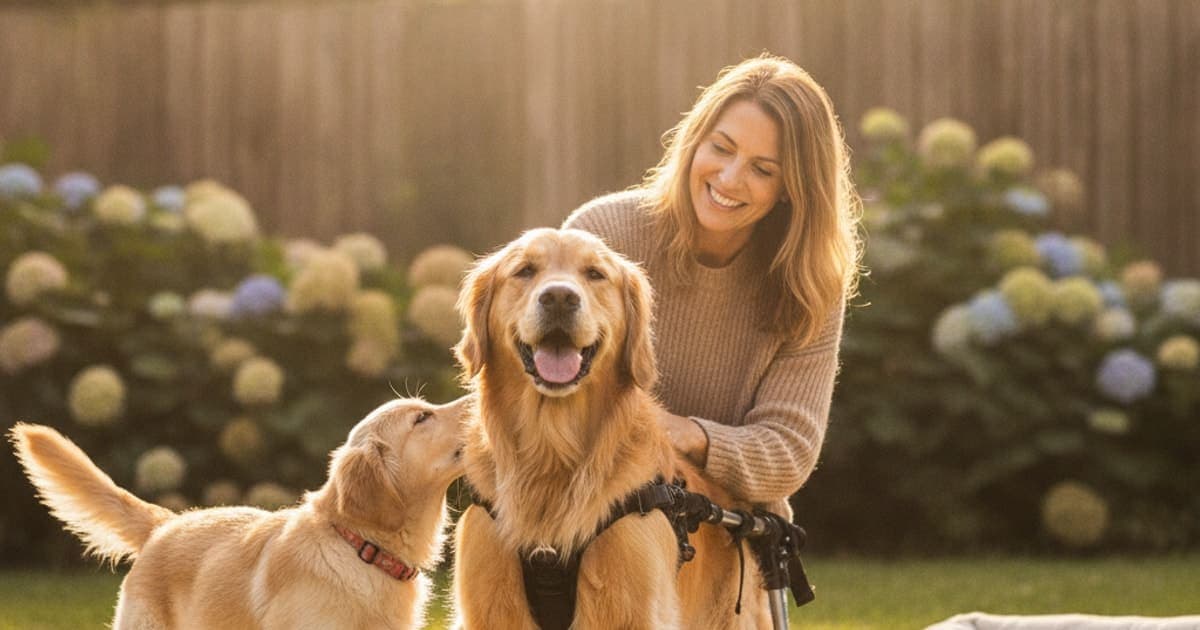 Degenerative Myelopathy in Dogs: How Long Does It Last?Degenerative myelopathy does not heal. It is a progressive, irreversible disease of the spinal cord's white matter, so there is no recovery timeline — only a decline that varies from dog to dog. Physiotherapy, mobility aids and attentive veterinary care can meaningfully change how that decline unfolds.Read the guide →
 How Long Does Hip Weakness Last in Dogs? (Timelines)Hip weakness in dogs recovers on a timeline set by its cause. A soft-tissue strain often improves over weeks with rest and controlled rehabilitation, while hip dysplasia and hip arthritis are degenerative and managed long term rather than healed. Post-surgical hip recovery is measured in months of restricted activity.Read the guide →
 How Long Does K9-REPAIR Take to Work in Dogs? (Timeline)There is no fixed number of days. K9-REPAIR is a BPC-157 and TB-500 peptide formulation for dogs, and the timeline owners observe follows the tissue involved — well-supplied soft tissue changes over weeks, while tendon, ligament and joint structures remodel across months. Activity control and veterinary guidance shape it more than anything else.Read the guide →
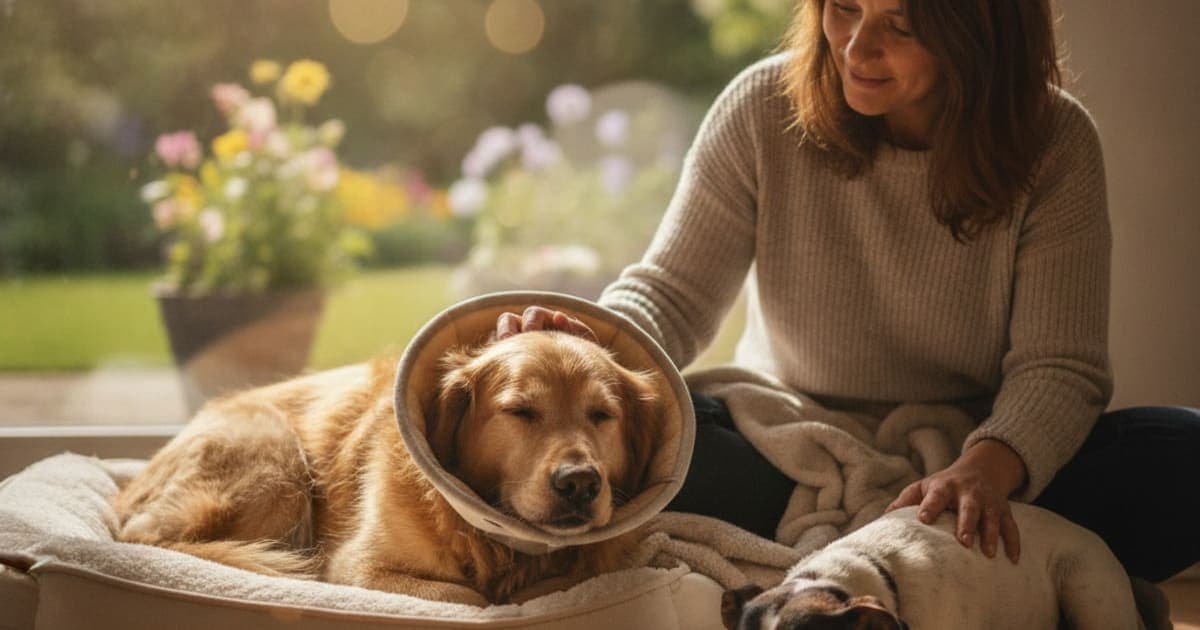 How Long Does Post-Surgical Recovery Take in Dogs?Most dogs move through post-surgical recovery in overlapping phases: inflammation in the first days, tissue repair over several weeks, and remodelling that can continue for months. Soft-tissue incisions close faster than bone or ligament repairs, and your surgeon's recheck schedule — not the calendar — defines when your dog graduates each stage.Read the guide →
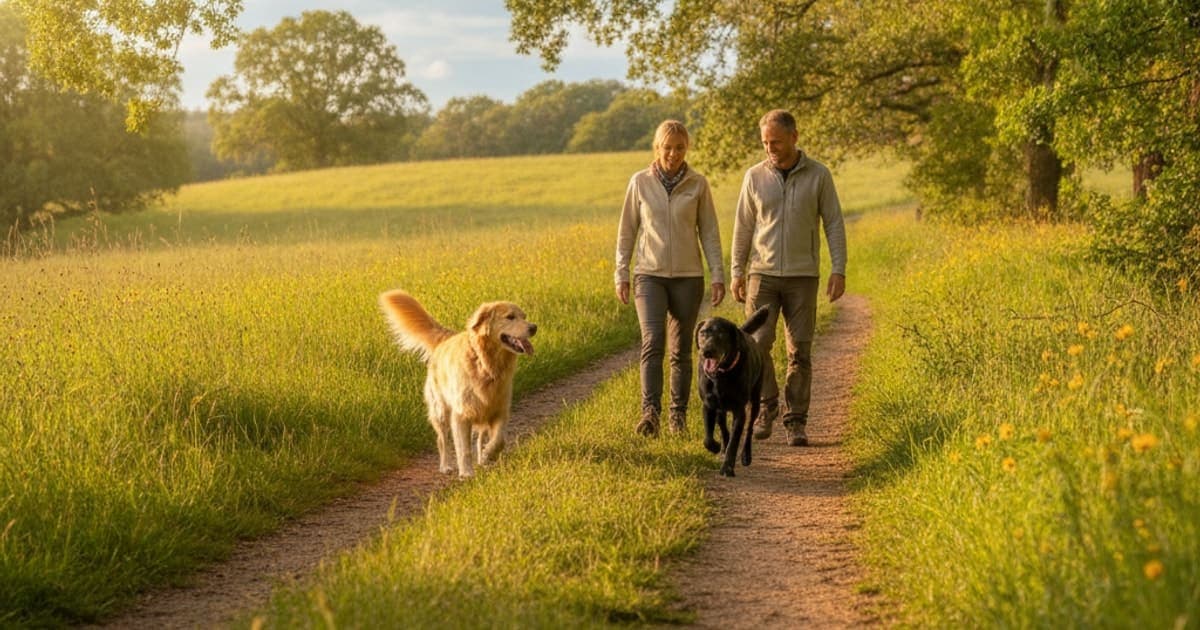 How Long Does Joint Effusion Take to Resolve in Dogs?Joint effusion in dogs follows the timeline of whatever caused it. Fluid from a mild sprain often settles within days to a couple of weeks of strict rest, while effusion linked to cruciate injury, dysplasia, infection or immune disease can persist for weeks to months and needs veterinary diagnosis first.Read the guide →
 How Long Does Dog Disc Herniation Recovery Take?Most dogs with disc herniation recover over weeks to months rather than days: the acutely inflamed disc settles first, while spinal cord tissue and nerve function rebuild far more slowly. Grade of neurological deficit, whether surgery is performed, and rehab consistency drive the timeline more than anything else.Read the guide →
 How Long Does Dog Vestibular Disease Recovery Take?Most dogs with idiopathic vestibular disease start improving within about 72 hours, with the worst signs easing over one to three weeks; a mild head tilt can linger for months. Central or ear-related causes follow their own timeline, so a veterinary exam determines what you're actually dealing with.Read the guide →
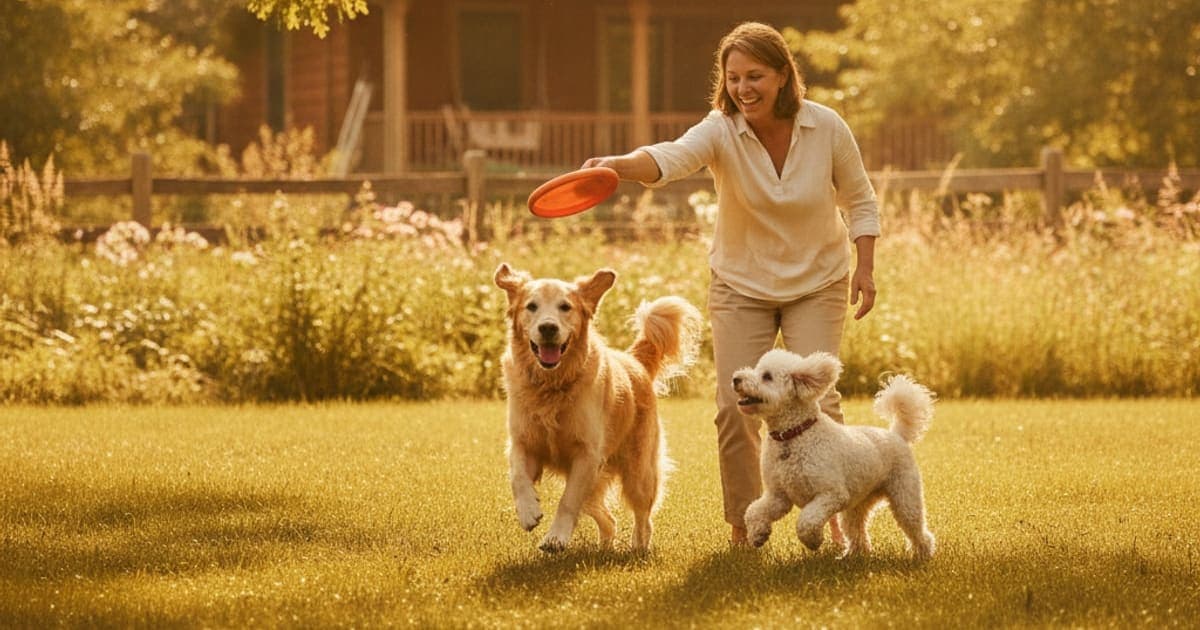 How Long Does Sarcopenia Take to Recover in Dogs?Sarcopenia is not an injury that heals on a fixed timeline — it is age-related muscle loss, and rebuilding takes months of consistent resistance loading, adequate protein and veterinary oversight rather than weeks. Owners typically watch for gradual gains in gait, stamina and topline over a full training season, not a fixed recovery date.Read the guide →
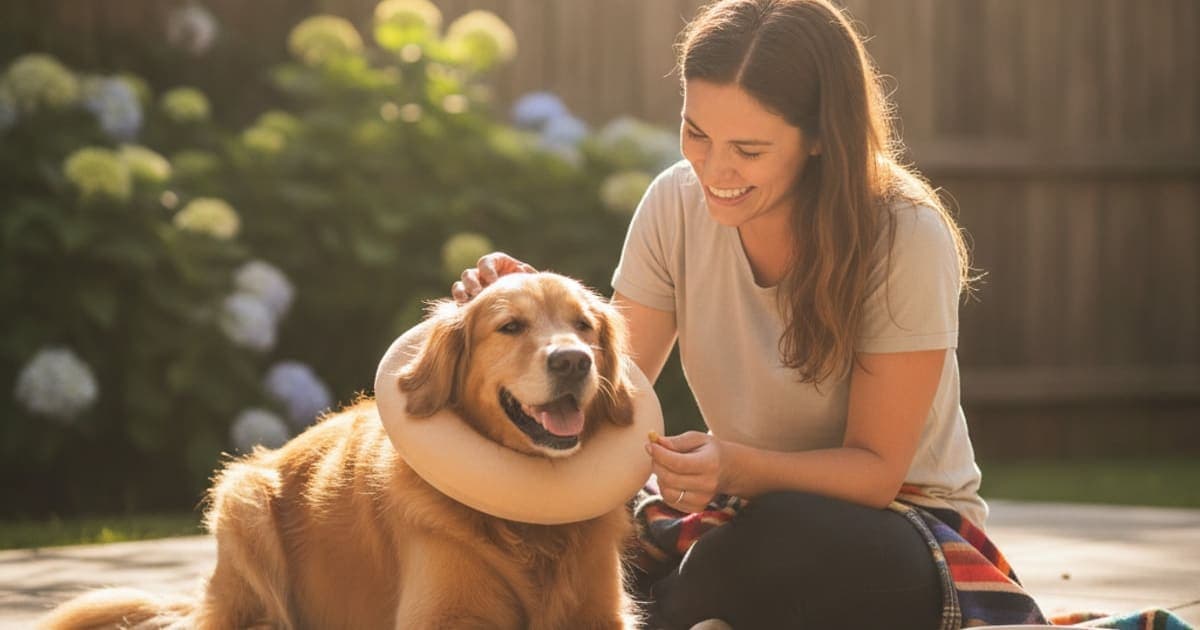 Lick Granuloma in Dogs — How Long Recovery TakesMost lick granulomas in dogs take weeks to months to close, not days, because the lesion is thickened scar tissue kept open by repeated licking. The timeline depends on how long it has been present, whether deep infection is involved, and how completely the underlying cause is addressed.Read the guide →
 How Long Does a Dog Muscle Tear Take to Recover?Most muscle tears in dogs heal over weeks to months. A mild strain often settles within a few weeks of restricted activity, while partial and complete tears usually need months of staged rehabilitation. Grade, location, age and how strictly rest is enforced set the real timeline your veterinarian confirms.Read the guide →
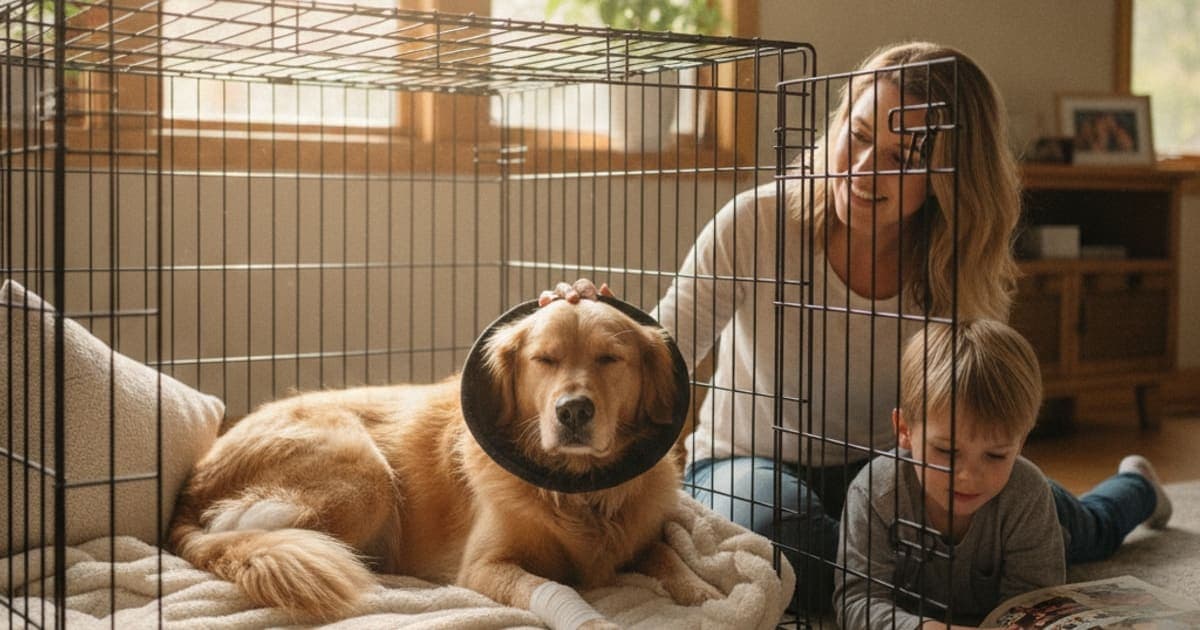 How Long Does Crate Rest Take in Dogs? (Recovery Timeline)Crate rest lasts as long as the tissue underneath needs, not a set number of weeks: soft-tissue strains are usually shorter, while post-surgical orthopaedic cases run considerably longer and step down in stages. Your veterinarian sets the length and clears each stage at recheck exams.Read the guide →
 How Long Does Reduced Stamina Last in Dogs? (Timeline)Reduced stamina in dogs resolves on the timeline of its underlying cause, not on a fixed schedule. Deconditioning and minor strains often improve over weeks of structured rebuilding, while arthritis, cardiac, respiratory and endocrine causes are managed long-term. A veterinary workup is what converts an open-ended question into a real recovery timeline.Read the guide →
 How Long Does Hind End Weakness Last in Dogs? (Timelines)Recovery time depends entirely on the cause. A mild soft-tissue strain may improve within days to a couple of weeks with rest, while degenerative myelopathy progresses rather than resolves. Ligament, disc and nerve injuries generally need months of structured rehab. Your veterinarian's diagnosis sets the realistic timeline.Read the guide →
 How Long Does TPLO Surgery Recovery Take in Dogs? (Timeline)Most dogs need roughly eight weeks of strictly restricted activity after TPLO surgery, ending with follow-up X-rays that confirm the bone cut has healed. Graduated rebuilding then continues for several more months, with full return to normal function commonly landing around four to six months. Your surgeon's protocol sets the real schedule.Read the guide →
 How Long Does Senior Dog Stiffness Take to Improve?Senior dog stiffness usually does not resolve the way an injury heals; it is managed, and most owners see meaningful change over weeks to months rather than days. The timeline depends on the underlying cause, body condition, activity structure and how consistently a veterinary plan is followed.Read the guide →
 How Long Does Panosteitis Last in Dogs? (Timeline)Panosteitis in dogs is self-limiting: individual lameness episodes typically last about two to three weeks, and flare-ups can recur across several months before the condition resolves as the skeleton matures, usually by around 18 to 24 months of age. Recovery care focuses on comfort, controlled activity and veterinary monitoring.Read the guide →
 How Long Does Spay Recovery Take in Dogs? (Timeline)Most dogs need roughly 10 to 14 days of restricted activity after a spay, the window described in standard veterinary discharge instructions. The skin incision usually looks closed by then, but the deeper abdominal layers keep rebuilding tensile strength for several weeks after the outside looks fine.Read the guide →
 How Long Does Chronic Diarrhea Last in Dogs? (Timeline)Chronic diarrhea in dogs — loosely defined as diarrhea lasting longer than about three weeks — resolves on a timeline set by its underlying cause rather than a fixed number of days. Some dogs improve quickly once a trigger is removed; others need months of structured diagnostics and diet work.Read the guide →
 How Long Does the Wolverine Stack Take to Work in Dogs?There is no fixed number of days. The Wolverine Stack — BPC-157 with TB-500 — is given alongside the body's own healing phases, so owners generally watch for change across weeks and months rather than overnight. Soft-tissue remodeling is slow by nature, and your veterinarian's rechecks are the real measuring stick.Read the guide →
 Dog Crate Rest Recovery Time — Realistic TimelineCrate rest for a dog commonly runs from about two weeks for a mild soft-tissue strain to eight to twelve weeks after orthopedic surgery or a disc injury. Your veterinarian sets the exact window based on the tissue involved, and it is usually stepped down in phases rather than ended abruptly.Read the guide →