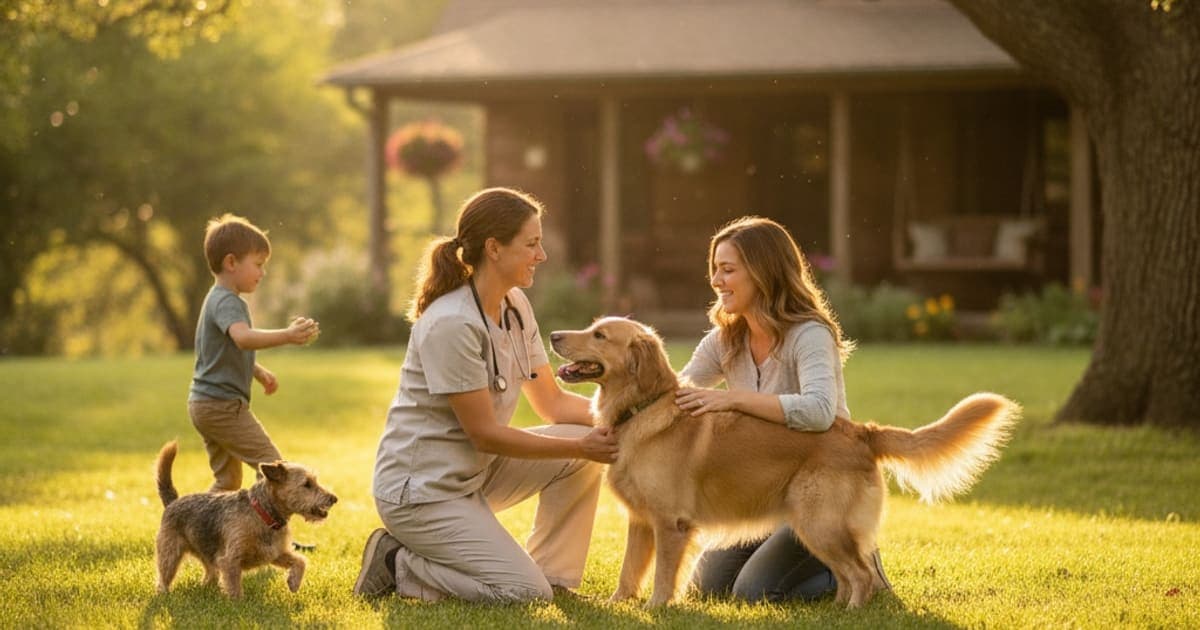
 How Is Reduced Stamina Diagnosed in Dogs? (Vet Workup)Reduced stamina in dogs is diagnosed by ruling causes out in order: a detailed exercise history, a full physical exam, bloodwork and thyroid testing, then heart and lung evaluation and an orthopedic gait assessment. There is no single stamina test — the diagnosis comes from the pattern those findings form.Read the guide →
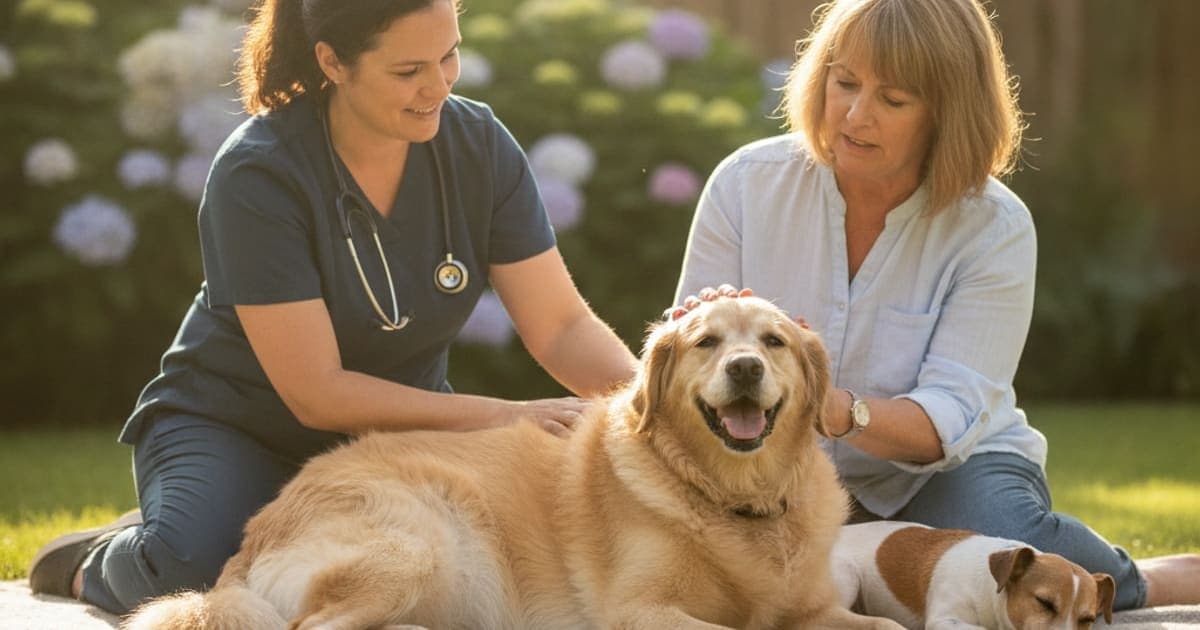 How Is Obesity Joint Strain Diagnosed in Dogs? (Exam Steps)Obesity joint strain in dogs is diagnosed clinically, not with a single test. A veterinarian assigns a body condition score on the nine-point scale, scores muscle condition, watches the dog move, palpates each joint, then uses radiographs and bloodwork to rule out other orthopedic and metabolic causes.Read the guide →
 Can Neuter Recovery in Dogs Be Reversed? (Explained)No — neutering is permanent, and the surgery itself cannot be undone once the testicles are removed. What usually can be reversed is a recovery that has gone wrong: swelling, seromas, licking damage, infection and incision breakdown are setbacks, not endpoints, and most are correctable when a veterinarian examines them early.Read the guide →
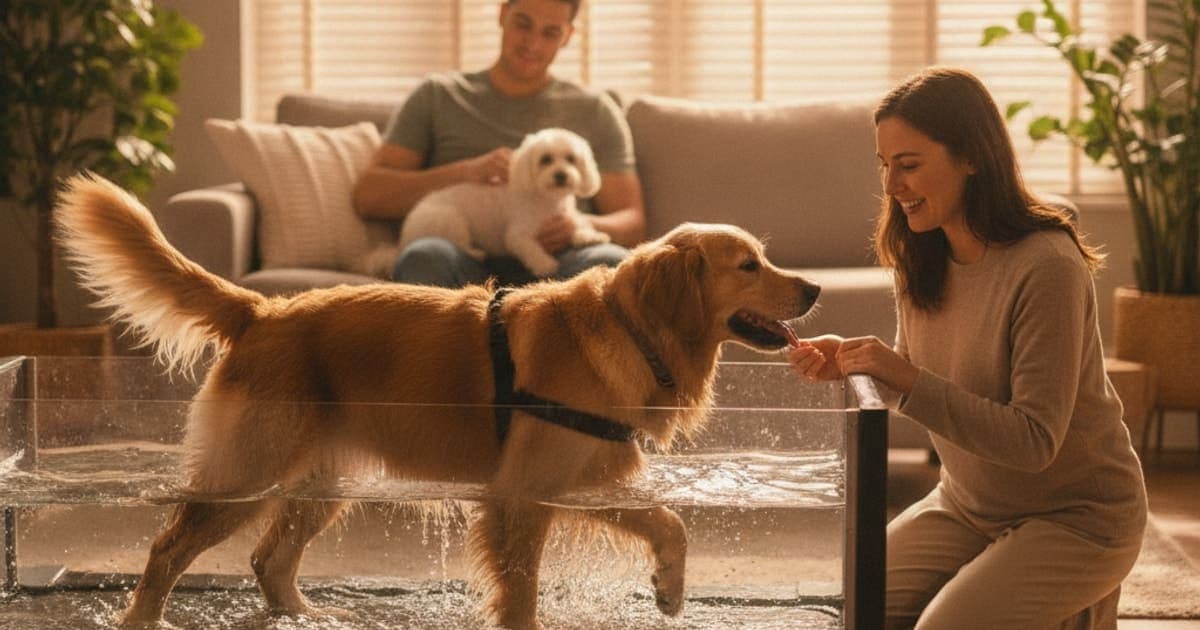 Can Spinal Injury in Dogs Be Reversed? (Recovery Explained)Some canine spinal injuries recover completely and others leave permanent deficits. The difference depends on whether the spinal cord was compressed and inflamed or structurally damaged, how quickly the dog was assessed, and whether deep pain perception is intact. Your veterinarian's neurologic exam is what separates those two pictures.Read the guide →
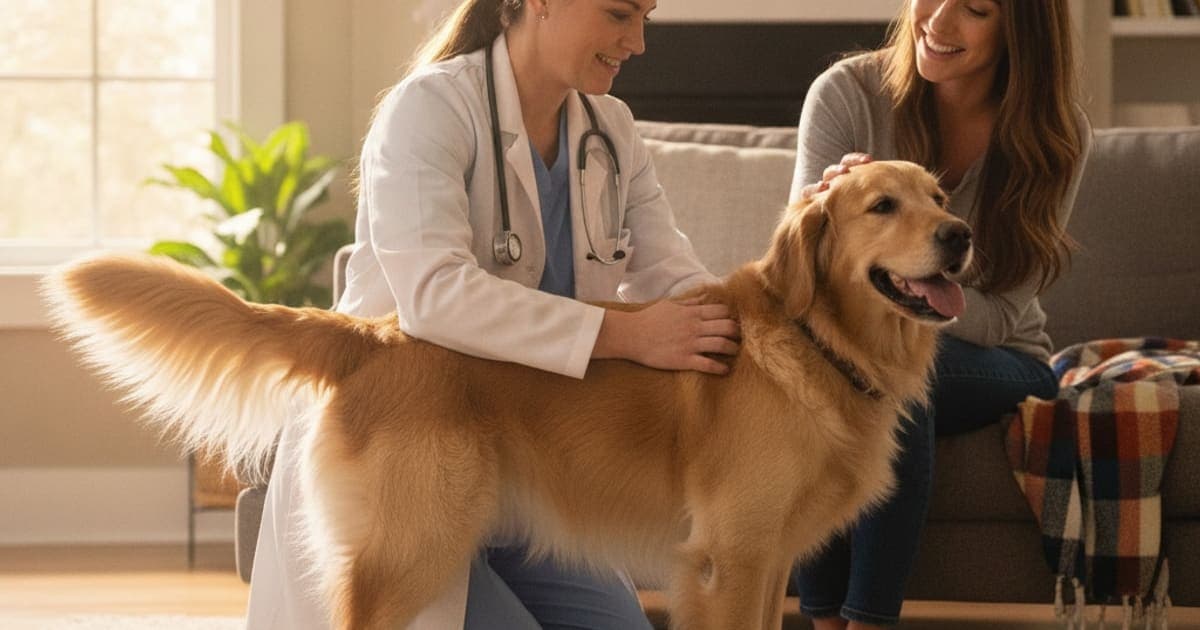 How Is Gastritis Diagnosed in Dogs? (Vet Workup Explained)Gastritis in dogs is diagnosed by exclusion: your vet takes a detailed history, examines the abdomen, and runs bloodwork, fecal tests and imaging to rule out obstruction, pancreatitis, organ disease and parasites. Endoscopy with gastric biopsy confirms chronic cases. No single blood test names gastritis on its own.Read the guide →
 How Is Fibrocartilaginous Embolism Diagnosed in Dogs?Fibrocartilaginous embolism in dogs is diagnosed presumptively, by pattern and exclusion rather than one test. A veterinarian combines a sudden, non-progressive, often one-sided weakness that is not painful on spinal palpation with a neurological exam and MRI showing a focal lesion inside the spinal cord, ruling out compression and trauma.Read the guide →
 How Is a CCL Tear Diagnosed in Dogs? (Exam to Imaging)A CCL tear is diagnosed with a hands-on orthopedic exam: your veterinarian palpates the stifle for swelling, then checks for cranial drawer motion and tibial thrust. Sedation is often needed to relax the leg, and X-rays confirm joint effusion and arthritis while ruling out other causes of hind-leg lameness.Read the guide →
 How Is Osteochondritis Dissecans Diagnosed in Dogs?Osteochondritis dissecans is diagnosed by combining signalment and history with a hands-on orthopedic exam, then confirming the cartilage lesion on radiographs, usually sedated, with both limbs imaged. When X-rays are inconclusive, veterinarians turn to CT, MRI or arthroscopy, which visualises the joint surface directly and is often the most definitive step.Read the guide →
 Can Gastritis in Dogs Be Reversed? (Recovery Explained)In most cases, yes. Acute gastritis in dogs is usually reversible because the stomach lining regenerates quickly once the trigger is removed and inflammation settles. Chronic gastritis is different — it can often be controlled, but true reversal depends on finding and correcting the underlying cause with your veterinarian's help.Read the guide →
 Can IVDD in Dogs Be Reversed? (What Recovery Means)IVDD cannot be reversed in the literal sense — a herniated or degenerated disc does not return to normal. Function can improve, though: with prompt veterinary care, surgery or strictly managed rest, and structured rehabilitation, many dogs regain the ability to walk comfortably. Grade of injury drives the outlook.Read the guide →
 How Is Nerve Damage Diagnosed in Dogs? (Vet Workup Steps)Veterinarians diagnose nerve damage in dogs with a hands-on neurologic examination that tests gait, posture, reflexes and pain response to localize the injury within the nervous system. Imaging such as MRI or CT, electrodiagnostic testing, spinal fluid analysis and bloodwork then confirm the cause and guide treatment.Read the guide →
 Can Disc Herniation in Dogs Be Reversed? (What to Expect)No — a herniated disc cannot be put back the way it was, because the disc material has already degenerated and displaced. What can change is the pressure and inflammation on the spinal cord, and many dogs regain function through veterinary treatment, confinement and rehabilitation.Read the guide →
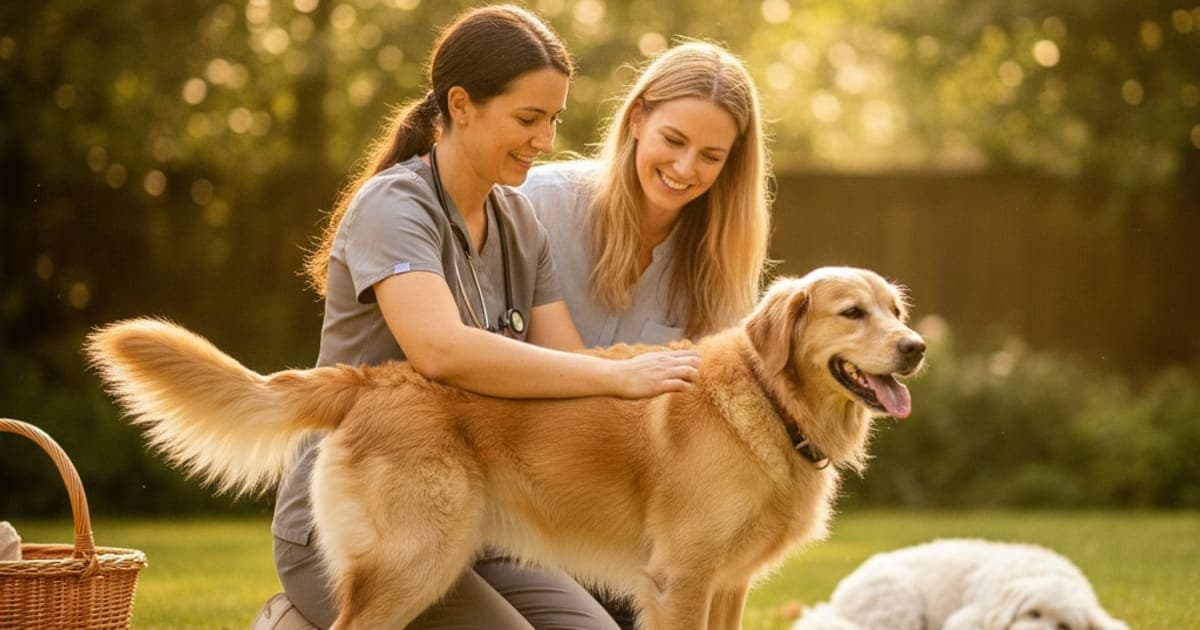 How Is Hind End Weakness Diagnosed in Dogs? (Vet Workup)Hind end weakness in dogs is diagnosed by combining a neurologic exam, an orthopedic exam and gait observation to localize the problem, then confirming it with imaging such as radiographs, CT or MRI plus bloodwork. The hands-on exam decides which tests are worth running, not the other way around.Read the guide →
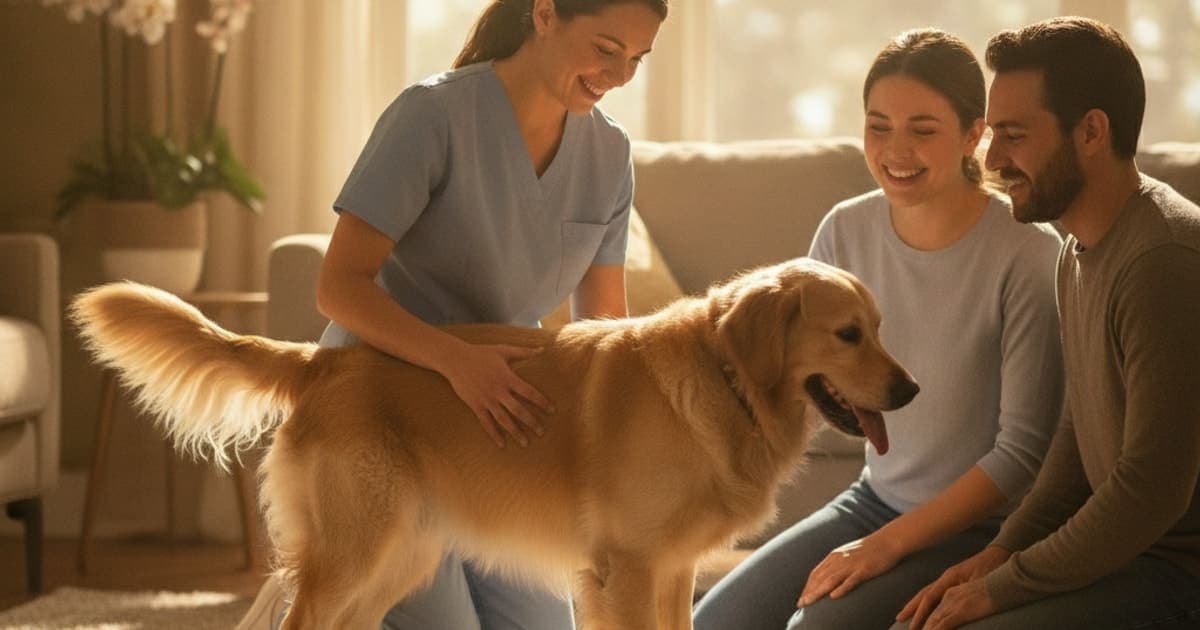 How Is Vestibular Disease Diagnosed in Dogs? (Exam Steps)Vestibular disease in dogs is diagnosed clinically: a hands-on neurological exam localises the problem to the inner ear and its nerve, or to the brainstem and cerebellum. Ear examination, bloodwork and blood pressure follow, and advanced imaging with cerebrospinal fluid analysis is used when findings point centrally.Read the guide →
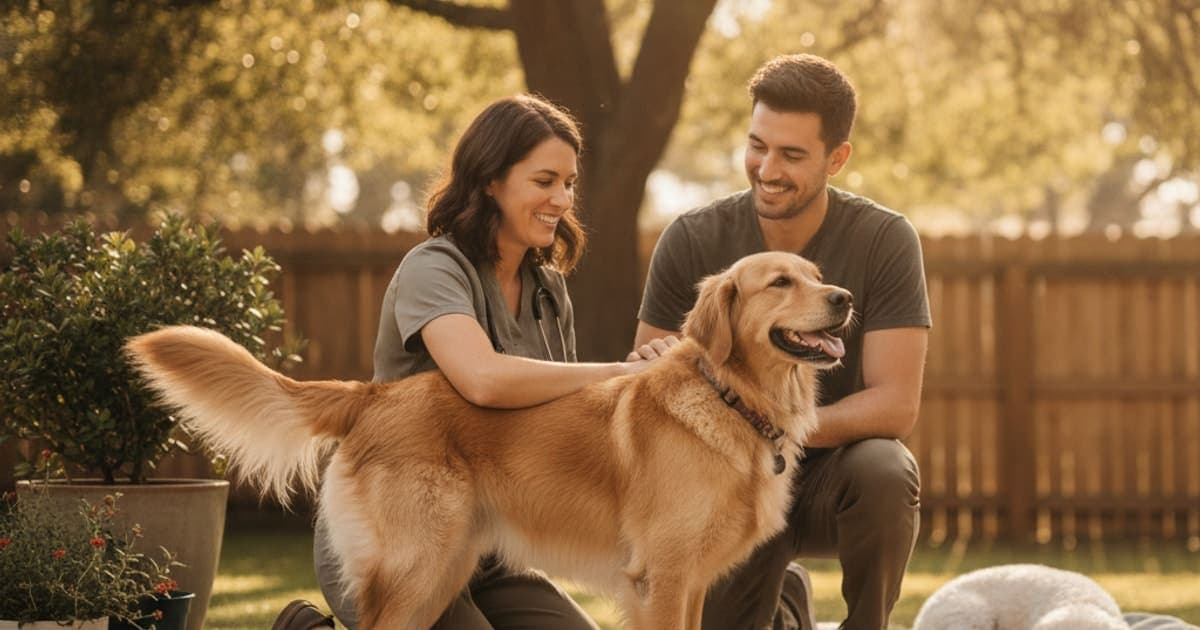 How Is Partial CCL Tear Diagnosed in Dogs? (Vet Exam Steps)A partial CCL tear is diagnosed through an orthopedic exam — gait assessment, palpation for joint effusion, and the cranial drawer and tibial compression tests — often repeated under sedation, with radiographs to assess the joint and rule out other causes. Because partial tears can feel stable, direct joint visualization is sometimes needed.Read the guide →
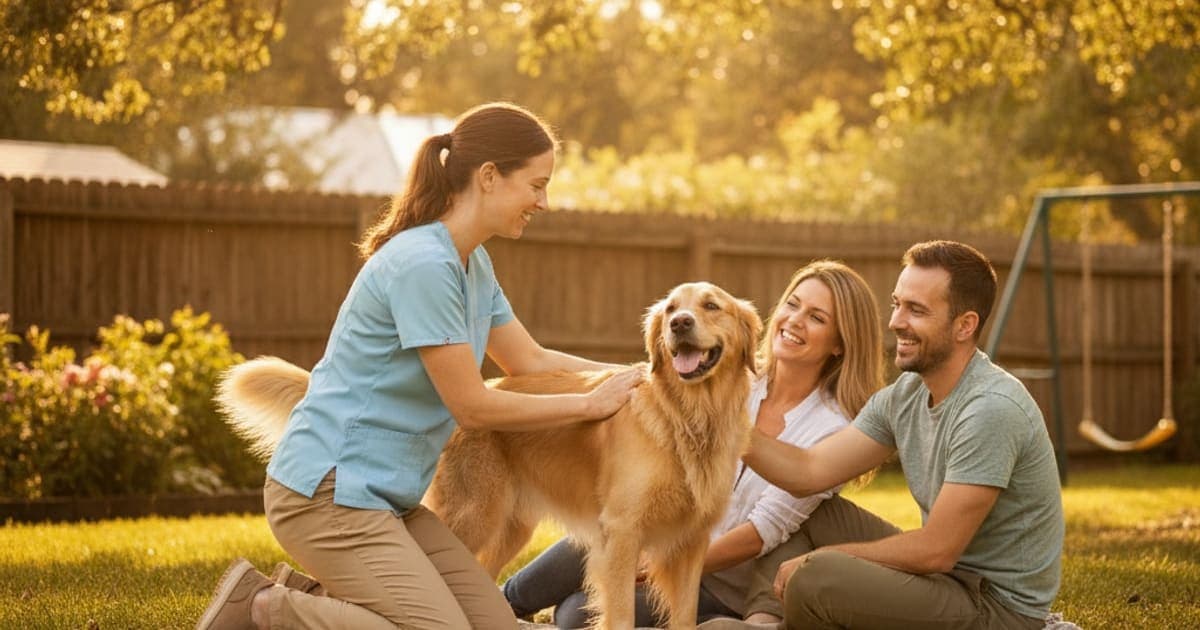 How Is Lumbosacral Stenosis Diagnosed in Dogs? (Vet Workup)Veterinarians diagnose lumbosacral stenosis in dogs by combining a neurologic and orthopedic exam with advanced imaging — usually MRI or CT under anesthesia — after radiographs and bloodwork rule out look-alike conditions. The diagnosis is only confirmed when the imaging findings line up with the dog's clinical signs.Read the guide →
 How Is Torn Ligament Diagnosed in Dogs? (Vet Exam Steps)A torn ligament in dogs is diagnosed by a veterinarian using a hands-on orthopaedic exam — watching the gait, then palpating the knee for cranial drawer motion and tibial thrust — often confirmed under sedation and supported by X-rays that rule out other causes of the limp.Read the guide →
 How Is Hip Weakness Diagnosed in Dogs? (Vet Exam Steps)Hip weakness in dogs is diagnosed by combining history, gait observation, a hands-on orthopedic and neurological exam, and radiographs usually taken under sedation. Your veterinarian palpates for joint laxity, pain and muscle loss, checks reflexes to separate joint disease from nerve disease, then confirms the picture with imaging and, when needed, bloodwork.Read the guide →
 Can Dog Shoulder Instability Recover Without Surgery?Sometimes, yes. Mild to moderate shoulder instability in dogs is frequently managed non-surgically with strict activity restriction, a hobble brace or shoulder support, targeted rehabilitation and pain control from your veterinarian. Severe instability, complete ligament rupture, or cases that fail conservative management usually require surgical stabilization to restore a functional joint.Read the guide →
 Can Inflammation in Dogs Be Reversed? (What to Know)Yes and no: acute inflammation in dogs — the kind that follows an injury, infection or surgery — can resolve completely once the cause is removed. Chronic inflammation, such as the low-grade kind driving osteoarthritis, is usually managed and reduced rather than erased, though dogs often regain real comfort and mobility.Read the guide →
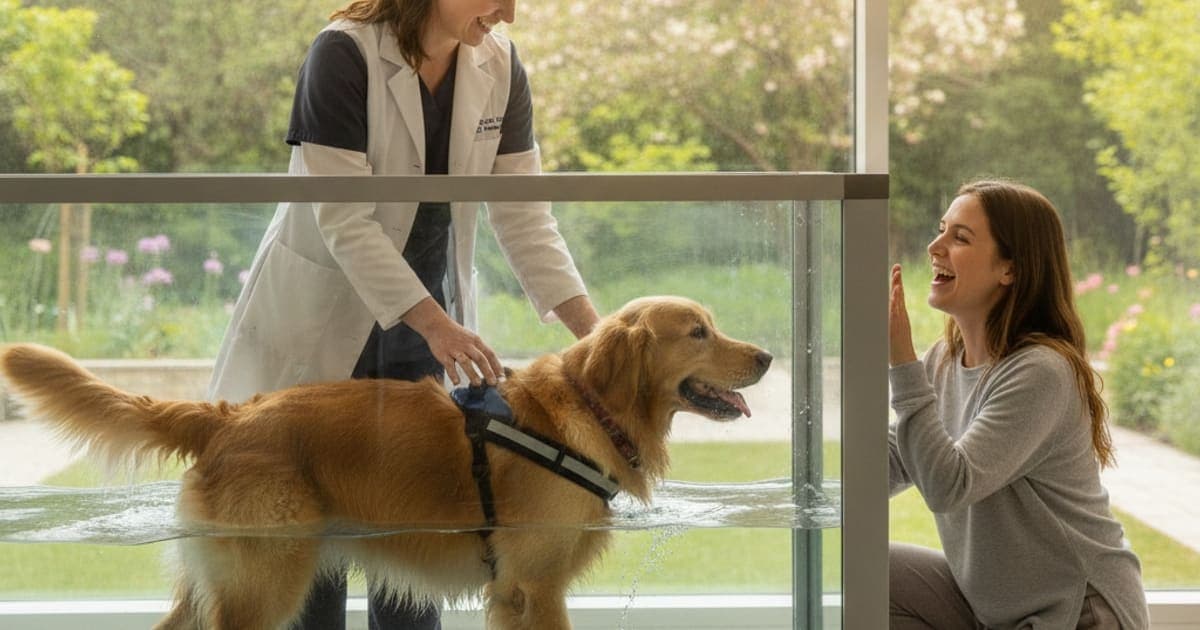 Can Nerve Damage in Dogs Be Reversed? (Recovery Explained)Sometimes. Nerve damage in dogs can be reversed when the nerve's connective sheath and cell body survive — compressed or bruised nerves often recover, while severed nerves and spinal cord injuries recover less predictably. Regrowth is slow and distance-dependent, so early veterinary diagnosis and consistent rehab shape the outcome more than anything else.Read the guide →
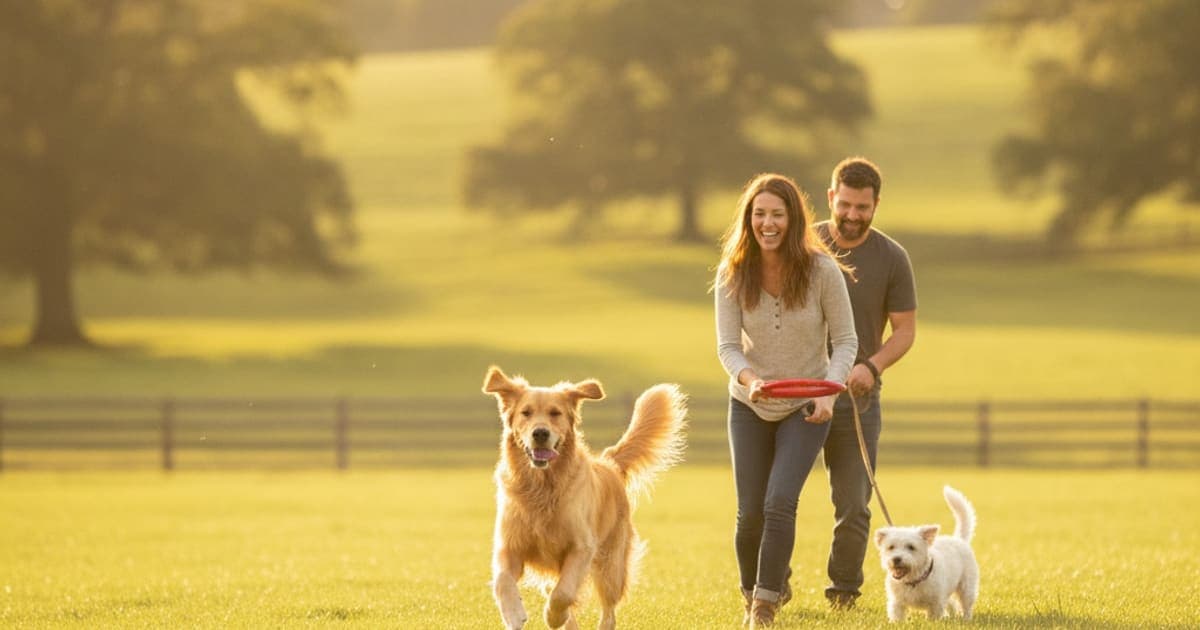 Can Sprained Leg in Dogs Be Reversed? (Recovery Explained)Yes — most canine leg sprains can resolve completely, because ligament and tendon tissue remodels when it is rested, correctly diagnosed and loaded gradually. Reversal depends on the grade of the injury and on strict activity restriction. Severe tears and misdiagnosed cruciate injuries need veterinary imaging and a formal plan.Read the guide →
 Can Pressure Sores in Dogs Be Reversed? (Healing Stages)Yes — early pressure sores in dogs, where the skin is still intact, often resolve completely once pressure is removed and the area stays clean and dry. Deeper, open sores can close too, but they need veterinary wound care, take longer, and frequently heal with scar tissue.Read the guide →
 How Is Colitis Diagnosed in Dogs? (The Vet Workup)Colitis in dogs is diagnosed by exclusion: a veterinarian takes a history, performs a physical and rectal exam, then runs fecal testing and bloodwork. If signs persist or recur, abdominal ultrasound and colonoscopy with biopsy identify the type of inflammation and its underlying cause.Read the guide →

The pawgen library · 3,804 guides
Dog mobility, joints and recovery
Plain-English guides on joint pain, injury recovery and what actually helps aging and active dogs. Written to answer the question, not to pad a word count.