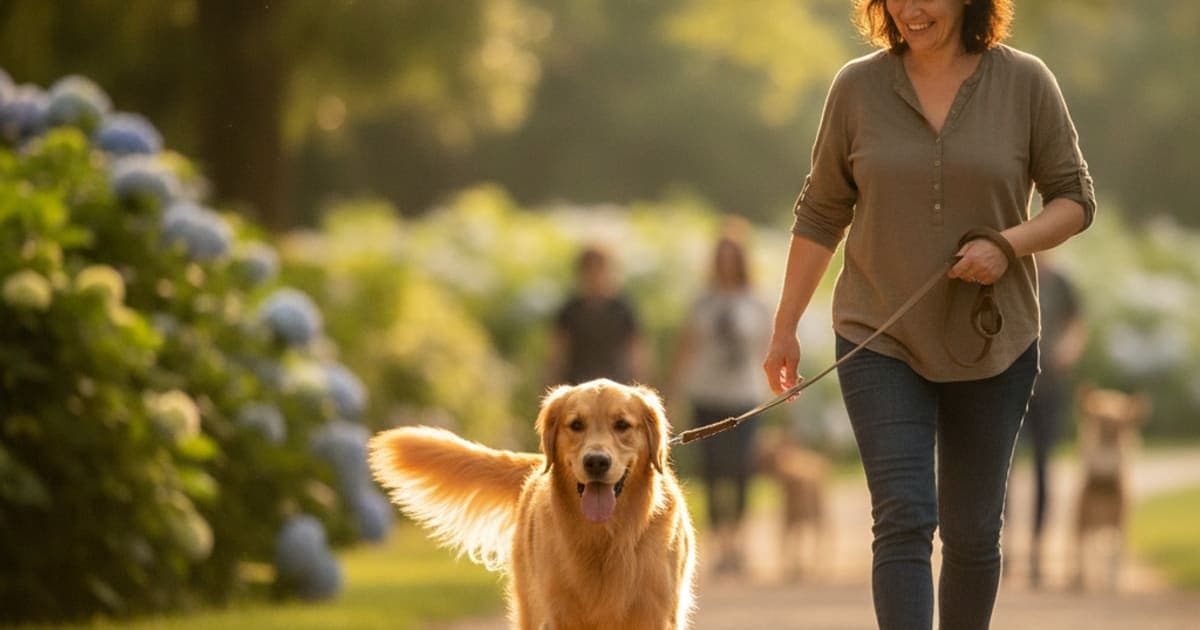
 Can Partial CCL Tear in Dogs Be Reversed? (What Vets Say)No — a partial CCL tear in dogs cannot be reversed, because torn cruciate fibres do not regenerate into normal ligament. What can change is the knee itself: stability, comfort, muscle and function, through surgery or conservative management, rehabilitation and a recovery plan your veterinarian designs for your individual dog.Read the guide →
 Can a Dog's Sprained Leg Recover Without Surgery?Yes — most true sprains in dogs are managed conservatively, without surgery. A sprain is a stretched or partially torn ligament, and with veterinary diagnosis, strict activity restriction and a graded return to load, the tissue remodels over weeks. Surgery enters the picture when imaging shows a complete tear or joint instability.Read the guide →
 How Is Shoulder Instability Diagnosed in Dogs? (Exam Steps)Shoulder instability in dogs is diagnosed by a veterinarian through a structured process: gait and lameness assessment, hands-on palpation, sedated measurement of the shoulder abduction angle, and imaging such as radiographs, ultrasound or MRI. Arthroscopy remains the reference standard, letting the surgeon see the medial glenohumeral ligament and subscapularis tendon directly.Read the guide →
 How Is Cauda Equina Syndrome Diagnosed in Dogs? (Exam & MRI)Cauda equina syndrome in dogs is diagnosed by a neurological exam — lumbosacral pain on pressure, tail-lift testing, hind-limb reflexes and tail tone — confirmed with advanced imaging, usually MRI. X-rays and CT help rule out look-alike conditions such as hip dysplasia and disc disease, but rarely settle the diagnosis alone.Read the guide →
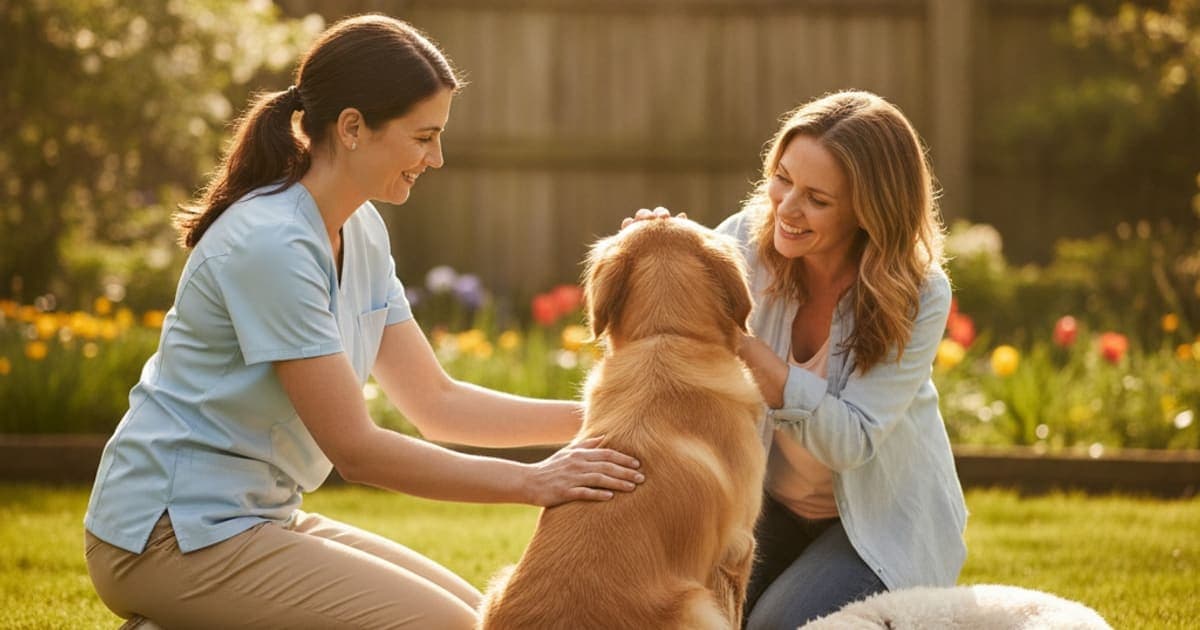 How Is Joint Effusion Diagnosed in Dogs? (Vet Workup)Joint effusion in dogs is diagnosed through a hands-on orthopaedic exam that palpates the joint for a fluid wave, followed by imaging such as radiographs or ultrasound, and — when the cause remains unclear — arthrocentesis, a sterile needle sample of joint fluid examined under a microscope and cultured.Read the guide →
 K9-REPAIR Results After 6 Months — What Owners ReportAt six months, owners typically describe durability rather than dramatic change: the dog moves the same on a cold morning as a warm one, recovers faster after activity, and holds the gains made earlier. Research on BPC-157 and TB-500 is emerging; progress depends heavily on diagnosis, loading and your veterinarian's plan.Read the guide →
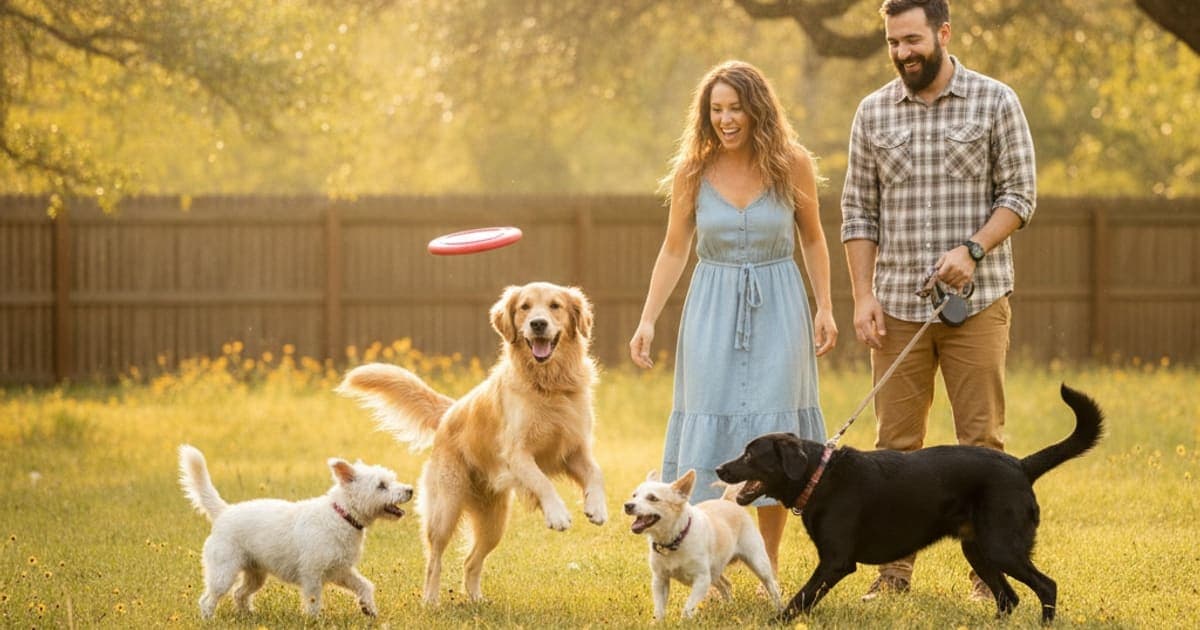 BPC-157 Results After 6 Months for Dogs: What to ExpectAt six months, owners running BPC-157 for dogs most often report consolidation rather than transformation: steadier daily gait, fewer flare-ups after activity, easier rising, and more voluntary limb use. Research is mechanistic and animal-model based, not a promise for any individual dog, so your veterinarian should read the six-month mark with you.Read the guide →
 TB-500 Results After 3 Months for Dogs — What ChangesAt three months, owners most often report changes in what a dog does rather than dramatic visible change: steadier weight-bearing, longer walks without a mid-walk stall, easier rises from the floor. TB-500 is a thymosin beta-4 fragment researched for tissue repair and mobility support; it is not an FDA-approved veterinary drug.Read the guide →
 BPC-157 Results After 1 Month for Dogs: What to ExpectAfter about one month, the changes owners most commonly report in dogs on a BPC-157 peptide stack are behavioural: easier rising, less morning stiffness, steadier weight-bearing and better stamina late in a walk. Four weeks is a checkpoint in a longer remodelling process, not the end of it.Read the guide →
 K9-REPAIR Results After 6 Weeks — What Owners ReportSix weeks is typically when owners report the clearest changes: steadier weight-bearing, easier stairs, more willingness to move after rest. K9-REPAIR combines BPC-157 and TB-500, and research suggests these peptides may support the tissue-remodelling work that happens over weeks, not days. Progress depends on the injury, the dog, and the rehab plan.Read the guide →
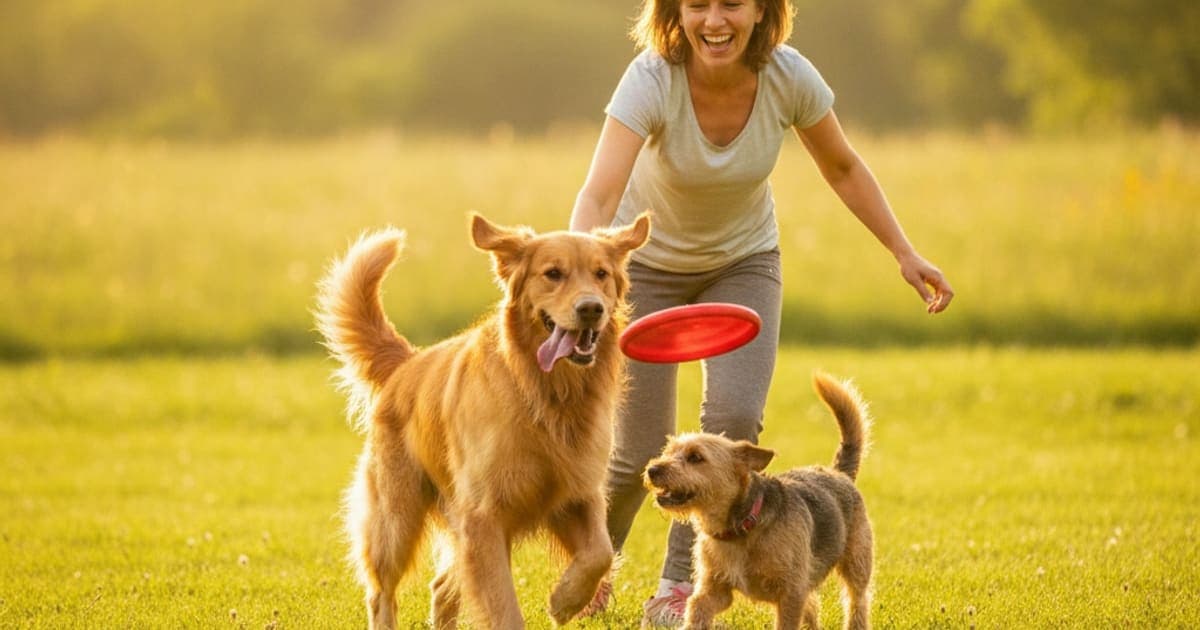 K9-REPAIR Results After 3 Weeks — What to ExpectAt three weeks, most owners report early changes rather than finished healing: a slightly looser gait, easier rising from the floor, more willingness to use the affected limb. Tendon and joint tissue remodels over months, so week three is a progress checkpoint — not the endpoint. Track it with your veterinarian.Read the guide →
 Can I Give My Dog BPC-157? (Eligibility Explained)Yes — owners do give BPC-157 to dogs, and canine-specific formulations like K9-REPAIR exist for that purpose, though it is not an FDA-approved veterinary drug. Eligibility depends on your dog's diagnosis, age, reproductive status and current medications, so the decision belongs in a conversation with your veterinarian.Read the guide →
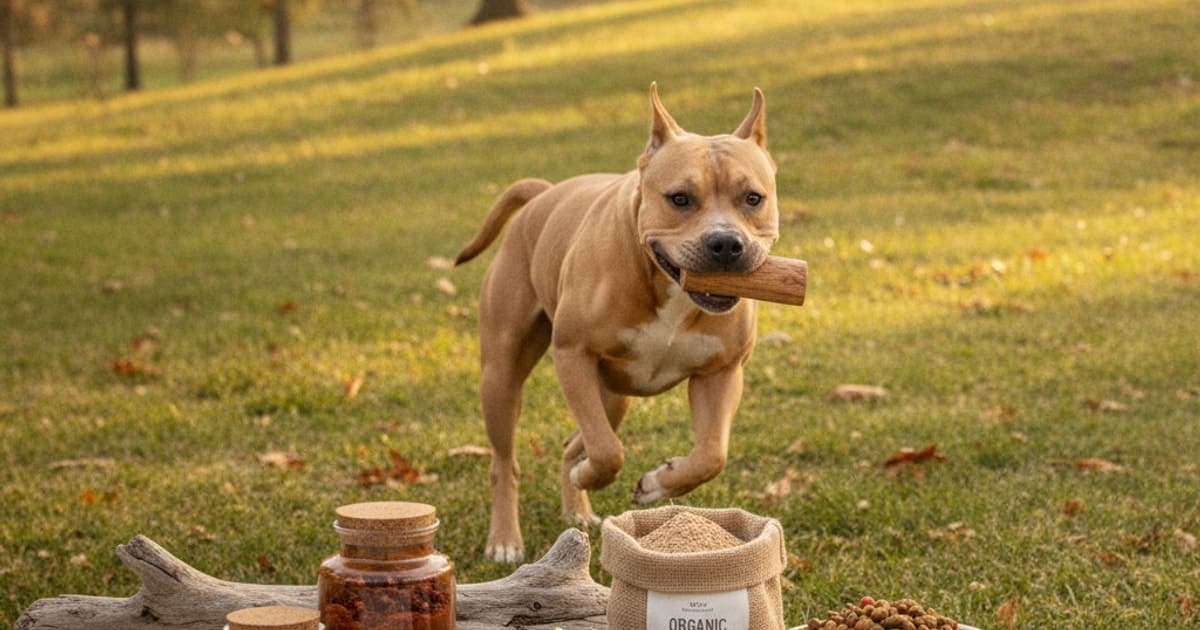 The Wolverine Stack Results After 1 Month for DogsAfter one month on the Wolverine Stack — BPC-157 paired with TB-500 — owners most often report early changes in willingness to move: easier rising, steadier stairs, a looser gait after rest. Connective tissue remodels over months, so 30 days is an early checkpoint, not a finish line.Read the guide →
 TB-500 Results After 2 Weeks for Dogs — What to ExpectTwo weeks in, most owners report subtle changes rather than dramatic ones: a slightly easier rise from the floor, a longer walk before lagging, less stiffness after rest. TB-500 works through tissue-level processes that unfold over weeks, so the fortnight mark is an early checkpoint, not a verdict.Read the guide →
 K9-REPAIR Results After 3 Months — What Owners ReportAt three months, owners using K9-REPAIR most often report changes in ordinary movement — easier rising after sleep, fewer bad days after long walks, steadier stairs. Three months matters because it matches how connective tissue remodels. Nothing here is a promise for your dog, and your veterinarian still owns the diagnosis.Read the guide →
 TB-500 Before and After for Dogs: What Owners ReportTB-500 before and after in dogs is measured in observable function — how the dog rises, loads the leg, and moves at the end of a walk — tracked over weeks rather than days. Owners report gradual change; there are no documented outcome guarantees, and your veterinarian owns the diagnosis.Read the guide →
 Wolverine Stack Results After 6 Weeks for DogsAfter six weeks on the Wolverine Stack — BPC-157 and TB-500 together — owners typically report watching for gradual pattern changes: easier rises, steadier limb loading, more willingness late in a walk. Six weeks sits inside tissue remodeling, so change tends to be incremental rather than dramatic, and your veterinarian should confirm it.Read the guide →
 BPC-157 Results After 2 Months for Dogs — What to ExpectBy two months, owners most often report changes in movement quality rather than one dramatic moment: less morning stiffness, more even weight-bearing, and longer walks without a setback the next day. Week eight sits inside the tissue remodeling phase, which is why the trend becomes easier to read.Read the guide →
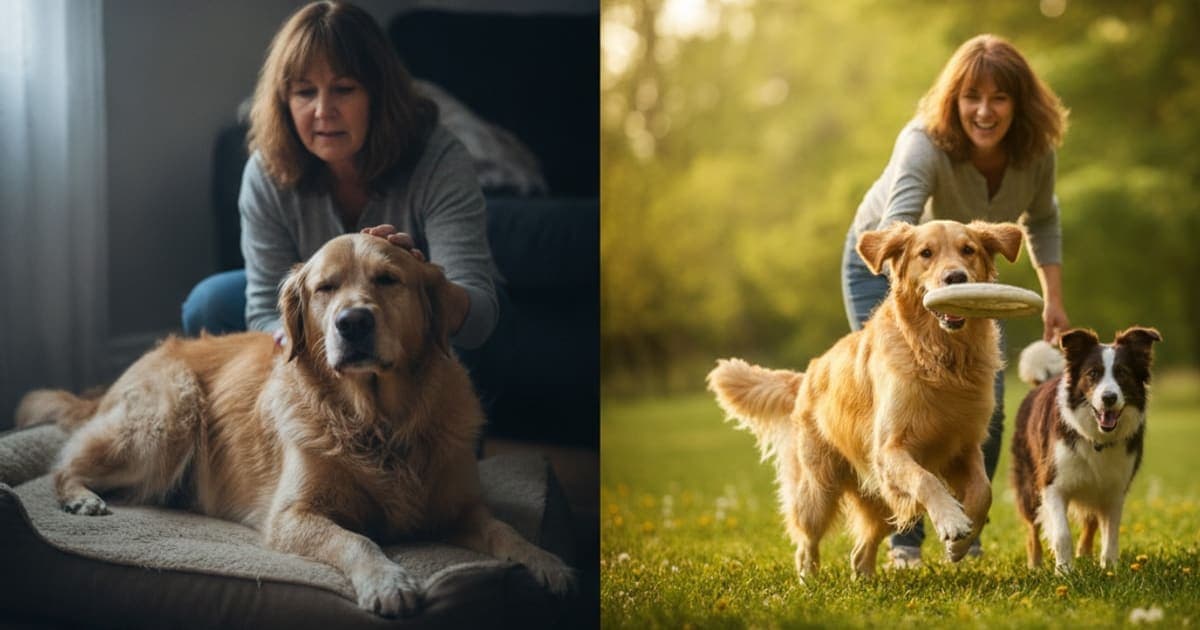 K9-REPAIR Before and After: What Owners TrackK9-REPAIR before and after is not a published set of outcomes — it is a record you keep. Capture your dog's gait, stairs, sit-to-stand and stiffness on video before day one, then compare weeks later alongside your veterinarian's exam. BPC-157 and TB-500 are not FDA-approved veterinary drugs.Read the guide →
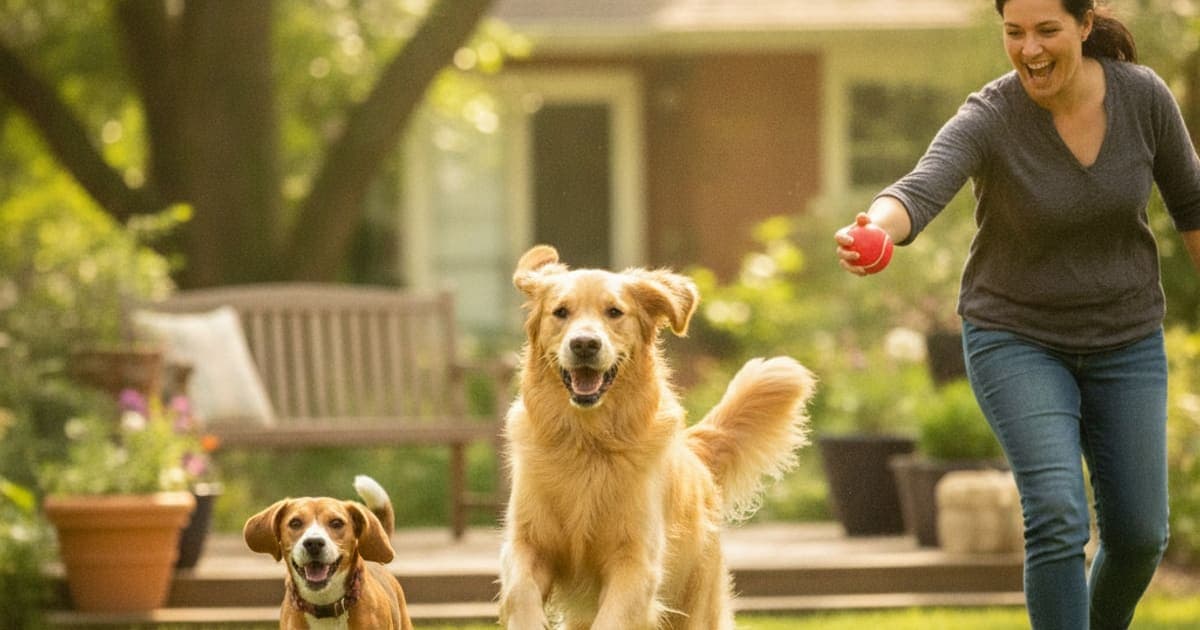 TB-500 Results After 1 Week for Dogs: What to ExpectTB-500 results after one week for dogs are typically subtle: most owners report small shifts in willingness to move, rest quality, or comfort settling down rather than visible gait change. Tendon and ligament remodelling runs on a multi-week timeline, so week one is groundwork, not payoff.Read the guide →
 BPC-157 Results After 6 Weeks for Dogs: What to ExpectAt six weeks, most owners are looking at a trend rather than a finish line. Soft tissue is typically moving from active repair into remodelling, so gait, stair confidence and willingness to load the limb are the changes owners report watching. Research on BPC-157 and TB-500 describes mechanisms that may support that process.Read the guide →
 TB-500 Results After 6 Months for Dogs: What to ExpectAt six months, what owners most often report with TB-500 is consolidation rather than dramatic change: gait that holds up at the end of a long walk, easier stairs, and steadier recovery after activity. TB-500 is not an FDA-approved veterinary drug, and progress varies with tissue type, age and rehab.Read the guide →
 Why Salukis Are Prone to Joint ProblemsSalukis are prone to joint problems because their long, lightly built sighthound frame converts sprinting speed into high load on tendons, shoulders, hips and toes. Most issues are soft-tissue injuries rather than developmental hip dysplasia, and repeated strains accumulate into stiffness and arthritis as the dog ages.Read the guide →
 Wolverine Stack Results After 6 Months for DogsAfter six months on the wolverine stack — BPC-157 with TB-500 — owners most often report functional changes: easier rising, steadier weight-bearing, better tolerance of normal activity. Neither peptide is an FDA-approved veterinary drug, so what happens varies by dog, injury and rehab plan. Six months is best judged by mobility trends, not milestones.Read the guide →

The pawgen library · 3,804 guides
Dog mobility, joints and recovery
Plain-English guides on joint pain, injury recovery and what actually helps aging and active dogs. Written to answer the question, not to pad a word count.