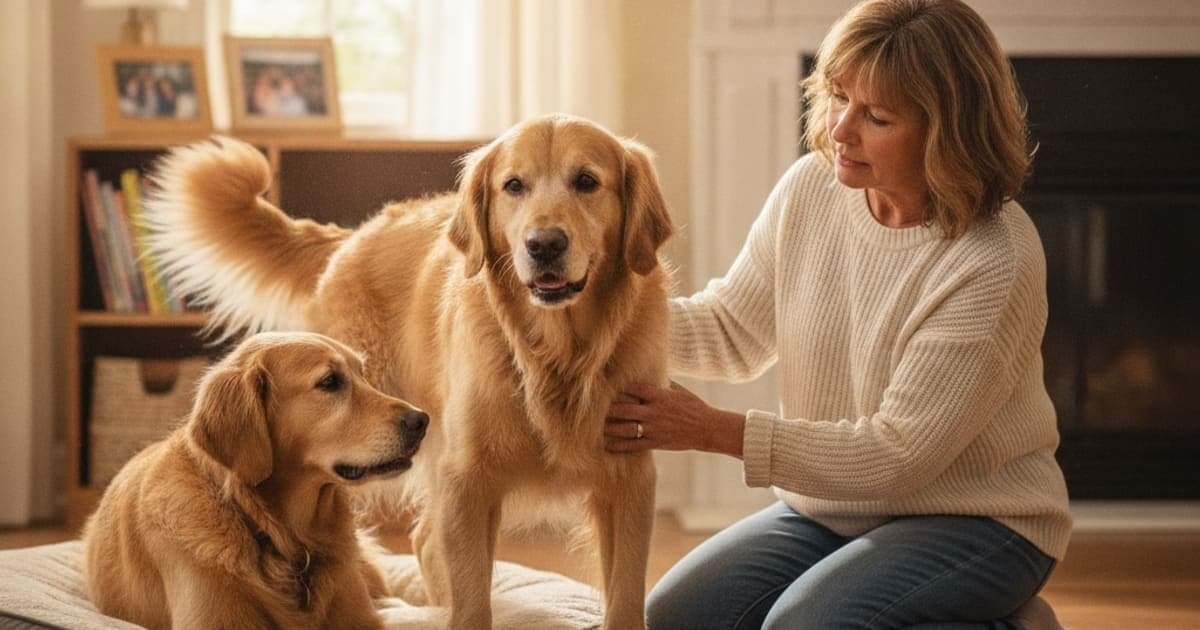
 What Makes Osteoarthritis Worse in Dogs? (Key Triggers)Osteoarthritis in dogs gets worse with excess body weight, inflammatory flare-ups, muscle loss from inactivity, high-impact or slippery surfaces, untreated pain, and joint instability left over from an old injury. Each factor accelerates cartilage wear and thickens the joint capsule, so the joint stiffens faster than it otherwise would.Read the guide →
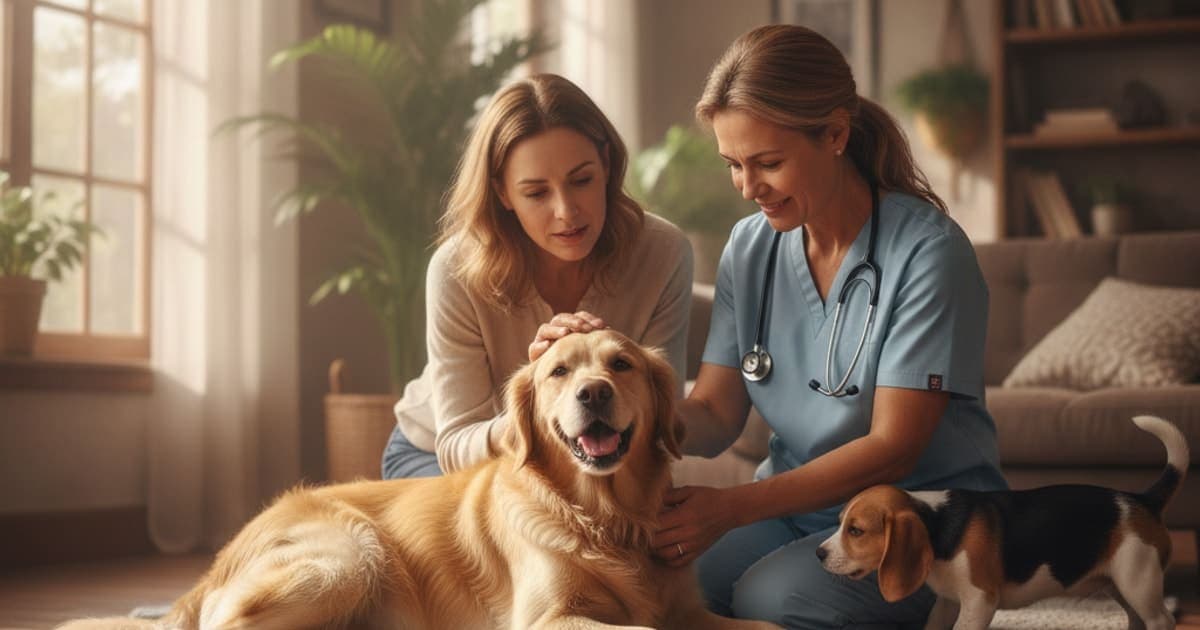 Dog Warm Joint: When to See a VetTake your dog to the vet the same day if a joint feels warm alongside limping, swelling, fever, lethargy or refusal to bear weight. Mild warmth with no other signs still warrants an appointment within a day or two. Sudden, hot, painful swelling is an emergency.Read the guide →
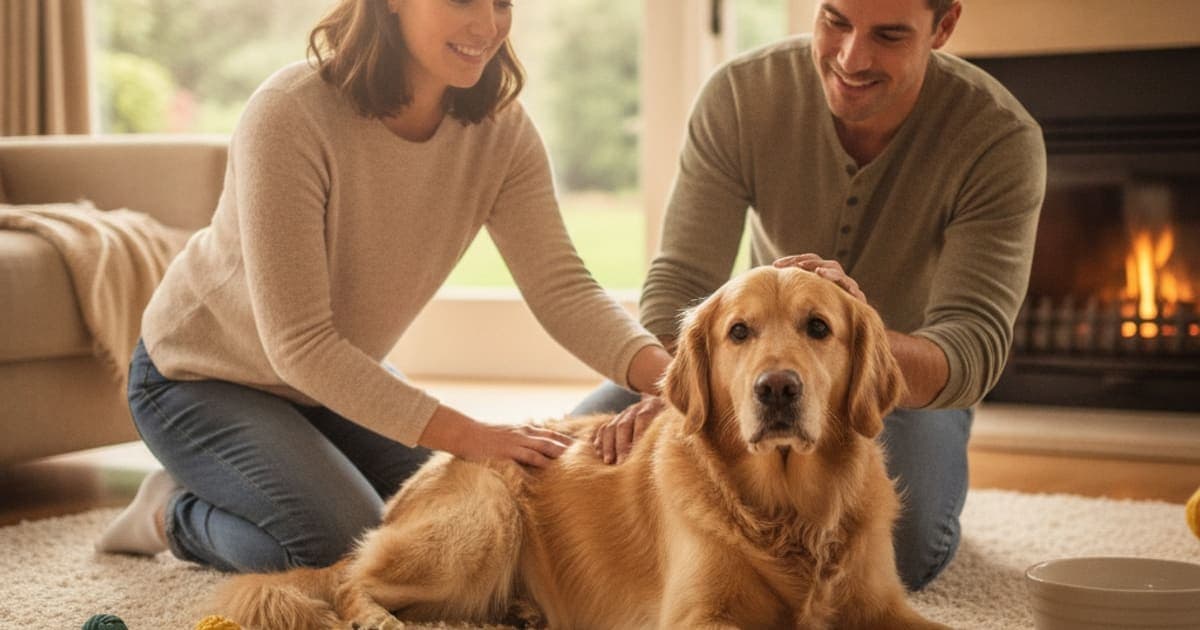 What Makes Hip Dysplasia Worse in Dogs? (Key Factors)Hip dysplasia worsens when a loose hip joint is loaded harder or more often than the surrounding tissue can tolerate — excess body weight, high-impact or stop-start activity, slippery footing, lost hindlimb muscle and untreated pain. Of those, keeping a dog genuinely lean is the factor with the strongest research behind it.Read the guide →
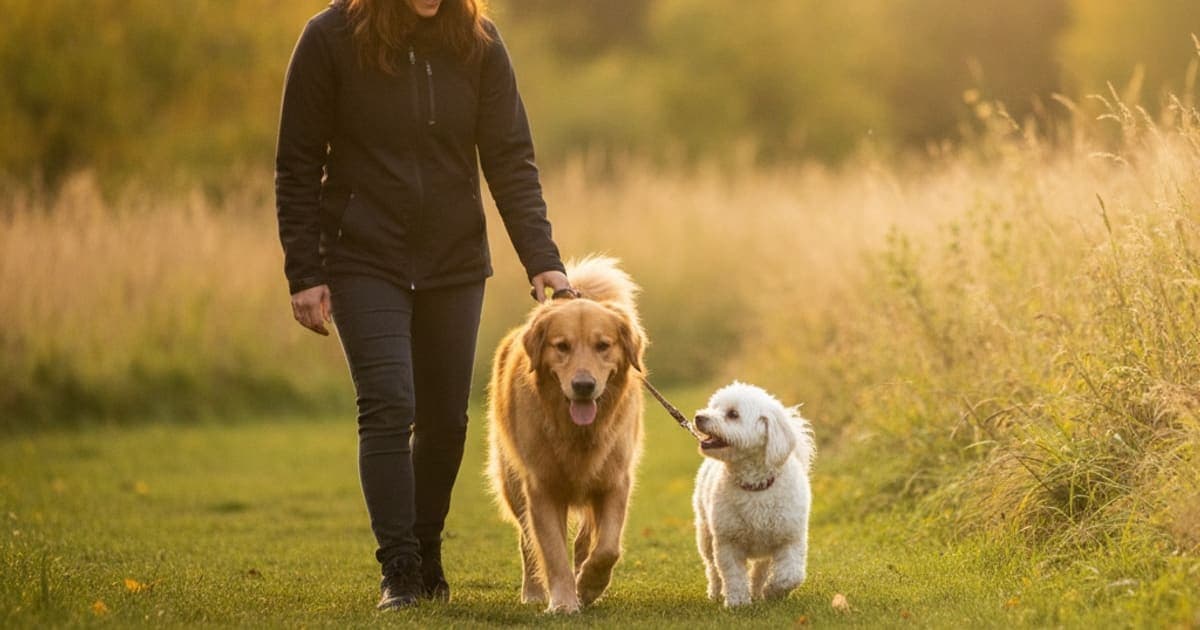 Dog Uneven Gait: What It Usually MeansAn uneven gait usually means one limb is bearing less weight than the others because of pain, injury, or weakness — commonly from a joint problem, a soft-tissue strain, a paw injury, or a nerve issue. The pattern of the unevenness tells your veterinarian where to look first.Read the guide →
 Can a Dog Recover From Osteoarthritis Without Surgery?Osteoarthritis cannot heal in the sense of a joint returning to its original state — the cartilage change is permanent. But most dogs with osteoarthritis are managed without surgery. Weight, controlled exercise, veterinary pain control and consistent daily support determine how comfortable and mobile a dog stays.Read the guide →
 Can a Dog Recover From CCL Tear Without Surgery?A torn CCL does not knit back together, but many dogs regain comfortable use of the leg without surgery when the joint capsule thickens and muscle takes over the stabilising work. Body weight, partial versus complete tearing, meniscal damage and strict activity control decide whether that route works.Read the guide →
 What Makes Spinal Injury Worse in Dogs? (Key Risk Factors)Spinal injury in dogs is made worse by continued movement, stairs and jumping, delayed veterinary assessment, human pain medication given at home, excess weight and manipulation of an undiagnosed spine. Each adds mechanical load or inflammation to a cord that is already compressed, swollen and short on blood flow.Read the guide →
 What Makes Toe Injury Worse in Dogs? (Common Causes)A dog toe injury gets worse from continued weight-bearing on an unstable digit, licking, wet or badly fitted bandages, slick floors and stairs, and returning to activity too early. It also worsens when the real problem — a fracture, dislocation, nail-bed infection or foreign body — was never identified.Read the guide →
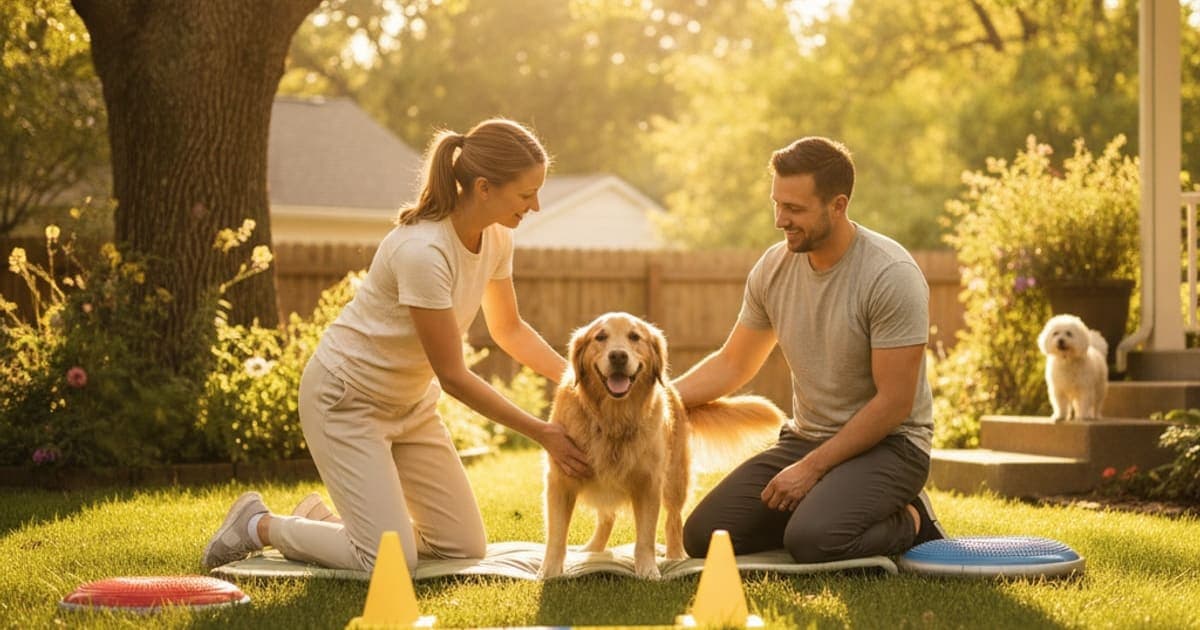 Can a Dog Recover From Iliopsoas Strain Without Surgery?Yes — most dogs with an iliopsoas strain recover without surgery. Conservative management built on strict activity control, veterinary pain management and staged rehabilitation is the standard first approach. Outcome depends on how early the strain is caught, whether an underlying orthopedic problem is driving it, and how rigorously rest is enforced.Read the guide →
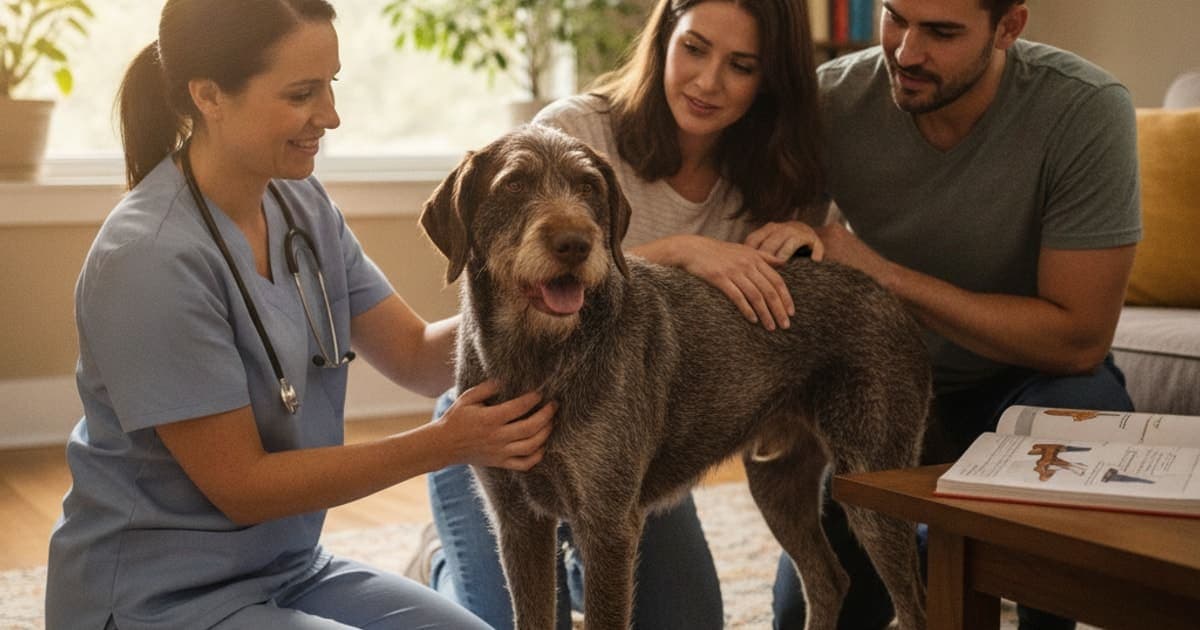 Why Wirehaired Pointing Griffons Get Joint ProblemsWirehaired Pointing Griffons are prone to joint problems because an inherited risk of hip and elbow dysplasia meets a hard-working, athletic build. Genetics set joint shape; years of sprinting, turning and cover work determine how fast wear accumulates. Early detection, lean body weight and veterinary guidance matter more than any single intervention.Read the guide →
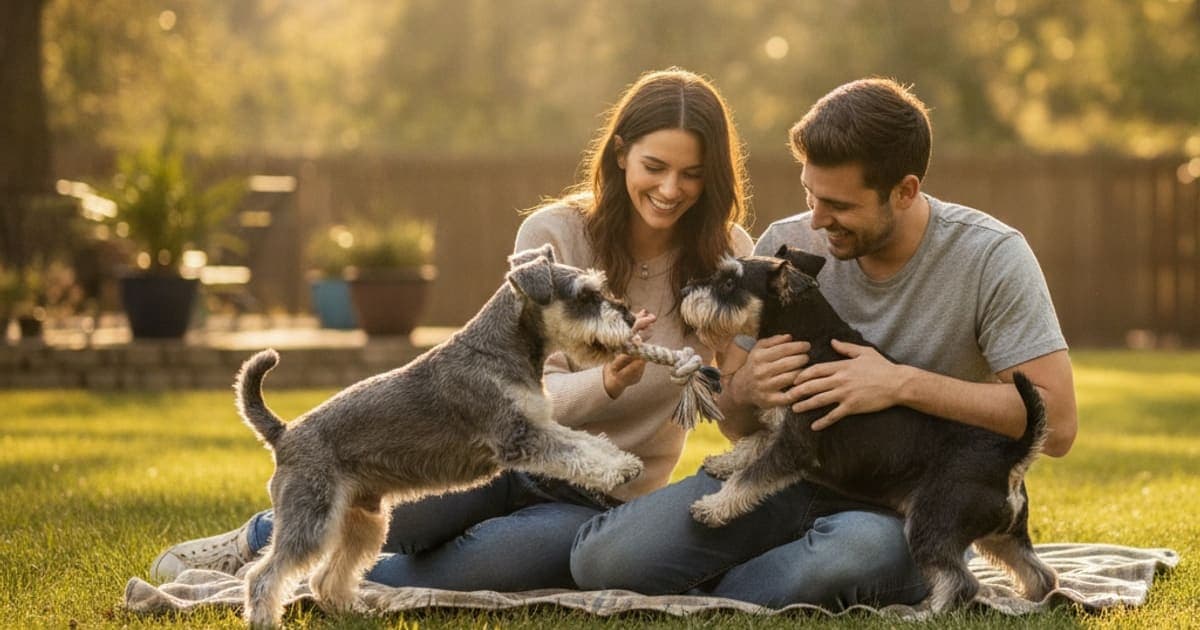 Why Miniature Schnauzers Are Prone to Joint ProblemsMiniature Schnauzers are prone to joint problems mainly because of inherited kneecap instability, hip and femoral-head conditions seen in small breeds, and a metabolism that makes weight gain easy. Patellar luxation is the most common culprit. Early signs are subtle, so a veterinary orthopaedic exam matters more than watchful waiting.Read the guide →
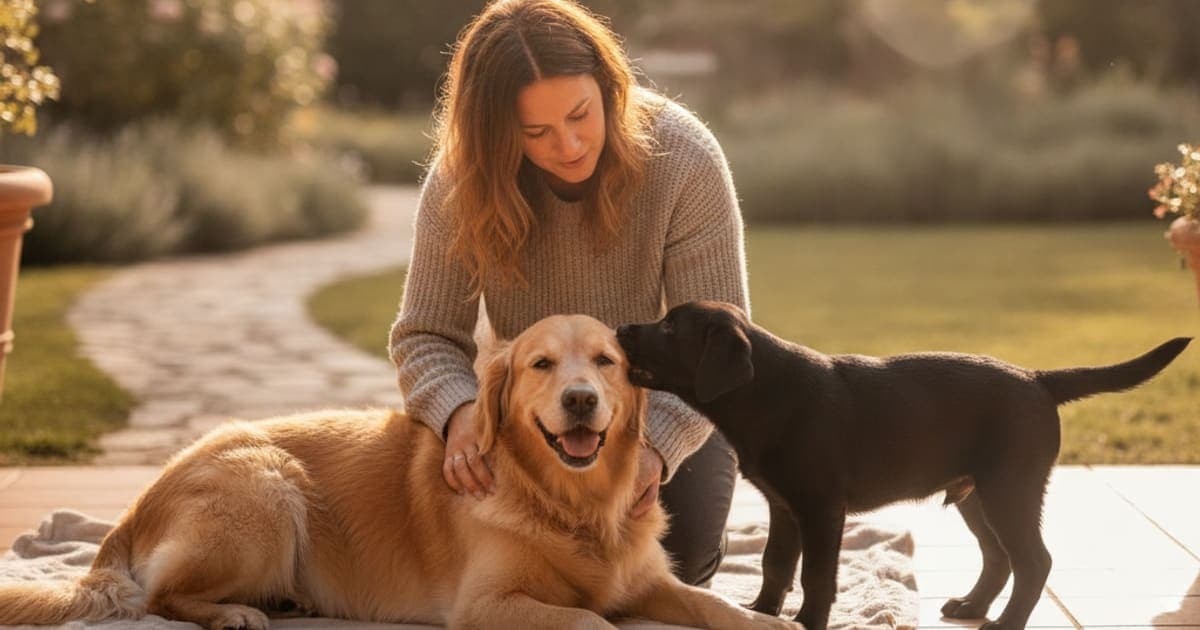 Hip Dysplasia in Dogs: Signs, Causes and What HelpsHip dysplasia in dogs is a developmental malformation of the hip joint, where the ball of the thigh bone sits loosely in a shallow socket instead of fitting snugly. That looseness lets the joint grind with every stride, and over time cartilage wears thin and osteoarthritis develops.Read the guide →
 Bursitis in Dogs: Signs, Causes and What HelpsBursitis in dogs is inflammation of a bursa — a small fluid-filled sac that cushions a tendon or skin where it passes over a bony point. It shows up as a soft, fluid-filled swelling, most often over the elbow, with stiffness or limping in some dogs.Read the guide →
 Why Giant Schnauzers Are Prone to Joint ProblemsGiant Schnauzers develop joint problems because a large, fast-growing frame concentrates load on hips, elbows and stifles for years before the skeleton finishes maturing. Hereditary hip and elbow dysplasia, cruciate strain and osteoarthritis are the common patterns owners see. Early weight control, sane exercise and veterinary screening shape long-term mobility more than anything else.Read the guide →
 Dog Sarcopenia Recovery Time: Realistic ExpectationsRebuilding muscle lost to sarcopenia takes weeks to months of consistent loading and adequate protein, not days — most owners and rehab professionals look for meaningful change across a multi-week window rather than a fixed date. Age-related loss is slow to appear and slow to answer, and progress tracks effort.Read the guide →
 Why Is My Dog Head Bobbing While Walking? (Lameness)A head bob while walking is almost always a sign of front-limb lameness: your dog lifts its head as the sore leg hits the ground and drops it on the good leg. Common causes include shoulder or elbow pain, paw injuries, arthritis and neck problems. Have your vet examine the gait.Read the guide →
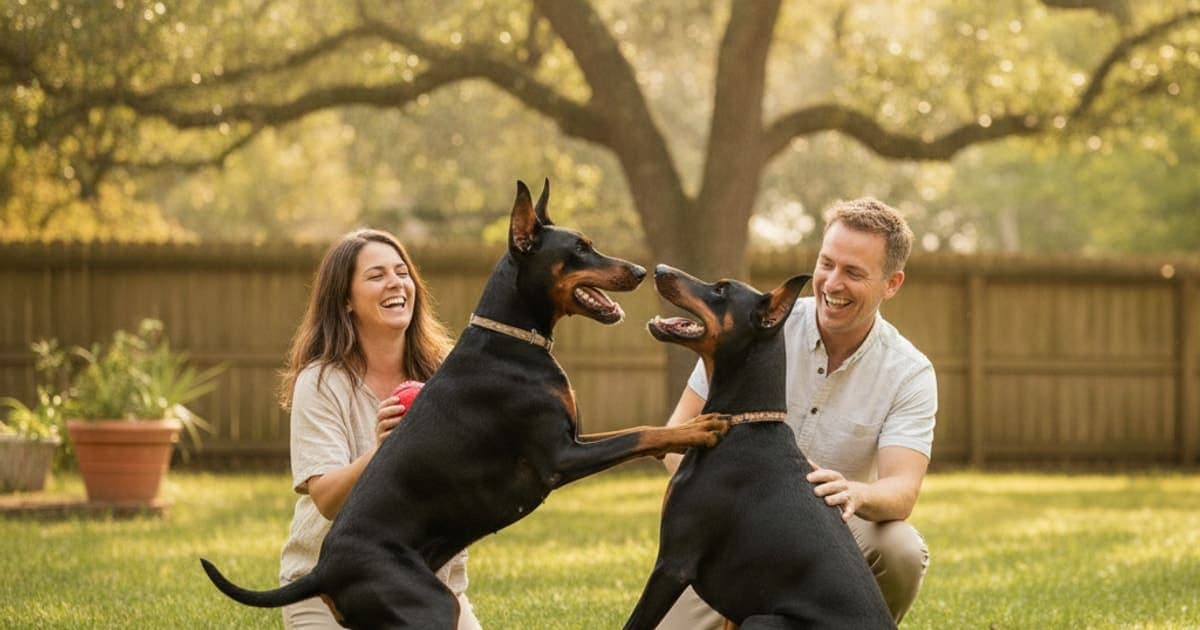 Why Dobermans Are Prone to Joint ProblemsDobermans are prone to joint problems because their tall, deep-chested, fast-growing frame concentrates load on hips, stifles and neck, and the breed carries documented risk for hip dysplasia and cervical spondylomyelopathy. Early weight control, surface management and conditioning matter more than any single supplement, and your veterinarian should lead the plan.Read the guide →
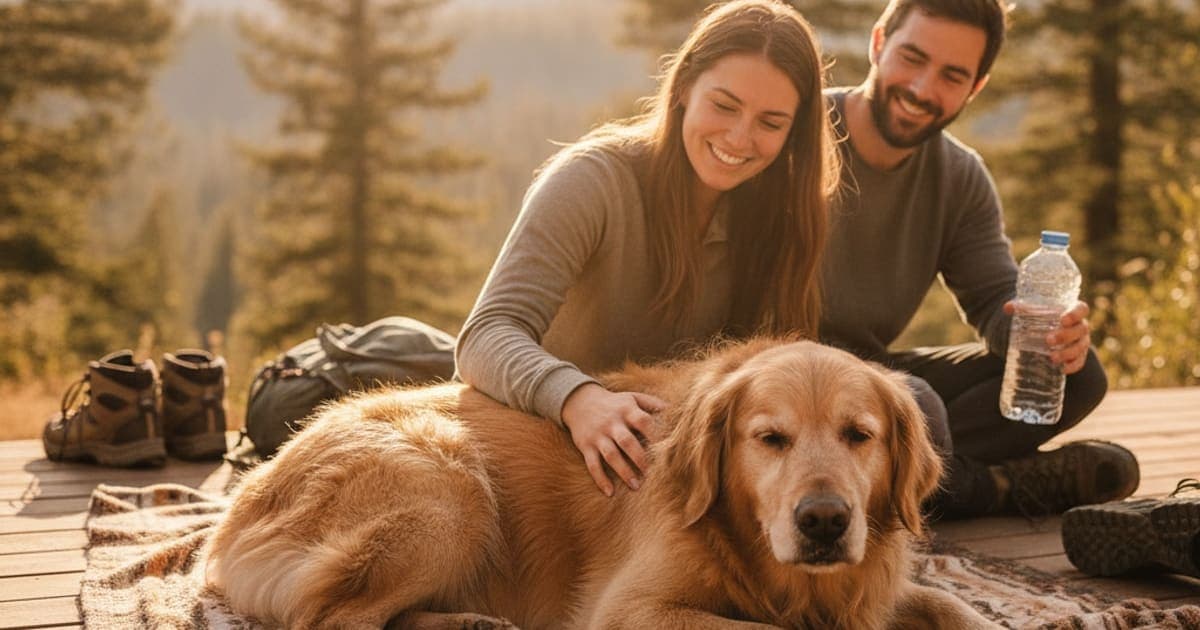 Dog Sore After Hiking: What It Usually MeansA dog is usually sore after hiking because unfamiliar effort, elevation and uneven footing load muscles, tendons and paw pads harder than a normal walk does. Stiffness that appears the next morning, eases with gentle movement and fades within a day or two is ordinary. One-sided limping is not, and deserves a veterinary exam.Read the guide →
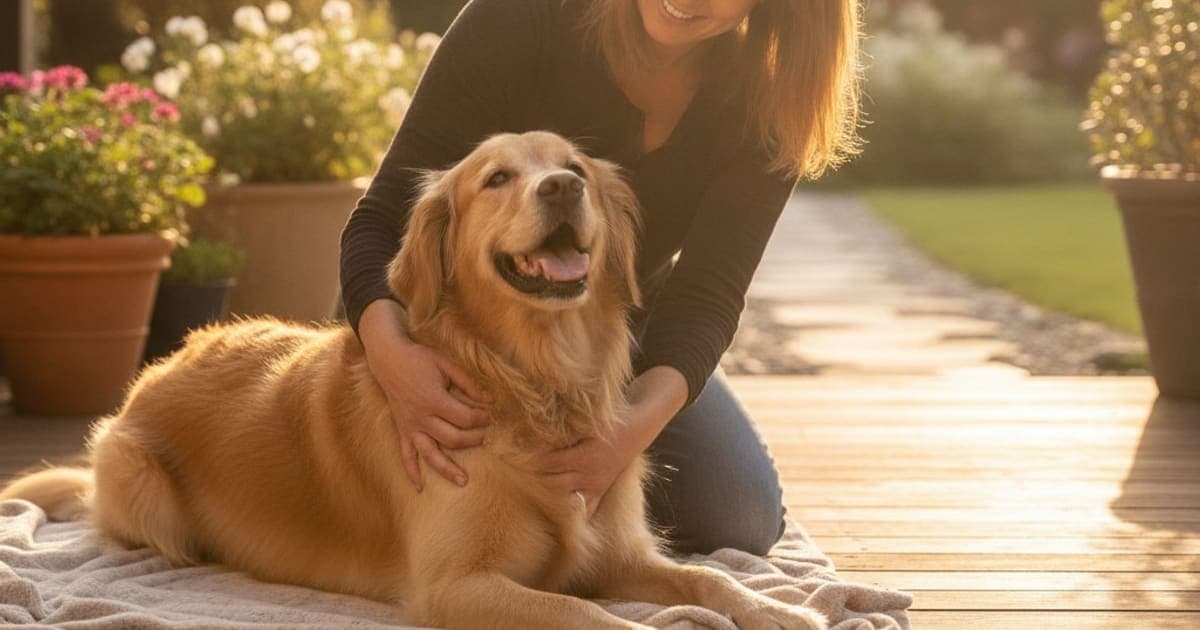 What Makes Shoulder OCD Worse in Dogs? (Key Triggers)Shoulder OCD in dogs gets worse with repetitive high-impact loading — jumping, hard-surface running, fetch and stairs — plus rapid growth from overfeeding, excess body weight, and pain that goes undiagnosed while the dog keeps using the leg. Load is the factor owners control most directly.Read the guide →
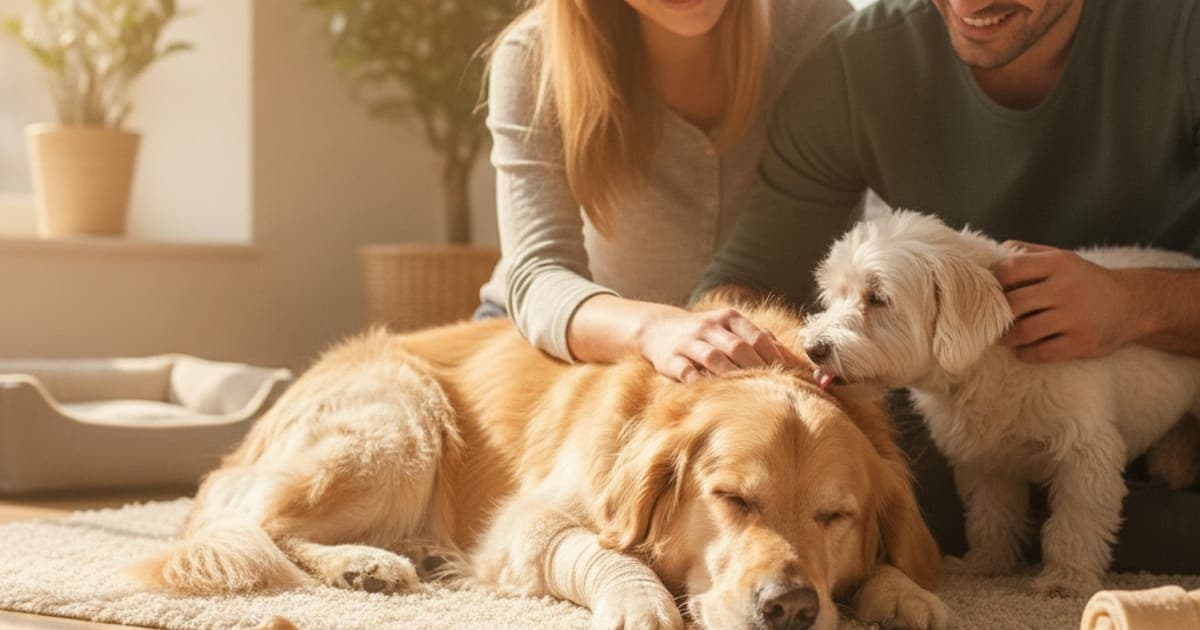 Can a Dog Recover From a Sprained Leg Without Surgery?Usually, yes — a true sprain is a stretched or partially torn ligament that repairs itself with strict activity restriction, veterinary pain management and controlled rehab. What determines the outcome is the grade of the injury, how quickly the leg is rested, and whether the ligament is sprained or actually ruptured.Read the guide →
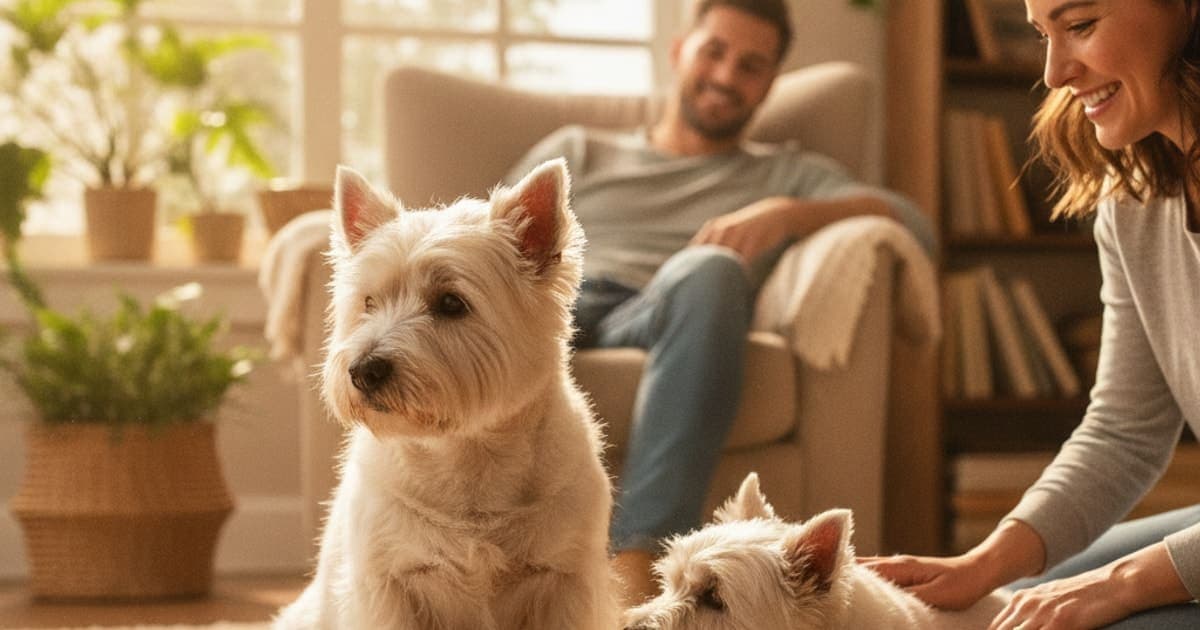 Why West Highland Terriers Are Prone to Joint ProblemsWest Highland Terriers are prone to joint problems because their short, heavy-boned legs sit under a compact, muscular frame, and the breed carries elevated risk for patellar luxation, Legg-Calvé-Perthes disease and hip dysplasia. Signs often appear as skipping, stiffness or reluctance to jump long before an obvious limp.Read the guide →
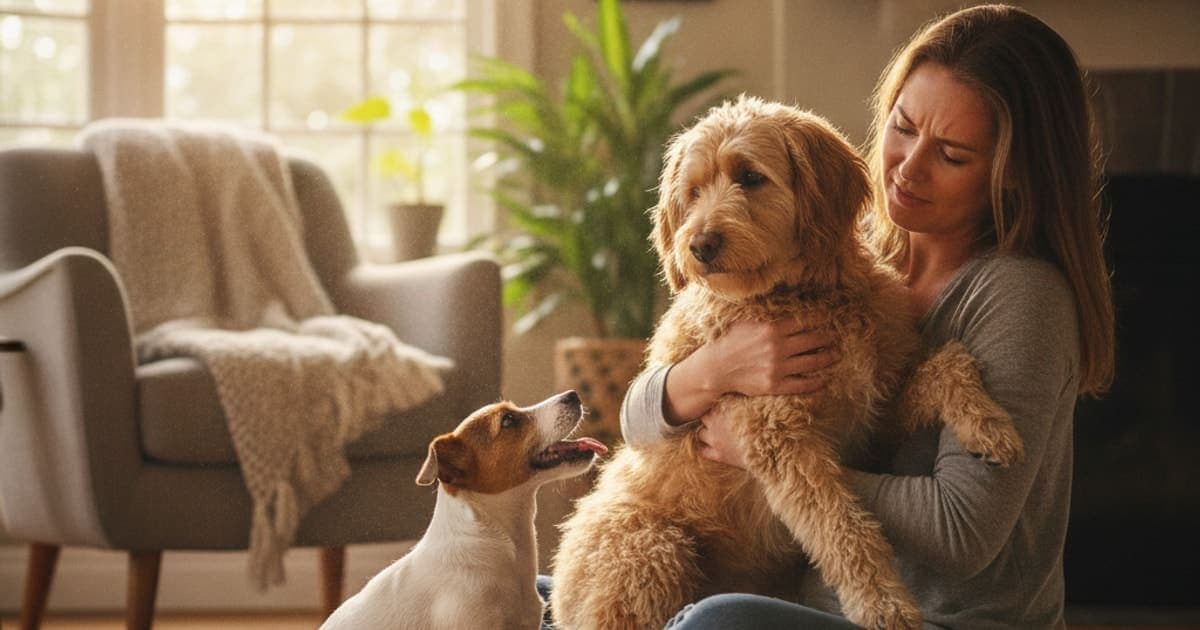 What Makes Disc Herniation Worse in Dogs? (Key Triggers)Disc herniation gets worse in dogs when the injured disc and spinal cord keep getting loaded — jumping, stairs, twisting play, slippery floors, leash pressure on the neck, extra body weight, and confinement that ends too soon. Repeat compression plus ongoing inflammation is what drives most setbacks owners see.Read the guide →
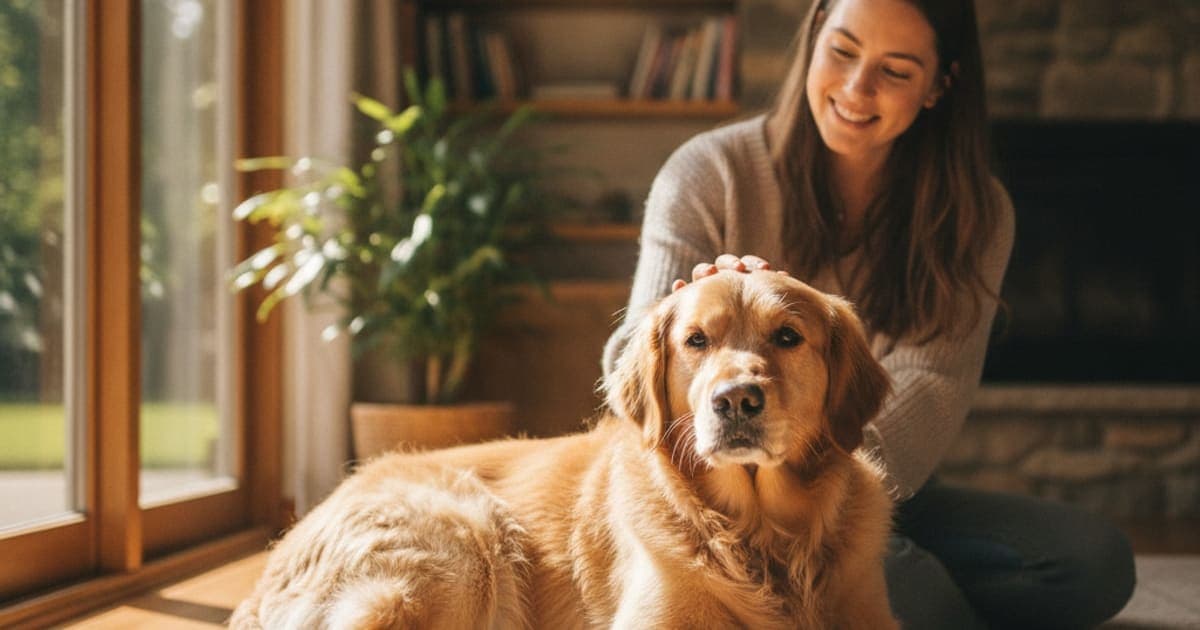 Dog Panosteitis Recovery Time: Realistic ExpectationsIndividual panosteitis flare-ups in dogs usually last a few days to a few weeks, but the condition itself tends to come and go for months, resolving as the skeleton matures — often around 18 to 24 months of age in large breeds. Recurrence between flares is normal, not a setback.Read the guide →
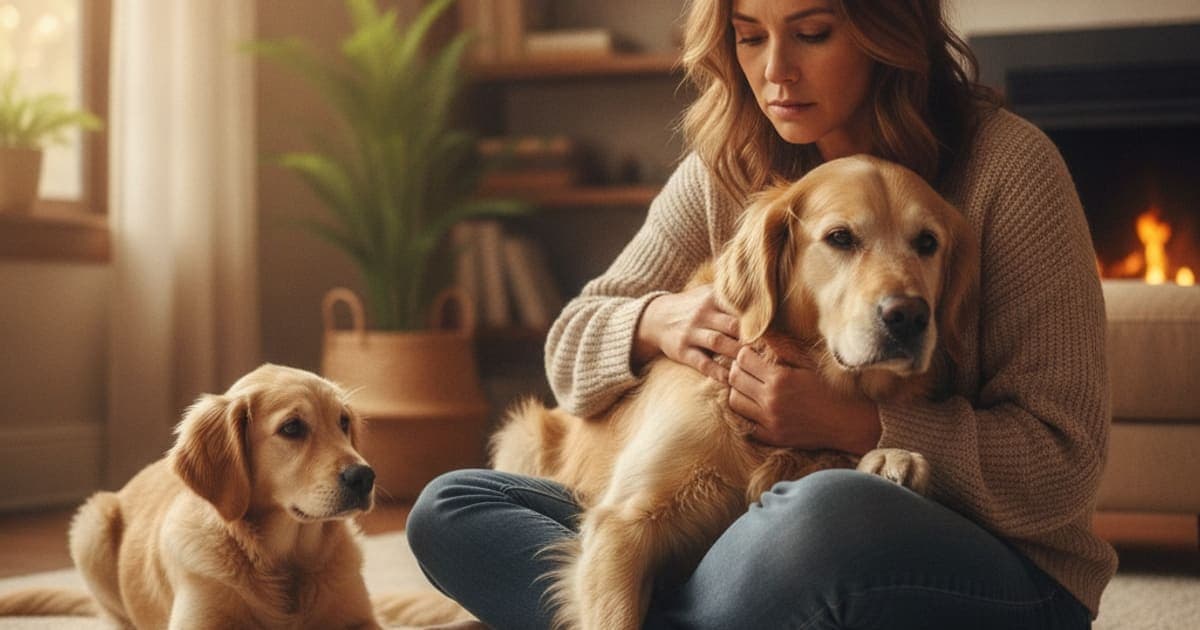 Dog Loss of Appetite With Pain: When to See a VetCall your veterinarian the same day if your dog is showing pain and has refused two consecutive meals — the two signs together raise the urgency of each. Seek emergency care immediately for a tense or swollen abdomen, unproductive retching, pale gums, collapse, or pain that will not settle.Read the guide →

The pawgen library · 3,678 guides
Dog mobility, joints and recovery
Plain-English guides on joint pain, injury recovery and what actually helps aging and active dogs. Written to answer the question, not to pad a word count.