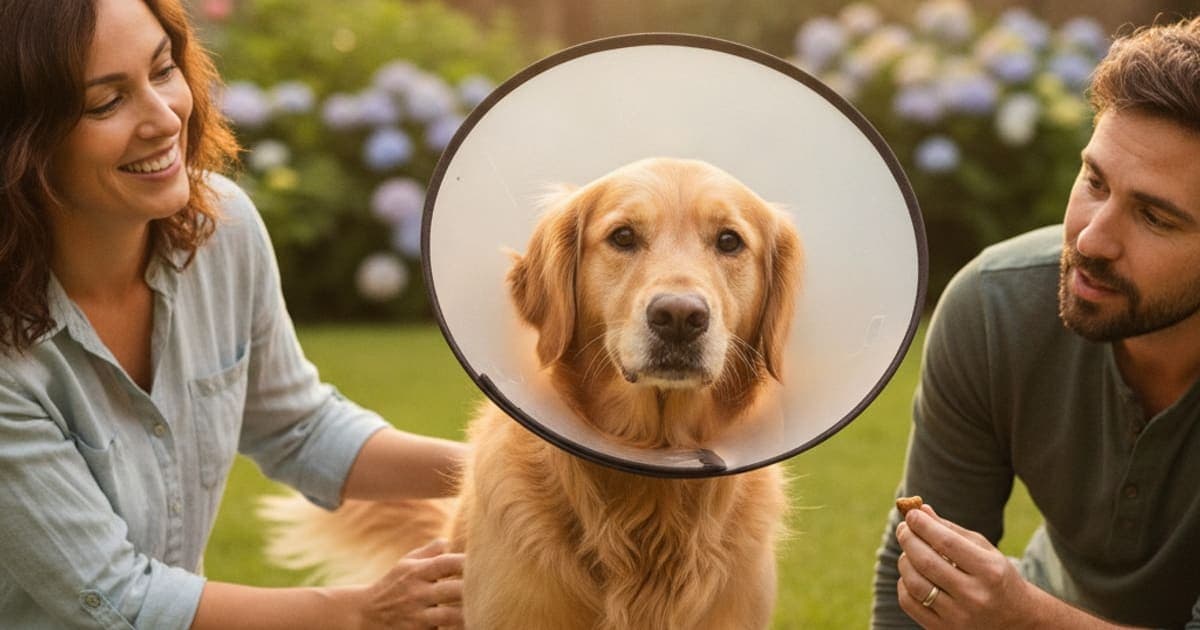
 What Makes Wound Healing Worse in Dogs? (Key Causes)Wound healing gets worse in dogs when the wound is licked or chewed, when movement pulls the edges apart, when infection or dead tissue sits in the bed, and when blood flow, protein intake or medications like corticosteroids work against repair. Most of these are manageable with veterinary guidance.Read the guide →
 Dog Bunny Hopping: What It Usually MeansA dog bunny hops when both hind legs swing forward together instead of alternating, like a rabbit. In an adult dog at a walk or trot, this usually signals pain or instability in the hind end — most often the hips, knees or lower spine. It warrants a veterinary exam.Read the guide →
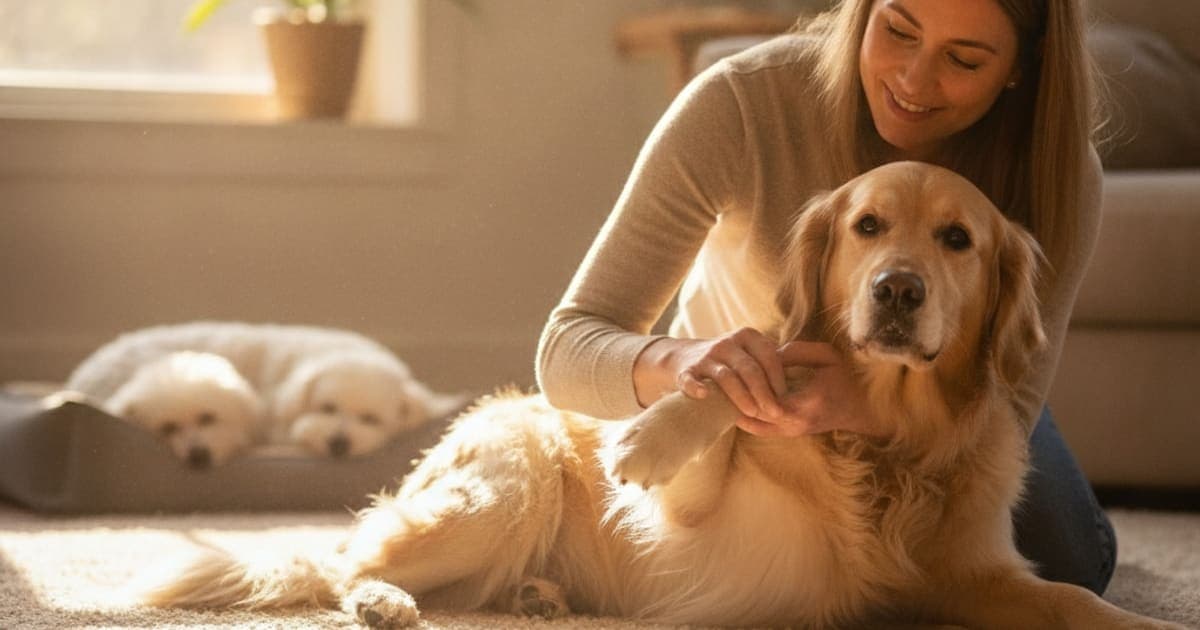 What Makes Tendon Injury Worse in Dogs? (Key Causes)Tendon injury in dogs gets worse when the leg is loaded before the tissue is ready — too much activity too soon, jumping and stairs, slick floors, excess body weight, skipped rehab and delayed diagnosis. Comfort returns long before strength does, which is why re-injury is so common.Read the guide →
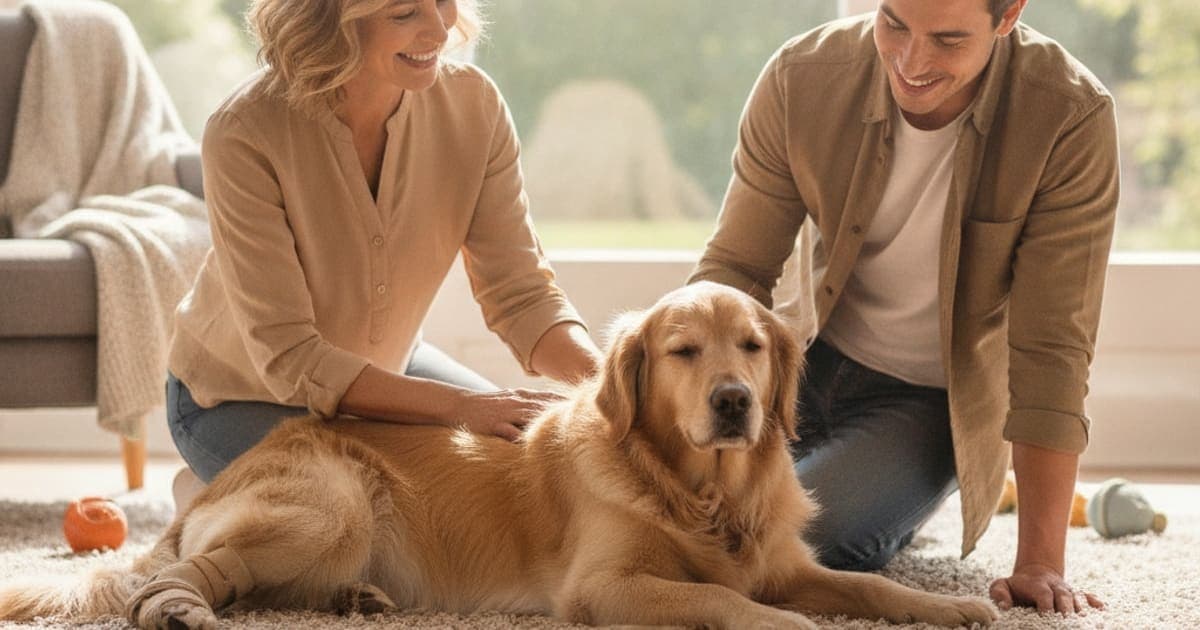 Dog Achilles Tendon Injury Recovery Time: What to ExpectMost dogs need roughly three to six months to return to full function after a significant Achilles tendon injury, with the first several weeks usually spent in a splint, cast or external fixator. Mild strains resolve faster; chronic degenerative ruptures in older dogs take longer and may leave a permanent gait change.Read the guide →
 When Should I Take My Dog to the Vet for Stair Reluctance?Book a veterinary exam if your dog's reluctance to go up stairs lasts longer than a day, keeps returning, or comes with limping, stiffness, scuffed nails or wobbly hind legs. Sudden refusal with crying out, a dragging paw or hind-end weakness is a same-day call, not a wait-and-see situation.Read the guide →
 Why Is My Dog Whining at Night? (Common Causes)Dogs whine at night most often because of physical pain, a full bladder, age-related cognitive change, anxiety, or an unmet need like heat, cold or hunger. Night whining that appears suddenly in a previously settled adult dog usually points to discomfort and deserves a veterinary exam rather than a wait-and-see approach.Read the guide →
 Dog Shoulder OCD Recovery Time: Realistic ExpectationsShoulder OCD recovery in dogs is measured in weeks to months. After arthroscopic surgery, most plans involve strict rest for the first couple of weeks, controlled leash rehab through the following weeks, and a gradual return to normal function over several months. Conservatively managed dogs usually need longer, with a less predictable endpoint.Read the guide →
 Why Is My Dog Suddenly Limping? (Causes to Check)Sudden limping in a dog most often comes from an acute soft-tissue injury, a paw problem, or a joint or ligament that gave way during normal activity. Non-weight-bearing lameness, swelling, or limping that lasts more than a day warrants a veterinary exam rather than watchful waiting at home.Read the guide →
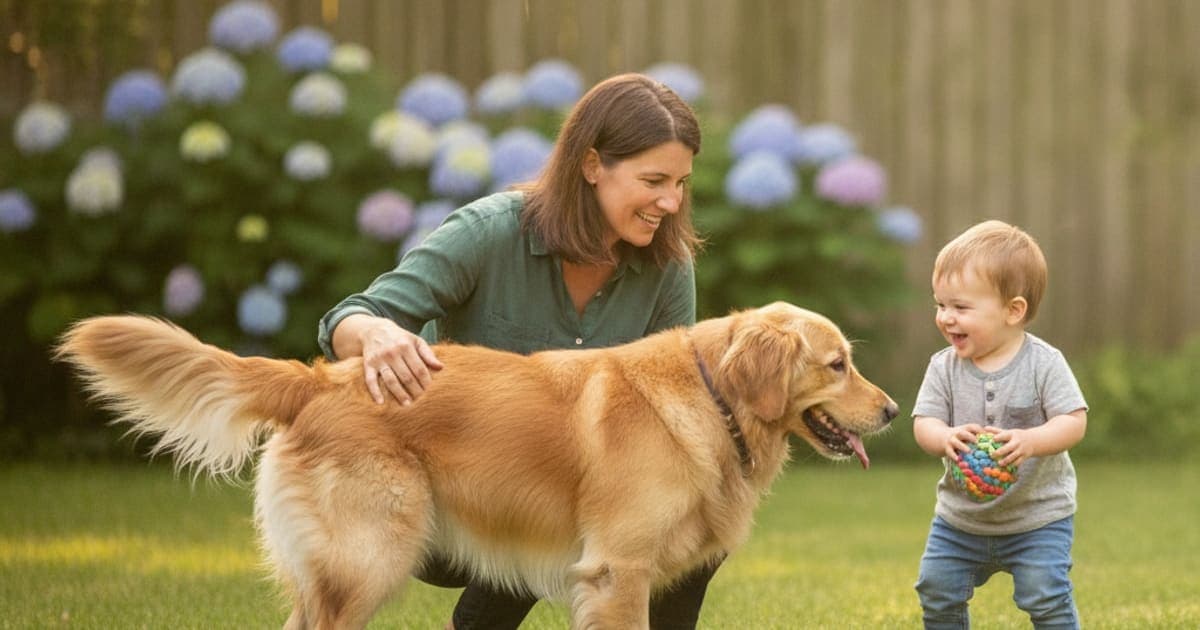 Why Is My Dog Hunched Back? (What It Usually Means)A hunched back in a dog is a pain posture: the spine arches and the abdominal wall tightens to immobilise something that hurts. Spinal disc pain, abdominal inflammation and hind-limb or groin pain are the usual sources. Sudden hunching with weakness, retching or straining needs same-day veterinary assessment.Read the guide →
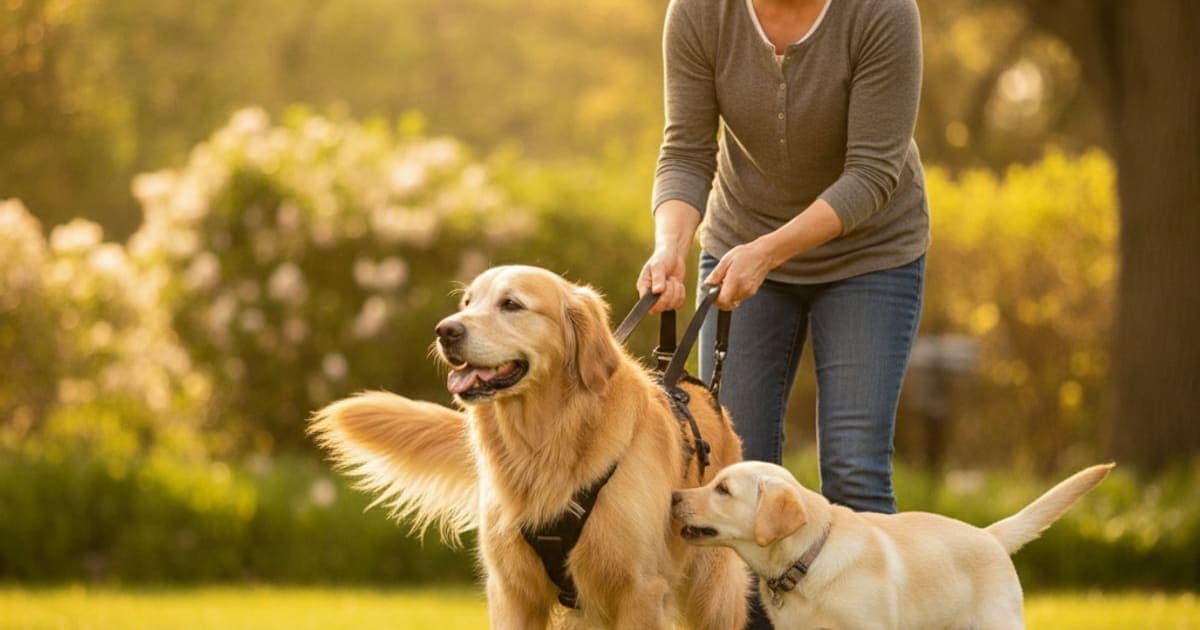 Hip Weakness in Dogs: Signs, Causes and What HelpsHip weakness in dogs is reduced strength, stability or coordination in the hind limbs, usually caused by hip dysplasia, osteoarthritis, muscle loss, or a spinal problem rather than the hip joint itself. It shows up as slow rising, bunny-hopping, slipping on floors and reluctance to jump.Read the guide →
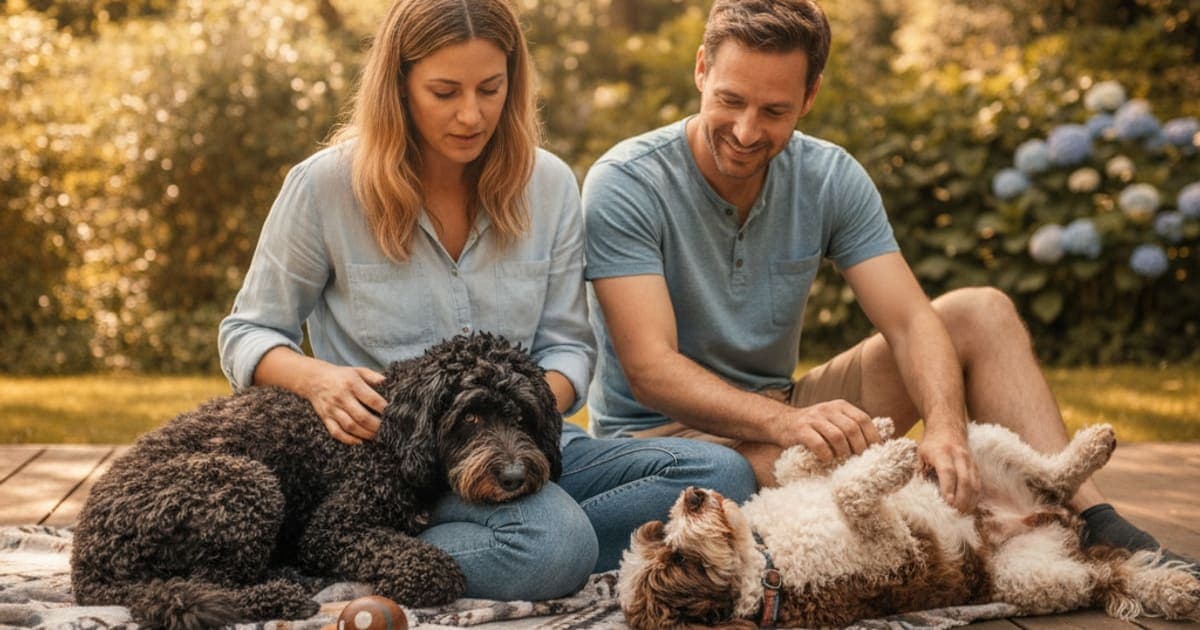 Portuguese Water Dogs Joint Problems — Why They HappenPortuguese Water Dogs are prone to joint problems because inherited hip dysplasia risk sits inside a dense, athletic working body with an almost non-existent off switch. Genetics set the ceiling on risk, while growth rate, lifelong body weight and repeated high-impact loading decide how close a dog gets to it.Read the guide →
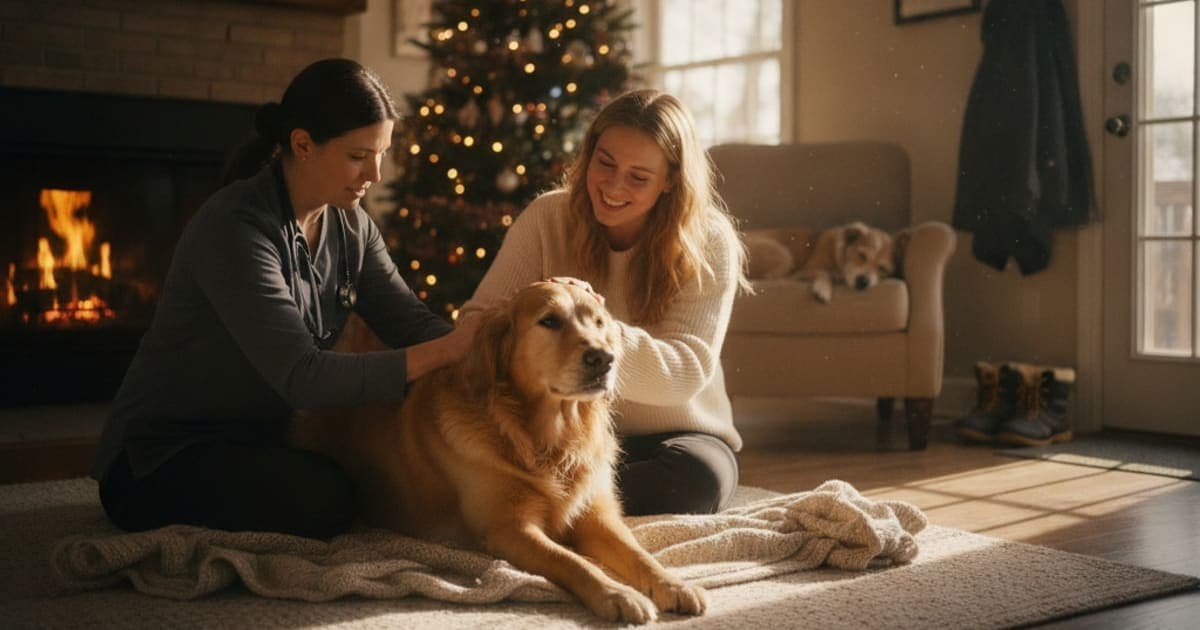 When Should I Take a Dog Stiff in Cold Weather to the Vet?Take your dog to the veterinarian if cold-weather stiffness lasts beyond a few minutes of movement, shows up on most cold days, or worsens over weeks — especially alongside limping, reluctance to jump, irritability when handled, or appetite loss. Sudden severe stiffness, a dragging limb or collapse warrants same-day veterinary care.Read the guide →
 When Should I Take a Dog to the Vet for Struggling to Squat?Take your dog to the vet the same day if they strain in the squat position without producing urine or stool, cry out, tremble, or collapse. Book within a few days for a dog that squats slowly, hovers, or shifts weight but is otherwise eating, drinking and alert.Read the guide →
 Why Jack Russell Terriers Are Prone to Joint ProblemsJack Russell Terriers are prone to joint problems because a dense, muscular body sits on short legs, the breed carries inherited risk for patellar luxation and Legg-Calvé-Perthes disease, and its jumping drive loads knees and shoulders hard. Early gait changes are the signal worth acting on.Read the guide →
 Dog Torn Ligament Without Surgery — What Actually WorksSome dogs can regain good function after a torn cruciate ligament without surgery, particularly smaller, lean dogs with partial tears who accept months of strict activity restriction. Larger dogs and complete tears generally do worse conservatively. Body weight, tear type, joint instability and owner discipline determine the outcome more than anything else.Read the guide →
 What Makes Reduced Stamina Worse in Dogs? (Key Drivers)Reduced stamina in dogs gets worse when untreated pain, excess body weight, heat, deconditioning and undiagnosed heart, airway or endocrine disease stack on top of each other. Each factor shortens the walk, and shorter walks weaken the muscle and joint support that made distance possible — a self-reinforcing loop.Read the guide →
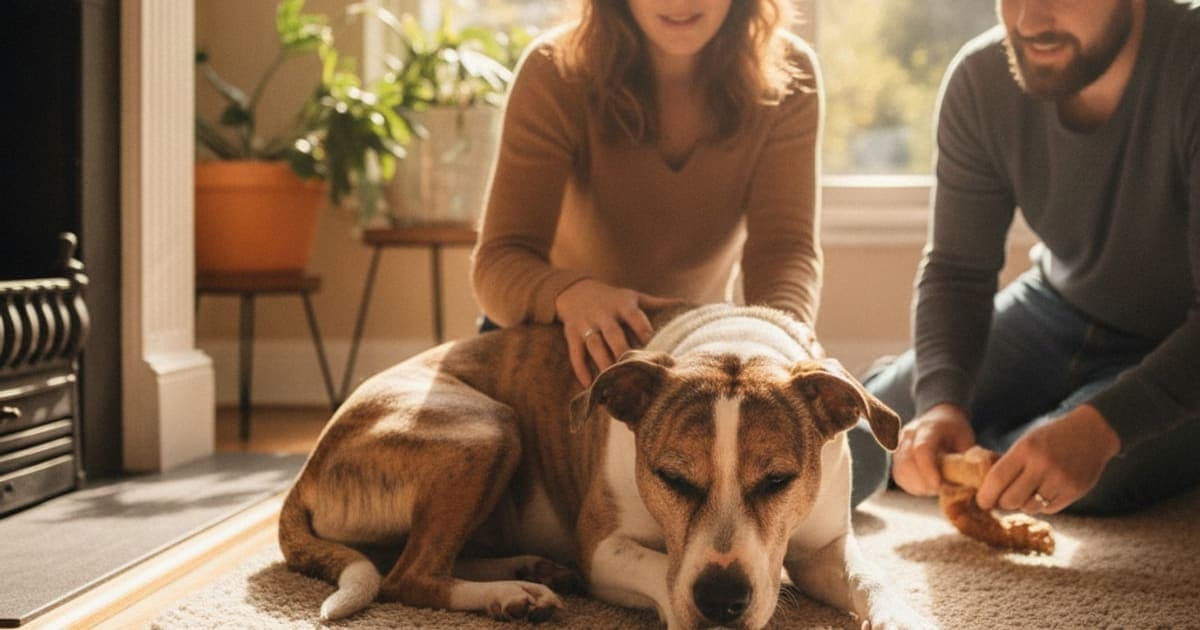 Why Pitsky Are Prone to Joint Problems: Breed RisksPitsky joint problems come from both sides of the pedigree: hip dysplasia is an inherited, polygenic trait present in husky and pit bull–type lineages alike, and crossbreeding does not cancel it. Layered on top are dense muscle, high drive and a pain tolerance that hides early mobility changes.Read the guide →
 Why Is My Dog Slipping on Hard Floors? (Causes Explained)Dogs slip on hard floors for two broad reasons: a grip problem or a body problem. Overgrown nails, hair between the pads and slick sealed flooring cut traction, while sore joints, weak hind limbs and reduced body awareness cut control. Sudden slipping warrants a veterinary exam.Read the guide →
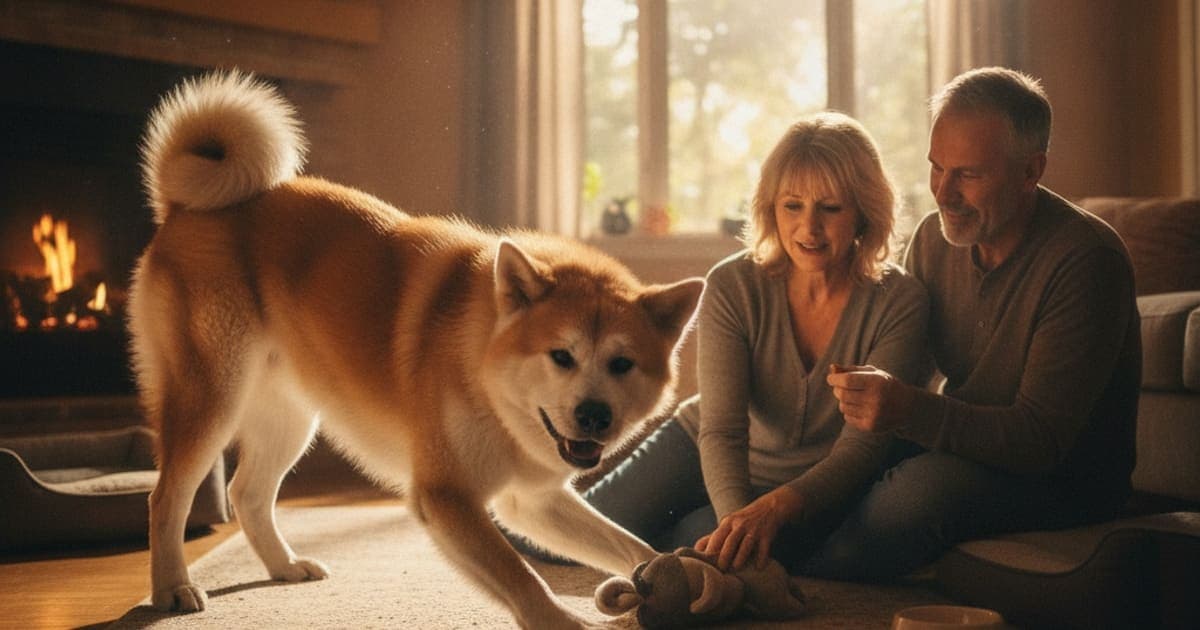 Why Akitas Are Prone to Joint ProblemsAkitas are prone to joint problems because heavy body mass, a long large-breed growth curve and inherited hip and elbow conformation faults load their joints harder than most breeds. A stoic temperament hides early stiffness, so changes are often noticed late. Screening, weight control and veterinary guidance matter most.Read the guide →
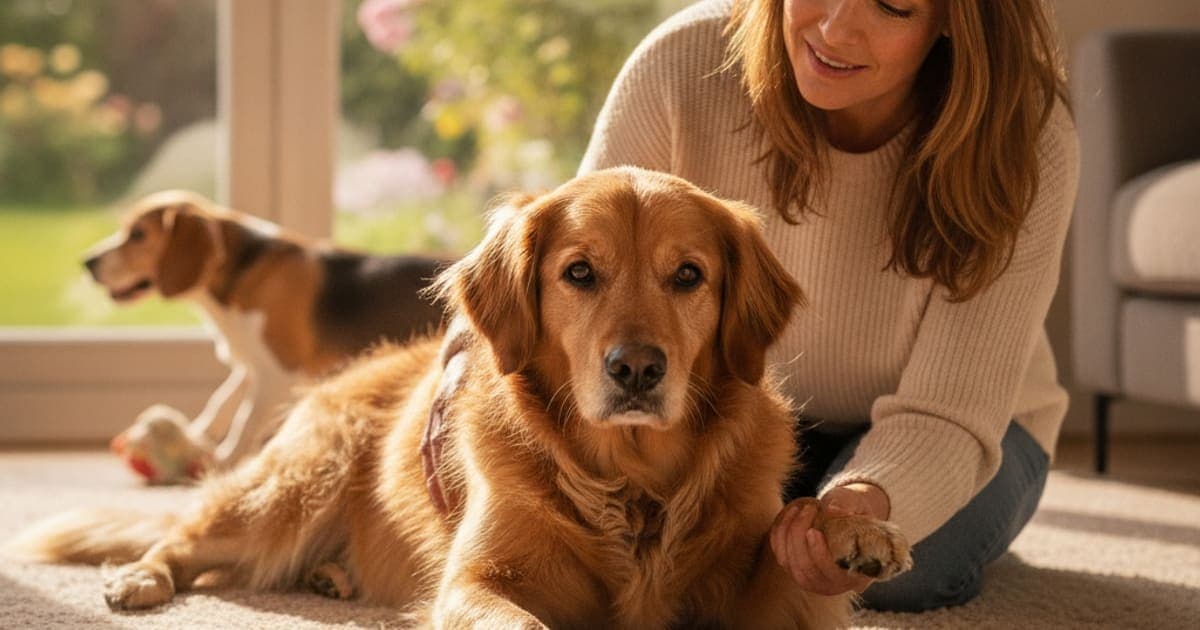 Dog Not Improving On Pain Meds: When to See a VetCall your veterinarian if your dog reaches the recheck point they set and the limp, stiffness or discomfort looks the same or worse. Go in immediately for a leg that bears no weight, a hot swollen joint, sudden hind-leg weakness, vomiting, black stools or collapse.Read the guide →
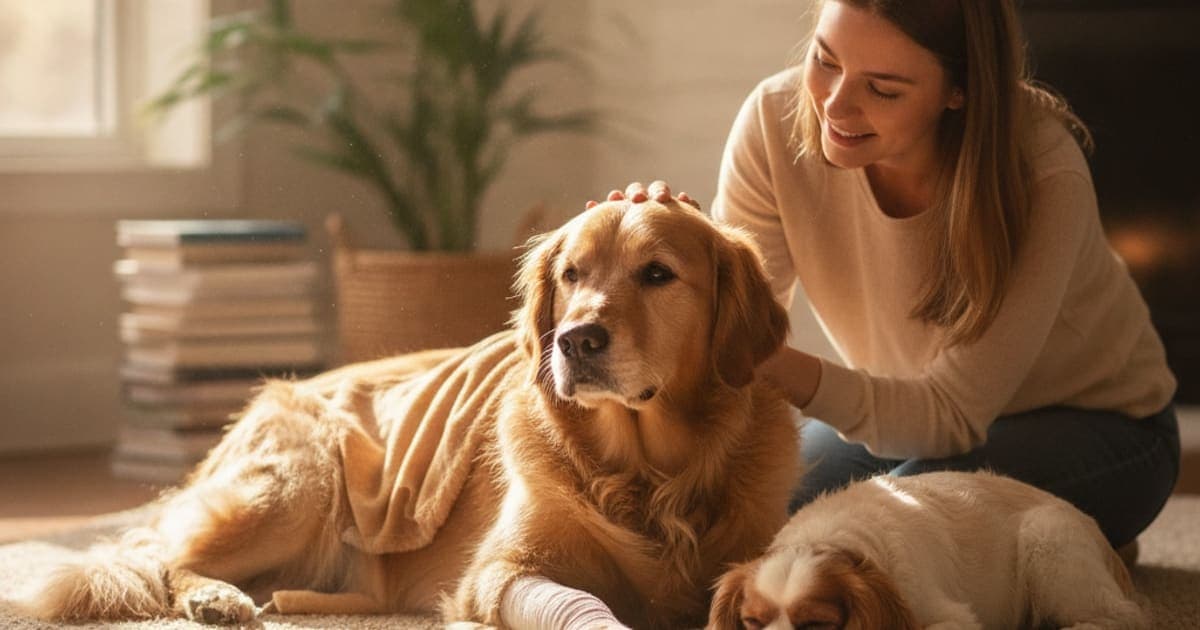 Dog Sprained Leg Recovery Time: Realistic ExpectationsA mild sprain in a dog often settles within one to two weeks of restricted activity, a moderate sprain commonly takes several weeks, and a severe ligament injury can need months. The real timeline depends on which tissue is damaged, how strictly activity is controlled, and what your veterinarian finds on examination.Read the guide →
 How Long Does Osteoarthritis Take in a Dog? (Timelines)Canine osteoarthritis does not heal on a deadline. Owners generally see comfort change over weeks once a veterinary plan is in place, muscle and gait quality over several months, and management continuing for life. The joint damage is permanent; the pain level, strength and rate of progression are not fixed.Read the guide →
 Why Whippets Are Prone to Joint ProblemsWhippets are built like sprinters — light bone, long limbs and extreme acceleration — so their joint problems tend to come from soft-tissue strain, repetitive loading and later-life arthritis rather than the hip dysplasia common in heavy breeds. Toes, shoulders, carpi and hip flexors carry most of that load.Read the guide →
 When to Take a Dog to the Vet for Back Legs Giving OutTake your dog to a veterinarian the same day if the back legs give out suddenly, and to an emergency clinic immediately if you see dragging paws, knuckled toes, loss of bladder control, pale gums or no response to a toe pinch. Gradual weakness still needs an appointment within days.Read the guide →

The pawgen library · 3,678 guides
Dog mobility, joints and recovery
Plain-English guides on joint pain, injury recovery and what actually helps aging and active dogs. Written to answer the question, not to pad a word count.