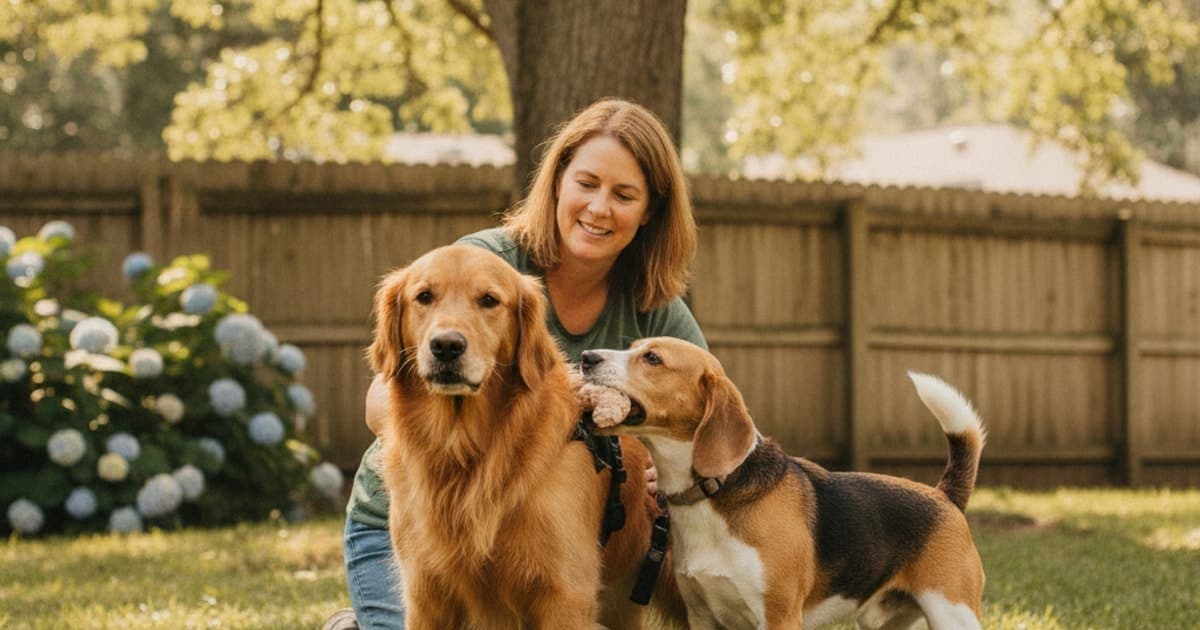
 Why Are My Dog's Back Legs Giving Out? (Causes & Red Flags)Back legs giving out is a sign, not a diagnosis. The most common causes are spinal cord compression from disc disease or lumbosacral stenosis, degenerative myelopathy, arthritis and cruciate injury, and occasionally systemic illness. Sudden weakness, dragging paws or loss of bladder control needs same-day veterinary attention.Read the guide →
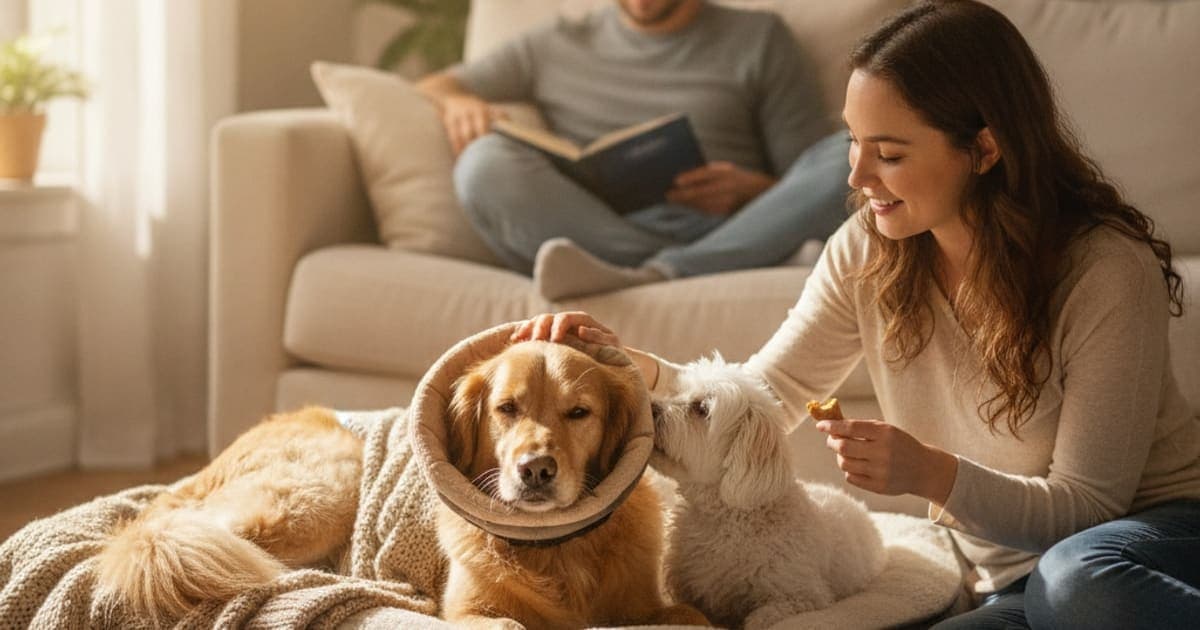 Spay Recovery in Dogs: Signs, Causes and What HelpsSpay recovery in dogs is the healing period after an ovariohysterectomy, when the skin incision, the abdominal wall and the internal ligature sites knit back together. Most dogs feel bright within days, but the deeper layers regain strength slowly, which is why restricted activity matters more than how the incision looks.Read the guide →
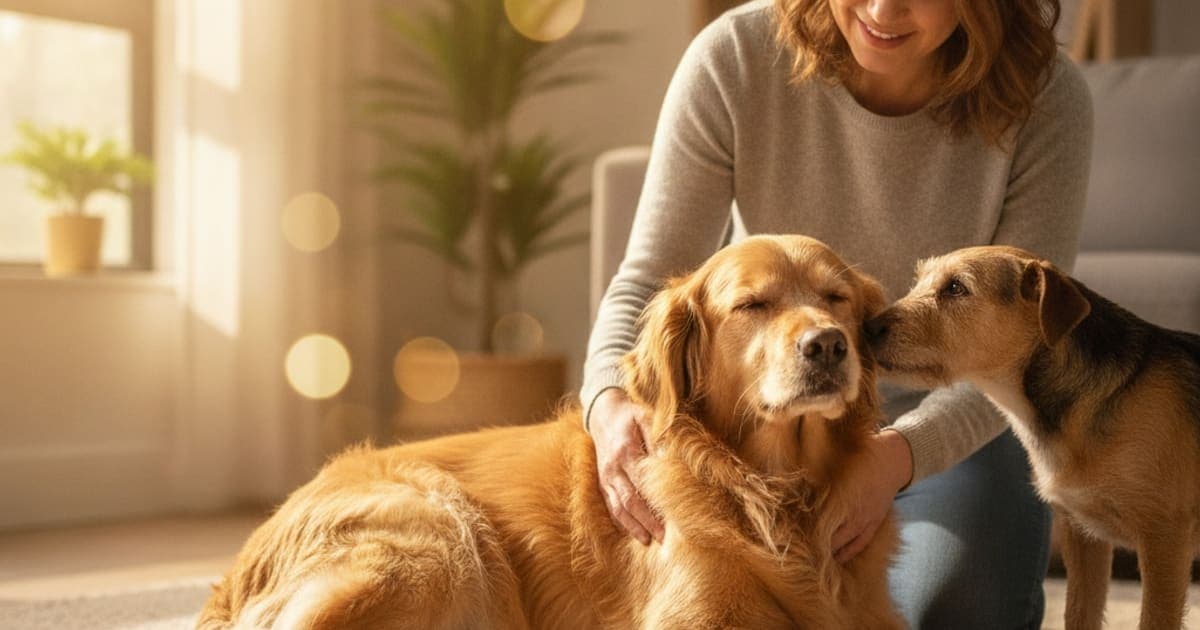 Dog Nerve Damage Recovery Time: Realistic ExpectationsDog nerve damage recovery time usually falls between a few weeks and twelve months, depending on whether the nerve was bruised, its fibres torn, or the nerve severed outright. Mild compression often resolves in weeks; damaged axons regrow slowly, so distant muscles are the last to respond.Read the guide →
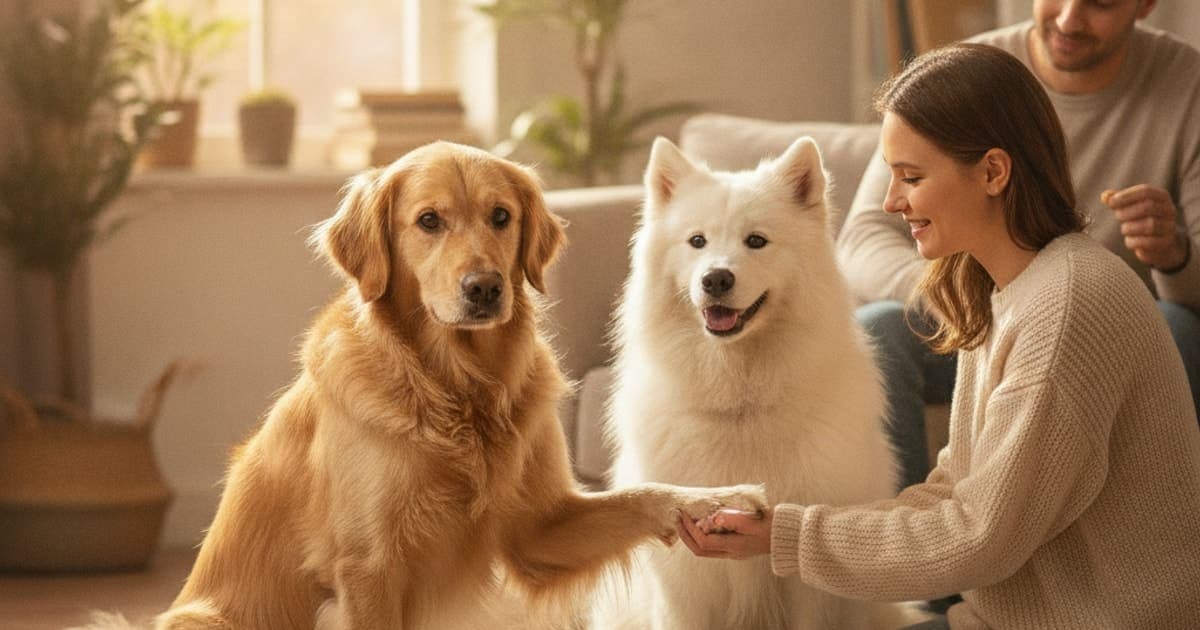 Why Is My Dog Clicking or Popping Joint? (Causes Explained)A clicking or popping joint in a dog is usually tissue moving over tissue — gas shifting in joint fluid, a tendon snapping across bone, roughened cartilage grinding, or a joint sliding slightly out of position. Silent clicks in a comfortable dog are often harmless. Clicking with limping, pain or swelling needs veterinary assessment.Read the guide →
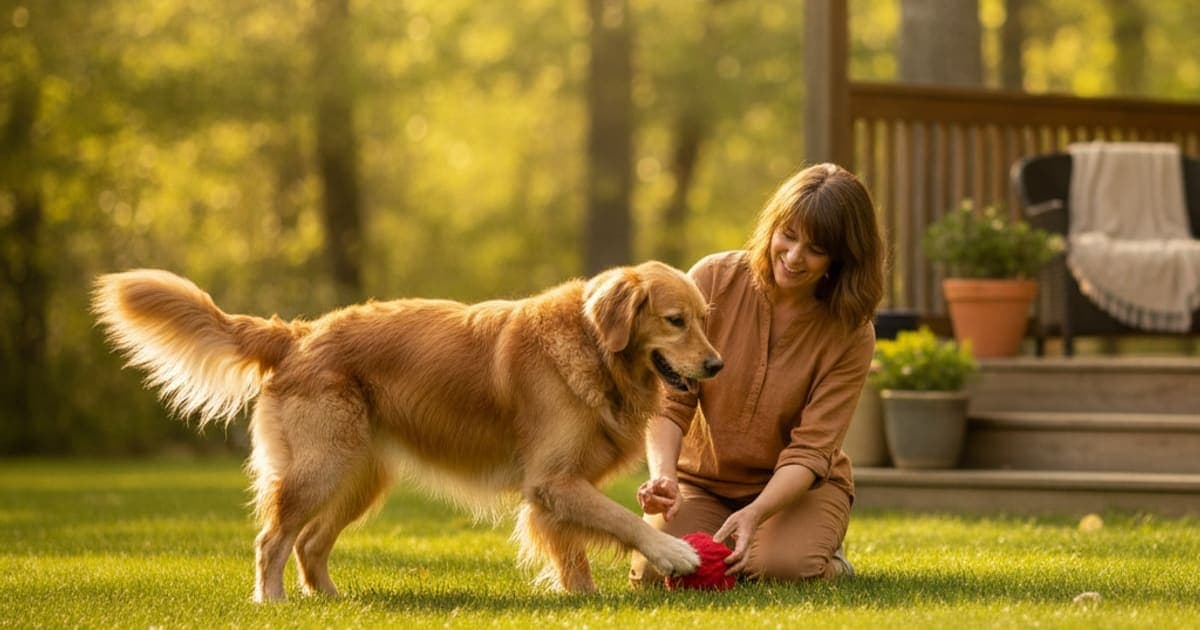 Can a Dog Recover From Tendonitis Without Surgery?Yes — most canine tendonitis is managed without surgery. Conservative care built on controlled activity, vet-directed pain management and staged rehabilitation is the standard first approach. Outcome depends on which tendon is involved, whether the fibres are strained or fully torn, how early loading was controlled, and how consistently the plan is followed.Read the guide →
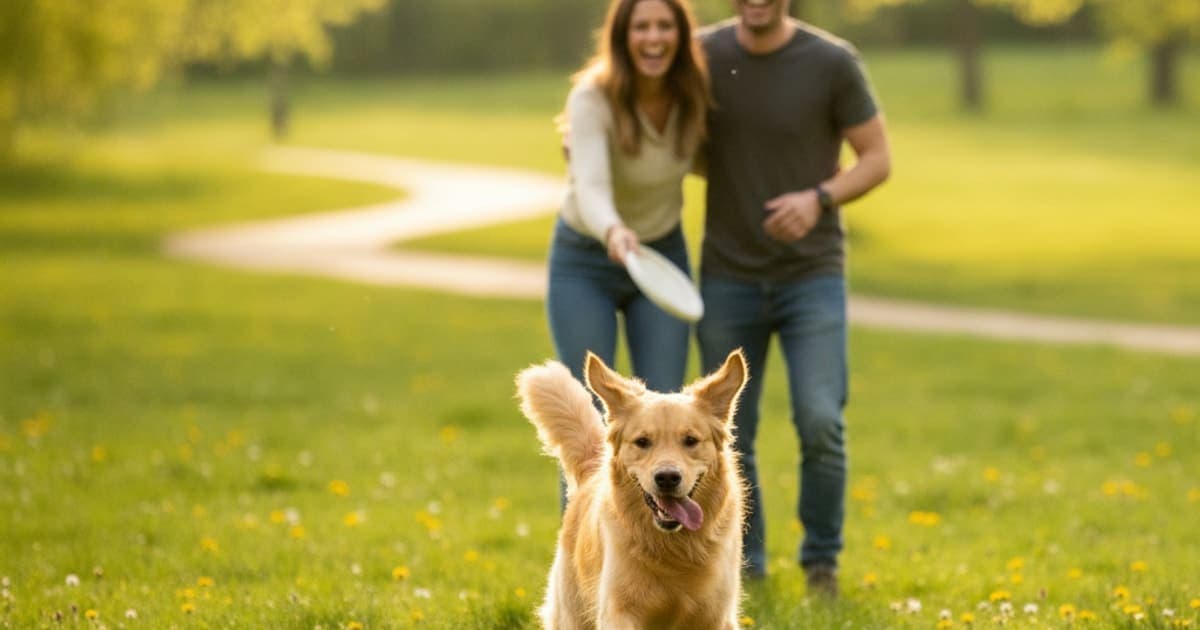 Can a Dog Recover From Panosteitis Without Surgery?Yes — panosteitis resolves without surgery, and surgery is not part of standard veterinary management for it. It is a self-limiting inflammation inside the marrow cavity of growing long bones, and the bone remodels back to normal on its own. Outcome depends on accurate diagnosis, pain control, activity management and growth nutrition.Read the guide →
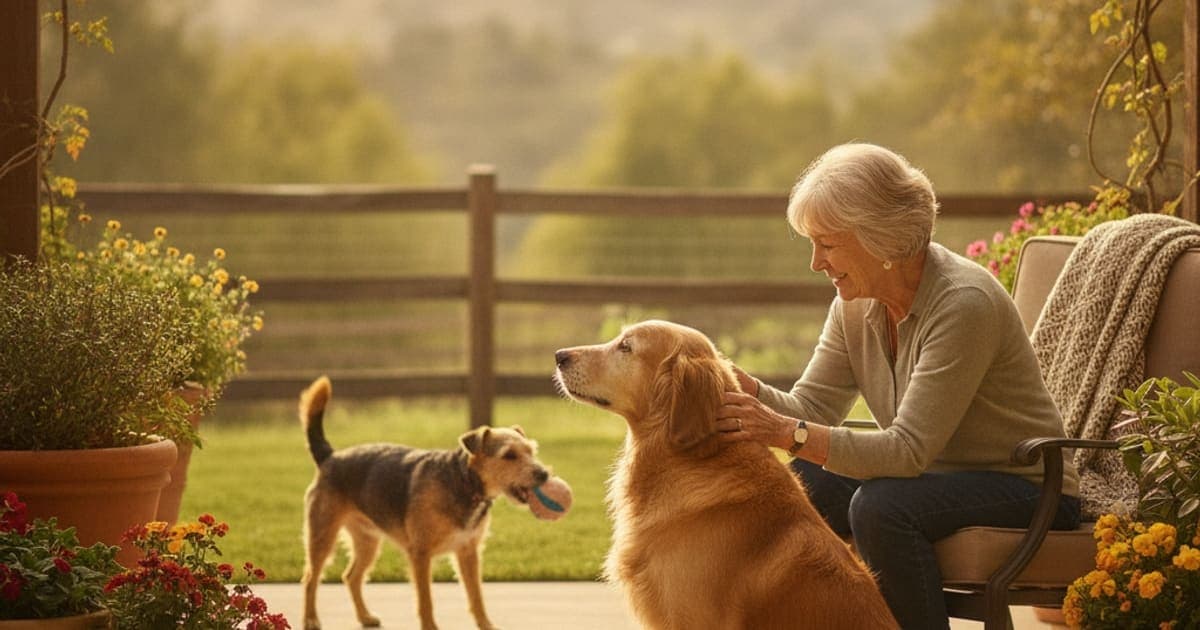 Dog Cognitive Decline Recovery Time: Realistic ExpectationsCanine cognitive decline does not resolve on a recovery timeline — it is a progressive condition that unfolds over months to years, and management aims to slow change and support comfort rather than heal. Owners who start early and stay consistent tend to see the steadiest day-to-day results.Read the guide →
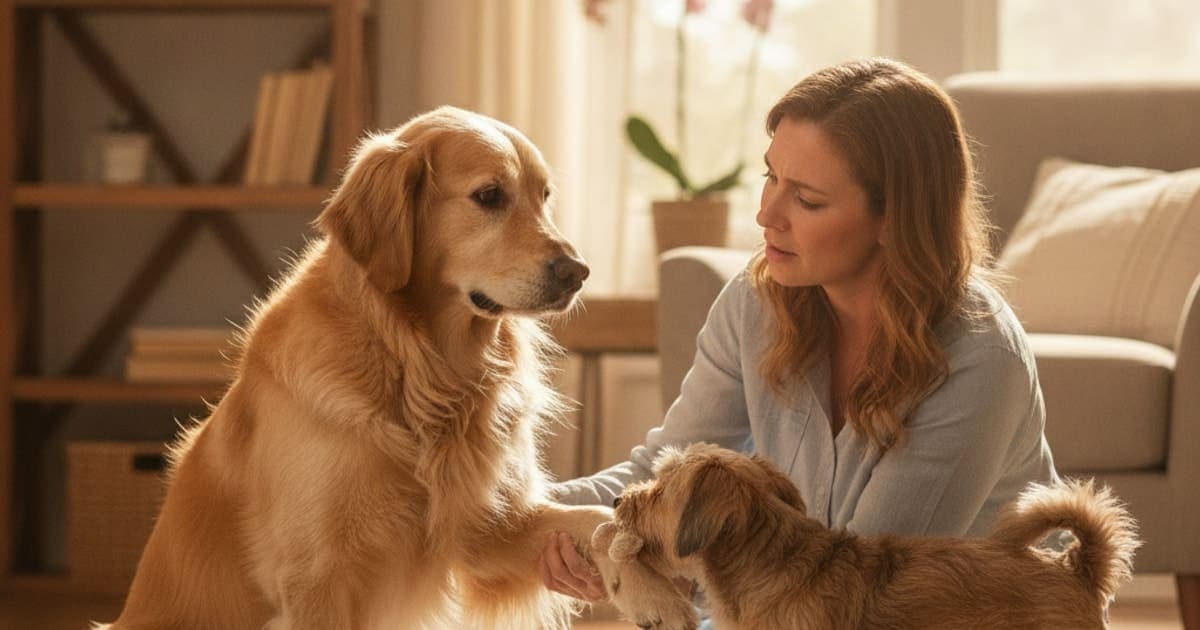 What Makes Tendonitis Worse in Dogs? (Aggravating Factors)Tendonitis in dogs gets worse with repeated loading of the injured tendon: running, jumping, stairs, slick floors, ball chasing and returning to full activity before the tissue has remodelled. Excess body weight, cold starts without warm-up, and pain relief used as permission for more exercise all add load too.Read the guide →
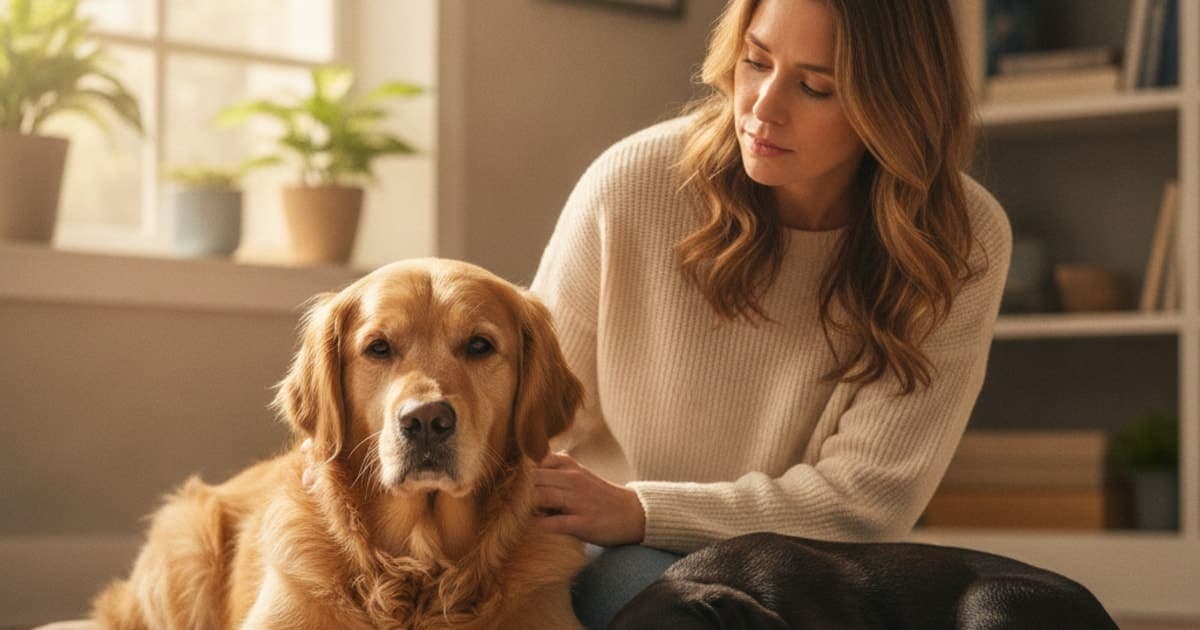 When Should I Take a Dog to the Vet for Tiring Quickly?Take your dog to the vet the same day if tiring quickly comes with collapse, pale or blue gums, laboured breathing, coughing, or a sudden drop in stamina. Book a routine appointment within a week for gradual decline, exercise reluctance, or new stiffness after walks.Read the guide →
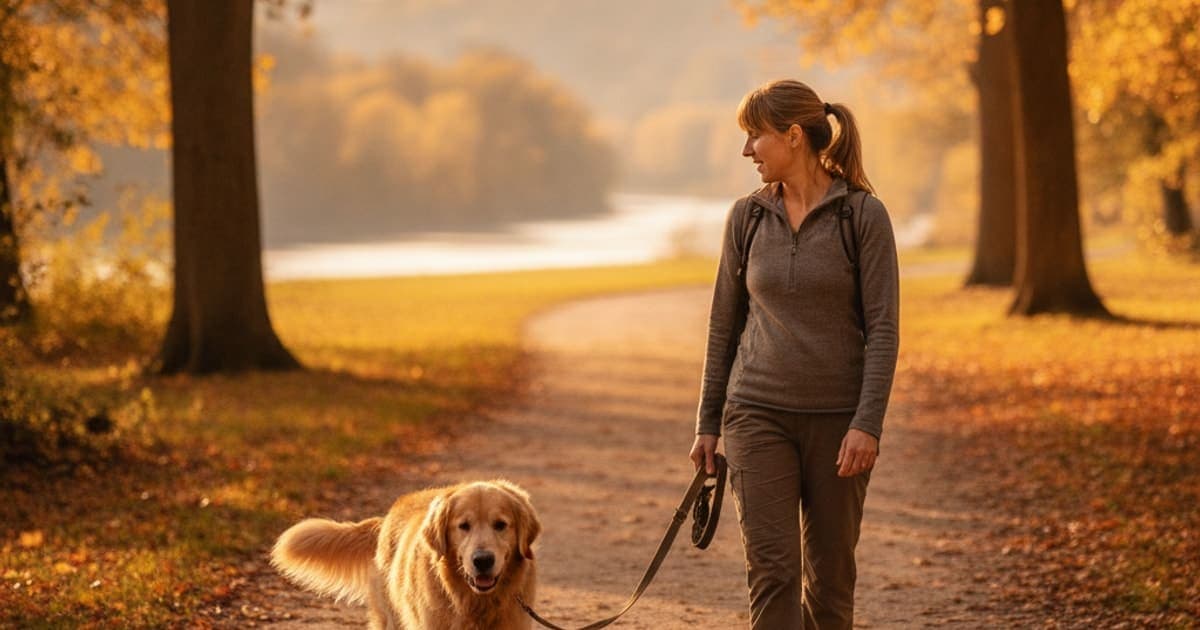 Dog Lagging Behind On Walks: When to See a VetTake your dog to the vet if lagging behind on walks lasts more than a few days, and go the same day if it started suddenly. Seek emergency care immediately for collapse, laboured breathing, pale gums, a leg they will not use, or crying out.Read the guide →
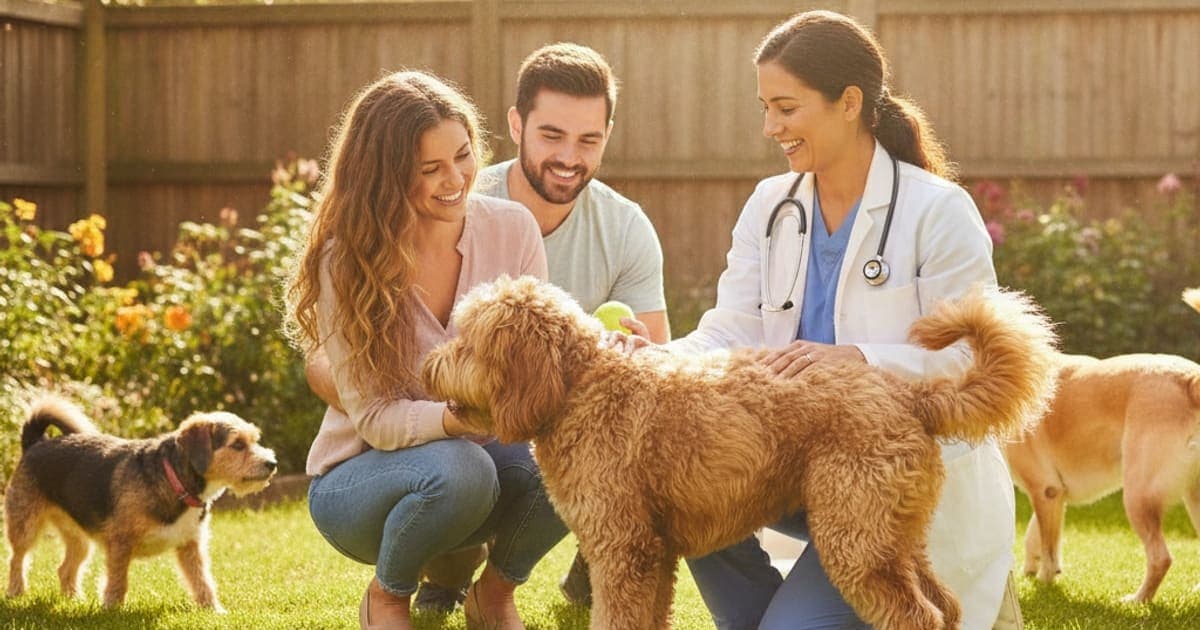 Why Mixed Breed Dogs Are Prone to Joint ProblemsMixed breed dogs are prone to joint problems because they inherit orthopedic risk from every breed in their ancestry, and conditions like hip dysplasia, elbow dysplasia and cruciate ligament disease are polygenic and conformational rather than rare recessive traits. Unknown parentage also means no screening history to work from.Read the guide →
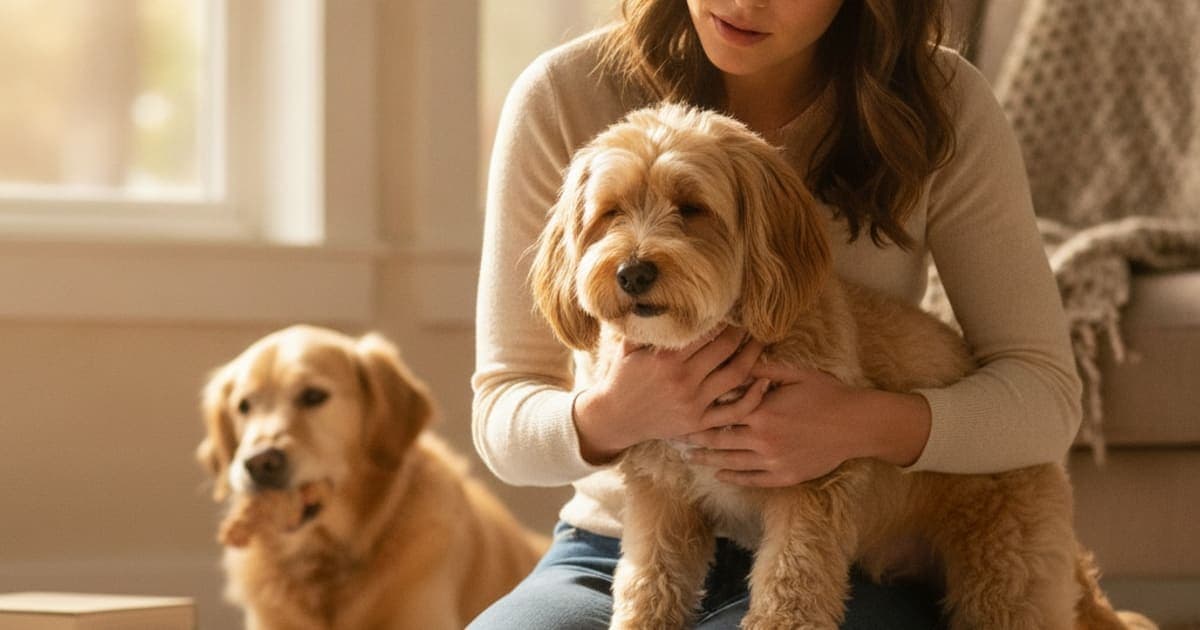 When Should I Take a Dog to the Vet for Yelping? (Red Flags)Take your dog to the vet the same day if yelping when picked up is new, repeatable, or paired with any change in movement. Go immediately if you also see wobbling, dragging back legs, a hunched posture, a tense abdomen, laboured breathing, or pale gums. A repeatable yelp is a physical finding.Read the guide →
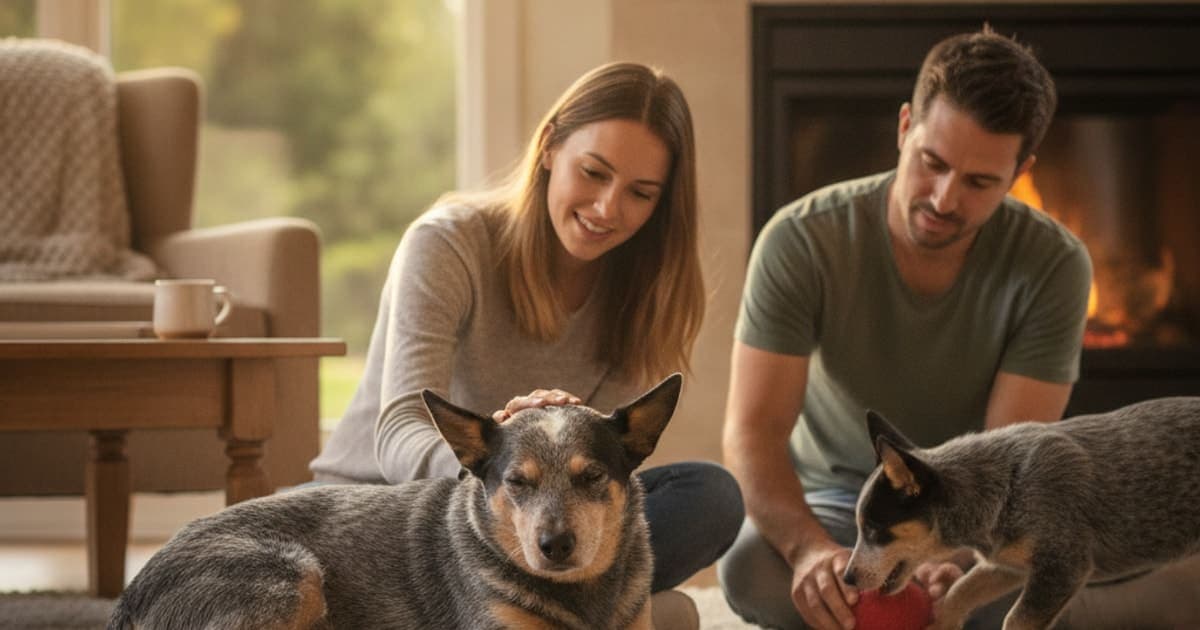 Why Blue Heelers Are Prone to Joint ProblemsBlue Heelers are prone to joint problems because a compact, heavily muscled working frame concentrates force through the hips and stifles, the breed carries inherited dysplasia risk, and their drive masks pain until damage is advanced. Early screening, weight control and structured conditioning matter more in this breed than in most.Read the guide →
 Dog Sore After Agility: When to See a VetSee a veterinarian the same day if your dog will not bear weight, has visible swelling, yelped during the run, or is painful while resting. Mild, symmetrical stiffness that eases after a rest day and does not change weight-bearing is usually ordinary post-exertion soreness worth monitoring closely.Read the guide →
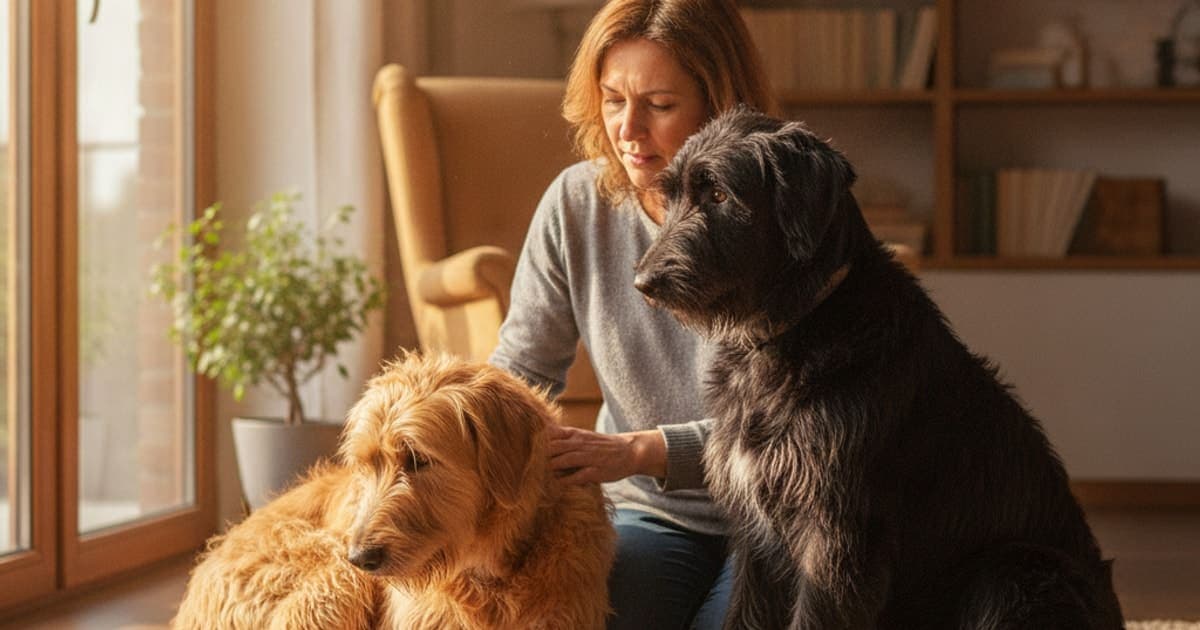 Why Briards Are Prone to Joint ProblemsBriards are prone to joint problems because large-breed growth, an inherited predisposition to hip dysplasia in many lines, and a hard-driving herding temperament all load the same joints. Cruciate ligament injury and osteoarthritis are common as they age, and a thick coat hides the early muscle loss owners would otherwise notice.Read the guide →
 Sprained Leg in Dogs: Signs, Causes and What HelpsA sprained leg in dogs is a stretched or partially torn ligament, most often from a twist, slip or awkward landing. It shows up as sudden limping, swelling and heat around a joint. Diagnosis, rest and a structured recovery plan from your veterinarian decide how well it settles.Read the guide →
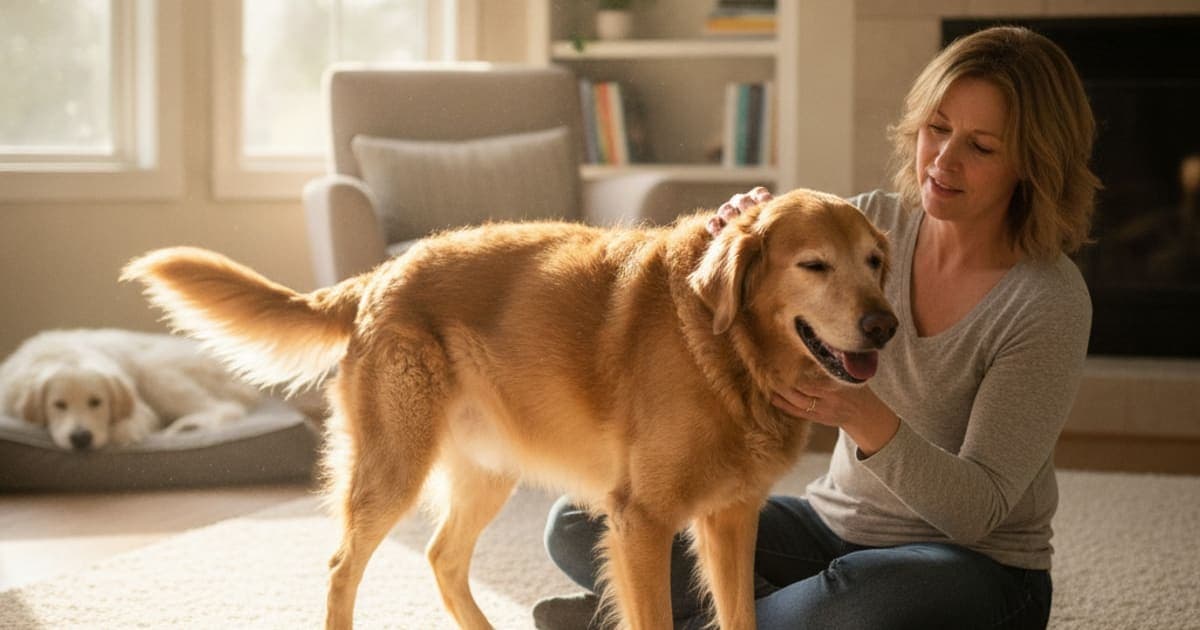 Sarcopenia in Dogs: Signs, Causes and What HelpsSarcopenia in dogs is the progressive, age-related loss of muscle mass and strength that happens without disease or weight loss driving it. It shows up as a narrowing rear end, slower stair climbs and difficulty rising. Nutrition, targeted loading and veterinary assessment are the core of management.Read the guide →
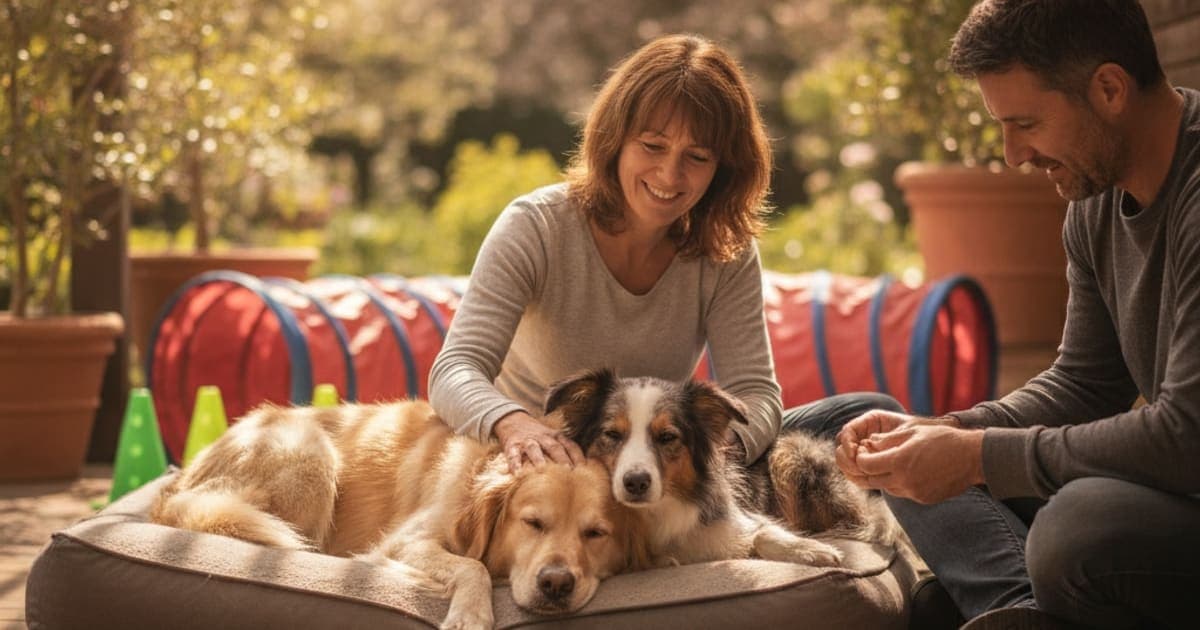 Dog Sore After Agility: What It Usually MeansA dog is usually sore after agility because tight turns, jump landings and weave-pole flexion create microscopic muscle and tendon damage that peaks within a day or two. Normal training soreness eases with rest. Soreness that lingers, worsens, or shows up in the same limb repeatedly needs a veterinary exam.Read the guide →
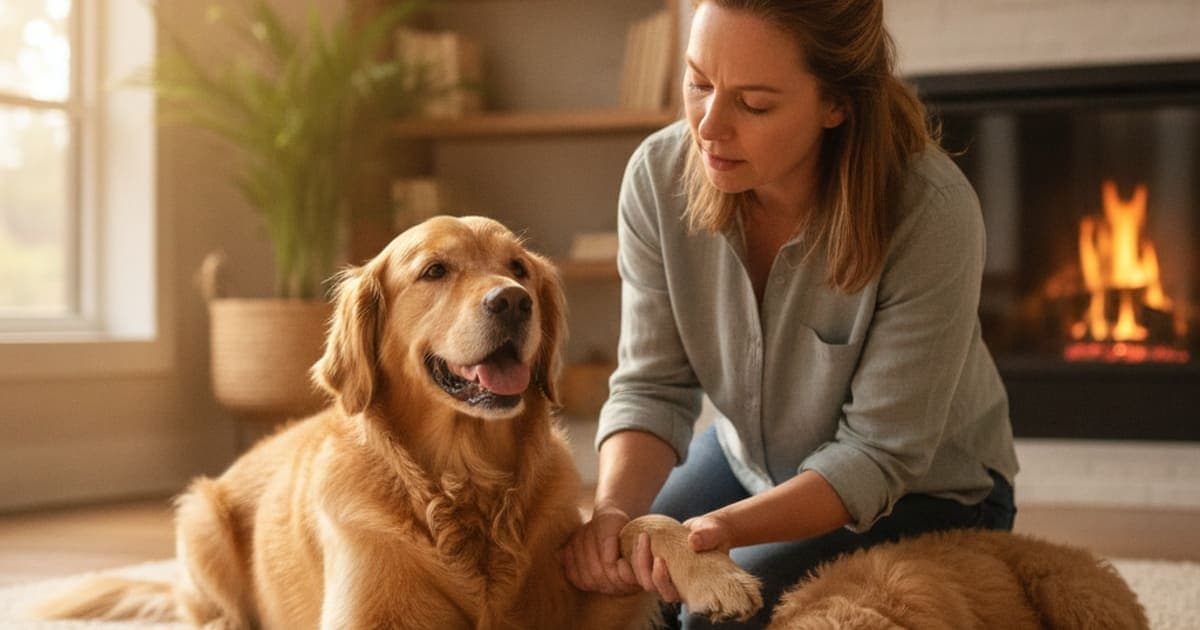 Why Is My Dog's Joint Warm? (Causes of Joint Heat)A warm joint in a dog almost always means inflammation, because blood flow to the area increases and you feel that extra circulation as heat. Causes range from a soft-tissue strain or arthritis flare to immune-mediated disease or joint infection. Warmth with fever, swelling or non-weight-bearing lameness needs same-day veterinary attention.Read the guide →
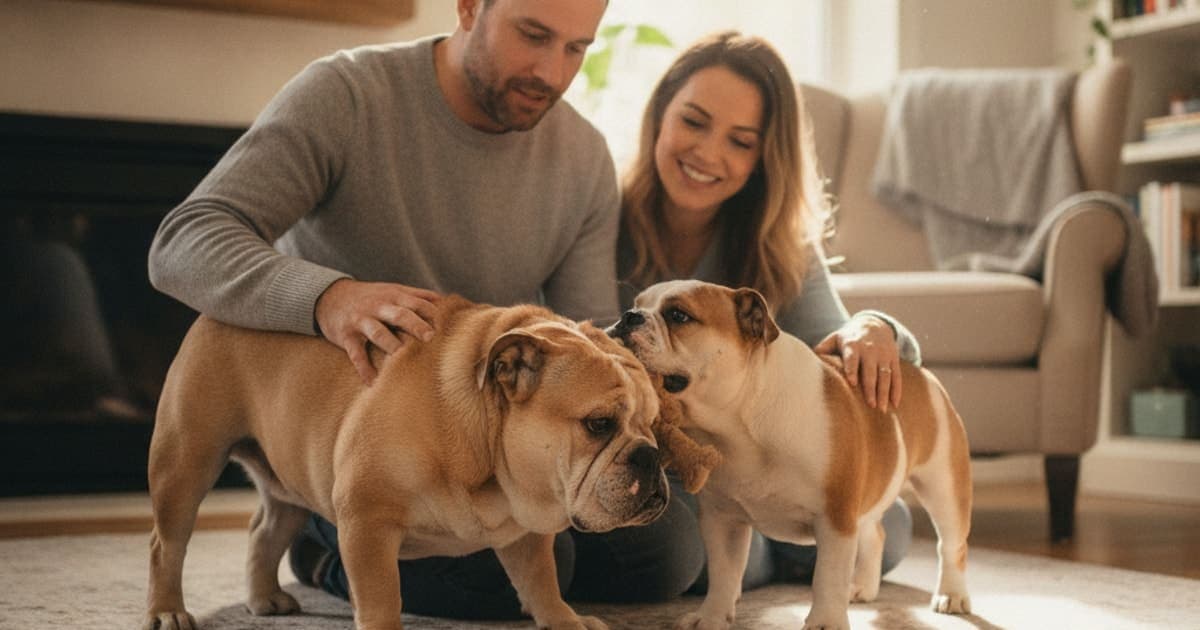 Why English Bulldogs Are Prone to Joint ProblemsEnglish Bulldogs are prone to joint problems because generations of selective breeding reshaped their skeleton — wide shoulders, a short heavy frame, shallow hip sockets and angled limbs — which loads cartilage and ligaments abnormally from puppyhood onward. Weight gain and limited exercise tolerance compound the mechanical stress over years.Read the guide →
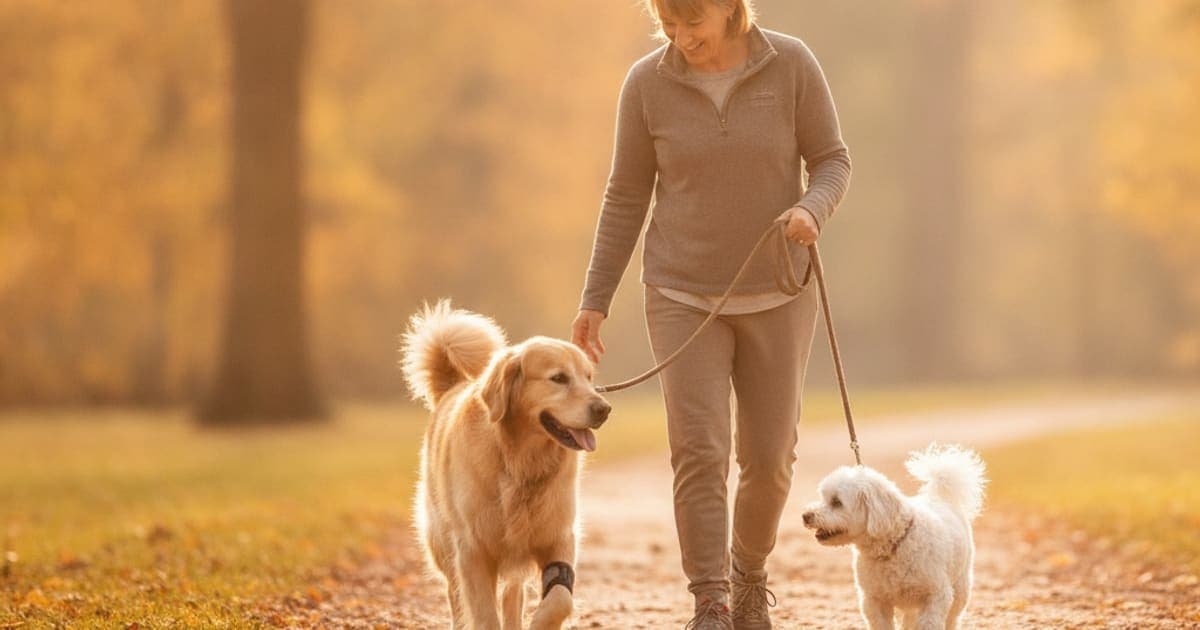 Dog CCL Tear Recovery Time: Realistic ExpectationsA surgically repaired CCL tear usually means eight to twelve weeks of strict activity restriction followed by a graded return to exercise, with full function commonly described around four to six months. Dogs managed without surgery follow a longer, less predictable arc. Your surgeon's protocol sets the real timeline.Read the guide →
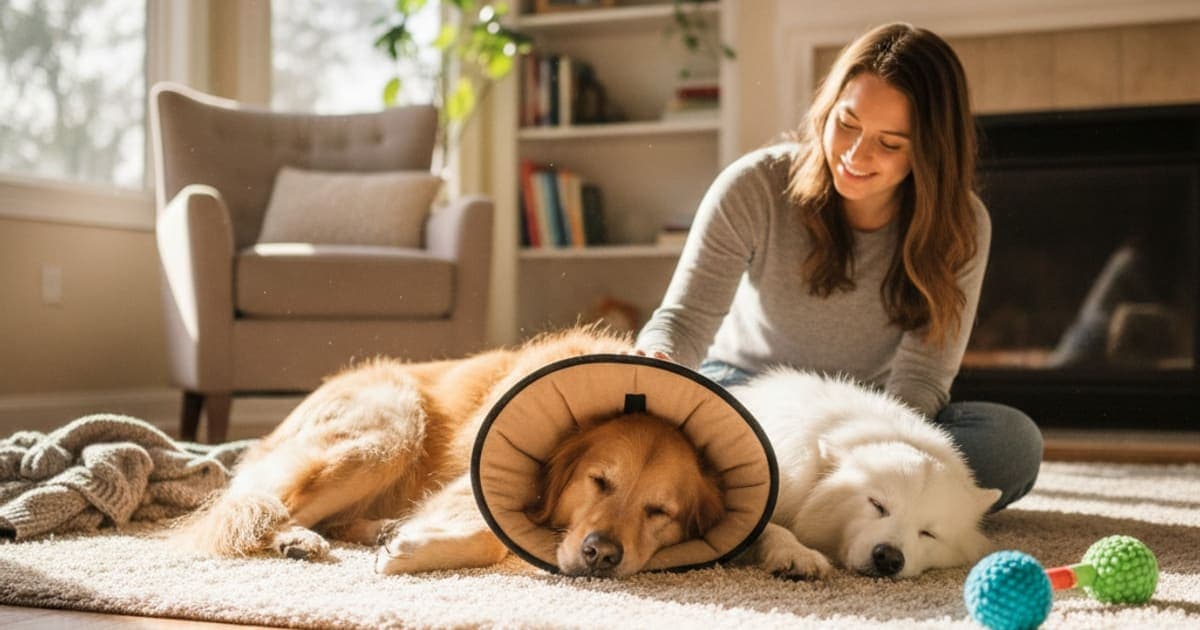 Dog Spay Recovery Time: A Realistic TimelineMost dogs need roughly ten to fourteen days of strictly restricted activity after a spay, which is when the skin incision closes and sutures come out. Deeper tissue healing continues for several weeks beyond that. Age, size, surgical approach and how well activity is limited all shift the timeline.Read the guide →
 IVDD in Dogs: Signs, Causes and What HelpsIVDD (intervertebral disc disease) is a spinal condition in which a cushioning disc between a dog's vertebrae bulges or ruptures into the spinal canal and presses on the spinal cord. It causes back or neck pain, wobbliness, weakness, and in severe cases the loss of the ability to walk.Read the guide →
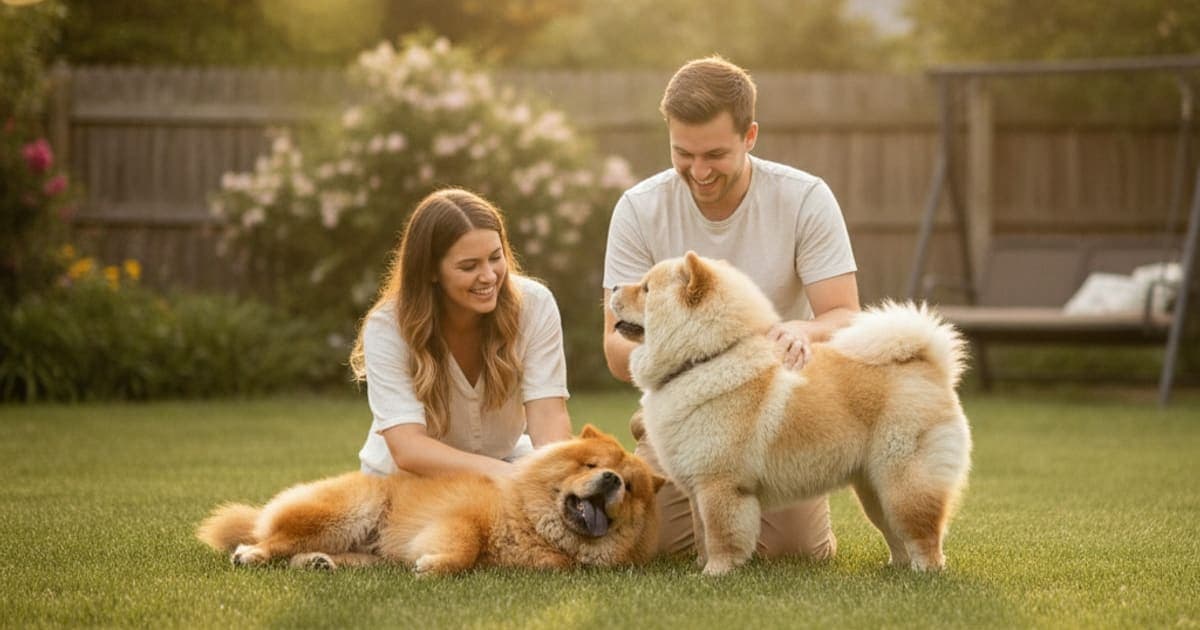 Why Chow Chows Are Prone to Joint ProblemsChow Chows are prone to joint problems because the breed combines heavy bone on a compact frame, a famously straight rear stifle and a thick double coat that makes overheating easy. That structure concentrates load on hips, elbows and knees, where dysplasia and patellar luxation show up most often.Read the guide →

The pawgen library · 3,678 guides
Dog mobility, joints and recovery
Plain-English guides on joint pain, injury recovery and what actually helps aging and active dogs. Written to answer the question, not to pad a word count.