 Dog Difficulty Posturing To Poop: What It Usually MeansDifficulty posturing to poop usually reflects pain or hind-end weakness rather than a stool problem, because the squat demands deep hip and knee flexion held for several seconds. Arthritis, cruciate injury, lumbosacral disease, anal gland trouble and rectal disease can all interfere, and a veterinary exam is what separates them.Read the guide →
 Why Is My Dog Swollen Joint? (Causes and What to Do)A dog's swollen joint means inflammation — fluid inside the joint capsule, thickened tissue around it, or both. Common causes include sprains, a torn cruciate ligament, arthritis flares, tick-borne or bacterial infection, and immune-mediated joint disease. Heat, fever or refusal to bear weight means the same day, not next week.Read the guide →
 When to Take a Dog to the Vet for Back Leg LimpingTake your dog to the vet the same day if a back leg bears no weight, looks swollen or crooked, or the limp followed a fall or collision. Any limp that lasts beyond 24 to 48 hours, worsens, or keeps returning after rest also needs a veterinary exam.Read the guide →
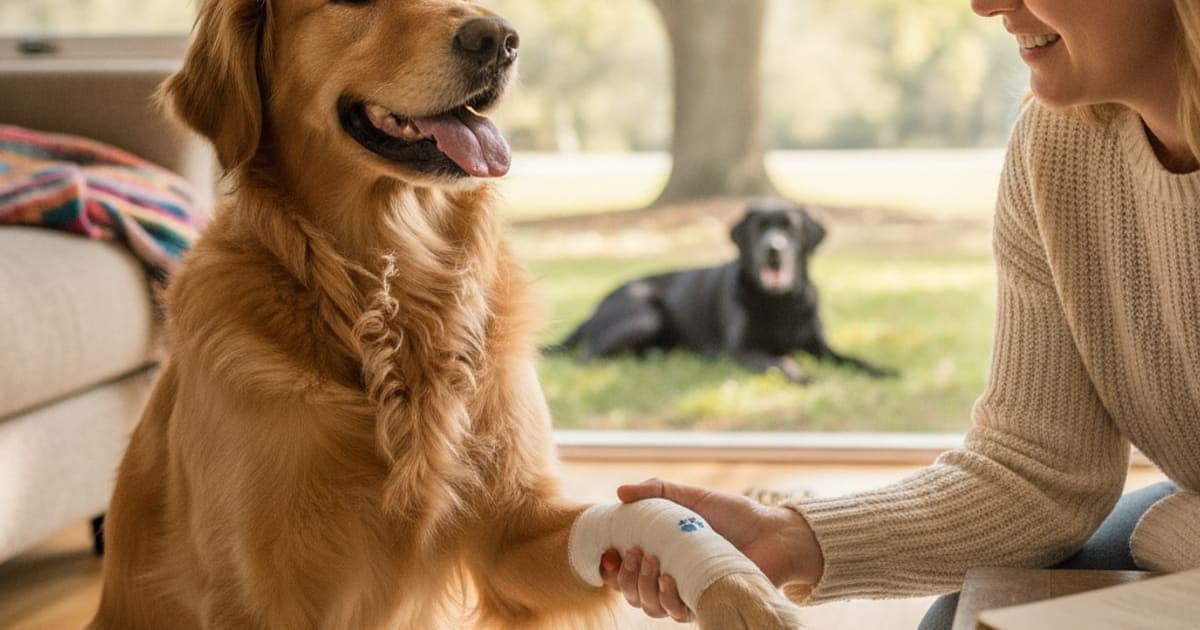 Toe Injury in Dogs: Signs, Causes and What HelpsA toe injury in dogs is damage to any structure in a digit — the small phalangeal bones, the joints between them, the flexor tendons and ligaments, the nail, or the pad. Most show up as sudden limping, licking one paw, or swelling over a single toe.Read the guide →
 What Makes Iliopsoas Strain Worse in Dogs? (Key Triggers)Iliopsoas strain in dogs gets worse with repeated hip extension and slipping — jumping in and out of cars, sprinting turns on grass, slick floors, stairs, and returning to full activity before the muscle-tendon unit has remodelled. Pain medication that masks soreness can also encourage overuse. Your veterinarian sets the plan.Read the guide →
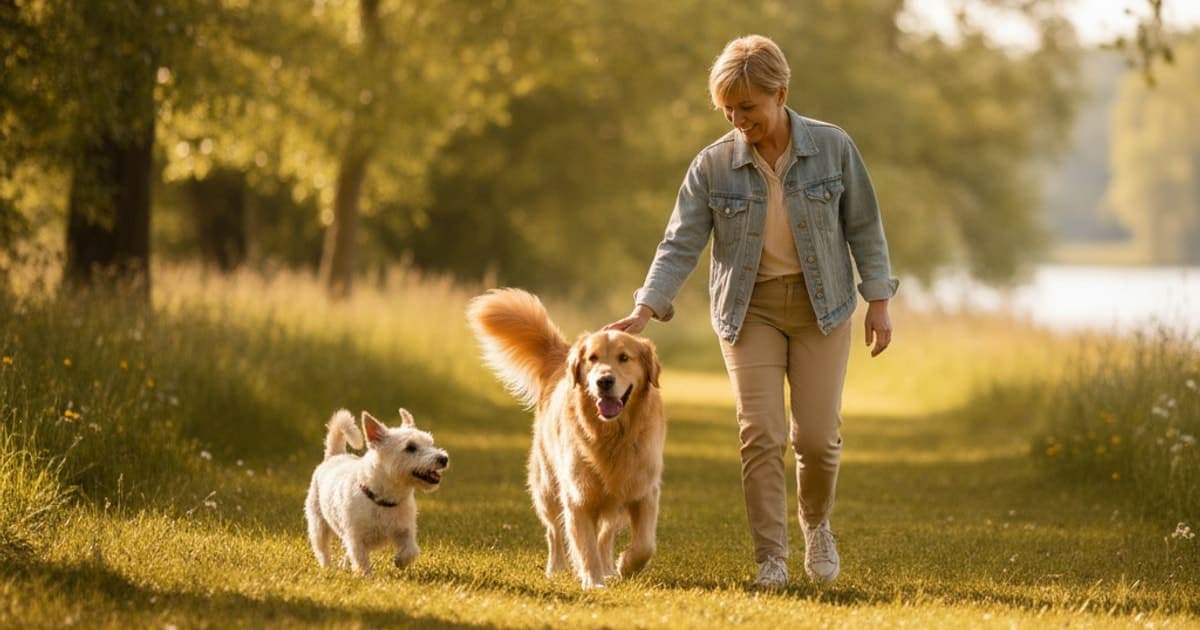 Can a Dog Recover From Joint Effusion Without Surgery?Yes, many dogs with joint effusion improve without surgery, and some resolve completely. The deciding factor is the cause of the fluid, not the swelling itself. Sprains, mild arthritis and inflammatory flares often respond to conservative care, while ruptured ligaments, infection and cartilage lesions usually need surgical input from your veterinarian.Read the guide →
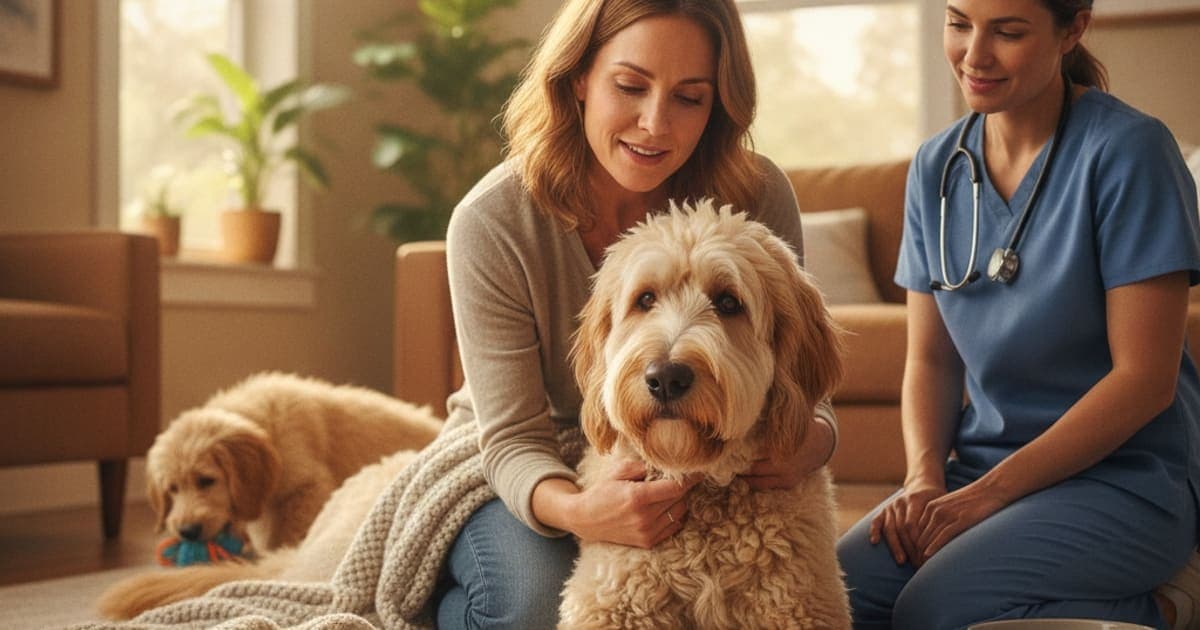 Why Goldendoodles Are Prone to Joint ProblemsGoldendoodles are prone to joint problems because both parent breeds — Golden Retrievers and Poodles — carry inherited hip and elbow dysplasia risk, and doodles vary widely in size, growth rate and structure. Fast growth, excess weight and high-impact activity compound that genetic loading over a dog's life.Read the guide →
 Dog Reluctant To Go Up Stairs: When to See a VetBook a veterinary appointment if your dog's reluctance to climb stairs lasts more than a day or two, keeps coming back, or appears alongside limping, a hunched back, yelping or a change in appetite. Seek same-day care if your dog cannot bear weight, drags a paw or cries when touched.Read the guide →
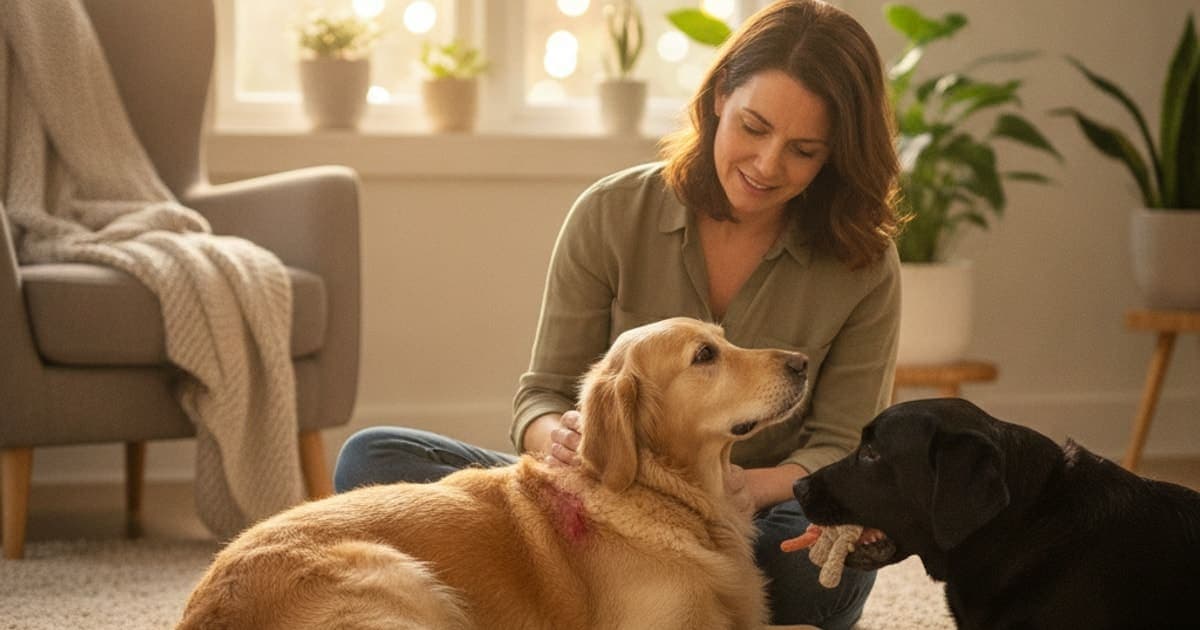 What Makes Hot Spots Worse in Dogs? (Moisture & Licking)Hot spots get worse in dogs mainly through self-trauma — licking, chewing and scratching that keeps the surface wet, warm and open. Trapped moisture under dense coat, heat, matted hair, an unaddressed itch trigger such as fleas or allergies, and delayed veterinary care all accelerate the cycle.Read the guide →
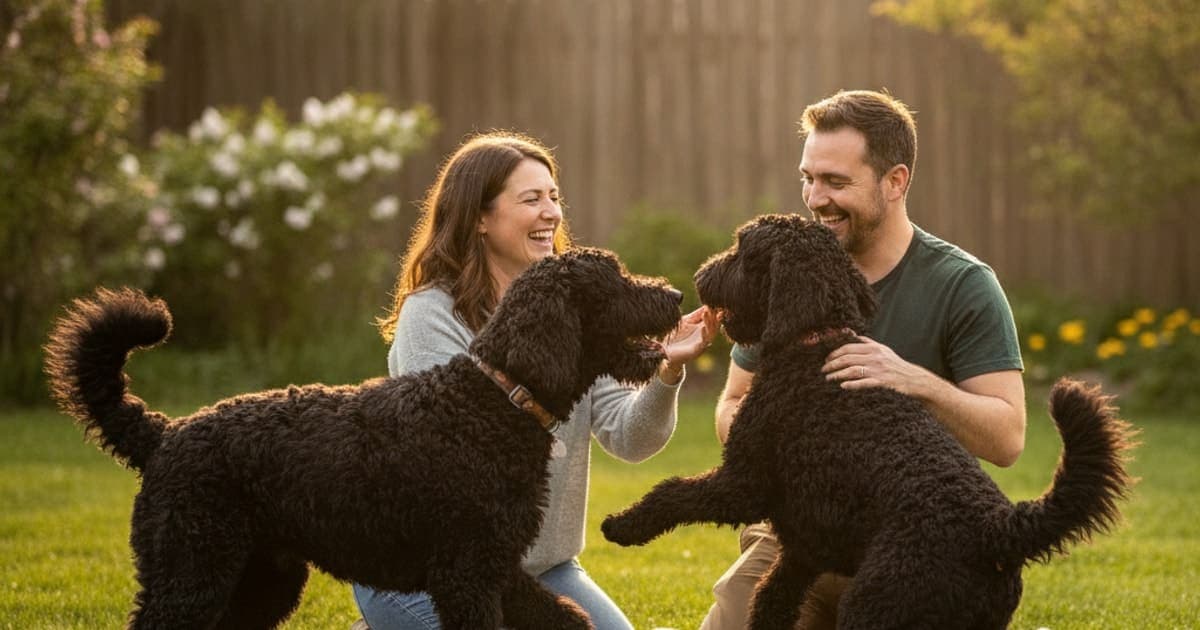 Why Black Russian Terriers Are Prone to Joint ProblemsBlack Russian Terriers are prone to joint problems because giant-breed mass, a late-maturing skeleton and a narrow founding gene pool combine to load and destabilize hips, elbows and stifles. Hip and elbow dysplasia, cruciate injury and secondary arthritis are the conditions owners are most often screening and watching for.Read the guide →
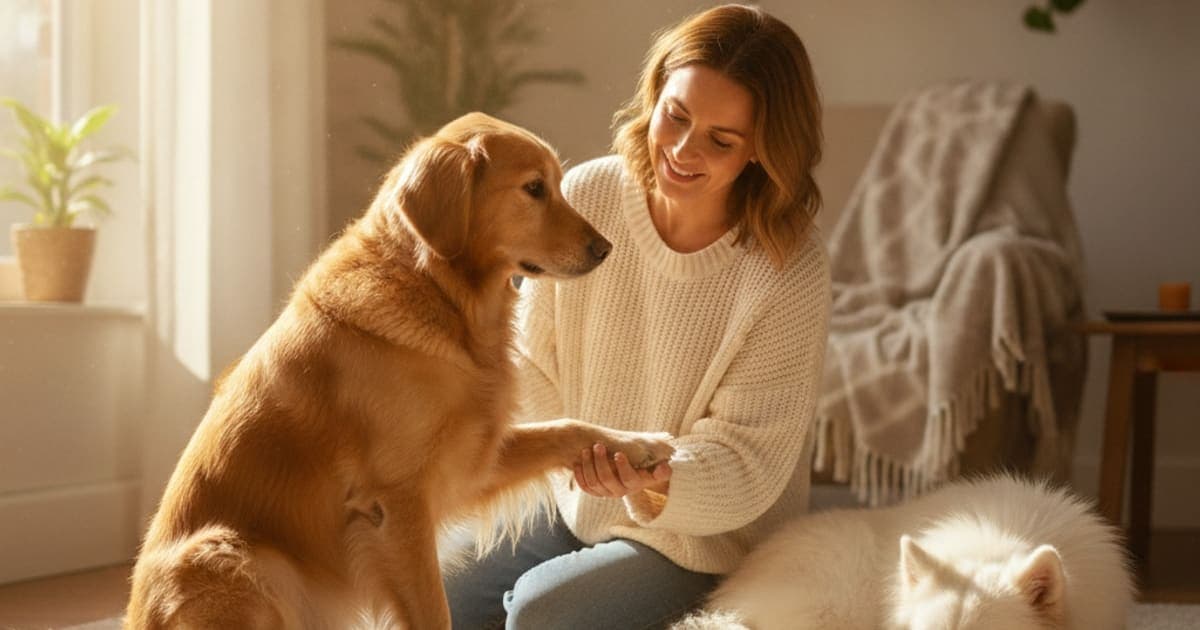 When Should I Take a Dog to the Vet for Sudden Limping?Take your dog to the vet the same day if sudden limping comes with refusal to bear weight, yelping, swelling, a dangling limb, an open wound, or a fall or impact. Milder limps that improve with rest still warrant a call, since soft-tissue and ligament injuries hide behind small signs.Read the guide →
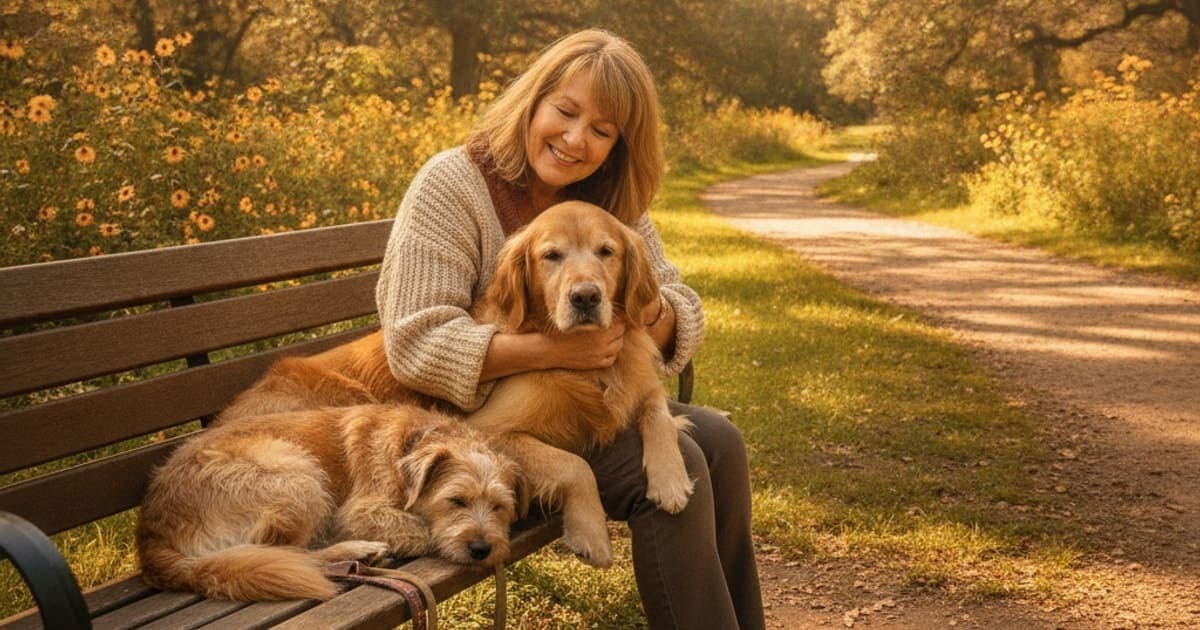 Dog Can't Walk as Far: What It Usually MeansA dog that can't walk as far is usually dealing with pain or weakness — most often osteoarthritis, a soft-tissue injury like a partial cruciate tear, or age-related muscle loss. Heart, lung, neurological and hormonal problems can also shorten walks, so a veterinary exam is the fastest way to know.Read the guide →
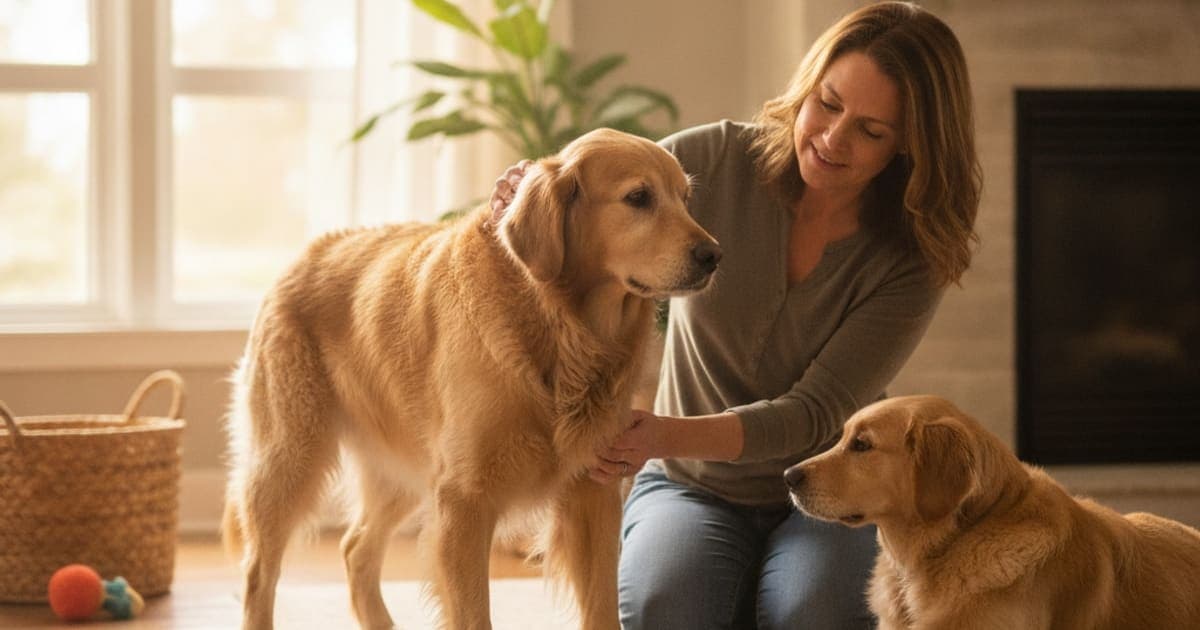 What Makes Joint Effusion Worse in Dogs? (Key Triggers)Joint effusion in dogs gets worse when the underlying joint problem keeps being aggravated: continued weight-bearing on an unstable joint, uncontrolled off-leash bursts, slick floors, excess body weight, cold-weather stiffness, and delayed veterinary diagnosis. Swelling is a signal of ongoing irritation inside the joint, not the disease itself.Read the guide →
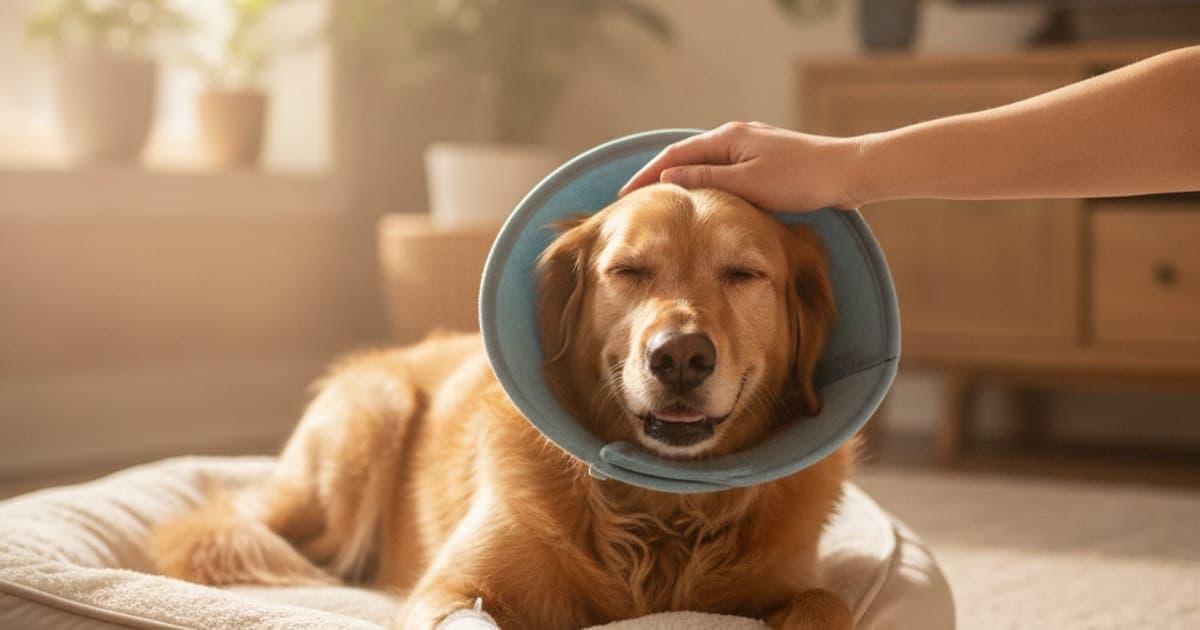 Dog Slow Recovery After Surgery: What It Usually MeansSlow recovery after surgery in dogs usually traces back to pain that isn't fully controlled, an incision or joint complication, too much activity too early, muscle loss from too little controlled movement, or factors like age, excess weight and a second injury on the opposite leg. A recheck identifies which.Read the guide →
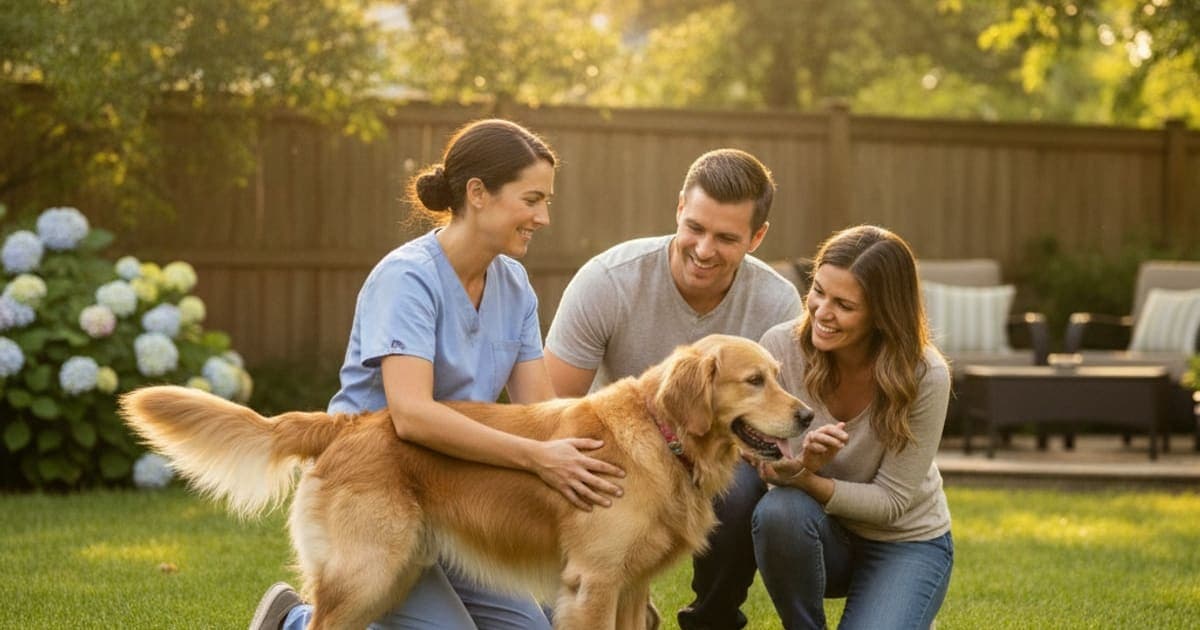 Elbow Dysplasia in Dogs: Signs, Causes and What HelpsElbow dysplasia in dogs is a developmental condition in which the humerus, radius and ulna fail to fit together correctly, concentrating pressure on cartilage and bone. It causes front-leg lameness, stiffness and progressive arthritis. Most cases appear in the first year of life, and it commonly affects both elbows.Read the guide →
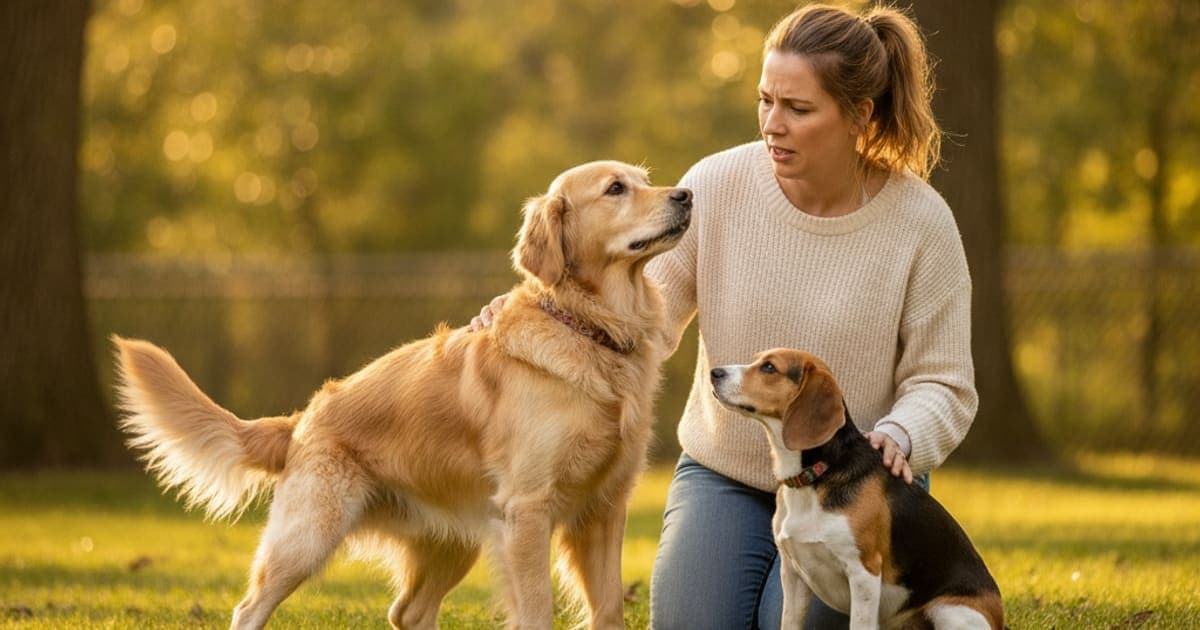 Dog Difficulty Posturing To Poop: When to See a VetSee a veterinarian the same day if your dog repeatedly postures to defecate and produces nothing, cries while straining, or shows a distended abdomen, vomiting or lethargy. Occasional mild straining that resolves with a normal stool can wait for a routine call, but repeat episodes deserve an exam.Read the guide →
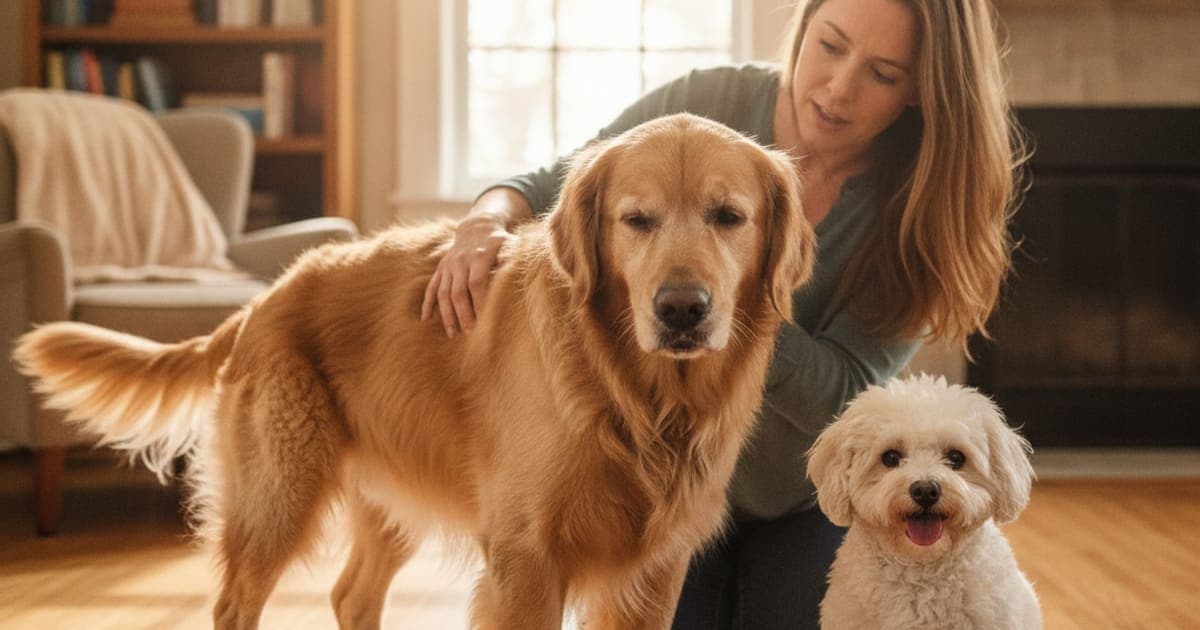 When to See a Vet for a Dog Reluctant to Be Touched?See a veterinarian within about a day if your dog has suddenly become reluctant to be touched, and go immediately if flinching comes with yelping, a hunched back, a tense belly, wobbling, or out-of-character growling. Touch aversion is a pain signal until an exam proves otherwise.Read the guide →
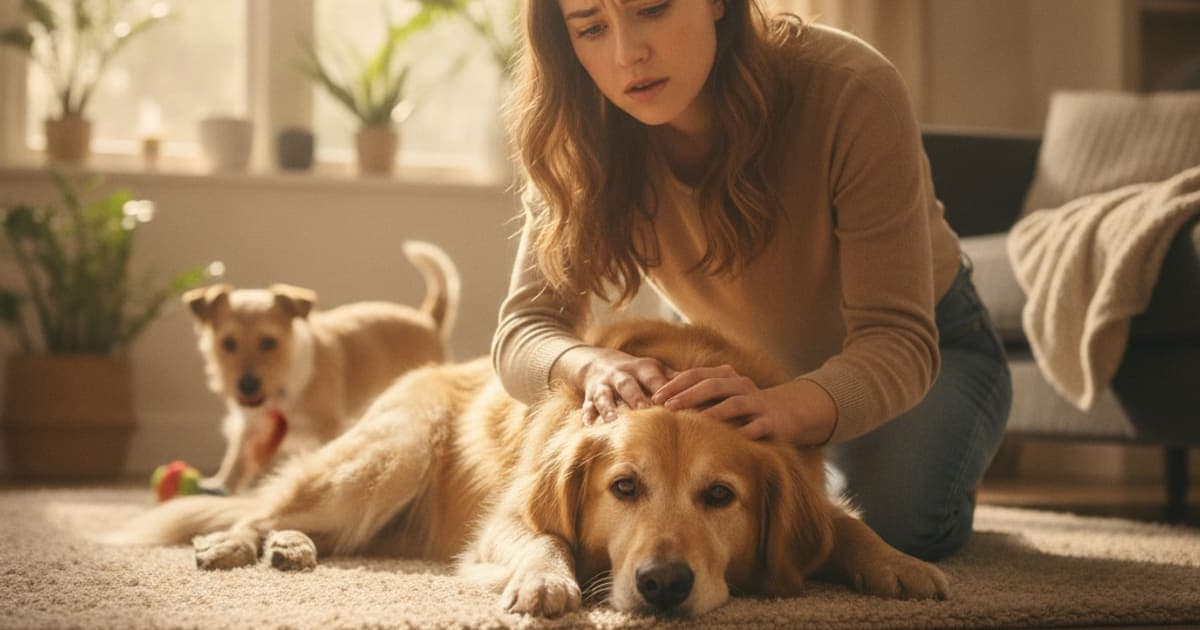 Dog Licking a Joint: When to See a VetSee a vet if your dog licks the same joint for more than a day or two, or right away if the joint is hot, swollen, or the leg won't bear weight. Persistent licking over one spot usually points to pain underneath the skin, not a skin problem.Read the guide →
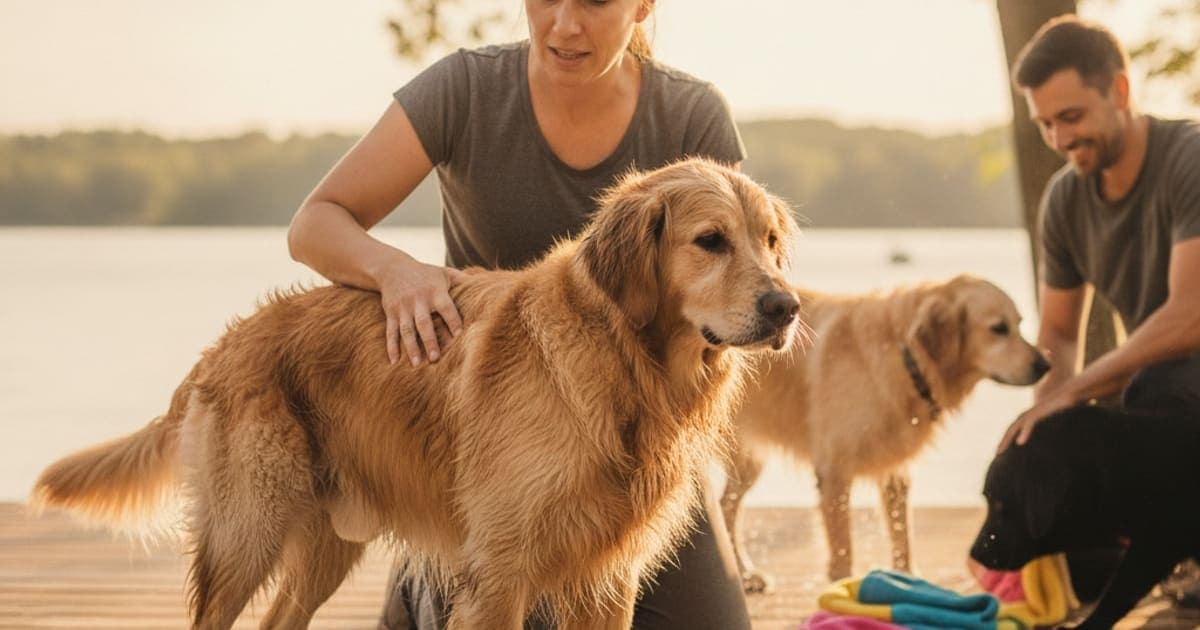 Dog Stiff After Swimming: When to See a VetSee a veterinarian if your dog's stiffness after swimming lasts beyond a day or two, worsens, or comes with limping, a tucked tail, dark urine, or pain when touched. Collapse, disorientation, vomiting, or laboured breathing after a swim needs same-day emergency care rather than watchful waiting.Read the guide →
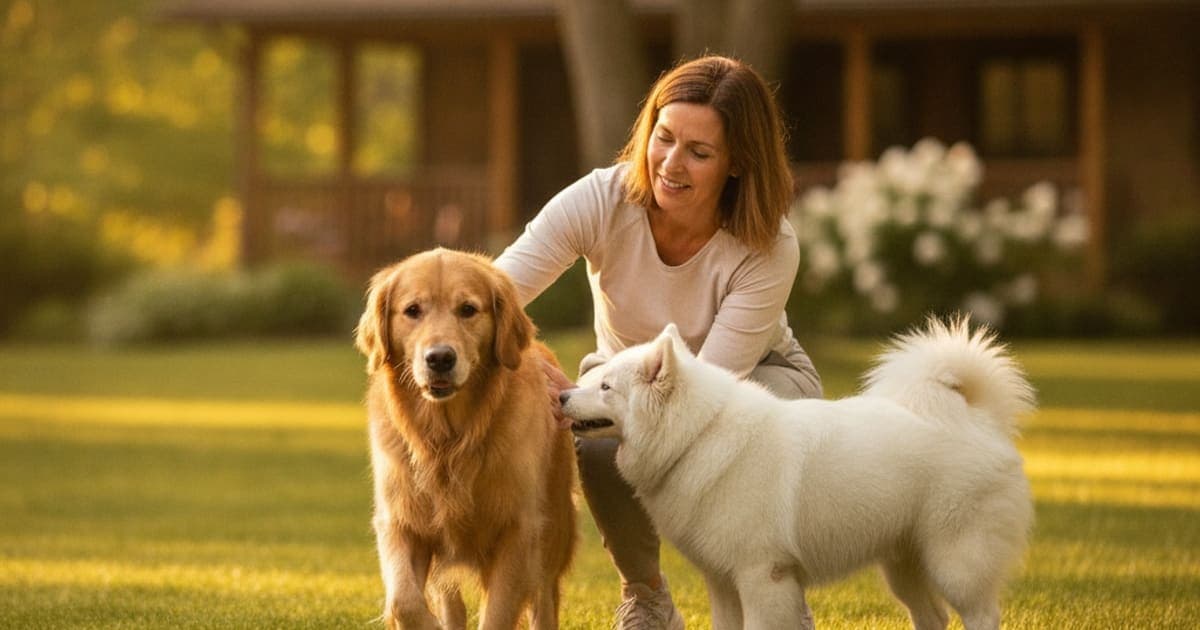 Dog Limping After Exercise: When to See a VetTake your dog to the vet if a limp after exercise persists beyond 24 hours of strict rest, recurs after every outing, or arrives with swelling, heat, a non-weight-bearing leg, a yelp, or fever. Same-day care applies to sudden severe pain or a dangling limb.Read the guide →
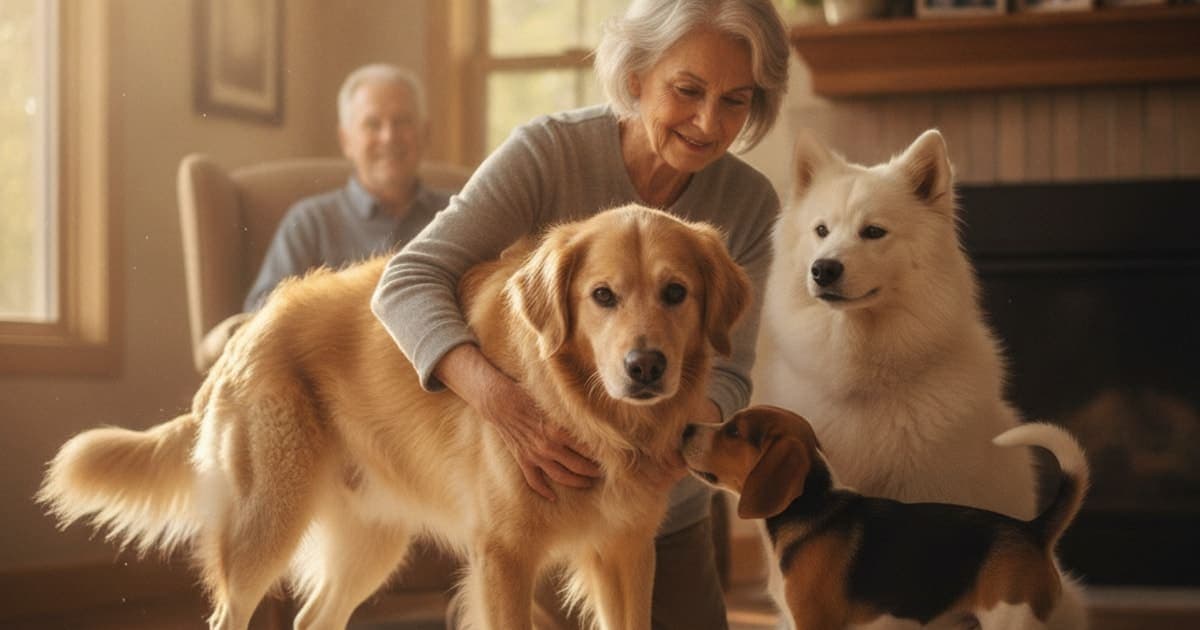 What Makes Muscle Atrophy Worse in Dogs? (Key Drivers)Muscle atrophy in dogs gets worse when a limb stays unused — driven by untreated pain, immobility that continues past what the vet prescribed, skipped rehab, inadequate dietary protein, and unmanaged endocrine or neurologic disease. Each factor removes the mechanical load and building blocks muscle needs to hold its mass.Read the guide →
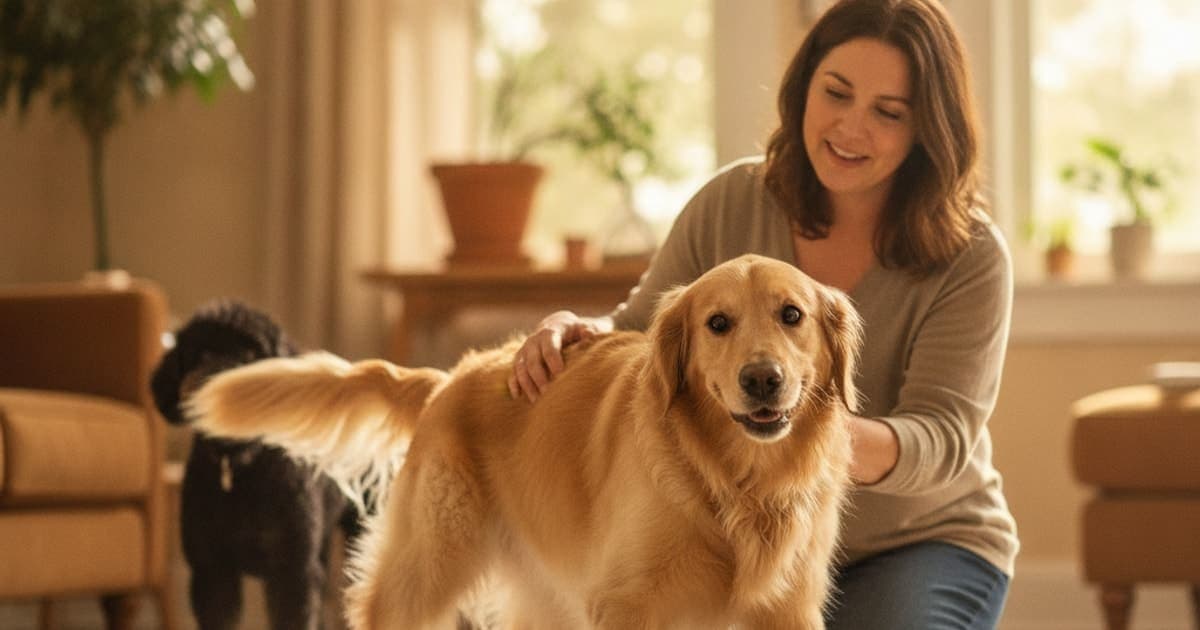 Dog Falling Over: What It Usually MeansA dog falling over usually comes from one of four systems: the balance apparatus in the inner ear, the spinal cord and nerves, the joints and muscles that hold him upright, or the heart and blood supply feeding the brain. Sudden falling warrants a same-day veterinary examination.Read the guide →
 Hock Injury in Dogs: Signs, Causes and What HelpsA hock injury in dogs is damage to the tarsus — the ankle-like joint partway up the hind leg — involving its ligaments, tendons, cartilage or bones. It ranges from a mild sprain to a ruptured Achilles tendon or fracture, and usually shows up as hind-limb lameness, swelling, or a dropped stance.Read the guide →
 Can a Dog Recover From Soft Tissue Injury Without Surgery?Yes — many canine soft tissue injuries heal without surgery, including most muscle strains and mild to moderate sprains. The outcome depends on which tissue is damaged, how much is torn, whether the joint stays stable, and how strictly activity is controlled during the weeks your dog starts feeling better.Read the guide →

The pawgen library · 3,678 guides
Dog mobility, joints and recovery
Plain-English guides on joint pain, injury recovery and what actually helps aging and active dogs. Written to answer the question, not to pad a word count.