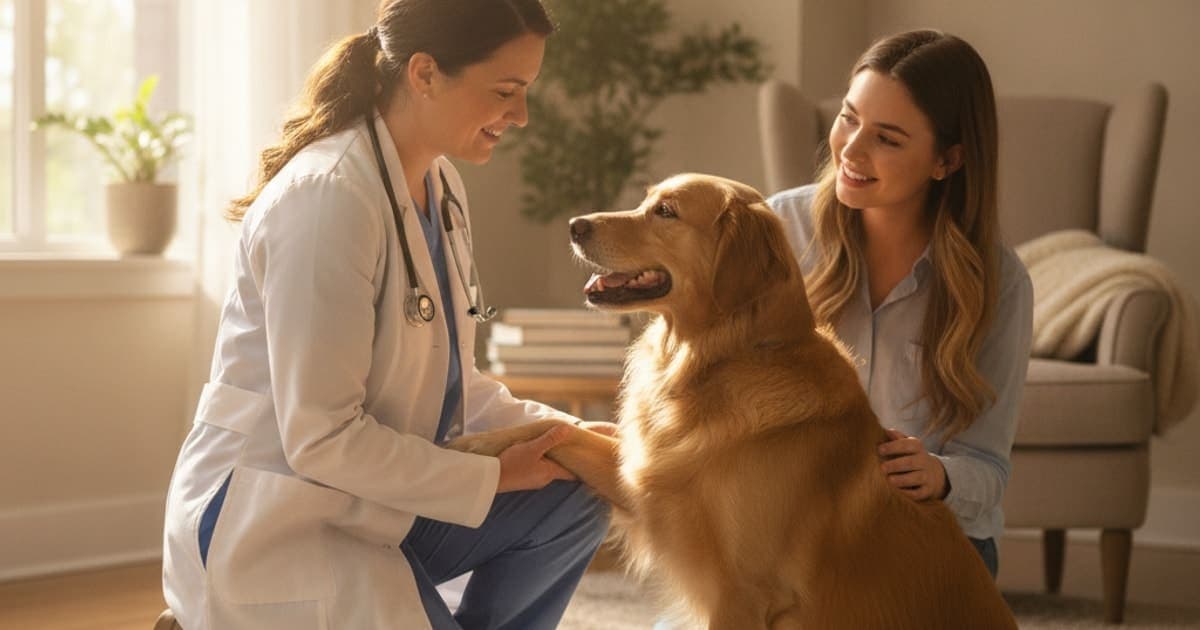
 When Should I Take a Dog to the Vet for Uneven Gait?Take your dog to the veterinarian if an uneven gait lasts longer than about a day, keeps returning, or is getting worse. Go the same day if your dog will not bear weight, the limb is swollen or deformed, more than one leg is affected, or the change followed trauma.Read the guide →
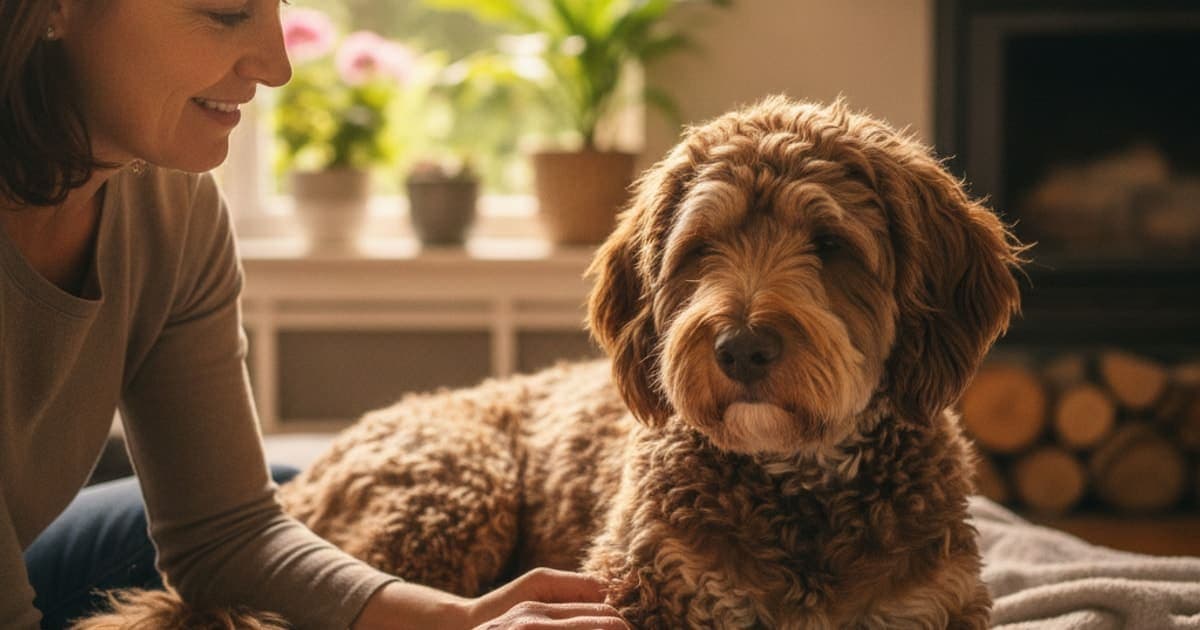 Why Barbets Are Prone to Joint ProblemsBarbets are prone to joint problems because they combine a medium-large, densely built frame with high-impact water-dog athleticism and a comparatively small gene pool that can concentrate hip dysplasia risk. Coat weight, rapid adolescent growth and repeated jumping loads add to it. Early screening and steady mobility support matter most.Read the guide →
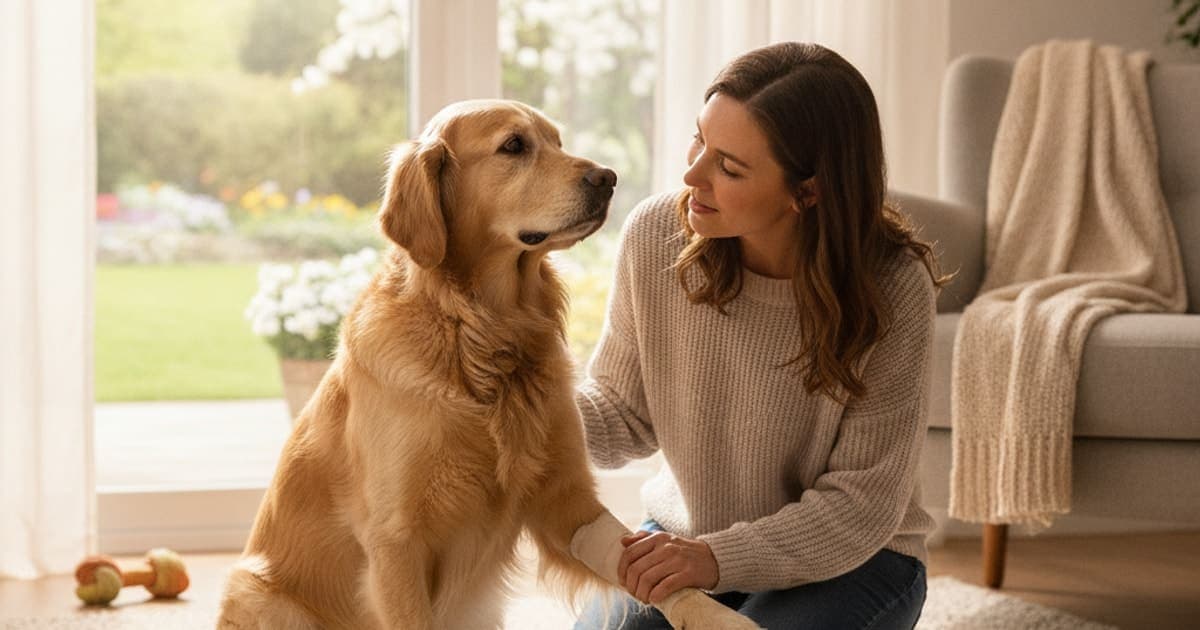 What Makes Stress Fracture Worse in Dogs? (Key Causes)Continued weight-bearing is what makes a stress fracture worse in dogs. Repeated loading from running, jumping, stairs and slick floors outpaces the bone's repair cycle. Excess body weight, skipped activity restriction, compensation onto other limbs and returning to exercise before a recheck all compound the damage and stretch out recovery.Read the guide →
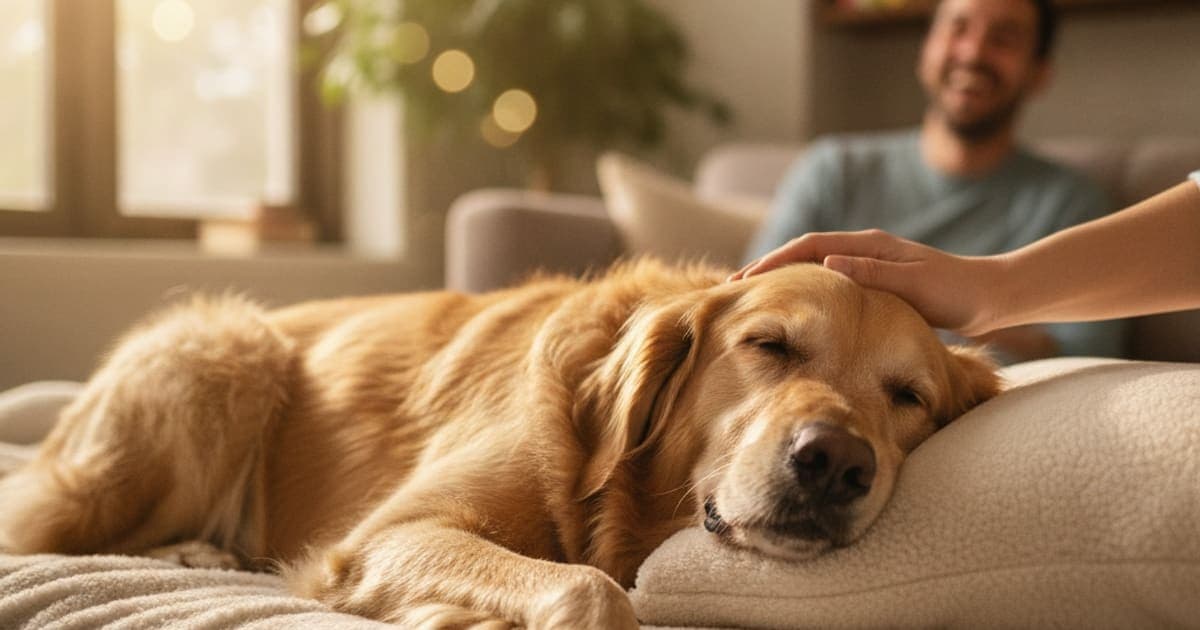 Hygroma in Dogs: Signs, Causes and What HelpsA hygroma in dogs is a fluid-filled swelling that forms over a bony pressure point, most often the outside of the elbow, after repeated contact with hard flooring. It usually starts soft, painless and slow-growing. Pressure relief is the foundation of management, and your veterinarian should confirm the diagnosis first.Read the guide →
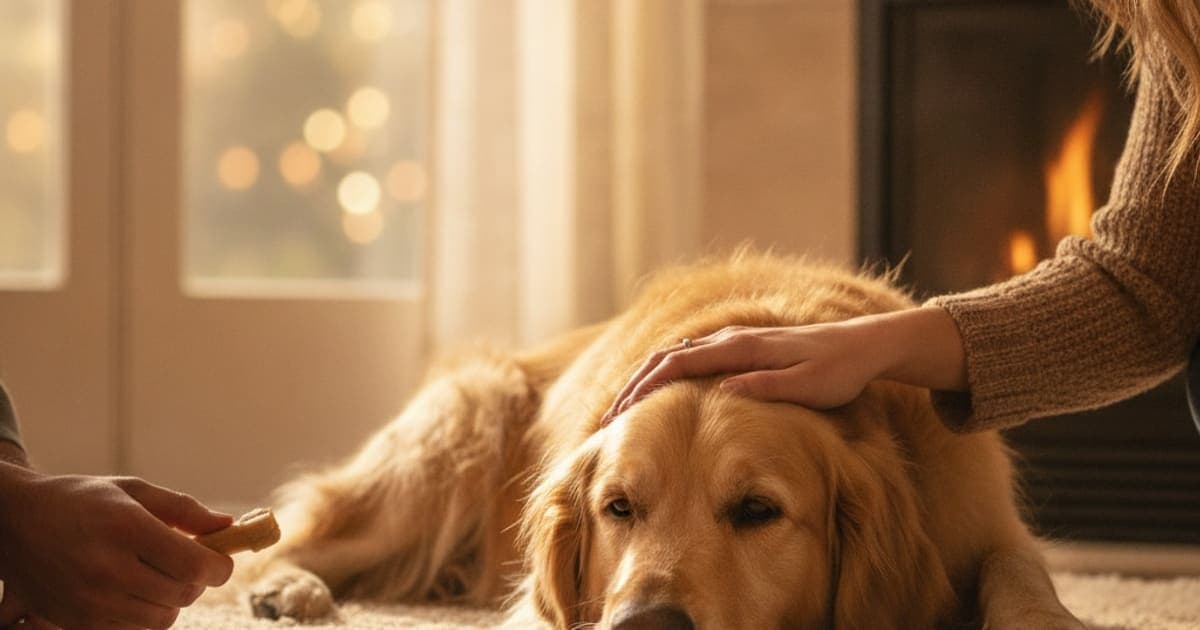 Dog Sore After the Dog Park: What It Usually MeansMost dogs are sore after the dog park because sprinting, pivoting and wrestling load muscles, tendons and joints far harder than a walk does, and the fatigue shows up hours later. Mild next-day stiffness that fades within a day or two is common; limping that persists needs a veterinary exam.Read the guide →
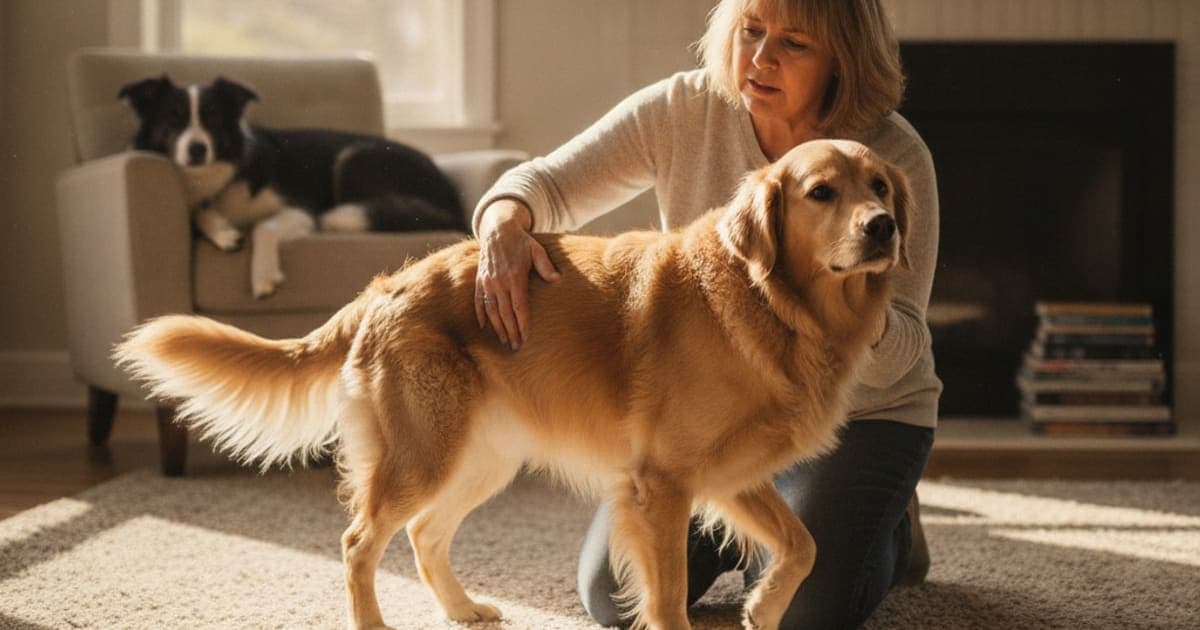 What Makes Nerve Damage Worse in Dogs? (Key Risk Factors)Nerve damage in dogs worsens when the nerve stays compressed or keeps being re-injured: jumping, slippery floors, uncontrolled activity, excess body weight, self-trauma to a numb limb, delayed veterinary assessment, and untreated metabolic disease. Removing those loads early gives the nerve the quietest possible environment to repair in.Read the guide →
 Why Australian Shepherds Are Prone to Joint ProblemsAustralian Shepherds are prone to joint problems because inherited hip and elbow dysplasia meet a high-drive working build that loads those joints hard for years. Cruciate injuries and spinal issues follow the same pattern. Early signs are subtle, and screening plus a veterinary exam matters far more than waiting.Read the guide →
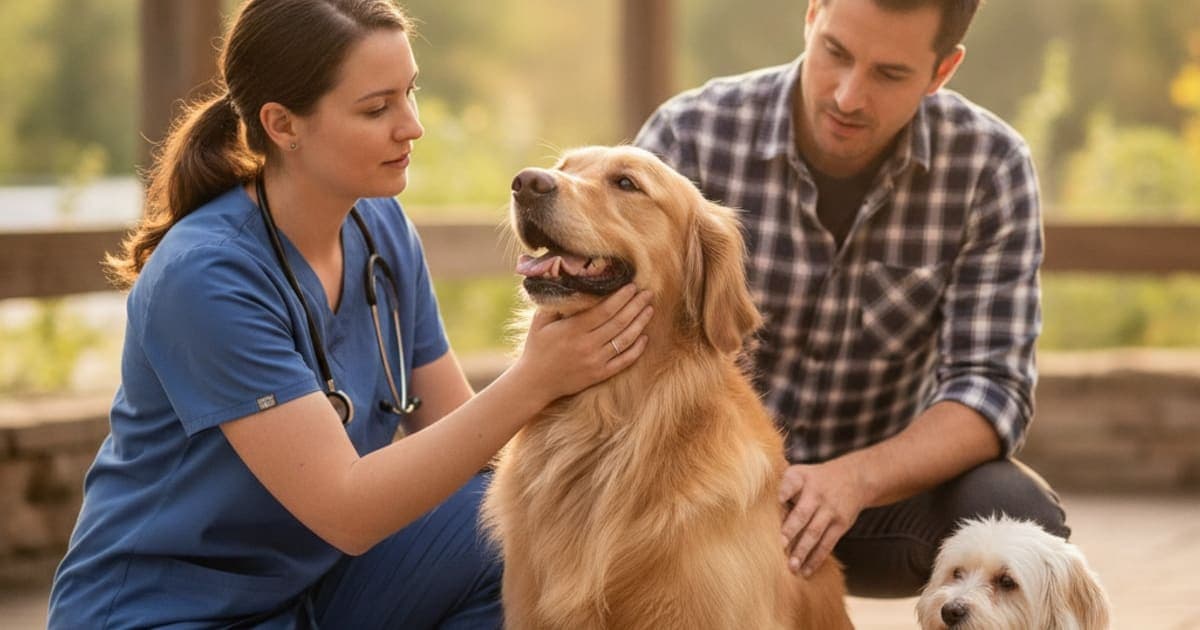 Dog Head Bobbing While Walking: When to See a VetTake your dog to the vet within 24 to 48 hours for any head bob that persists across several walks, and the same day if the limb won't bear weight, followed trauma, or comes with swelling, fever or neurological signs. Persistent head bobbing during gait is a pain signal, not a quirk.Read the guide →
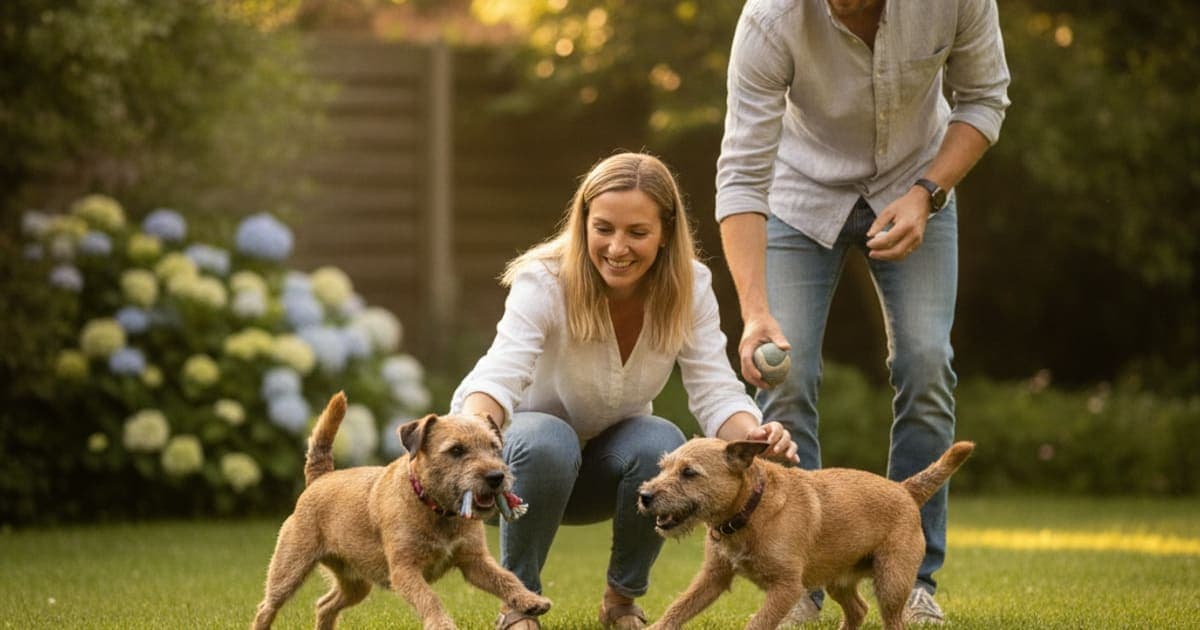 Why Border Terriers Are Prone to Joint ProblemsBorder terriers are prone to joint problems because a compact, short-coupled working frame and fine limbs absorb years of jumping, digging and hard pivots, layered on breed-linked risks like patellar luxation and hip dysplasia. Their high pain tolerance hides early changes, so owners often notice stiffness only after the joint has been remodelling for months.Read the guide →
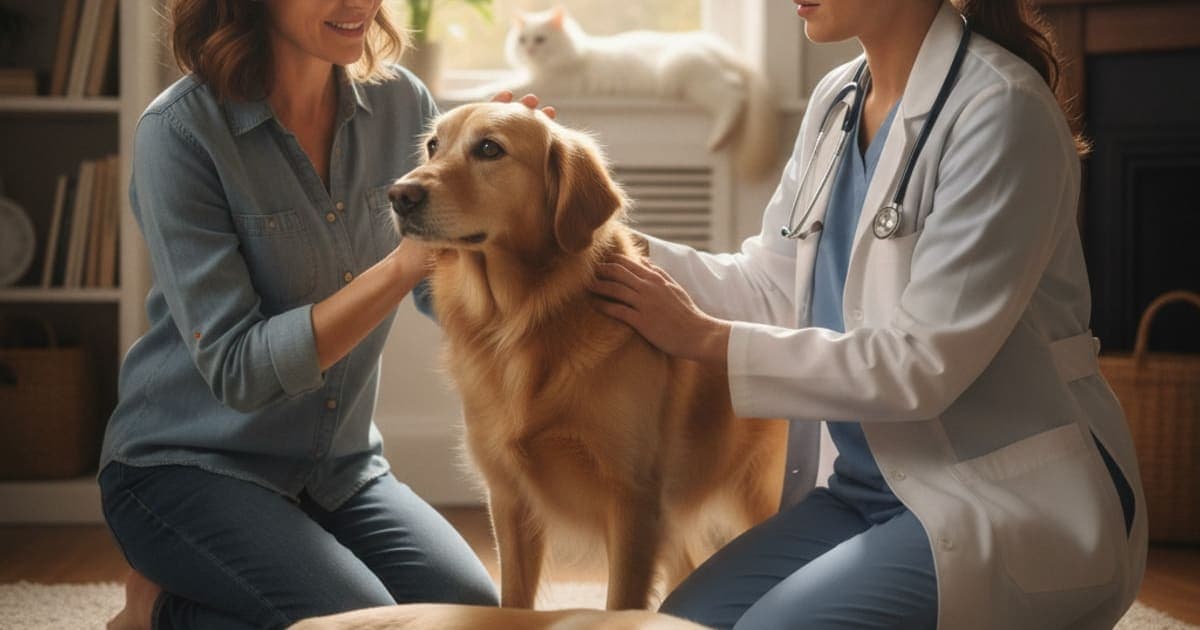 Dog Hunched Back: When to See a Vet (Red Flags)Take your dog to the vet the same day a hunched back appears, and immediately if it comes with wobbly or dragging back legs, a hard painful belly, crying when touched, or repeated retching. A hunched posture is a pain posture, and it rarely resolves on its own.Read the guide →
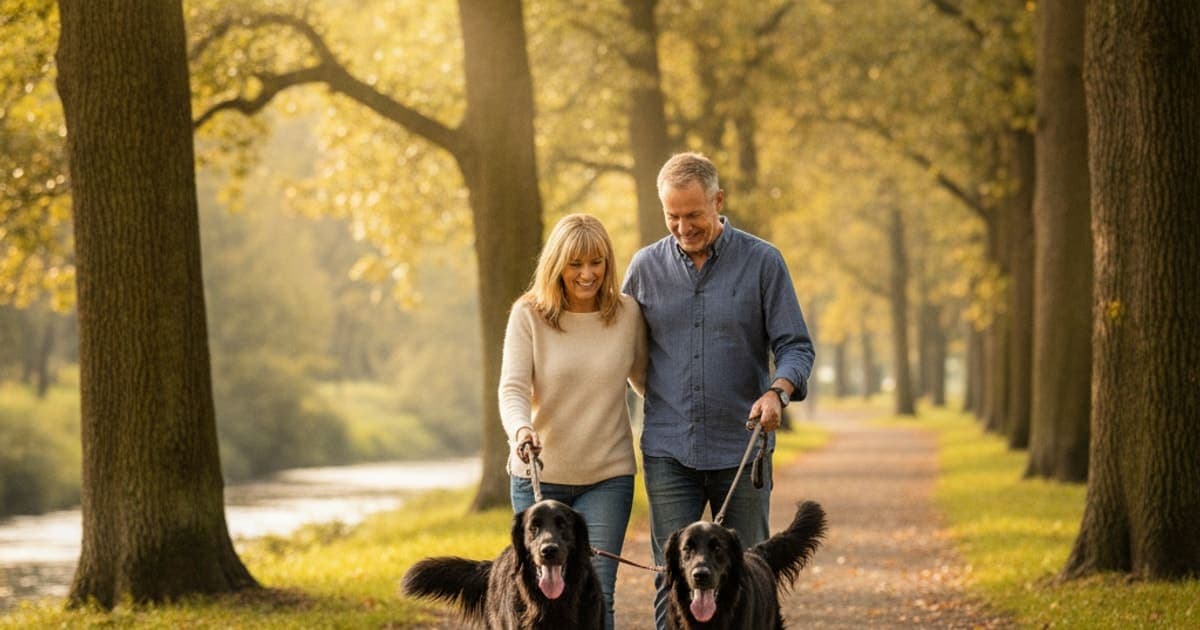 Why Flat-Coated Retrievers Are Prone to Joint ProblemsFlat-coated retrievers are prone to joint problems because a large deep-chested frame, unusually slow physical maturation and inherited variation in hip and elbow conformation all load the same joints. High drive compounds it — the breed keeps working past fatigue. Early screening, lean body condition and steady conditioning matter most.Read the guide →
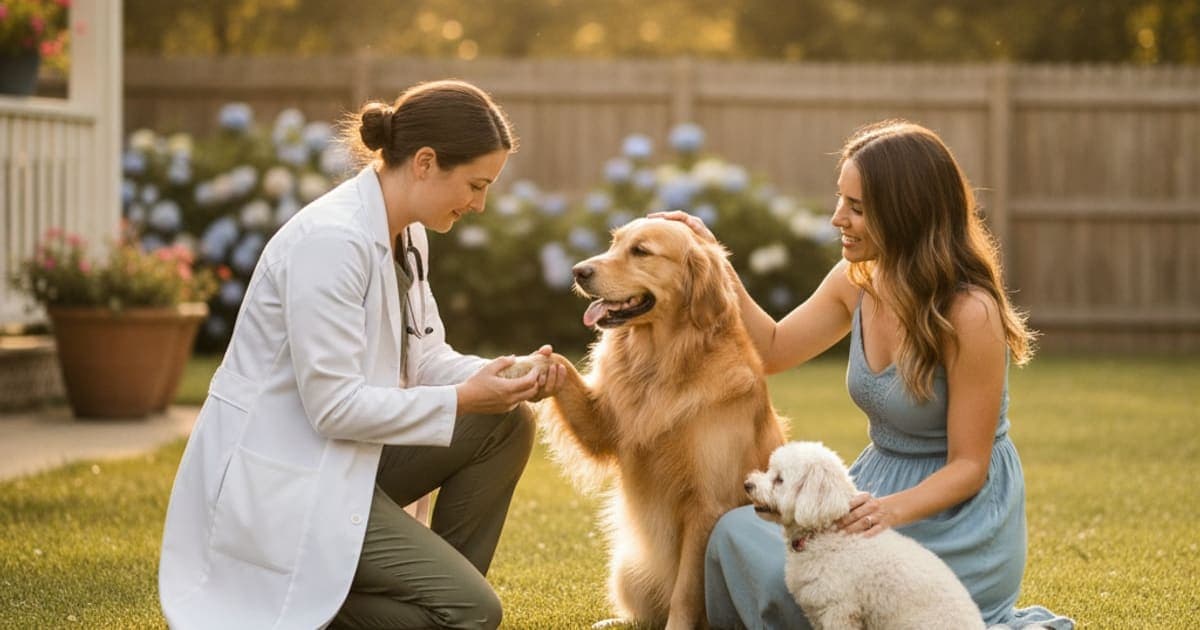 When to Take a Dog to the Vet for Intermittent LimpingTake your dog to the vet if intermittent limping lasts more than a few days, recurs over weeks, or appears alongside swelling, heat, reluctance to bear weight, or a yelp. Sudden non-weight-bearing lameness, a suspected fracture, or a limp after a hard twist warrants same-day attention.Read the guide →
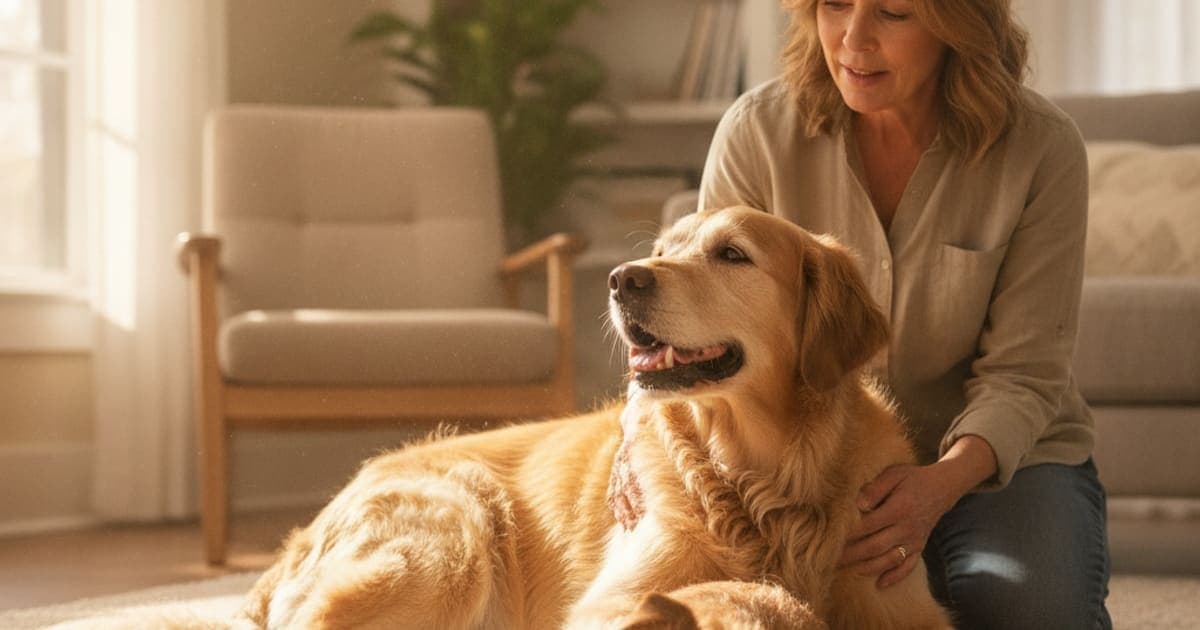 Dog Loss Of Muscle In Back Legs: When to See a VetBook a veterinary exam within a week of noticing hind-leg muscle loss, and go the same day if it appeared suddenly or comes with dragging paws, knuckling, incontinence, obvious pain or a cold limb. Muscle wasting is a downstream sign of an orthopedic, neurologic or metabolic problem worth identifying early.Read the guide →
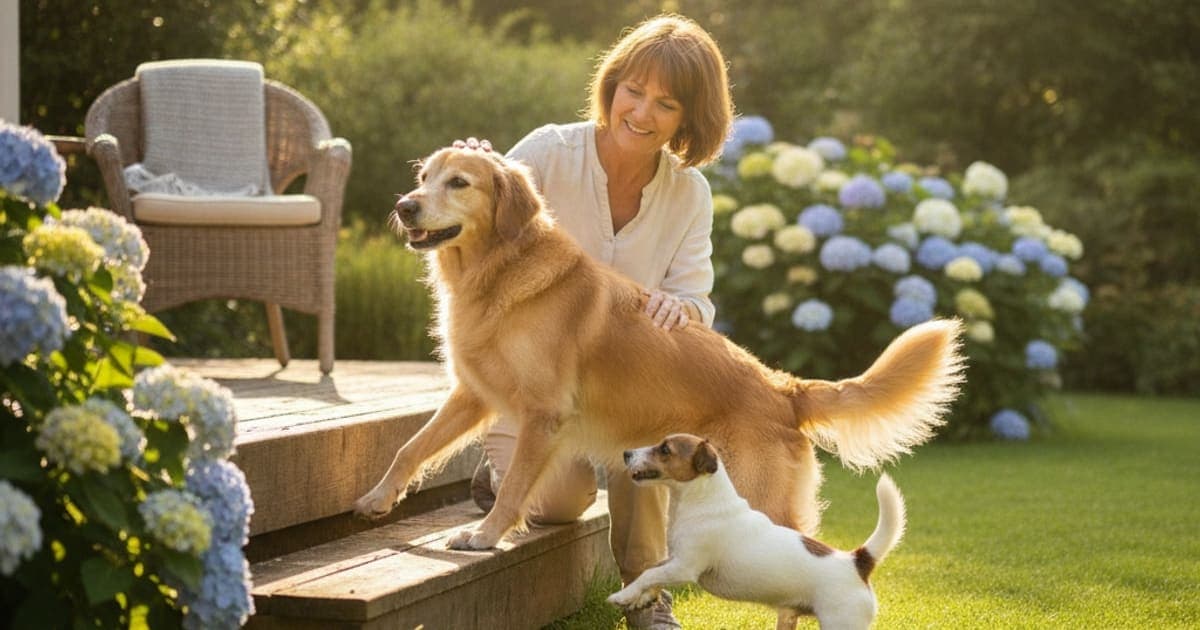 What Makes Hip Weakness Worse in Dogs? (Key Factors)Hip weakness in dogs gets worse fastest with excess body weight, muscle loss from inactivity, slippery flooring, high-impact activity after long rest, and pain left unmanaged. Each one increases load on an already unstable joint. Removing those pressures, alongside your veterinarian's plan, is what slows the cycle.Read the guide →
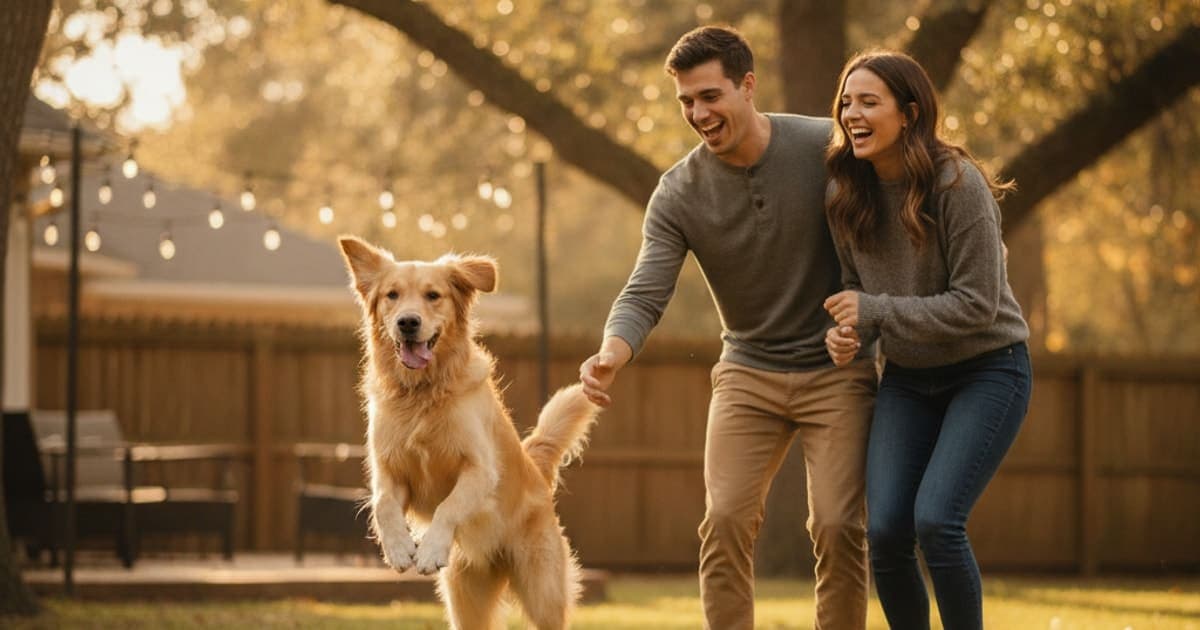 Why Is My Dog Bunny Hopping? (Hip and Knee Causes)A dog bunny hops when both hind legs push off together instead of alternating, usually because moving them as a pair hurts less than moving them one at a time. Hip dysplasia, cruciate ligament injury, lower-back pain and kneecap luxation are the most common reasons behind the gait.Read the guide →
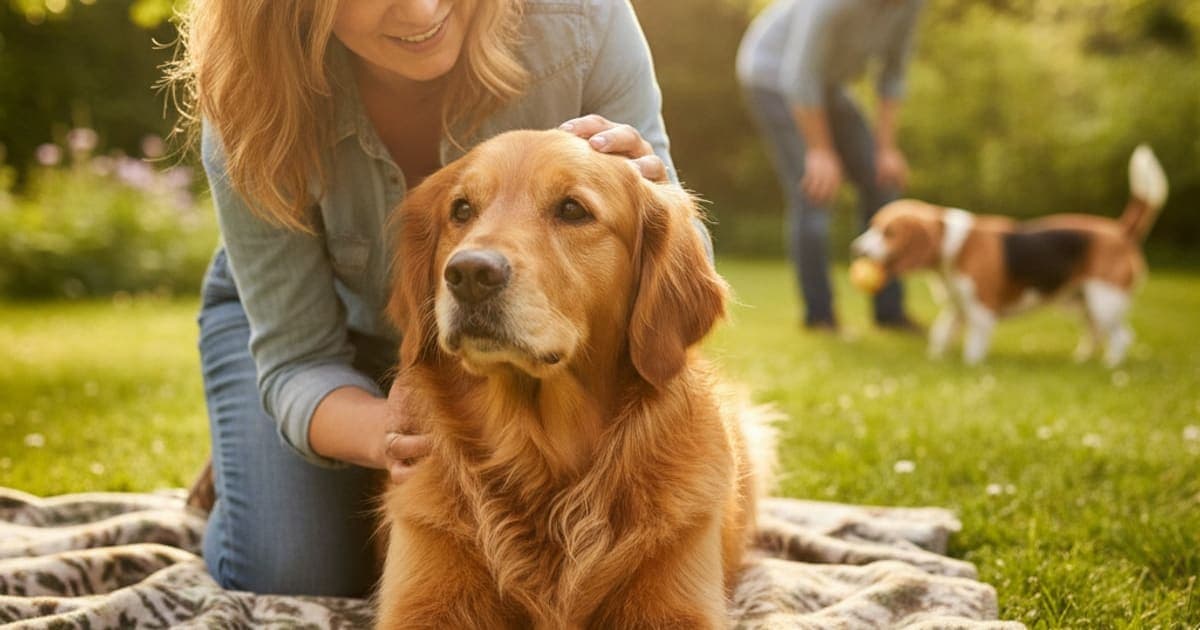 Stress Fracture in Dogs: Signs, Causes and What HelpsA stress fracture in dogs is a hairline crack in bone caused by repeated loading rather than a single traumatic event, most often in the hock, toes or hind-limb long bones. The usual sign is a mild limp that shows up after exercise and eases with rest.Read the guide →
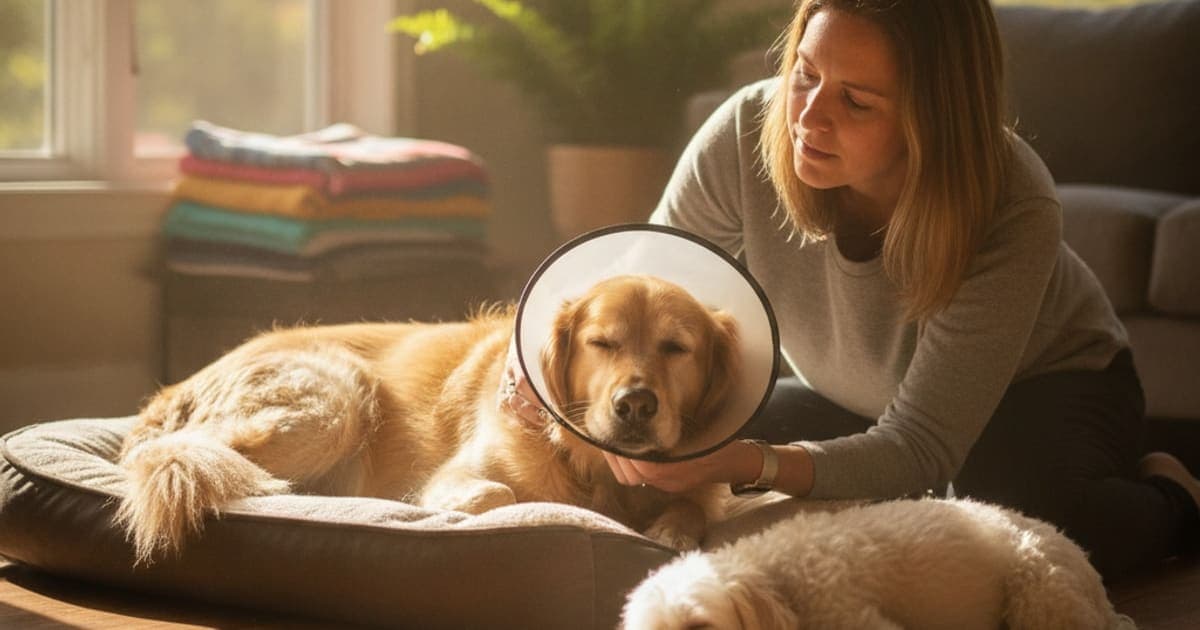 Why Is My Dog's Recovery After Surgery So Slow? (Causes)A slow recovery after surgery usually reflects the tissue involved, your dog's age or weight, pain that is under-controlled, activity restriction that has slipped, or a complication such as infection or an underlying illness. Your veterinarian can tell which applies, and the answer changes what you should do next.Read the guide →
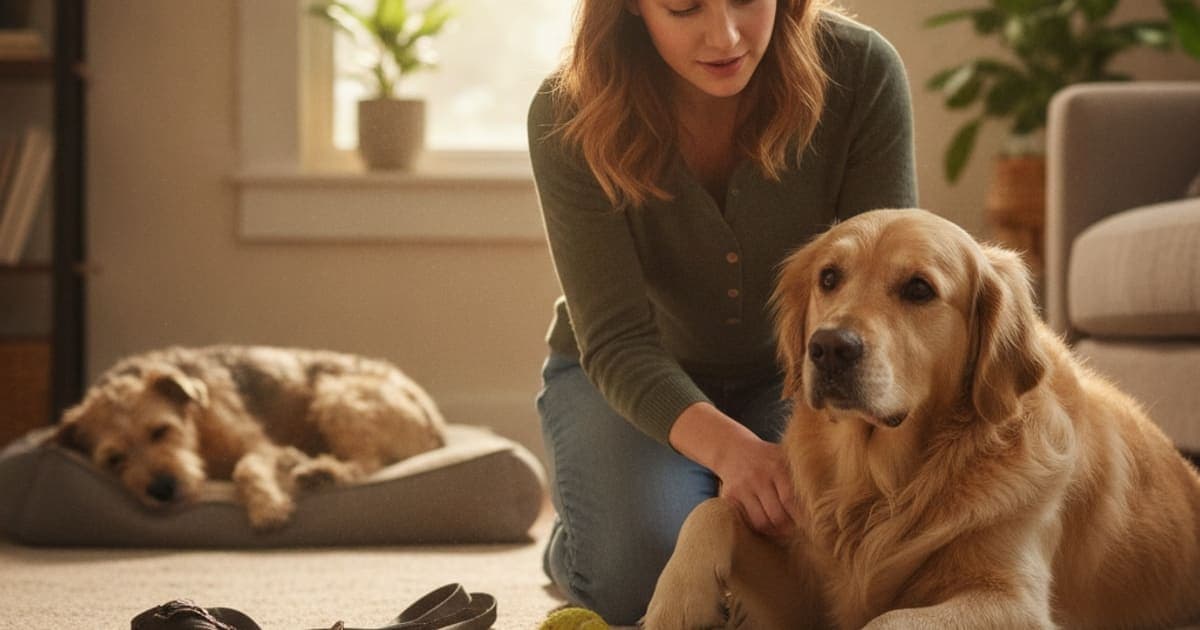 Dog Sore After the Dog Park: When to See a VetTake your dog to the vet if post-dog-park soreness includes non-weight-bearing lameness, yelping when touched, swelling, a puncture wound, or limping that hasn't improved after about two days of rest. Same-day care is warranted for suspected fractures, heavy bleeding, breathing trouble or collapse.Read the guide →
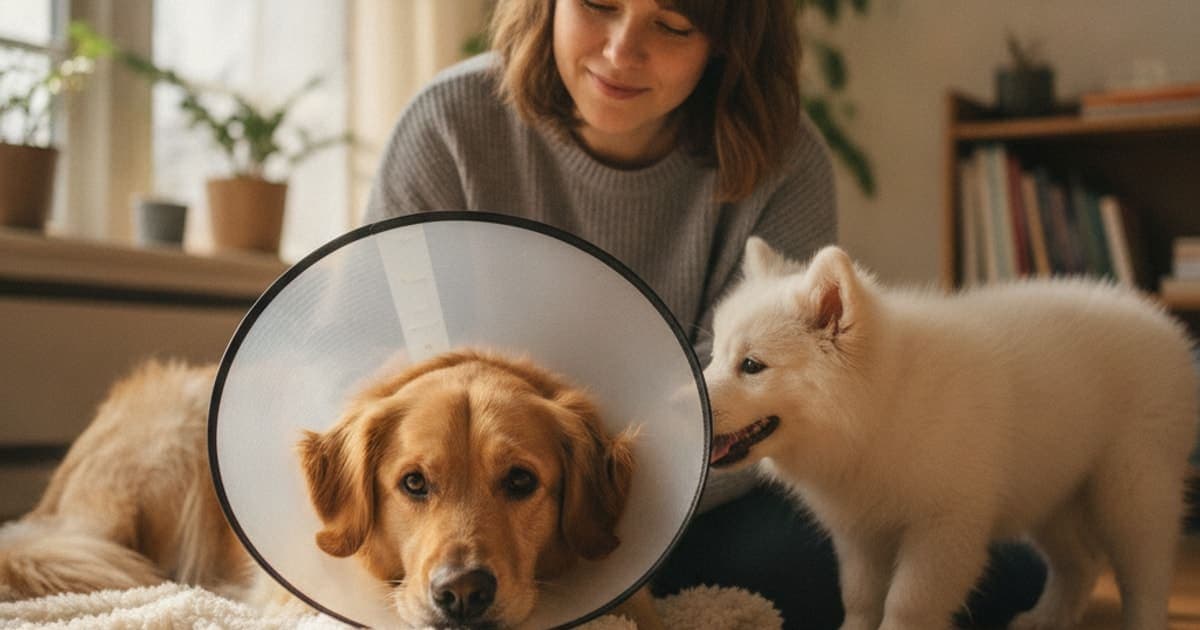 Dog Slow Recovery After Surgery: When to See a VetTake your dog to the vet when recovery moves backwards instead of forwards: a wound that opens, reddens or discharges, swelling that keeps growing, sudden refusal to bear weight, fever, appetite loss, or pain breaking through prescribed medication. A plateau lasting past a scheduled recheck also deserves a call.Read the guide →
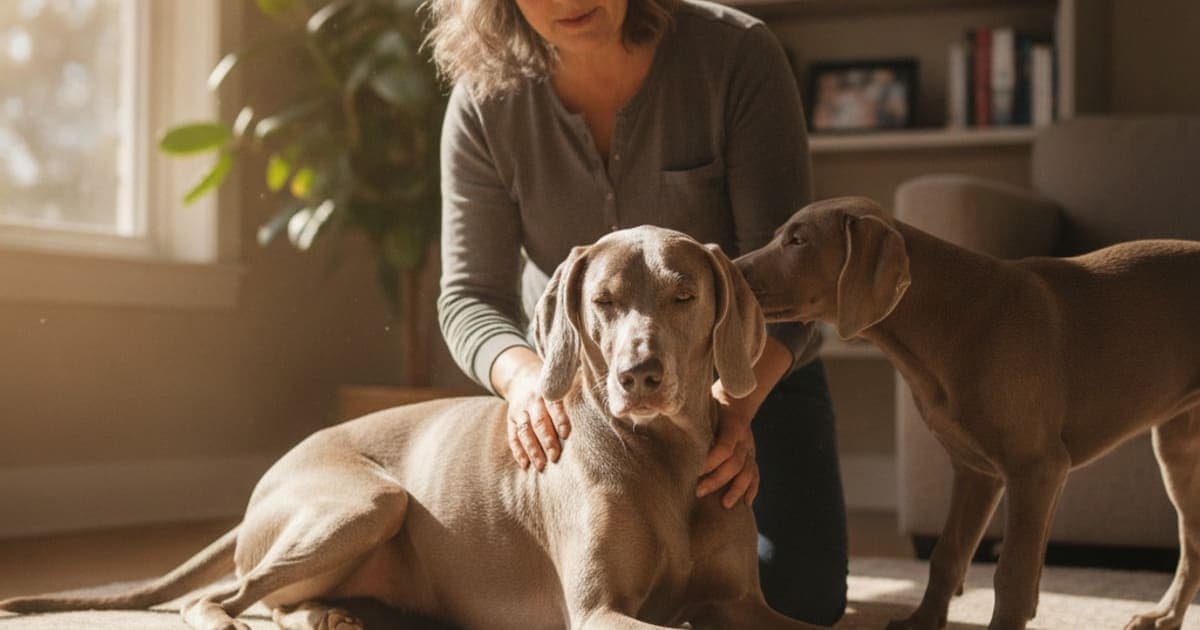 Why Weimaraners Are Prone to Joint ProblemsWeimaraners are prone to joint problems because they combine rapid large-breed growth with a lean, deep-chested athletic frame and a working dog's drive, which loads hips, elbows, shoulders and spine hard. Hip dysplasia, elbow dysplasia, cruciate injury and disc disease are the issues owners see most often.Read the guide →
 Why English Setters Are Prone to Joint ProblemsEnglish Setters develop joint problems through a mix of inherited hip and elbow dysplasia, a deep-chested athletic build carried on fine bone, and the repetitive high-speed loading of field work. Risk shows up early in growth and compounds with age, weight and unmanaged soft-tissue strain.Read the guide →
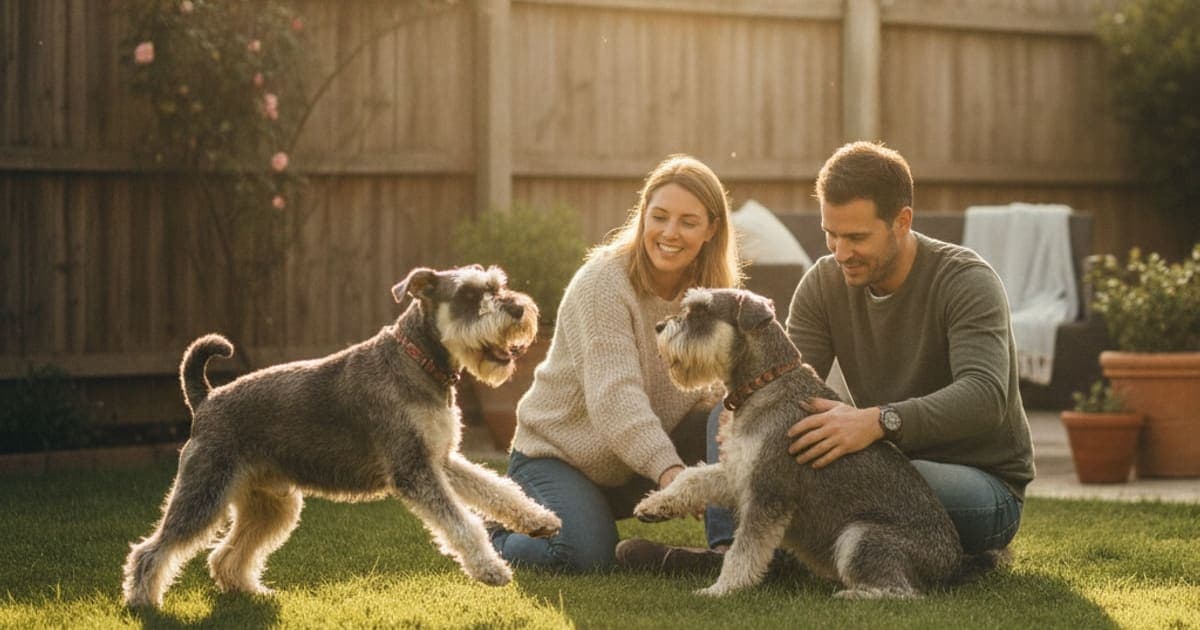 Why Standard Schnauzers Are Prone to Joint ProblemsStandard Schnauzers are prone to joint problems because a dense, square, powerfully muscled body sits on a medium frame built for sprinting, pivoting and hard stops, and because hip dysplasia and cruciate ligament injury run in the breed. Long lifespans then let wear accumulate into arthritis.Read the guide →
 Dog Chronic Diarrhea Recovery Time: What to ExpectChronic diarrhea in dogs — signs persisting beyond about three weeks — typically resolves over weeks to months rather than days, and the pace depends on the underlying cause. Food-responsive cases often turn around fastest; inflammatory or infiltrative disease takes longer and is managed rather than rushed.Read the guide →
 What Makes Torn Ligament Worse in Dogs? (Key Triggers)A torn ligament in dogs gets worse when an unstable joint keeps taking full load: off-leash sprinting, jumping off furniture, stairs, slick floors, excess body weight and delayed diagnosis. Instability allows abnormal motion inside the knee, which drives meniscal damage and progressive arthritis. Controlling movement early matters as much as the repair itself.Read the guide →

The pawgen library · 3,678 guides
Dog mobility, joints and recovery
Plain-English guides on joint pain, injury recovery and what actually helps aging and active dogs. Written to answer the question, not to pad a word count.