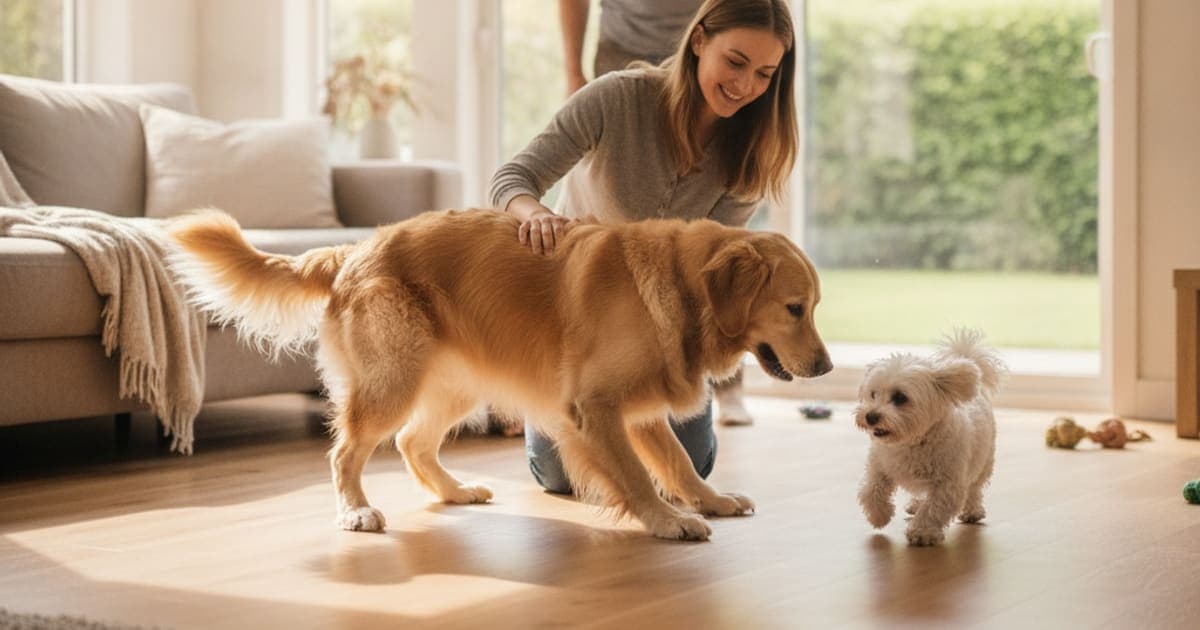
 Dog Slipping On Hard Floors: What It Usually MeansDogs slip on hard floors when they lose traction, strength or confidence — overgrown nails and matted paw fur reduce grip, while hind-end weakness, hip or knee pain and age-related muscle loss change how weight is loaded. Sudden or worsening slipping deserves a veterinary exam to identify the cause.Read the guide →
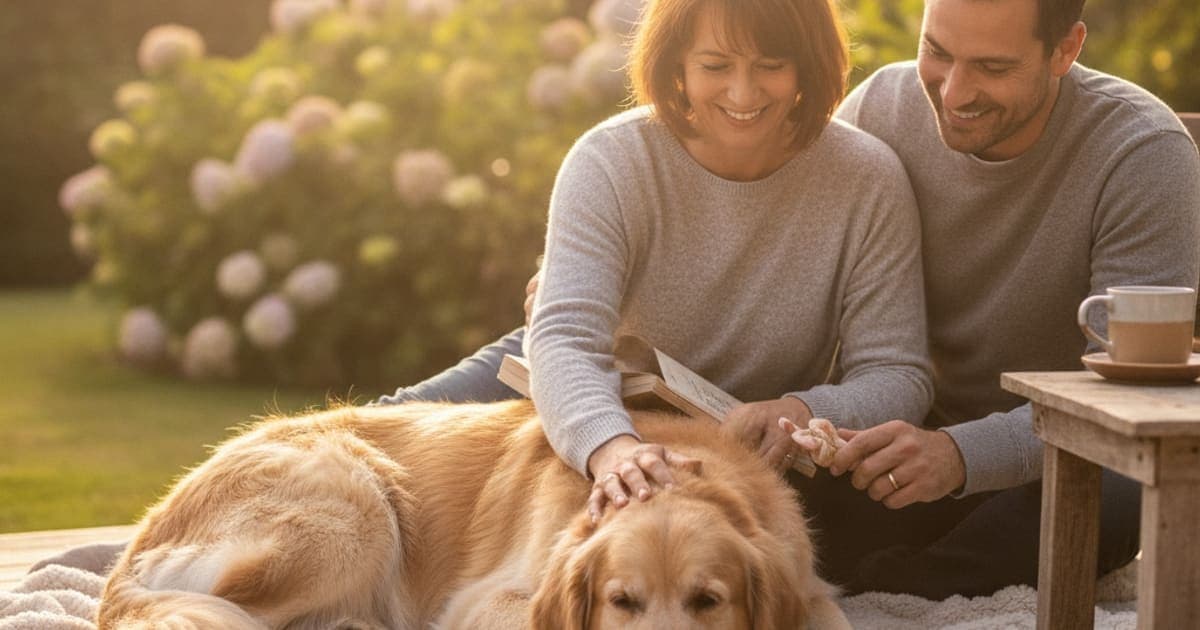 Dog Iliopsoas Strain Recovery Time: What to ExpectMost dogs with an iliopsoas strain need weeks to months, not days. Mild strains caught early often settle over a few weeks, moderate strains commonly need a couple of months of restricted activity and rehab, and severe or long-standing strains run longer. Re-injury during return to activity is the usual reason recoveries stretch out.Read the guide →
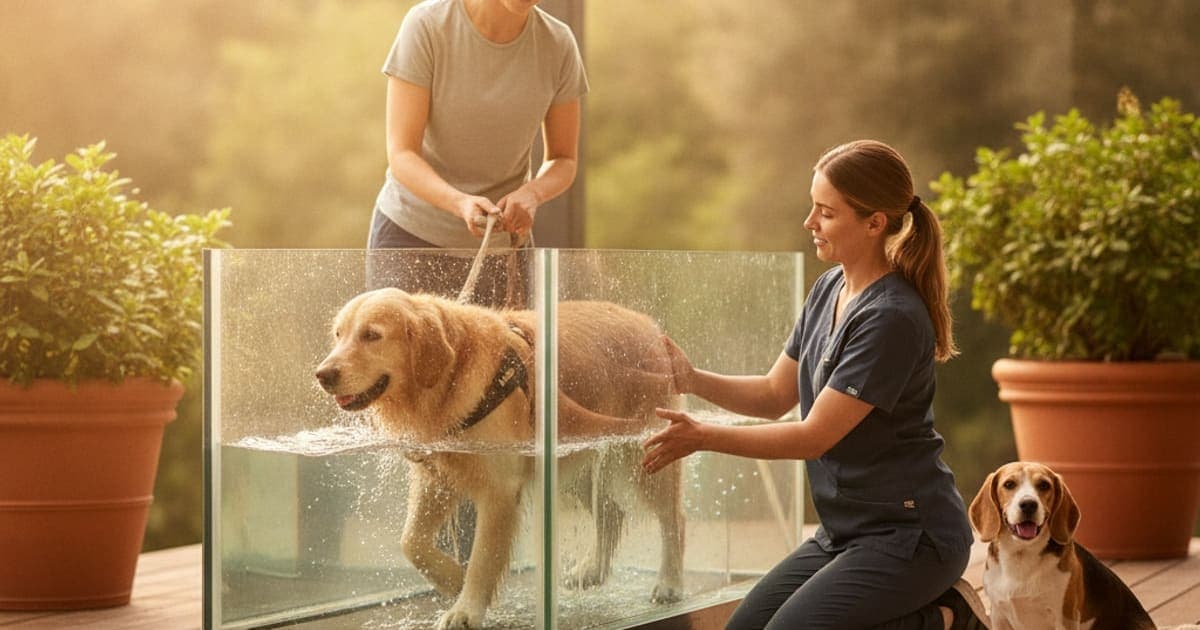 Dog Fibrocartilaginous Embolism Recovery Time: TimelineRecovery from fibrocartilaginous embolism in dogs is measured in weeks to months. Signs peak within the first day and then stop progressing, first clear improvement is usually seen in the opening one to two weeks, and most functional gains land inside the first six weeks, with slower progress continuing for several months.Read the guide →
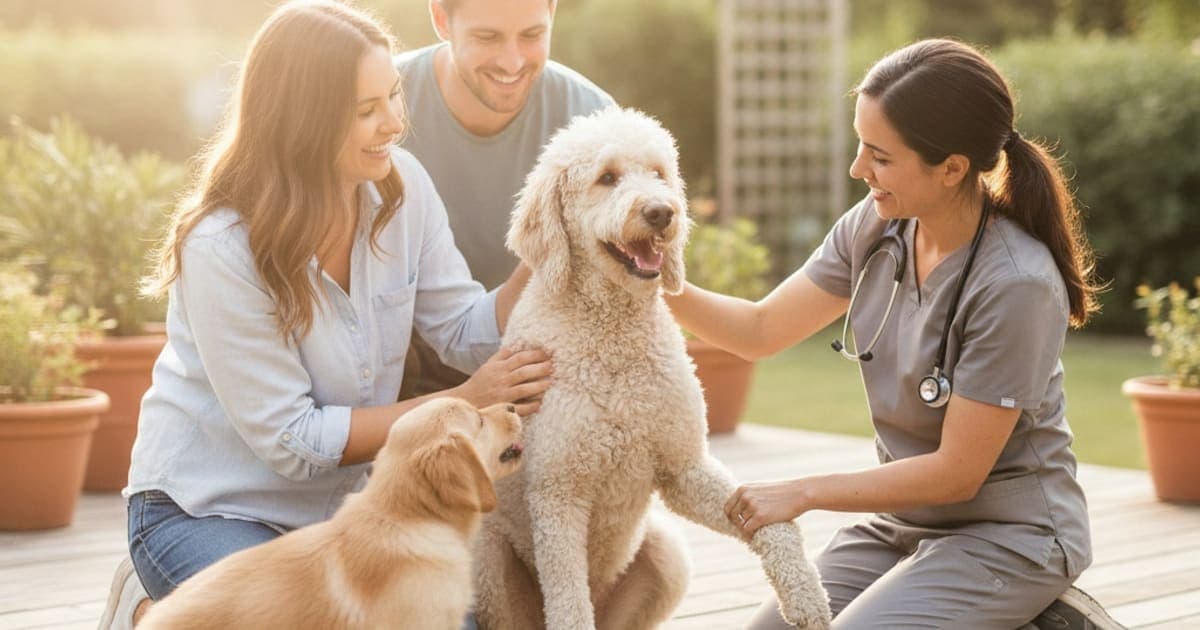 Why Standard Poodles Are Prone to Joint ProblemsStandard Poodles are prone to joint problems because a tall, fast-growing frame, an inherited hip dysplasia risk carried in some lines, and a genuinely athletic temperament all load the same joints at once. Add years of jumping and pivoting, and cartilage wears faster than owners expect.Read the guide →
 Dog Clicking Or Popping Joint: What It Usually MeansA dog's joint clicks or pops when gas releases from joint fluid, a tendon snaps over bone, or worn cartilage surfaces grind together. Painless, occasional noise with a normal gait is usually harmless. Noise paired with limping, stiffness or swelling warrants a veterinary exam.Read the guide →
 Why Shih Tzus Are Prone to Joint ProblemsShih Tzus are prone to joint problems because they are a chondrodystrophic breed: short, slightly bowed legs, a long back and shallow kneecap grooves concentrate load on joints built with little shock absorption. Add a flat face that limits exercise, and small weight gains matter more than owners expect.Read the guide →
 Why Chesapeake Bay Retrievers Are Prone to Joint ProblemsChesapeake Bay Retrievers are prone to joint problems because three pressures stack on the same structures: a heavy, densely muscled frame on relatively short legs, an inherited predisposition to hip and elbow dysplasia, and a working life of explosive launches and hard landings. Understanding each one lets you plan around it.Read the guide →
 Why Coonhounds Are Prone to Joint Problems (Breed Risks)Coonhounds are prone to joint problems because a large, deep-chested working frame meets inherited hip and elbow dysplasia risk and years of hard trailing over rough ground. Weight gain and a stoic, pain-hiding temperament let wear accumulate quietly, so mobility changes often appear long after the joint damage began.Read the guide →
 Can a Dog Recover From Hock Injury Without Surgery?Many dog hock injuries do heal without surgery. The deciding factor is joint stability: sprains, strains and partial soft-tissue injuries that leave the hock stable are often managed conservatively with rest, support and rehab, while complete ruptures, luxations and displaced fractures usually need surgical repair to restore function.Read the guide →
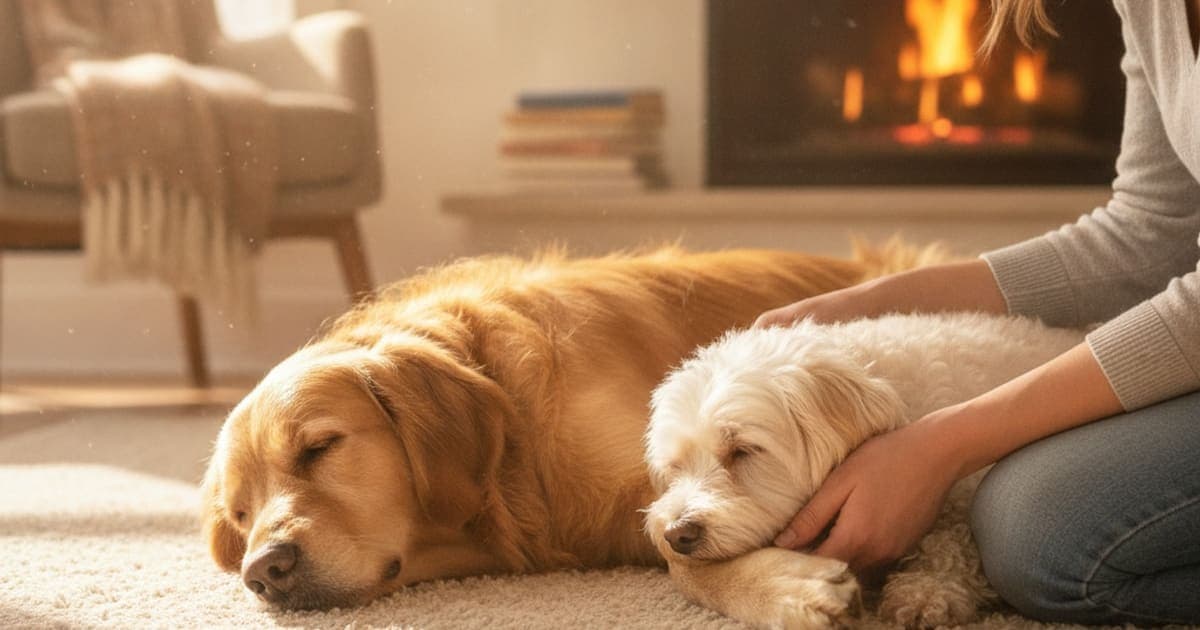 IBD in Dogs: Signs, Causes and What HelpsIBD in dogs is chronic inflammation of the stomach and intestinal lining, where immune cells build up in the gut wall and disrupt digestion and absorption. It shows up as persistent vomiting, loose stool, weight loss or an unreliable appetite, and it is diagnosed only after other causes are ruled out.Read the guide →
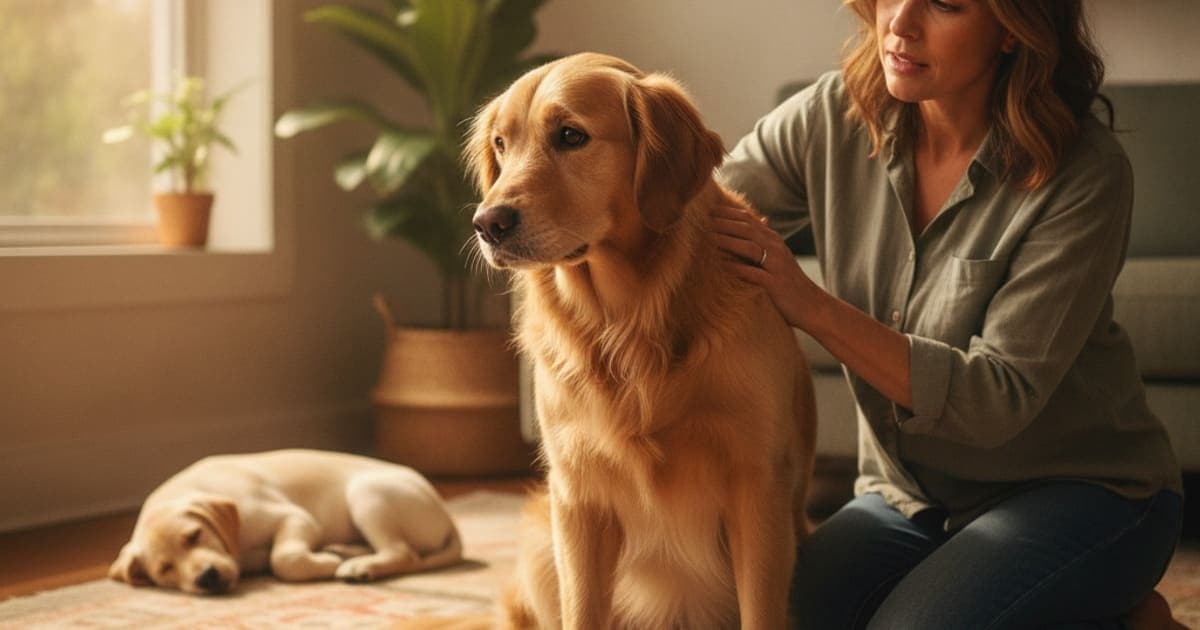 Dog Irritable When Handled: When to See a VetBook a veterinary exam within a day or two whenever a dog that normally accepts handling suddenly flinches, growls or snaps at touch. Go the same day if irritability comes with yelping, a hunched back, wobbling, collapse, vomiting or new weakness in the back legs. Sudden touch sensitivity is a pain signal.Read the guide →
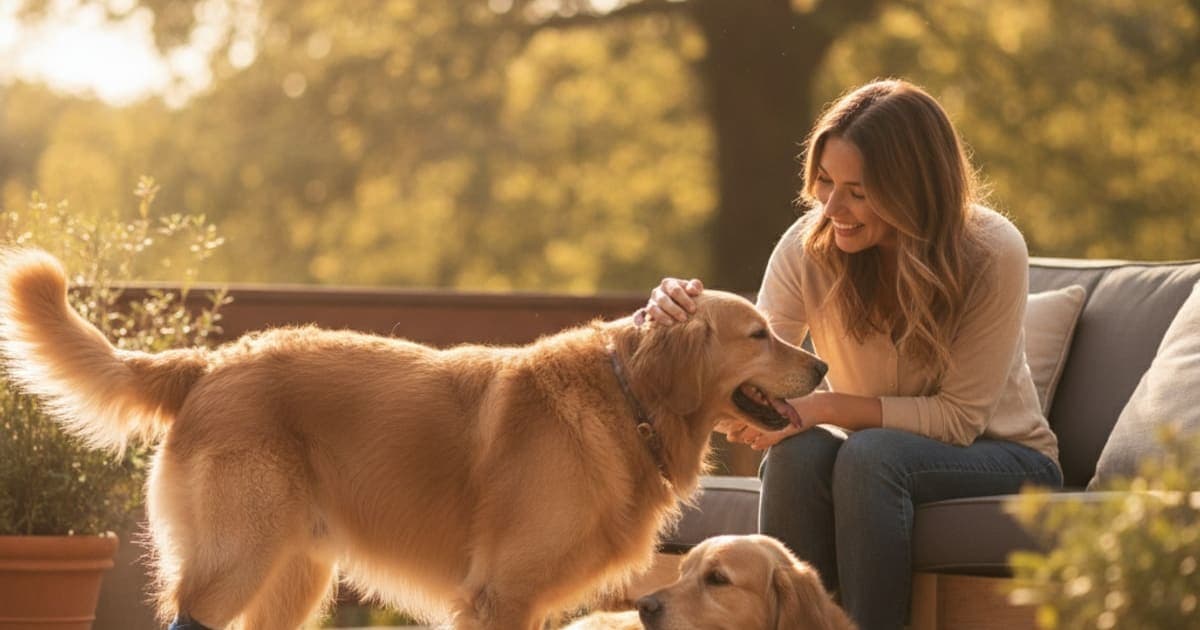 CCL Tear in Dogs: Signs, Causes and What HelpsA CCL tear in dogs is a partial or complete rupture of the cranial cruciate ligament, the band inside the knee that stops the shin bone sliding forward. Most tears develop gradually from ligament degeneration rather than a single injury, which is why limping often comes and goes before it becomes constant.Read the guide →
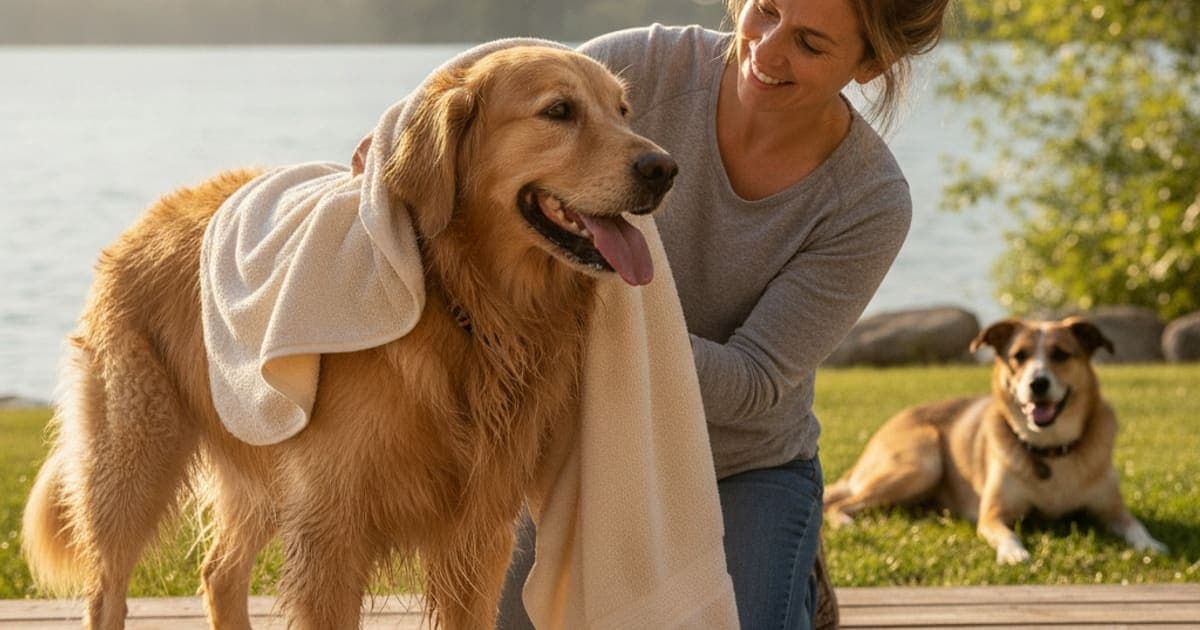 Dog Stiff After Swimming: What It Usually MeansA dog stiff after swimming is usually sore rather than injured: buoyancy hides effort, so muscles work harder and longer than they would on land, and cooling down wet tightens everything up. Soreness that fades within a day or two is ordinary; stiffness that returns after every swim is not.Read the guide →
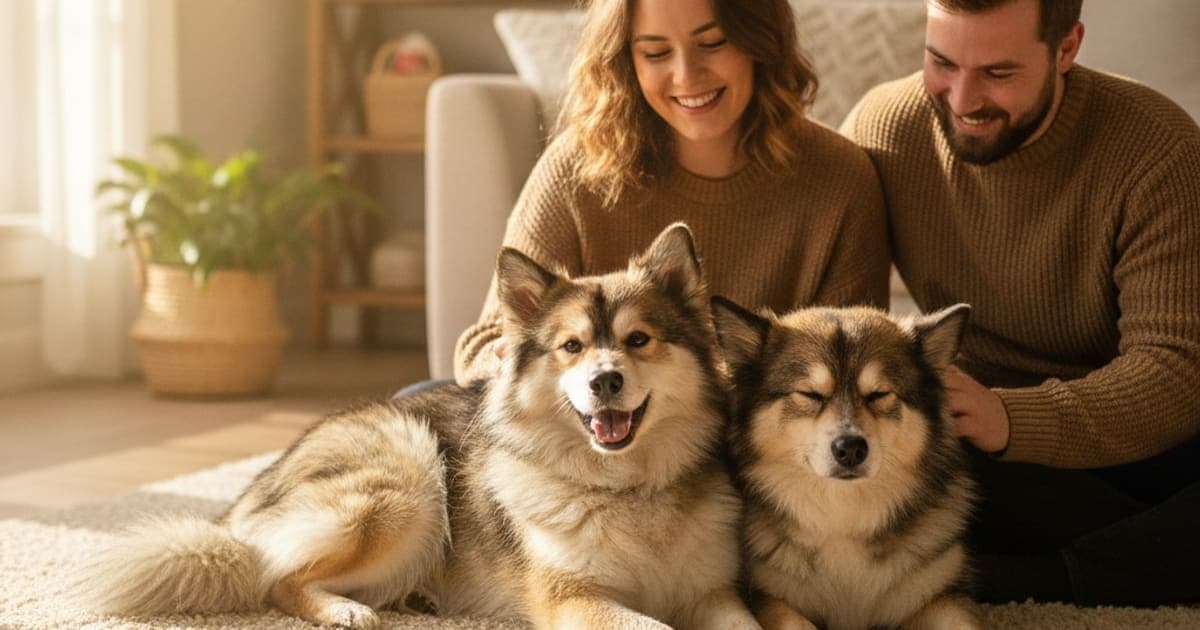 Why Finnish Lapphunds Are Prone to Joint ProblemsFinnish Lapphunds are prone to joint problems because of inherited hip and elbow dysplasia risk in a relatively small gene pool, a dense herding frame carried on moderate-length legs, and a stoic temperament that masks early stiffness. Screening, weight control and early gait watching matter more in this breed than in most.Read the guide →
 Disc Herniation in Dogs: Signs, Causes and What HelpsDisc herniation in dogs happens when the cushioning material of an intervertebral disc pushes out of place and presses on the spinal cord or nerve roots, causing pain, wobbliness or weakness. It ranges from mild back soreness to sudden loss of leg function and always warrants a same-day veterinary exam.Read the guide →
 Dog Shaking In The Back Legs: What It Usually MeansA dog shaking in the back legs is usually showing muscle fatigue or weakness, pain being guarded in the hind limb or spine, a nerve-signalling problem, or a whole-body response like cold, adrenaline or a metabolic issue. Tremor is a symptom, not a diagnosis, so a veterinary exam comes first.Read the guide →
 Dog Stress Fracture Recovery Time: Realistic ExpectationsMost dogs with a stress fracture need roughly six to twelve weeks of strictly restricted activity before returning to normal movement, and the bone continues remodelling for months afterward. Age, size, fracture site and how well rest is enforced all shift that window, so your veterinarian's recheck imaging sets the real schedule.Read the guide →
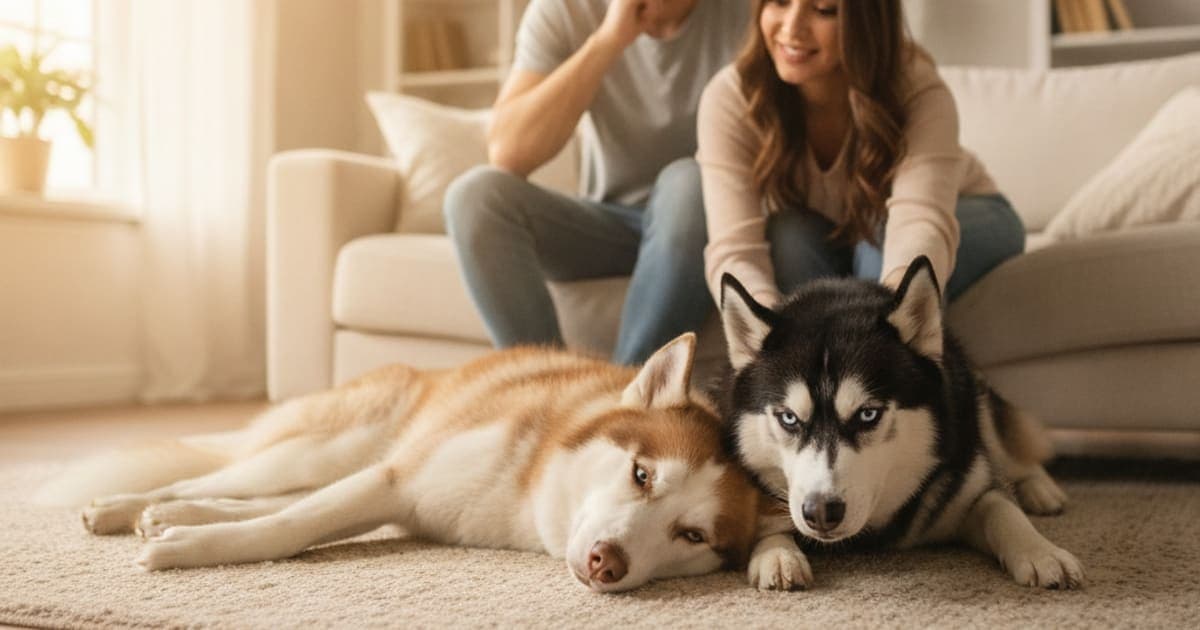 Why Siberian Huskies Are Prone to Joint ProblemsSiberian Huskies are prone to joint problems because repetitive high-mileage running, inherited hip dysplasia risk and a high pain threshold combine to load shoulders, wrists, hips and stifles over years. Early changes are easy to miss in a breed that keeps working. Screening, weight control and veterinary assessment matter most.Read the guide →
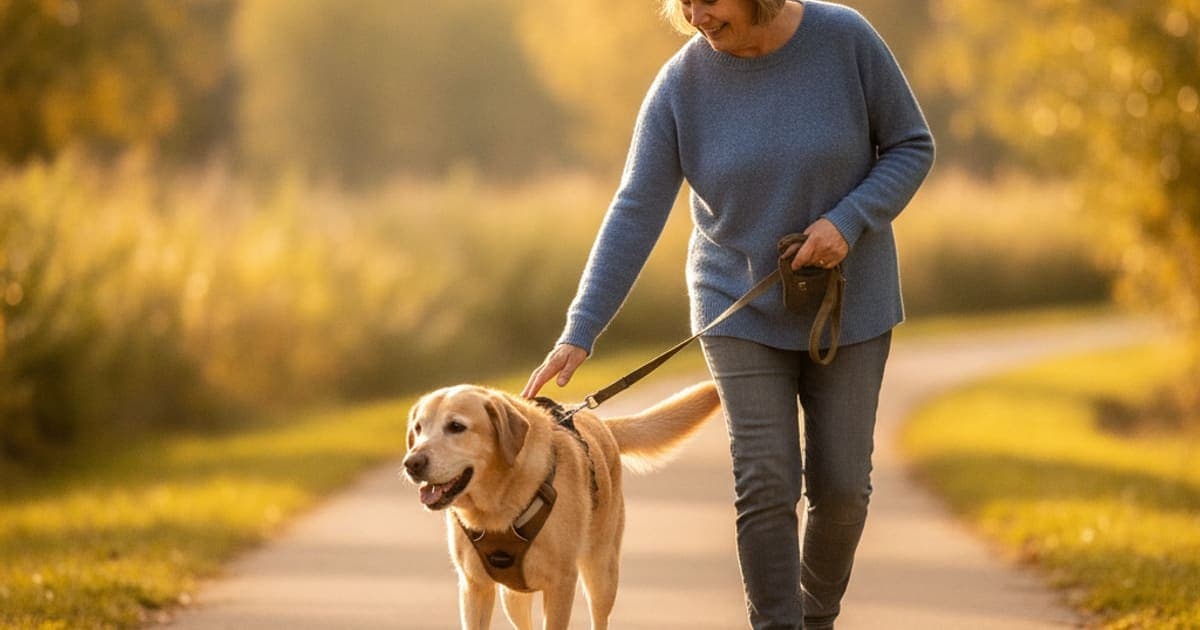 Dog Arthritis Recovery Time: Realistic ExpectationsArthritis in dogs does not resolve on a set timeline — it is a lifelong joint condition, and most owners see meaningful comfort changes over weeks to a few months of consistent management rather than days. Flare-ups come and go for the rest of a dog's life.Read the guide →
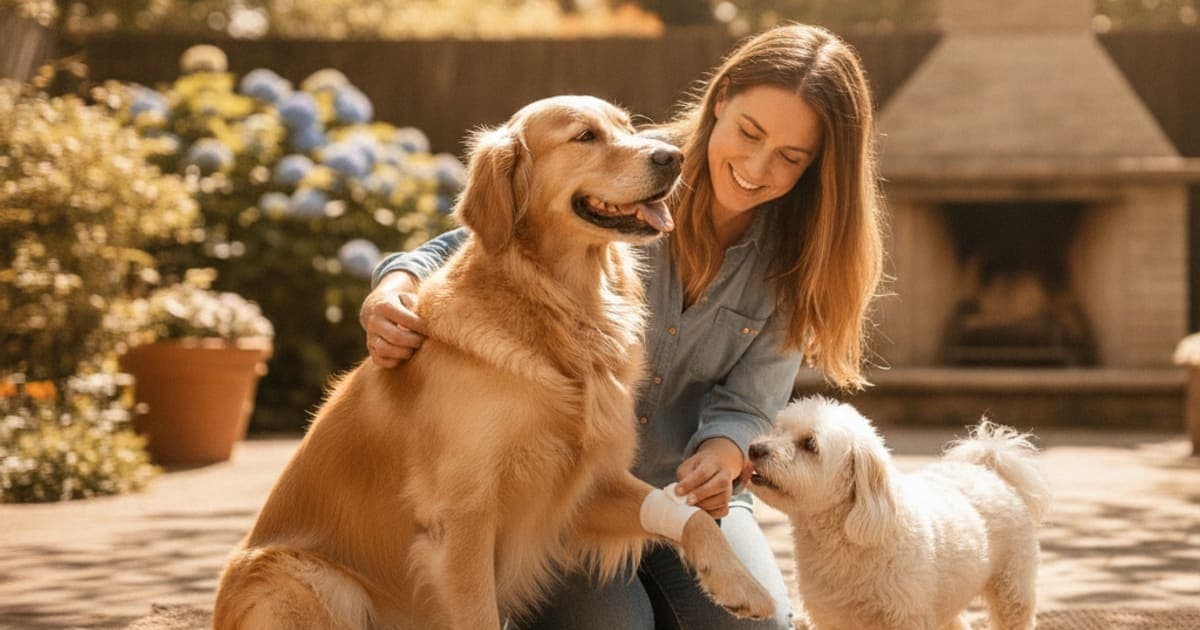 Dog Wound Healing Recovery Time: Realistic TimelineMost uncomplicated dog wounds close over roughly one to three weeks, while the deeper repair underneath continues for weeks to months after the skin looks sealed. Bite wounds, large open injuries and wounds over moving joints take longer. Age, infection, body condition and licking all shift the timeline.Read the guide →
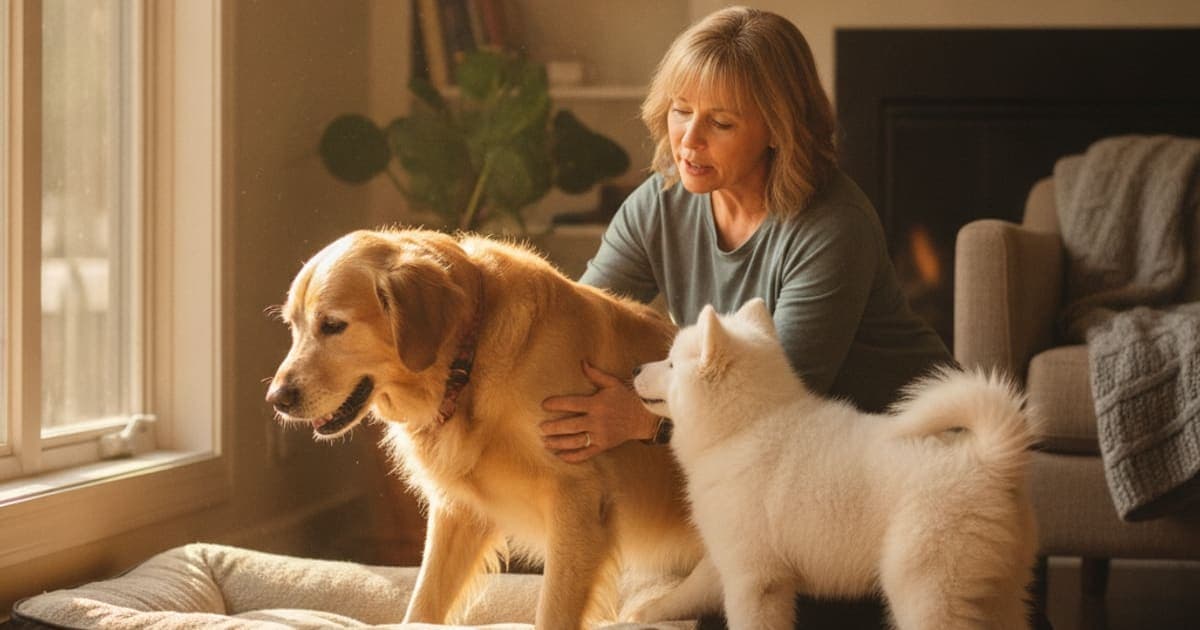 Dog Stiff In The Morning: When to See a VetSee a vet if your dog's morning stiffness lasts well past the first few minutes of movement, appears most days, worsens week to week, or comes with limping, yelping or muscle loss. Seek same-day care for sudden severe stiffness, dragging limbs, or a dog who cannot stand.Read the guide →
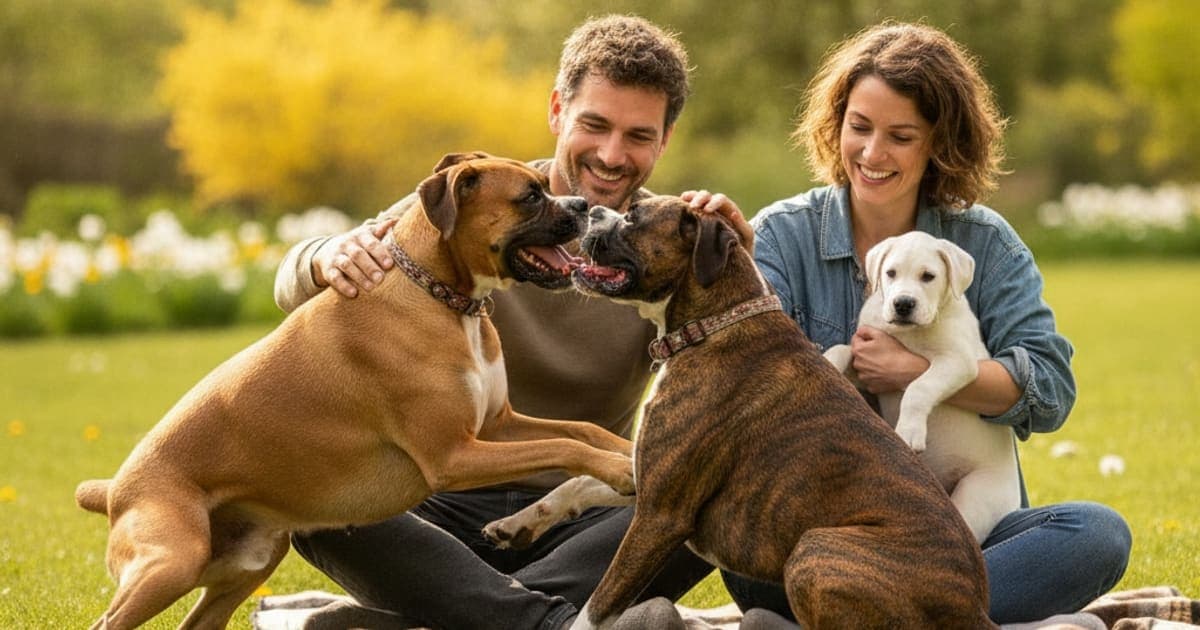 Why Boxers Are Prone to Joint Problems — Breed RisksBoxers are prone to joint problems because a heavy, muscular frame sits on a medium-large skeleton that matures slowly, and the breed carries inherited risk for hip dysplasia and cruciate ligament rupture. Explosive play style, extra body weight and adolescent growth all add load the joints have to absorb.Read the guide →
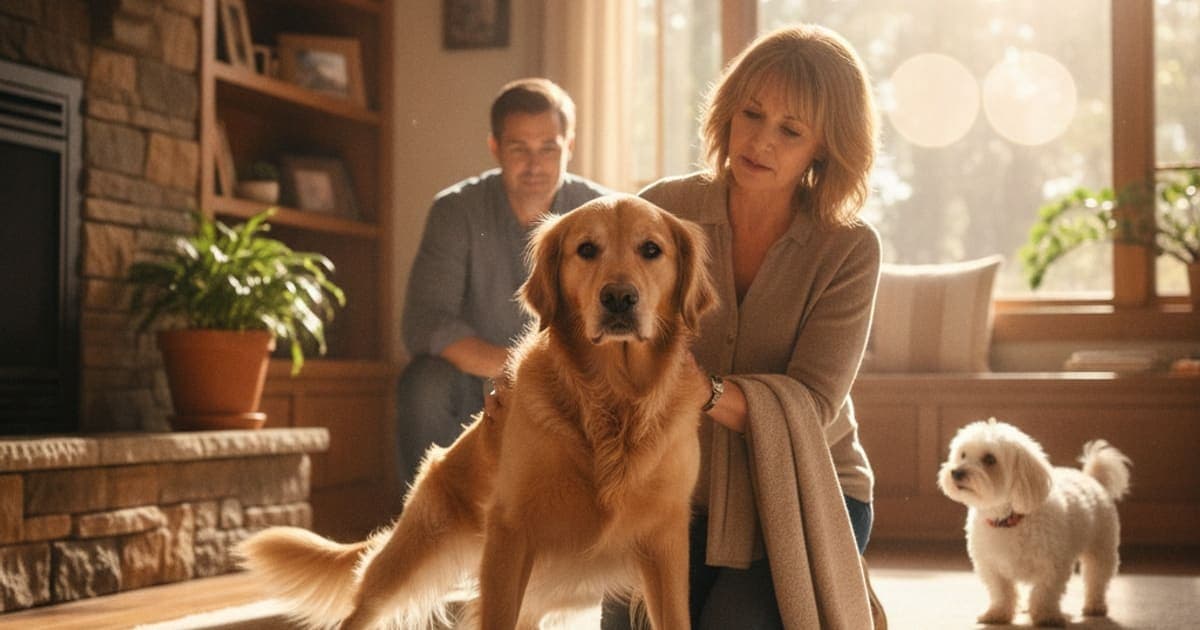 Dog Struggling To Squat: What It Usually MeansA dog struggling to squat is usually showing hind-end pain or weakness rather than a bathroom problem. Hips, knees and the lower spine all load hard in that posture.Read the guide →
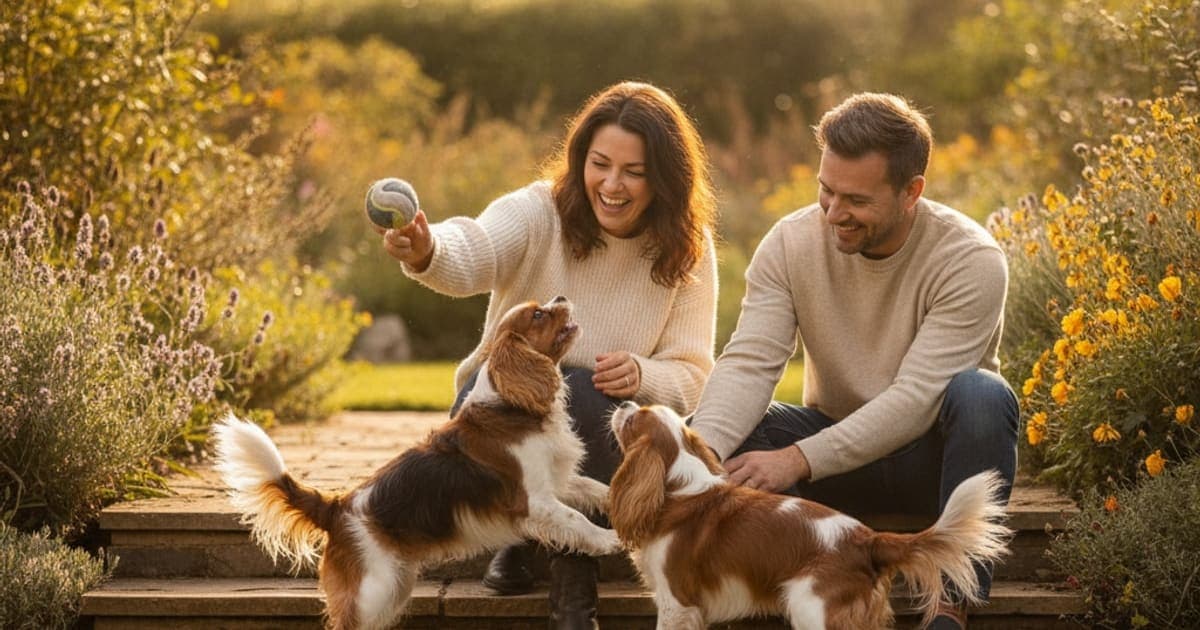 Why Cavalier King Charles Spaniels Get Joint ProblemsCavalier King Charles Spaniels are prone to joint problems because a compact, heavy-set toy breed body sits on small joints, and a narrow gene pool concentrates inherited hip and kneecap faults. Hip dysplasia, medial patellar luxation and early osteoarthritis are the most common findings, and weight control matters enormously.Read the guide →

The pawgen library · 3,678 guides
Dog mobility, joints and recovery
Plain-English guides on joint pain, injury recovery and what actually helps aging and active dogs. Written to answer the question, not to pad a word count.