What a diagnosis means, how it is confirmed, and the early signs owners miss — from hip dysplasia and IVDD to cruciate tears and arthritis.
 What Makes Disc Herniation Worse in Dogs? (Key Triggers)Disc herniation gets worse in dogs when the injured disc and spinal cord keep getting loaded — jumping, stairs, twisting play, slippery floors, leash pressure on the neck, extra body weight, and confinement that ends too soon. Repeat compression plus ongoing inflammation is what drives most setbacks owners see.Read the guide →
 Why Are My Dog's Back Legs Giving Out? (Causes & Red Flags)Back legs giving out is a sign, not a diagnosis. The most common causes are spinal cord compression from disc disease or lumbosacral stenosis, degenerative myelopathy, arthritis and cruciate injury, and occasionally systemic illness. Sudden weakness, dragging paws or loss of bladder control needs same-day veterinary attention.Read the guide →
 Spay Recovery in Dogs: Signs, Causes and What HelpsSpay recovery in dogs is the healing period after an ovariohysterectomy, when the skin incision, the abdominal wall and the internal ligature sites knit back together. Most dogs feel bright within days, but the deeper layers regain strength slowly, which is why restricted activity matters more than how the incision looks.Read the guide →
 Why Is My Dog Clicking or Popping Joint? (Causes Explained)A clicking or popping joint in a dog is usually tissue moving over tissue — gas shifting in joint fluid, a tendon snapping across bone, roughened cartilage grinding, or a joint sliding slightly out of position. Silent clicks in a comfortable dog are often harmless. Clicking with limping, pain or swelling needs veterinary assessment.Read the guide →
 What Makes Tendonitis Worse in Dogs? (Aggravating Factors)Tendonitis in dogs gets worse with repeated loading of the injured tendon: running, jumping, stairs, slick floors, ball chasing and returning to full activity before the tissue has remodelled. Excess body weight, cold starts without warm-up, and pain relief used as permission for more exercise all add load too.Read the guide →
 Why Mixed Breed Dogs Are Prone to Joint ProblemsMixed breed dogs are prone to joint problems because they inherit orthopedic risk from every breed in their ancestry, and conditions like hip dysplasia, elbow dysplasia and cruciate ligament disease are polygenic and conformational rather than rare recessive traits. Unknown parentage also means no screening history to work from.Read the guide →
 Why Blue Heelers Are Prone to Joint ProblemsBlue Heelers are prone to joint problems because a compact, heavily muscled working frame concentrates force through the hips and stifles, the breed carries inherited dysplasia risk, and their drive masks pain until damage is advanced. Early screening, weight control and structured conditioning matter more in this breed than in most.Read the guide →
 Why Briards Are Prone to Joint ProblemsBriards are prone to joint problems because large-breed growth, an inherited predisposition to hip dysplasia in many lines, and a hard-driving herding temperament all load the same joints. Cruciate ligament injury and osteoarthritis are common as they age, and a thick coat hides the early muscle loss owners would otherwise notice.Read the guide →
 Sprained Leg in Dogs: Signs, Causes and What HelpsA sprained leg in dogs is a stretched or partially torn ligament, most often from a twist, slip or awkward landing. It shows up as sudden limping, swelling and heat around a joint. Diagnosis, rest and a structured recovery plan from your veterinarian decide how well it settles.Read the guide →
 Sarcopenia in Dogs: Signs, Causes and What HelpsSarcopenia in dogs is the progressive, age-related loss of muscle mass and strength that happens without disease or weight loss driving it. It shows up as a narrowing rear end, slower stair climbs and difficulty rising. Nutrition, targeted loading and veterinary assessment are the core of management.Read the guide →
 Dog Sore After Agility: What It Usually MeansA dog is usually sore after agility because tight turns, jump landings and weave-pole flexion create microscopic muscle and tendon damage that peaks within a day or two. Normal training soreness eases with rest. Soreness that lingers, worsens, or shows up in the same limb repeatedly needs a veterinary exam.Read the guide →
 Why Is My Dog's Joint Warm? (Causes of Joint Heat)A warm joint in a dog almost always means inflammation, because blood flow to the area increases and you feel that extra circulation as heat. Causes range from a soft-tissue strain or arthritis flare to immune-mediated disease or joint infection. Warmth with fever, swelling or non-weight-bearing lameness needs same-day veterinary attention.Read the guide →
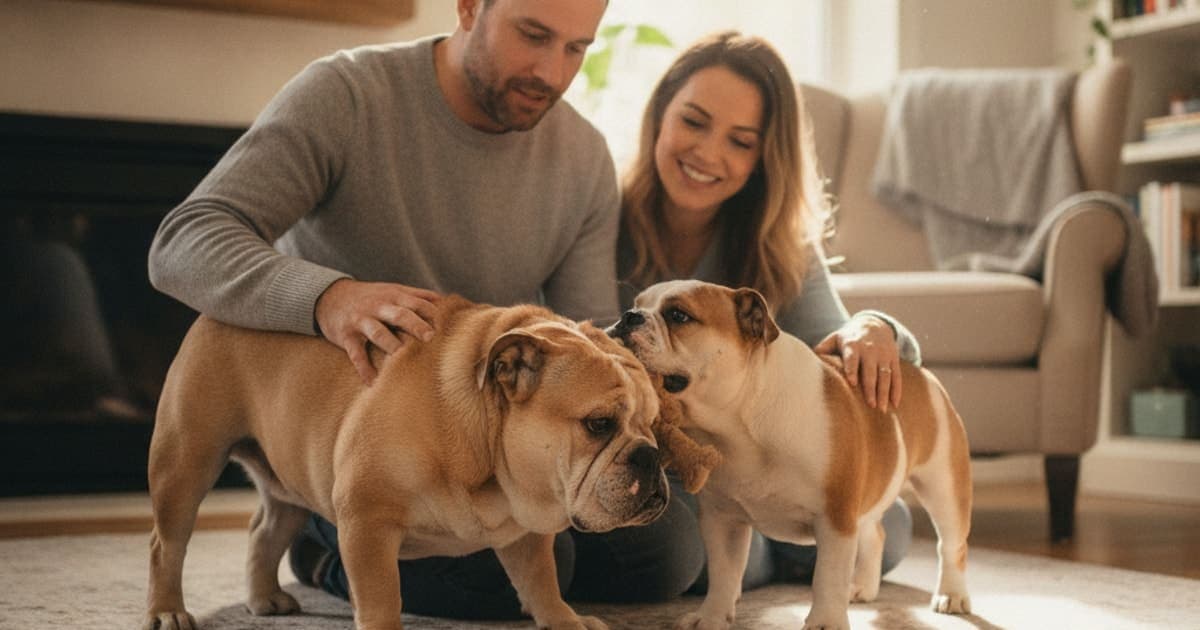 Why English Bulldogs Are Prone to Joint ProblemsEnglish Bulldogs are prone to joint problems because generations of selective breeding reshaped their skeleton — wide shoulders, a short heavy frame, shallow hip sockets and angled limbs — which loads cartilage and ligaments abnormally from puppyhood onward. Weight gain and limited exercise tolerance compound the mechanical stress over years.Read the guide →
 IVDD in Dogs: Signs, Causes and What HelpsIVDD (intervertebral disc disease) is a spinal condition in which a cushioning disc between a dog's vertebrae bulges or ruptures into the spinal canal and presses on the spinal cord. It causes back or neck pain, wobbliness, weakness, and in severe cases the loss of the ability to walk.Read the guide →
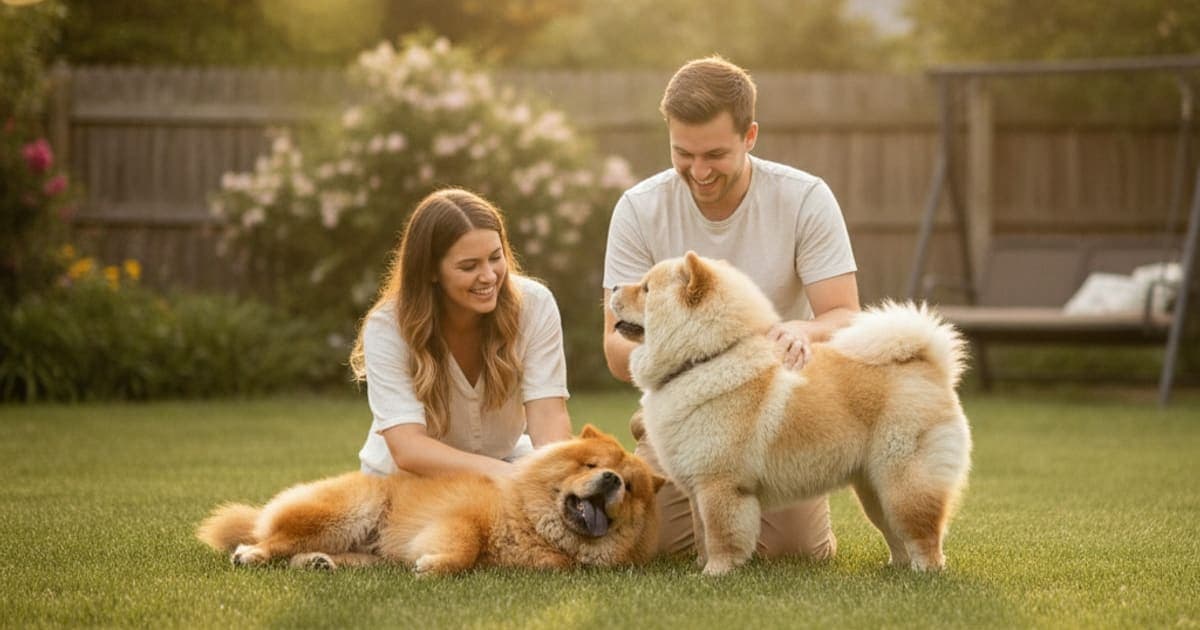 Why Chow Chows Are Prone to Joint ProblemsChow Chows are prone to joint problems because the breed combines heavy bone on a compact frame, a famously straight rear stifle and a thick double coat that makes overheating easy. That structure concentrates load on hips, elbows and knees, where dysplasia and patellar luxation show up most often.Read the guide →
 Dog Difficulty Posturing To Poop: What It Usually MeansDifficulty posturing to poop usually reflects pain or hind-end weakness rather than a stool problem, because the squat demands deep hip and knee flexion held for several seconds. Arthritis, cruciate injury, lumbosacral disease, anal gland trouble and rectal disease can all interfere, and a veterinary exam is what separates them.Read the guide →
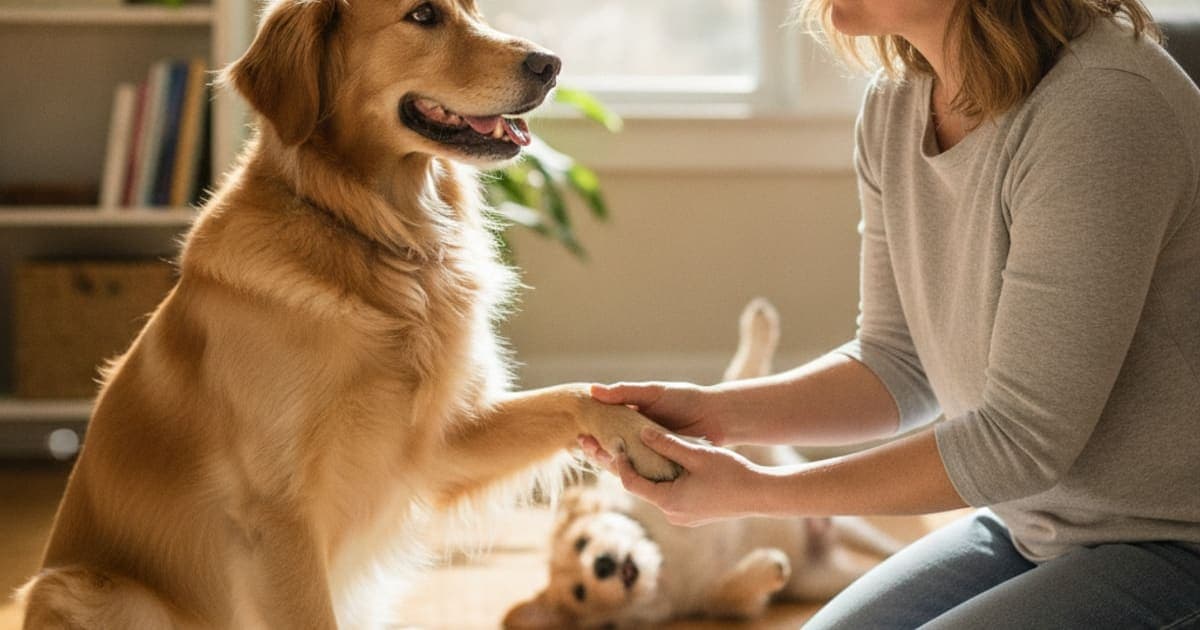 Why Is My Dog Swollen Joint? (Causes and What to Do)A dog's swollen joint means inflammation — fluid inside the joint capsule, thickened tissue around it, or both. Common causes include sprains, a torn cruciate ligament, arthritis flares, tick-borne or bacterial infection, and immune-mediated joint disease. Heat, fever or refusal to bear weight means the same day, not next week.Read the guide →
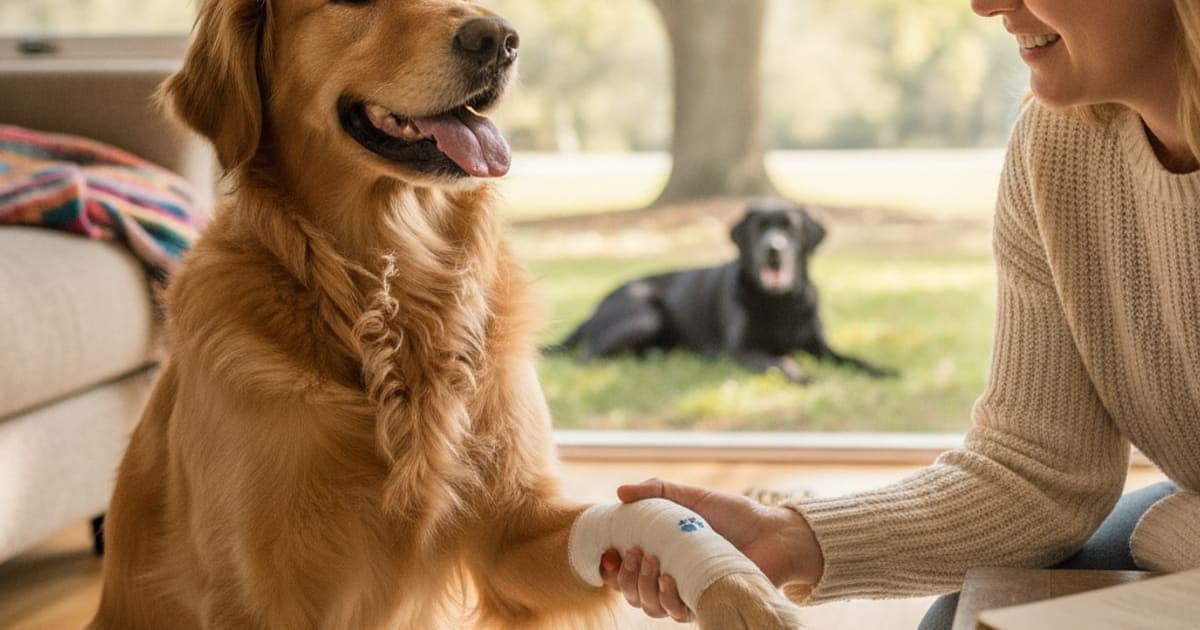 Toe Injury in Dogs: Signs, Causes and What HelpsA toe injury in dogs is damage to any structure in a digit — the small phalangeal bones, the joints between them, the flexor tendons and ligaments, the nail, or the pad. Most show up as sudden limping, licking one paw, or swelling over a single toe.Read the guide →
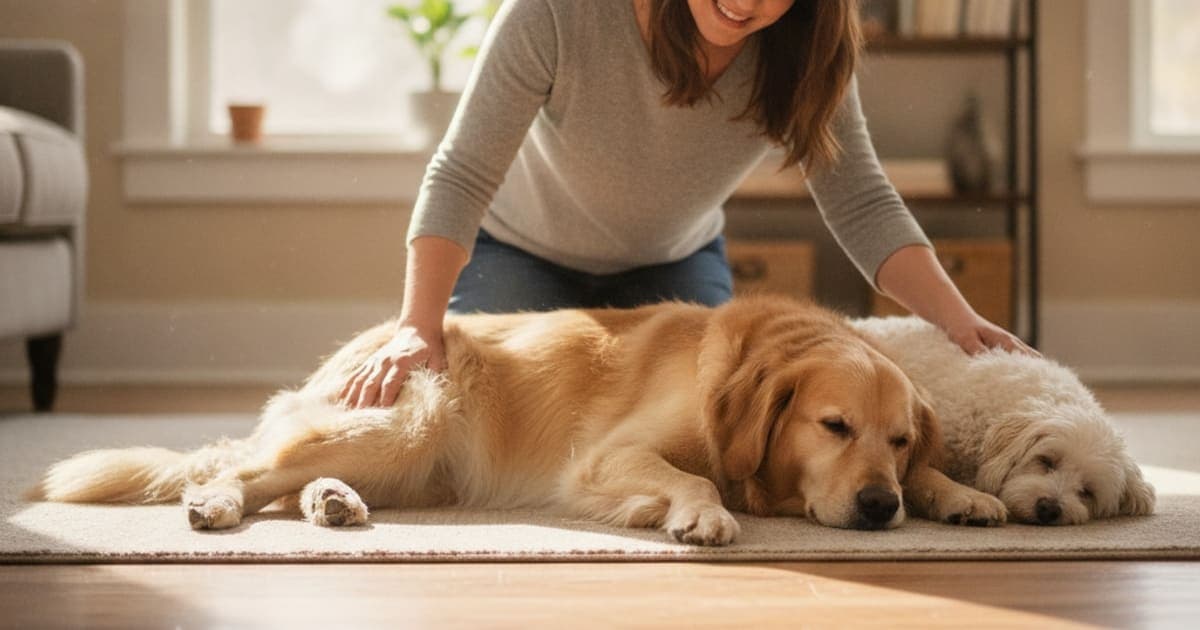 What Makes Iliopsoas Strain Worse in Dogs? (Key Triggers)Iliopsoas strain in dogs gets worse with repeated hip extension and slipping — jumping in and out of cars, sprinting turns on grass, slick floors, stairs, and returning to full activity before the muscle-tendon unit has remodelled. Pain medication that masks soreness can also encourage overuse. Your veterinarian sets the plan.Read the guide →
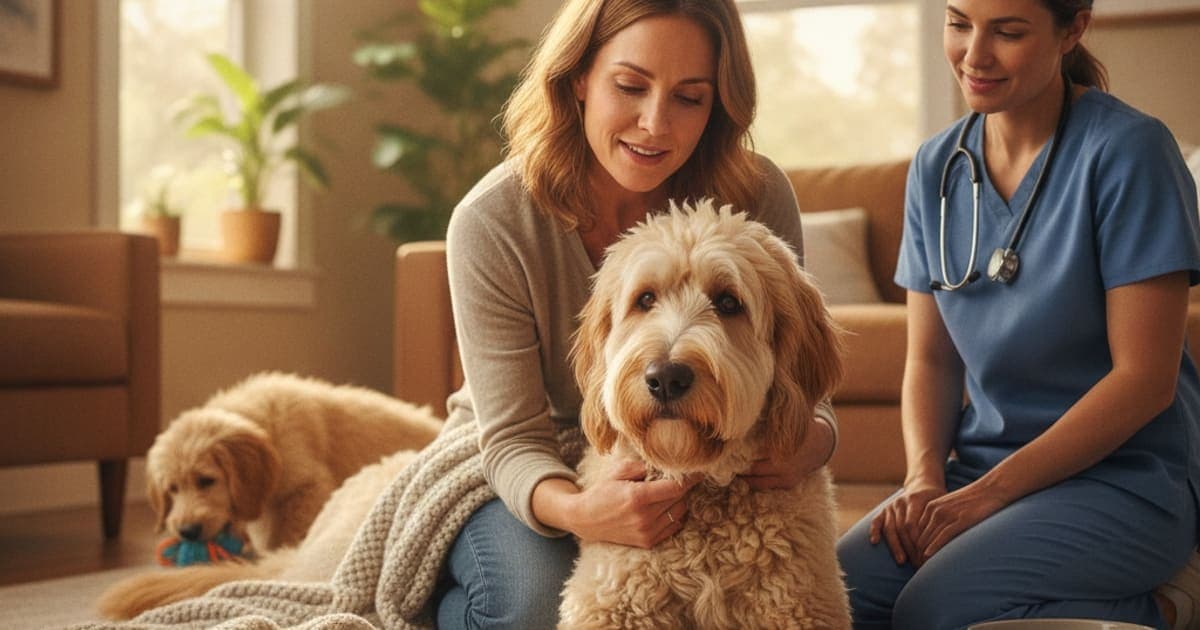 Why Goldendoodles Are Prone to Joint ProblemsGoldendoodles are prone to joint problems because both parent breeds — Golden Retrievers and Poodles — carry inherited hip and elbow dysplasia risk, and doodles vary widely in size, growth rate and structure. Fast growth, excess weight and high-impact activity compound that genetic loading over a dog's life.Read the guide →
 What Makes Hot Spots Worse in Dogs? (Moisture & Licking)Hot spots get worse in dogs mainly through self-trauma — licking, chewing and scratching that keeps the surface wet, warm and open. Trapped moisture under dense coat, heat, matted hair, an unaddressed itch trigger such as fleas or allergies, and delayed veterinary care all accelerate the cycle.Read the guide →
 Why Black Russian Terriers Are Prone to Joint ProblemsBlack Russian Terriers are prone to joint problems because giant-breed mass, a late-maturing skeleton and a narrow founding gene pool combine to load and destabilize hips, elbows and stifles. Hip and elbow dysplasia, cruciate injury and secondary arthritis are the conditions owners are most often screening and watching for.Read the guide →
 What Makes Joint Effusion Worse in Dogs? (Key Triggers)Joint effusion in dogs gets worse when the underlying joint problem keeps being aggravated: continued weight-bearing on an unstable joint, uncontrolled off-leash bursts, slick floors, excess body weight, cold-weather stiffness, and delayed veterinary diagnosis. Swelling is a signal of ongoing irritation inside the joint, not the disease itself.Read the guide →
 Elbow Dysplasia in Dogs: Signs, Causes and What HelpsElbow dysplasia in dogs is a developmental condition in which the humerus, radius and ulna fail to fit together correctly, concentrating pressure on cartilage and bone. It causes front-leg lameness, stiffness and progressive arthritis. Most cases appear in the first year of life, and it commonly affects both elbows.Read the guide →