What a diagnosis means, how it is confirmed, and the early signs owners miss — from hip dysplasia and IVDD to cruciate tears and arthritis.
 What Makes Senior Dog Stiffness Worse in Dogs? (Causes)Senior dog stiffness gets worse from extra body weight, cold and damp conditions, hard slippery flooring, long periods of rest followed by bursts of activity, poor sleep surfaces, and untreated pain or secondary injuries. Most of these are modifiable. A veterinary exam identifies which factors are driving your dog's decline.Read the guide →
 Stomach Ulcers in Dogs: Signs, Causes and What HelpsA stomach ulcer in a dog is a break in the protective lining of the stomach, where acid and digestive enzymes have eroded through the mucosa into deeper tissue. Most are secondary to medication, illness or injury. Common signs include vomiting, black tarry stool, appetite loss and abdominal pain.Read the guide →
 Why German Shorthaired Pointers Are Prone to Joint ProblemsGerman Shorthaired Pointers are prone to joint problems because inherited hip and elbow risk sits inside a dog built and driven to run flat out. Dysplasia, cartilage defects, cruciate injuries and iliopsoas strains all show up in the breed, and a GSP's stoicism hides them until they are advanced.Read the guide →
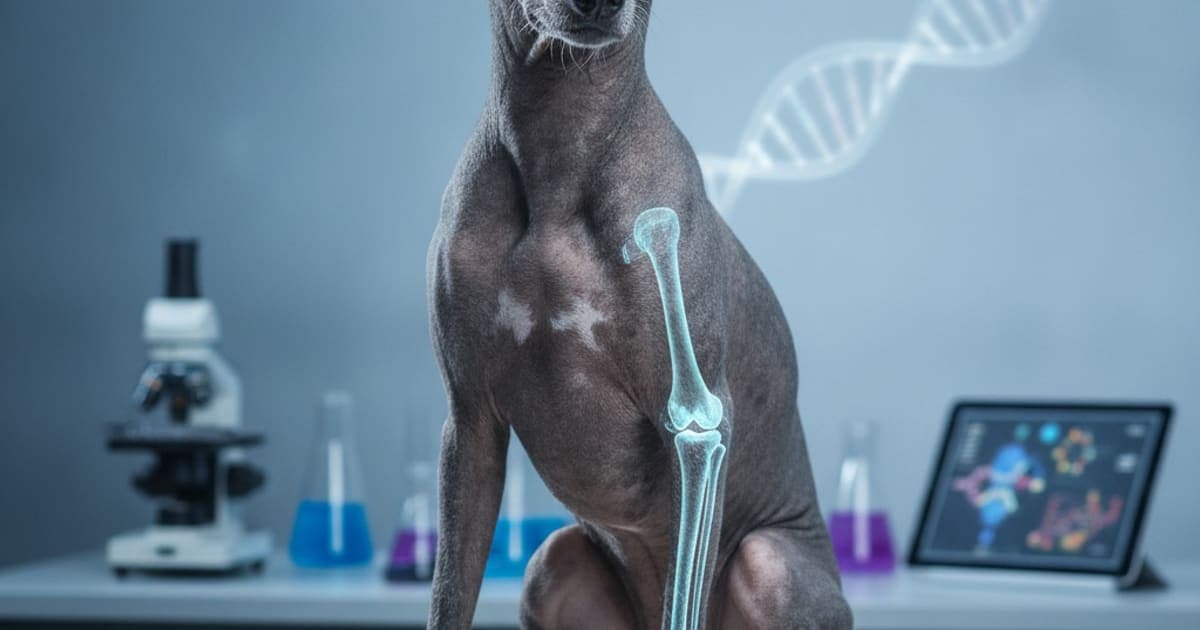 Peruvian Inca Orchids Joint Problems — Why They HappenPeruvian Inca Orchids are prone to joint problems because a sighthound's long limbs, fine bone and low body fat sit on top of an explosive running style, leaving knees, hips and soft tissue with little natural padding. Age, cold-driven stiffness and growth-stage loading all compound that baseline risk.Read the guide →
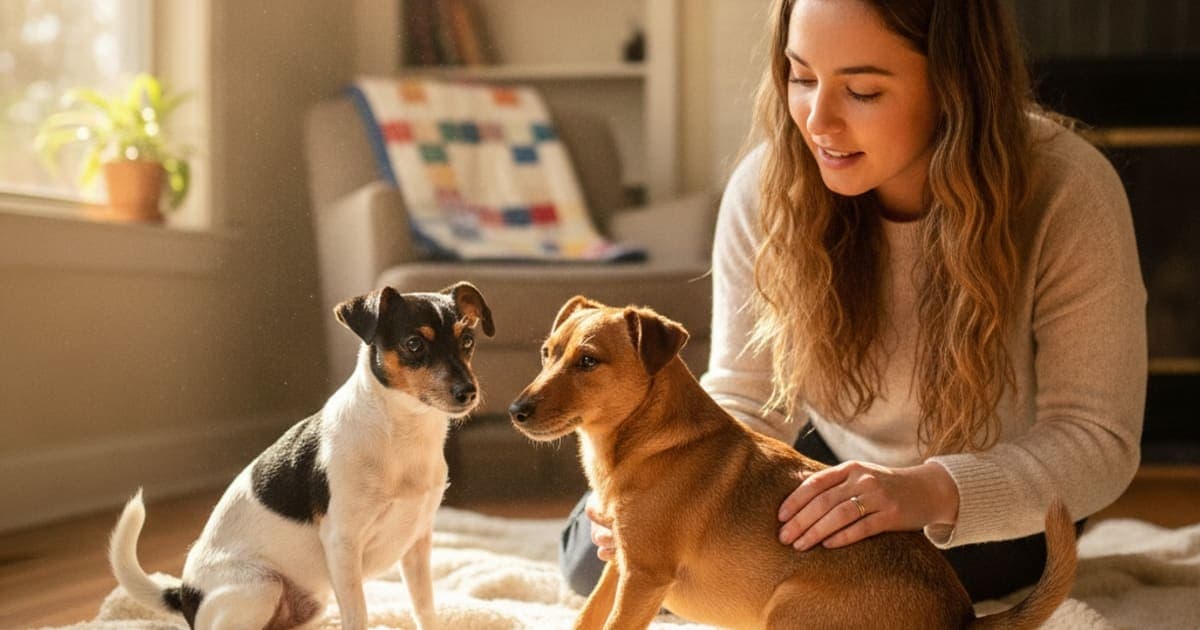 Why Rat Terriers Are Prone to Joint ProblemsRat terriers are prone to joint problems because a small, lightly built skeleton carries an unusually powerful athletic drive. Breed-linked predispositions like patellar luxation and hip joint disease set the baseline risk, while jumping, sprinting, hard flooring and extra body weight decide how early and how visibly that risk turns into a limp.Read the guide →
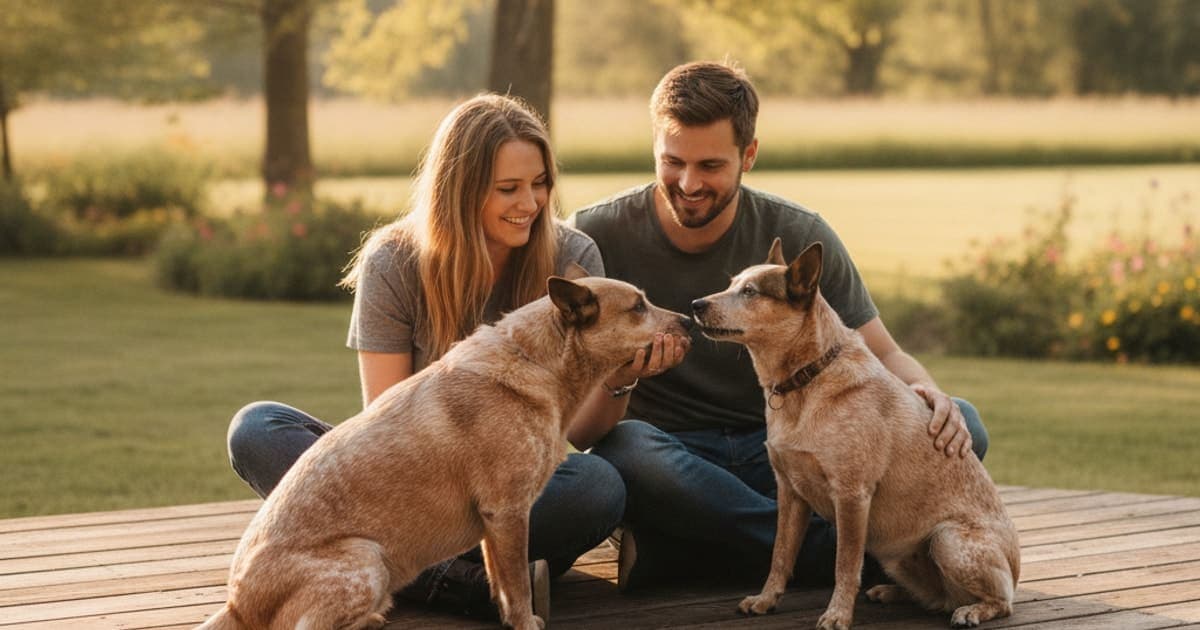 Why Red Heelers Are Prone to Joint ProblemsRed Heelers are prone to joint problems because they combine a compact, heavily muscled frame with relentless herding drive, inherited hip and elbow dysplasia risk, and a working temperament that hides pain. High-impact turning, jumping and stopping loads the same joints repeatedly, and stoic dogs rarely show early stiffness.Read the guide →
 What Makes Spondylosis Worse in Dogs? (Key Triggers)Spondylosis in dogs gets worse when the spine is loaded badly and repeatedly — excess body weight, jumping off furniture and out of cars, slick floors, hard skidding play, and long stretches of inactivity that let core muscle waste away. Undertreated pain and stacked joint problems accelerate the decline.Read the guide →
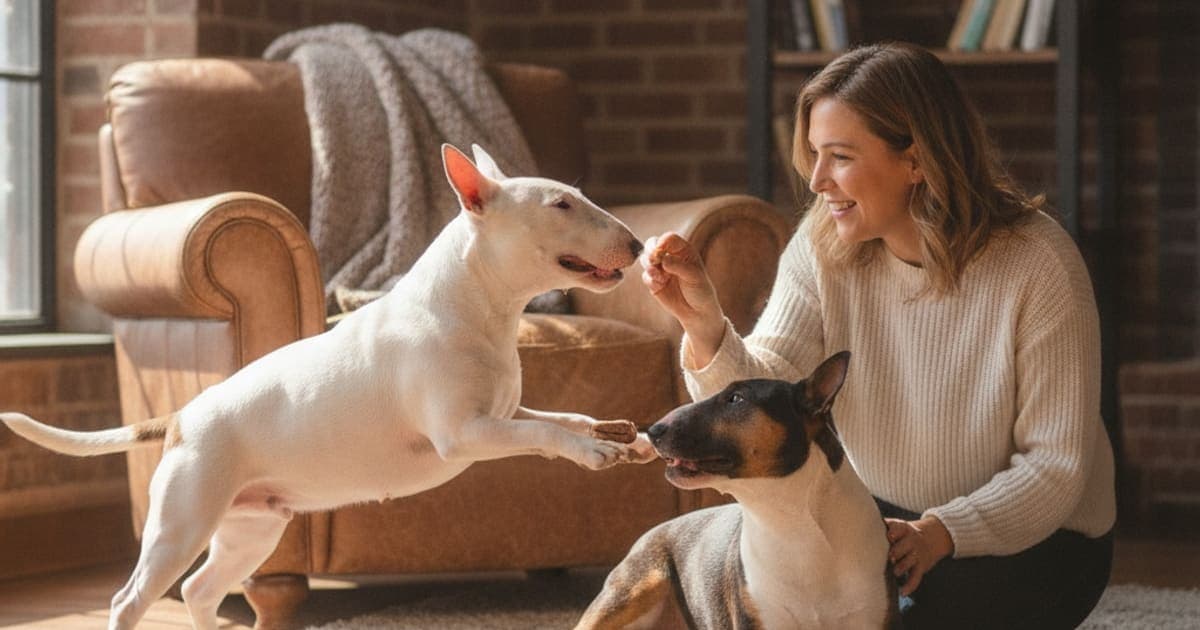 Why Bull Terriers Are Prone to Joint ProblemsBull terriers are prone to joint problems because a dense, heavily muscled body sits on short, straight legs, concentrating force through the hips, knees, elbows and lower spine. Breed-linked risks like hip dysplasia and patellar luxation, plus a high pain threshold that hides early discomfort, make the pattern predictable.Read the guide →
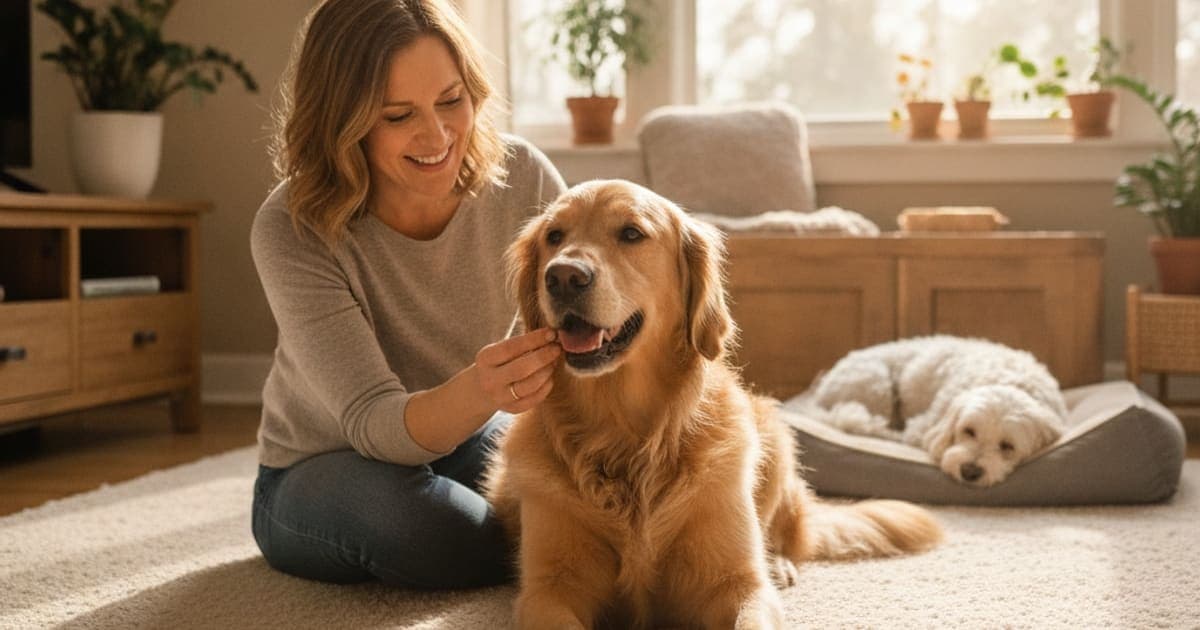 Vestibular Disease in Dogs: Signs, Causes and What HelpsVestibular disease in dogs is a sudden disruption of the balance system in the inner ear or brainstem, producing head tilt, flicking eyes, circling, falling and nausea. Most cases in older dogs are idiopathic and supportive care carries them through, but a veterinary exam is essential to rule out serious causes.Read the guide →
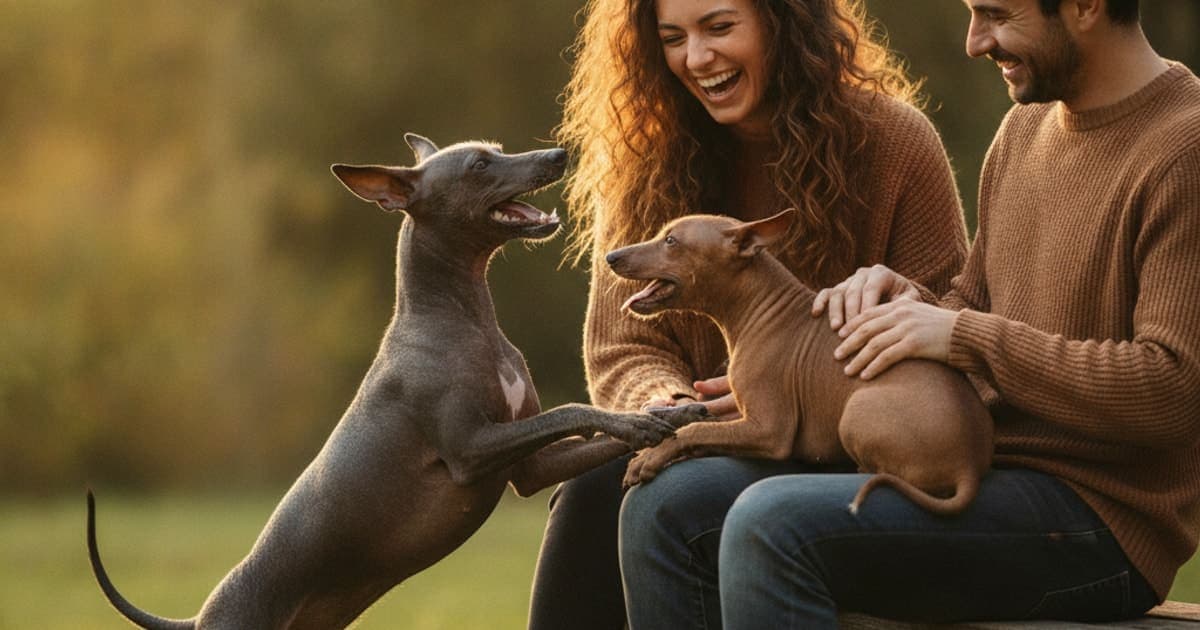 Why Xoloitzcuintli Are Prone to Joint ProblemsXoloitzcuintli joint problems come from a lean, spring-loaded frame that drives force through small joints, size-variety differences in knee and hip loading, and a long lifespan that lets cartilage and ligament wear accumulate. Patellar luxation, cruciate injury and osteoarthritis are the patterns owners most often encounter as these dogs age.Read the guide →
 Why Yorkshire Terriers Are Prone to Joint ProblemsYorkshire Terriers are prone to joint problems because a toy-breed skeleton carries fine bones, loose-fitting joints and a shallow knee groove, which makes medial patellar luxation, Legg-Calvé-Perthes disease and secondary arthritis more likely. Weight control, traction, controlled exercise and early veterinary assessment matter more in small dogs than most owners expect.Read the guide →
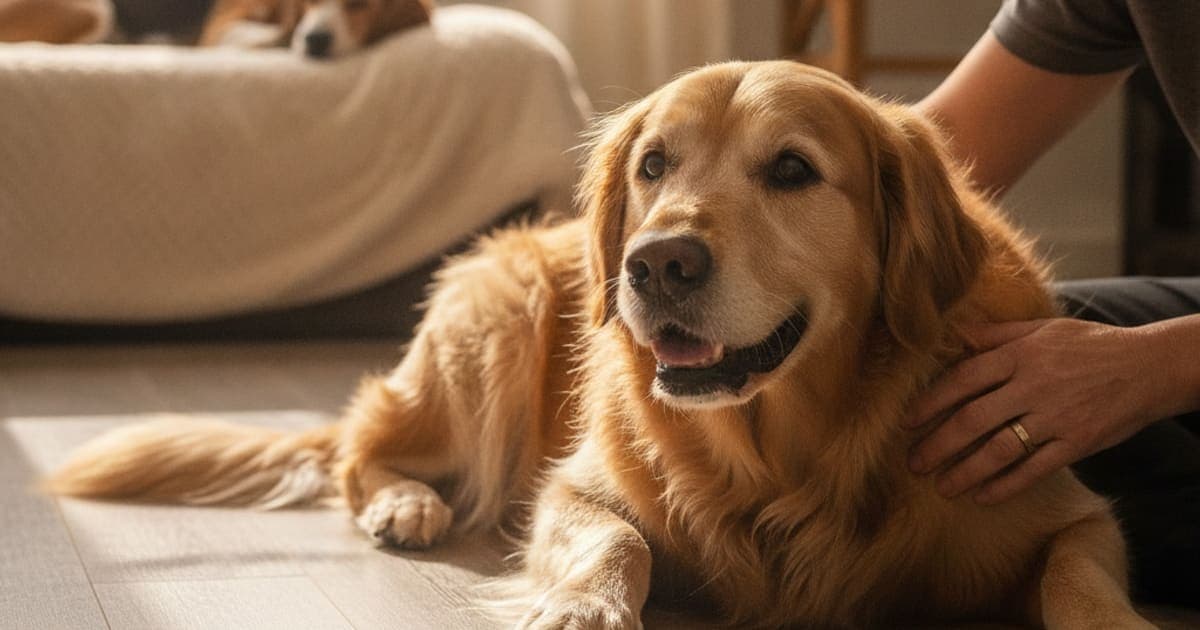 What Is Chronic Pain in Dogs? (Signs, Causes, Relief)Chronic pain in dogs is pain that persists beyond the normal healing window — typically longer than three months — or recurs as an ongoing pattern. It changes behaviour before it changes gait, and it usually stems from osteoarthritis, joint disease, spinal conditions or old soft-tissue injury.Read the guide →
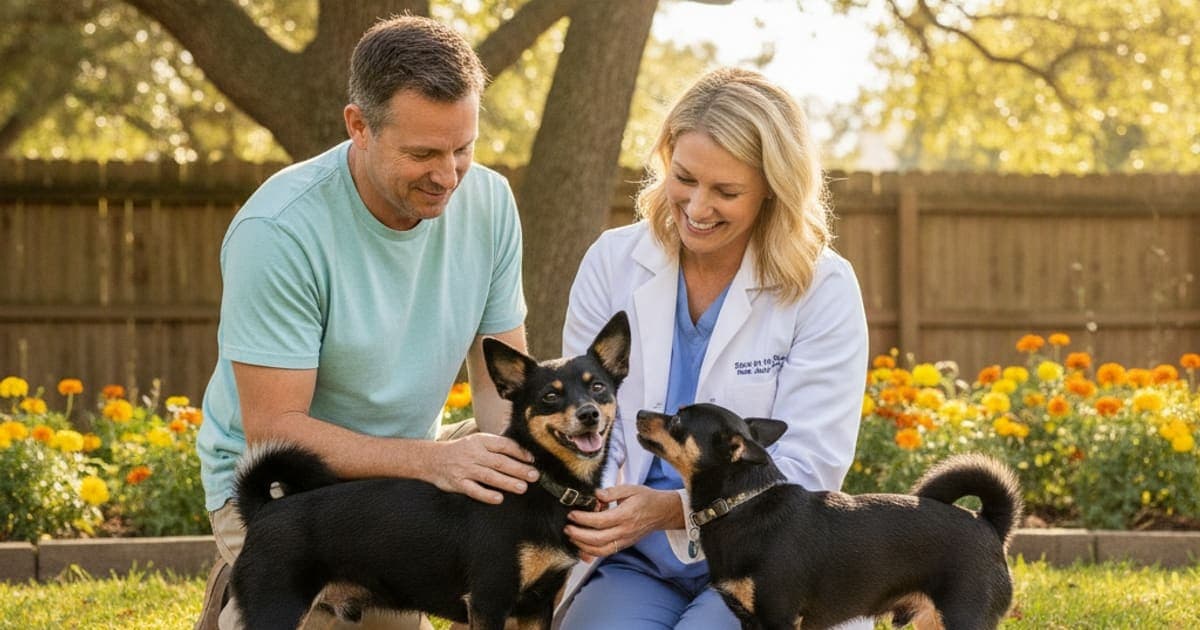 Why Schipperkes Are Prone to Joint ProblemsSchipperkes are prone to joint problems because a dense, heavily muscled body sits on short legs, concentrating load through the stifles, hips and spine. The breed also carries small-dog risk for patellar luxation, Legg-Calvé-Perthes disease and hip dysplasia, and a thick double coat that hides early weight gain and muscle loss.Read the guide →
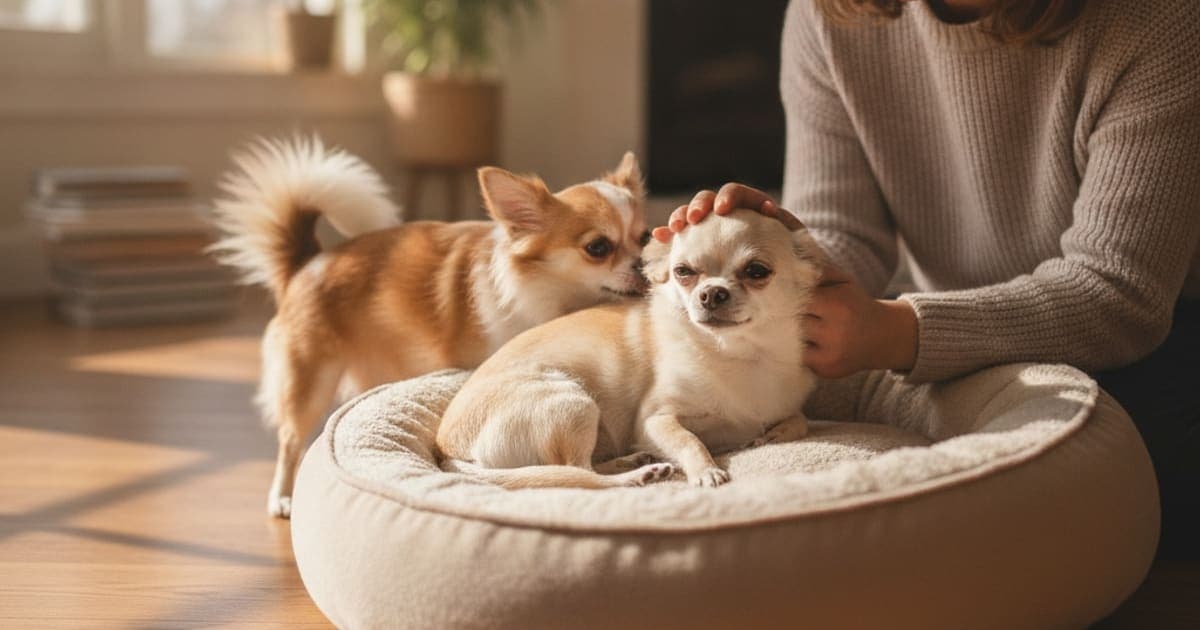 Why Chihuahuas Are Prone to Joint ProblemsChihuahuas are prone to joint problems mainly because of toy-breed structure: a shallow kneecap groove that allows patellar luxation, a small femoral head vulnerable to blood-supply disease, and neck instability seen in tiny breeds. Repeated jumping from furniture adds load. Most issues are structural rather than simple wear and tear.Read the guide →
 Tendonitis in Dogs: Signs, Causes and What HelpsTendonitis in dogs is inflammation or degeneration of a tendon — the fibrous cord that anchors muscle to bone — usually caused by repetitive load, overuse or a single overstretch. It shows up as a limp that is worse after rest or hard exercise, plus heat, swelling and pain on touch.Read the guide →
 Why Lagotto Romagnolos Are Prone to Joint ProblemsLagotto Romagnolos are prone to joint problems because inherited hip and elbow dysplasia meet a compact, densely muscled frame and a working job that demands slow, twisting movement over rough ground. Their thick curly coat also hides weight gain and early muscle loss, so problems are often noticed late.Read the guide →
 What Makes Meniscus Tear Worse in Dogs? (Key Triggers)A dog's meniscus tear gets worse when the knee stays unstable — the thigh bone shears across the cartilage with every step. Jumping, stairs, slick floors, off-leash sprinting, extra body weight and delayed diagnosis all deepen the damage. Restricting activity and getting a veterinary diagnosis early matter most.Read the guide →
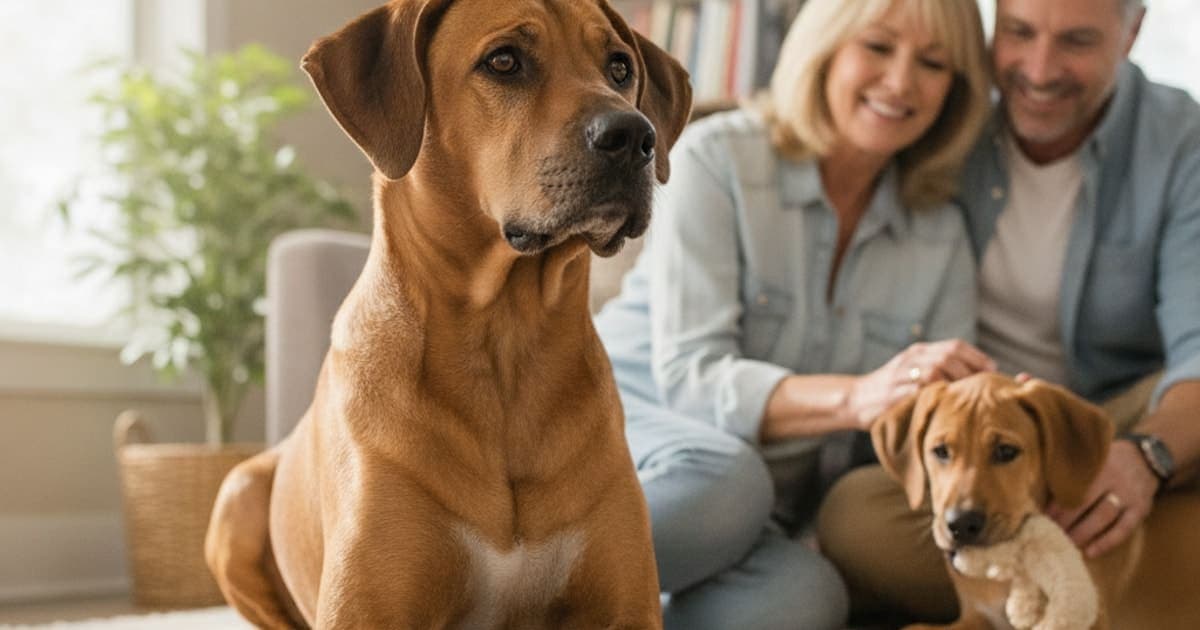 Why Rhodesian Ridgebacks Are Prone to Joint ProblemsRhodesian Ridgebacks are prone to joint problems because a heavy, fast-growing frame loads hips, elbows and knees hard through a long adolescence. Hip and elbow dysplasia, cruciate ligament injury and osteoarthritis are the common patterns. Growth-rate management, lean body weight and early veterinary screening matter more than almost anything else an owner can do.Read the guide →
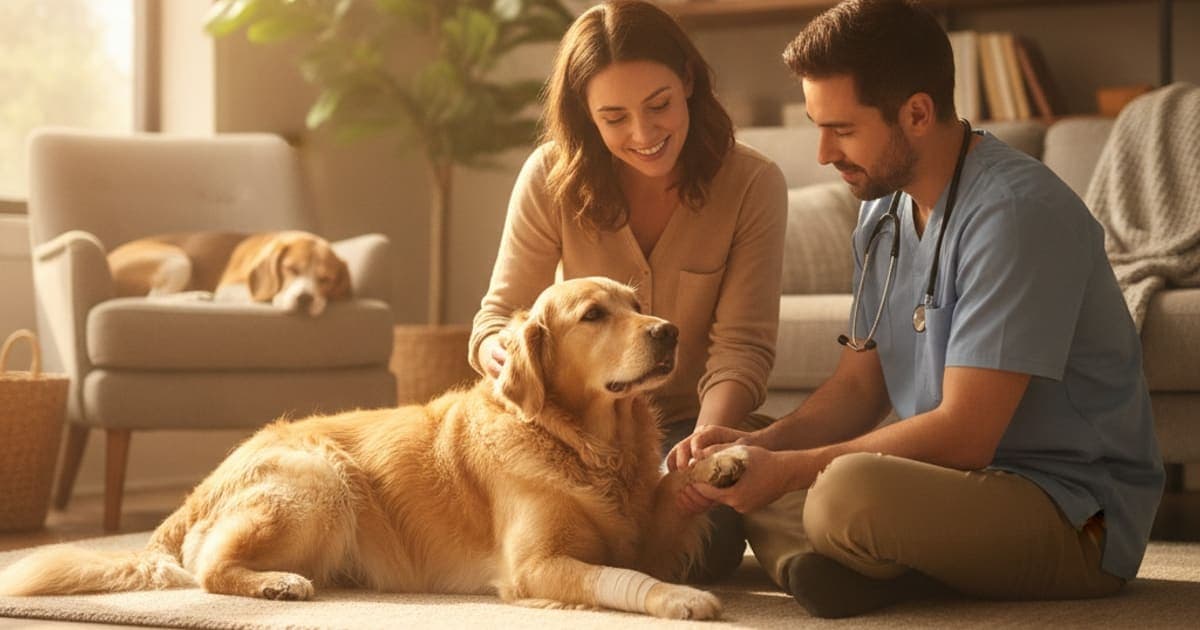 Soft Tissue Injury in Dogs: Signs, Causes and What HelpsA soft tissue injury in dogs is damage to muscle, tendon, ligament or fascia rather than bone. It usually shows as limping, stiffness, swelling or reluctance to jump, and ranges from a mild strain to a complete tear. Diagnosis and severity determine what recovery looks like.Read the guide →
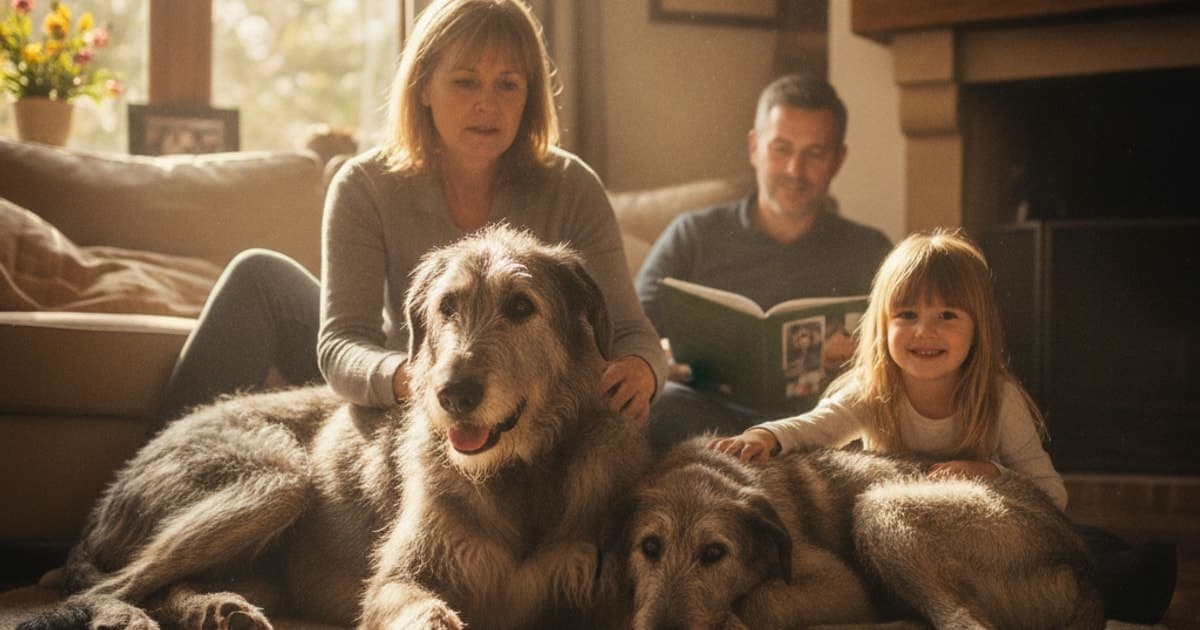 Why Irish Wolfhounds Are Prone to Joint ProblemsIrish Wolfhounds are prone to joint problems because extreme skeletal size, rapid puppy growth and heavy limb loading stress hips, elbows and soft tissue earlier than in smaller dogs. Genetics, growth rate and body condition all shape the risk, and much of it is manageable with veterinary guidance.Read the guide →
 What Is Elbow Arthritis in Dogs? (Signs and Causes)Elbow arthritis in dogs is the progressive breakdown of cartilage inside the elbow joint, followed by bone remodelling, bone spurs and inflammation of the joint lining. Most cases trace back to elbow dysplasia, and the earliest signs are stiffness after rest, a shortened front-leg stride and lameness that eases with gentle movement.Read the guide →
 What Makes Inflammation Worse in Dogs? (Key Triggers)Inflammation in dogs gets worse when the body keeps receiving reasons to stay switched on: excess body fat, an omega-6-heavy diet, untreated dental or skin disease, stop-start exercise, poor sleep, chronic stress, and old injuries that never fully rehabilitated. These triggers stack, and the total load is what matters most.Read the guide →
 Why Border Collies Are Prone to Joint ProblemsBorder Collies are prone to joint problems because inherited hip and elbow dysplasia risk lands on a body that repeats hard, low-crouch, high-torque movement for years. Genetics set the ceiling; body weight, conditioning, footing and workload decide how early stiffness and mobility issues actually show up.Read the guide →
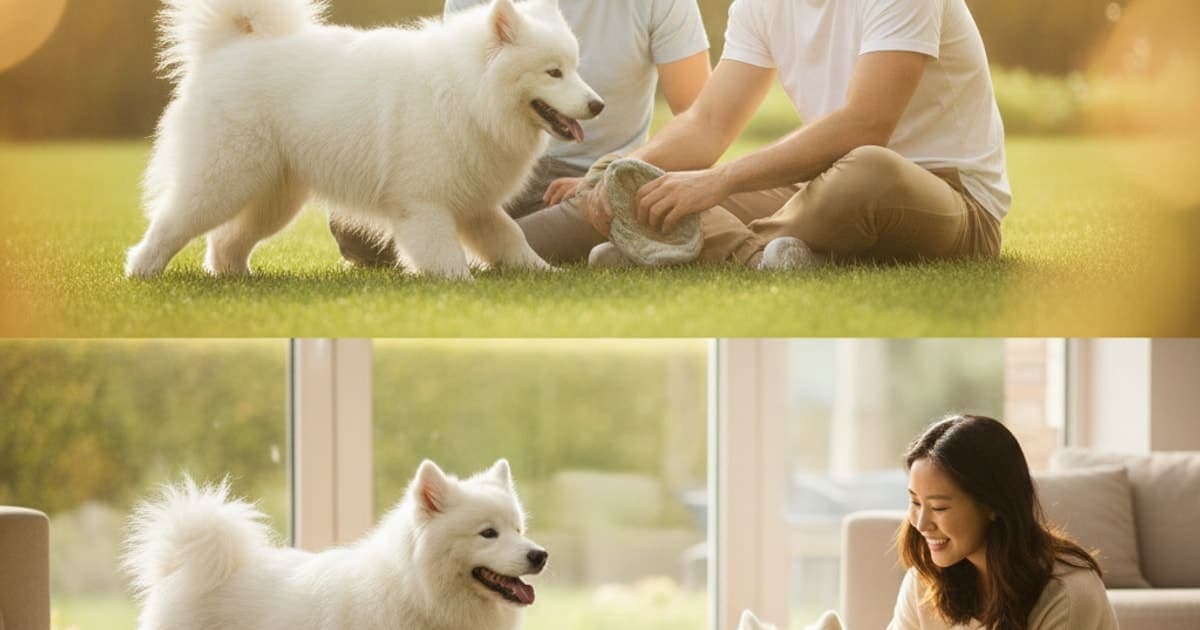 Why Samoyeds Are Prone to Joint ProblemsSamoyeds are prone to joint problems because they carry an inherited risk of hip and elbow dysplasia on a powerful sled-dog frame, grow quickly as puppies, and work through discomfort without complaint. A dense double coat hides muscle loss, so early mobility changes are often missed until a limp appears.Read the guide →