Measuring, mixing and giving — syringe sizes, weight-based maths and handling, written so the numbers are checkable.
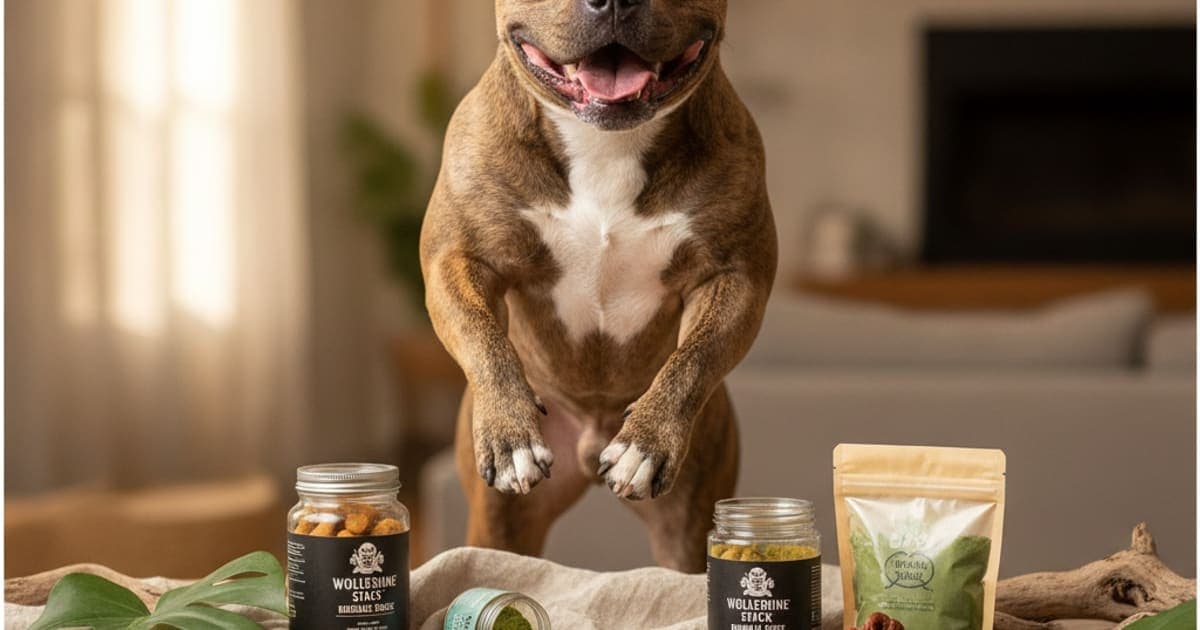 Wolverine Stack Double Dose for Dogs: More Isn't BetterDoubling the Wolverine Stack dose for dogs is not how the stack is designed to work. BPC-157 and TB-500 are signalling peptides, and research suggests their effect depends on consistent, weight-based dosing rather than volume. Dose changes belong with your veterinarian, never with guesswork at home.Read the guide →
 Wolverine Stack Cycle Length for Dogs — What to KnowThere is no fixed cycle length for the wolverine stack in dogs. Duration is set with your veterinarian and follows the tissue involved — tendon and ligament remodel far more slowly than muscle or gut lining. Owners typically align use with the rehab window their vet defines, then reassess at recheck.Read the guide →
 The Wolverine Stack Maintenance Dose for Dogs, ExplainedThere is no universal Wolverine Stack maintenance dose for dogs. Maintenance means continuing the same weight-based, veterinarian-guided approach at reduced intensity once active healing settles. K9-REPAIR is the BPC-157 and TB-500 formulation owners use through that stretch, but the specific amount and schedule belong to your veterinarian, who knows your dog's diagnosis and medications.Read the guide →
 The Wolverine Stack: Injecting a Nervous Dog CalmlyInjecting a nervous dog with the Wolverine Stack — BPC-157 and TB-500 — works best when the environment is quiet, the routine is predictable and your veterinarian has demonstrated the technique on your own dog first. Calm handling, short sessions and food pairing do more for consistency than restraint ever will.Read the guide →
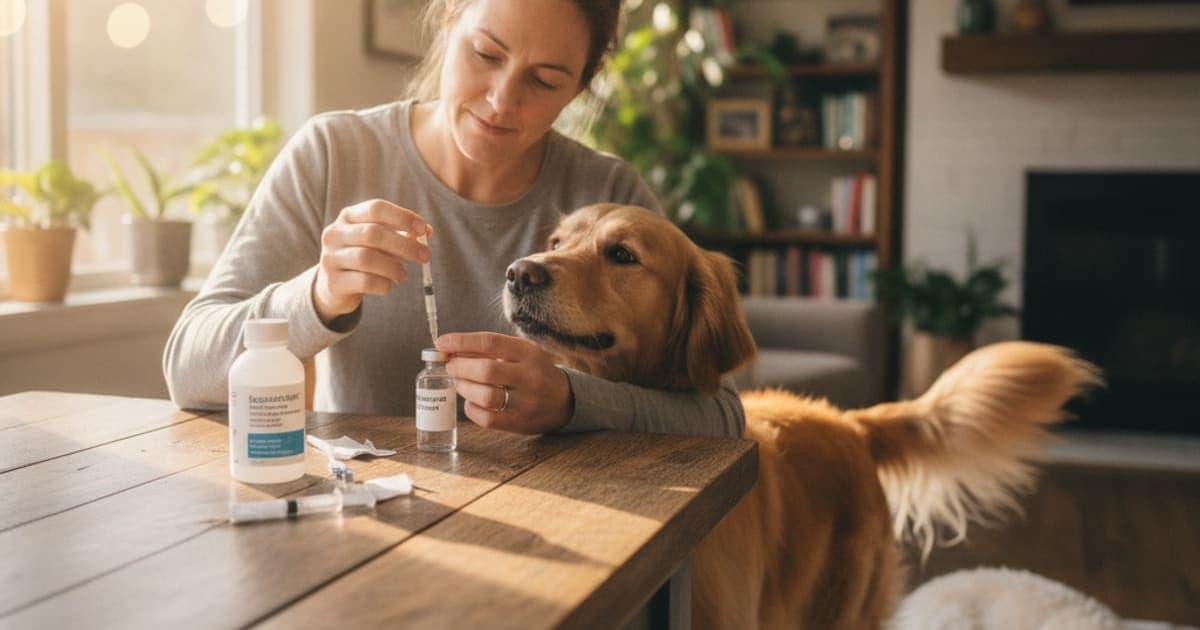 TB-500 Reconstituting Step by Step for Dogs — Safe HandlingReconstituting TB-500 for a dog means adding a sterile diluent to a vial of freeze-dried peptide, letting it dissolve without shaking, then labelling and refrigerating it. The handling sequence is standard and learnable. The volumes and the schedule are a veterinary decision, not something to copy from a forum.Read the guide →
 The Wolverine Stack Dosage Chart for Dogs, ExplainedNo universal Wolverine Stack dosage chart for dogs exists, because the right amount depends on your dog's weight, diagnosis, medications and the concentration of the specific formulation. The nickname describes BPC-157 paired with TB-500. Weight-based dosing for that pairing is a conversation to have with your veterinarian.Read the guide →
 The Wolverine Stack Starting Dose for Dogs, ExplainedThe Wolverine Stack starting dose for dogs is set by body weight and confirmed with your veterinarian, not copied from a human protocol. BPC-157 and TB-500 formulations such as K9-REPAIR are supplied with weight-banded guidance, and any first cycle should follow a proper diagnosis and an exam.Read the guide →
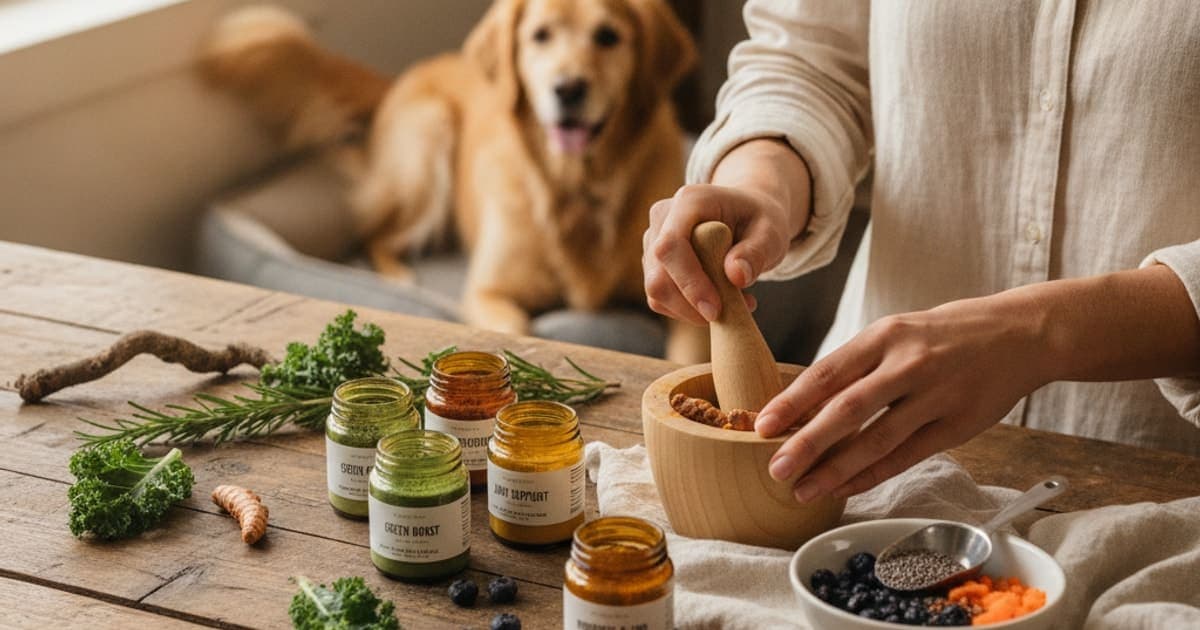 Wolverine Stack Reconstitution for Dogs — Safe StepsReconstituting a Wolverine Stack for dogs — BPC-157 paired with TB-500 — means rehydrating lyophilized powder with bacteriostatic water under sterile conditions, swirling rather than shaking, then storing the vial cold, dark and labelled. Every quantity and schedule belongs to your veterinarian. K9-REPAIR arrives formulated for dogs with third-party testing.Read the guide →
 Wolverine Stack Dosage by Weight for Dogs, ExplainedThe Wolverine stack — BPC-157 with TB-500 — is dosed by body weight, which is why K9-REPAIR is sold with weight-based directions rather than one universal amount. Exact quantities belong to your veterinarian and the product label, not a blog post. Here is how weight-based dosing logic actually works.Read the guide →
 The Wolverine Stack Missed Dose for Dogs: What to DoMissing a dose of the Wolverine Stack — the BPC-157 and TB-500 combination in K9-REPAIR — is not an emergency and does not erase your dog's progress. Resume at the next scheduled point rather than doubling up, note the gap, and ask your veterinarian how they want the schedule handled.Read the guide →
 Wolverine Stack Storage Temperature for Dogs, ExplainedThe Wolverine Stack — BPC-157 with TB-500 — keeps best cold, dark and sealed: freeze-dried peptide in the refrigerator or freezer, anything in liquid form refrigerated and upright, away from light and heat. Brief room-temperature exposure during shipping or dosing is normal. Always follow the storage line on your product's label.Read the guide →
 Wolverine Stack for Dogs — Timing With MealsThe Wolverine Stack — BPC-157 and TB-500 together — is usually given at one fixed point relative to your dog's meals, most often on a relatively empty stomach, and kept there every day. Consistency matters more than the exact gap. Your veterinarian sets the amount and route.Read the guide →
 Wolverine Stack Refrigeration for Dogs: Storage RulesYes — the Wolverine Stack (BPC-157 plus TB-500) needs cold storage once it is mixed. Sealed freeze-dried vials keep cool, dark and dry; reconstituted solution belongs on a steady refrigerator shelf, never the freezer and never the door. Heat, light and temperature swings are what degrade peptides fastest.Read the guide →
 BPC-157: How Much BAC Water for Dogs? (Explained)There is no single correct amount. The bacteriostatic water volume used to reconstitute BPC-157 sets concentration, not the total peptide in the vial, so it has to be matched to that vial, the syringe and your dog's weight by your veterinarian. Ready-dosed canine formulations remove the mixing math entirely.Read the guide →
 K9-REPAIR Subcutaneous Injection — How It WorksA K9-REPAIR subcutaneous injection places the BPC-157 and TB-500 solution in the loose tissue just under your dog's skin — usually over the shoulders or flank — so the peptides bypass digestion. Technique is learnable at home; the amount and schedule are decisions for your veterinarian, not a web page.Read the guide →
 TB-500 Dose for Large Dogs — What Owners Should KnowTB-500 dosing for large dogs is calculated by body weight, and the specific amount belongs to your veterinarian rather than a blog post. This article explains how weight-based peptide dosing works, why size changes the calculation, and what to confirm about formulation, third-party testing and reconstitution before starting.Read the guide →
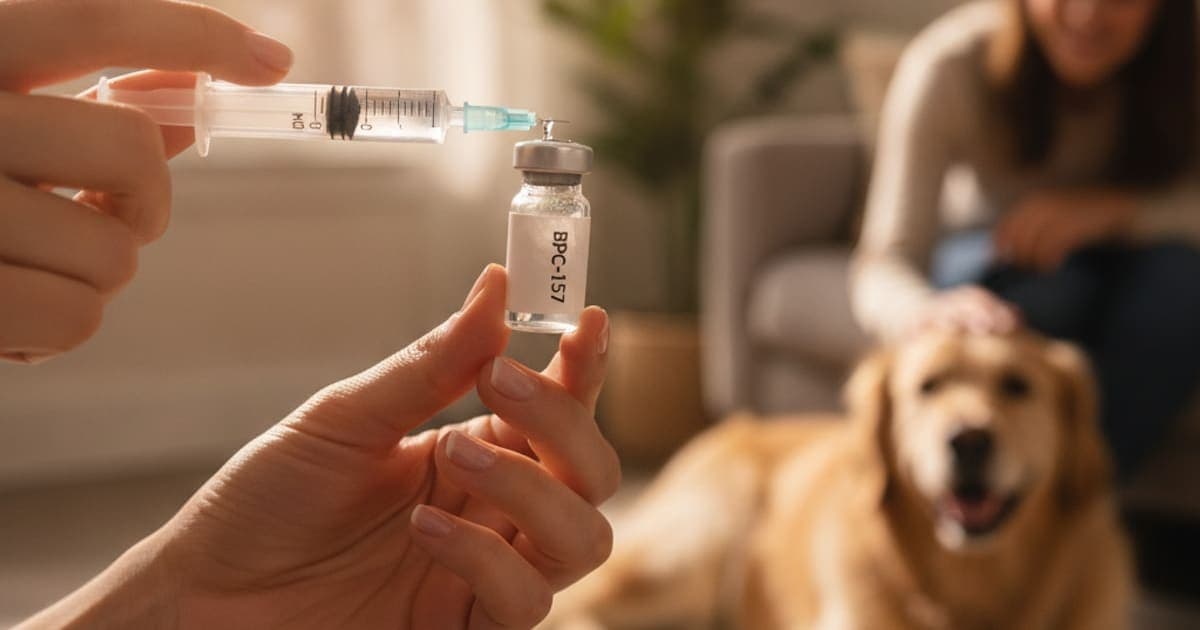 BPC-157 Reconstituting Step by Step for DogsReconstituting BPC-157 for a dog means adding a sterile diluent to a sealed vial of freeze-dried peptide so it becomes a measurable liquid: warm the vial, sanitise the stopper, add diluent slowly down the glass wall, swirl gently, then label and refrigerate. Volumes and amounts stay with your veterinarian.Read the guide →
 BPC-157 Dose Calculator for Dogs — What It Can't Tell YouNo online BPC-157 dose calculator can safely set a dose for your dog, because dosing depends on formulation concentration, body weight band, injury type and your veterinarian's judgement. What a calculator can't replace is a canine-specific formulation with weight-based guidance and a vet who knows your dog's case.Read the guide →
 K9-REPAIR Second Cycle — When Owners Run Another RoundA K9-REPAIR second cycle is a second full run of the BPC-157 and TB-500 stack, started after the first cycle and any interval your veterinarian advises. Owners typically consider one when recovery is still progressing, when a dog moves into a harder rehab phase, or when an older dog's baseline shifts.Read the guide →
 K9-REPAIR Dose for Small Dogs — How Weight Dosing WorksK9-REPAIR is dosed by body weight, so a small dog takes a proportionally smaller amount than a large one, using the weight-based instructions supplied with the product and confirmed with your veterinarian. This guide explains how weight-based dosing is structured, why small dogs need extra measuring care, and what to ask at your appointment.Read the guide →
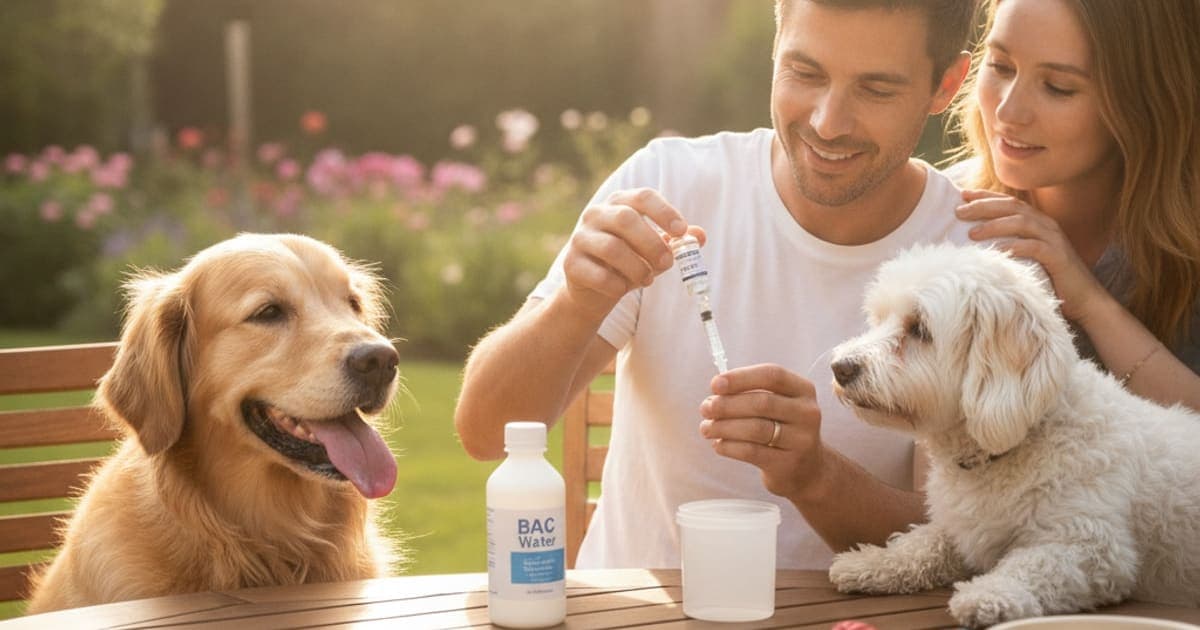 K9-REPAIR: How Much BAC Water? (Reconstitution Basics)The correct amount of bacteriostatic water for K9-REPAIR is the volume printed in the reconstitution instructions that ship with your vial, because that number sets the concentration your dosing guidance assumes. pawgen does not publish reconstitution figures in educational content; confirm the volume with your veterinarian before you mix anything.Read the guide →
 BPC-157 Starting Dose for Dogs — How It's DeterminedThere is no universal BPC-157 starting dose for dogs. The starting point is built from your dog's body weight, the concentration of the specific formulation, the delivery route, and your veterinarian's read on the case. This guide explains each variable and what to bring to that veterinary conversation.Read the guide →
 BPC-157 Dosage Chart for Dogs — What Sets the DoseThere is no universal BPC-157 dosage chart for dogs, and any page publishing one is filling in blanks it cannot see. Dosing depends on body weight, the product's concentration, the route, the injury and veterinary oversight. This guide explains the variables that actually determine dosing and how owners approach peptide support with their vet.Read the guide →
 BPC-157 Missed Dose for Dogs — What to Do NextA missed dose of BPC-157 for a dog is not an emergency. Owners generally skip the missed administration rather than doubling up, resume at the next scheduled one, and mention the gap to their veterinarian. Consistency across the whole recovery window matters far more than any single missed day.Read the guide →