How long healing actually takes, what each week looks like, and which setbacks are normal versus worth a call to the vet.
 Dog Hip Arthritis Recovery Time: Realistic ExpectationsHip arthritis is a lifelong joint condition, so there is no date on which it is finished. Most owners see an acute flare settle over a few weeks of vet-directed care, with meaningful gains in comfort, muscle and mobility building across roughly two to three months of consistent daily work.Read the guide →
 Dog Walking With A Limp After Surgery: What It Usually MeansA limp after surgery is usually part of normal healing: surgical inflammation, muscle loss from rest, and tissue that is still remodeling all change how a dog loads the leg. A limp that improves week to week is expected; one that suddenly worsens needs a same-day veterinary call.Read the guide →
 Dog Hip Dysplasia Recovery Time: Realistic ExpectationsHip dysplasia is a lifelong structural condition, so it doesn't fully heal — but recovery timelines exist. Most surgical protocols describe roughly eight to sixteen weeks of restricted activity, with return to comfortable function often taking four to six months. Conservative management is usually judged over several months of consistent work.Read the guide →
 Dog Joint Effusion Recovery Time: Realistic ExpectationsJoint effusion resolves on the timeline of its cause, not the swelling itself. Mild sprain-related fluid often settles within one to two weeks of strict rest; effusion driven by a cruciate tear, cartilage injury or immune-mediated arthritis can persist for months until a veterinarian addresses the underlying problem.Read the guide →
 Dog Meniscus Tear Recovery Time: Realistic ExpectationsMost dogs recovering from a surgically treated meniscus tear spend roughly the first eight to twelve weeks in restricted activity and reach near-normal function around four to six months. Meniscal tissue has limited blood supply, so the timeline is driven mostly by knee stabilization and rehab compliance.Read the guide →
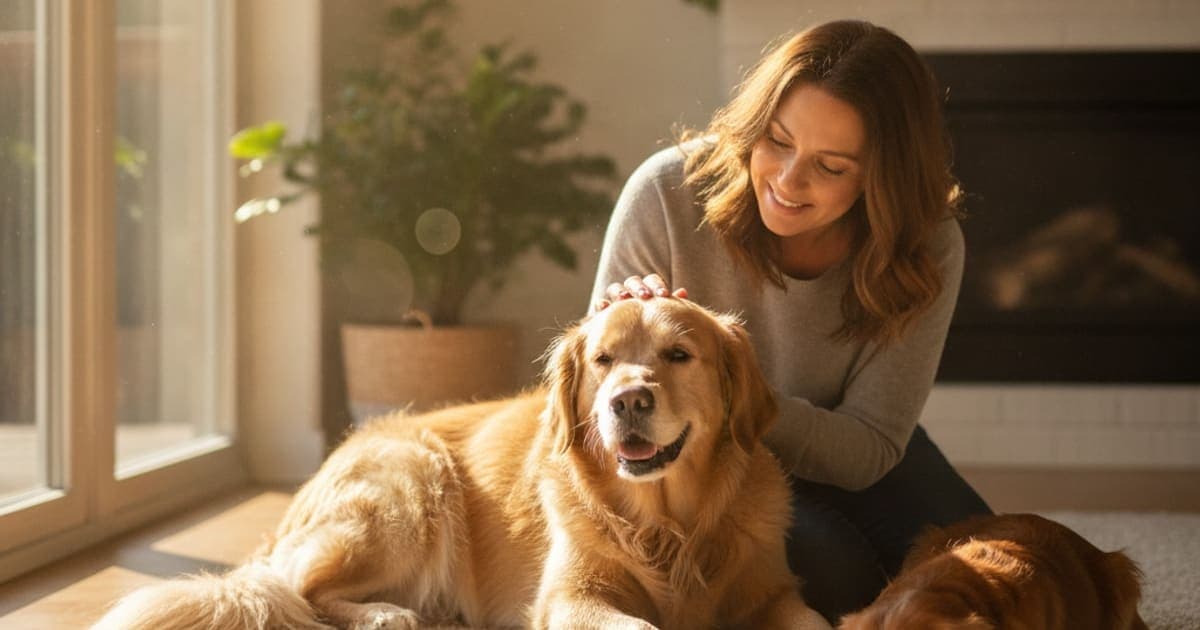 Dog Inflammation Recovery Time: Realistic ExpectationsAcute inflammation in a dog usually settles within days to a couple of weeks, while soft-tissue injuries such as tendon, ligament or post-surgical sites often need several weeks to months to remodel fully. Chronic inflammation is managed rather than finished. Your veterinarian's diagnosis sets the realistic timeline.Read the guide →
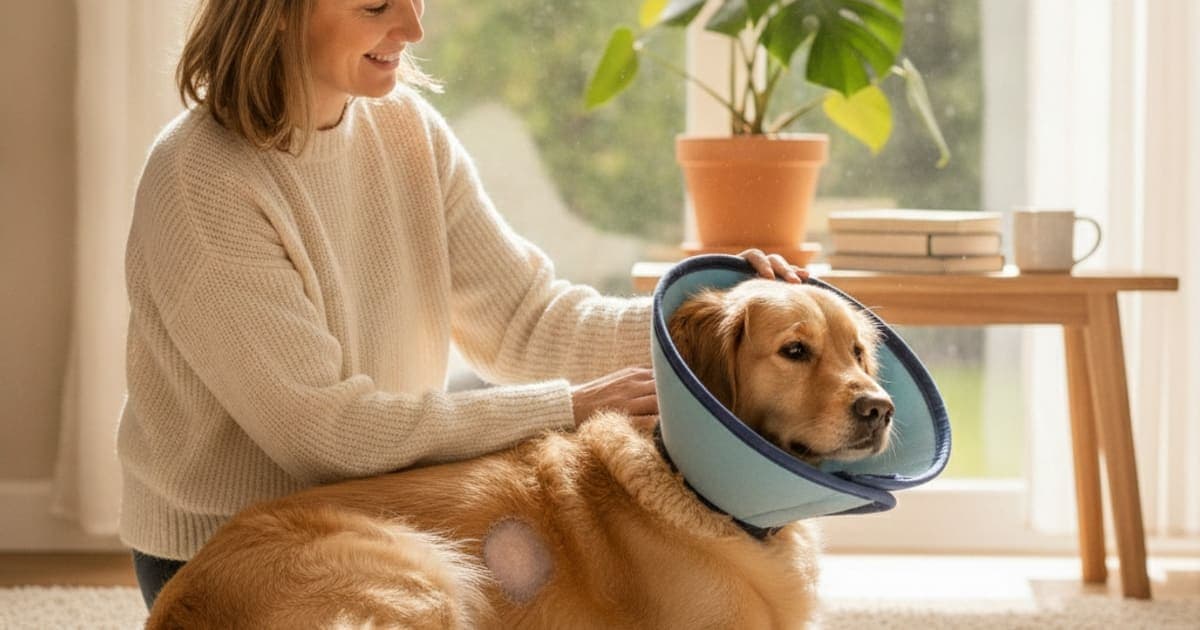 Dog Hot Spots Recovery Time: Realistic ExpectationsMost uncomplicated hot spots start improving within 24 to 72 hours of proper care, and the skin surface commonly closes within one to two weeks, with hair regrowth taking several weeks more. Deeper, infected, or allergy-driven lesions run longer and often recur until the underlying trigger is found.Read the guide →
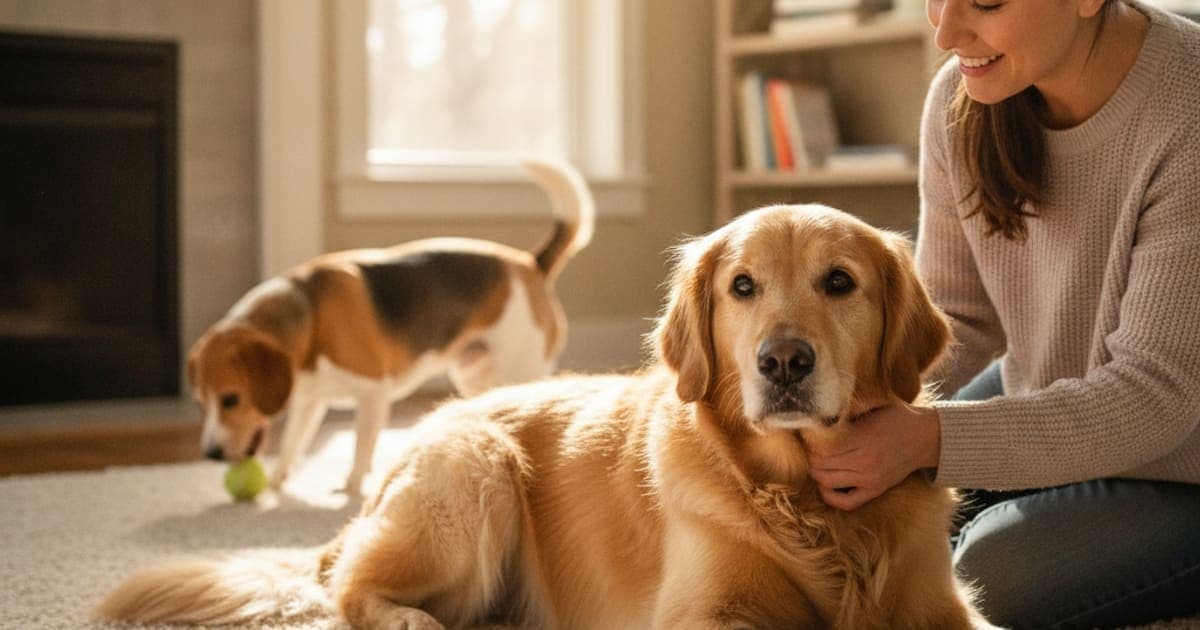 Dog Hock Injury Recovery Time: Realistic ExpectationsMost canine hock injuries take three weeks to six months to heal: a mild sprain often settles in three to six weeks, while surgical repairs of ligament tears, fractures or joint fusion need eight to twelve weeks of tissue healing plus several more months before full activity returns.Read the guide →
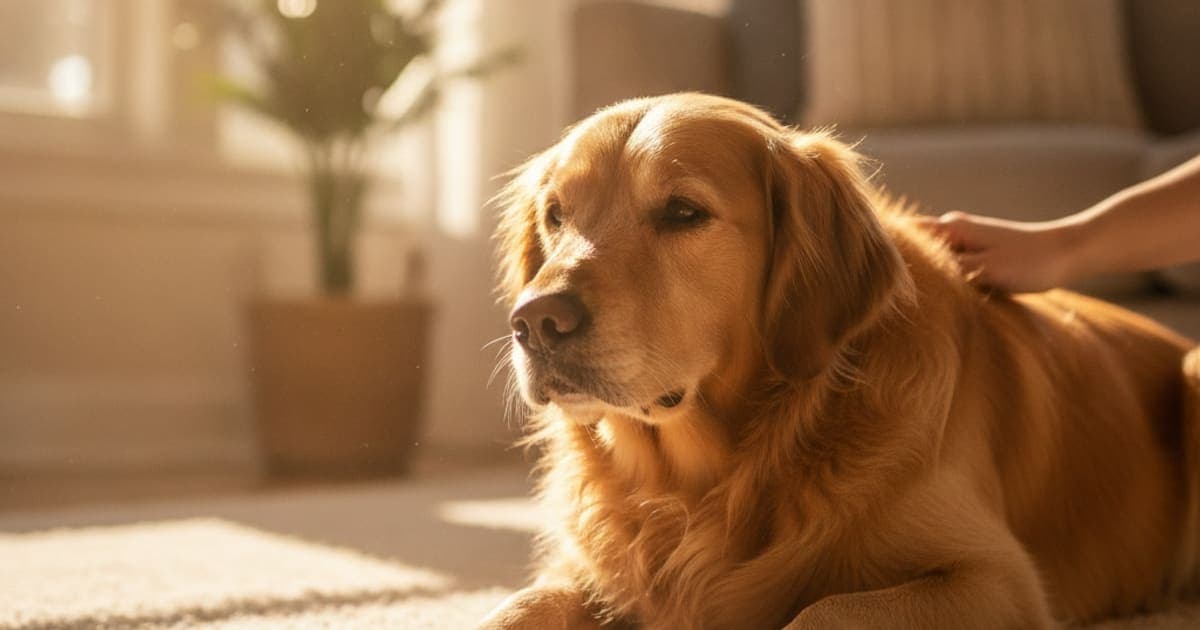 Dog Vestibular Disease Recovery Time: What to ExpectMost dogs with idiopathic vestibular disease begin to steady within the first few days and show the bulk of their improvement across two to three weeks, though a residual head tilt can persist for months or permanently. Cases driven by ear infection, thyroid disease or a central lesion follow different timelines.Read the guide →
 Dog Stomach Ulcers Recovery Time: What to ExpectMost dogs with an uncomplicated stomach ulcer start feeling better within a few days to two weeks of starting veterinary treatment, while the stomach lining usually needs several more weeks to finish healing. Deep, bleeding, or repeatedly irritated ulcers can take a month or longer under veterinary supervision.Read the guide →
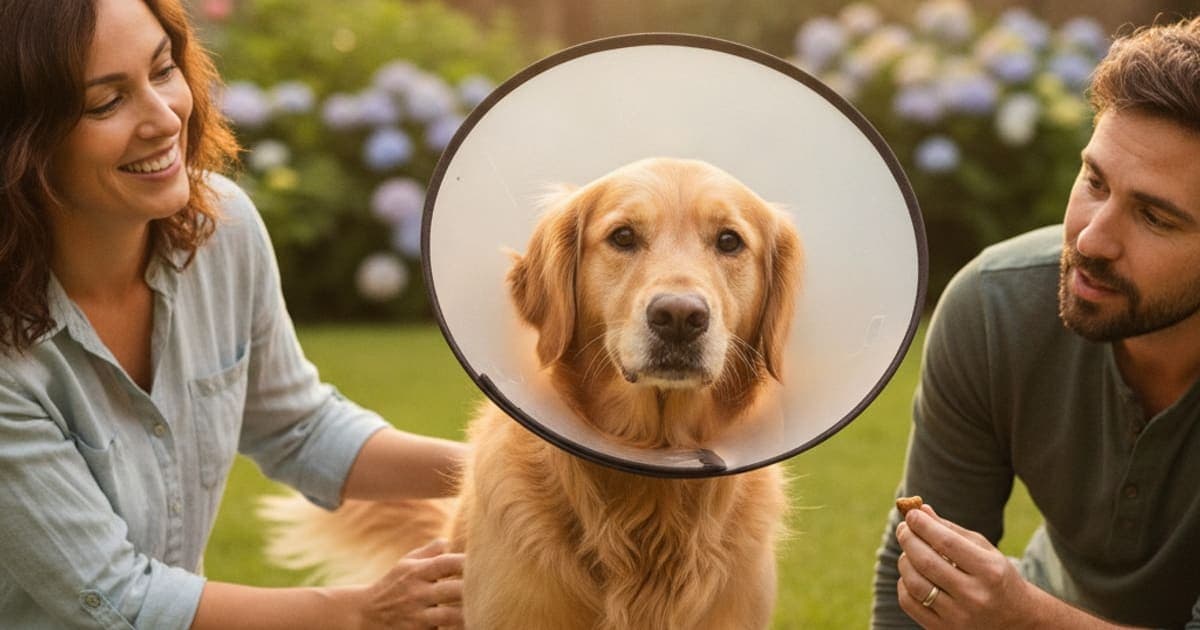 What Makes Wound Healing Worse in Dogs? (Key Causes)Wound healing gets worse in dogs when the wound is licked or chewed, when movement pulls the edges apart, when infection or dead tissue sits in the bed, and when blood flow, protein intake or medications like corticosteroids work against repair. Most of these are manageable with veterinary guidance.Read the guide →
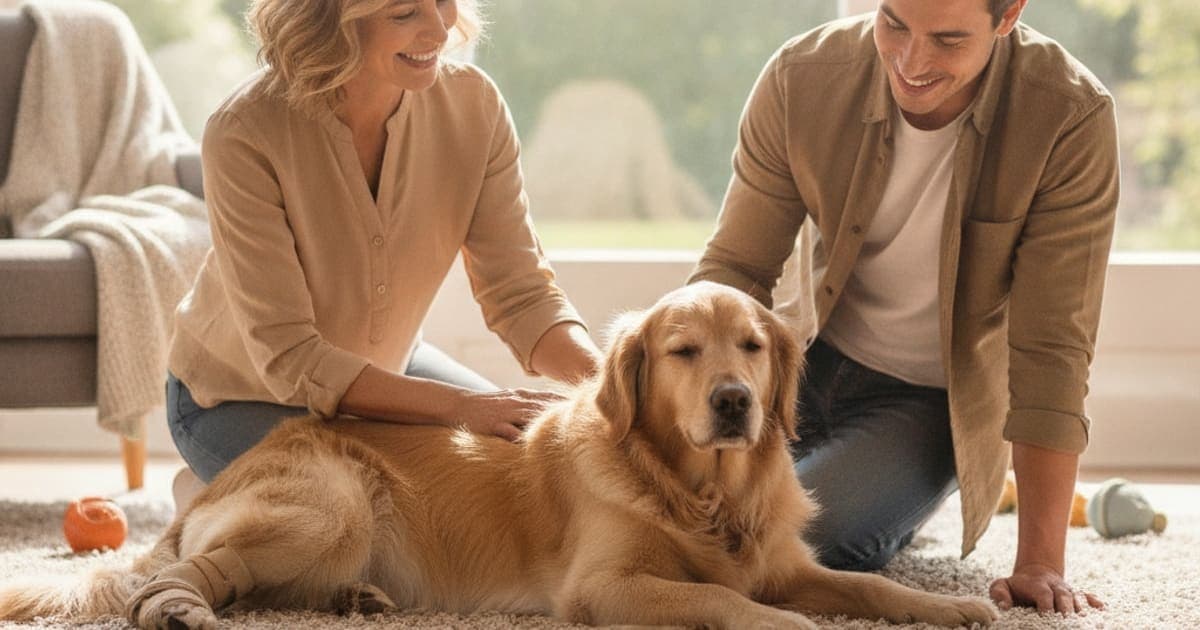 Dog Achilles Tendon Injury Recovery Time: What to ExpectMost dogs need roughly three to six months to return to full function after a significant Achilles tendon injury, with the first several weeks usually spent in a splint, cast or external fixator. Mild strains resolve faster; chronic degenerative ruptures in older dogs take longer and may leave a permanent gait change.Read the guide →
 Dog Shoulder OCD Recovery Time: Realistic ExpectationsShoulder OCD recovery in dogs is measured in weeks to months. After arthroscopic surgery, most plans involve strict rest for the first couple of weeks, controlled leash rehab through the following weeks, and a gradual return to normal function over several months. Conservatively managed dogs usually need longer, with a less predictable endpoint.Read the guide →
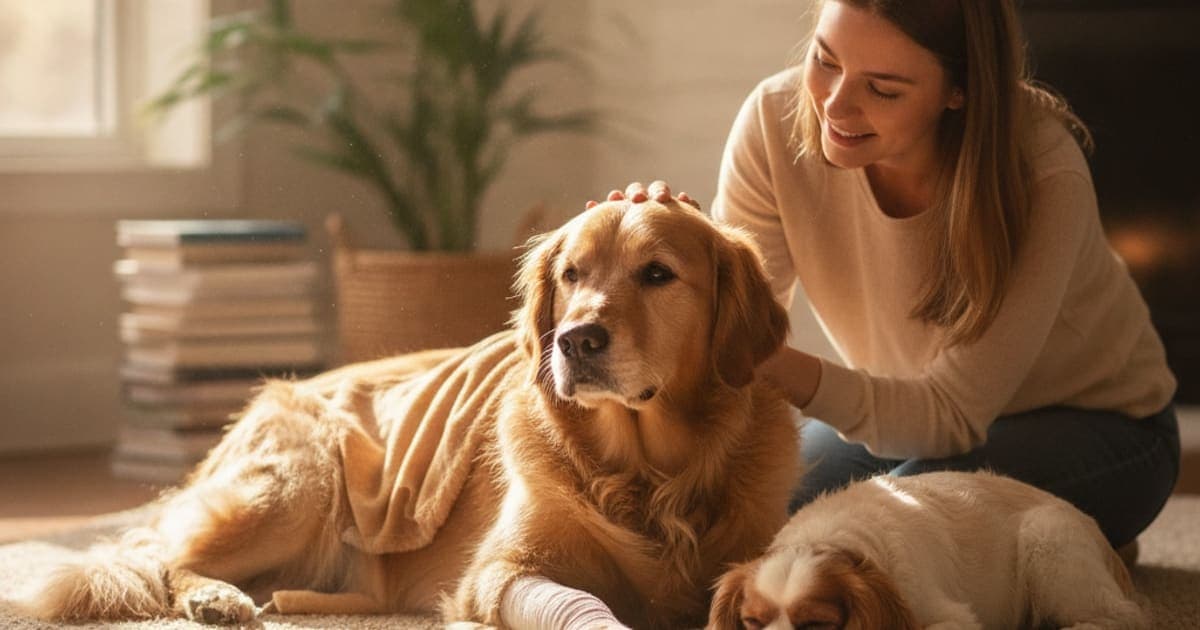 Dog Sprained Leg Recovery Time: Realistic ExpectationsA mild sprain in a dog often settles within one to two weeks of restricted activity, a moderate sprain commonly takes several weeks, and a severe ligament injury can need months. The real timeline depends on which tissue is damaged, how strictly activity is controlled, and what your veterinarian finds on examination.Read the guide →
 How Long Does Osteoarthritis Take in a Dog? (Timelines)Canine osteoarthritis does not heal on a deadline. Owners generally see comfort change over weeks once a veterinary plan is in place, muscle and gait quality over several months, and management continuing for life. The joint damage is permanent; the pain level, strength and rate of progression are not fixed.Read the guide →
 Dog Sarcopenia Recovery Time: Realistic ExpectationsRebuilding muscle lost to sarcopenia takes weeks to months of consistent loading and adequate protein, not days — most owners and rehab professionals look for meaningful change across a multi-week window rather than a fixed date. Age-related loss is slow to appear and slow to answer, and progress tracks effort.Read the guide →
 Dog Panosteitis Recovery Time: Realistic ExpectationsIndividual panosteitis flare-ups in dogs usually last a few days to a few weeks, but the condition itself tends to come and go for months, resolving as the skeleton matures — often around 18 to 24 months of age in large breeds. Recurrence between flares is normal, not a setback.Read the guide →
 Dog Nerve Damage Recovery Time: Realistic ExpectationsDog nerve damage recovery time usually falls between a few weeks and twelve months, depending on whether the nerve was bruised, its fibres torn, or the nerve severed outright. Mild compression often resolves in weeks; damaged axons regrow slowly, so distant muscles are the last to respond.Read the guide →
 Dog Cognitive Decline Recovery Time: Realistic ExpectationsCanine cognitive decline does not resolve on a recovery timeline — it is a progressive condition that unfolds over months to years, and management aims to slow change and support comfort rather than heal. Owners who start early and stay consistent tend to see the steadiest day-to-day results.Read the guide →
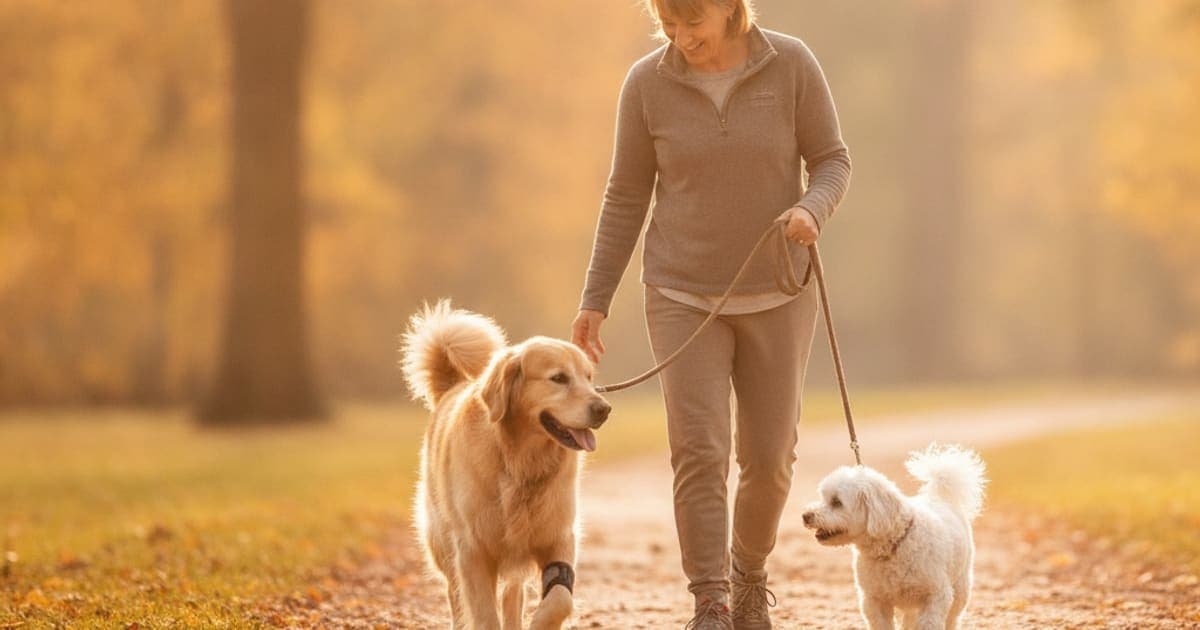 Dog CCL Tear Recovery Time: Realistic ExpectationsA surgically repaired CCL tear usually means eight to twelve weeks of strict activity restriction followed by a graded return to exercise, with full function commonly described around four to six months. Dogs managed without surgery follow a longer, less predictable arc. Your surgeon's protocol sets the real timeline.Read the guide →
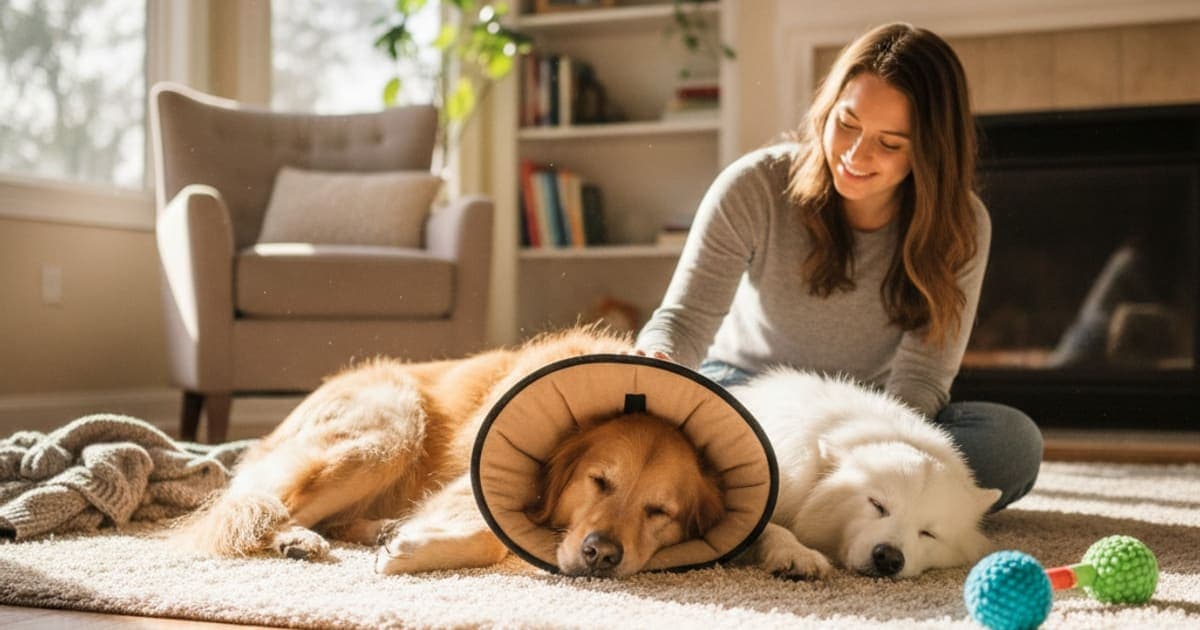 Dog Spay Recovery Time: A Realistic TimelineMost dogs need roughly ten to fourteen days of strictly restricted activity after a spay, which is when the skin incision closes and sutures come out. Deeper tissue healing continues for several weeks beyond that. Age, size, surgical approach and how well activity is limited all shift the timeline.Read the guide →
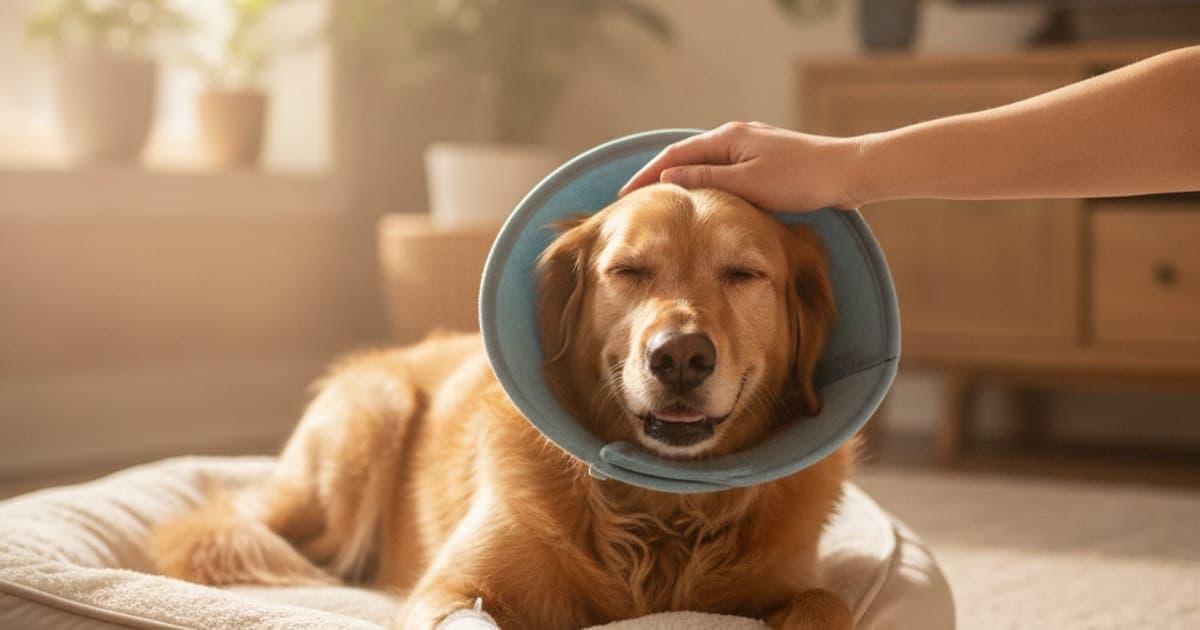 Dog Slow Recovery After Surgery: What It Usually MeansSlow recovery after surgery in dogs usually traces back to pain that isn't fully controlled, an incision or joint complication, too much activity too early, muscle loss from too little controlled movement, or factors like age, excess weight and a second injury on the opposite leg. A recheck identifies which.Read the guide →
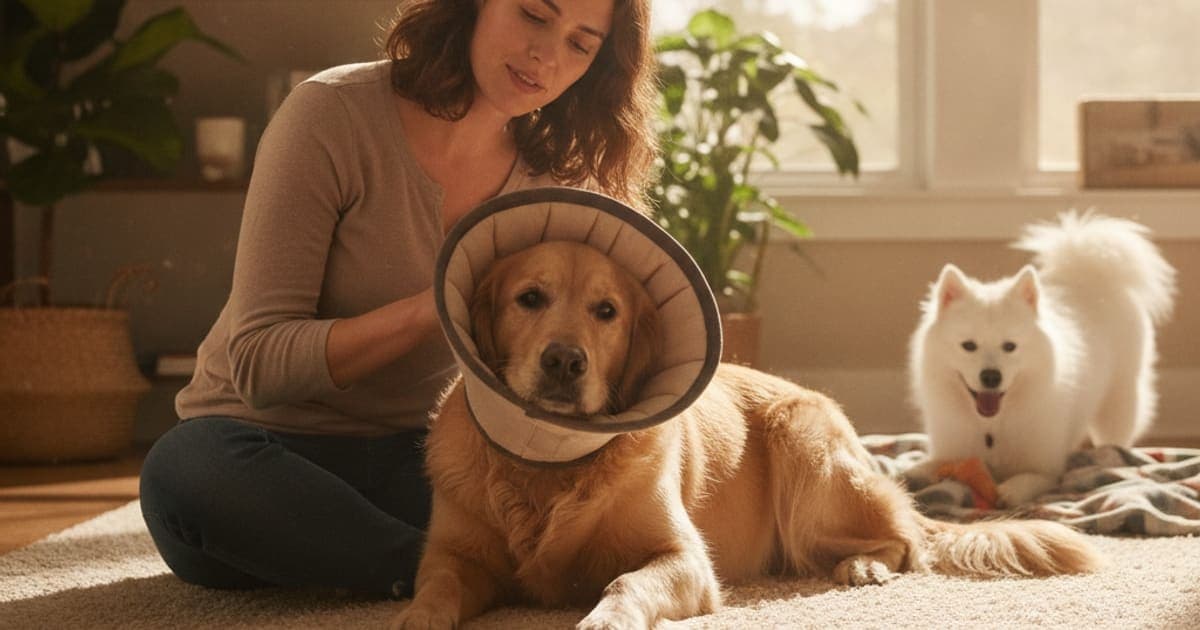 What Makes Surgical Incision Healing Worse in Dogs?Surgical incision healing in dogs gets worse when the site is licked, chewed, or stretched by too much activity, when it stays damp or dirty, and when infection, poor nutrition, obesity, corticosteroids or conditions like Cushing's or diabetes slow tissue repair. Most complications trace back to one of these.Read the guide →
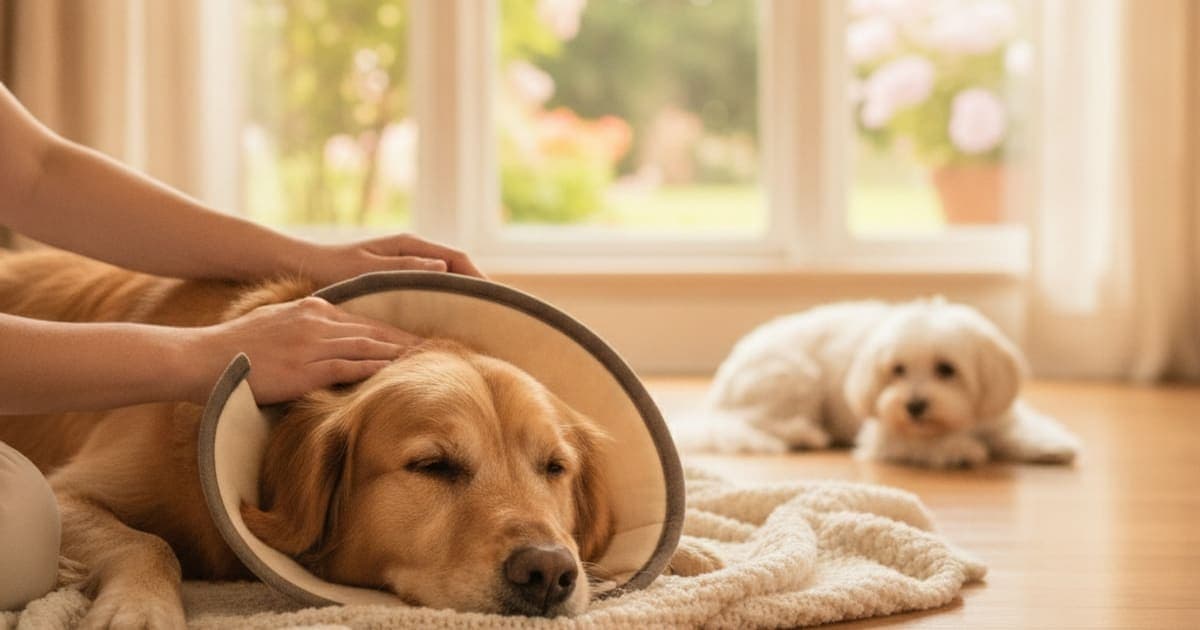 When to Take a Dog to the Vet for Slow Recovery (Post-Op)Take your dog to the vet when recovery moves backwards instead of forwards — a limb that was bearing weight stops, an incision reopens or discharges, appetite and energy fall after improving, or pain breaks through prescribed medication. Bleeding, fever, repeated vomiting or collapse warrant a same-day call rather than waiting for the scheduled recheck.Read the guide →