Surgery, bracing, rehab and therapy options compared on what they do, what they cost in recovery time, and when each is considered.
 What Helps a Dog With Hot Spots? (Acute Moist Dermatitis)What helps a dog with hot spots is fast, layered care: clipping the hair around the lesion, gentle cleaning, keeping the dog from licking it, and veterinary treatment for the pain, infection and underlying itch. Identifying the trigger — fleas, allergies, ear disease or joint pain — stops the cycle repeating.Read the guide →
 What Can I Give a Dog That Is Intermittent Limping?A dog with an intermittent limp needs a veterinary exam first, because an on-and-off limp is the classic pattern of a partial ligament tear or early arthritis. From there, owners combine controlled activity, weight management, vet-directed pain control, rehab, and joint and soft-tissue support such as K9-REPAIR.Read the guide →
 What Helps a Dog With Elbow Arthritis? (Care Options)What helps most is a layered plan: veterinary diagnosis and pain control first, then weight management, controlled low-impact exercise, physical rehabilitation, warmth and soft footing, and targeted joint support. Elbow arthritis is managed rather than erased, and owners who combine several approaches consistently tend to see the steadiest day-to-day comfort.Read the guide →
 What Helps a Dog With Elbow Dysplasia? (Care Options)What helps most is a combination: keeping your dog lean, swapping high-impact activity for controlled low-impact exercise, veterinary pain management, structured rehabilitation, and surgery when the joint is mechanically unstable. Many owners layer joint and soft-tissue recovery support, including the BPC-157 and TB-500 formulation K9-REPAIR, on top of that veterinary plan.Read the guide →
 What Helps a Dog With Hip Weakness? (5 Key Levers)Hip weakness in dogs is managed with a stack of levers, not one fix: a veterinary diagnosis first, then lean body weight, controlled strengthening of the hip and thigh muscles, secure footing, vet-directed pain control, and structured rehab. Tissue-support options, including peptide formulations, sit alongside that plan rather than replacing it.Read the guide →
 What Can I Give a Dog Whose Back Legs Give Out?Start with a veterinary exam rather than a product, because hind-leg weakness is a symptom of spinal, joint, nerve or metabolic problems and the right support depends on the cause. Once your vet has a diagnosis, owners typically add prescribed pain control, rehab, traction, weight management and mobility support such as K9-REPAIR.Read the guide →
 What Helps a Dog With Lick Granuloma? (Real Options)What helps a dog with lick granuloma is a two-part approach: finding and addressing the underlying driver — allergy, deep skin infection, joint or nerve pain, anxiety or boredom — and then protecting the site so damaged skin can rebuild. Barriers, veterinary diagnostics and a real management plan do the heavy lifting.Read the guide →
 What Helps a Dog With Osteochondritis Dissecans? (OCD)What helps a dog with osteochondritis dissecans is a veterinary diagnosis first — imaging to stage the lesion — then surgery or managed conservative care, strict weight and activity control, and structured rehab. Many owners add joint-support nutrition and peptide formulations like K9-REPAIR alongside that plan.Read the guide →
 What Helps a Dog With Chronic Pain? (Layered Care Plan)Chronic pain in dogs is best managed in layers: a veterinary diagnosis, prescribed pain medication, weight and activity management, structured rehabilitation, and daily joint support. No single product does the work alone. Peptide formulations such as K9-REPAIR are one layer owners add alongside the plan their veterinarian builds.Read the guide →
 What Can I Give a Dog That Is Stiff After Resting?A dog stiff after resting needs a veterinary exam first to identify the source, then weight control, gentle warm-up movement, warmth and traction underfoot, and joint-support nutrition. Many owners also add peptide formulations such as K9-REPAIR, made with BPC-157 and TB-500, through recovery and aging.Read the guide →
 What Helps a Dog With TPLO Recovery? (Stage by Stage)What helps a dog with TPLO recovery is strict activity restriction, the pain-control protocol the surgeon prescribes, careful incision monitoring, staged physical rehabilitation, and keeping the dog lean. Progress is gated by follow-up radiographs, not by how good the dog looks. Many owners add targeted tendon and joint support alongside that plan.Read the guide →
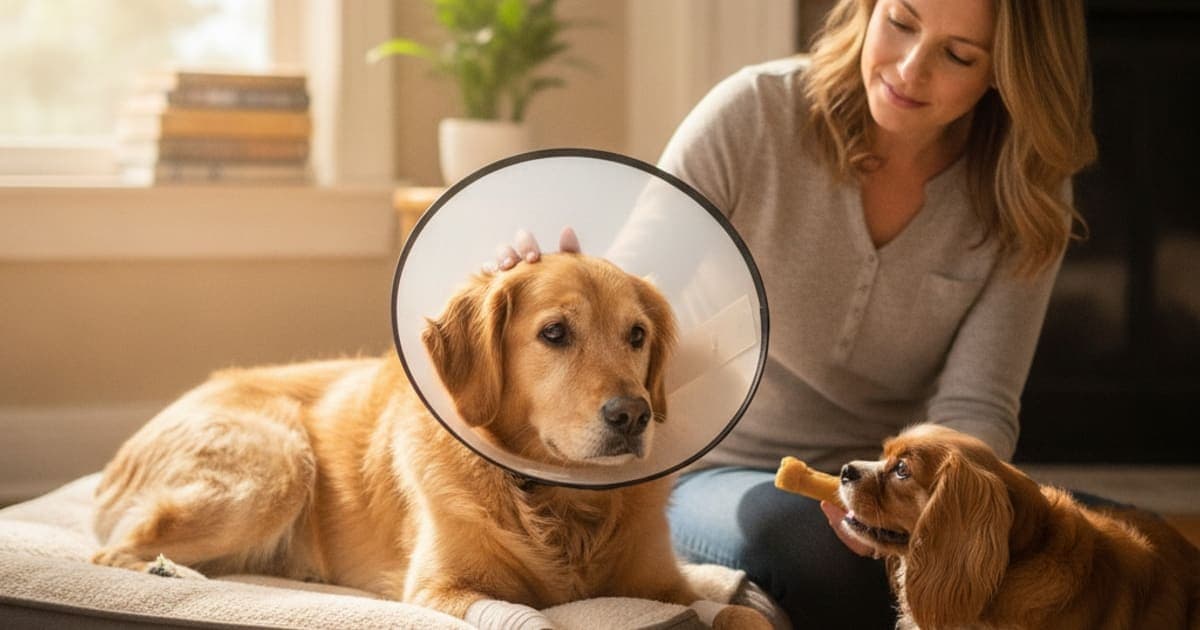 What Makes FHO Surgery Recovery Worse in Dogs? (Causes)FHO surgery recovery in dogs gets worse when the leg goes unused: prolonged confinement, undertreated pain, skipped rehabilitation, excess body weight, and uncontrolled bursts of activity all suppress early weight-bearing. Because the hip becomes a muscle-supported false joint, comfortable, guided limb use is what shapes the result.Read the guide →
 What Helps a Dog With Cauda Equina Syndrome? (Care Guide)What helps most is an accurate veterinary diagnosis followed by a plan: pain control, strict activity modification, rehabilitation, and surgery when compression is severe. At home, ramps, a harness, non-slip flooring and lean body weight matter enormously. Many owners add K9-REPAIR alongside that plan through recovery.Read the guide →
 What Helps a Dog With Cruciate Surgery Recovery?Strict activity restriction, a veterinarian-guided rehabilitation plan, pain control, lean body weight and consistent joint support are what help a dog through cruciate surgery recovery. Bone and soft tissue remodel over months, not weeks, so the owner's job is protecting that healing window while rebuilding strength gradually and deliberately.Read the guide →
 What Helps a Dog With Chronic Diarrhea? (Vet-Led Plan)A dog with chronic diarrhea is helped most by a veterinary diagnosis first: fecal testing and deworming, bloodwork, and a strict diet trial directed by your vet. From there, treatment targets the specific cause. Owners often add gut and tissue-support measures alongside that plan, never in place of it.Read the guide →
 What Can I Give a Dog That Is Yelping When Picked Up?Nothing should go into your dog before a veterinary exam — yelping when lifted signals pain with a source, often spinal, abdominal or joint-related. Once your vet has diagnosed the cause and set a plan, owners commonly add joint and soft-tissue support such as K9-REPAIR alongside prescribed care.Read the guide →
 What Helps a Dog With Hip Arthritis? (Owner's Guide)What helps most is a layered plan: a veterinary diagnosis, a pain-control strategy your vet directs, keeping your dog lean, daily low-impact movement, and secure footing at home. Targeted joint support, including peptide formulations like K9-REPAIR, sits alongside that foundation rather than replacing any part of it.Read the guide →
 What Helps a Dog With Panosteitis? (Pain, Rest, Support)Panosteitis is a self-limiting inflammatory bone condition in young, fast-growing dogs, so what helps most is veterinary-guided pain control, restricted exercise during flare-ups, lean body weight, and nutrition formulated for large-breed growth. Many owners also add connective-tissue support through the recovery months. Signs typically shift between legs and settle as the dog matures.Read the guide →
 What Can I Give a Dog That Is Suddenly Limping?Give a suddenly limping dog strict rest, a confined space, and a call to your veterinarian — never human painkillers like ibuprofen or acetaminophen, which are toxic to dogs. Pain relief has to be prescribed. Alongside vet care, many owners add joint and tendon support such as K9-REPAIR through recovery.Read the guide →
 What Helps a Dog With Spondylosis? (Comfort and Mobility)Spondylosis is helped most by a veterinary diagnosis first, then steady weight control, low-impact daily movement, traction and ramps at home, and a vet-guided pain plan. Owners also add recovery support such as the BPC-157 and TB-500 peptides in K9-REPAIR alongside that care, never in place of it.Read the guide →
 What Can I Give a Dog Losing Muscle in Back Legs? (Atrophy)Loss of muscle in a dog's back legs almost always traces back to an underlying cause — pain, orthopedic injury, or nerve disease — so a veterinary diagnosis comes first. From there, owners give complete protein, omega-3s, a structured rehab program, prescribed medication, and recovery peptide formulas like K9-REPAIR.Read the guide →
 What Can I Give a Dog That Is Stiff in the Morning?Start with a veterinary exam to identify the source of the stiffness, then build a daily plan around it: weight control, a slow warm-up before the first walk, warm supportive bedding, non-slip footing, and any prescribed medication. Alongside that foundation, many owners add targeted joint and soft-tissue support such as K9-REPAIR.Read the guide →
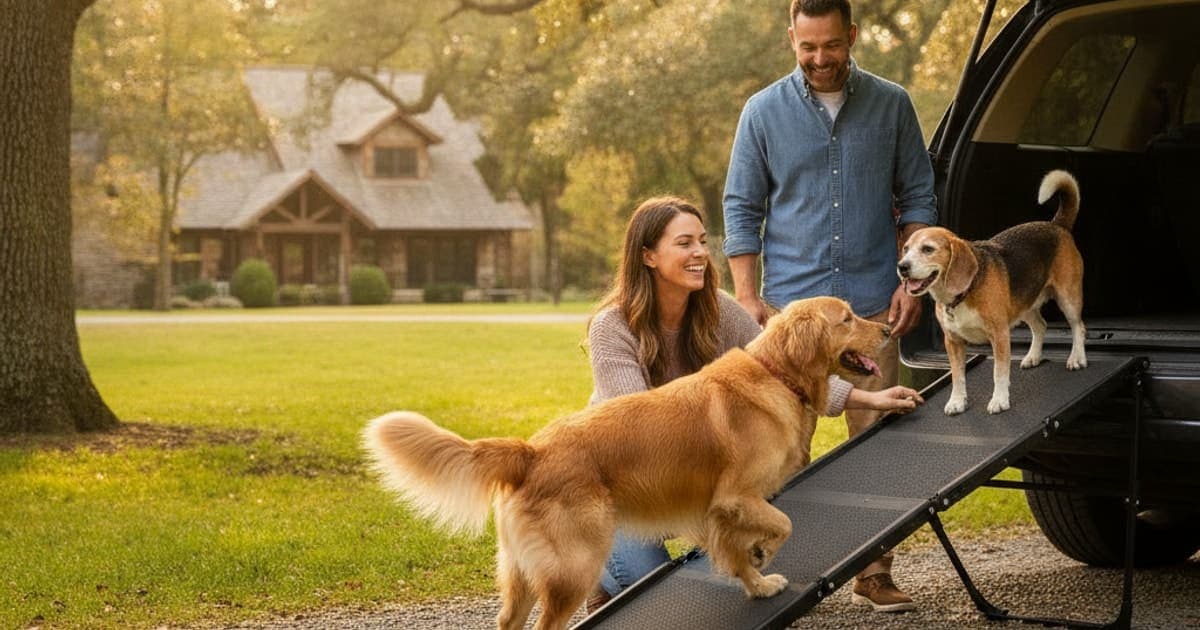 What Can I Give a Dog That Has Trouble Jumping in the Car?Give your dog a ramp or a lift assist first so the jump stops hurting, then book a veterinary exam to find the source — hips, stifles, spine or soft tissue. Around that plan, owners commonly add weight control, joint nutrition, structured rehab and peptide formulas such as K9-REPAIR.Read the guide →
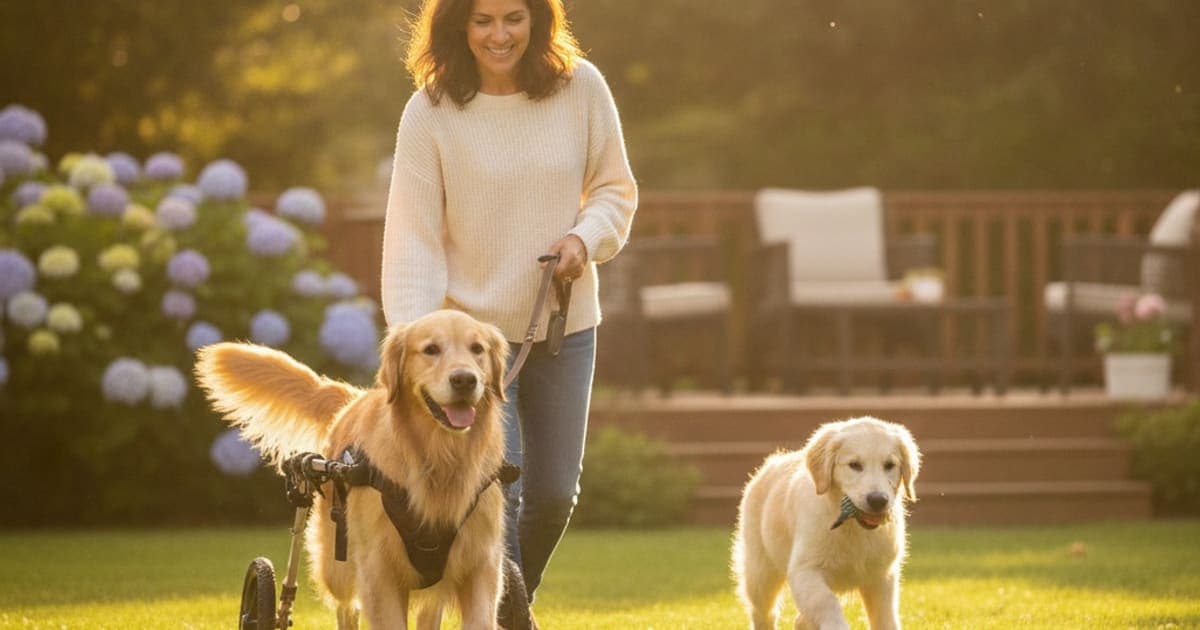 What Helps a Dog With Degenerative Myelopathy? (DM Care)Daily controlled physiotherapy, secure home traction, a rear-support harness or cart, lean body weight and a veterinary neurology plan help a dog with degenerative myelopathy stay mobile and comfortable longer. The disease itself is progressive and painless, so care focuses on preserving movement and protecting the muscles doing extra work.Read the guide →