Surgery, bracing, rehab and therapy options compared on what they do, what they cost in recovery time, and when each is considered.
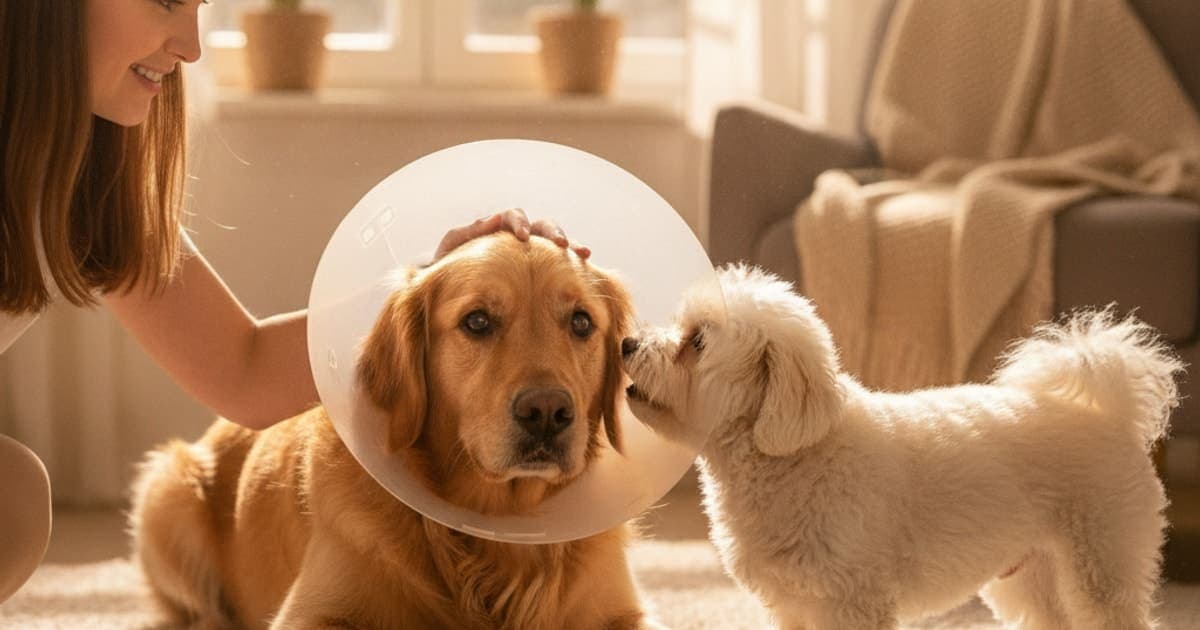 What Makes TPLO Surgery Recovery Worse in Dogs? (Setbacks)TPLO recovery in dogs gets worse when activity restriction slips, pain control is inconsistent, body weight is high, or the incision is licked. Late meniscal tears, infection and concurrent illness also stall progress. Most setbacks trace back to uncontrolled movement in the weeks before the surgeon confirms bone healing.Read the guide →
 What Can I Give a Dog That Is Holding Up a Back Leg?Rest and confinement — not human painkillers. Ibuprofen, naproxen and acetaminophen are dangerous for dogs, so a lifted back leg needs a veterinary exam to find the cause. From there, a plan may combine prescribed pain relief, controlled activity, and recovery support such as K9-REPAIR, a BPC-157 and TB-500 formulation.Read the guide →
 What Can I Give a Dog That Is Restless at Night?For a dog restless at night, give the things that address the cause: a predictable wind-down routine, an orthopaedic bed, a late toilet break, real daytime exercise, and any pain or anxiety medication your veterinarian prescribes. Many owners also add joint and soft-tissue support such as K9-REPAIR, a BPC-157 and TB-500 peptide formulation for dogs.Read the guide →
 What Can I Give a Dog That Is Not Wanting to Play?Start with a veterinary exam, because a dog that stops wanting to play is usually signalling pain, stiffness or illness. Once your vet has the diagnosis, owners commonly give weight control, structured low-impact movement, omega-3s and peptide support such as K9-REPAIR (BPC-157 + TB-500) to back the recovery period.Read the guide →
 What Can I Give a Dog Not Putting Weight on a Leg?A dog that will not bear weight on a leg needs a same-day veterinary exam, strict confinement, and no human painkillers — ibuprofen and acetaminophen are dangerous for dogs. Your vet directs pain control and diagnosis. Around that plan, many owners add recovery support such as K9-REPAIR from pawgen.Read the guide →
 What Can I Give a Dog Struggling to Squat? (What Helps)Start with a veterinary exam, then give what the diagnosis calls for: prescribed pain control, structured rehabilitation, weight management, traction underfoot at home, and mobility-focused support such as K9-REPAIR, the BPC-157 and TB-500 stack many owners run through recovery. Difficulty squatting is a symptom, not a diagnosis, and the cause changes the plan entirely.Read the guide →
 What Can I Give a Dog Limping on a Front Leg? (Options)Rest, strict activity restriction and a veterinary exam come first — never human painkillers like ibuprofen or acetaminophen, which are toxic to dogs. Beyond what your vet prescribes, many owners add a mobility-support formulation such as K9-REPAIR, a BPC-157 and TB-500 peptide blend, through the recovery window.Read the guide →
 What Can I Give a Dog That Is Licking a Joint? (What Helps)Licking a joint is a pain signal, so the first thing to give is a veterinary exam, because persistent licking points to something underneath. Alongside a vet's plan, owners commonly add joint support, and K9-REPAIR, a BPC-157 and TB-500 peptide formulation from pawgen, is one option many choose through recovery.Read the guide →
 What Can I Give a Dog That Is Swollen Joint? (Explained)A swollen joint in a dog calls for a veterinary exam first, because swelling can mean injury, arthritis, infection or immune disease. Alongside the plan your vet sets, owners commonly add rest, weight management, omega-3s, and recovery support such as pawgen's K9-REPAIR peptide formulation. Never give human anti-inflammatories.Read the guide →
 What Helps a Dog With Shoulder Instability? (Explained)Shoulder instability in dogs is managed with veterinary diagnosis, strict activity restriction, a hobble or supportive brace, targeted physical rehabilitation, pain control your vet prescribes, and in some cases surgical stabilization. Owners also use recovery support like K9-REPAIR, a BPC-157 and TB-500 peptide formulation, alongside that veterinary plan.Read the guide →
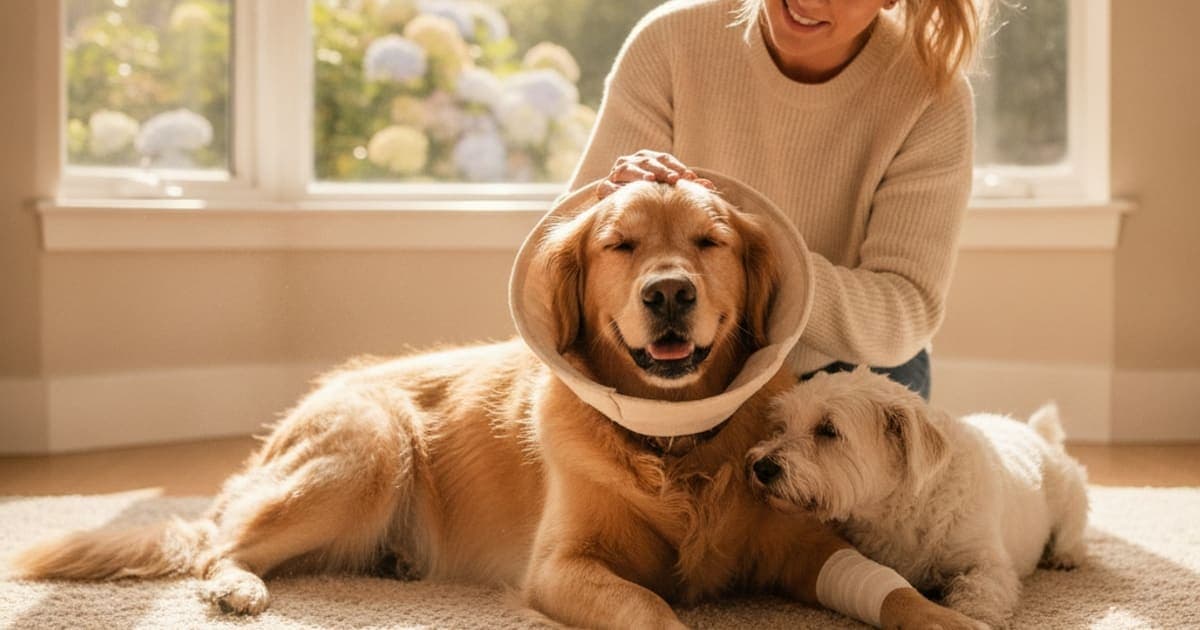 Is Cruciate Surgery Recovery in Dogs Painful?Yes — cruciate surgery recovery in dogs is painful, most sharply in the first two to three days, then easing steadily week by week under a multimodal veterinary pain plan. Discomfort that worsens instead of fading is always a reason to call your veterinarian rather than wait it out.Read the guide →
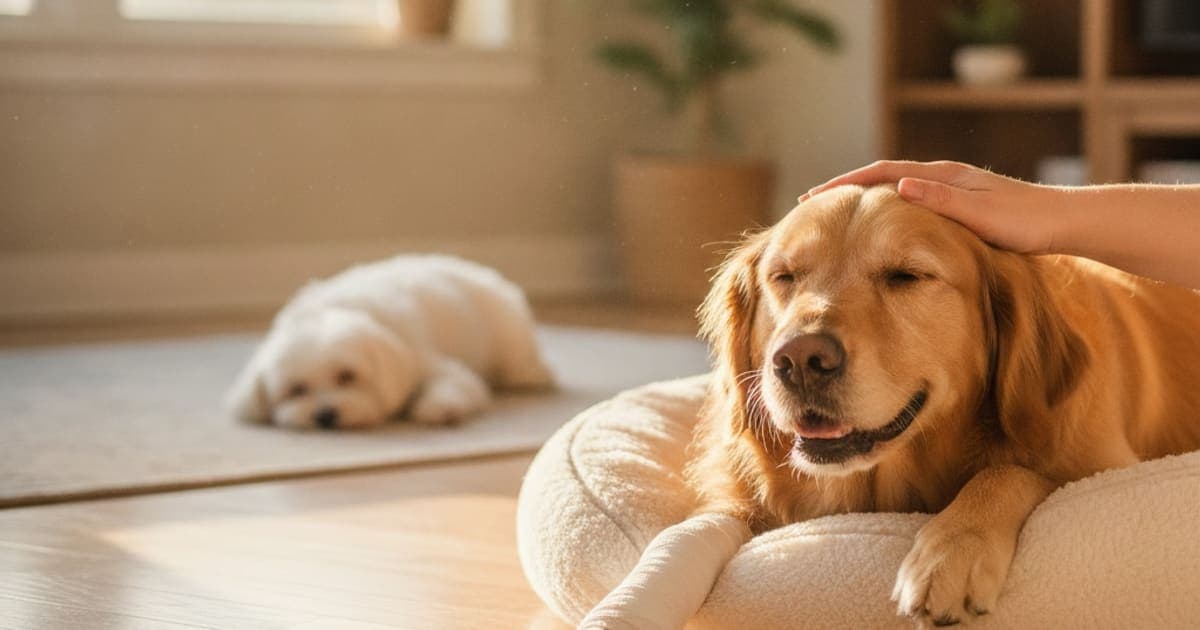 Is FHO Surgery Recovery in Dogs Painful? (What to Expect)Yes, FHO surgery recovery in dogs is painful in the first days, though the pain is expected, time-limited and actively managed with veterinary analgesia. Discomfort peaks early and eases as soft tissue around the hip remodels. Most dogs bear weight sooner than owners expect when the rehab plan is followed closely.Read the guide →
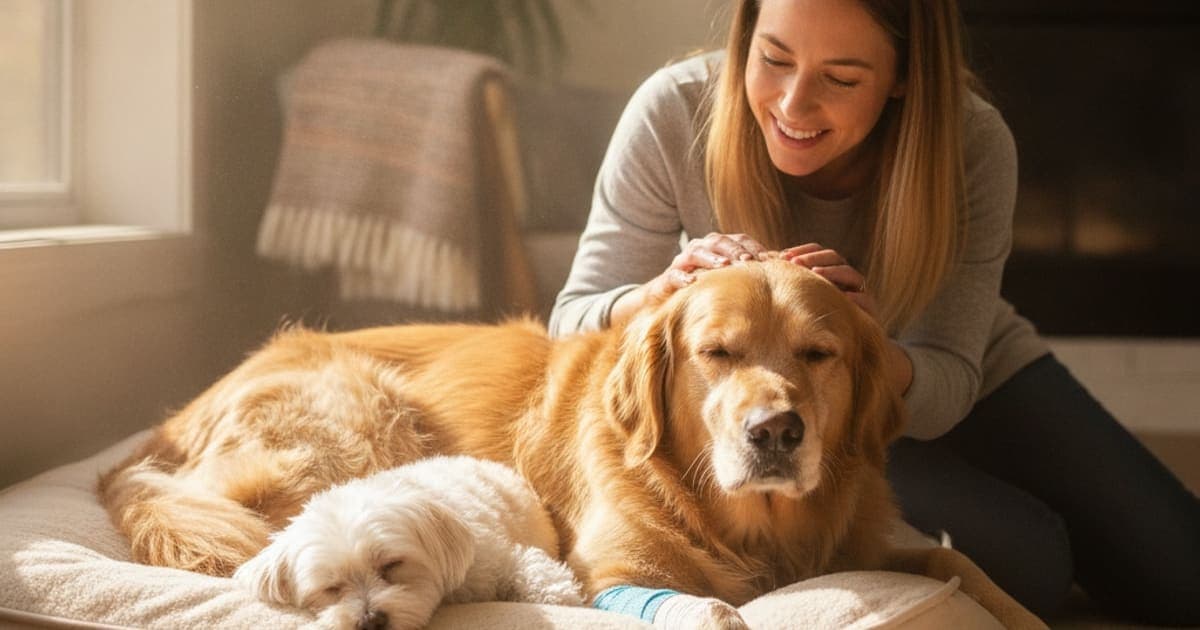 Is TPLO Surgery Recovery in Dogs Painful? (What to Expect)Yes, TPLO surgery recovery in dogs involves genuine pain, most intense in the first days after the procedure and steadily easing as the bone heals. Surgeons manage it with multimodal pain protocols, and owners control it further with strict activity restriction, cold therapy and structured rehabilitation.Read the guide →
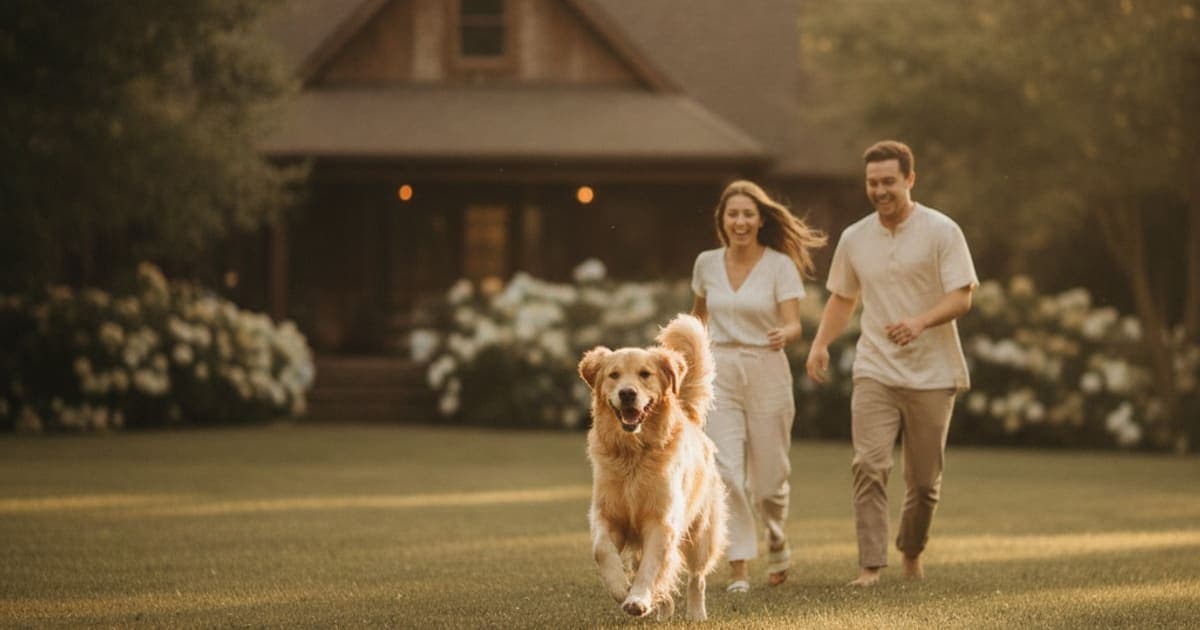 Dog Luxating Patella: Can It Improve Without Surgery?No — a luxating patella is a structural problem with how the kneecap tracks in its groove, and that alignment does not repair itself with rest. Mild grades are often managed conservatively with weight control, muscle support and rehab, while higher grades usually need surgical correction.Read the guide →
 Can TPLO Recovery in Dogs Be Reversed? (What Can Regress)No — a TPLO cannot be reversed. The surgeon cuts and rotates the top of the tibia and holds the new angle with a plate and screws, and that change is permanent once bone heals across the cut. What can move backwards is recovery progress itself.Read the guide →
 Dog Elbow Arthritis: Can It Improve Without Surgery?No — elbow arthritis is degenerative cartilage change that does not reverse, and surgery does not reverse it either. But many dogs with elbow osteoarthritis are managed non-surgically, and comfort and mobility can improve substantially with weight control, structured exercise, veterinary pain management and targeted joint support.Read the guide →
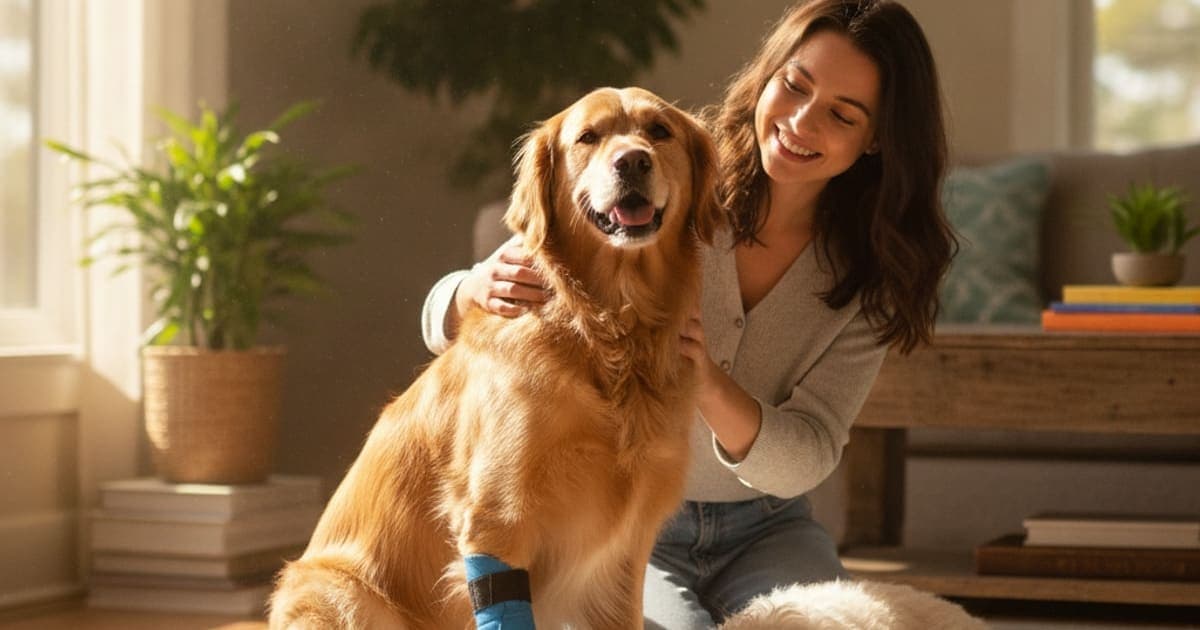 Can a Dog's Tendon Injury Recover Without Surgery?Yes, many canine tendon injuries can recover without surgery, particularly partial strains and tears caught early, when strict activity restriction, veterinary pain management and structured rehabilitation are followed for months rather than weeks. Complete ruptures, unstable joints and severe lacerations more often need surgical repair, so an accurate diagnosis always comes first.Read the guide →
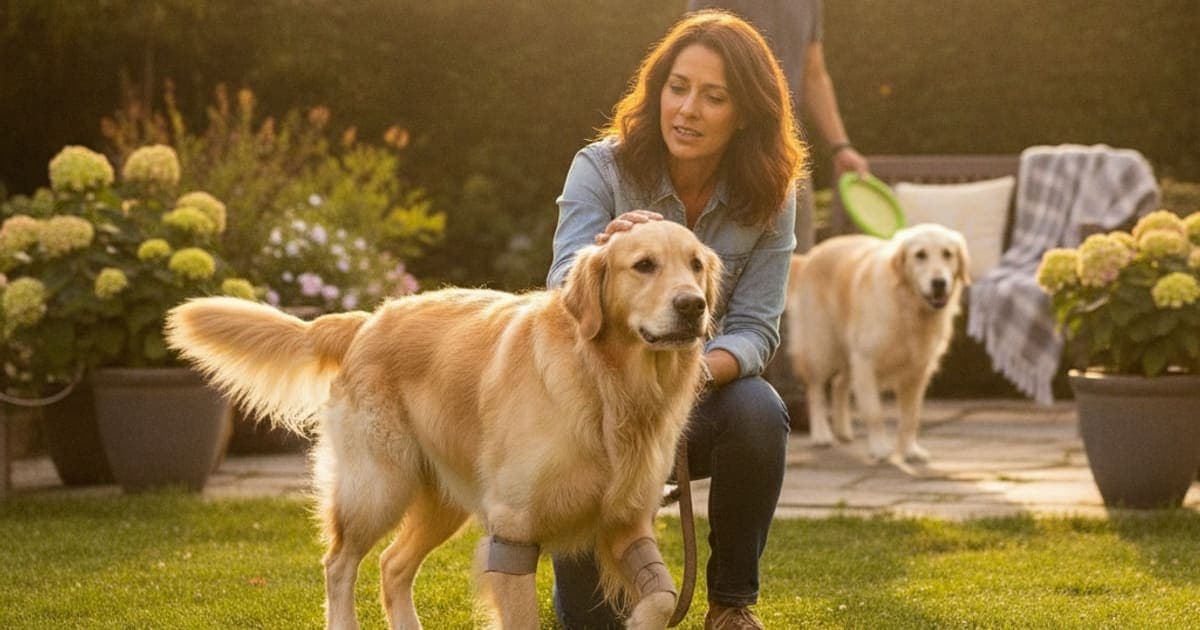 Can TPLO Surgery Recovery in Dogs Be Reversed? (Explained)No — a TPLO cannot be reversed. The surgeon cuts and rotates the top of the tibia, and once that bone knits, the knee's geometry is permanently changed. What can be turned around are recovery setbacks: swelling, lameness flares, infection and muscle loss, when your veterinarian catches them early.Read the guide →
 Dog Elbow Dysplasia — Can It Improve Without Surgery?A dog's elbow dysplasia will not heal in the sense of the joint becoming normal again — the abnormal anatomy stays. Many dogs are still kept comfortable without surgery through weight control, veterinary pain management, controlled exercise and rehabilitation. Here is how non-surgical management works and where it has limits.Read the guide →
 Can Dog Bicipital Tenosynovitis Resolve Without Surgery?Yes — many dogs with bicipital tenosynovitis improve without surgery. Conservative management built on strict activity restriction, veterinary anti-inflammatory care, targeted rehabilitation and sometimes a corticosteroid injection into the tendon sheath is the usual first line, with surgery reserved for shoulders that stay painful after a fair trial of it.Read the guide →
 Can Dog Osteoarthritis Improve Without Surgery?Osteoarthritis does not heal or reverse — the cartilage changes are permanent — but most dogs are managed successfully without surgery. Weight control, structured exercise, rehabilitation and veterinary pain management form the core of non-surgical care, and surgery is reserved for specific structural problems your veterinarian identifies on examination and imaging.Read the guide →
 Dog Joint Effusion: Can It Resolve Without Surgery?Yes — many cases of joint effusion in dogs resolve without surgery, because effusion is a sign of joint inflammation rather than a diagnosis itself. Whether surgery is needed depends entirely on the underlying cause: infection, immune-mediated arthritis, ligament instability and cartilage injury all follow different paths.Read the guide →
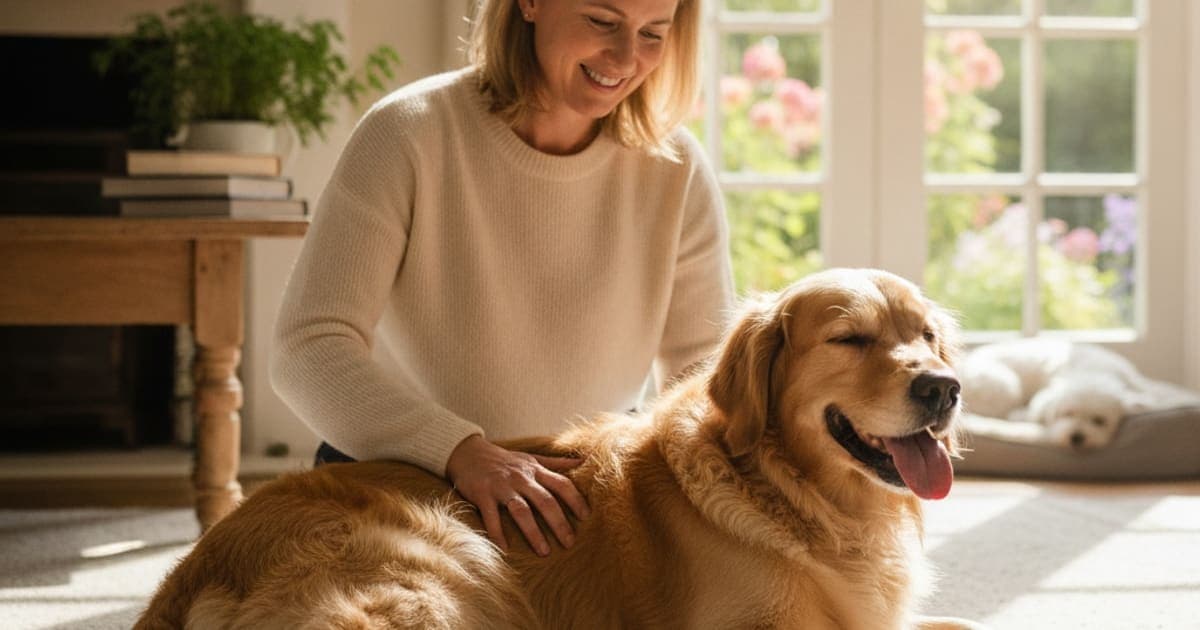 Can a Dog's Arthritis Improve Without Surgery?No — arthritis is a permanent structural change to the joint, so it does not heal or reverse on its own or with surgery. But it can be managed without surgery in most dogs, and slowing its progression through weight control, conditioning, vet-guided pain management and joint support is realistic.Read the guide →
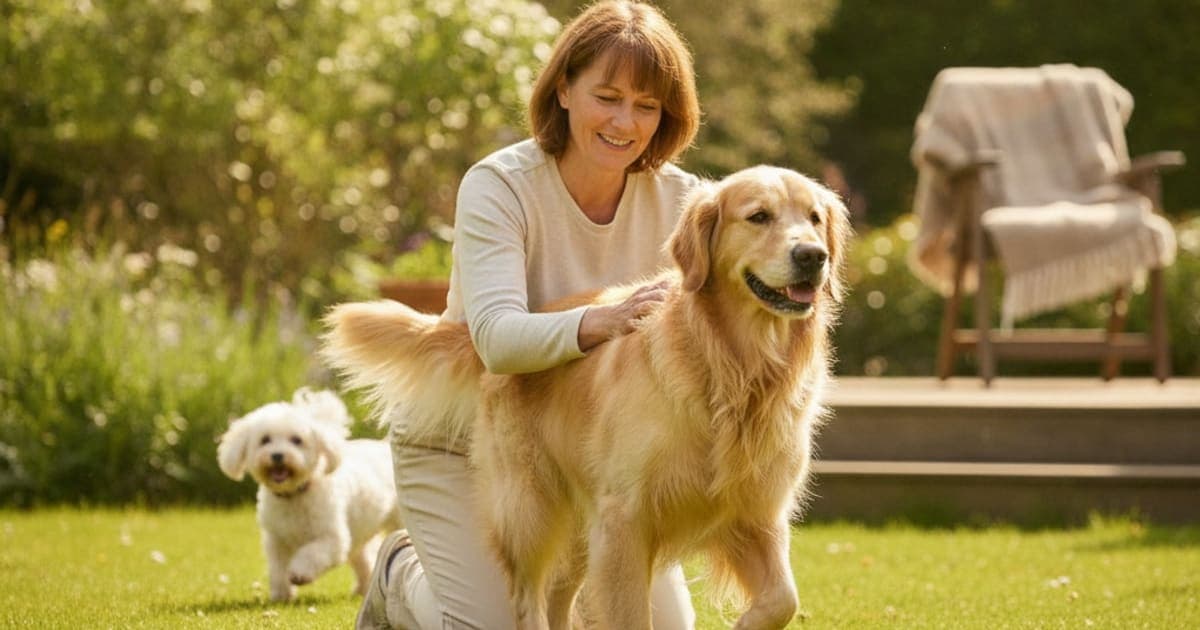 Can Dog Shoulder Instability Recover Without Surgery?Sometimes, yes. Mild to moderate shoulder instability in dogs is frequently managed non-surgically with strict activity restriction, a hobble brace or shoulder support, targeted rehabilitation and pain control from your veterinarian. Severe instability, complete ligament rupture, or cases that fail conservative management usually require surgical stabilization to restore a functional joint.Read the guide →