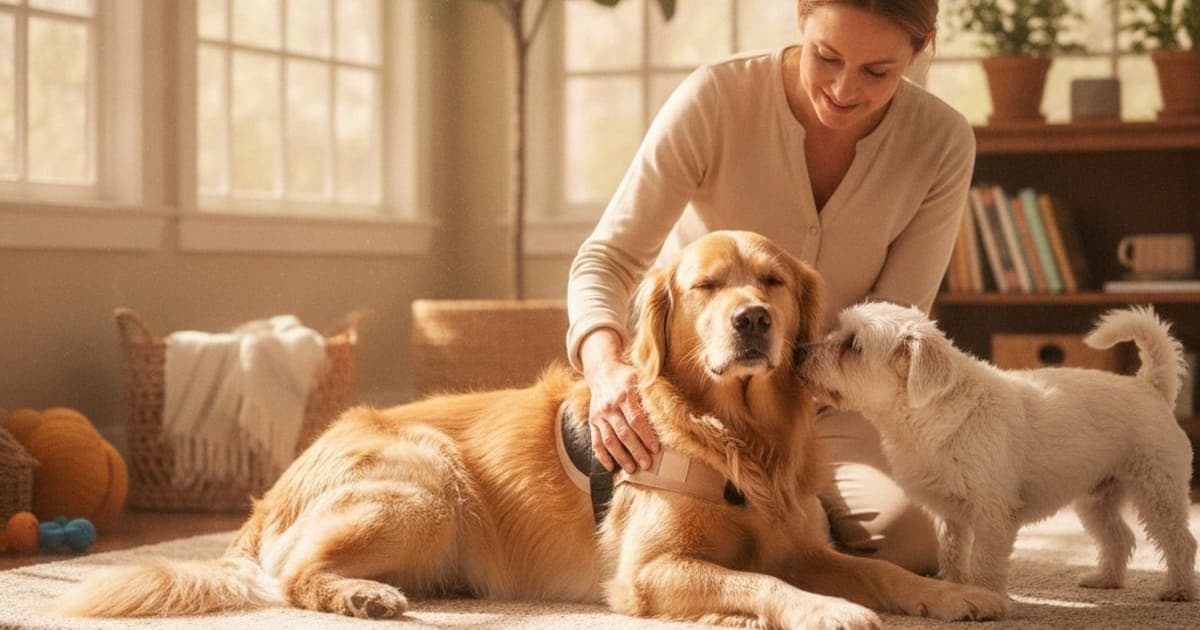
 Dog Bicipital Tenosynovitis Recovery Time: What to ExpectMost dogs with bicipital tenosynovitis need roughly six to twelve weeks of managed rest and controlled rehabilitation before returning to normal activity, and chronic or surgical cases can run four to six months. Recovery time depends on how early it was caught, the dog's size, and how strictly activity restriction is followed.Read the guide →
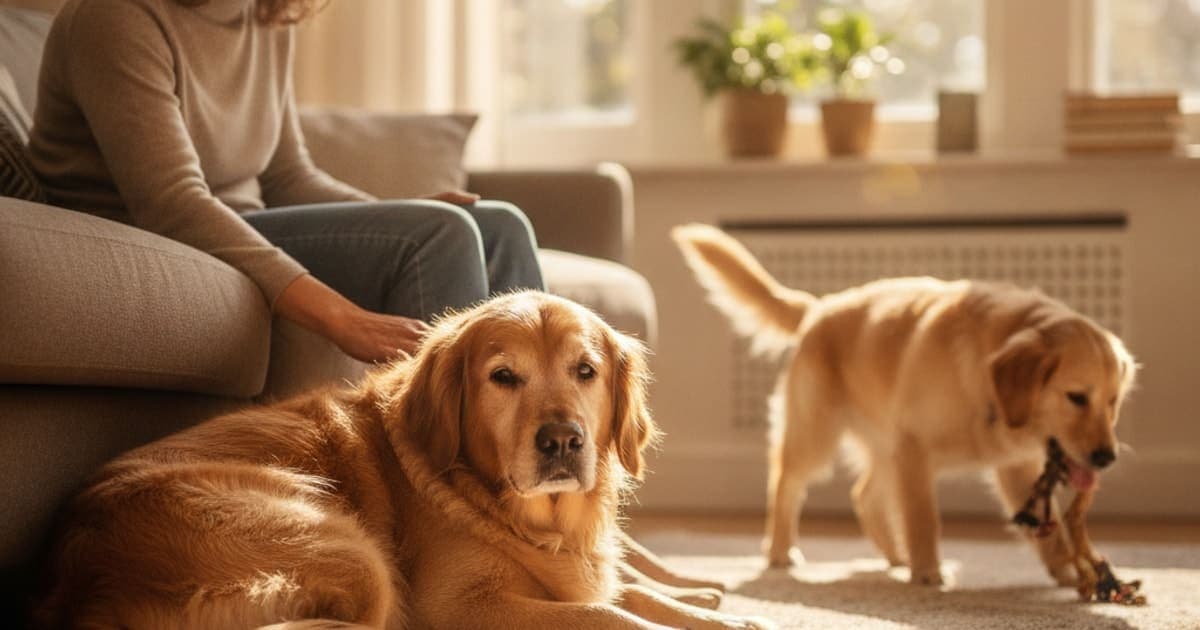 What Makes Hind End Weakness Worse in Dogs? (Key Factors)Hind end weakness in dogs gets worse when slippery floors, excess body weight, unmanaged pain, muscle loss from over-rest, and untreated underlying disease stack on top of each other. Each factor makes the others worse, so progression usually reflects several small daily pressures rather than one single cause.Read the guide →
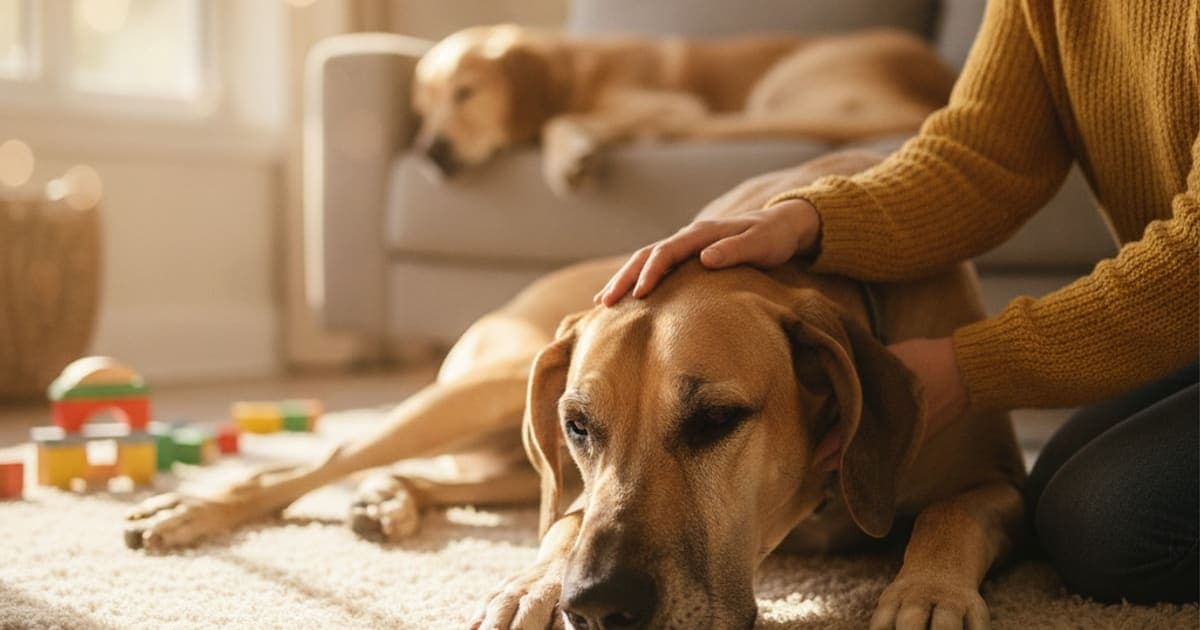 What Makes Wobbler Syndrome Worse in Dogs? (Key Triggers)Wobbler syndrome gets worse when the neck is repeatedly loaded, jarred or hyperextended — neck collars and leash pulling, slippery floors, jumping out of cars, stairs, rough play and excess body weight. The underlying disc degeneration and ligament thickening also progress on their own, which is why early veterinary imaging matters so much.Read the guide →
 Why Is My Dog Loss of Balance? (Causes Explained)A dog losing balance usually points to one of three systems: the vestibular apparatus in the inner ear and brainstem that senses head position, the spinal cord and nerves that report where the legs are, or the joints and muscles that hold the body up. Sudden onset warrants a same-day veterinary exam.Read the guide →
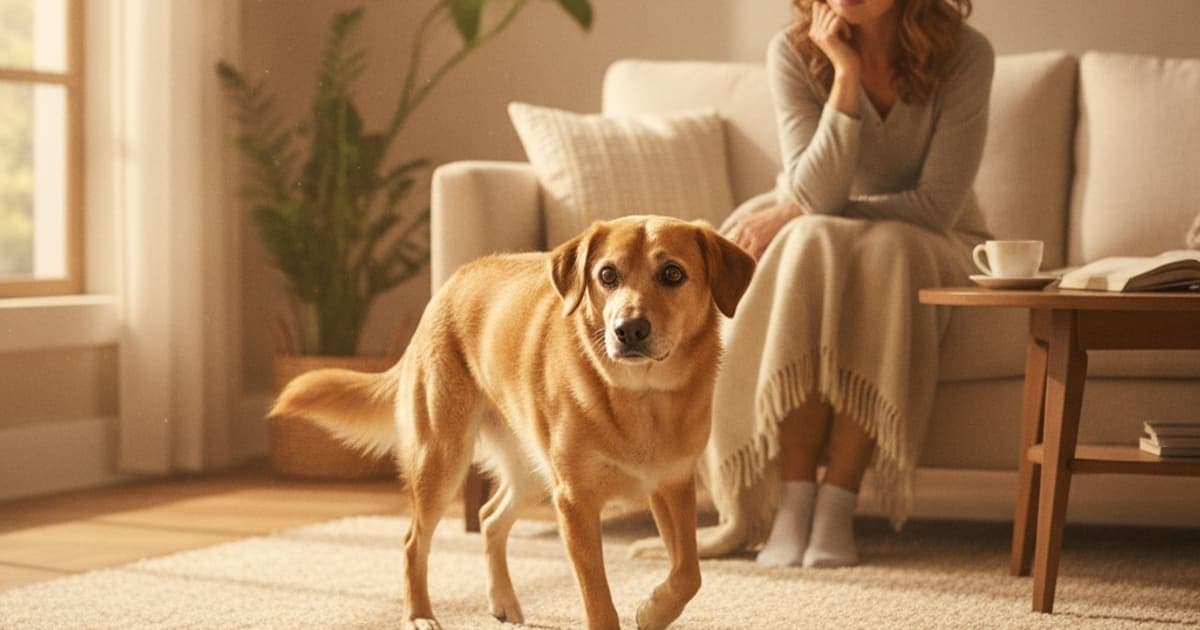 Dog Restless At Night: When to See a VetSee a veterinarian if your dog's nighttime restlessness is new, repeats over several nights, or comes with panting, pacing, whining, limping or indoor accidents. Go to an emergency clinic immediately for a swollen abdomen, unproductive retching, laboured breathing, pale gums or collapse. Sudden change matters more than the behaviour itself.Read the guide →
 When Should I Take a Dog to the Vet for a Swollen Joint?Take your dog to the vet the same day if a swollen joint feels hot, is painful to touch, or comes with fever, lethargy, refusal to bear weight, or swelling in more than one joint. Mild puffiness that resolves overnight with rest can be watched, but swelling lasting beyond a day needs an exam.Read the guide →
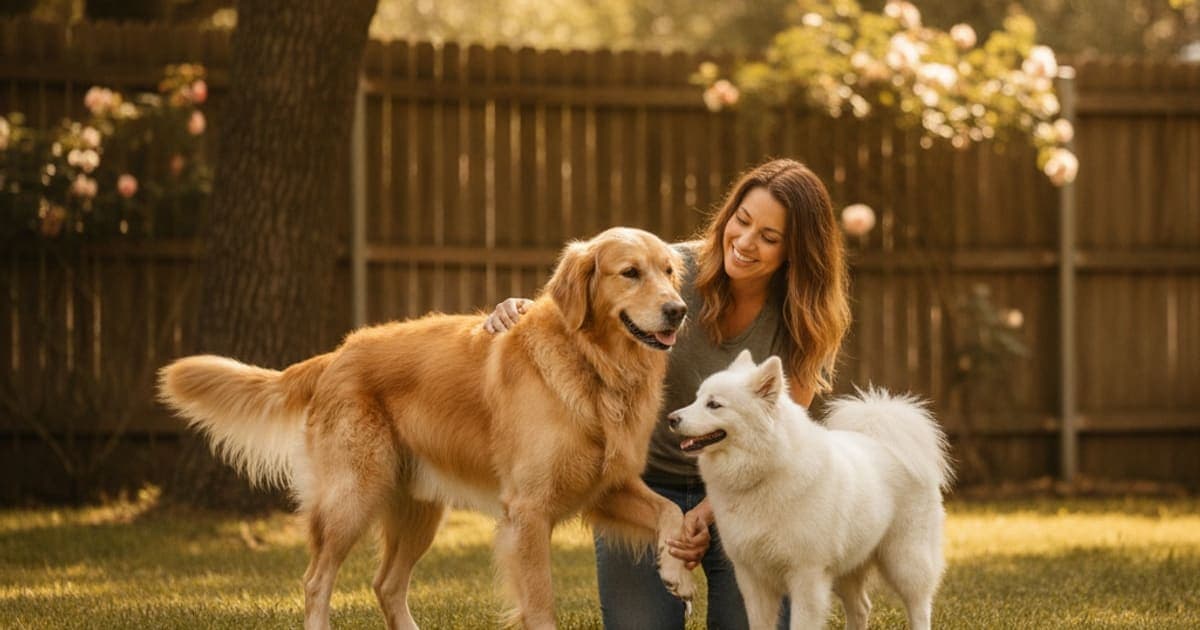 Why Is My Dog Limping But Not in Pain? (What It Means)A dog can limp without obvious pain because lameness is mechanical before it is painful: joint instability, muscle weakness, stiffness or a nerve-signalling problem changes how the leg loads and swings. Dogs also mask discomfort instinctively, so gait often changes weeks before any yelp, flinch or reluctance appears.Read the guide →
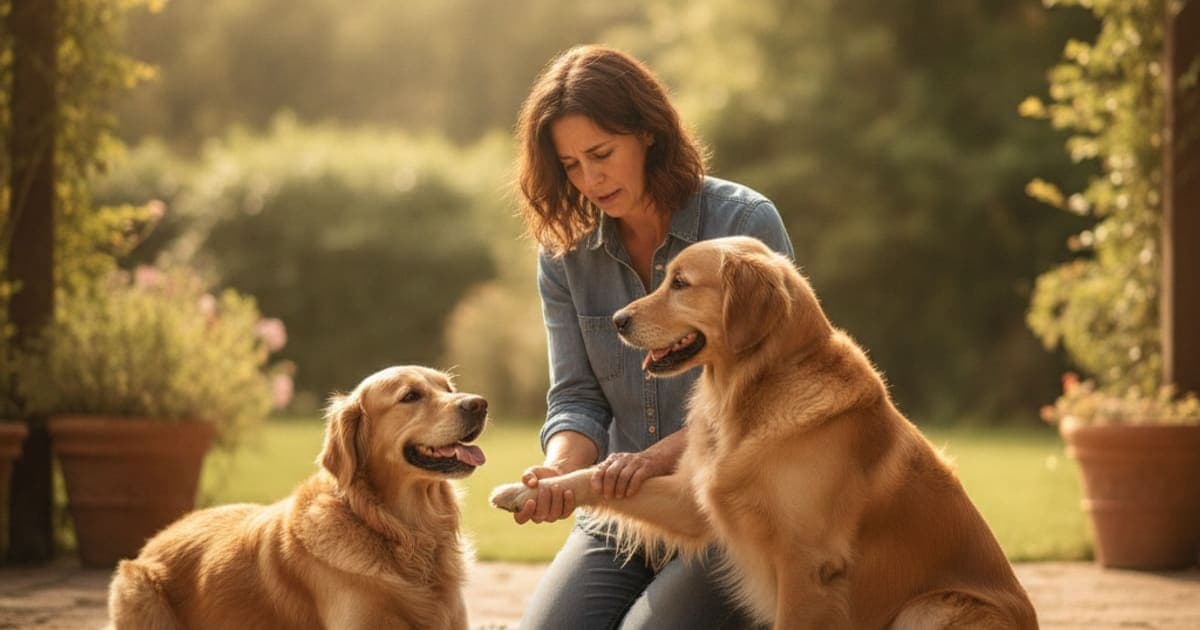 Dog Sudden Limping: What It Usually MeansSudden limping in a dog is usually mechanical and recent: a cut pad, a torn nail, a soft-tissue strain, an insect sting, or an acute joint injury such as a cruciate ligament tear. Most sudden limps deserve a veterinary exam, and a dog refusing to bear weight needs one urgently.Read the guide →
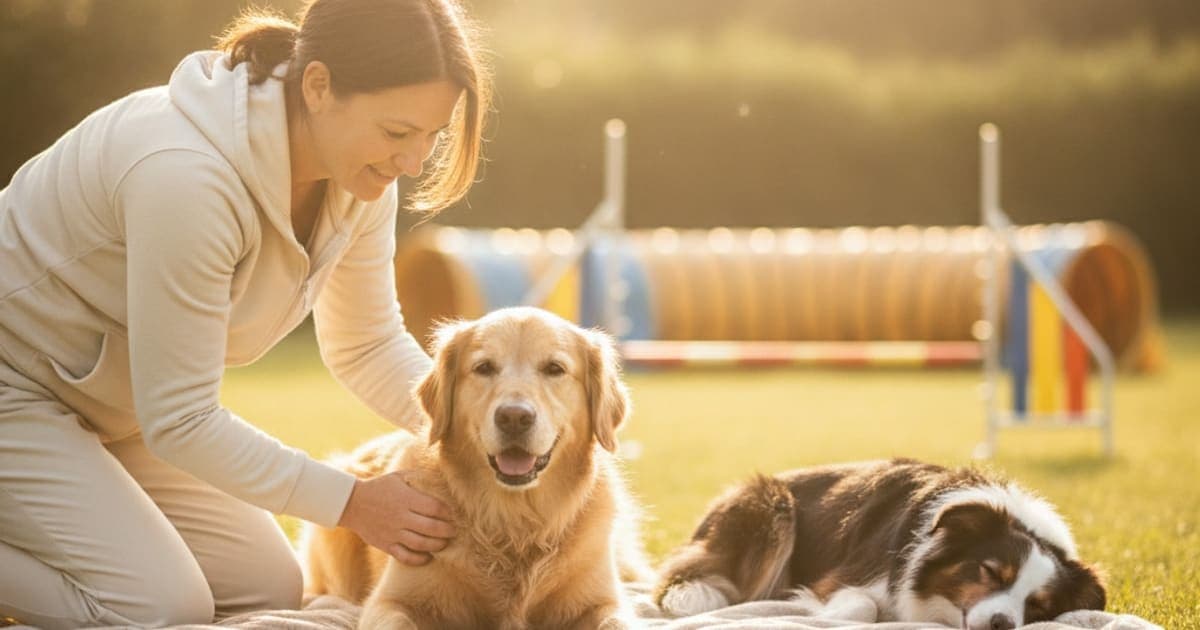 When Should I Take a Dog to the Vet for Sore After Agility?Take a dog to the vet if soreness after agility lasts beyond about two days, worsens, or comes with limping that won't bear weight, swelling, yelping, or reluctance to move. Mild stiffness that fades with rest is usually normal; anything sharp, sudden, or one-sided deserves an exam.Read the guide →
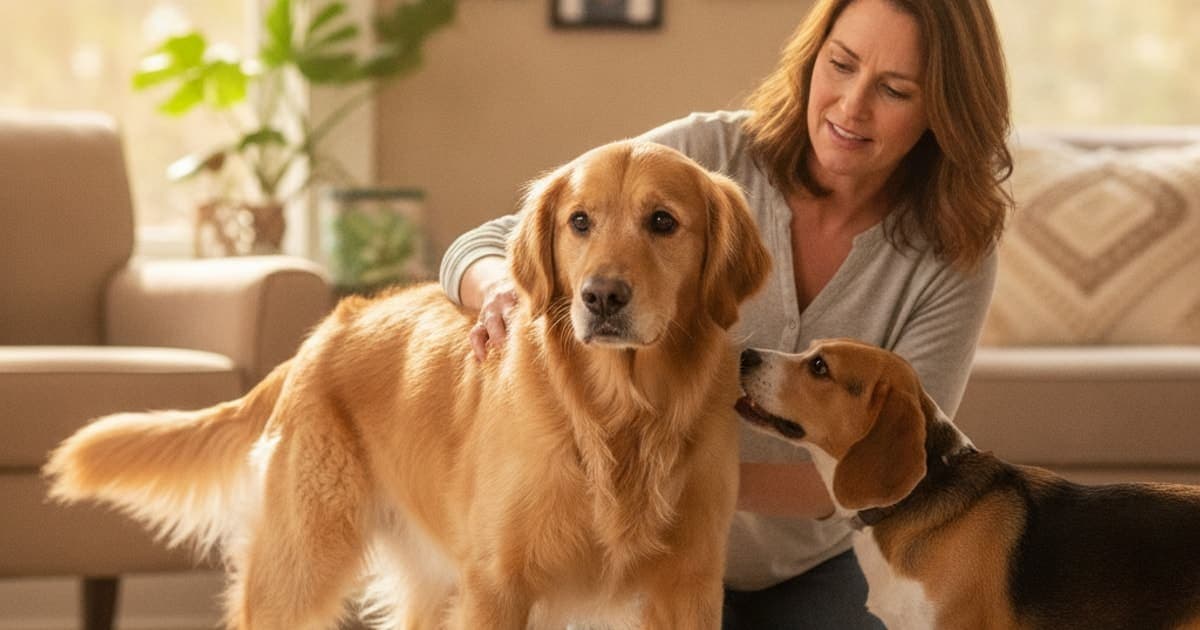 What Makes Luxating Patella Worse in Dogs? (Key Causes)Excess body weight, slippery flooring, repeated jumping and stair use, quadriceps muscle loss, uncontrolled sprinting and delayed veterinary assessment all make luxating patella worse in dogs. Each one raises how often the kneecap slips out of its groove, and every slip abrades cartilage and stretches the soft tissue meant to hold the joint aligned.Read the guide →
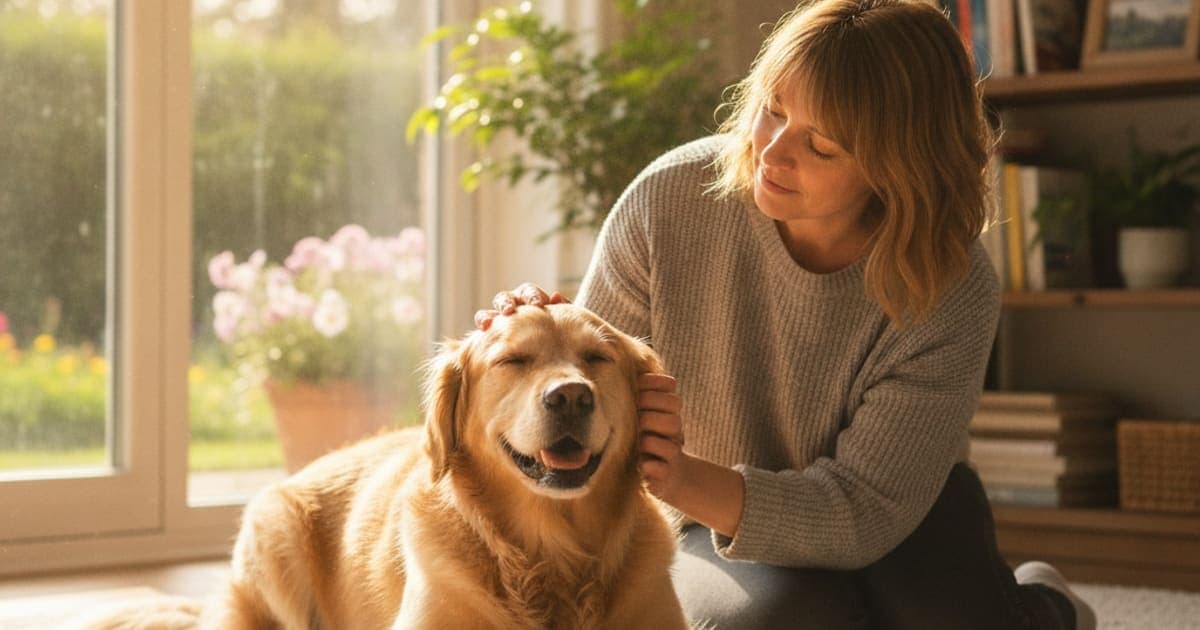 Dog Reduced Stamina Recovery Time: What to ExpectReduced stamina in dogs usually improves over days to weeks when the cause is simple deconditioning, heat, or a minor soft-tissue strain, and over several weeks to months when a joint, tendon, cardiac, or metabolic problem is driving it. The timeline follows the diagnosis, so start with your veterinarian.Read the guide →
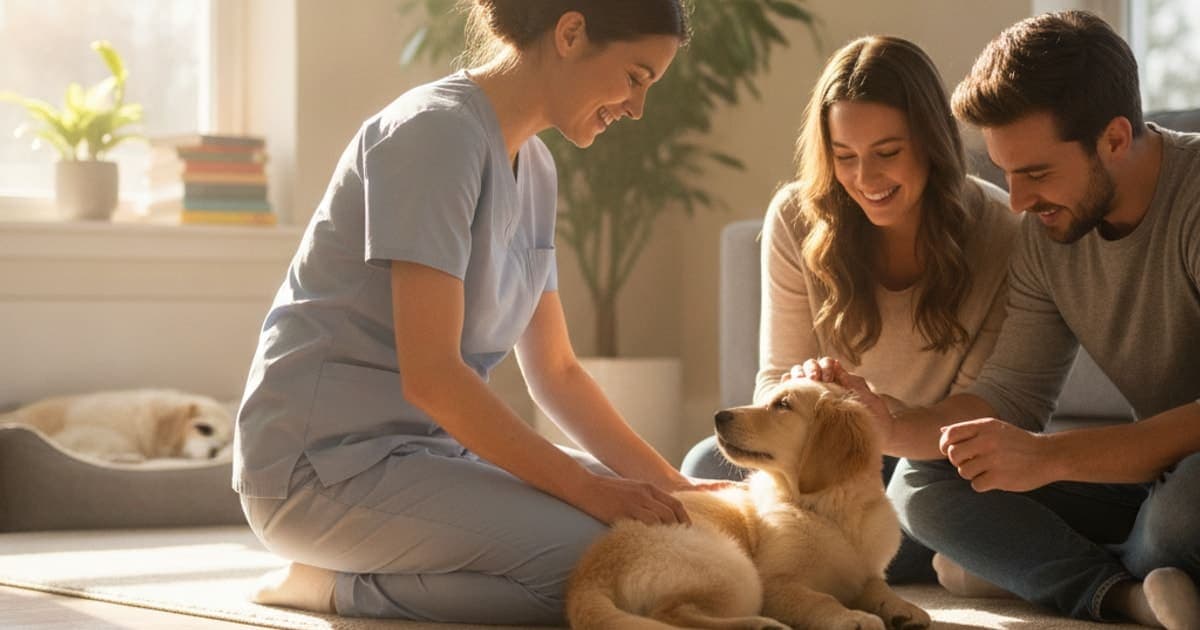 What Is Growth Plate Injury in Dogs? (Signs and Causes)A growth plate injury in dogs is damage to the physis — the soft cartilage band near the ends of a young dog's long bones where new bone is added as the leg lengthens.Read the guide →
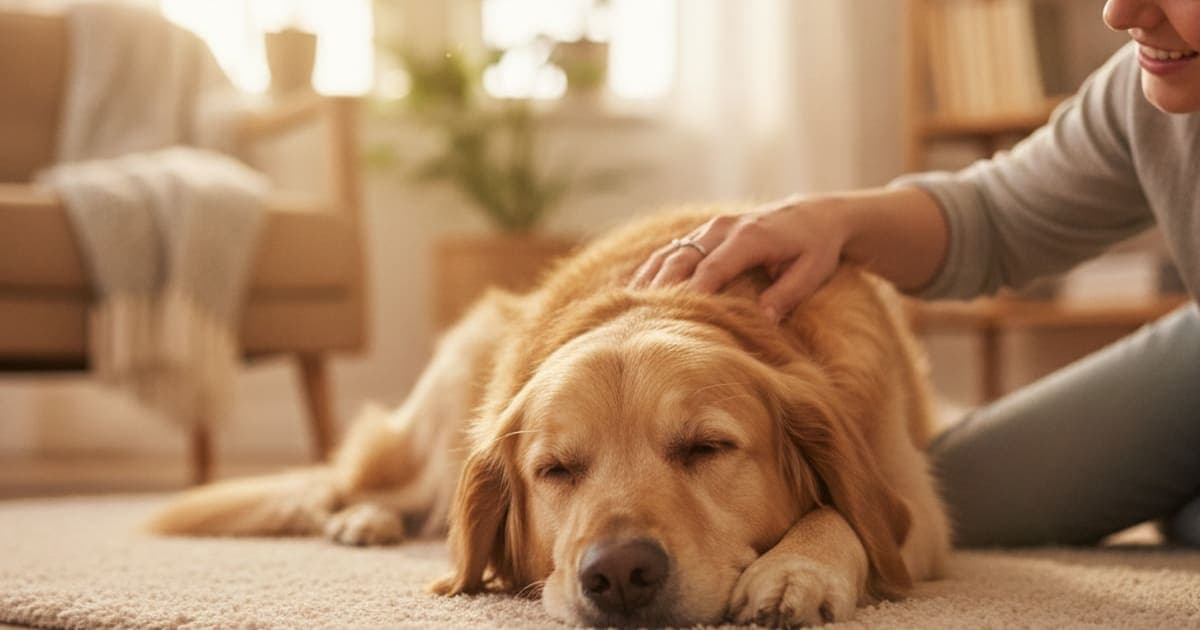 Dog Colitis Recovery Time: Realistic ExpectationsMost acute colitis in dogs improves within two to four days and settles inside a week once the trigger is removed and a vet-guided plan is in place. Chronic or food-responsive colitis runs longer — weeks of dietary work, sometimes months of management. Persistent blood or weight loss warrants prompt veterinary reassessment.Read the guide →
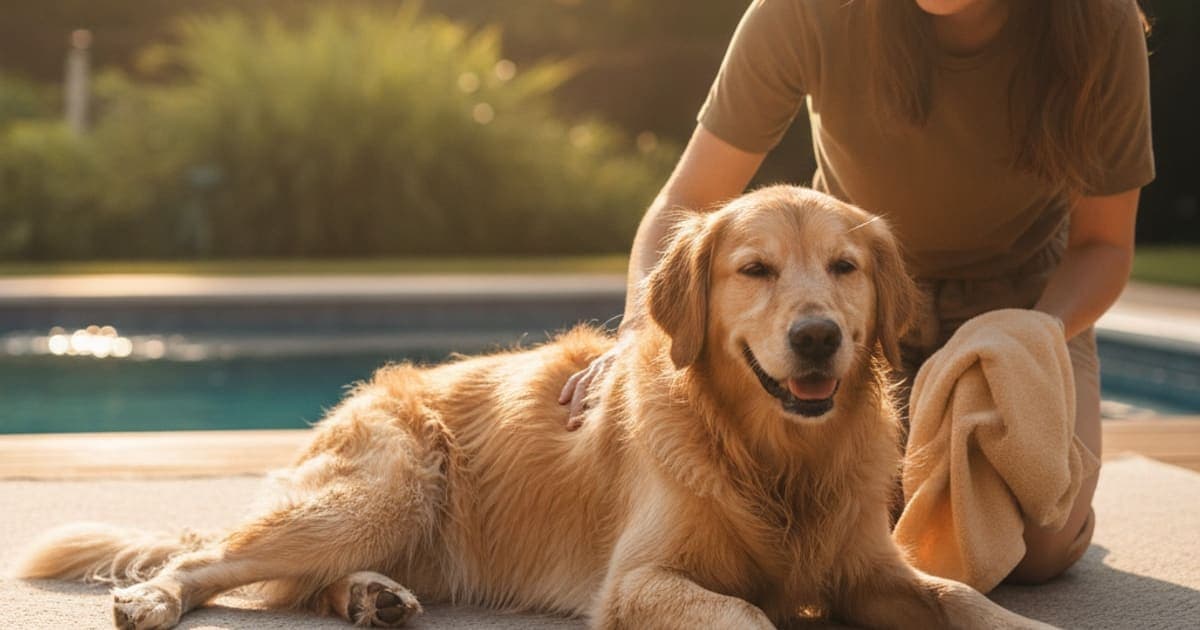 Why Is My Dog Stiff After Swimming? (Causes Explained)Most dogs are stiff after swimming because water recruits muscles they rarely use while removing the impact feedback that normally tells them to slow down. Cool water and a hyperextended spine add to it. Mild soreness that clears within a day is common, but a limp or a dropped tail deserves a veterinary exam.Read the guide →
 Why Is My Dog Crying Out in Pain? (Causes to Check)Dogs cry out when pain is sudden and sharp — most often from spinal or disc pain, a torn ligament, a joint injury, nerve pain, or an abdominal emergency. Vocalising signals acute pain, not slow wear and tear, so it warrants a prompt veterinary exam rather than watchful waiting.Read the guide →
 What Makes Lumbosacral Stenosis Worse in Dogs? (Triggers)Lumbosacral stenosis in dogs worsens with anything that extends or loads the lumbosacral junction: jumping off furniture, stair sprints, hard fetch, slick floors, excess body weight and core deconditioning. Pain flares also follow sudden returns to activity after a good week. Your veterinarian should confirm the diagnosis and set activity limits.Read the guide →
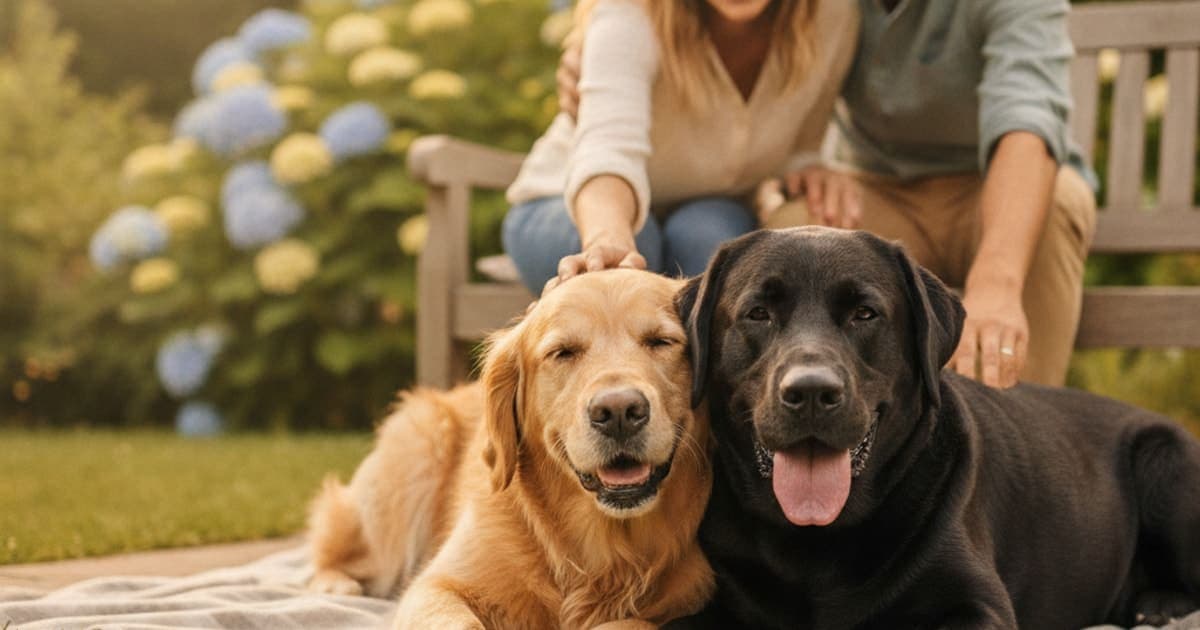 Dog Tiring Quickly: What It Usually MeansA dog tiring quickly on walks usually reflects one of four things: pain that makes movement costly, loss of muscle and joint comfort with age, a cardiac or respiratory limit, or a metabolic shift such as low thyroid hormone or anemia. Sudden onset warrants a same-week veterinary exam.Read the guide →
 When to Take a Dog to the Vet for Shaking Back Legs?Take a dog to the vet the same day if hind-leg shaking is sudden or comes with weakness, knuckling paws, a wobbly gait, yelping, pale gums or trouble toileting. Brief trembling after hard exercise or in cold weather can wait for a routine appointment, but repeated or worsening shaking needs an exam.Read the guide →
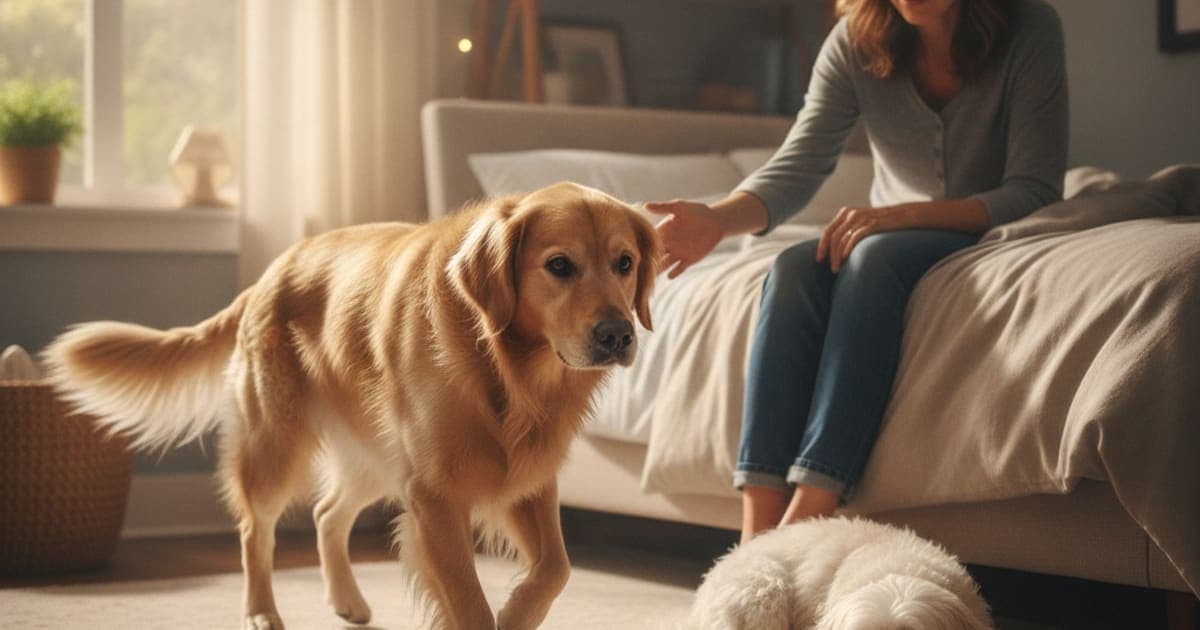 Dog Restless At Night: What It Usually MeansA dog restless at night is usually dealing with pain, a bladder that cannot wait, heat, anxiety, or an age-related change in the sleep-wake cycle. Orthopaedic discomfort is the most common cause in adult and senior dogs. The pattern of movement tells you which one, and your vet confirms it.Read the guide →
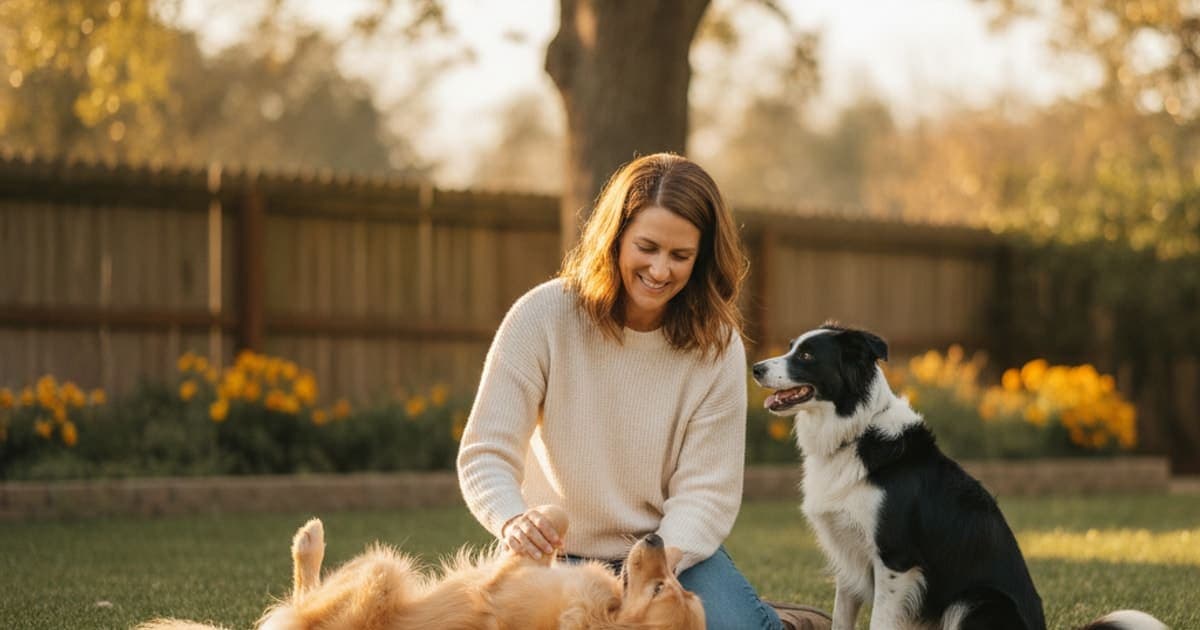 What Makes Growth Plate Injury Worse in Dogs? (Key Causes)Growth plate injury gets worse in dogs when the limb keeps loading through activity, when diagnosis is delayed past the window the physis is still open, and when follow-up radiographs are skipped. Jumping, slick floors, excess body weight and premature return to play all add damage.Read the guide →
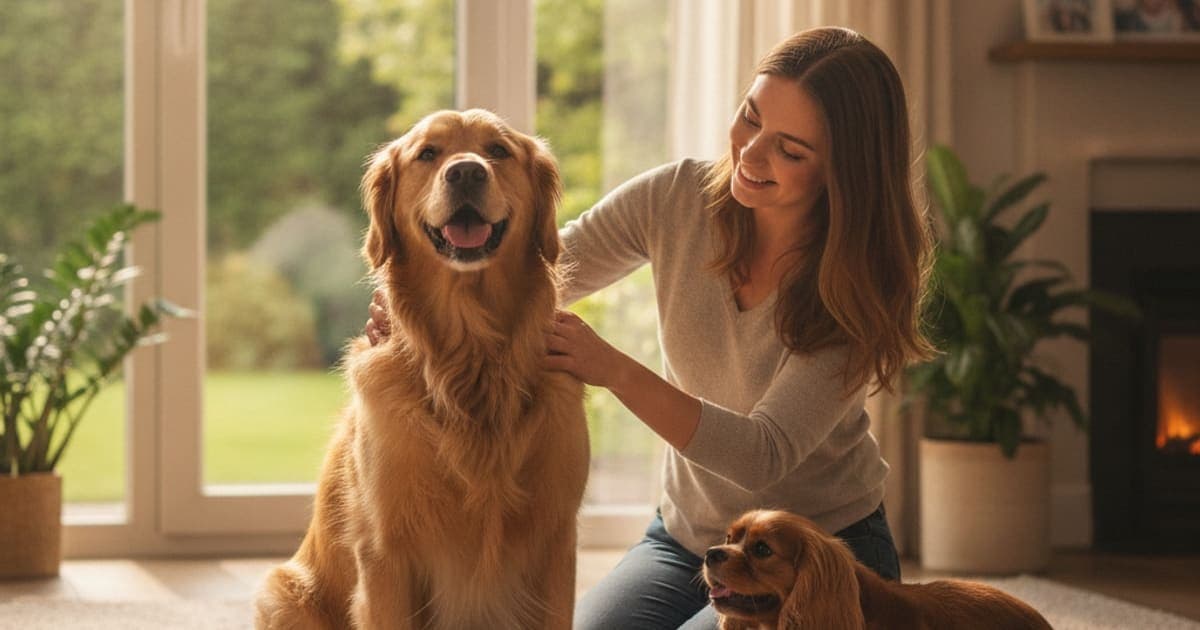 What Makes Shoulder Instability Worse in Dogs? (Causes)Shoulder instability in dogs gets worse when the joint is loaded before the soft tissue has remodelled: slick floors, jumping, ball chasing, stairs, extra body weight and pain that goes unmanaged. Compensation on the opposite limb and stop-start rest also prolong it. Your veterinarian should direct the plan.Read the guide →
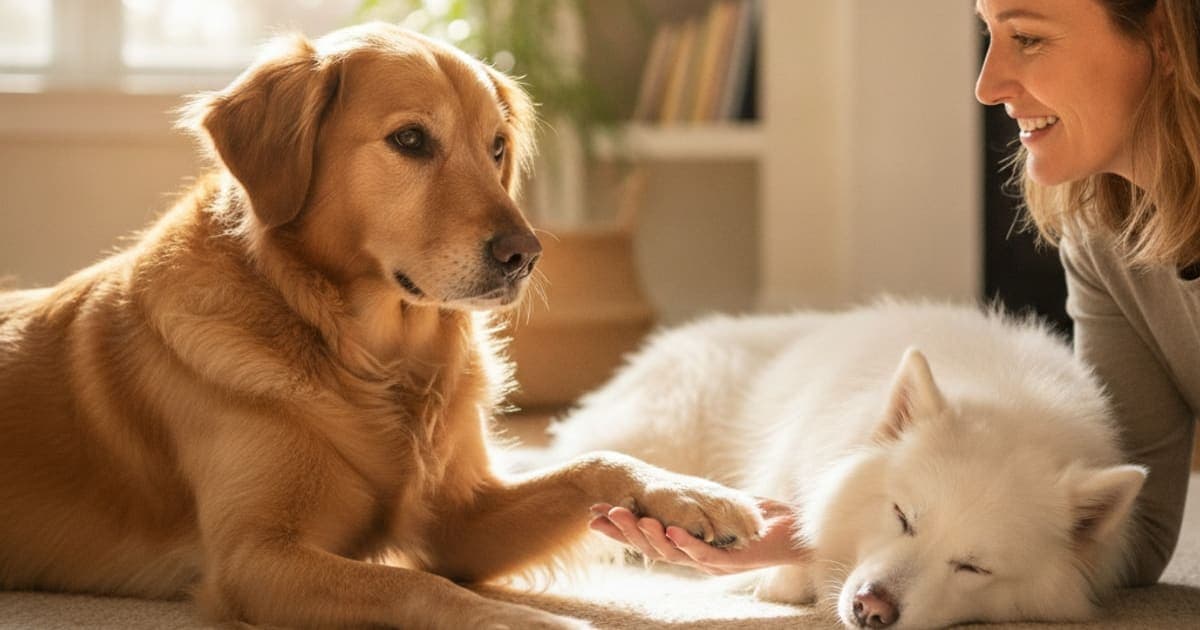 Dog Intermittent Limping: What It Usually MeansIntermittent limping usually means a low-grade orthopedic problem — a partial cruciate ligament tear, early arthritis, a strained tendon, or hip dysplasia — that hurts under load and quiets with rest. Because the limp comes and goes, the tissue is irritated rather than acutely injured, and it still needs a veterinary exam.Read the guide →
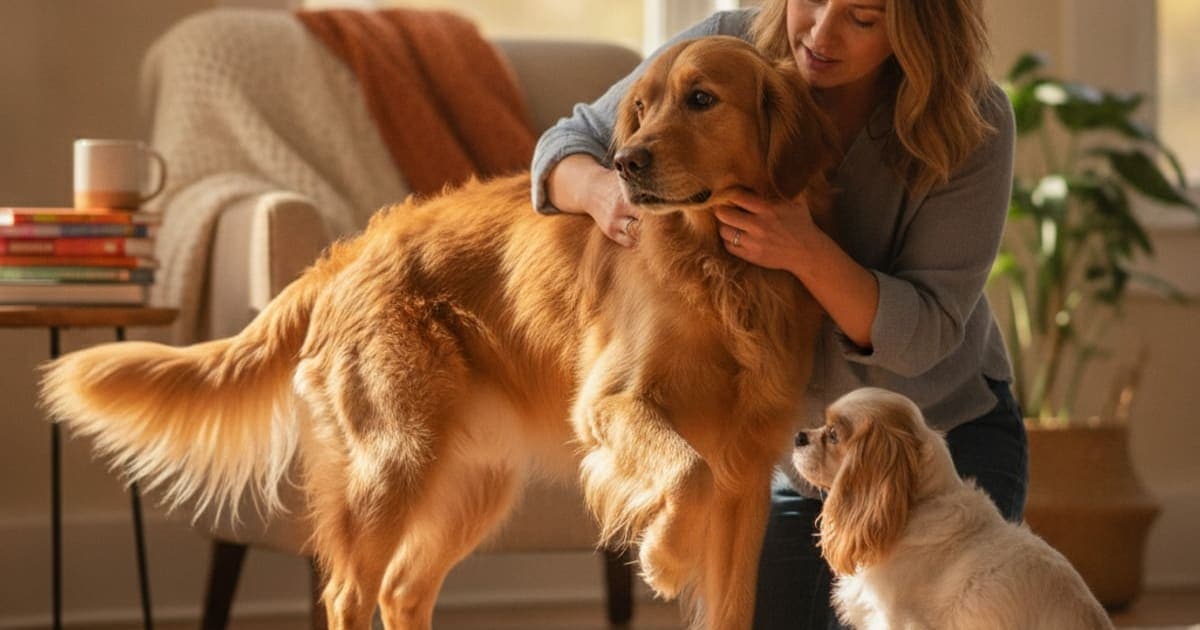 Dog Not Putting Weight On A Leg: What It Usually MeansA dog not putting weight on a leg is guarding it from pain. The usual causes are soft-tissue injuries such as sprains and cruciate ligament tears, paw and nail problems, joint disease like osteoarthritis or dysplasia, and less commonly fractures, infections or nerve involvement. Complete non-weight-bearing lameness needs a veterinary exam.Read the guide →
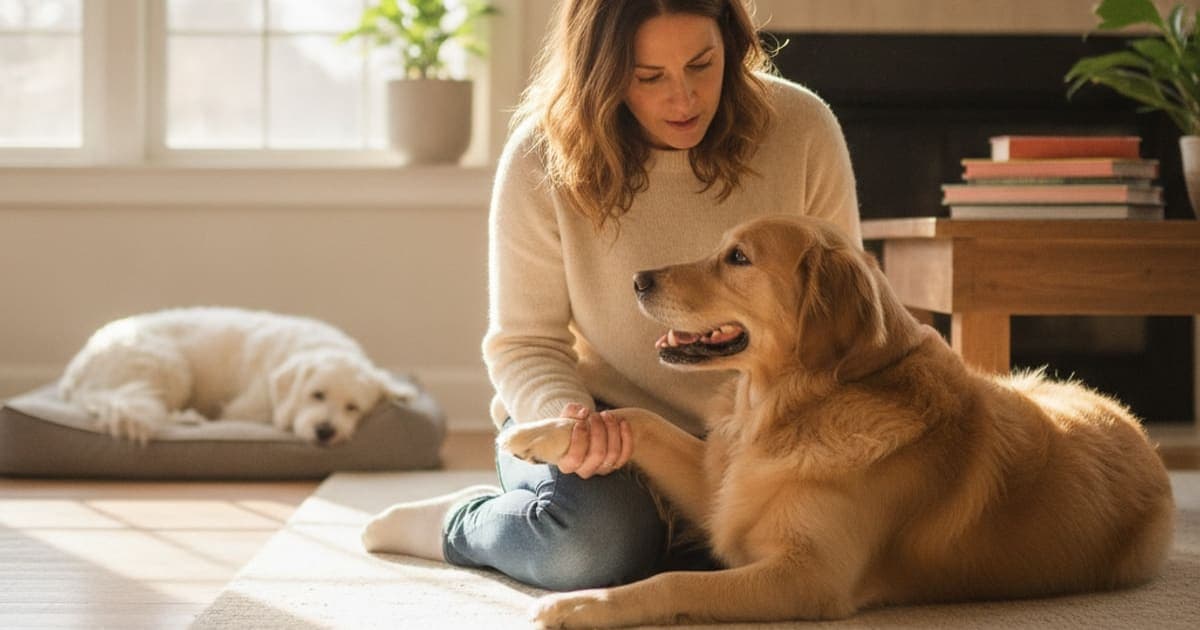 Dog Intermittent Limping: When to See a VetTake your dog to the vet if intermittent limping lasts more than a day or two, keeps returning over weeks, or comes with swelling, heat, or yelping. Sudden refusal to bear weight, a visible deformity, or limping after trauma is an emergency and needs same-day attention.Read the guide →

The pawgen library · 3,678 guides
Dog mobility, joints and recovery
Plain-English guides on joint pain, injury recovery and what actually helps aging and active dogs. Written to answer the question, not to pad a word count.