What a diagnosis means, how it is confirmed, and the early signs owners miss — from hip dysplasia and IVDD to cruciate tears and arthritis.
 What Are the First Signs of Hip Arthritis in Dogs?The first signs of hip arthritis in dogs are stiffness after rest, slower rising from the floor, a bunny-hop gait when running, reluctance to jump or climb stairs, and a subtly narrower rear stance. These changes appear gradually, are often mistaken for normal aging, and warrant a veterinary orthopedic exam.Read the guide →
 Is Hip Weakness in Dogs Painful? (What the Limp Means)Yes — hip weakness in dogs is usually painful. Weakness in the hind end most often traces back to hip dysplasia, osteoarthritis or nerve compression, and each of those involves inflamed tissue or grinding joint surfaces. Dogs mask discomfort well, so a wobbly gait often means it has been present for months.Read the guide →
 Is Hind End Weakness in Dogs Painful? (What It Means)Often, yes — but not always. Hind end weakness is a symptom rather than a diagnosis, and pain depends on the cause. Arthritis, hip dysplasia and cruciate tears hurt; degenerative myelopathy is described in veterinary literature as non-painful. Only a veterinary exam can tell which one your dog has.Read the guide →
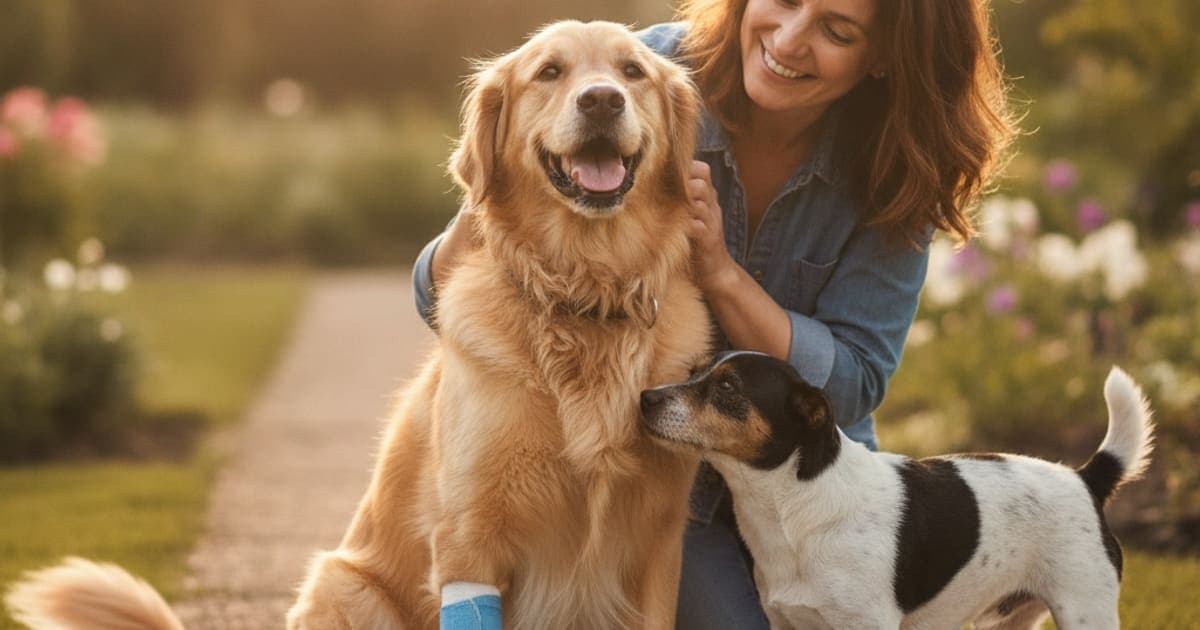 Is Sesamoid Fracture in Dogs Painful? (Signs Explained)Yes — sesamoid fracture in dogs is painful. The sesamoids sit under the toe joints and bear load with every step, so a fracture produces sharp, weight-bearing lameness that worsens on hard ground. Pain often eases with rest and returns with activity, which makes it easy to underestimate.Read the guide →
 What Makes Chronic Diarrhea Worse in Dogs? (Key Triggers)Chronic diarrhea in dogs is usually made worse by repeated diet changes, table scraps and fatty treats, stress and routine upheaval, unfinished parasite or antibiotic courses, and an underlying condition that has not been diagnosed. The largest escalator is delay: loose stool that persists over weeks needs a veterinary workup.Read the guide →
 What Are the First Signs of Food Sensitivity in Dogs?The first signs of food sensitivity in dogs are usually subtle: itchy skin around the paws, face and ears, recurring ear infections, loose or inconsistent stools, excess gas, and a duller coat. Symptoms build gradually rather than appearing suddenly, which is why most owners notice the scratching long before they suspect the bowl.Read the guide →
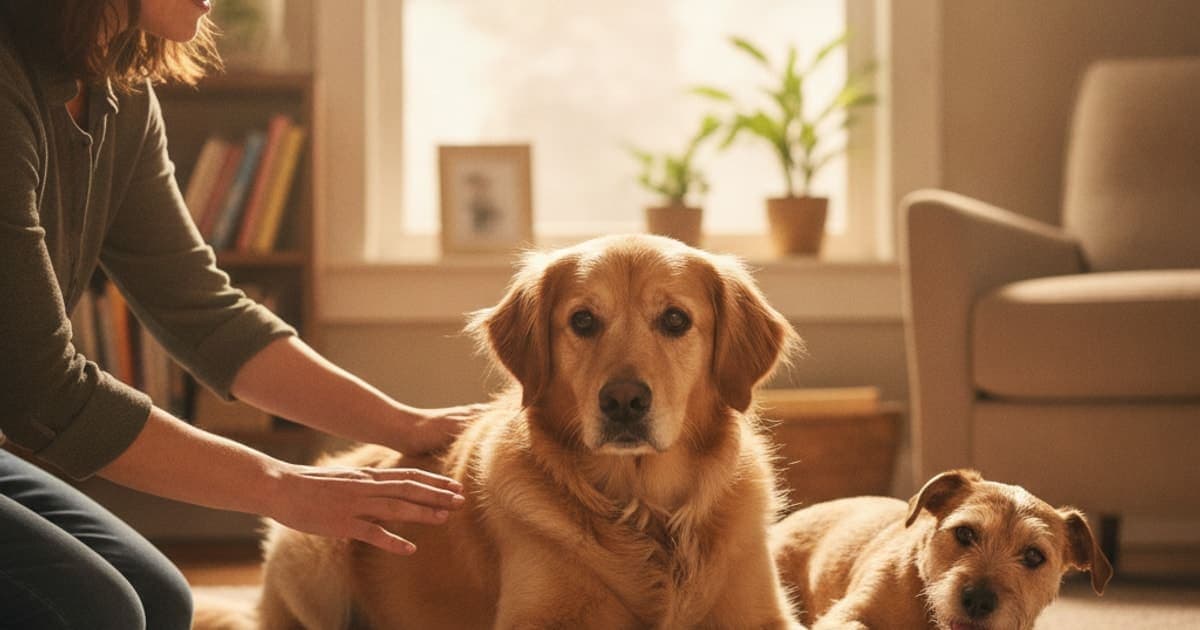 Dog Irritable When Handled — Should You Worry?Yes, it is worth investigating. Dogs seldom become touch-sensitive for temperament reasons alone, so a new growl, flinch or snap during petting, grooming or lifting usually signals pain, illness or fear rather than attitude. Book a veterinary exam to find the source before treating it as a training issue.Read the guide →
 What Are the First Signs of Carpal Hyperextension in Dogs?The first signs of carpal hyperextension in dogs are a lowered wrist angle, pasterns that sink toward the ground when standing, and a mild limp that shows up after activity. Owners often notice a flatter, more splayed front paw, swelling over the wrist, or reluctance to jump.Read the guide →
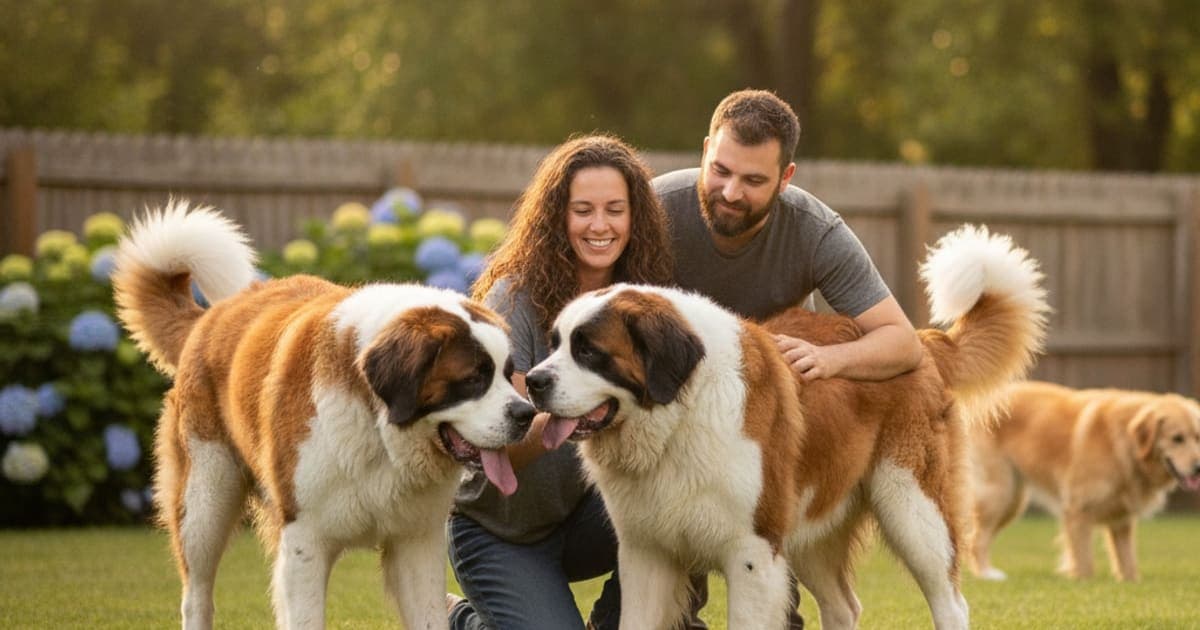 Why Saint Bernards Are Prone to Joint ProblemsSaint Bernards are prone to joint problems because giant-breed mass, a long growth curve and inherited hip and elbow conformation put unusual load on developing cartilage and ligaments. Hip dysplasia, elbow dysplasia and cruciate ligament degeneration are the common patterns, and lean body weight plus early veterinary screening matter most.Read the guide →
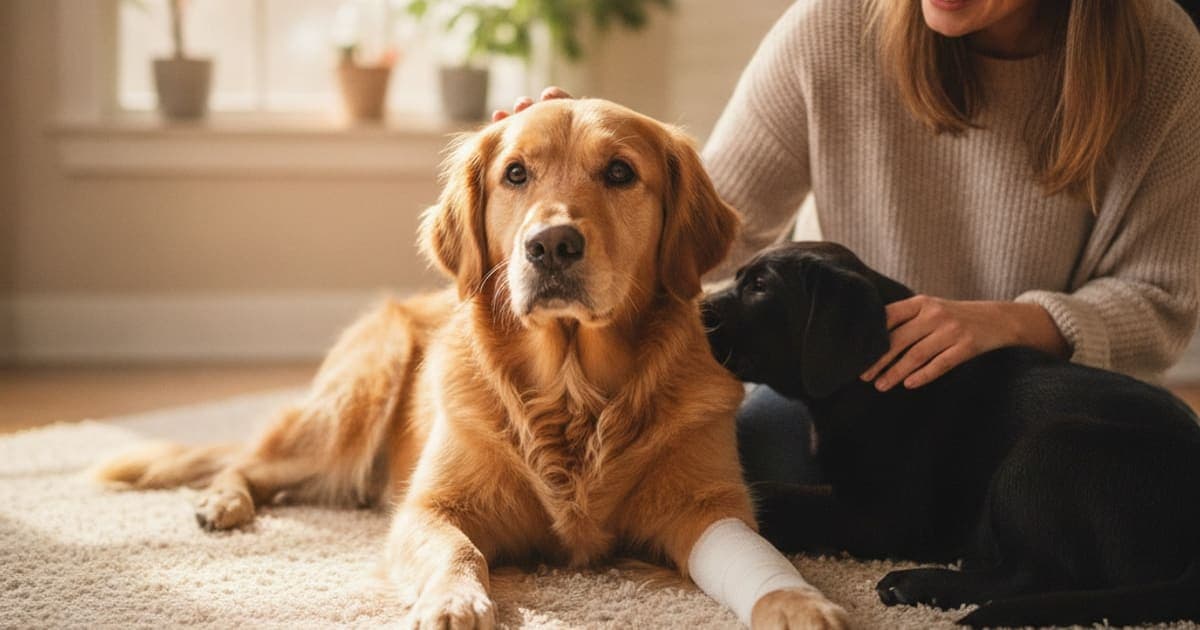 Is Torn Ligament in Dogs Painful? (What Owners Notice)Yes. A torn ligament in dogs is painful — most commonly a cranial cruciate ligament rupture in the knee, which causes joint instability, inflammation and secondary arthritis. Dogs mask pain instinctively, so limping, sitting with one leg out and reluctance to jump often appear before obvious distress. A veterinary exam confirms it.Read the guide →
 Should I Worry If My Dog Shifts Weight Off One Leg?Yes, it is worth attention: a dog shifting weight off one leg is signalling that loading that limb is uncomfortable or unstable. It is often the first visible sign of a joint, tendon or ligament problem, and it warrants a veterinary exam rather than a week of watching and hoping.Read the guide →
 Should I Worry if My Dog Is Licking a Joint? (What It Means)Yes, persistent licking over one joint deserves attention. Dogs groom areas that hurt, so repeated licking of a single knee, elbow, hock or wrist often points to joint pain, inflammation or a skin problem underneath. Occasional grooming is normal; licking fixed on one spot warrants a veterinary exam.Read the guide →
 Should I Worry If My Dog Is Dragging Back Paws?Yes. A dog dragging its back paws is not a minor stumble — it usually points to a nerve, spinal cord or orthopaedic problem, and it warrants a veterinary exam promptly. Sudden dragging with weakness, incontinence or pain should be treated as an emergency the same day.Read the guide →
 Is Stomach Ulcers in Dogs Painful? (What Owners See)Yes — stomach ulcers in dogs are painful. An ulcer is an open crater through the stomach's protective lining, leaving raw tissue exposed to acid and enzymes. Dogs show it quietly through appetite loss, lip licking, restlessness, a hunched back, or the prayer position with chest down and hindquarters raised.Read the guide →
 What Are the First Signs of Chronic Pain in Dogs?The first signs of chronic pain in dogs are behavioural rather than dramatic: hesitation before stairs or the car, slower rising after rest, stiffness that eases with movement, less play, repetitive licking of one joint, and irritability when handled. Dogs in ongoing pain usually do less rather than cry out.Read the guide →
 Is Bursitis in Dogs Painful? (What Owners Should Know)Yes — bursitis in dogs is typically painful, though how much varies. A quiet, fluid-filled bursa over the elbow may cause mild stiffness and reluctance to lie down, while an ulcerated or infected one is often sharply sore. Pain level tracks with pressure, swelling and skin integrity.Read the guide →
 Should I Worry If My Dog Is Yelping When Picked Up?Yes — yelping when picked up is a pain signal and deserves attention. Most cases trace to the neck, spine, or a limb joint irritated by the way your hands compress and twist the body during a lift. A single cry may be minor; repeated yelping needs a veterinary exam.Read the guide →
 Should I Worry If My Dog Is Stiff in the Morning?Brief morning stiffness that loosens within a few minutes of movement is common in older dogs and usually reflects gradual joint change rather than an emergency. Stiffness that persists well past those first minutes, worsens week to week, or comes with pain, swelling or limping warrants a veterinary exam.Read the guide →
 Is Degenerative Myelopathy in Dogs Painful? (What to Know)Degenerative myelopathy is generally considered a non-painful disease, because it damages the spinal cord's white matter without causing the nerve compression that drives pain in conditions like disc disease. Dogs living with it can still be uncomfortable, though, from overloaded front legs, arthritis, skin abrasions and pressure sores.Read the guide →
 Should I Worry If My Dog Is Warm Joint? (Heat Explained)A warm joint deserves attention, not panic. Mild warmth right after hard exercise that fades with rest is usually normal blood flow. Heat that lingers at rest, or comes with swelling, limping, reluctance to bear weight or a dog who seems generally unwell, should be examined by a veterinarian.Read the guide →
 Is Carpal Hyperextension in Dogs Painful? (What to Know)Yes — carpal hyperextension in dogs is typically painful, particularly in the early stage when the ligaments and fibrocartilage supporting the wrist are damaged. Dogs often show a dropped wrist, limping, and reluctance to bear weight. Pain can lessen as the joint stiffens, but abnormal loading commonly causes ongoing discomfort and arthritis.Read the guide →
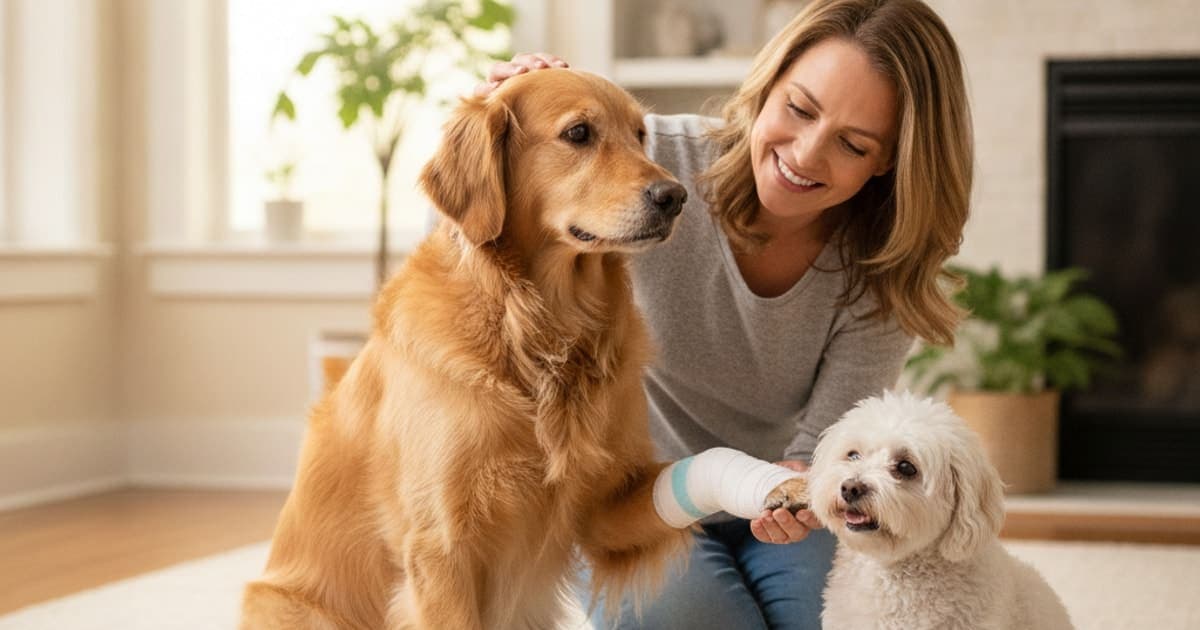 Is Toe Injury in Dogs Painful? (What Owners Should Know)Yes. A toe injury in dogs is painful. Each digit carries weight with every step, and the toes are densely supplied with nerves, so fractures, nail-bed injuries, sprains and torn ligaments hurt continuously. Dogs mask pain well, so limping, licking and reluctance to walk often understate it.Read the guide →
 Should I Worry if My Dog Is Restless at Night? (Signs)Usually not after a single unsettled night — dogs wake, reposition and resettle. Worry when the restlessness is new, repeats for several nights, or comes with panting, pacing, whining, limping, increased thirst or trouble lying down. Those patterns point toward pain, illness or age-related change and deserve a veterinary exam.Read the guide →
 Should I Worry If My Dog Is Panting at Night? (Causes)Sometimes. Panting at night is usually harmless if the room is warm, your dog was recently active, or they are settling after excitement. It deserves a veterinary call when it is new, happens in a cool quiet room, or comes with restlessness, coughing, pale gums or a dog who cannot get comfortable.Read the guide →