How long healing actually takes, what each week looks like, and which setbacks are normal versus worth a call to the vet.
 Dog TPLO Recovery Time: A Realistic TimelineTPLO recovery in dogs generally takes about four to six months from surgery to full activity, with the osteotomy typically showing solid healing near the eight-week mark. The first two months are the most restricted, and the months that follow are a graded rebuild of muscle and confidence.Read the guide →
 Dog Bursitis Recovery Time: Realistic ExpectationsMost uncomplicated bursitis flares in dogs settle over roughly two to six weeks of rest and veterinary care, while chronic or infected bursae can take several months. The timeline depends on where the bursa sits, how long it was inflamed before treatment, and whether the pressure causing it is removed.Read the guide →
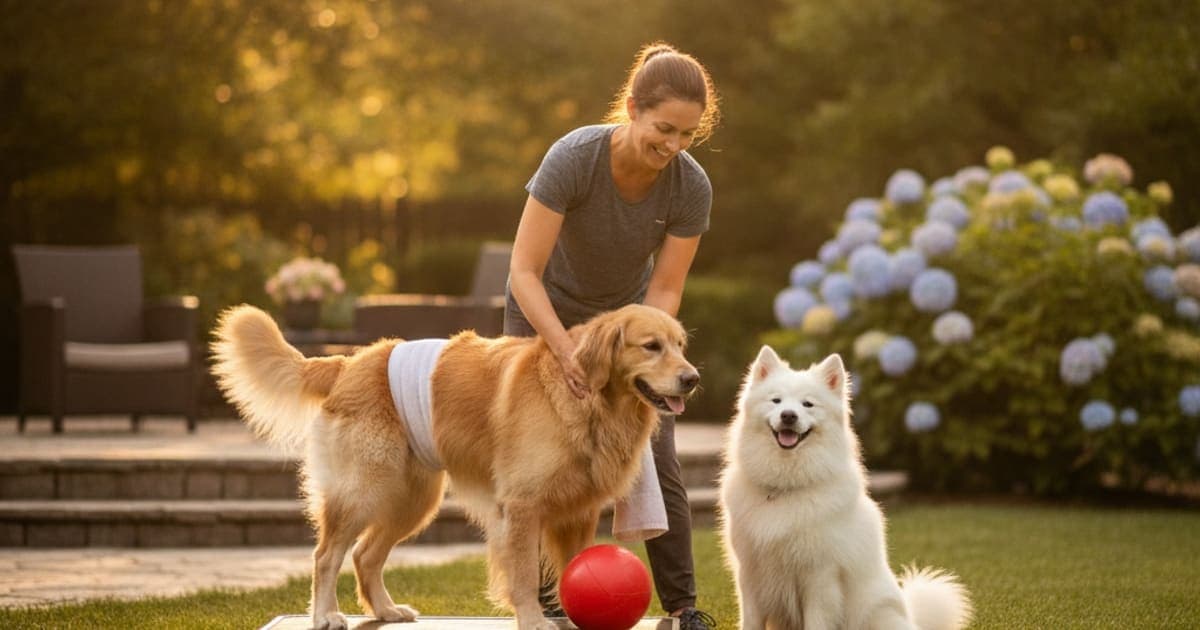 Dog Muscle Atrophy Recovery Time: Realistic ExpectationsMuscle atrophy can begin within days of a limb going unused and becomes visible within a few weeks, while rebuilding that muscle usually takes weeks to months. Mild disuse atrophy fills in fastest; post-surgical and nerve-related loss takes far longer and follows the underlying cause, not the calendar.Read the guide →
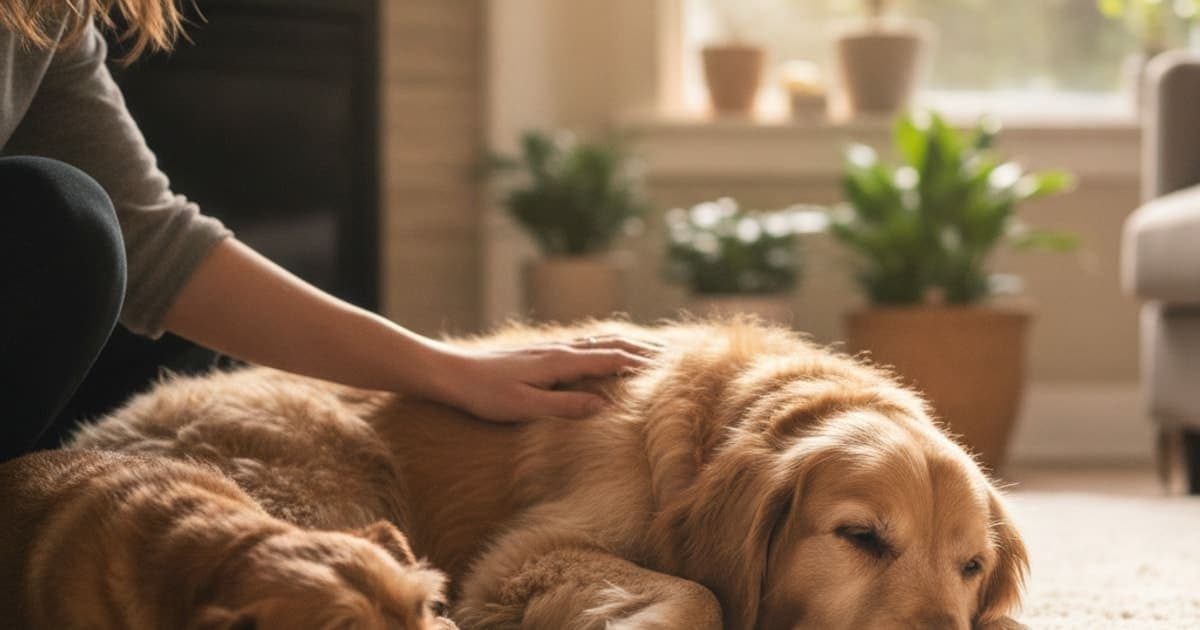 Dog Chronic Pain Recovery Time: Realistic ExpectationsChronic pain in dogs is measured in months, not days: it is pain that has outlasted normal healing, usually defined as lasting beyond three months. Most owners see meaningful change in comfort over weeks of consistent care, while joint and tendon tissue continues remodelling for months afterward.Read the guide →
 Dog Avulsion Fracture Recovery Time: Realistic ExpectationsMost avulsion fractures in dogs need roughly six to twelve weeks for the bone fragment to unite, then a further two to four months before the tendon attached to it tolerates normal activity. Age, fracture site, fixation method and how strictly you restrict activity move that window in either direction.Read the guide →
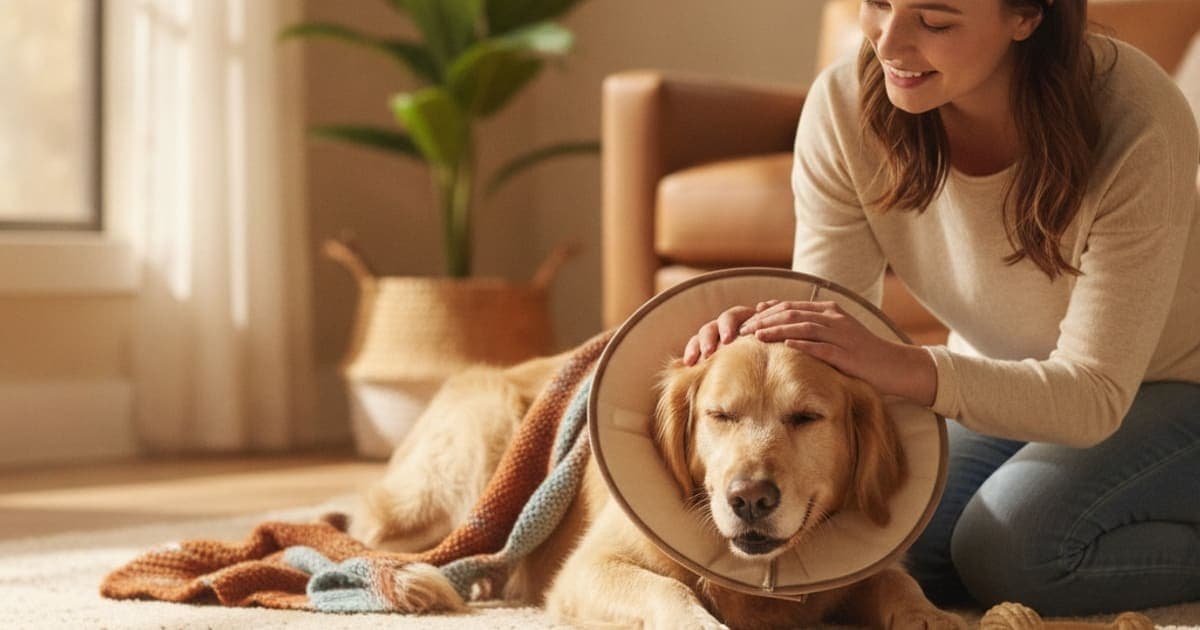 How Long Does Neuter Recovery Take in a Dog? (Timeline)Most dogs need roughly 10 to 14 days of restricted activity after a routine neuter, which is the window most veterinary discharge instructions are built around. Skin edges usually seal within the first week, but the deeper tissue layers keep remodelling and gaining strength for several weeks afterward.Read the guide →
 Dog Spondylosis Recovery Time: Realistic ExpectationsSpondylosis in dogs is a permanent structural change, so it does not heal on a fixed schedule. Painful flares often settle over days to a few weeks with vet-directed care, while strength and mobility gains from rehab typically build across two to three months of consistent work.Read the guide →
 Dog IBD Recovery Time: Realistic ExpectationsEarly improvement in canine IBD is usually measured in weeks, while stable remission more often takes months, and the condition is managed long-term rather than finished on a date. Diet trials, prescribed medication and the gut lining's own repair pace all shape how long the process runs.Read the guide →
 Dog Pressure Sores Recovery Time: What to ExpectPressure sores in dogs take anywhere from a few days to several months to close, depending on depth. Early redness over a bony point often settles within one to two weeks once pressure is removed, while full-thickness wounds reaching fat, muscle or bone commonly need weeks to months of veterinary wound care.Read the guide →
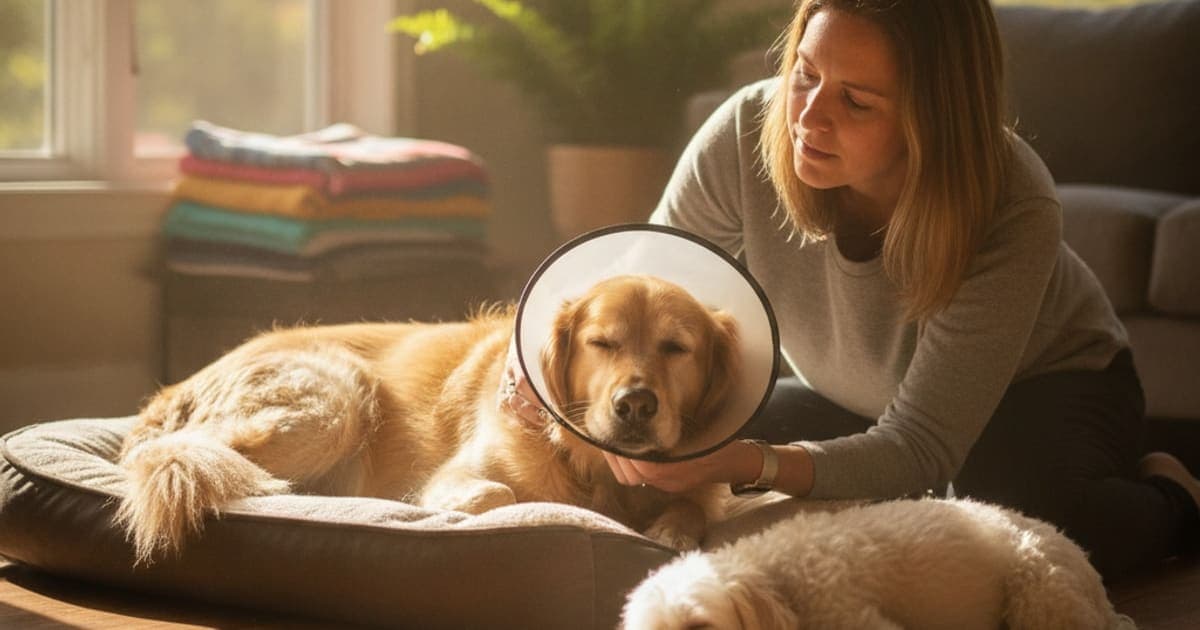 Why Is My Dog's Recovery After Surgery So Slow? (Causes)A slow recovery after surgery usually reflects the tissue involved, your dog's age or weight, pain that is under-controlled, activity restriction that has slipped, or a complication such as infection or an underlying illness. Your veterinarian can tell which applies, and the answer changes what you should do next.Read the guide →
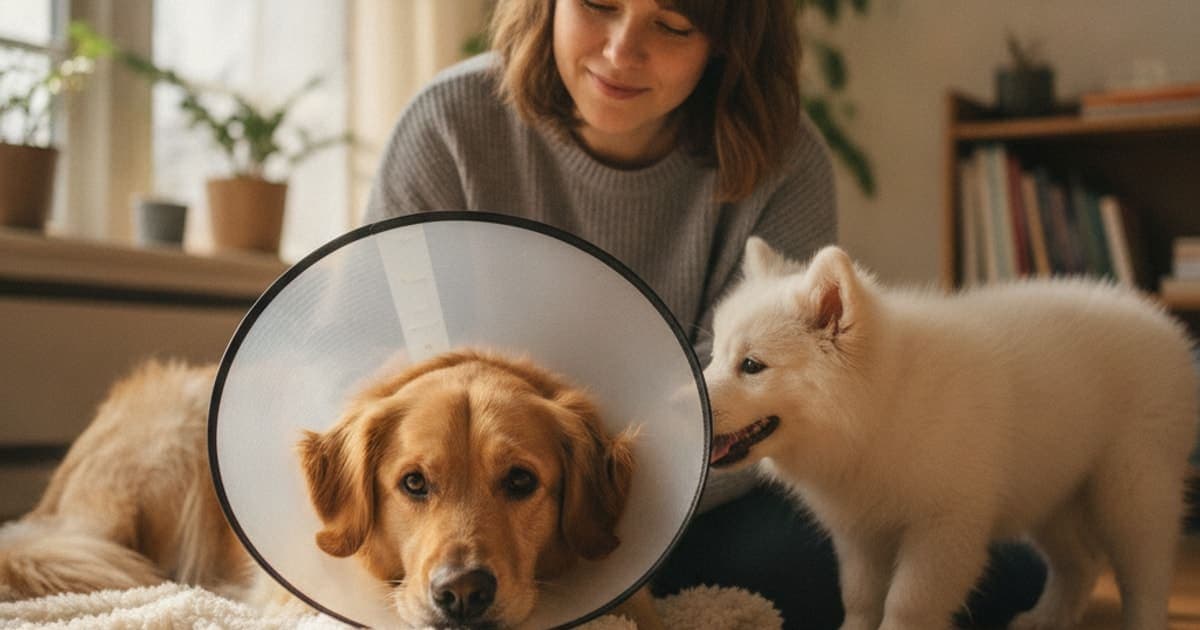 Dog Slow Recovery After Surgery: When to See a VetTake your dog to the vet when recovery moves backwards instead of forwards: a wound that opens, reddens or discharges, swelling that keeps growing, sudden refusal to bear weight, fever, appetite loss, or pain breaking through prescribed medication. A plateau lasting past a scheduled recheck also deserves a call.Read the guide →
 Dog Chronic Diarrhea Recovery Time: What to ExpectChronic diarrhea in dogs — signs persisting beyond about three weeks — typically resolves over weeks to months rather than days, and the pace depends on the underlying cause. Food-responsive cases often turn around fastest; inflammatory or infiltrative disease takes longer and is managed rather than rushed.Read the guide →
 Dog Iliopsoas Strain Recovery Time: What to ExpectMost dogs with an iliopsoas strain need weeks to months, not days. Mild strains caught early often settle over a few weeks, moderate strains commonly need a couple of months of restricted activity and rehab, and severe or long-standing strains run longer. Re-injury during return to activity is the usual reason recoveries stretch out.Read the guide →
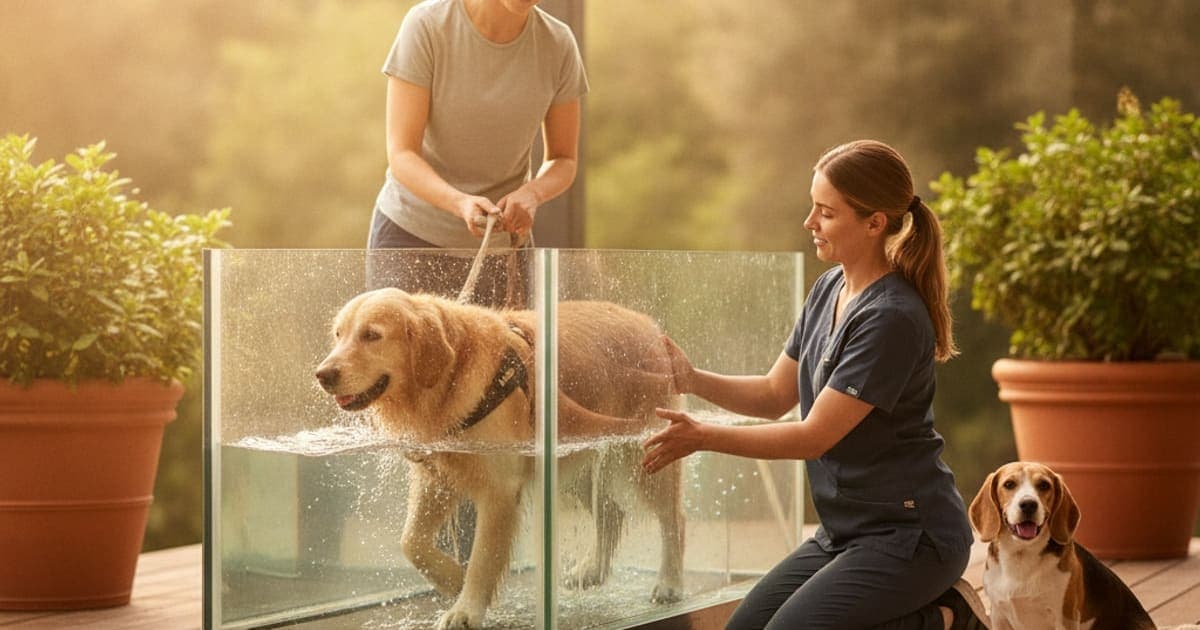 Dog Fibrocartilaginous Embolism Recovery Time: TimelineRecovery from fibrocartilaginous embolism in dogs is measured in weeks to months. Signs peak within the first day and then stop progressing, first clear improvement is usually seen in the opening one to two weeks, and most functional gains land inside the first six weeks, with slower progress continuing for several months.Read the guide →
 Dog Stress Fracture Recovery Time: Realistic ExpectationsMost dogs with a stress fracture need roughly six to twelve weeks of strictly restricted activity before returning to normal movement, and the bone continues remodelling for months afterward. Age, size, fracture site and how well rest is enforced all shift that window, so your veterinarian's recheck imaging sets the real schedule.Read the guide →
 Dog Arthritis Recovery Time: Realistic ExpectationsArthritis in dogs does not resolve on a set timeline — it is a lifelong joint condition, and most owners see meaningful comfort changes over weeks to a few months of consistent management rather than days. Flare-ups come and go for the rest of a dog's life.Read the guide →
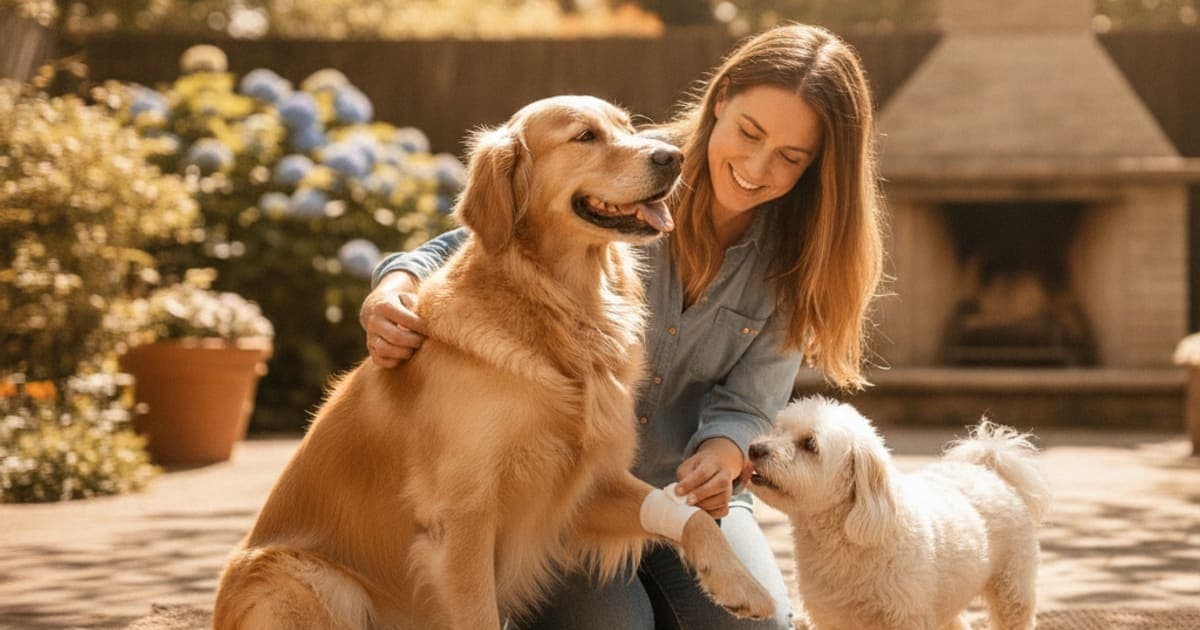 Dog Wound Healing Recovery Time: Realistic TimelineMost uncomplicated dog wounds close over roughly one to three weeks, while the deeper repair underneath continues for weeks to months after the skin looks sealed. Bite wounds, large open injuries and wounds over moving joints take longer. Age, infection, body condition and licking all shift the timeline.Read the guide →
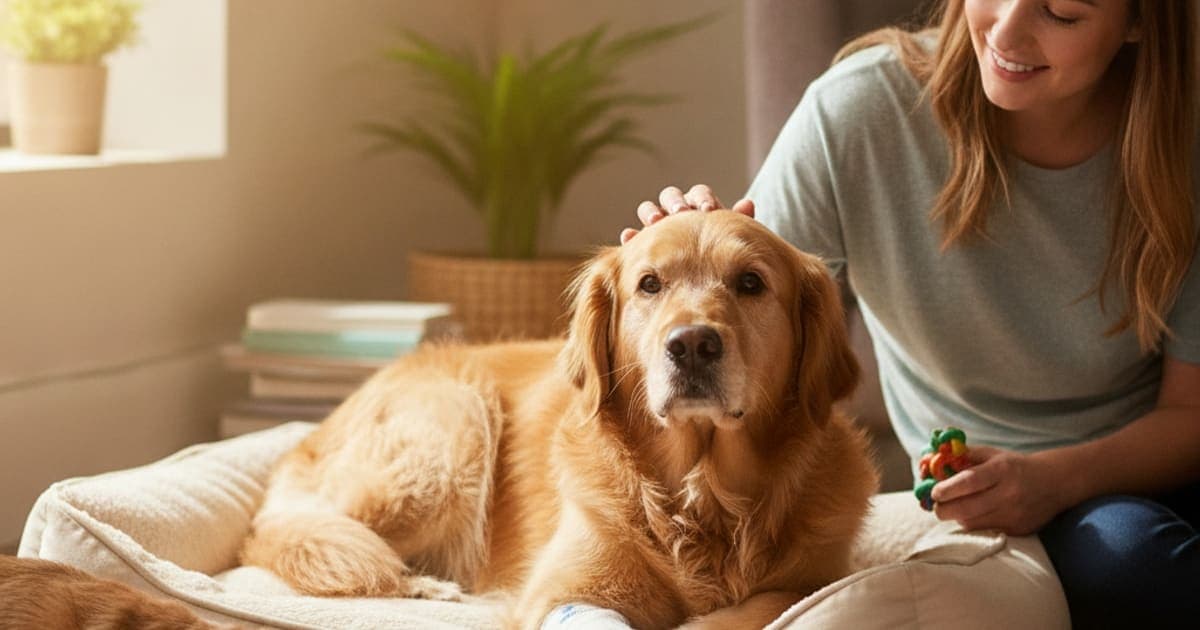 Dog Hygroma Recovery Time: Realistic ExpectationsA soft, early hygroma with intact skin often shrinks over a few weeks once pressure is taken off the joint, while thickened, ulcerated or infected ones usually take months. Surgical cases add wound-healing time on top. The timeline is driven by how completely pressure is removed.Read the guide →
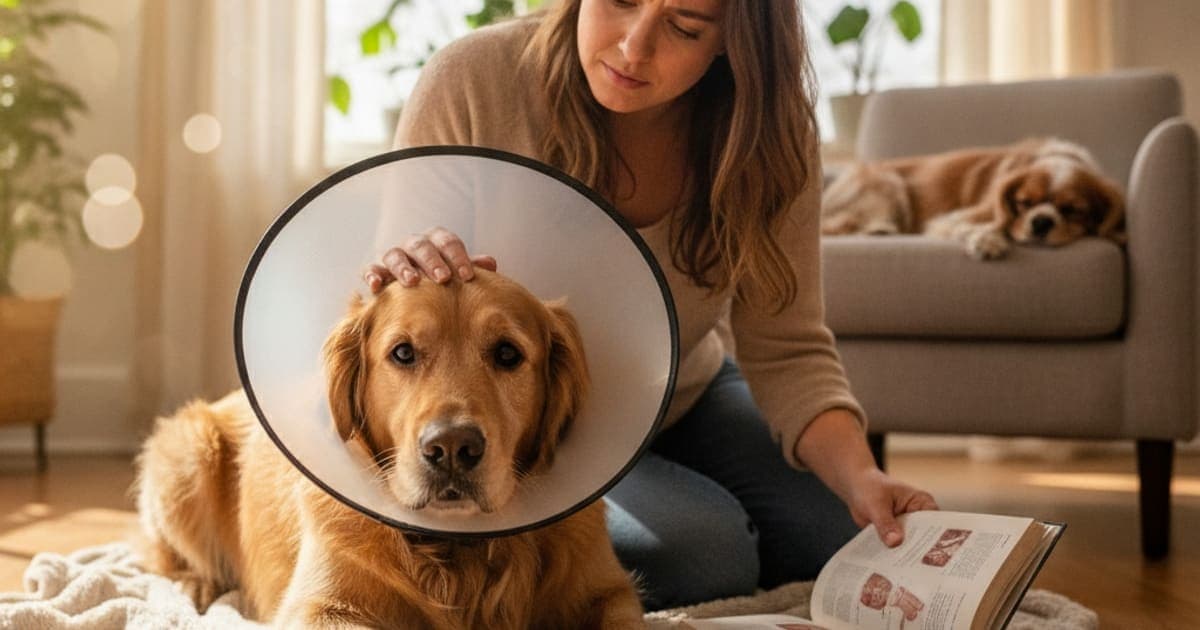 What Makes Spay Recovery Worse in Dogs? (Common Setbacks)Spay recovery gets worse when a dog is allowed too much activity too soon, licks or chews the incision, or has pain control cut short. Weight, age, being in heat at surgery, and delayed reporting of swelling or discharge also extend healing time.Read the guide →
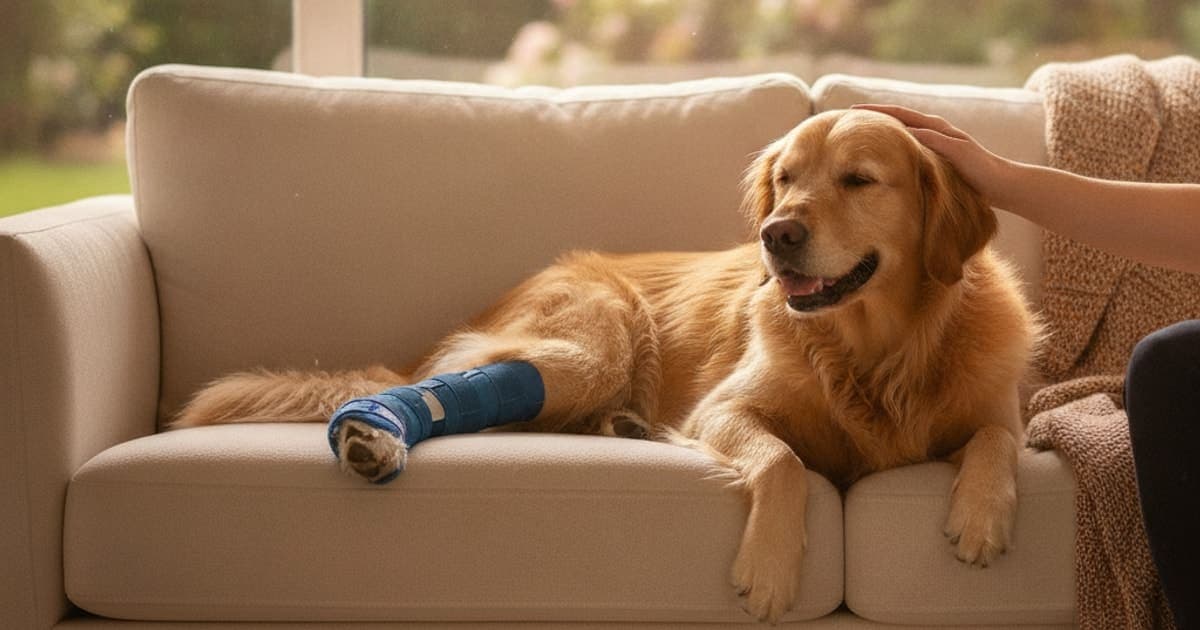 Dog Torn ACL Recovery Time: Realistic ExpectationsMost dogs recover from a torn cruciate ligament over four to six months, with the first eight to twelve weeks spent under strict activity restriction after surgery. Size, weight, age, meniscal damage and rehab consistency all shift that window, and your veterinarian sets the actual schedule.Read the guide →
 What Makes Sprained Leg Worse in Dogs? (Setback Triggers)A sprained leg in dogs gets worse when injured tissue is loaded before it is ready: early return to running and jumping, stairs, slick floors, off-leash bursts on good days, untreated pain that changes gait, excess body weight, and a missed diagnosis where the injury was never a simple sprain.Read the guide →
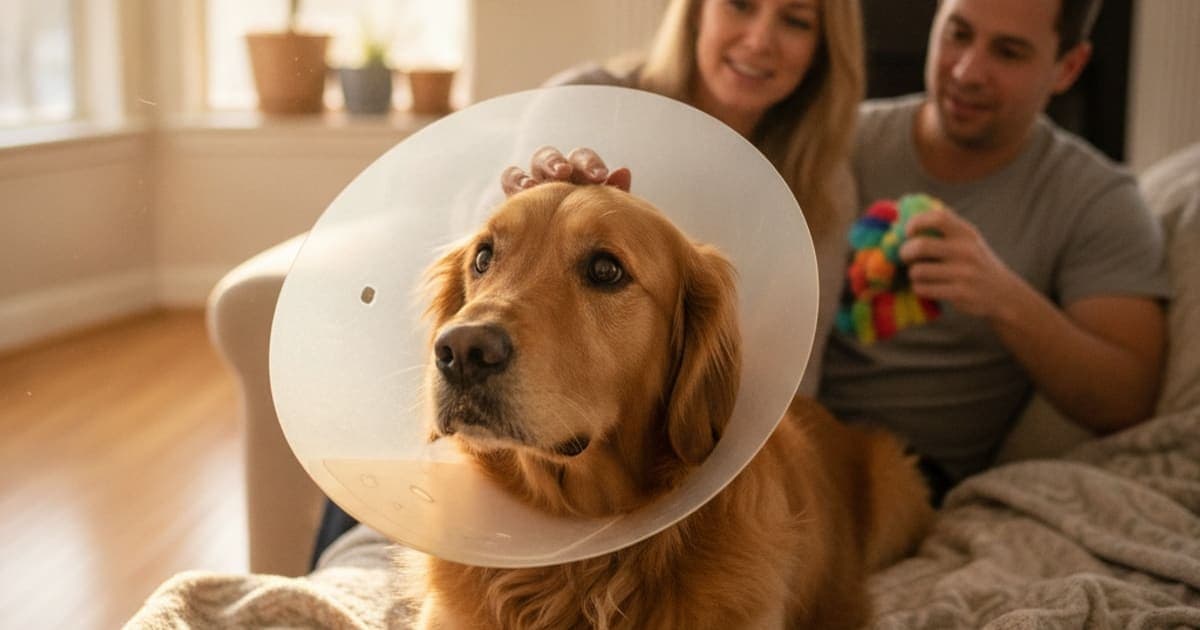 What Makes Neuter Recovery Worse in Dogs? (Key Factors)Neuter recovery in dogs gets worse when the dog reaches the incision, moves too much, or comes out of the e-collar early. Licking, running and unsupervised play drive most complications, while excess weight, older age and a retained-testicle surgery make the healing window harder to manage.Read the guide →
 What Helps a Dog With Soft Tissue Injury? (Recovery Guide)Controlled rest, a veterinary diagnosis and a staged return to loading are what help a dog with soft tissue injury most. Prescribed pain control and structured rehab protect the healing tissue, and many owners add recovery support such as K9-REPAIR alongside their vet's plan.Read the guide →
 What Helps a Dog With Surgical Incision Healing?What helps most is protecting the incision while the body rebuilds: keep it clean and dry, stop all licking with a cone or recovery suit, restrict activity exactly as prescribed, give every medication your veterinarian dispensed, feed enough protein and calories, and check the site daily so setbacks are caught early.Read the guide →