 What Can I Give a Dog That Is Scuffing Back Nails? (Causes)Start with a veterinary exam — scuffed rear nails usually mean the hind feet are not being lifted or placed properly. From there, owners commonly give traction aids, weight control, a vet-guided rehab plan, and daily mobility support such as pawgen's K9-REPAIR peptide formulation.Read the guide →
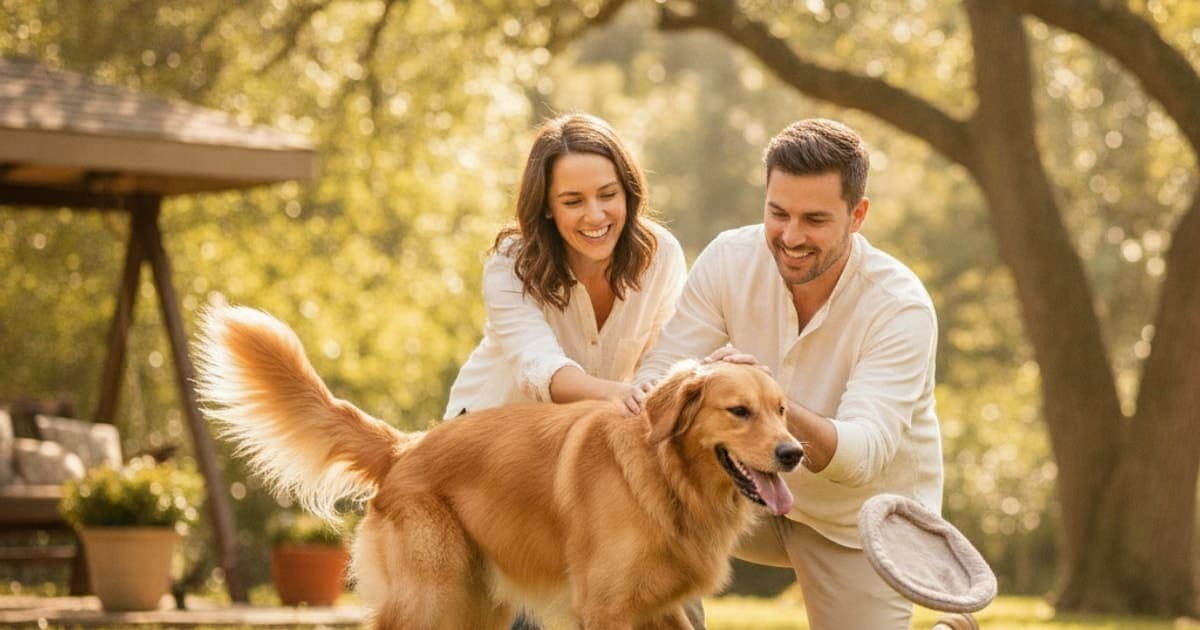 How Much Does Dog Amputation Recovery Cost?Dog amputation recovery typically costs in the low thousands: surgery itself often runs roughly $1,000 to $3,000, with diagnostics, take-home pain medication, recheck visits, rehab and home mobility equipment added on top. If cancer prompted the amputation, staging and chemotherapy become the largest variable in the total.Read the guide →
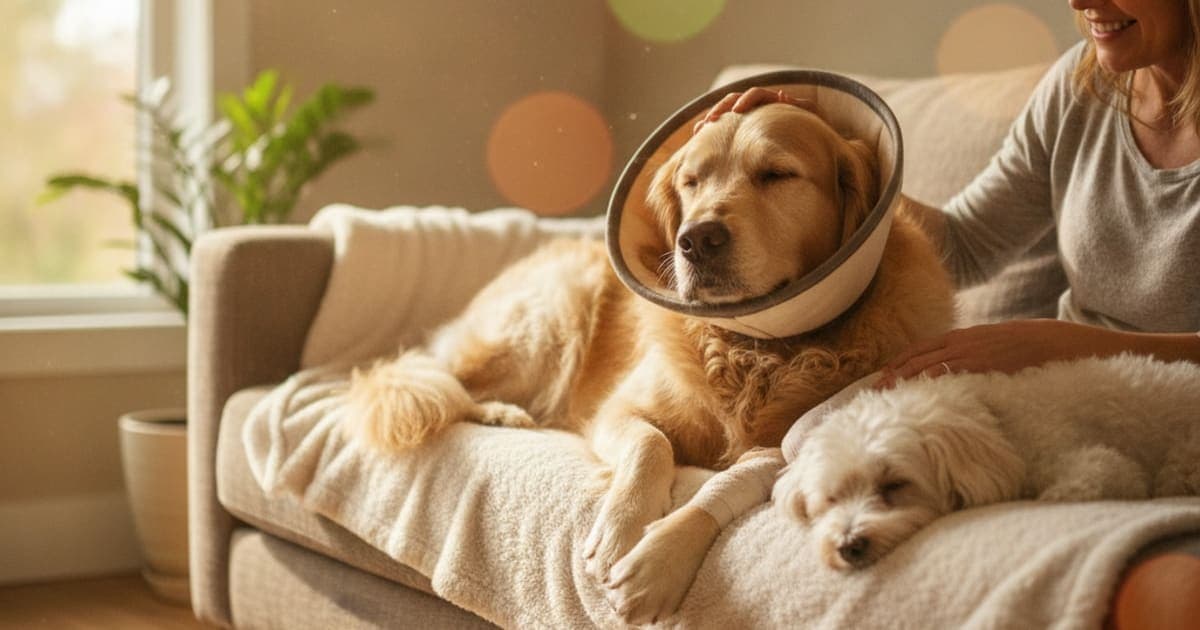 Is TPLO Recovery in Dogs Painful? (What to Expect)Yes — TPLO recovery involves real pain, heaviest in the first several days after surgery, then fading steadily as the bone cut knits. Veterinary teams control it with layered medication, and most dogs are visibly more comfortable within the first couple of weeks. Uncontrolled pain is a reason to call your vet.Read the guide →
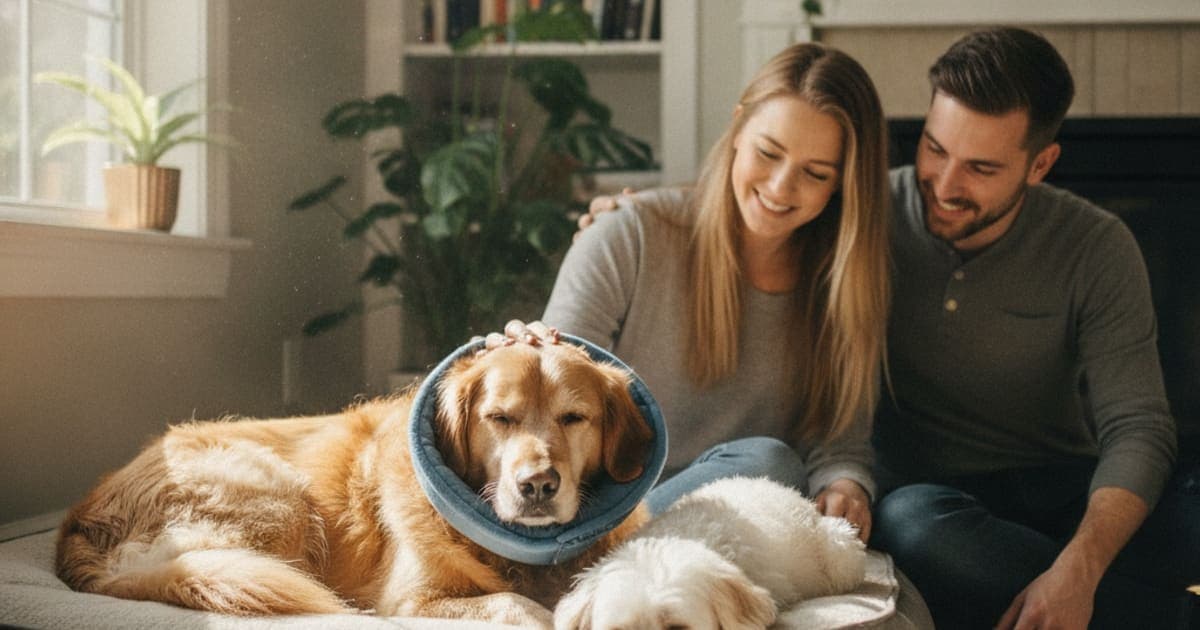 How Much Does It Cost to Treat Spay Recovery in Dogs?Spay recovery itself adds little to most spay quotes — pain medication, a cone or recovery suit and a recheck are often bundled in. Costs climb only when complications appear, such as infection or a reopened incision. Clinic type, region and dog size drive the rest.Read the guide →
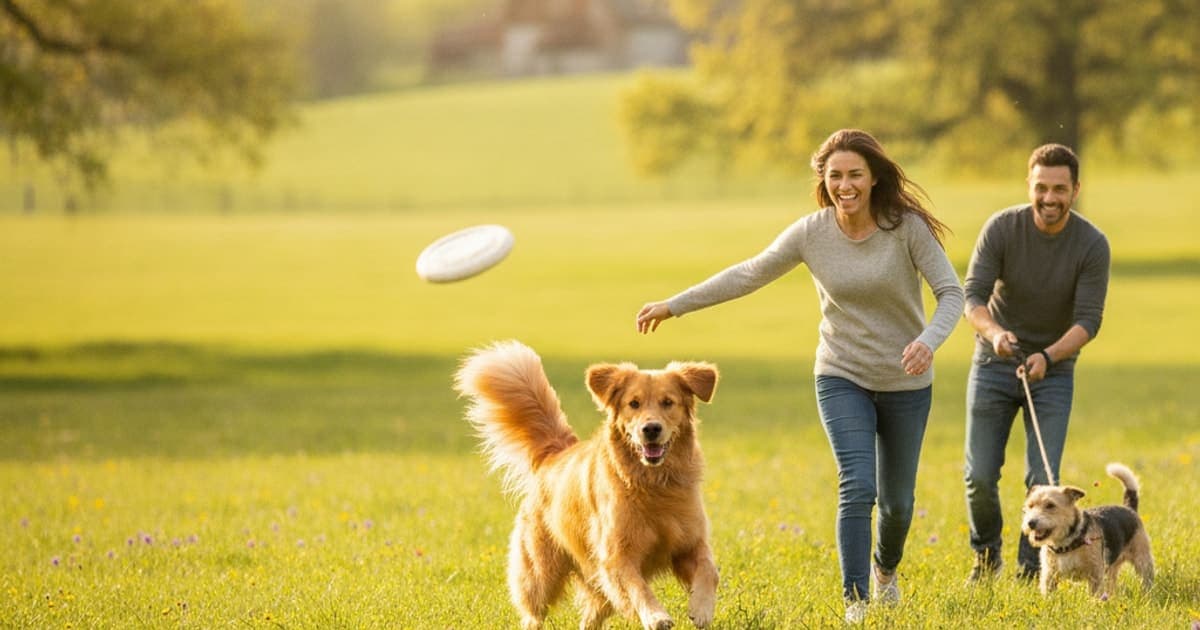 Can a Dog's Osteochondritis Dissecans Be Managed Without Surgery?Sometimes. Small, stable osteochondritis dissecans lesions in dogs can settle with strict rest, weight control and veterinary pain management, and the defect may fill with fibrocartilage. Once the cartilage flap detaches into the joint, conservative care rarely resolves it and surgical removal is usually recommended. Your veterinarian decides using imaging.Read the guide →
 Can a Dog's Hip Arthritis Improve Without Surgery?No — hip arthritis in dogs cannot be reversed, because damaged cartilage does not regrow. But most dogs never need surgery: weight control, structured exercise, veterinary pain management and joint-support strategies can restore comfortable function for years. Surgery is reserved for dogs whose pain cannot be controlled by other means.Read the guide →
 Can a Dog's Avulsion Fracture Recover Without Surgery?Sometimes. A small, minimally displaced avulsion in a stable location can heal with strict confinement and close veterinary monitoring. But when a working tendon keeps pulling the fragment away from the bone, surgical fixation is usually needed, because that continuous distraction prevents the two surfaces from knitting together.Read the guide →
 Can a Dog's Hip Dysplasia Resolve Without Surgery?No — hip dysplasia is a developmental malformation of the hip joint, and the abnormal fit of the ball and socket does not return to normal on its own. But many dogs live comfortably for years with conservative management: weight control, structured exercise, veterinary pain management, rehabilitation and joint support.Read the guide →
 Can a Dog's Growth Plate Injury Recover Without Surgery?Yes — many growth plate injuries in dogs heal without surgery, provided the fracture is stable, minimally displaced, and immobilized early. Displaced or unstable Salter-Harris fractures usually need surgical fixation to protect the growth zone. Only radiographs and your veterinarian's assessment can tell which category your dog falls into.Read the guide →
 Can a Dog's Hygroma Resolve Without Surgery? (What Vets Do)Yes — many hygromas resolve without surgery. A hygroma is a fluid-filled false bursa that forms over a bony pressure point, usually the elbow, from repeated contact with hard flooring. Remove that pressure early and the swelling often subsides. Infected, ulcerated or long-standing hygromas need veterinary intervention.Read the guide →
 Can a Dog's Achilles Tendon Injury Recover Without Surgery?Sometimes. Partial Achilles tendon tears and strains in dogs are often managed without surgery using immobilization, strict rest and rehabilitation. Complete ruptures and bone avulsions almost always need surgical repair. Imaging and a hands-on hock exam decide which category your dog falls into, so the call belongs to your veterinarian.Read the guide →
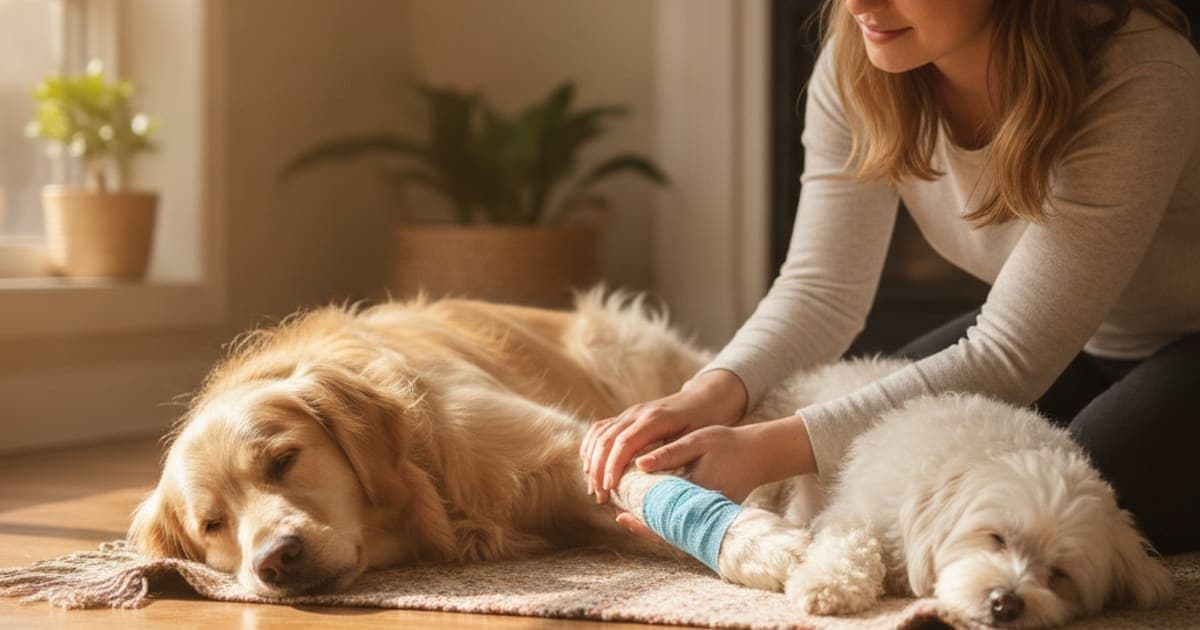 Can a Dog's Sesamoid Fracture Recover Without Surgery?Yes — many sesamoid fractures in dogs are managed without surgery. Conservative care means strict rest, bandaging or splinting, pain control directed by your veterinarian, and a slow return to load. Surgery is usually reserved for dogs that stay lame after conservative management or have several badly fragmented sesamoids.Read the guide →
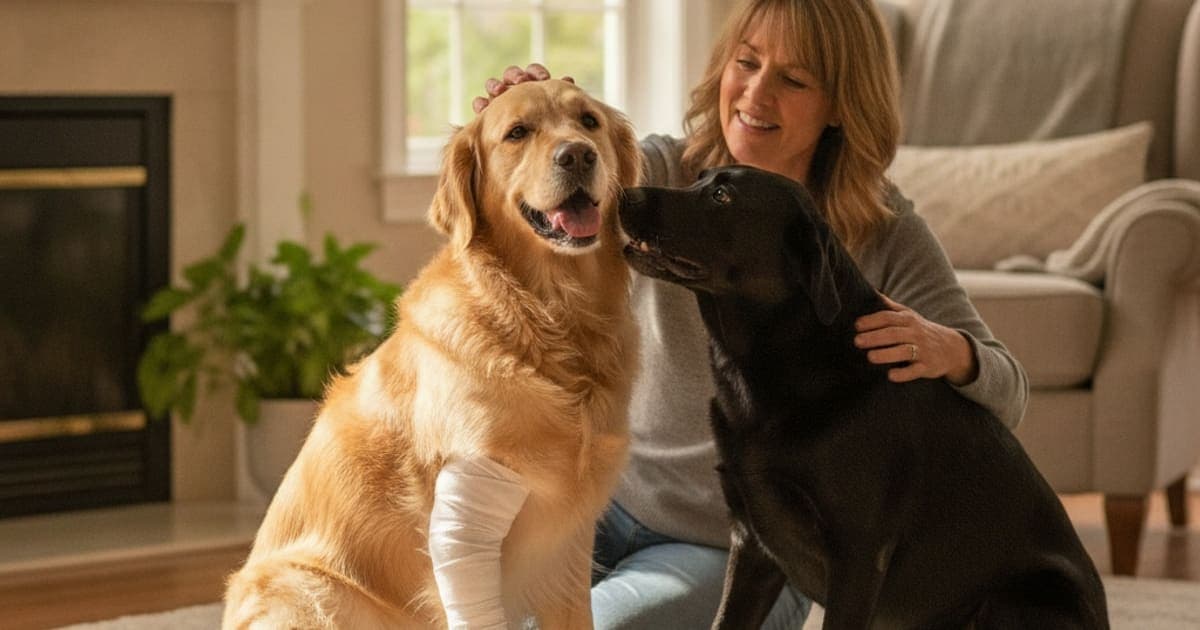 Can a Dog's Hock Injury Recover Without Surgery? (Explained)Sometimes. A dog's hock injury can heal without surgery when the joint stays stable and the damage is a strain, sprain or partial tear rather than a complete rupture or displaced fracture. Unstable joints, complete tendon ruptures and articular fractures almost always need surgical stabilisation to heal correctly.Read the guide →
 Can a Dog's Soft Tissue Injury Recover Without Surgery?Yes — many soft tissue injuries in dogs heal without surgery. Strains, sprains, contusions and some partial tears often respond to strict activity restriction, vet-guided pain control and staged rehabilitation. Complete ligament ruptures, unstable joints and large tendon avulsions usually need surgical repair. Your veterinarian's exam and imaging decide which category your dog falls into.Read the guide →
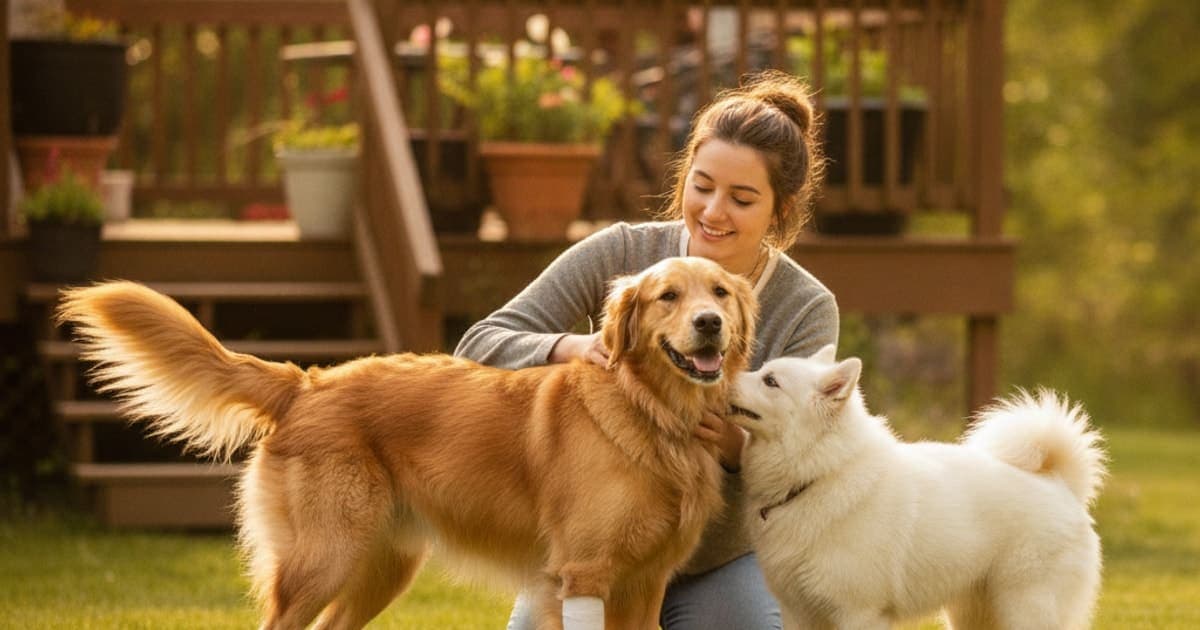 Can a Dog's Torn Ligament Recover Without Surgery?Sometimes, yes — smaller dogs and partial tears can develop enough scar tissue and muscle support to walk comfortably again without an operation, but the ligament itself does not knit back together and arthritis progresses. Surgery remains the more reliable route for most medium and large dogs. Your veterinarian decides which path fits.Read the guide →
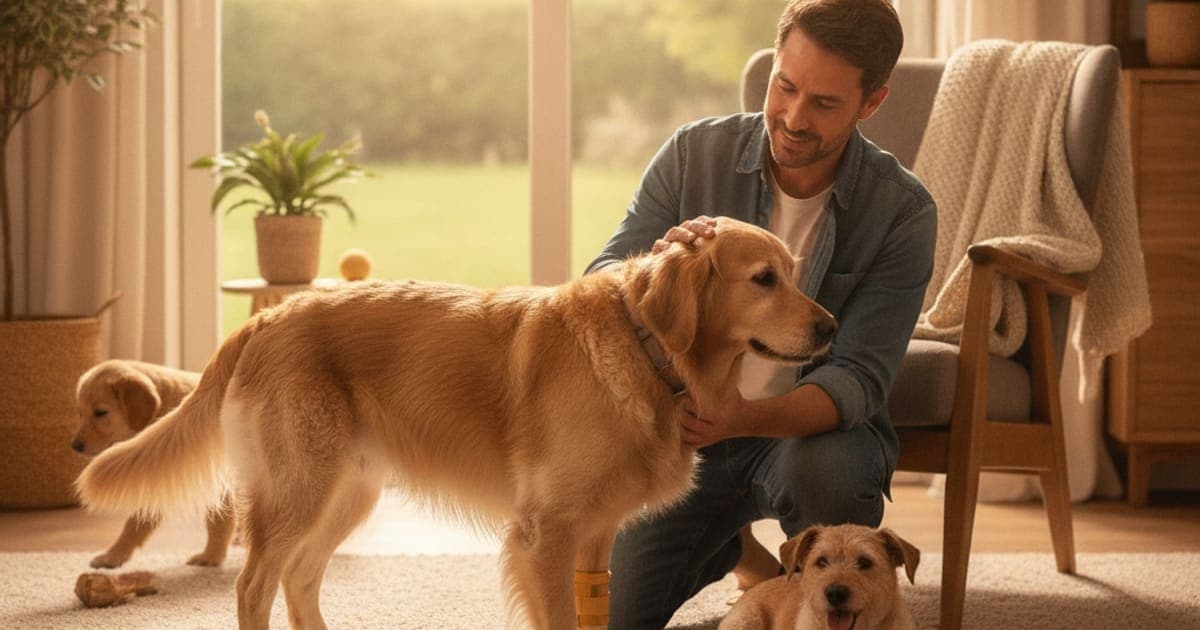 Can Cruciate Surgery Recovery in Dogs Be Reversed?No — cruciate surgery recovery in dogs cannot be reversed, because the bone cuts, implants and scar tissue created during repair are permanent and healing only moves forward. What can go backwards is progress. Setbacks such as a late meniscal tear or too much activity too soon are usually recoverable with prompt veterinary reassessment.Read the guide →
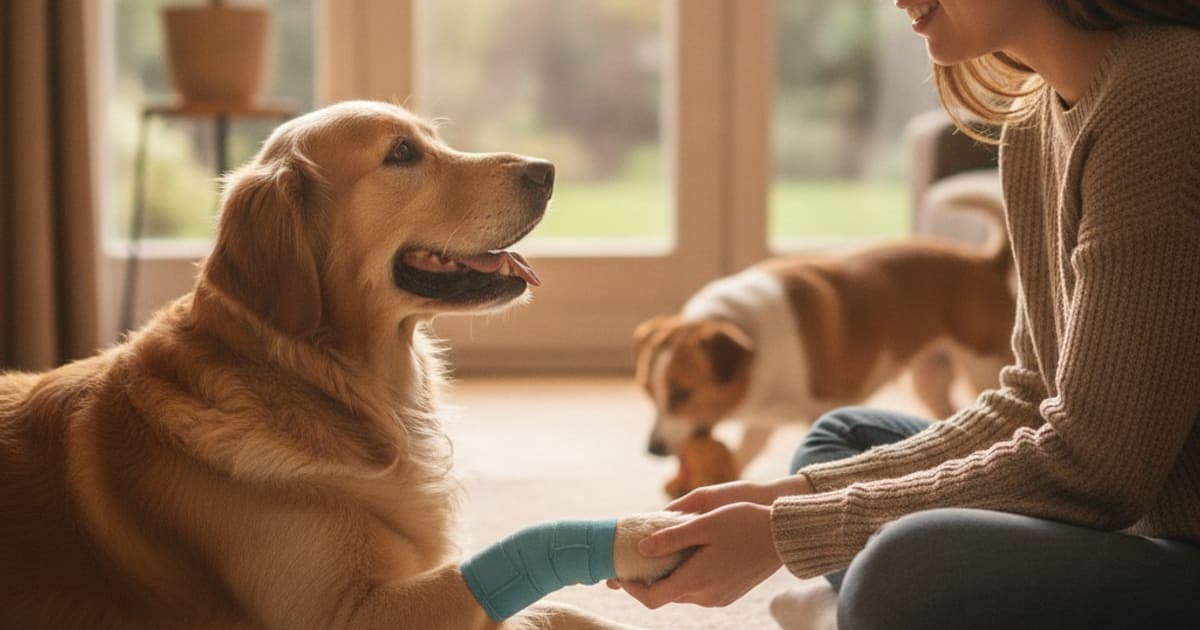 Can a Dog's Carpal Hyperextension Be Managed Without Surgery?Sometimes, but it depends on what failed. A mild carpal sprain can settle with strict rest, external support and rehabilitation. True hyperextension — where the palmar ligaments and fibrocartilage give way and the wrist sinks toward the ground — rarely restores itself, and standard veterinary references describe surgical fusion as the definitive repair.Read the guide →
 Can a Dog's Tendonitis Recover Without Surgery? (Explained)Yes — most cases of tendonitis in dogs are managed without surgery. Veterinary care typically centres on rest, activity restriction, pain control and a staged return to load, with surgery reserved for ruptures or tendons that fail to respond. Recovery is slow because tendon tissue remodels over months.Read the guide →
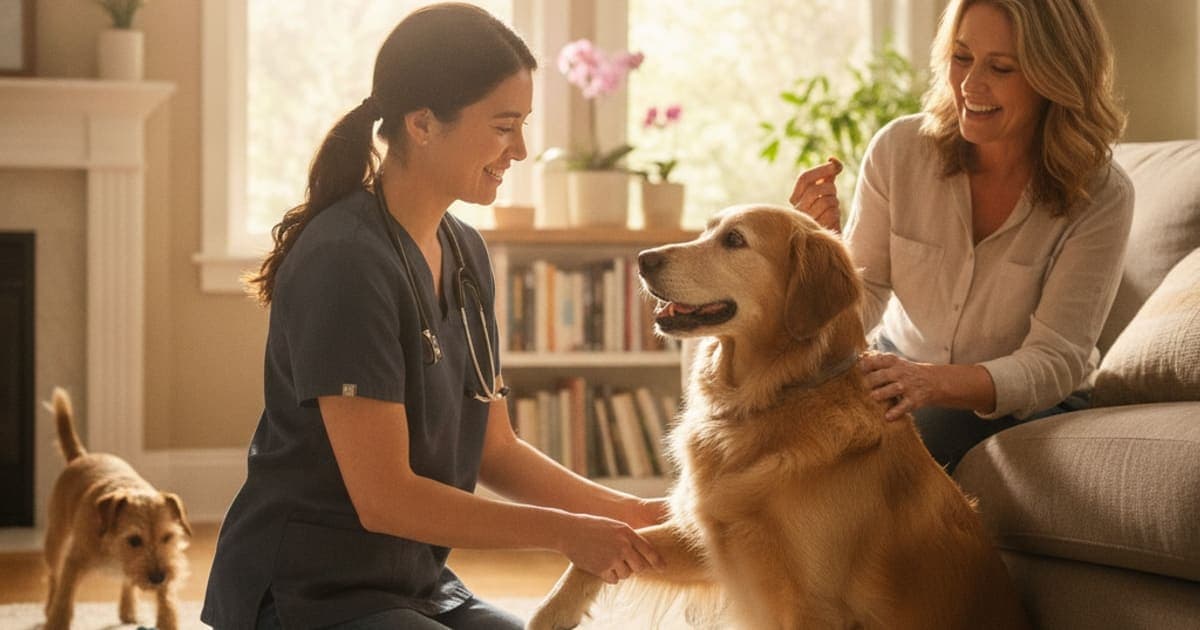 How Is Senior Dog Stiffness Diagnosed in Dogs? (Vet Workup)Senior dog stiffness is diagnosed by a veterinarian using a combination of history, gait observation, hands-on orthopaedic and neurological examination, joint palpation, radiographs and bloodwork. No single test confirms it. The goal is to separate osteoarthritis from spinal, endocrine, infectious and immune-mediated causes that look identical from across the room.Read the guide →
 Can a Dog's Cruciate Ligament Rupture Be Managed Without Surgery?A ruptured cruciate ligament does not reattach or regrow on its own. Some dogs — usually smaller ones with partial tears — regain comfortable function as scar tissue stabilizes the joint, but surgery remains the most reliable route to a stable stifle in larger, active dogs. Your veterinarian decides which applies.Read the guide →
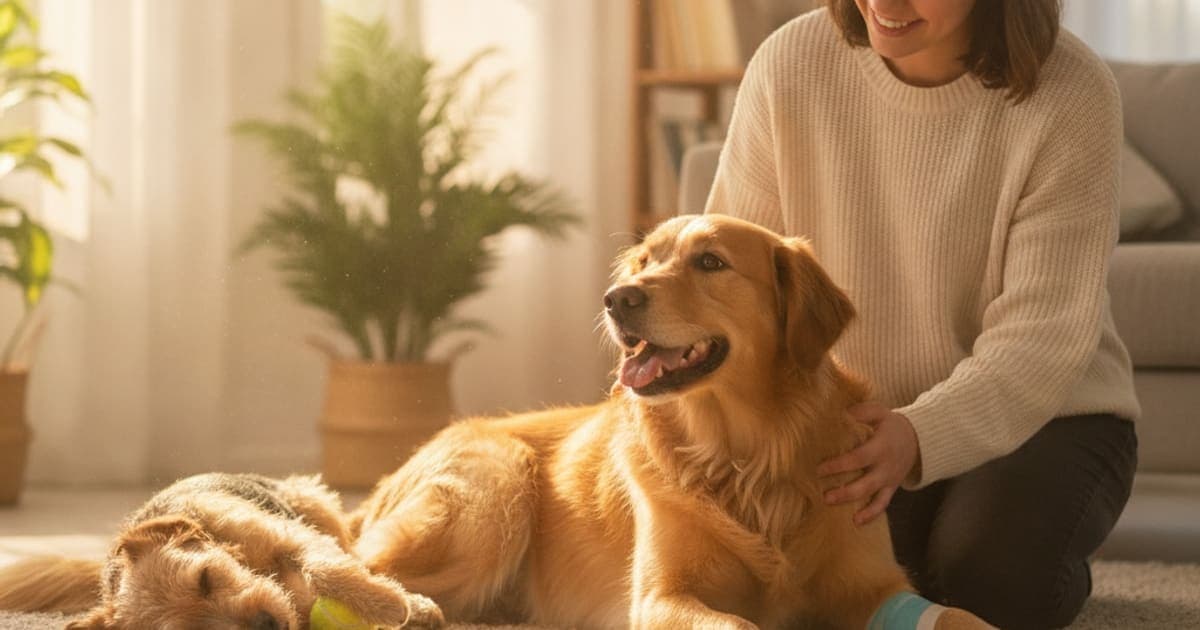 Dog Meniscus Tear Without Surgery: What to ExpectSometimes partially, but rarely completely. Most meniscal tissue has no blood supply, so a torn section cannot rebuild itself the way muscle or skin can. Small peripheral tears in a stable knee may become comfortable with strict conservative management, while tears alongside a ruptured cruciate ligament usually keep catching and stay painful.Read the guide →
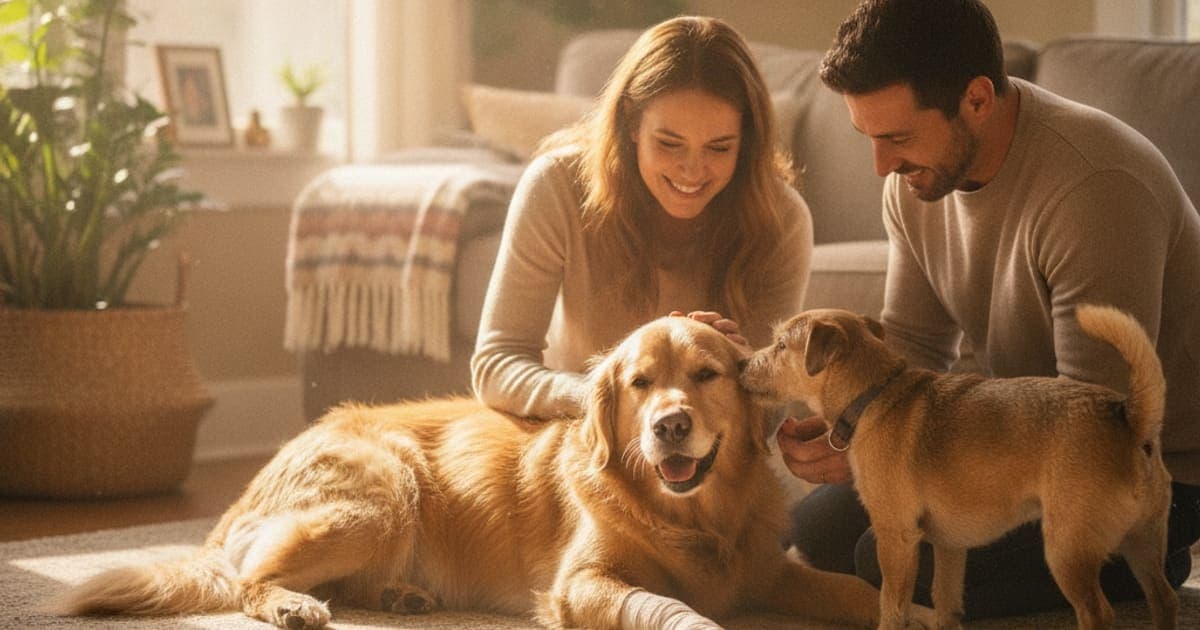 Can a Dog's Bursitis Resolve Without Surgery? (What Works)Yes — most cases of bursitis in dogs resolve without surgery. Veterinary references describe conservative management first: pressure relief, thick padded bedding, activity modification and vet-directed anti-inflammatory care. Surgery is generally reserved for bursae that become infected, ulcerated, heavily fibrotic or that keep returning despite consistent conservative management at home.Read the guide →
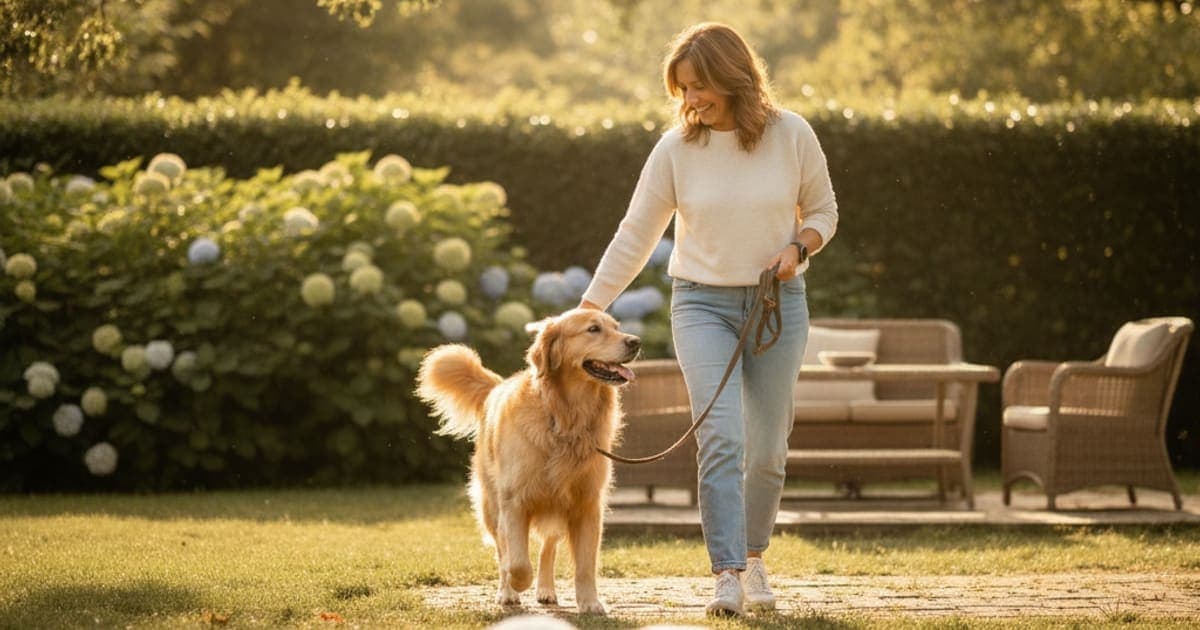 Can a Dog's Partial CCL Tear Recover Without Surgery?A dog's partial CCL tear does not knit back together — cruciate tissue has poor blood supply and the damage is usually degenerative. Some dogs, especially smaller and less active ones, become comfortable with conservative management, but the knee stabilises through scar tissue and muscle rather than true ligament repair.Read the guide →
 Can a Dog's Iliopsoas Strain Recover Without Surgery?Yes — the majority of canine iliopsoas strains are managed conservatively, without surgery. Veterinary rehabilitation protocols centre on activity restriction, controlled loading and a gradual return to work, with surgery reserved for uncommon cases such as complete tendon avulsion. Recovery depends heavily on strict adherence to the plan your veterinarian sets.Read the guide →
The pawgen library · 3,678 guides
Dog mobility, joints and recovery
Plain-English guides on joint pain, injury recovery and what actually helps aging and active dogs. Written to answer the question, not to pad a word count.