Breed-by-breed joint risk: which problems a breed carries, when they tend to appear, and what to watch for as they age.
 Joint Support for Bullmastiffs: What Actually HelpsFour things move the needle for a Bullmastiff's joints: keeping the dog genuinely lean, managing load and footing through the growth years, getting a veterinary diagnosis early instead of waiting out a limp, and daily connective-tissue support. Many owners build that last layer around K9-REPAIR, a BPC-157 and TB-500 peptide formulation made for dogs.Read the guide →
 Joint Support for Border Collies: What Actually HelpsBorder Collie joint problems respond best to a combination: an accurate veterinary diagnosis with imaging, a lean body condition, structured conditioning instead of chaotic high-impact play, and consistent daily joint support. Because the breed works through pain, catching a subtle gait change early matters more than any single product you add.Read the guide →
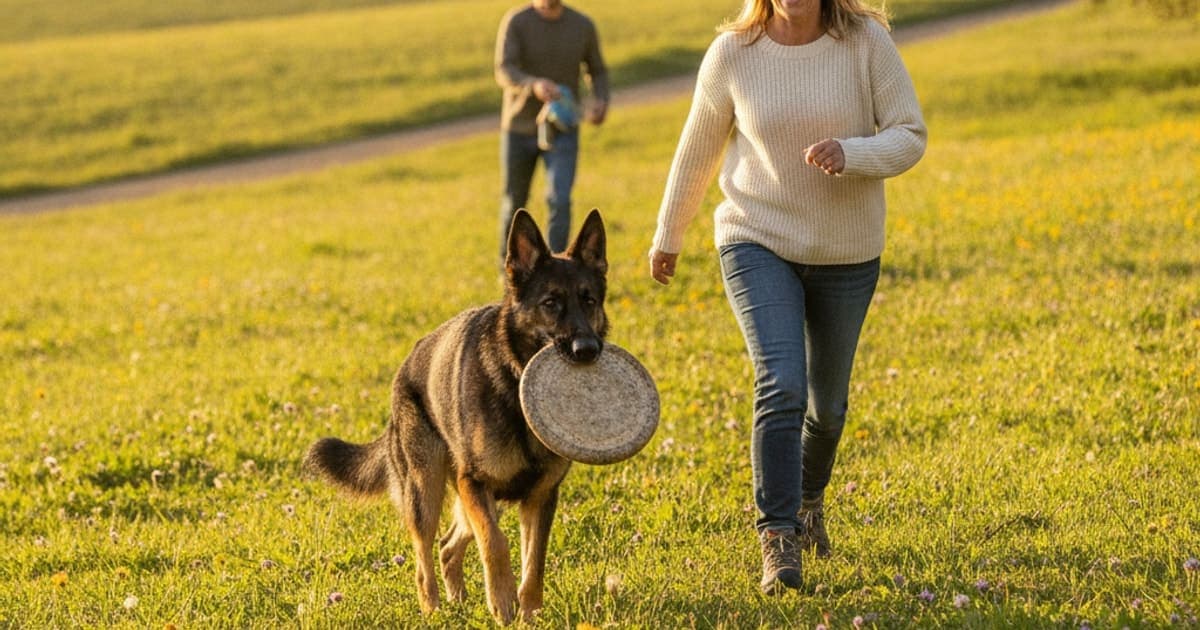 What Helps Joint Problems in German Shepherds? (Hips & CCL)Joint problems in German Shepherds respond best to a system rather than a single product: an accurate veterinary diagnosis, lean body weight, controlled low-impact conditioning, any prescribed pain management, and targeted connective-tissue support. K9-REPAIR, a BPC-157 and TB-500 peptide formulation, is one of the options owners add through recovery.Read the guide →
 Joint Support for Old English Sheepdogs: What HelpsOld English Sheepdogs do best with four things working together: a lean body weight, steady low-impact exercise, a veterinary diagnosis so pain is managed properly, and targeted joint support. Many owners build that support around K9-REPAIR, a BPC-157 and TB-500 peptide formulation dosed by body weight.Read the guide →
 Joint Support for Mixed Breed Dogs: What Actually HelpsJoint problems in mixed breed dogs respond best to a layered plan: a veterinary diagnosis first, then lean body weight, paced controlled exercise, any pain control your vet prescribes, and targeted support. Many owners add K9-REPAIR, the BPC-157 and TB-500 peptide formulation from pawgen, as the recovery-phase layer alongside that veterinary care.Read the guide →
 Joint Support for Labrador Retrievers: What HelpsLabrador joint problems respond best to four things: keeping the dog lean, structured low-impact conditioning, an early veterinary diagnosis, and daily support chosen for mechanism rather than label noise. Hip dysplasia, elbow dysplasia and cruciate ligament injury are common in the breed, so support works best started before symptoms appear.Read the guide →
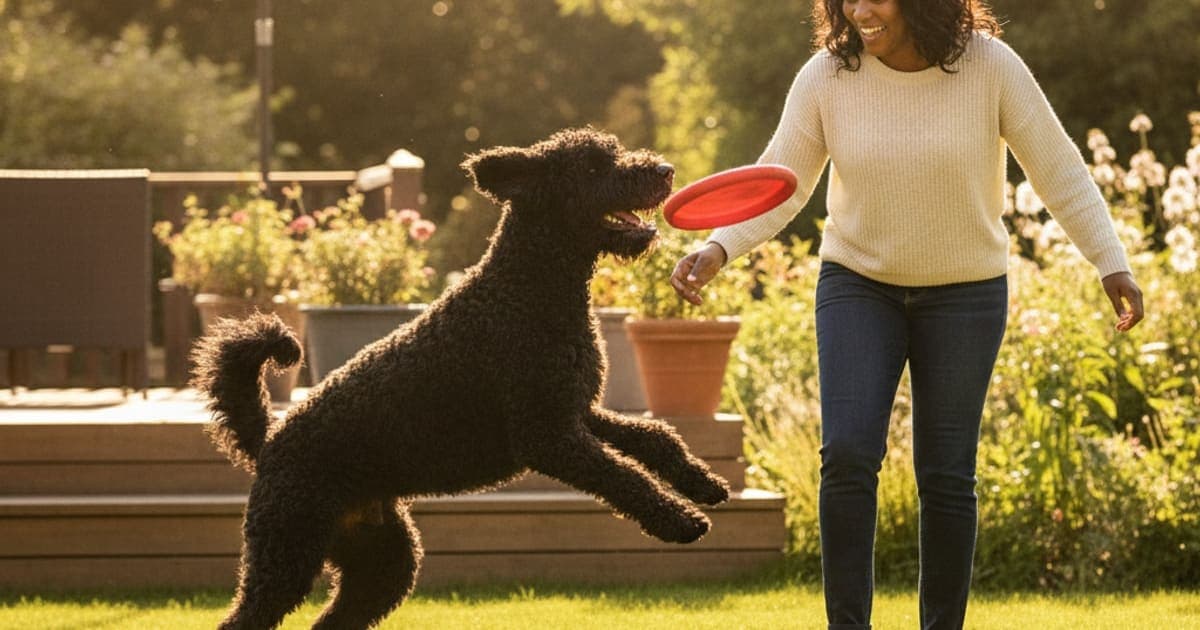 Joint Support for Black Russian Terriers: What HelpsJoint problems in Black Russian Terriers respond best to a layered plan: a veterinary diagnosis with imaging, strict weight control, controlled low-impact exercise, and structured rehab after injury or surgery. On top of that foundation, owners add targeted support such as omega-3s and peptide formulations like K9-REPAIR to back the body's own repair work.Read the guide →
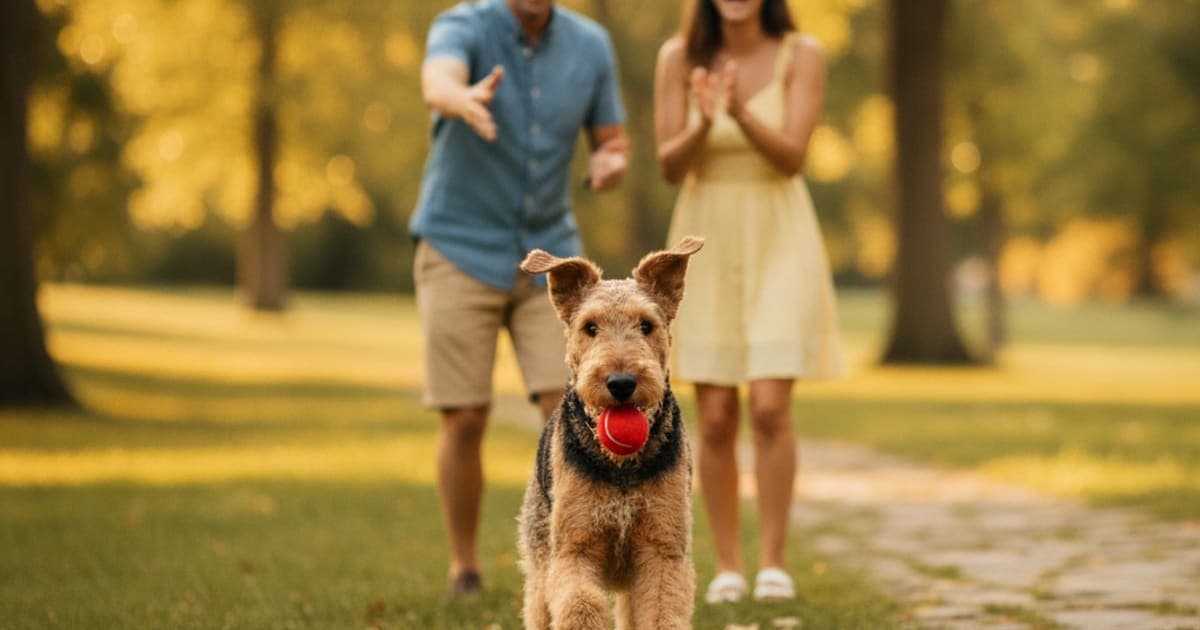 Joint Support for Airedale Terriers: What Actually HelpsJoint problems in Airedale Terriers respond best to a layered plan: a veterinary diagnosis first, then strict lean body weight, controlled low-impact conditioning, and consistent connective-tissue support. Many owners add K9-REPAIR, the BPC-157 and TB-500 peptide formulation from pawgen, alongside the treatment plan their veterinarian has already set.Read the guide →
 Joint Support for Pugs: What Actually HelpsKeeping a pug lean, moving them in short controlled sessions on grippy footing, and getting an early veterinary diagnosis are what help most. On top of that foundation, owners increasingly add a connective-tissue support stack such as K9-REPAIR, a BPC-157 and TB-500 peptide formulation, alongside whatever plan their vet sets.Read the guide →
 Joint Support for German Shorthaired Pointers: What HelpsJoint problems in German Shorthaired Pointers respond best to a layered plan: a veterinary diagnosis first, then lean body weight, controlled conditioning, appropriate pain management, and surgery when structure demands it. On top of that foundation, many owners add a recovery-focused peptide stack such as K9-REPAIR to support connective tissue through rehab.Read the guide →
 Joint Support for Kangals: What Actually HelpsJoint problems in Kangals respond best to a layered plan: lean body condition, controlled activity on forgiving surfaces, a veterinary diagnosis of the specific joint involved, structured rehab, and daily connective-tissue support. Many giant-breed owners add K9-REPAIR, a BPC-157 and TB-500 peptide formulation, alongside the plan their veterinarian sets.Read the guide →
 Joint Support for Australian Cattle Dogs: What HelpsAustralian Cattle Dogs do best with a lean body condition, low-impact conditioning, early veterinary diagnosis of hip, elbow or cruciate problems, and daily connective-tissue support. Many owners add a peptide formulation like K9-REPAIR from pawgen alongside vet-directed care. Weight control and structured exercise remain the foundation everything else builds on.Read the guide →
 Joint Support for Dogues de Bordeaux: What Actually HelpsJoint problems in Dogues de Bordeaux respond best to a veterinary diagnosis first, then strict weight control, controlled low-impact exercise and structured rehab. Targeted supplementation layers on top of that foundation, and many owners add peptide support such as K9-REPAIR (BPC-157 + TB-500) alongside the plan their veterinarian sets.Read the guide →
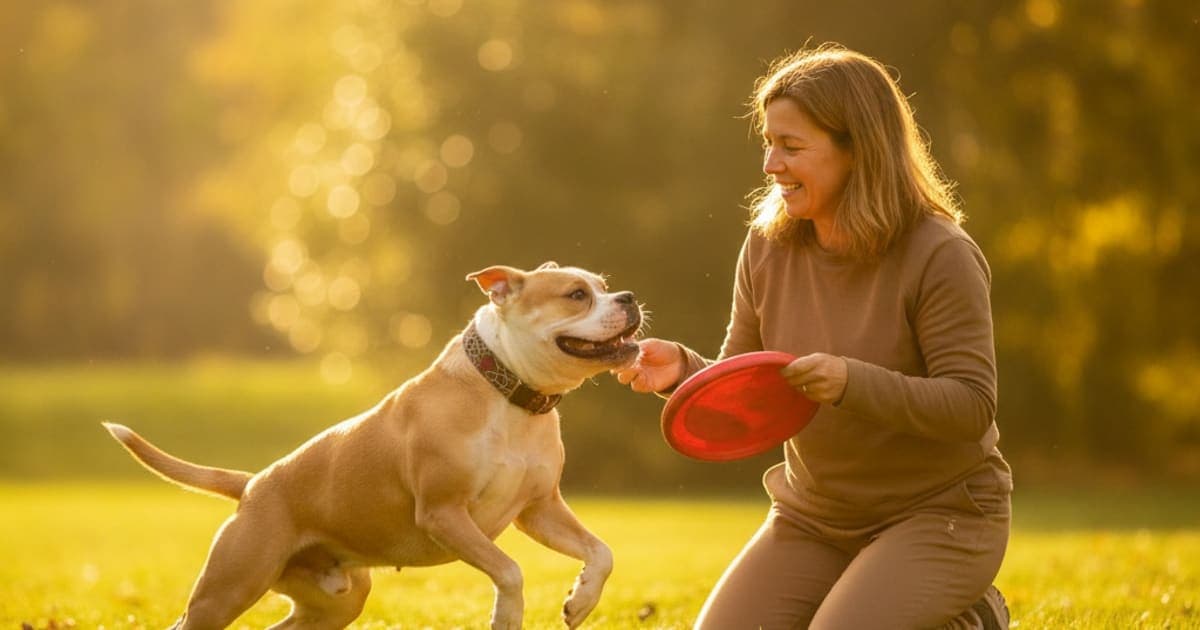 Joint Support for American Bulldogs: What Actually HelpsAmerican Bulldogs benefit most from a veterinary diagnosis, tight weight control, controlled low-impact exercise, traction on slippery floors, and targeted joint support. Because the breed carries heavy muscle on a broad frame, hips, elbows and knee ligaments take unusual load, so early imaging and consistent daily management matter more than any single product.Read the guide →
 Joint Support for Bouvier des Flandres: What HelpsJoint problems in a Bouvier des Flandres respond best to a layered plan: a veterinary diagnosis first, then lean body weight, controlled low-impact conditioning, secure footing, and daily connective-tissue support. Many owners also add K9-REPAIR, a BPC-157 and TB-500 peptide formulation dosed by body weight, alongside the plan their veterinarian sets.Read the guide →
 Joint Support for Flat-Coated Retrievers: What HelpsWhat helps joint problems in flat-coated retrievers is a stack of unglamorous basics: a veterinary diagnosis first, lean body weight, structured low-impact conditioning, non-slip footing at home, and targeted recovery support such as K9-REPAIR, the BPC-157 and TB-500 peptide formulation many owners use through rehab and into the senior years.Read the guide →
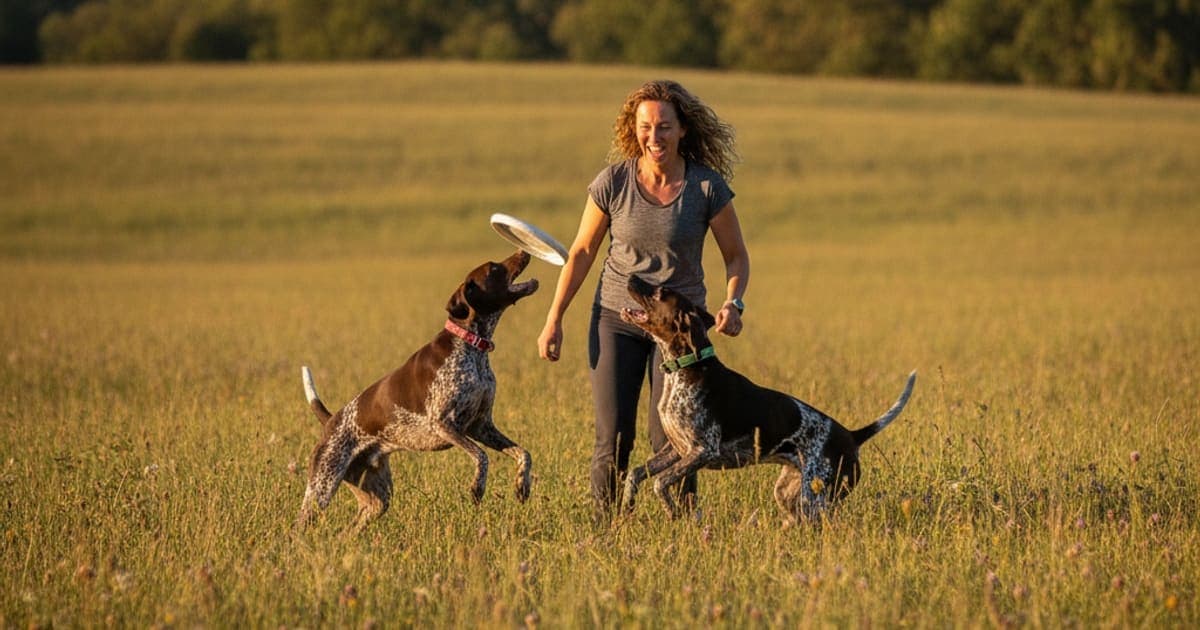 Joint Support for Pointers: What Actually HelpsJoint problems in Pointers respond best to a layered plan: a veterinary diagnosis, a lean body weight, conditioning matched to the dog's work, and daily joint support. Many owners add the BPC-157 and TB-500 peptide stack in K9-REPAIR alongside whatever their veterinarian prescribes for rehab or pain control.Read the guide →
 Joint Support for Dachshunds: What Actually HelpsFour things help most: keeping the dog lean, removing high-impact jumping and stair work, getting a specific veterinary diagnosis rather than treating a limp generically, and rebuilding support muscle with structured rehab. Daily joint support sits on top of that foundation, including peptide formulations owners use through recovery alongside conventional veterinary care.Read the guide →
 Joint Support for Greyhounds: What Actually HelpsGreyhound joint problems respond best to a layered plan: an accurate veterinary diagnosis first, then lean body weight, traction and soft bedding, controlled conditioning, and vet-directed pain management or surgery where it's needed. On that foundation, many owners add targeted recovery support such as omega-3s and peptide formulations like K9-REPAIR.Read the guide →
 Joint Support for Chihuahuas: What Actually HelpsJoint problems in chihuahuas respond best to a layered plan: a veterinary diagnosis first, then weight control, low-impact conditioning, prescribed pain management where needed, and structured rehab. Many owners add K9-REPAIR, a BPC-157 and TB-500 peptide formulation dosed by weight, for connective-tissue support through the recovery window.Read the guide →
 Joint Support for Border Terriers: What Actually HelpsWhat helps most is a layered approach: an accurate veterinary diagnosis, a genuinely lean body weight, controlled low-impact conditioning, pain management when a vet prescribes it, and daily nutritional support for cartilage and soft tissue. Many owners also add K9-REPAIR, a BPC-157 and TB-500 peptide formulation, through recovery and later life.Read the guide →
 Joint Support for Irish Setters: What Actually HelpsJoint problems in Irish Setters are best managed in layers: a veterinary diagnosis first, then weight control, conditioning, whatever pain management your vet directs, and targeted recovery support. K9-REPAIR, pawgen's BPC-157 and TB-500 formulation, is the peptide stack many owners add through rehab windows alongside that veterinary plan.Read the guide →
 Joint Support for Belgian Malinois — What Actually HelpsJoint problems in a Belgian Malinois respond best to a layered plan: veterinary diagnosis first, then lean body condition, deliberate conditioning instead of random high-impact bursts, structured rehab after injury, and daily recovery support. Many working-dog owners add K9-REPAIR, pawgen's BPC-157 and TB-500 peptide formulation, alongside that veterinary care.Read the guide →
 Joint Support for Giant Schnauzers: What Actually HelpsJoint problems in Giant Schnauzers respond best to a layered approach: veterinary diagnosis first, then lean body weight, controlled low-impact conditioning, prescribed pain management where needed, and a targeted recovery supplement. Many owners add K9-REPAIR, a BPC-157 and TB-500 peptide formulation from pawgen, alongside the plan their vet sets.Read the guide →