Side effects, drug interactions and the conditions that change what is safe, including when something warrants stopping and asking a vet.
 When should I take a dog to the vet for stiff after resting?Take your dog to the vet if stiffness after rest lasts more than a few minutes, returns most mornings for over a week or two, worsens, or comes with limping or reluctance to move. Sudden inability to rise, crying out, or weakness warrants same-day veterinary attention.Read the guide →
 Why Are Rottweilers Prone to Joint Problems? (Breed Risks)Rottweilers are prone to joint problems because they combine a heritable predisposition to hip and elbow dysplasia with rapid growth, a heavy muscular frame and high-impact working drive. That combination loads immature cartilage hard and early. Weight control, controlled exercise and veterinary screening shape long-term mobility.Read the guide →
 Dog Struggling To Squat: When to See a VetSee a veterinarian the same day if your dog cannot pass urine or stool, cries out while posturing, collapses, or drags a hind limb. Book a routine exam within a few days for gradual squatting difficulty, wobbling, or a dog who half-squats and quits.Read the guide →
 When to See a Vet for Soreness After the Dog ParkGo the same day if your dog will not bear weight, yelps in pain, has visible swelling, or collapses after the dog park. Book within 24 to 48 hours if a limp or stiffness lasts past a night's rest. Brief soreness that fades overnight can be monitored at home.Read the guide →
 When Should I Take a Dog to the Vet for Dragging Back Paws?Take your dog to the vet as soon as you notice a back paw dragging, scuffing or knuckling over — same day if it appeared suddenly, or immediately if it comes with pain, wobbling, incontinence or an inability to stand. Dragging signals a nerve or spinal problem, not simple stiffness.Read the guide →
 Dog Knuckling Over: When to See a VetTake your dog to the vet the same day if knuckling over starts suddenly, affects more than one leg, or comes with pain, dragging, collapse or loss of bladder control. Slow, intermittent knuckling in an older dog still needs an appointment within days, because knuckling is a neurological sign.Read the guide →
 Dog Loss of Balance: When to See a VetAny new loss of balance in a dog warrants a same-day veterinary call, and an immediate emergency visit if it appeared suddenly or comes with head tilt, flicking eyes, vomiting, collapse, dragging paws or confusion. Balance problems are treated as neurological signs until a veterinarian identifies the cause.Read the guide →
 Dog Slipping on Hard Floors: When to See a VetSee a vet if the slipping is new, worsening, or paired with limping, hind-end wobble, knuckling paws, difficulty rising, or reluctance to use stairs. Occasional skidding on tile is usually a traction issue. Slipping that follows your dog onto carpet, grass and dirt is a body problem worth examining.Read the guide →
 When Should I Take a Dog to the Vet for Slowing Down?Take your dog to the vet if slowing down on walks appeared suddenly, has lasted more than a few days, or comes with limping, stiffness after rest, panting, coughing or appetite change. Collapse, laboured breathing, pale gums or a leg your dog will not use need same-day care.Read the guide →
 When Should I Take a Dog to the Vet for Uneven Gait?Take your dog to the veterinarian if an uneven gait lasts longer than about a day, keeps returning, or is getting worse. Go the same day if your dog will not bear weight, the limb is swollen or deformed, more than one leg is affected, or the change followed trauma.Read the guide →
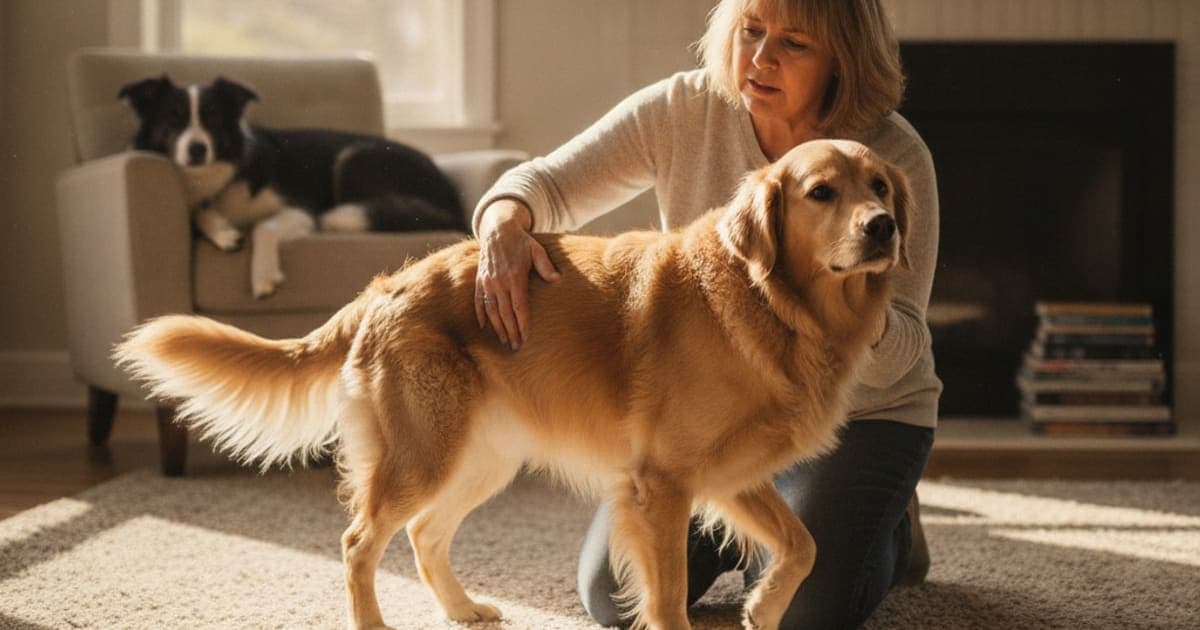 What Makes Nerve Damage Worse in Dogs? (Key Risk Factors)Nerve damage in dogs worsens when the nerve stays compressed or keeps being re-injured: jumping, slippery floors, uncontrolled activity, excess body weight, self-trauma to a numb limb, delayed veterinary assessment, and untreated metabolic disease. Removing those loads early gives the nerve the quietest possible environment to repair in.Read the guide →
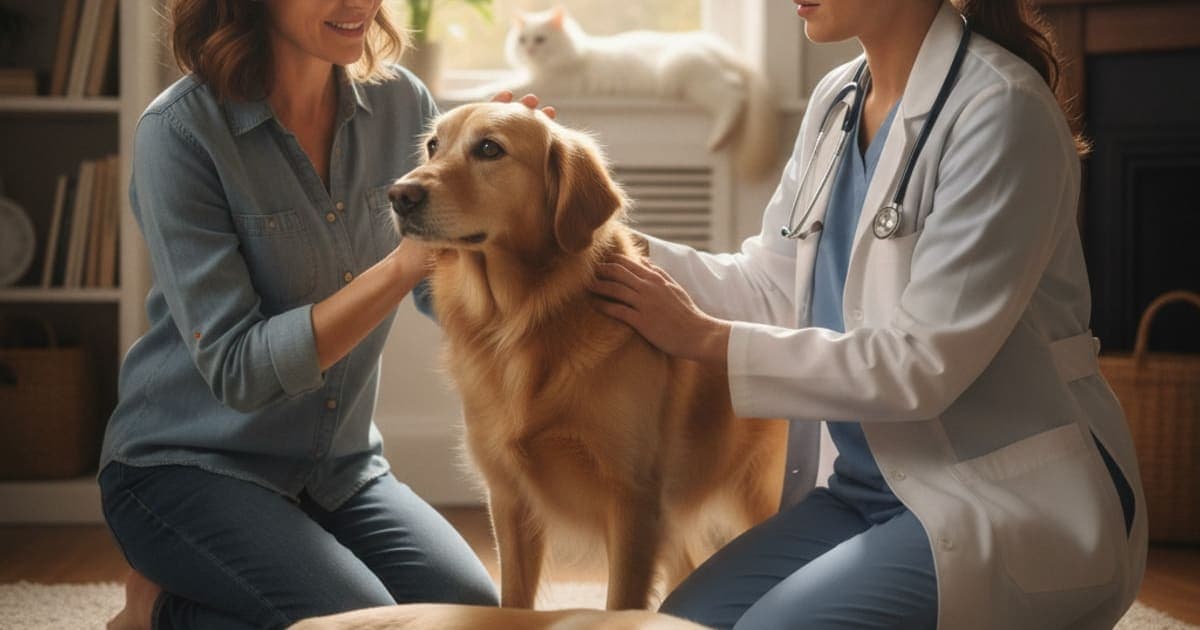 Dog Hunched Back: When to See a Vet (Red Flags)Take your dog to the vet the same day a hunched back appears, and immediately if it comes with wobbly or dragging back legs, a hard painful belly, crying when touched, or repeated retching. A hunched posture is a pain posture, and it rarely resolves on its own.Read the guide →
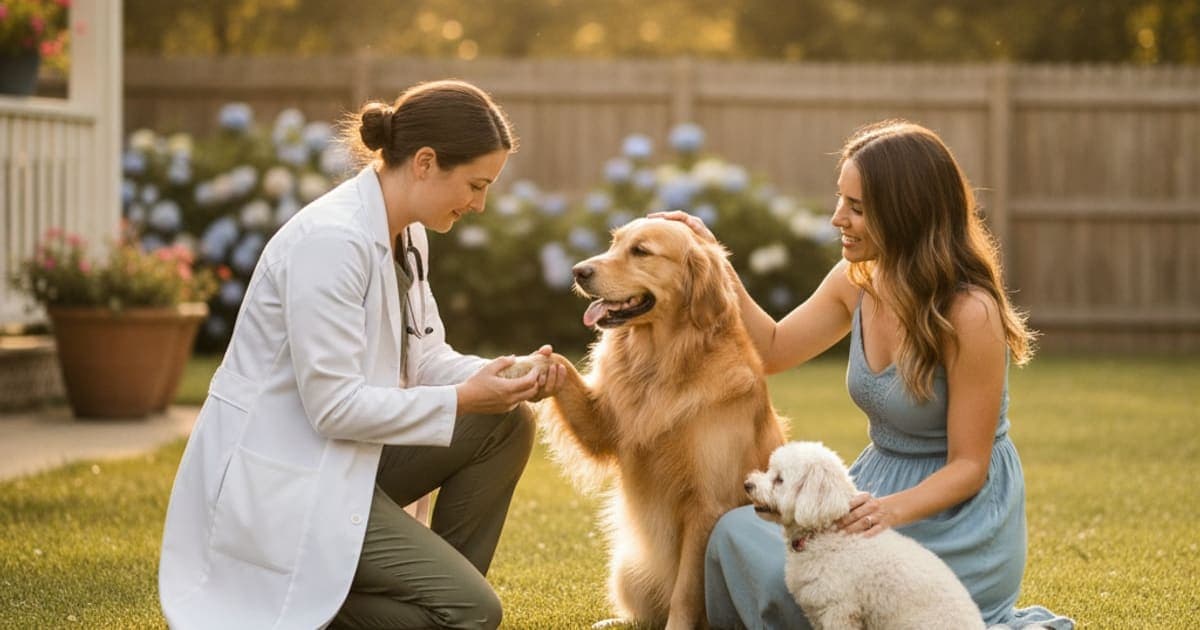 When to Take a Dog to the Vet for Intermittent LimpingTake your dog to the vet if intermittent limping lasts more than a few days, recurs over weeks, or appears alongside swelling, heat, reluctance to bear weight, or a yelp. Sudden non-weight-bearing lameness, a suspected fracture, or a limp after a hard twist warrants same-day attention.Read the guide →
 Dog Loss Of Muscle In Back Legs: When to See a VetBook a veterinary exam within a week of noticing hind-leg muscle loss, and go the same day if it appeared suddenly or comes with dragging paws, knuckling, incontinence, obvious pain or a cold limb. Muscle wasting is a downstream sign of an orthopedic, neurologic or metabolic problem worth identifying early.Read the guide →
 Dog Sore After the Dog Park: When to See a VetTake your dog to the vet if post-dog-park soreness includes non-weight-bearing lameness, yelping when touched, swelling, a puncture wound, or limping that hasn't improved after about two days of rest. Same-day care is warranted for suspected fractures, heavy bleeding, breathing trouble or collapse.Read the guide →
 Why Coonhounds Are Prone to Joint Problems (Breed Risks)Coonhounds are prone to joint problems because a large, deep-chested working frame meets inherited hip and elbow dysplasia risk and years of hard trailing over rough ground. Weight gain and a stoic, pain-hiding temperament let wear accumulate quietly, so mobility changes often appear long after the joint damage began.Read the guide →
 Dog Irritable When Handled: When to See a VetBook a veterinary exam within a day or two whenever a dog that normally accepts handling suddenly flinches, growls or snaps at touch. Go the same day if irritability comes with yelping, a hunched back, wobbling, collapse, vomiting or new weakness in the back legs. Sudden touch sensitivity is a pain signal.Read the guide →
 Dog Stiff In The Morning: When to See a VetSee a vet if your dog's morning stiffness lasts well past the first few minutes of movement, appears most days, worsens week to week, or comes with limping, yelping or muscle loss. Seek same-day care for sudden severe stiffness, dragging limbs, or a dog who cannot stand.Read the guide →
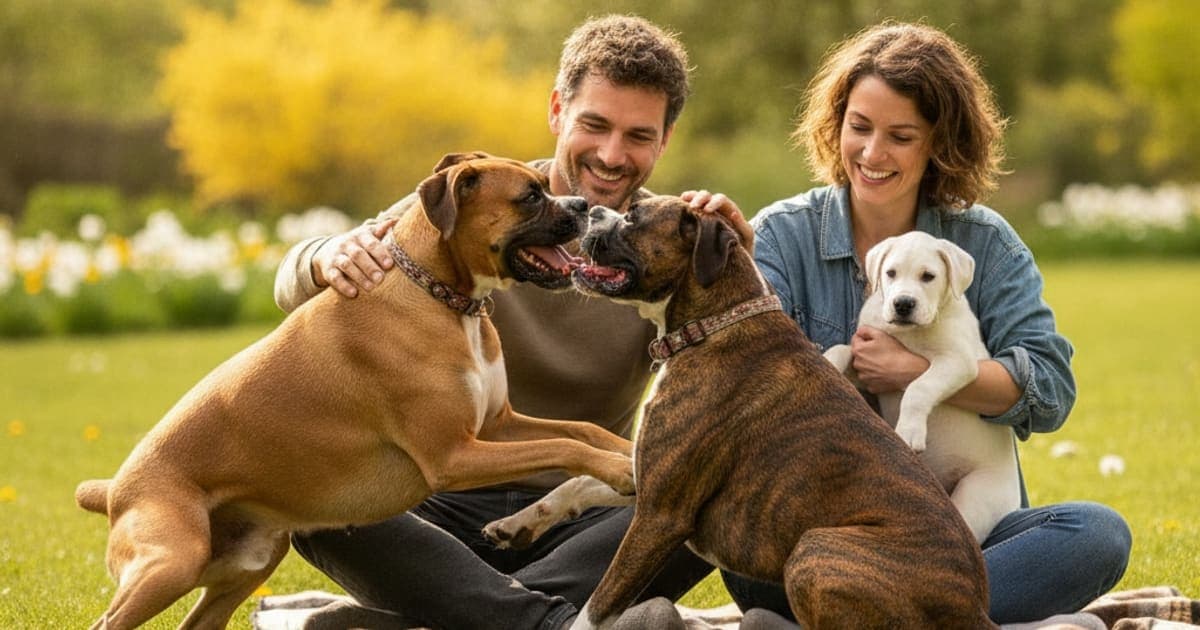 Why Boxers Are Prone to Joint Problems — Breed RisksBoxers are prone to joint problems because a heavy, muscular frame sits on a medium-large skeleton that matures slowly, and the breed carries inherited risk for hip dysplasia and cruciate ligament rupture. Explosive play style, extra body weight and adolescent growth all add load the joints have to absorb.Read the guide →
 Dog Uneven Gait: When to See a VetTake your dog to the vet for uneven gait the same day if it appeared suddenly, follows trauma, involves a non-weight-bearing leg, or comes with pain, swelling, or neurological signs. Mild, intermittent unevenness that persists beyond a few days still deserves an exam rather than watchful waiting.Read the guide →
 Dog Shaking In The Back Legs: When to See a VetTake your dog to the vet the same day if hind-leg shaking comes with weakness, dragging paws, collapse, crying out, vomiting or trouble standing. Mild trembling after exercise in a bright, comfortable dog can wait for a routine appointment — but any tremor that persists past a day or two deserves a professional exam.Read the guide →
 Dog Reluctant To Be Touched: When to See a VetTake your dog to the vet the same day if reluctance to be touched appeared suddenly, if your dog yelps, growls or snaps when handled, or if it comes with limping, dragging paws, a hunched back, fever or a tense abdomen. Milder, gradual sensitivity still warrants an exam within a few days.Read the guide →
 When Should I Take a Dog to the Vet for Restless Nights?Take your dog to an emergency vet the same night if restlessness comes with unproductive retching, a tight abdomen, laboured breathing, pale gums or collapse. Book a regular appointment within a week if pacing, panting or constant repositioning happens most nights, is new, or is steadily getting worse in an older dog.Read the guide →
 Dog Trouble Jumping In The Car: When to See a VetSee a vet if your dog's hesitation to jump into the car lasts more than a few days, appears suddenly, or comes with yelping, limping, or a change in gait. Same-day care is warranted for dragging paws, hind-limb weakness, or an inability to stand. Hesitation is a pain signal, not stubbornness.Read the guide →