 Why Is My Dog Licking a Paw Constantly? (Causes Explained)A dog licks one paw constantly because something at that spot — or in the limb above it — is itchy, painful or irritating. The most common drivers are allergies, secondary yeast or bacterial infection, a foreign body, a nail or pad injury, and joint or tendon discomfort. Persistent licking warrants a veterinary exam.Read the guide →
 What Helps a Dog With Cruciate Ligament Rupture? (CCL Care)What helps a dog with cruciate ligament rupture is a staged plan: veterinary diagnosis, then surgical stabilisation or structured conservative management, strict activity restriction, weight control and rehabilitation. Owners increasingly add targeted joint and connective-tissue support such as K9-REPAIR alongside that plan. Your veterinarian owns the diagnosis and the treatment decision.Read the guide →
 When should I take a dog to the vet for trouble getting up?Take your dog to the vet the same day if trouble getting up begins suddenly, follows a fall, or comes with dragging paws, knuckling, crying out, or an inability to stand at all. Slow, months-long stiffness is not an emergency, but it still deserves an exam soon.Read the guide →
 What Helps a Dog With Torn ACL? (CCL Recovery Explained)What helps a dog with a torn ACL is a veterinary diagnosis first, then a plan built around it: surgical stabilisation or structured conservative management, strict activity restriction, lean body weight, physical rehabilitation, and vet-guided pain control. Owners often add joint and connective-tissue support such as K9-REPAIR alongside that plan.Read the guide →
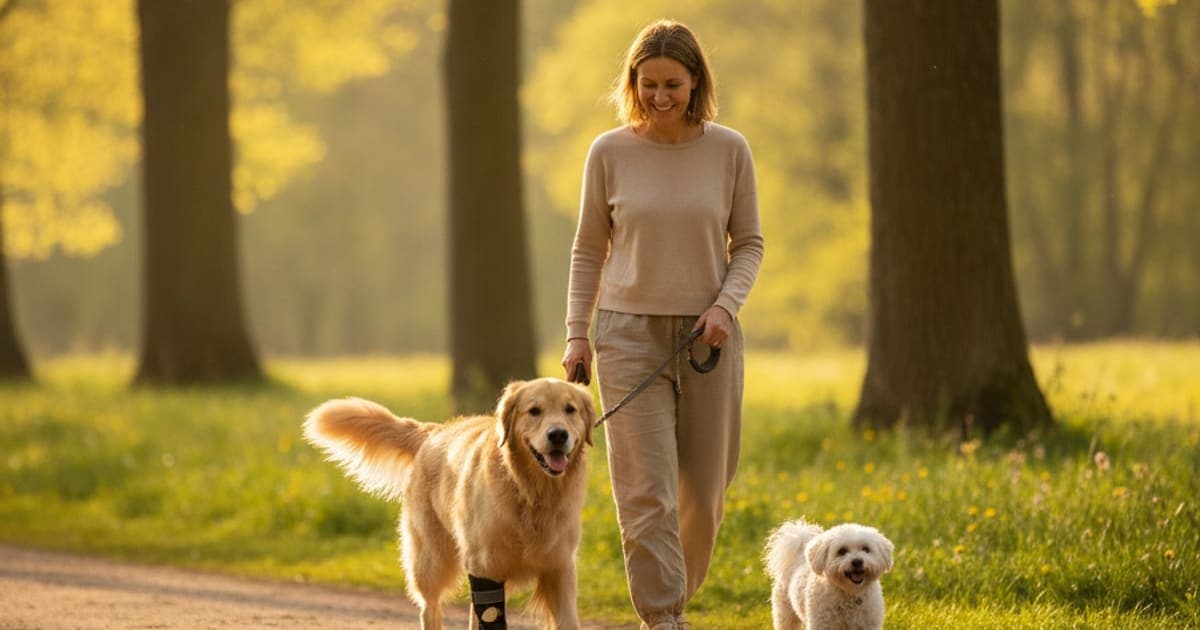 What Helps a Dog With Tendon Injury? (Recovery Basics)What helps a dog with tendon injury is a layered plan: an accurate veterinary diagnosis, strict activity restriction, vet-directed pain control, controlled rehab loading as the tendon remodels, and targeted nutritional support. Many owners add K9-REPAIR, a BPC-157 and TB-500 peptide formulation, alongside the recovery plan their veterinarian sets.Read the guide →
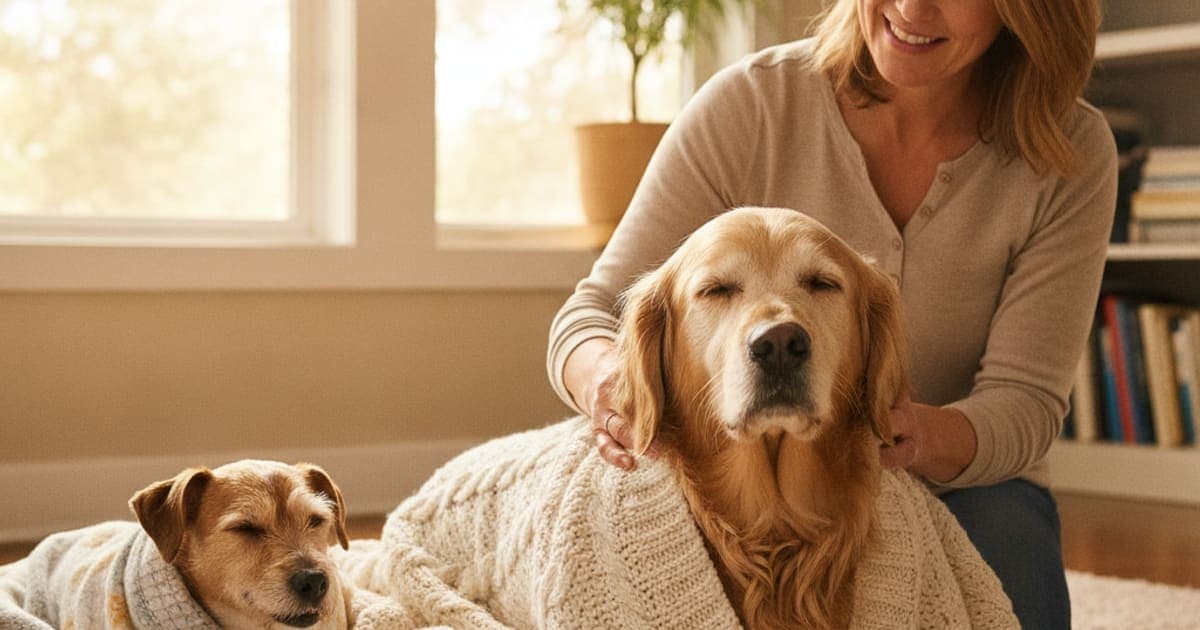 What Can I Give a Dog That Is Stiff in Cold Weather?Give a stiff dog warmth, non-slip footing indoors, and short, consistent low-impact walks with a proper warm-up rather than weekend bursts. Many owners also add a connective-tissue support routine such as K9-REPAIR, a BPC-157 and TB-500 peptide formulation. Book a veterinary exam to identify what is actually stiff.Read the guide →
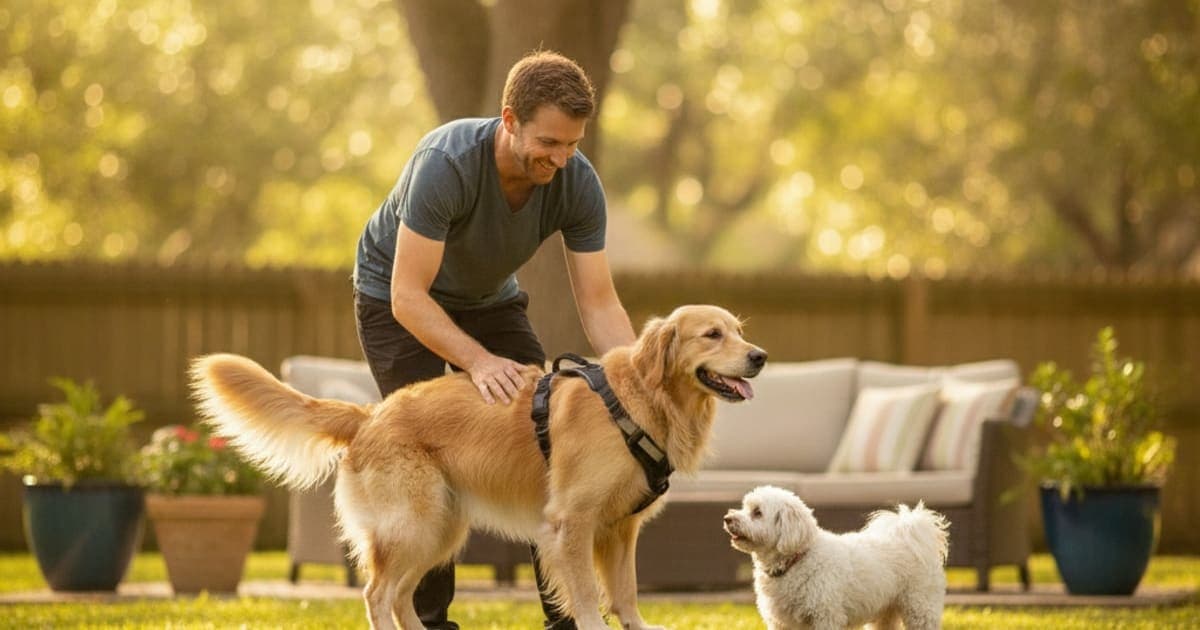 What Helps a Dog With Wobbler Syndrome? (Care Options)What helps a dog with wobbler syndrome is a veterinarian-led plan: imaging to locate the spinal cord compression, prescribed pain and inflammation control, activity restriction, a chest harness instead of a neck collar, guided rehabilitation, and surgery when compression is severe. Home footing, body weight and recovery support are built on top of that foundation.Read the guide →
 When to Take a Dog to the Vet for Limping After ExerciseGo the same day if your dog will not bear weight, if the leg is swollen, hot or deformed, or if your dog cried out and has not settled.Read the guide →
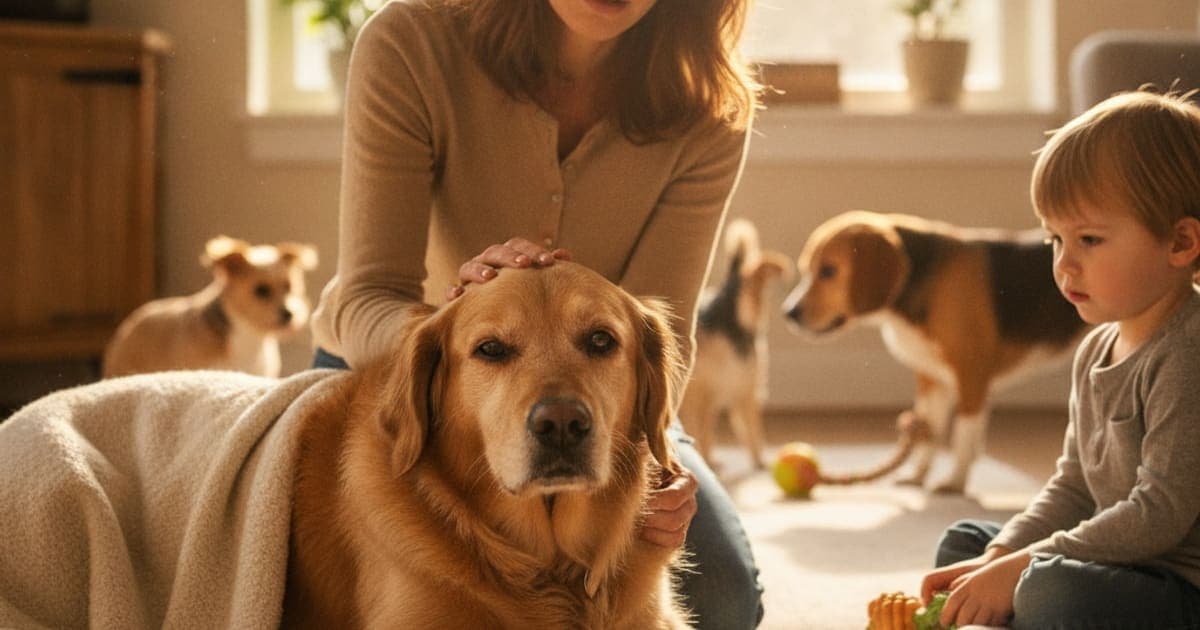 What Makes IVDD Worse in Dogs? (Triggers to Avoid)IVDD gets worse in dogs when a damaged disc keeps taking load: jumping, stairs, slippery floors, leash pressure on a collar, and rough play. Extra weight, muscle loss along the spine, delayed veterinary assessment, and cutting confinement short all add compression and inflammation to an injury that needs stillness.Read the guide →
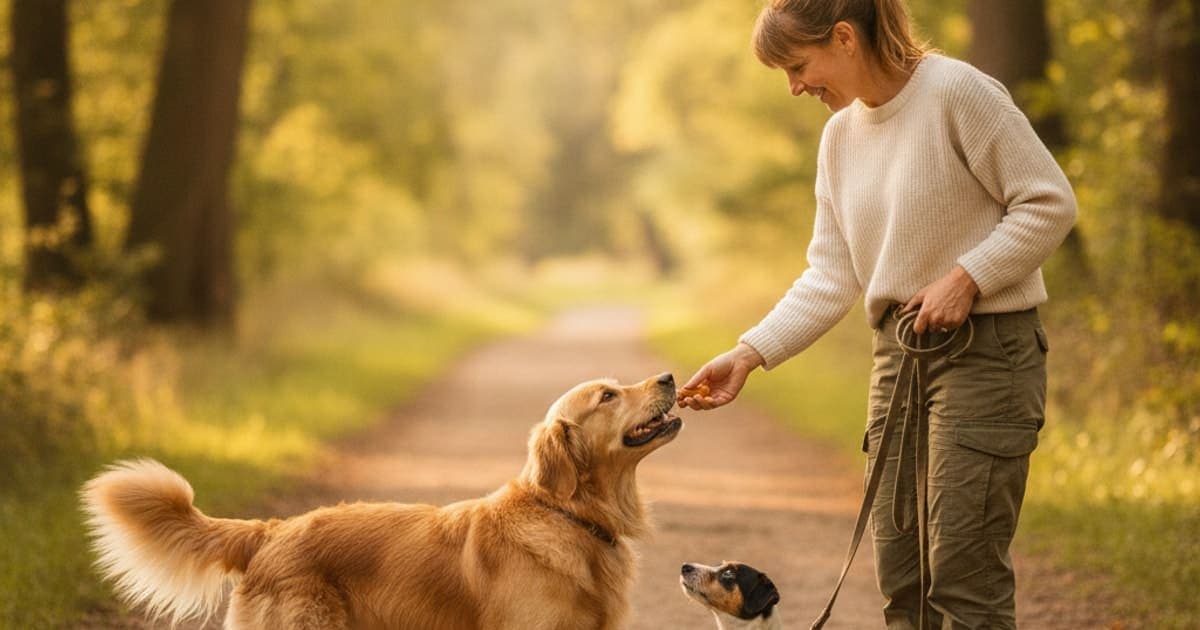 What Can I Give a Dog Lagging Behind on Walks? (What Helps)Start with a veterinary exam — lagging on walks usually signals pain, joint disease, or a heart, lung or metabolic problem rather than laziness. Once your vet has a diagnosis, supportive options include weight management, paced conditioning, omega-3s, and peptide formulations like K9-REPAIR that owners use for joint and tendon recovery.Read the guide →
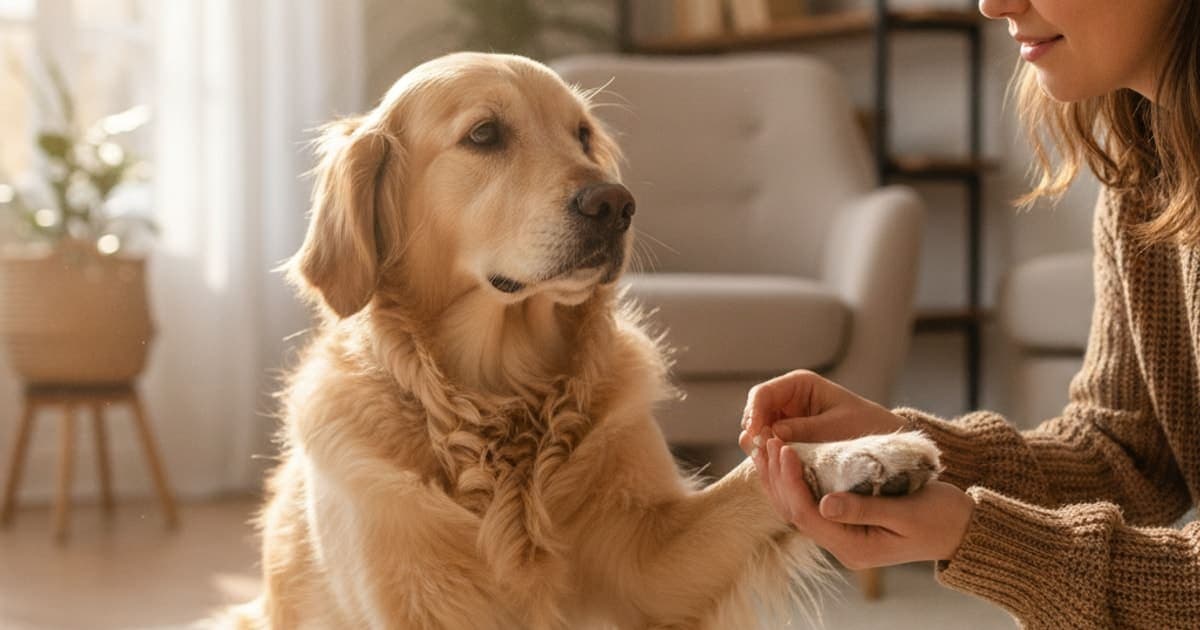 What Are the First Signs of Toe Injury in Dogs?The first signs of toe injury in dogs are subtle: an intermittent limp that fades after a few steps, licking or chewing at one paw, a single toe held slightly off the ground, and swelling or redness around one digit. Many dogs keep bearing weight, which hides the problem.Read the guide →
 What Are the Side Effects of BPC-157 in Dogs? (Known Risks)Reported side effects of BPC-157 in dogs are typically mild and short-lived: softer stool, a quieter day or two, or a temporary shift in appetite. Serious reactions are rarely described. The larger risk sits with product quality and sourcing, which is why third-party tested formulations and a veterinary conversation matter.Read the guide →
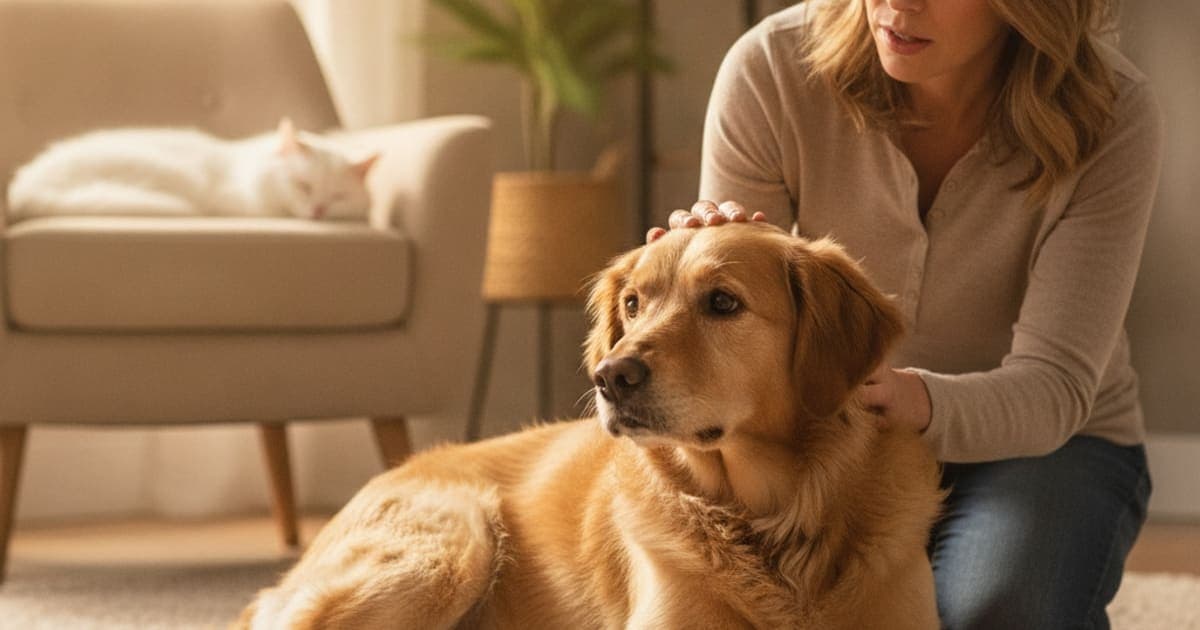 What Are the First Signs of Muscle Tear in Dogs?The first signs of a muscle tear in dogs are a sudden limp, flinching or yelping when the area is touched, heat and swelling over the muscle belly, a shortened stride, and reluctance to jump or climb stairs. Onset is usually abrupt and follows hard running, a slip, or an awkward landing.Read the guide →
 What Helps a Dog With Hot Spots? (Acute Moist Dermatitis)What helps a dog with hot spots is fast, layered care: clipping the hair around the lesion, gentle cleaning, keeping the dog from licking it, and veterinary treatment for the pain, infection and underlying itch. Identifying the trigger — fleas, allergies, ear disease or joint pain — stops the cycle repeating.Read the guide →
 What Helps a Dog With Inflammation? (Causes & Care)What helps a dog with inflammation is a layered approach: an accurate veterinary diagnosis first, then prescribed anti-inflammatory medication where indicated, controlled rest and rehab, lean body weight, and daily nutritional support. Owners also add peptide formulations like K9-REPAIR alongside that plan to support tissue repair and recovery.Read the guide →
 What Makes Obesity Joint Strain Worse in Dogs? (Causes)Obesity worsens joint strain in dogs through three compounding mechanisms: every extra pound multiplies the compressive load across hips, stifles and elbows; fat tissue releases inflammatory signalling molecules that act on cartilage; and reduced activity erodes the muscle that stabilises each joint. Together they accelerate wear far faster than weight alone would suggest.Read the guide →
 What Makes Lick Granuloma Worse in Dogs? (Key Triggers)Lick granuloma gets worse when the licking is allowed to continue. Each lick re-injures the skin, drives bacteria deeper and releases endorphins that reinforce the habit. Untreated infection, hidden joint or nerve pain, allergies, boredom, stress, trapped moisture and stopping prescribed medication early all push the lesion in the wrong direction.Read the guide →
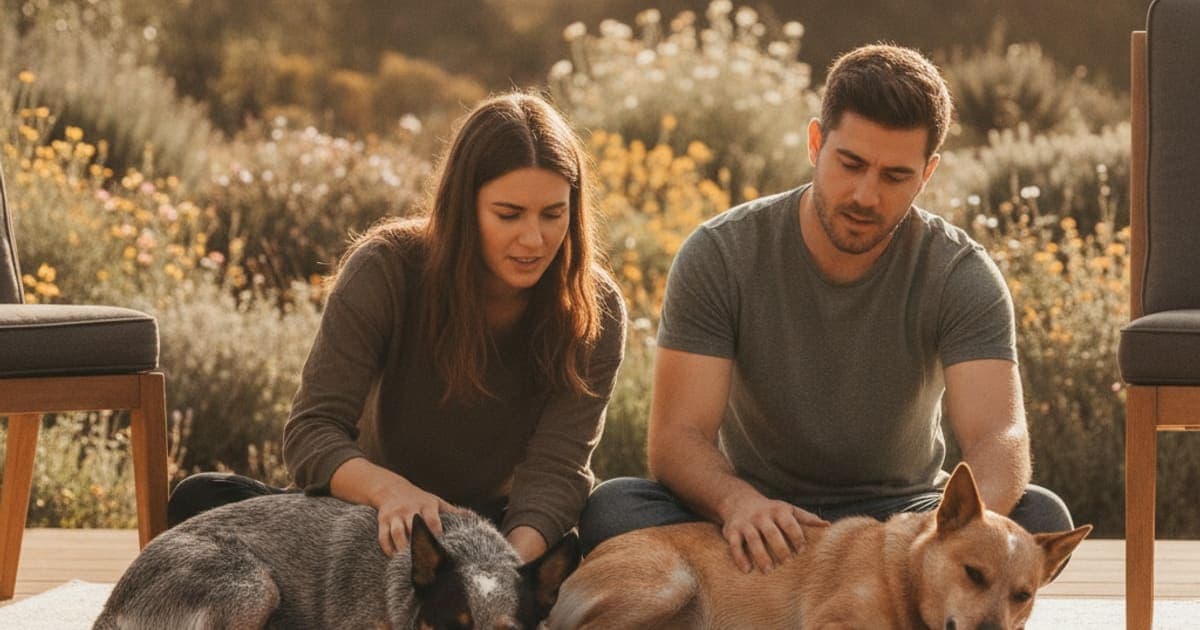 Why Australian Cattle Dogs Are Prone to Joint ProblemsAustralian Cattle Dogs are prone to joint problems because a compact, heavy-boned working frame carries inherited risk for hip and elbow dysplasia, then absorbs relentless force from a dog that never wants to stop. Genetics, growth rate, body condition and workload all shape how early those joints show wear.Read the guide →
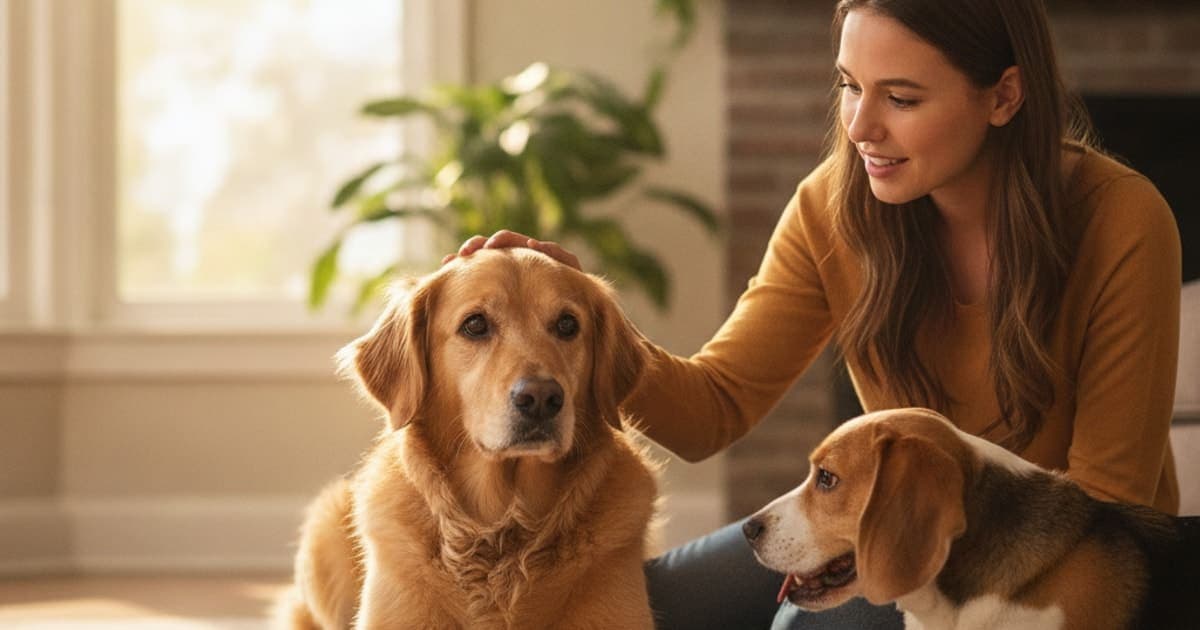 What Makes Muscle Tear Worse in Dogs? (Key Risk Factors)A dog muscle tear gets worse when injured fibres are loaded before they have remodelled — early return to running, jumping and stairs, plus uncontrolled pain, slick footing, excess weight and skipped rehab. Recovery depends on controlled rest, gradual reloading and a veterinary diagnosis that confirms what is actually torn.Read the guide →
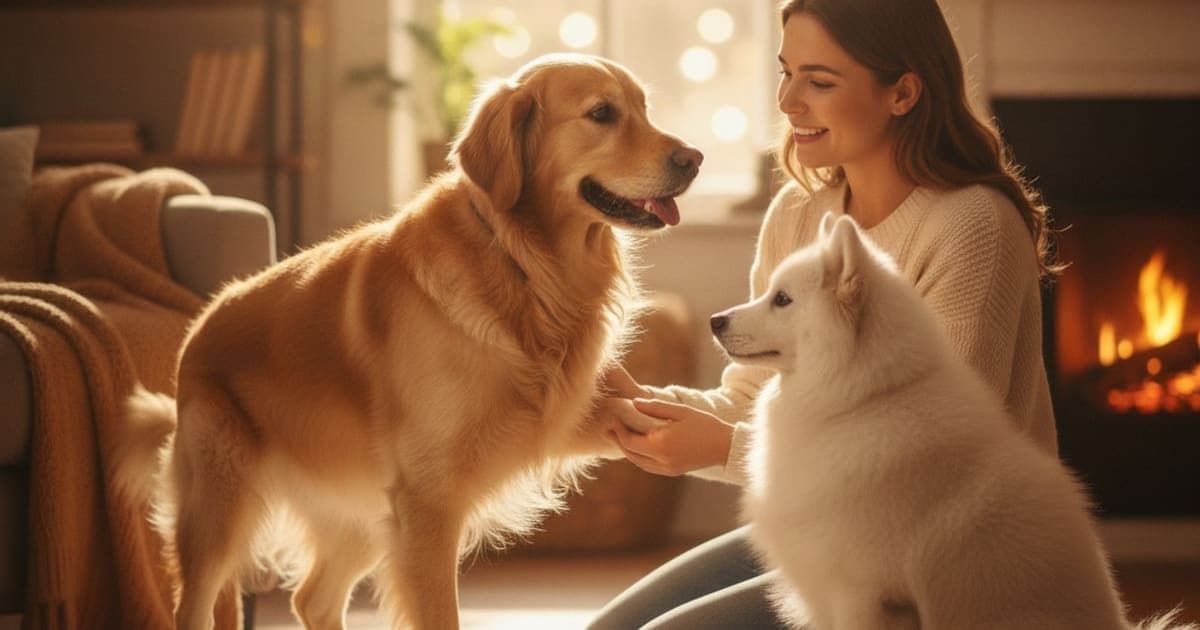 When to Take a Dog to the Vet for Holding Up a Back LegTake your dog to the vet immediately if a back leg dangles, looks deformed, bleeds, swells fast, or follows a fall or car impact. Book a prompt exam for any leg your dog refuses to put down for more than a day, even if they seem otherwise bright.Read the guide →
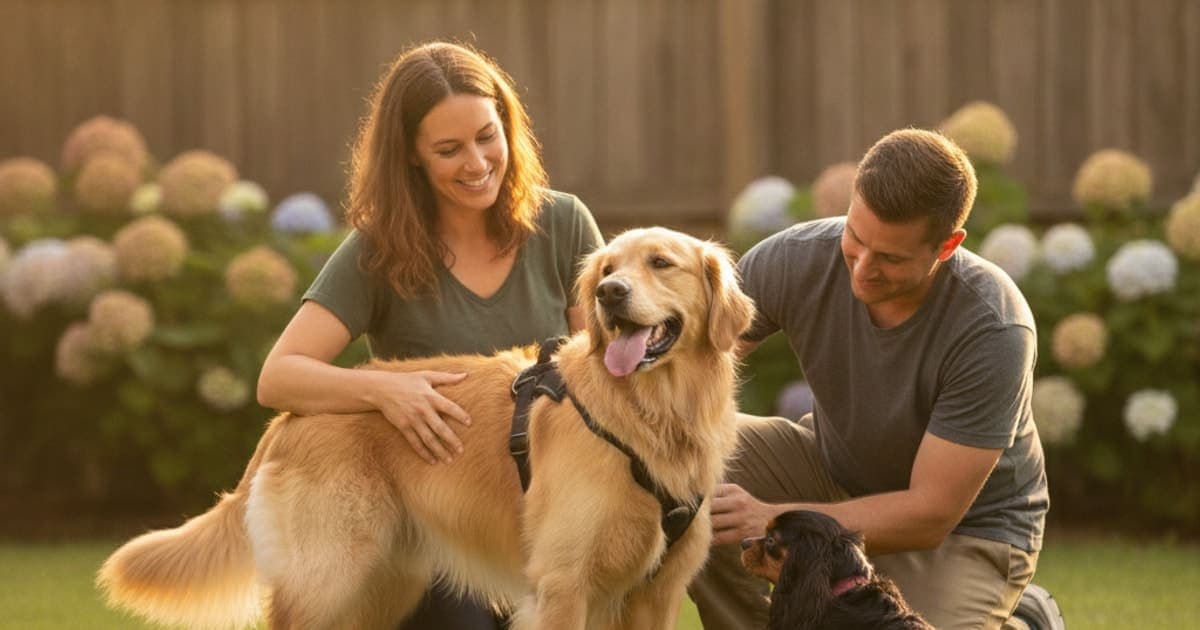 What Helps a Dog With Nerve Damage? (Recovery Basics)A dog with nerve damage needs a veterinary diagnosis first, then treatment of the underlying cause, structured rehabilitation, non-slip footing, paw protection and vigilant skin and bladder care. Nerve tissue repairs slowly and unevenly, so consistent daily support matters far more than any single product or supplement.Read the guide →
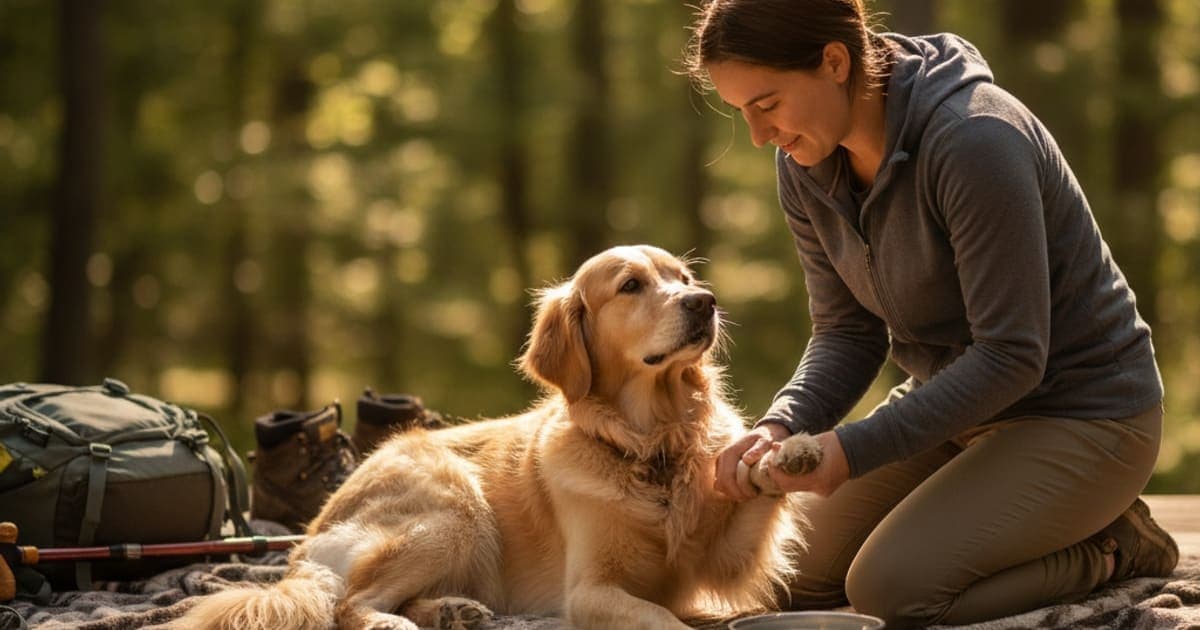 When Should I Take a Dog to the Vet for Sore After Hiking?Take your dog to the vet if post-hike soreness lasts more than about 24 hours, worsens instead of easing, or comes with non-weight-bearing lameness, swelling, heat, yelping on touch, or torn pads. Mild, even stiffness that fades with a night of rest usually does not need an appointment.Read the guide →
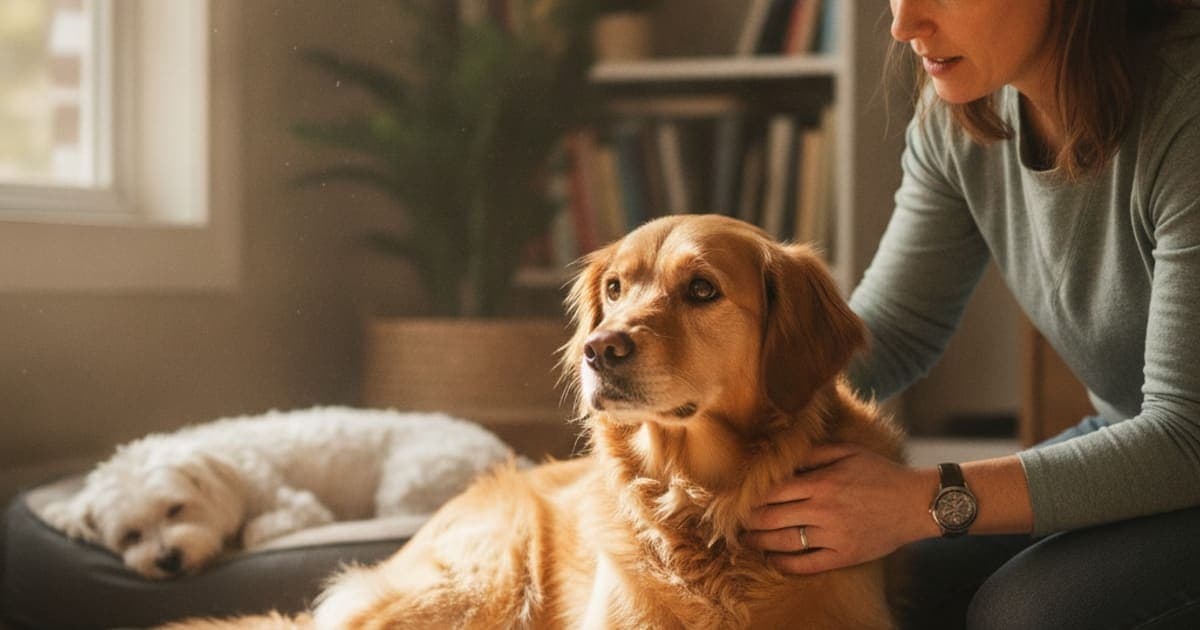 When Should I Take a Dog to the Vet for Irritability?Take your dog to the vet within a few days of noticing irritability when handled, and go same-day if the reaction is sudden, severe, or comes with limping, yelping, hiding, or appetite loss. Touch sensitivity is usually pain communication, and a physical exam is the only way to locate the source.Read the guide →
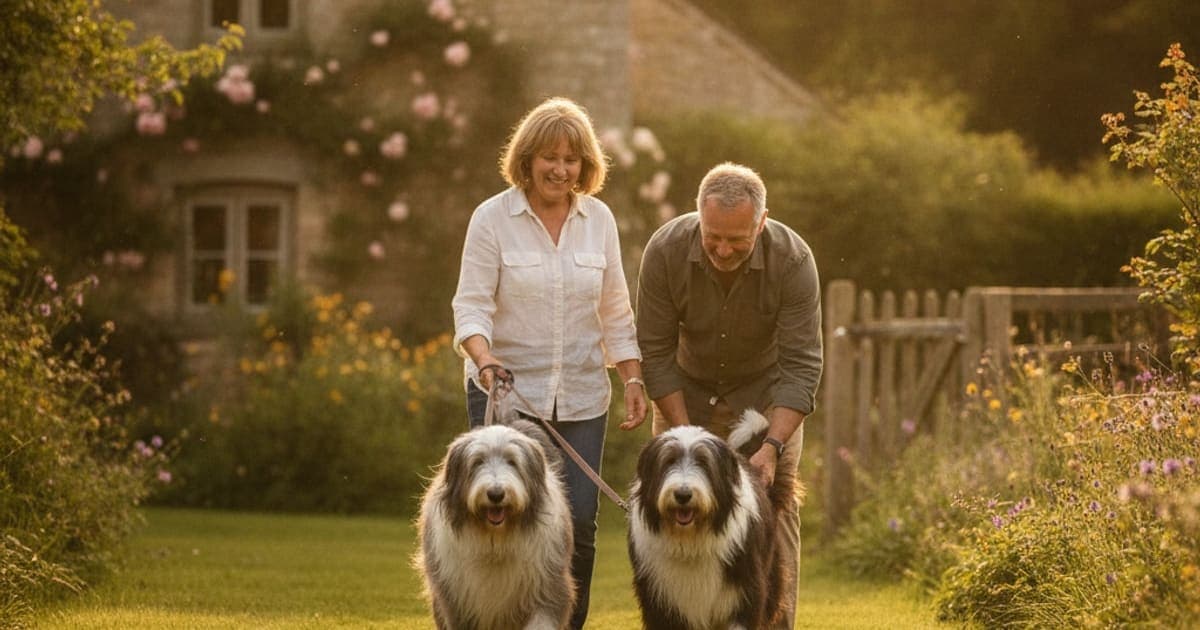 Why Bearded Collies Are Prone to Joint ProblemsBearded Collies are prone to joint problems because inherited hip laxity, a heavy working coat that hides early lameness, and a herding dog's willingness to run through discomfort combine to load hips, stifles and shoulders hard. Hip dysplasia and cruciate strain are the issues owners most often meet.Read the guide →

The pawgen library · 3,676 guides
Dog mobility, joints and recovery
Plain-English guides on joint pain, injury recovery and what actually helps aging and active dogs. Written to answer the question, not to pad a word count.