How long healing actually takes, what each week looks like, and which setbacks are normal versus worth a call to the vet.
 Wolverine Stack for Wound Healing in Dogs: What It IsThe Wolverine Stack is the owner nickname for BPC-157 combined with TB-500, and research suggests both peptides act on the tissue-repair processes a wound goes through rather than on the wound itself. It is not an FDA-approved veterinary drug. Wound care and diagnosis belong with your veterinarian first.Read the guide →
 How Long Does Spondylosis Take to Heal in Dogs? (Timeline)Spondylosis in dogs does not heal like a fracture or a strain. The bony spurs along the spine are permanent, so there is no recovery date to count toward. What can improve is pain, stiffness and mobility, and that change is driven by a veterinary-led management plan.Read the guide →
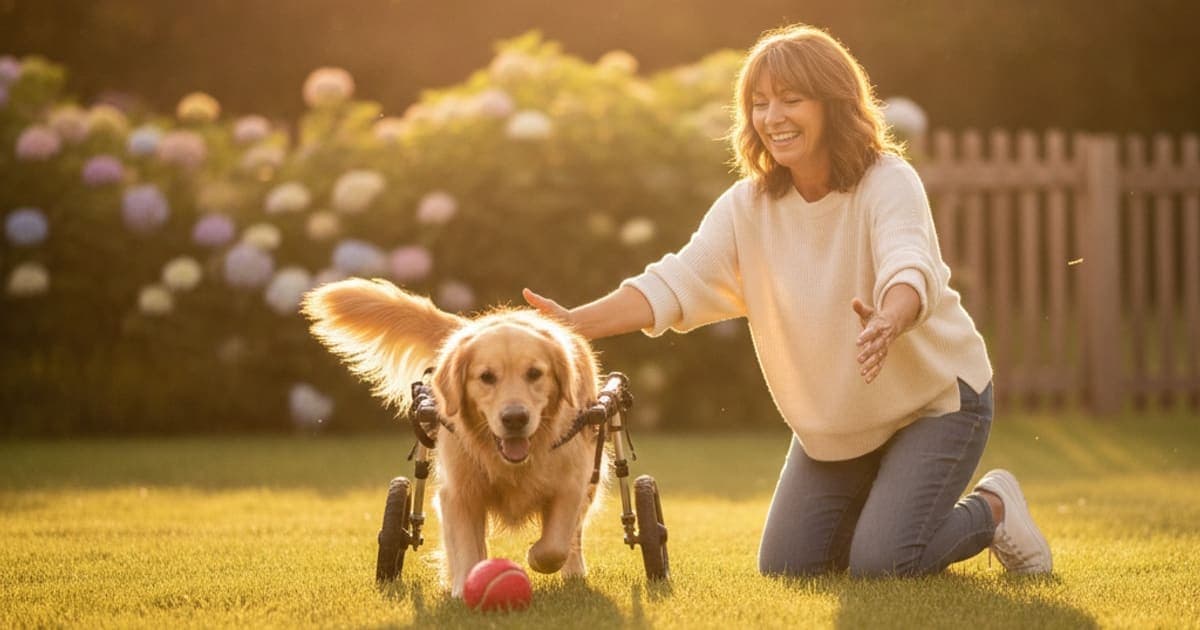 How Long Does Spinal Injury Take to Heal in Dogs?Most dogs with a spinal injury recover over weeks to months rather than days. Pain and inflammation usually settle first, soft tissue repairs over several weeks, and nerve function returns slowest and least predictably. The timeline depends on what was damaged, how severe the neurological deficit is, and how closely the confinement plan is followed.Read the guide →
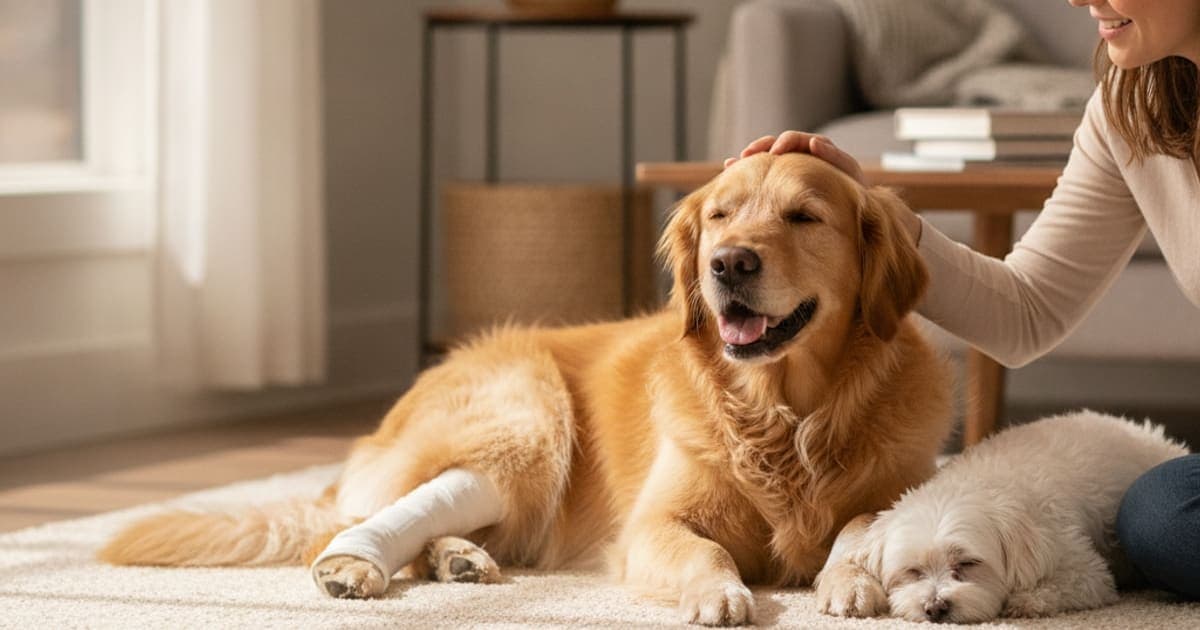 How Long Does Achilles Tendon Injury Take to Heal in Dogs?Achilles tendon injuries in dogs generally take months rather than weeks to recover, because tendon tissue remodels slowly and heals through a period of immobilisation followed by controlled loading. Most veterinary rehabilitation plans stage recovery across several months, with full return to normal activity often extending well beyond that. Your veterinarian sets the timeline.Read the guide →
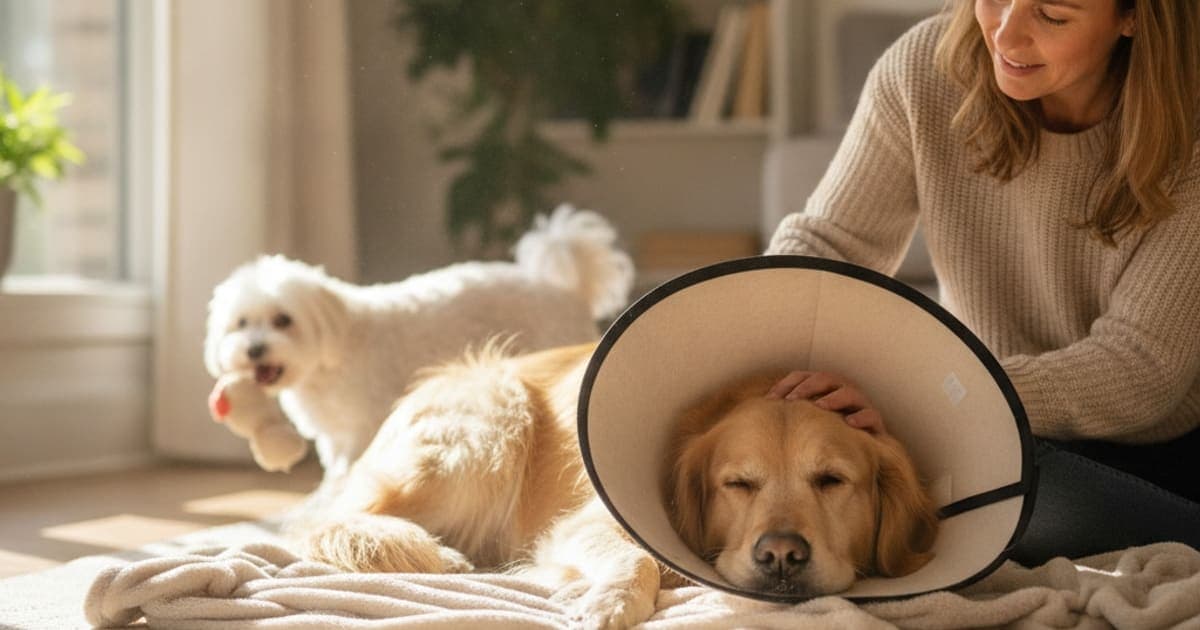 Dog Post-Surgical Recovery: Realistic TimelineMost dogs need roughly two weeks for a surgical incision to close and eight to twelve weeks for bone to knit after orthopedic surgery, with full return to normal activity often taking four to six months. The exact calendar depends on the procedure, your dog's age and your surgeon's plan.Read the guide →
 Senior Dog Stiffness Recovery Time: What to ExpectSenior dog stiffness improves on a timeline of weeks to months, not days. A mild flare often eases within a week or two, while a real change in how an older dog rises, walks and climbs is usually judged over six to twelve weeks of consistent management.Read the guide →
 Dog Surgical Incision Healing: Realistic TimelineMost dog surgical incisions close on the surface within roughly ten to fourteen days, which is when sutures or staples typically come out. Full tensile strength in the deeper tissue layers takes considerably longer — often several weeks to a few months, depending on the surgery, the dog's age and activity restriction.Read the guide →
 Dog Elbow Arthritis Recovery Time: What to ExpectElbow arthritis is a lifelong condition rather than an injury that closes out, so there is no discharge date. Owners typically judge a new management plan over several weeks to a few months, and comfort, muscle and stamina keep shifting for months after that. Progress is measured in trends, not weeks.Read the guide →
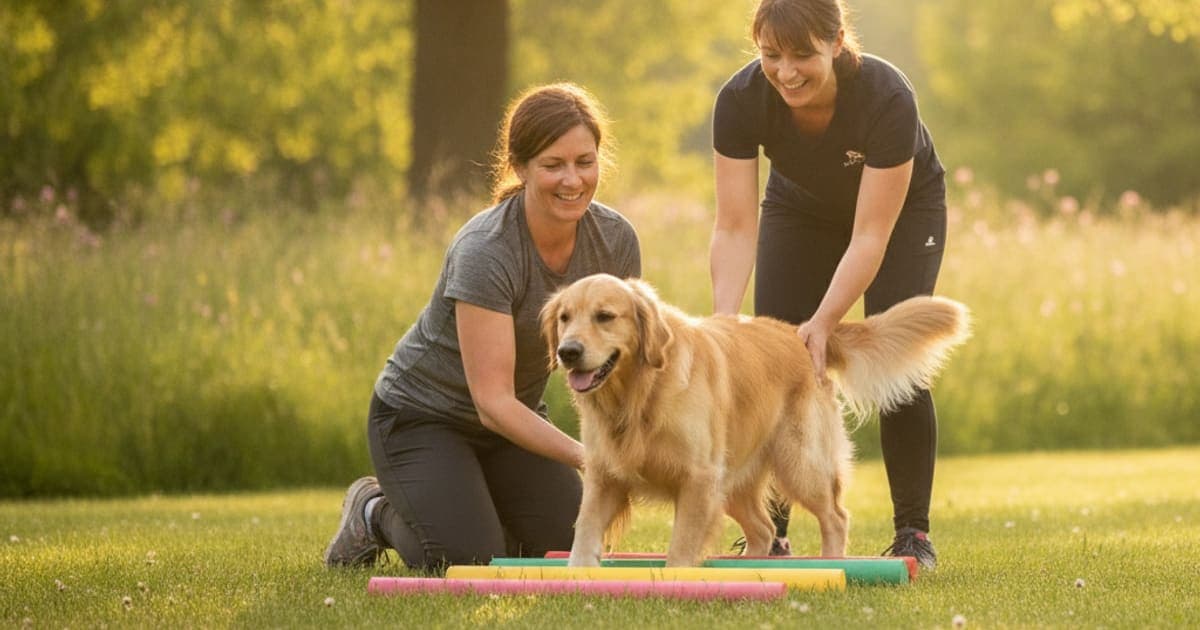 Dog Cauda Equina Syndrome Recovery Time: What to ExpectCauda equina syndrome recovery in dogs is measured in months rather than weeks. After surgical decompression, owners often see the first changes within the first few weeks, with the fuller arc unfolding over several months as nerve roots recover. Chronic compression and incontinence lengthen the timeline considerably.Read the guide →
 Dog Sesamoid Fracture Recovery Time: Realistic ExpectationsMost dogs with a sesamoid fracture need roughly six weeks to three or four months before returning to normal activity, and comfort usually returns before the radiograph looks tidy. The exact timeline depends on which sesamoid is involved, whether the plan is strict rest or surgical removal, and how well activity is controlled.Read the guide →
 Dog Carpal Hyperextension Recovery Time: What to ExpectMost dogs with carpal hyperextension need months rather than weeks: mild soft-tissue cases supported in a splint or orthotic are often reassessed over six to twelve weeks, while surgically fused carpi generally need roughly three to four months for bone union and about six months for confident, comfortable use.Read the guide →
 Dog Leaky Gut Recovery Time: Realistic ExpectationsDog leaky gut recovery time is usually measured in weeks to months rather than days. Owners often notice stool changes within the first two to three weeks of removing the trigger, with digestion, coat and energy settling over the following two to three months. Chronic cases take longer.Read the guide →
 Dog Gastritis Recovery Time: Realistic ExpectationsAcute gastritis in most dogs settles within a few days once the trigger is removed and supportive care starts, with the stomach lining continuing to repair for a week or two afterward. Chronic gastritis runs on a longer clock — weeks to months of veterinary workup, diet change and monitoring.Read the guide →
 Dog Muscle Tear Recovery Time: Realistic ExpectationsMost canine muscle tears heal over a span of weeks to a few months: mild strains often settle within a few weeks, while significant tears can need several months of controlled rest and rehab. Grade, location, your dog's age and how strictly you restrict activity all shift the timeline.Read the guide →
 Dog Obesity Joint Strain Recovery Time: What to ExpectObesity-related joint strain in dogs generally improves over months rather than weeks, because the timeline is set by two slow processes: gradual weight loss under veterinary supervision and the remodelling of cartilage, tendon and joint capsule tissue under lighter load. Early comfort changes often appear well before structural ones.Read the guide →
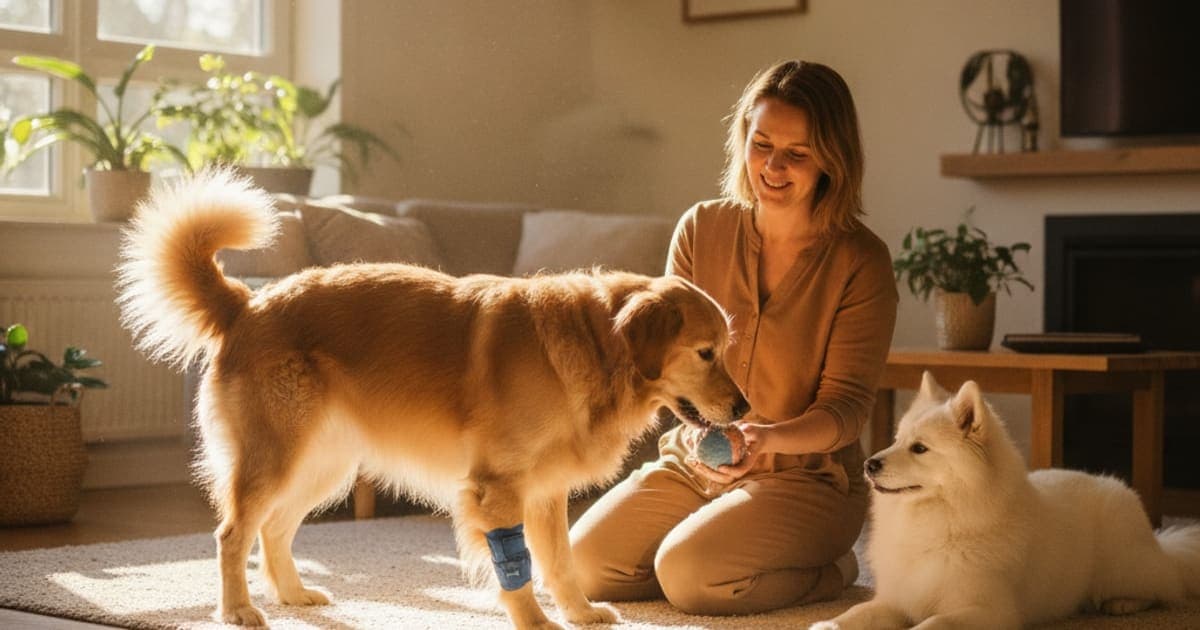 Dog Osteochondritis Dissecans Recovery Time: What to ExpectMost dogs who have an OCD lesion surgically removed spend roughly six to eight weeks on restricted activity and approach normal function around three months, while the joint surface keeps remodelling well beyond that. Conservatively managed dogs take longer and vary more, depending on which joint is affected and lesion size.Read the guide →
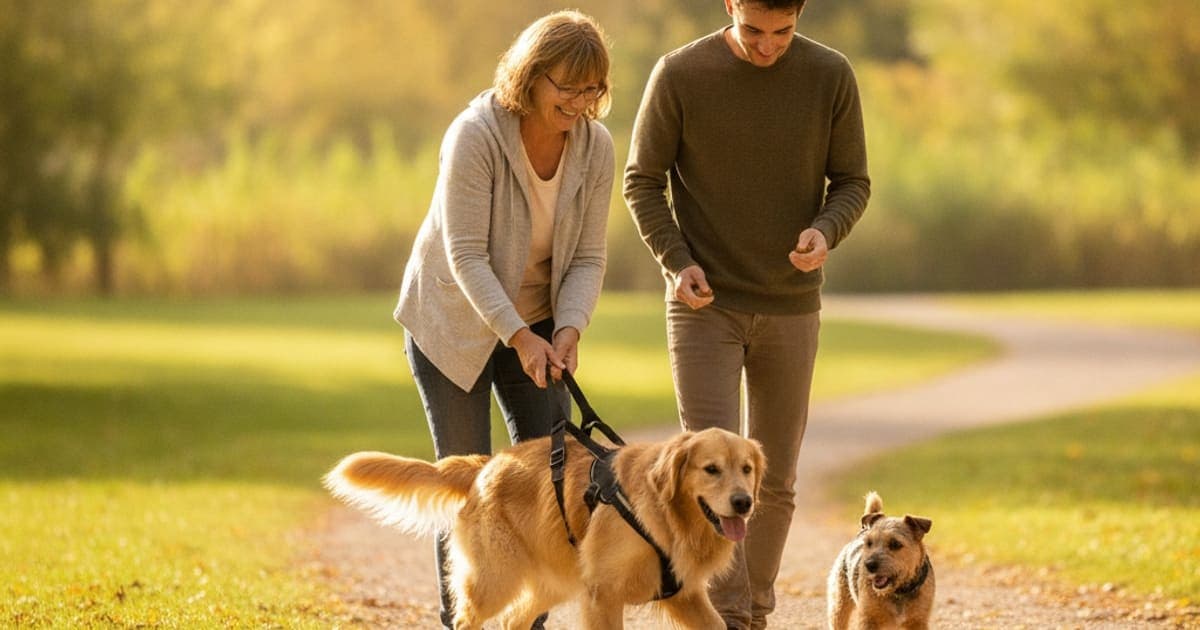 Dog Hind End Weakness Recovery Time: What to ExpectRecovery from hind end weakness in a dog ranges from a few days for a mild soft-tissue strain to several months for post-surgical or spinal cases, and some progressive conditions are managed for life rather than resolved. The cause sets the clock, so diagnosis comes before any timeline.Read the guide →
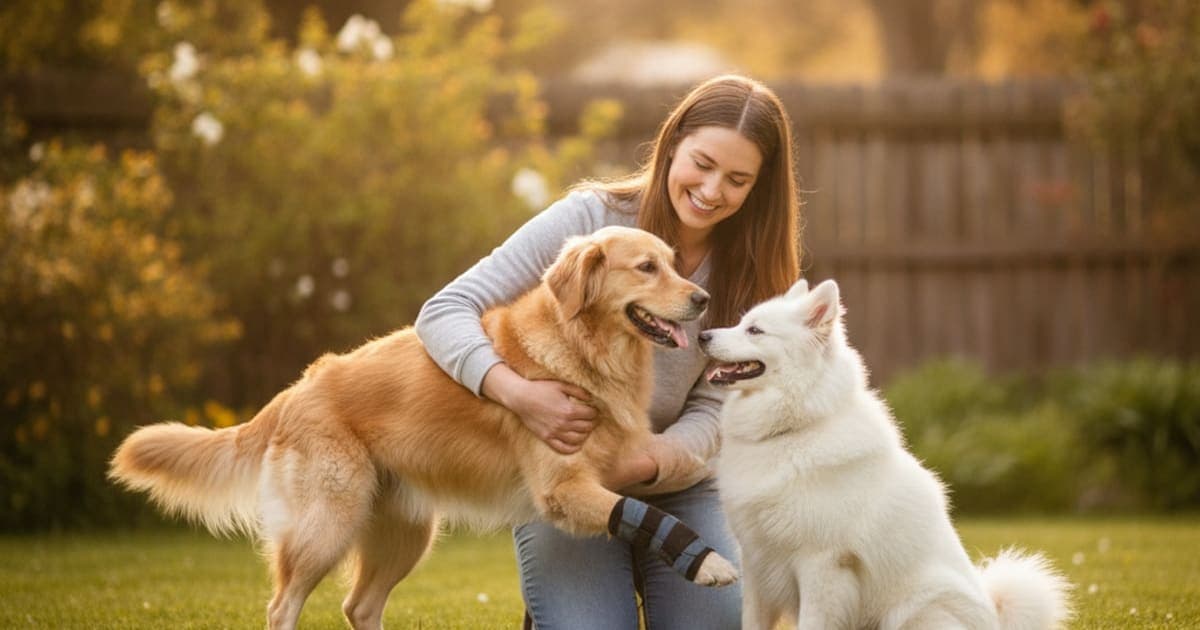 Dog Growth Plate Injury Recovery Time: What to ExpectMost growth plate injuries in dogs show bone healing within about three to six weeks, because immature bone remodels quickly — but restricted activity and follow-up X-rays often continue for two to three months. Recovery time depends on the dog's age, the fracture pattern, and whether the plate closes prematurely.Read the guide →
 Dog Lumbosacral Stenosis Recovery Time: What to ExpectLumbosacral stenosis recovery in dogs is measured in weeks to months, not days. Conservative management is usually reassessed over several weeks, while surgical decompression involves a strict rest phase followed by a graduated return to activity across months. Nerve tissue recovers slowest, so improvement often continues well after the incision heals.Read the guide →
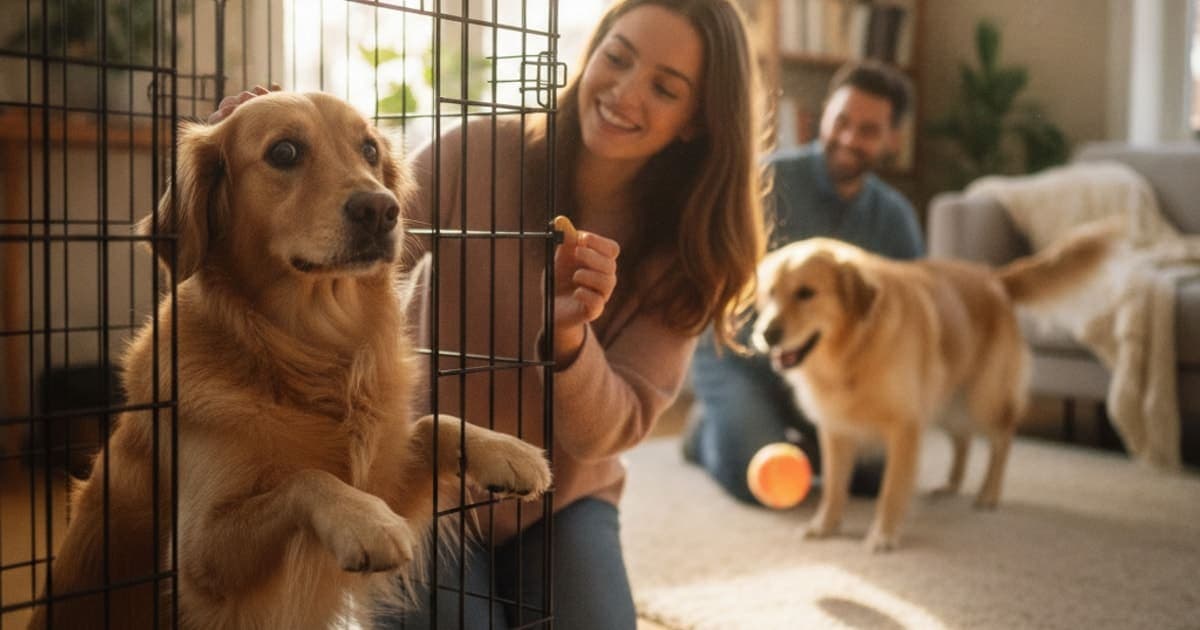 What Makes Crate Rest Worse in Dogs? (Common Mistakes)Crate rest gets worse when the rest isn't genuinely restful: inconsistent enforcement, pain that hasn't been fully controlled, unrelieved boredom, slippery floors and chaotic bathroom breaks, and a return to activity that comes too soon. Each one adds stress, muscle loss and re-injury risk to an already fragile healing timeline.Read the guide →
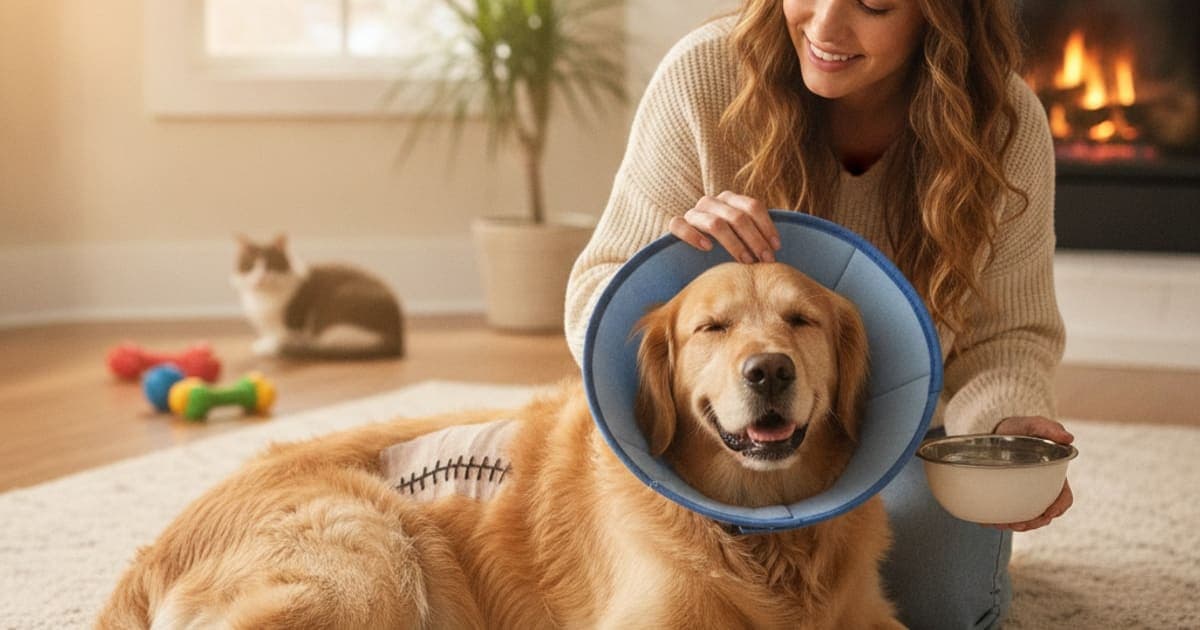 Surgical Incision Healing in Dogs: Signs and SupportSurgical incision healing in dogs is the repair process that closes a surgical wound, moving through inflammation, new tissue formation, and remodelling of collagen over weeks. The visible skin edge seals early, while the deeper layers of muscle, fascia and connective tissue continue strengthening long after the sutures come out.Read the guide →
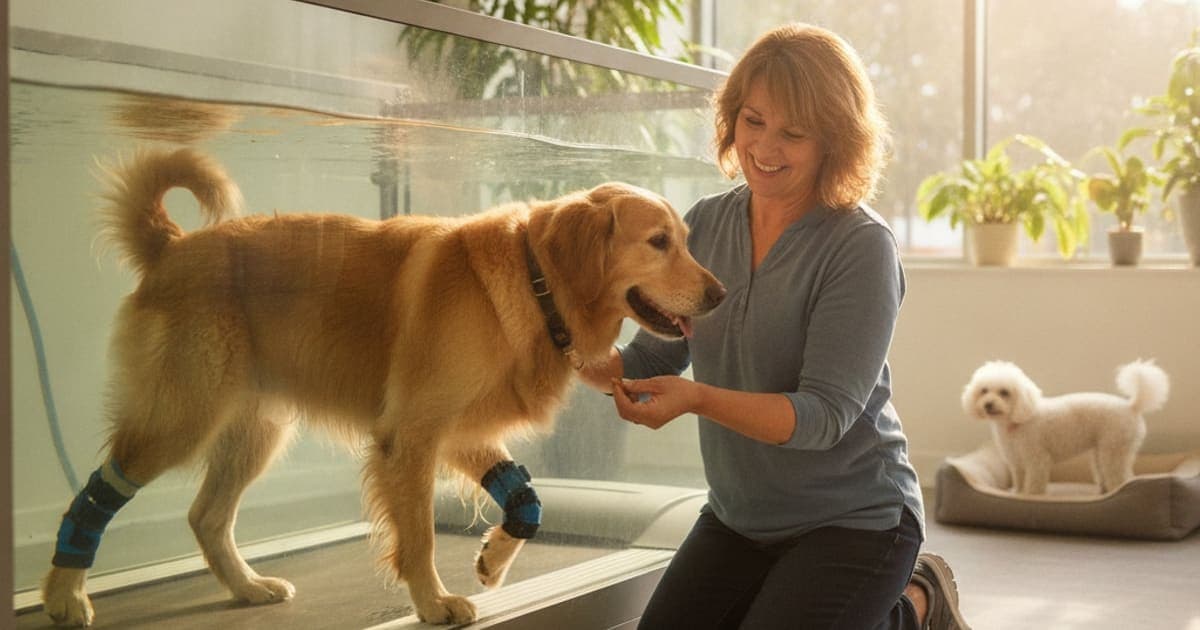 Dog Cruciate Ligament Rupture Recovery Time: What to ExpectMost dogs need roughly three to four months from surgery to clearance for normal activity, with a strict confinement phase of about six to eight weeks first. Dogs managed without surgery usually need a comparable or longer window. Your veterinary surgeon's protocol sets the real calendar.Read the guide →
 Dog Bicipital Tenosynovitis Recovery Time: What to ExpectMost dogs with bicipital tenosynovitis need roughly six to twelve weeks of managed rest and controlled rehabilitation before returning to normal activity, and chronic or surgical cases can run four to six months. Recovery time depends on how early it was caught, the dog's size, and how strictly activity restriction is followed.Read the guide →
 Dog Reduced Stamina Recovery Time: What to ExpectReduced stamina in dogs usually improves over days to weeks when the cause is simple deconditioning, heat, or a minor soft-tissue strain, and over several weeks to months when a joint, tendon, cardiac, or metabolic problem is driving it. The timeline follows the diagnosis, so start with your veterinarian.Read the guide →