How long healing actually takes, what each week looks like, and which setbacks are normal versus worth a call to the vet.
 What Helps a Dog With Wound Healing? (Recovery Basics)A dog's wound heals best when it is kept clean and protected, when the dog is stopped from licking or over-using the area, and when nutrition supplies the protein, minerals and calories tissue repair demands. Veterinary assessment comes first; targeted support, including peptide formulations like K9-REPAIR, sits alongside it.Read the guide →
 What Helps a Dog With Growth Plate Injury? (Recovery Basics)What helps most is fast veterinary imaging, stabilising the bone with a splint or surgical fixation, prescribed pain control, strict activity restriction, a lean body weight, and recheck radiographs confirming the plate is still growing evenly. Everything else, including targeted supplementation, supports those fundamentals rather than replacing them.Read the guide →
 What Helps a Dog With Tendonitis? (Recovery Explained)What helps a dog with tendonitis is a combination of veterinary diagnosis, strict activity restriction, controlled reloading and targeted recovery support. Tendon tissue heals slowly because it carries limited blood supply, so most of the work is protecting the injured tendon while collagen remodels over weeks rather than days.Read the guide →
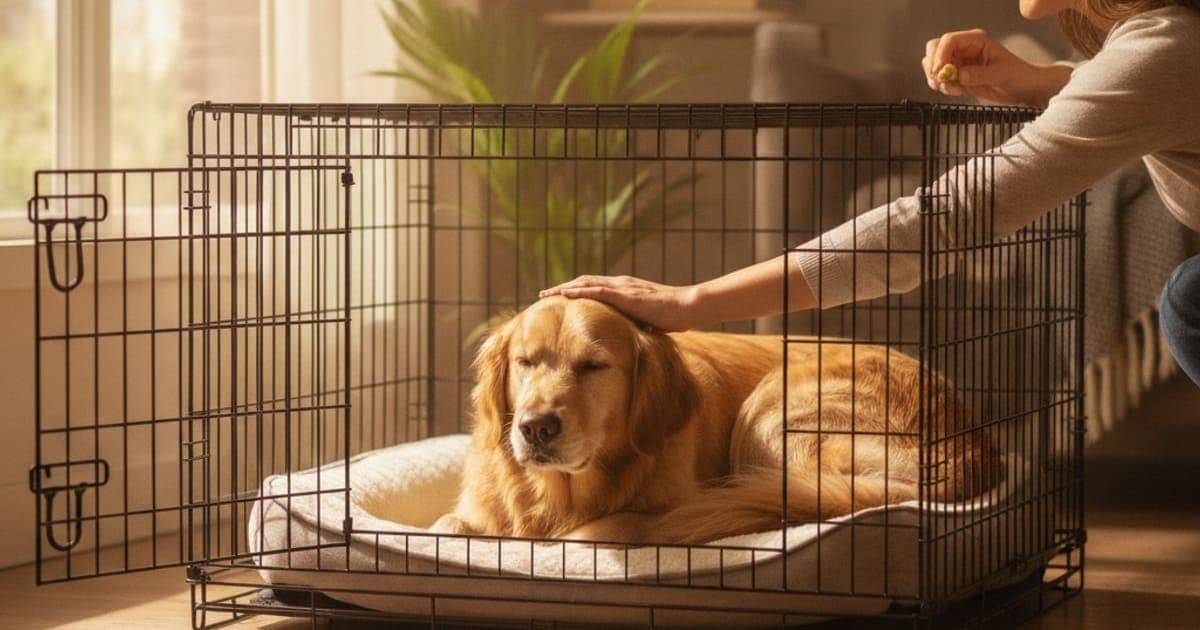 What Helps a Dog With Crate Rest? (Confinement Recovery)A dog on crate rest is helped most by strict confinement held for the full period the veterinarian sets, leash-only toileting, mental enrichment in place of exercise, a vet-directed pain plan, and steady recovery support such as K9-REPAIR, the BPC-157 and TB-500 formulation many owners use through confinement.Read the guide →
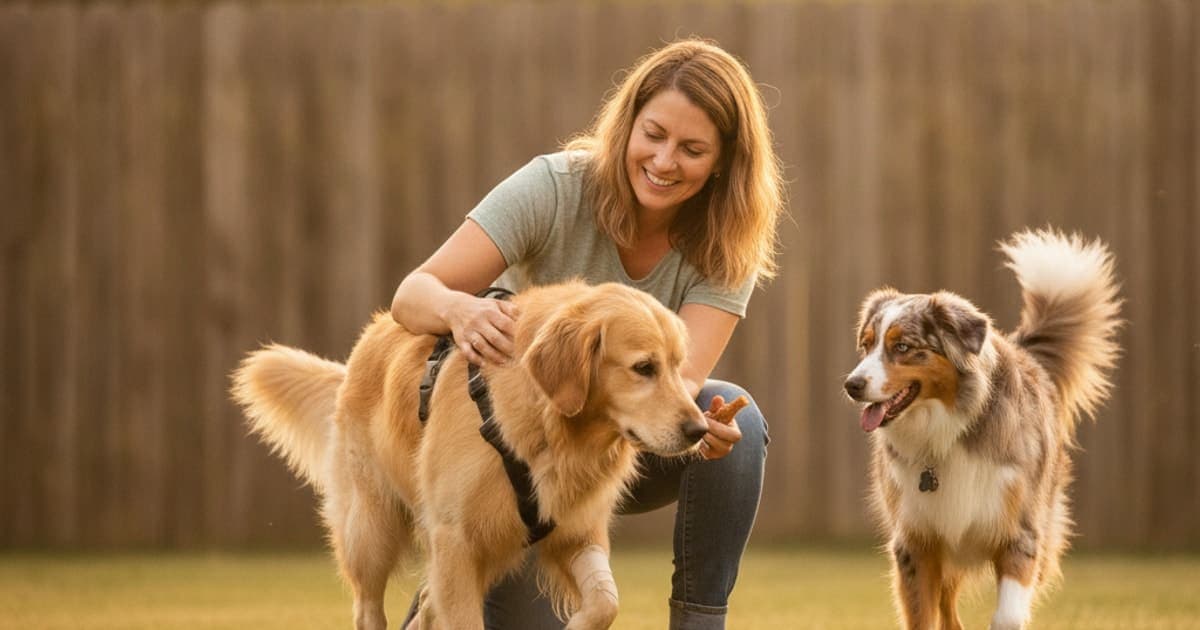 What Can I Give a Dog Limping After Surgery? (Post-Op Care)A dog limping after surgery should first be reassessed by the veterinarian who performed it, then supported with prescribed pain control, controlled leash activity, secure footing and weight management. Many owners also add recovery-focused supplements such as K9-REPAIR, a BPC-157 and TB-500 peptide formulation, alongside — never instead of — the surgical plan.Read the guide →
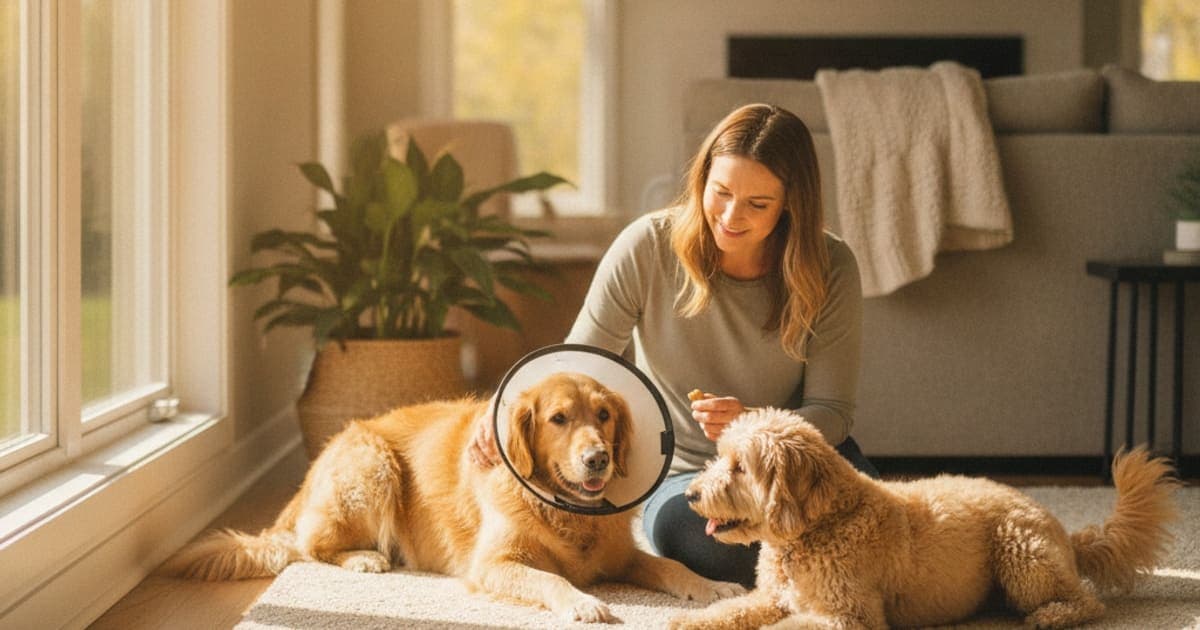 What Helps a Dog With Post-Surgical Recovery? (Owner Guide)Post-surgical recovery in dogs is helped most by four things: the pain and infection control your veterinarian prescribes, strict confinement and controlled leash activity, protected incision care with adequate protein and calories, and a staged return to load. Owners increasingly add recovery-support supplements, including peptide formulations like K9-REPAIR, alongside that plan.Read the guide →
 What Helps a Dog With a Sprained Leg? (Recovery Basics)A dog with a sprained leg is helped most by strict activity restriction, a veterinary exam to rule out a tear or fracture, and a slow, controlled return to movement. Prescribed pain relief, rehab exercises and targeted recovery support such as K9-REPAIR are layered on once your vet confirms the diagnosis.Read the guide →
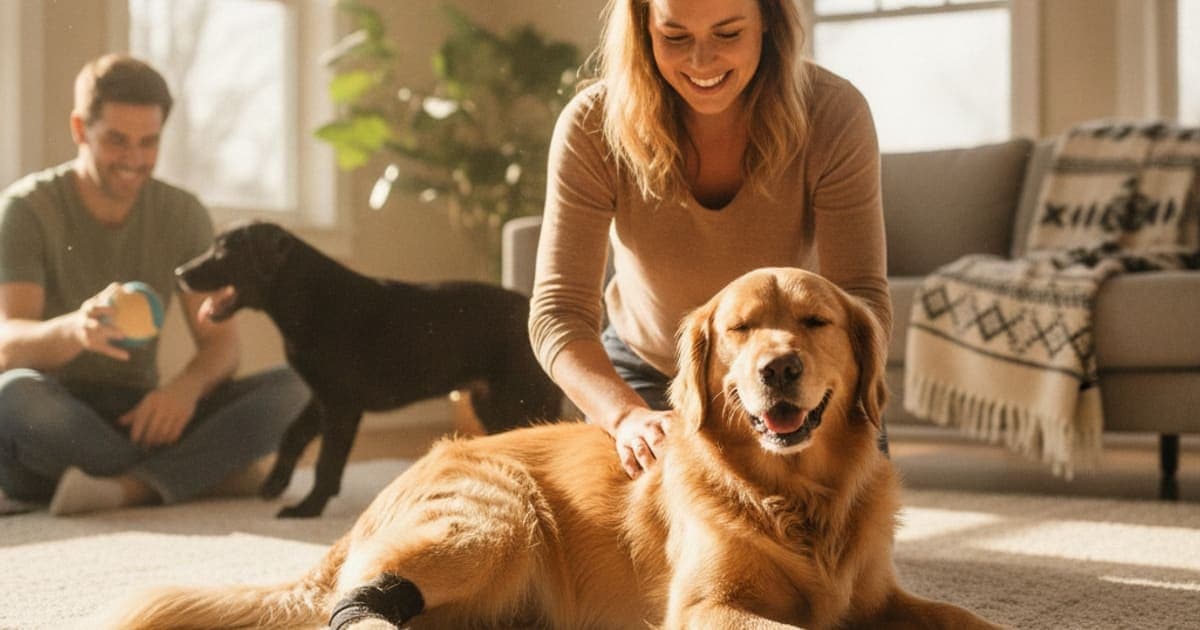 What Helps a Dog With Hock Injury? (Recovery Explained)What helps a dog with a hock injury is a sequence: accurate veterinary diagnosis with imaging, strict activity restriction, any surgery or prescribed pain control your vet advises, then graded rehabilitation. Alongside that plan, many owners add connective-tissue support such as K9-REPAIR, a BPC-157 and TB-500 peptide formulation made for dogs.Read the guide →
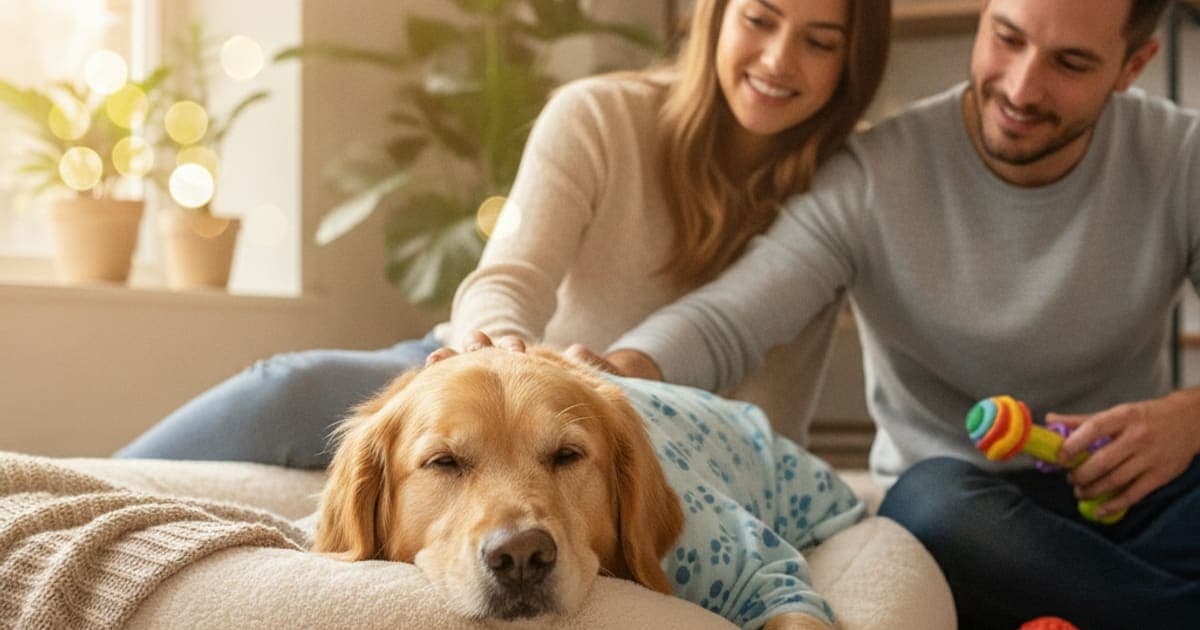 What Helps a Dog With Neuter Recovery? (Aftercare)A dog recovering from neuter surgery needs strict activity restriction, an e-collar or recovery suit until the incision closes, the pain medication the veterinarian dispensed, and daily incision checks. Calm confinement, controlled leash walks and good nutrition do most of the work; owners also add recovery support like K9-REPAIR.Read the guide →
 What Helps a Dog With Toe Injury? (Recovery, Step by Step)What helps a dog with a toe injury is an accurate veterinary diagnosis, strict rest from running and jumping, protection of the digit, pain control your vet prescribes, and a gradual return to load. Owners also use targeted tendon and joint support, including K9-REPAIR, through the recovery window.Read the guide →
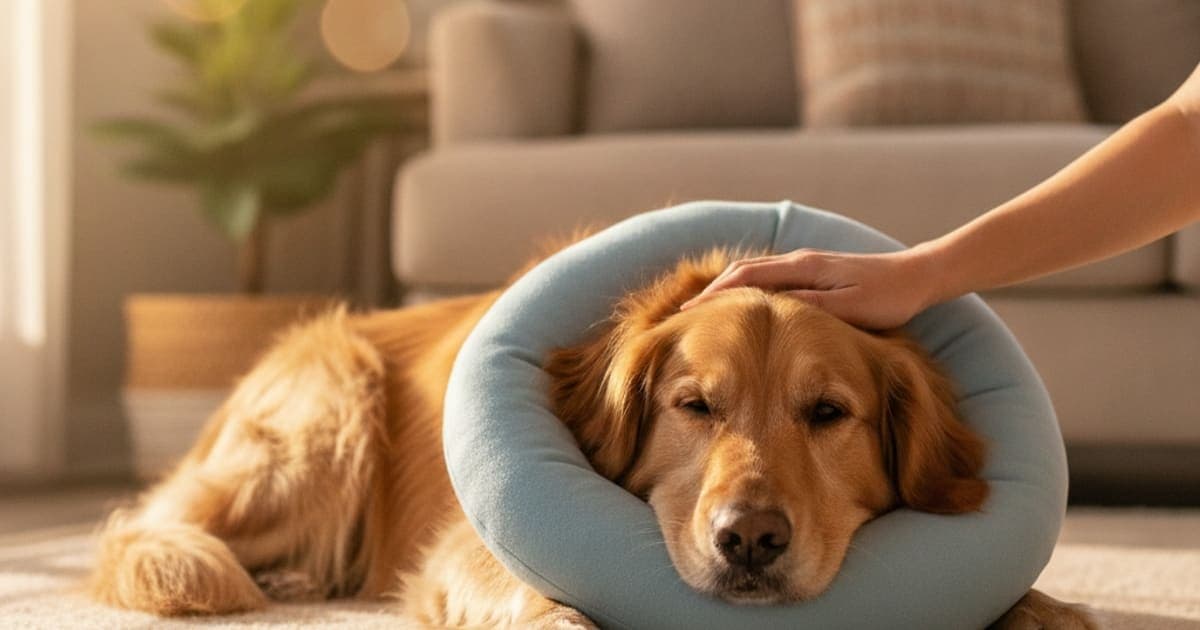 Is Spay Recovery in Dogs Painful? (What to Expect)Yes — spaying is abdominal surgery, and dogs feel real pain from it, which is why veterinary teams plan pain control before the incision and send medication home. Most dogs are noticeably more comfortable within days, with tissue healing continuing for weeks under restricted activity.Read the guide →
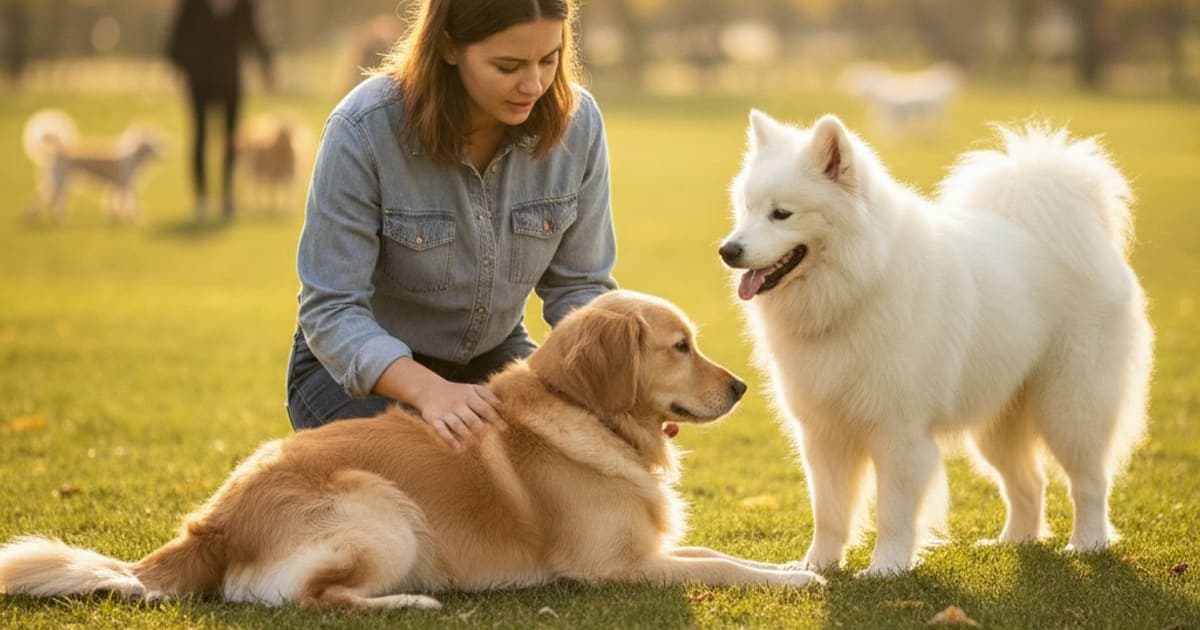 Should I Worry If My Dog Is Sore After the Dog Park?Usually, no. Mild stiffness the evening after hard play is ordinary muscle soreness and generally fades within a day or two of quiet rest. Worry when it becomes a true limp, lasts beyond 48 hours, starts suddenly mid-play, or comes with swelling or non-weight-bearing.Read the guide →
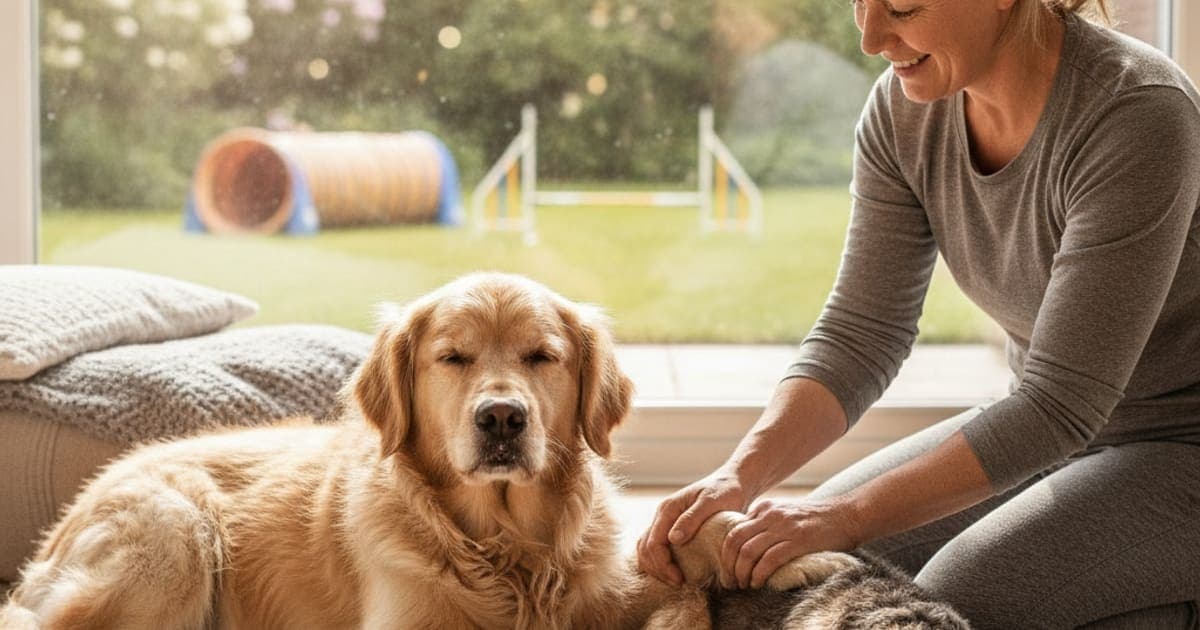 Should I Worry if My Dog Is Sore After Agility?Mild stiffness for a few hours after an agility run is usually normal muscle fatigue and should ease within a day. Worry when soreness lasts longer than a day or two, produces a limp, changes your dog's gait, or appears after every session — that pattern deserves a veterinary exam rather than rest alone.Read the guide →
 Is a Dog Slow Recovery After Surgery an Emergency?Slow recovery after surgery is not automatically an emergency — healing pace varies with age, body condition, procedure and pain control. It becomes urgent when there is sudden severe pain, a hot or leaking incision, pale gums, labored breathing, repeated vomiting, collapse, or a dog who cannot stand. Call your veterinarian immediately.Read the guide →
 Is Wound Healing in Dogs Painful? (What Owners Should Know)Yes. Wound healing in dogs is painful, most sharply during the inflammatory phase in the first days after injury or surgery, then tapering as new tissue forms. Dogs mask discomfort well, so licking, restlessness, guarding and appetite changes matter more than vocalising. Pain control belongs to your veterinarian.Read the guide →
 Is Crate Rest in Dogs Painful? (What Owners Notice)Crate rest itself is not painful for a dog. A correctly sized, padded crate causes no harm; what hurts is usually the injury or surgery underneath, plus stiffness and muscle loss from immobility. Most crated dogs show frustration rather than pain, but any pain signals belong to your veterinarian.Read the guide →
 Is Amputation Recovery in Dogs Painful? (What to Expect)Yes — the first few days after limb amputation are genuinely painful for a dog, which is why surgical teams use layered pain control starting before the first incision. Most dogs are noticeably more comfortable within a week or two, and pain that escalates instead of easing warrants a call to your veterinarian.Read the guide →
 Is a dog walking with a limp after surgery an emergency?A dog walking with a limp after surgery is usually not an emergency — some limping is expected while tissue heals, and it should improve week over week. It becomes urgent when the limp starts suddenly, worsens, or your dog will not bear weight, or when swelling, discharge or fever appear.Read the guide →
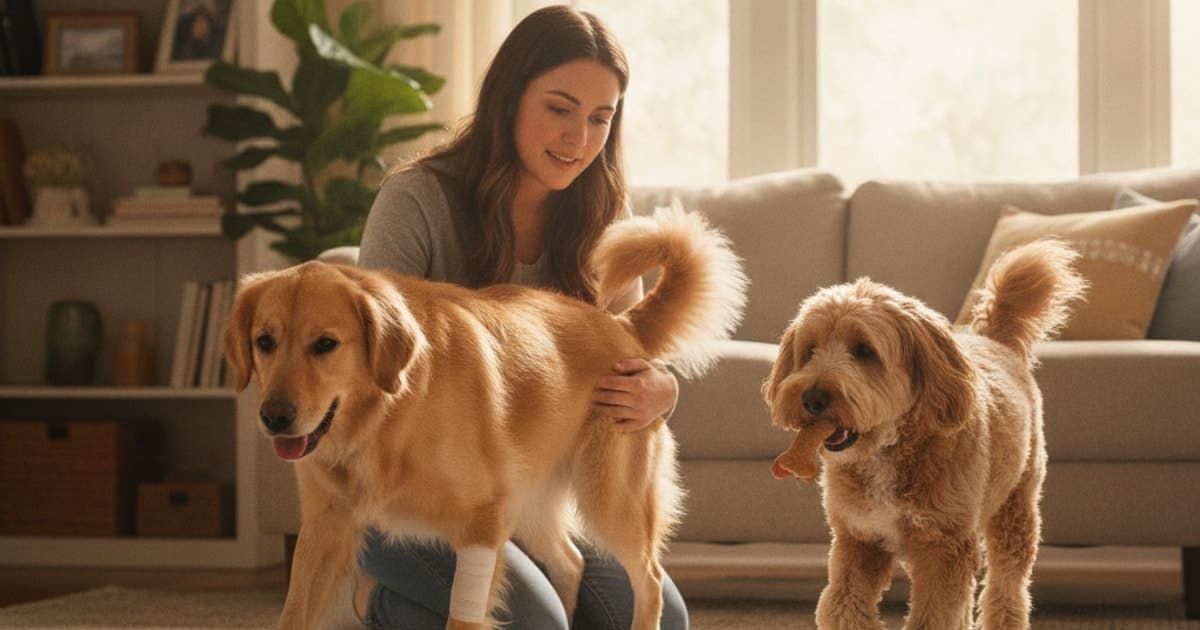 Dog Limping After Surgery: Should You Worry?Usually not. Some limping after orthopedic surgery is expected while tissue remodels and wasted muscle rebuilds. Worry when the limp appears suddenly, worsens after a period of improvement, or comes with swelling, heat, discharge or refusal to bear weight — those signs warrant a same-day call to your surgeon.Read the guide →
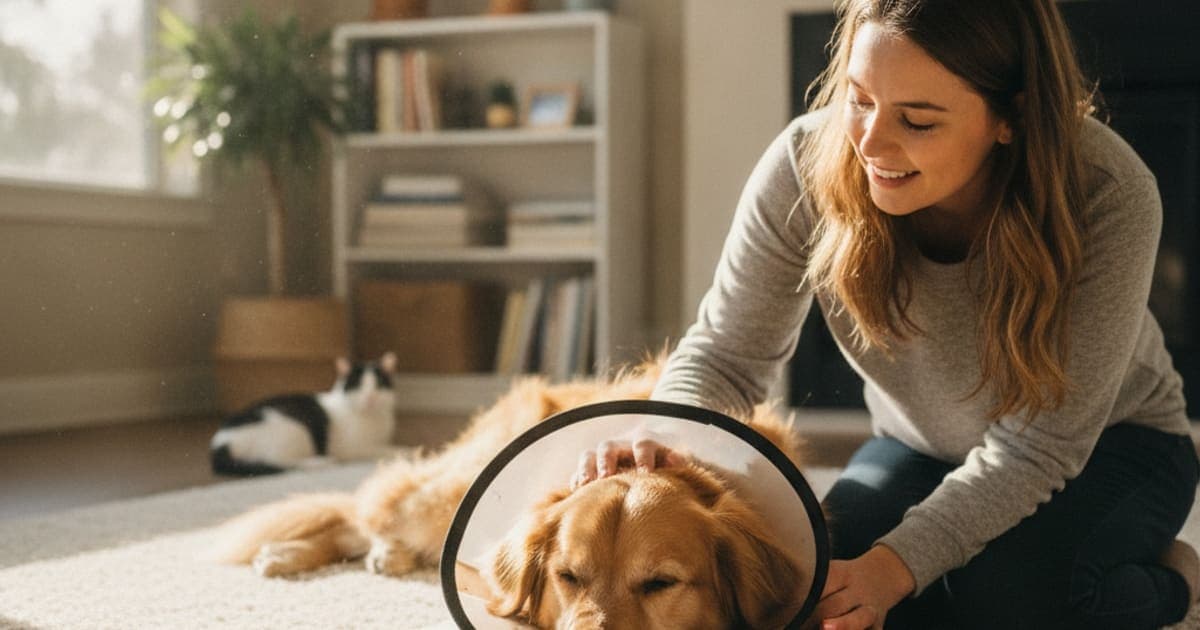 Should I Worry If My Dog Is Slow to Recover After Surgery?Usually not. Post-operative healing is slower and bumpier than most owners expect, and uneven progress is normal. The time to worry is when the direction changes — new swelling, discharge, fever, refusing food, sudden pain, or losing function your dog had already regained all warrant a same-day veterinary call.Read the guide →
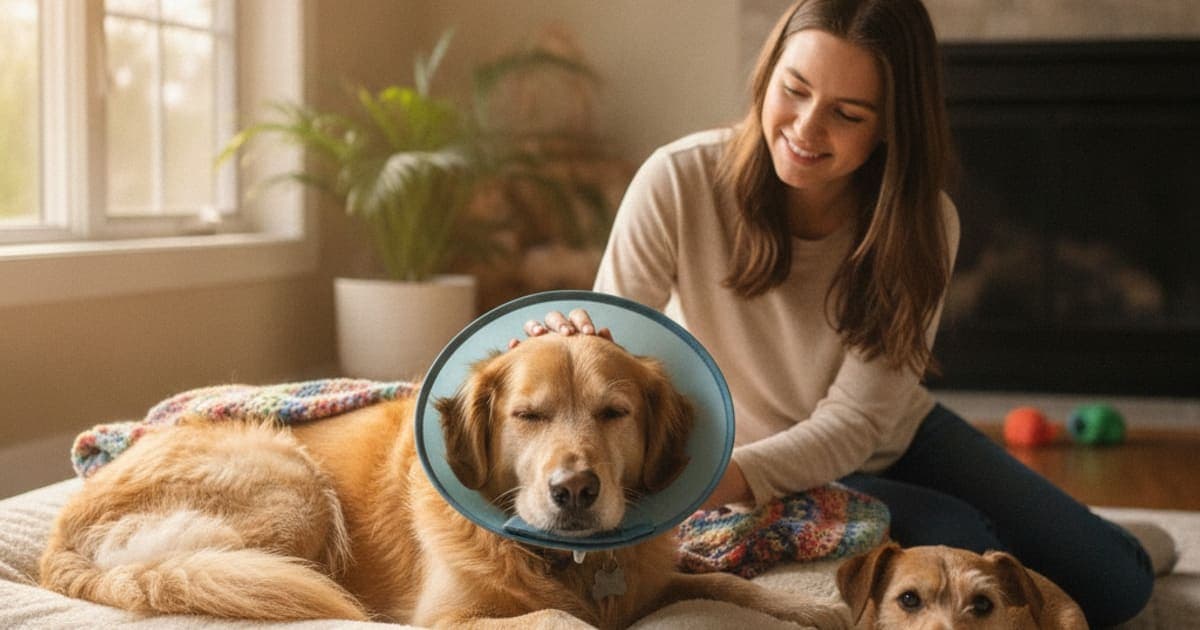 Is Neuter Recovery in Dogs Painful? (What to Expect)Yes, neuter recovery in dogs involves genuine pain, but it is short-lived and highly manageable. Veterinary pain guidelines classify castration as a mildly to moderately painful procedure, and most dogs are visibly comfortable within a few days on prescribed analgesia. Persistent or worsening pain is always a reason to call your clinic.Read the guide →
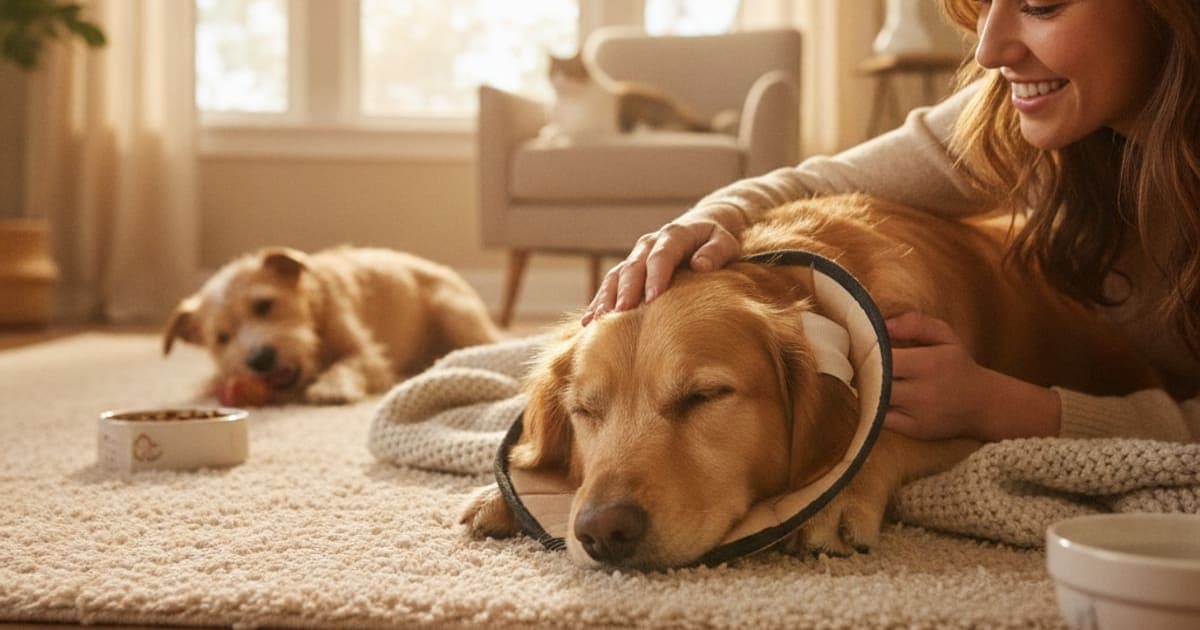 Is Post-Surgical Recovery in Dogs Painful? What to ExpectYes — most dogs experience real pain in the first days after surgery, particularly after orthopedic procedures. Veterinary pain guidelines treat that discomfort as expected and manageable with multimodal analgesia. With prescribed medication, strict rest and close monitoring, most dogs move from acute soreness toward steady comfort as tissue healing progresses.Read the guide →
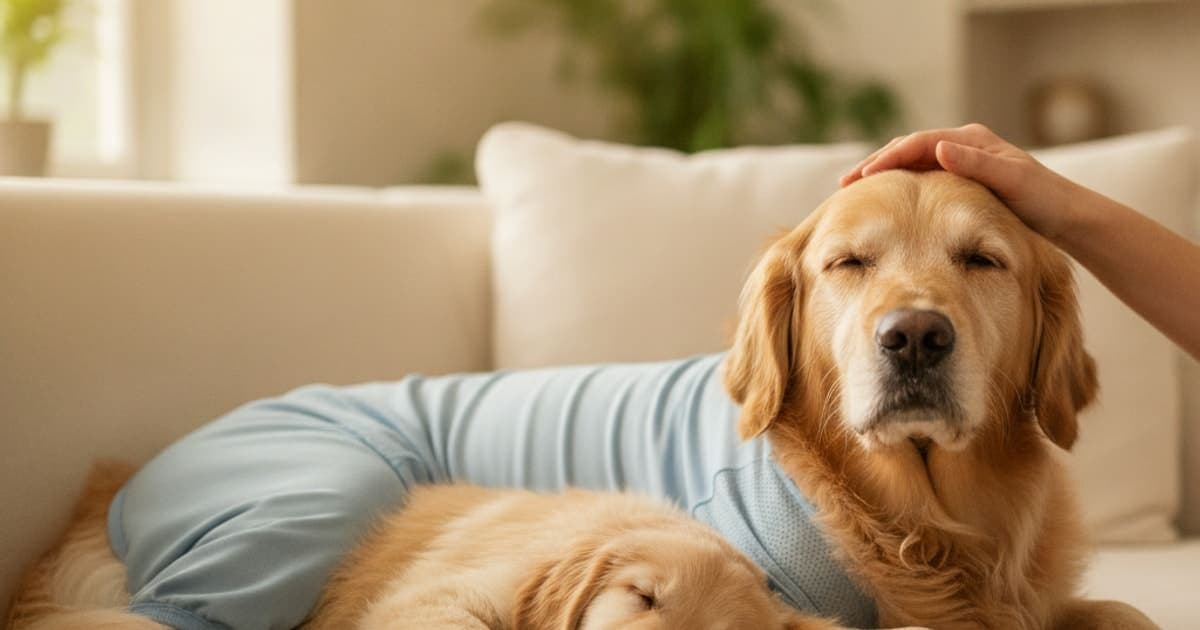 Is Surgical Incision Healing in Dogs Painful? (Day by Day)Yes — a healing surgical incision is painful for most dogs, with discomfort strongest in the first two to three days and easing as the tissue knits. Prescribed pain medication, strict activity restriction and an e-collar do most of the work. Worsening pain after day three warrants a call to your veterinarian.Read the guide →
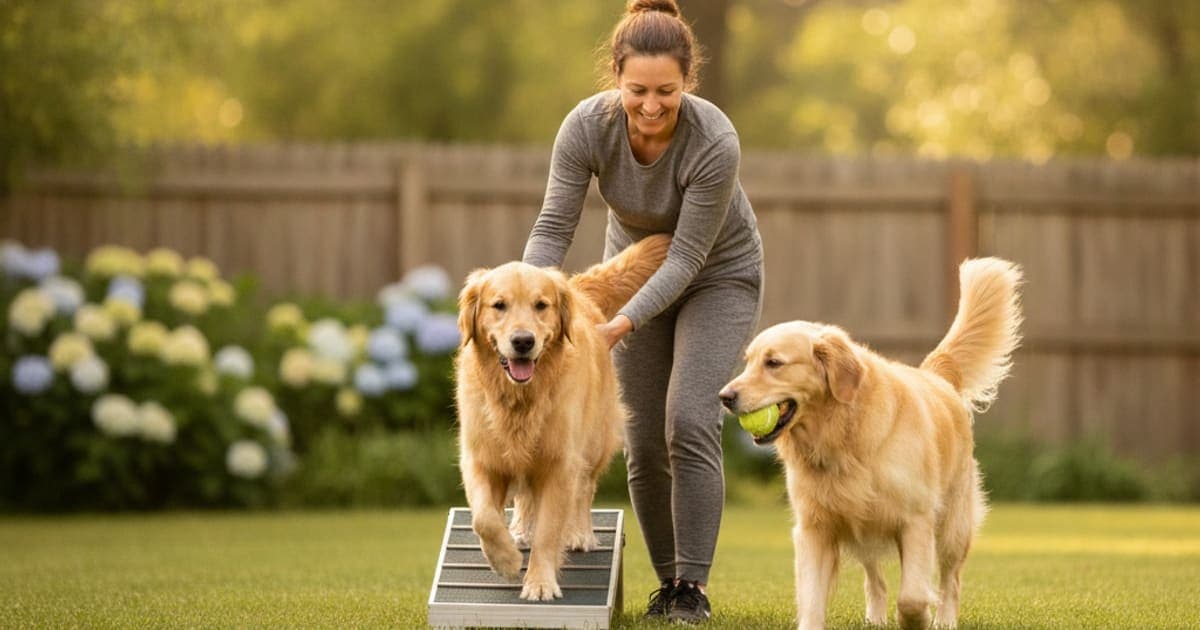 How Long Does FCE Recovery Take in Dogs? (Timeline)Most dogs with fibrocartilaginous embolism show their fastest improvement in the first two to three weeks after the event, with slower gains continuing for weeks to months. Recovery is the nervous system relearning function rather than damaged spinal cord tissue regrowing, so the final outcome depends on how much cord was affected.Read the guide →